
Writing on ASD, ADHD, COVID-19, film, politics & history. Personal experience systems thinking. Background in quality, health, safety & environment.
Joined July 2021
- Tweets 88,565
- Following 6,058
- Followers 3,877
- Likes 223,156
5,108 Photos and videos









Pinned Tweet

31 Dec 2025
Biology doesn’t change at the border.
Autism risk does not depend on the flag printed on a vaccine schedule.
What matters is exposure biology:
•antigen load
•timing
•cumulative dose
•developmental windows
Those are measured by large birth-cohort and registry studies that follow children from birth using medical records — the right design for outcomes diagnosed years later.
Arguing about schedule labels is a distraction.
Causation lives in mechanisms, dose–response, and replication — not semantics.
2
2
12
1,382
michael ryan retweeted

This beautifully sweet guy is our people, @Cvanderpunk2.
🥹🥹🥹
💗🎨💗
Jun 13

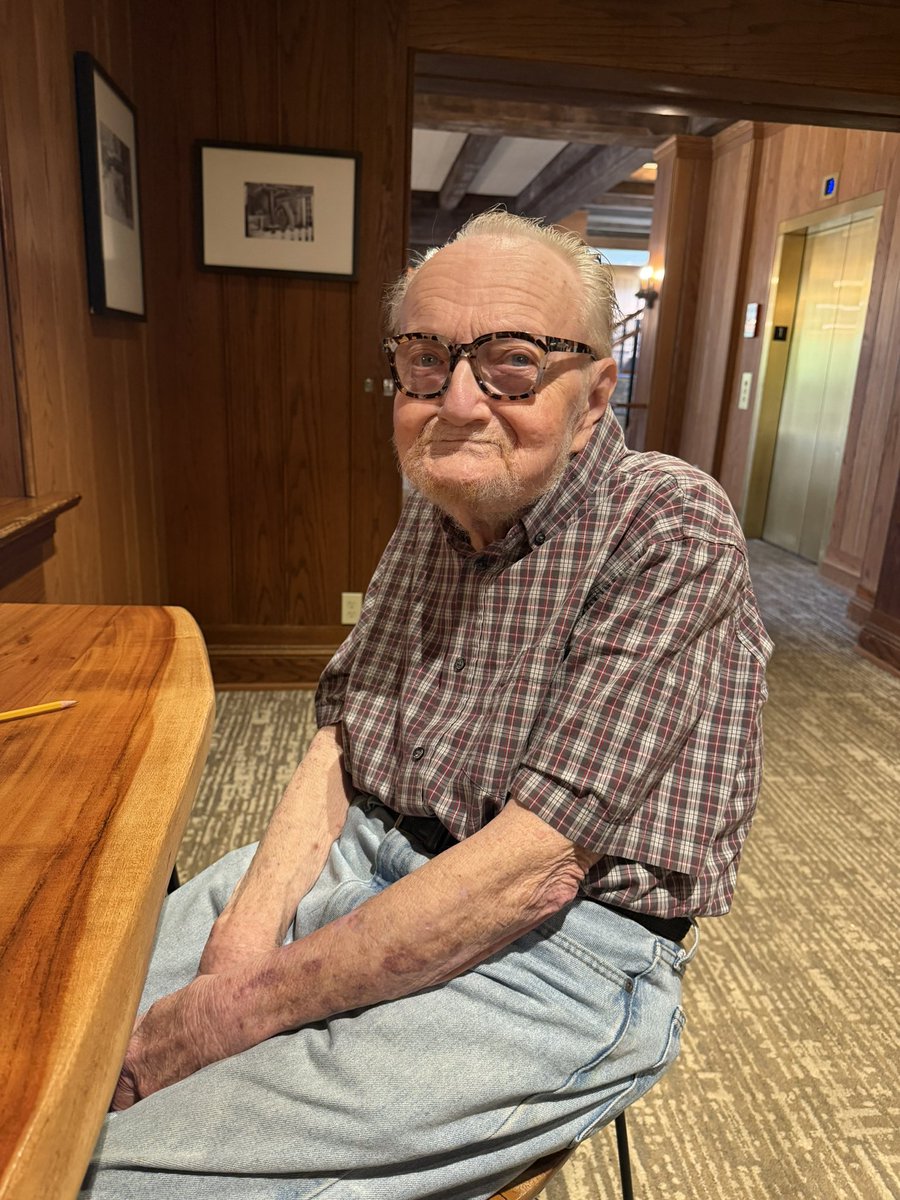
I want to introduce you to Steve. He’s 83. His wife died a few months ago and he comes to this lodge in Spring Mill, Indiana and draws. He taught art in Terre Haute, IN his whole life. He also did courtroom sketches in court cases. In the comments I’ll share some pics from his sketchbook. He was excited when I said I was going to share his sketches with the world.
2
2
20
249
michael ryan retweeted

May 19
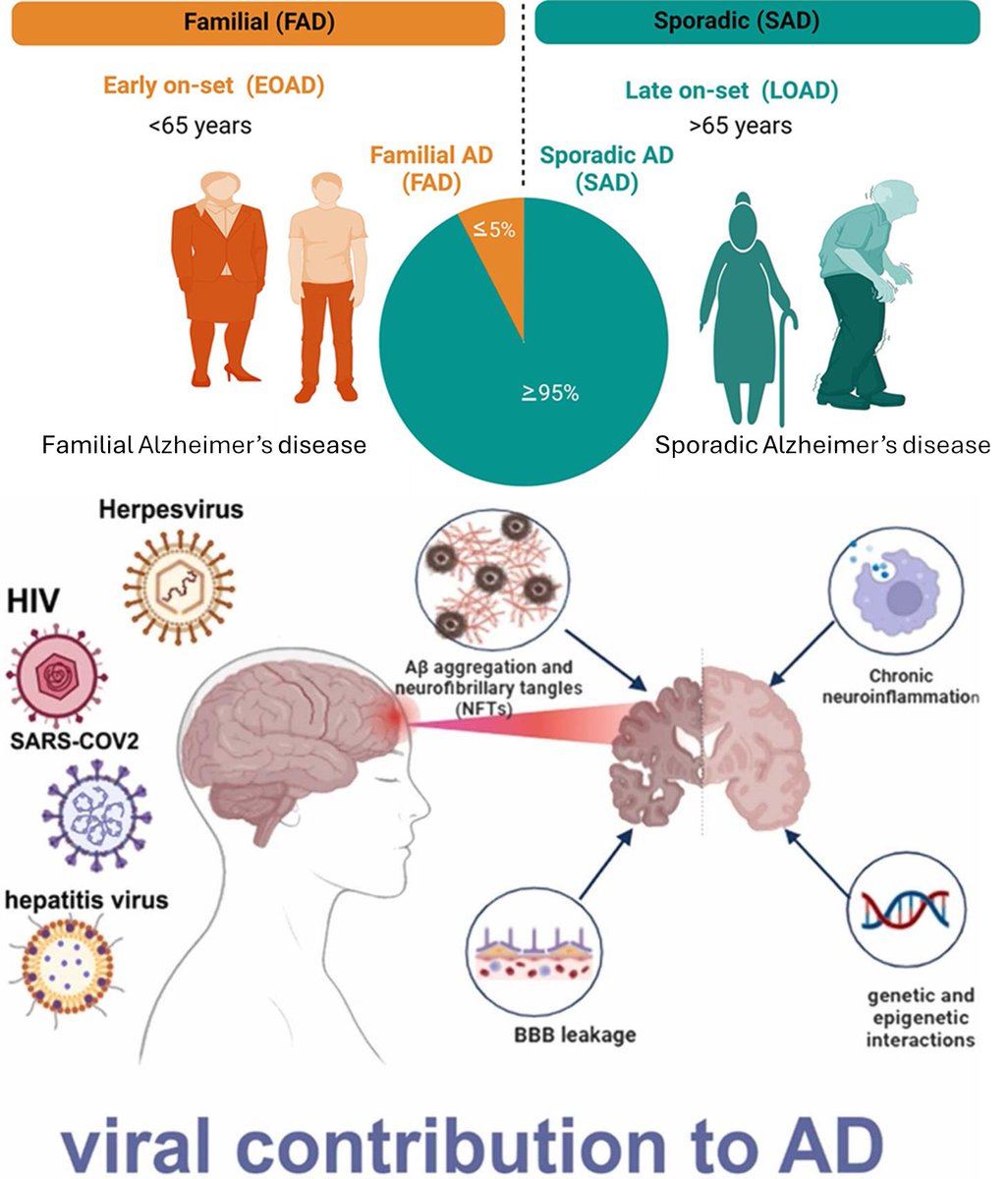
It is interesting to me that many people assume dementia “runs in the family,” when most dementia cases are actually sporadic rather than directly inherited. Family history can increase risk, but truly hereditary forms are relatively rare.
#Alzheimer, for example, is the most common cause of dementia, accounting for an estimated 60–80% of cases. Yet only about 5% of Alzheimer’s cases are caused by inherited genetic mutations, and these forms usually begin at a younger age.
Most cases develop from a combination of aging, vascular health, lifestyle and environmental exposures, including to pathogens.
We know that conditions such as high blood pressure, diabetes, high cholesterol, obesity, and heart disease damage blood vessels and increase dementia risk because the brain depends heavily on healthy circulation. These conditions can disrupt the blood–brain barrier (BBB), increasing its permeability and allowing inflammatory molecules and other harmful substances to affect brain tissue.
Physical inactivity and poor sleep also play an important role. Regular exercise supports blood flow, reduces inflammation, and improves insulin sensitivity, while chronic sleep disruption is associated with increased accumulation of abnormal proteins linked to Alzheimer such as tau (NFTs) and amyloid (AB).
What receives less attention is the growing evidence that some infections may also contribute to dementia risk through several possible mechanisms.
Can be direct infection of the brain cells (seen in HIV, #Covid, herpesviruses and others) or by chronic immune activation and inflammation, which damage blood vessels and contribute to vascular impairment. There is also growing research linking reactivation of dormant viruses after an infection, and interactions between infections contributing to dementia in some individuals.
Overall, chronic systemic inflammation appears harmful to brain health. Repeated severe infections or persistent inflammatory states may contribute through vascular damage and prolonged immune activation.
There is still a great deal we do not understand about dementia and neurodegenerative diseases, which is one reason why truly effective treatments are still not available.
19
253
728
15,959
michael ryan retweeted

Jun 13
Amazing


35
159
2,280
39,085
Best advice I have had all day.
13h

Don’t let anyone ruin your day.
You’re an adult, do it yourself….
1
2
8
807
michael ryan retweeted

13h
Don’t let anyone ruin your day.
You’re an adult, do it yourself….
21
32
280
3,850
michael ryan retweeted

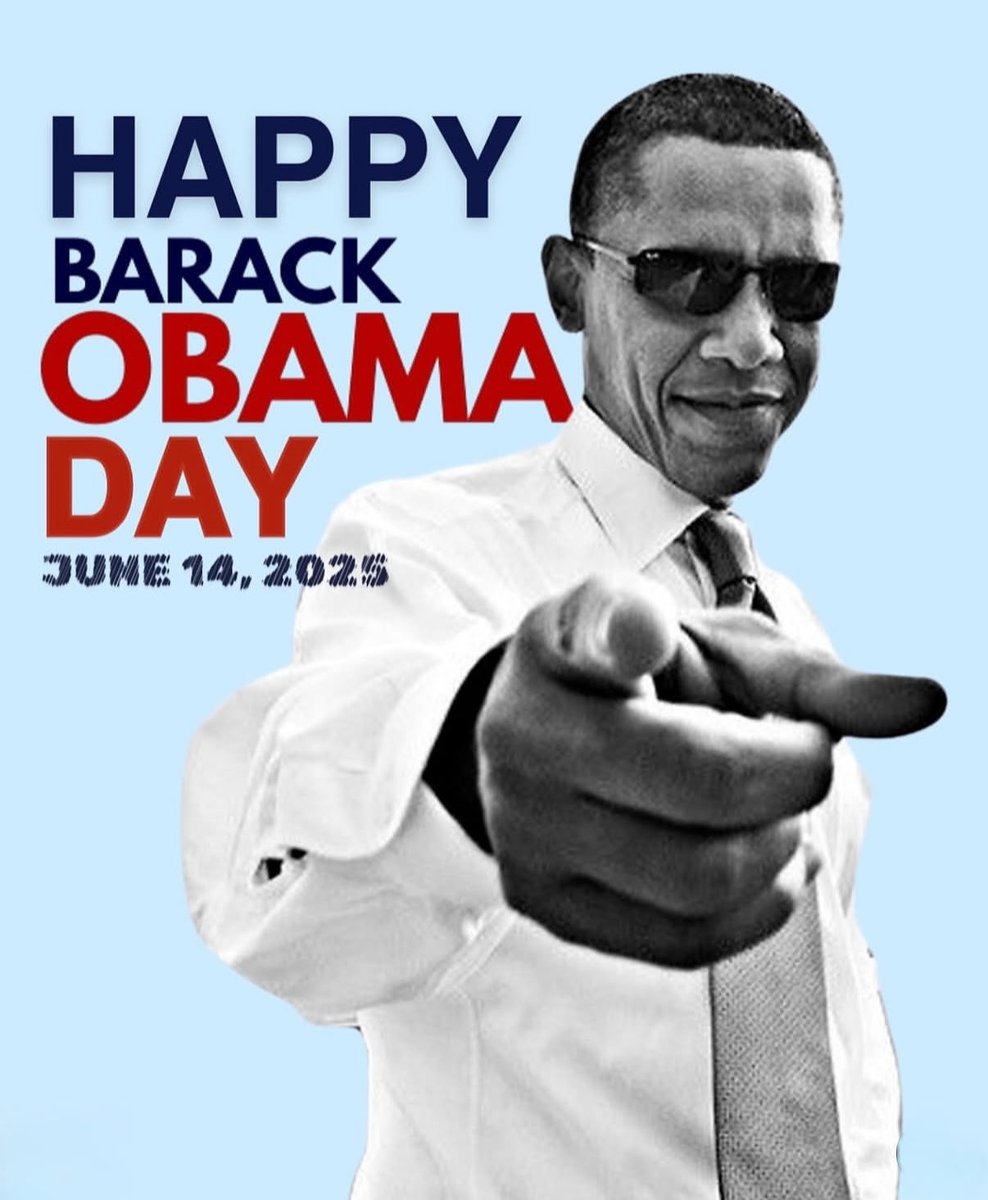
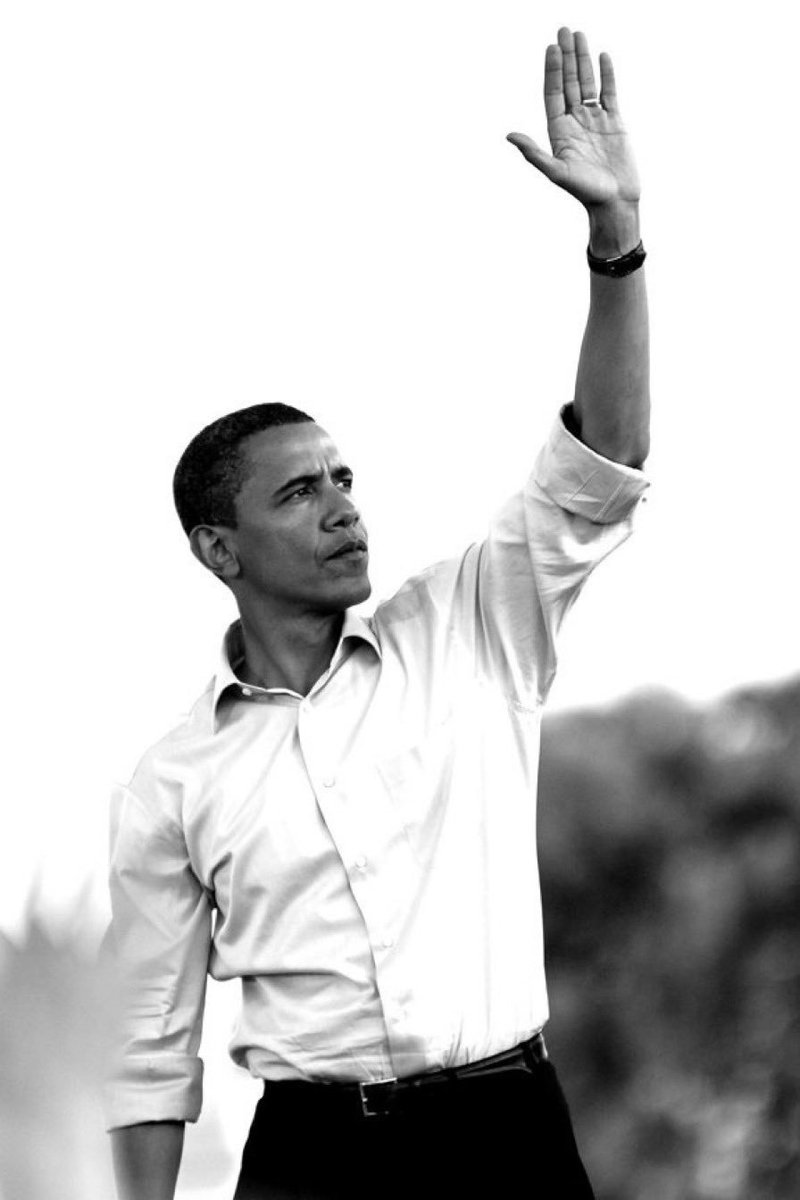
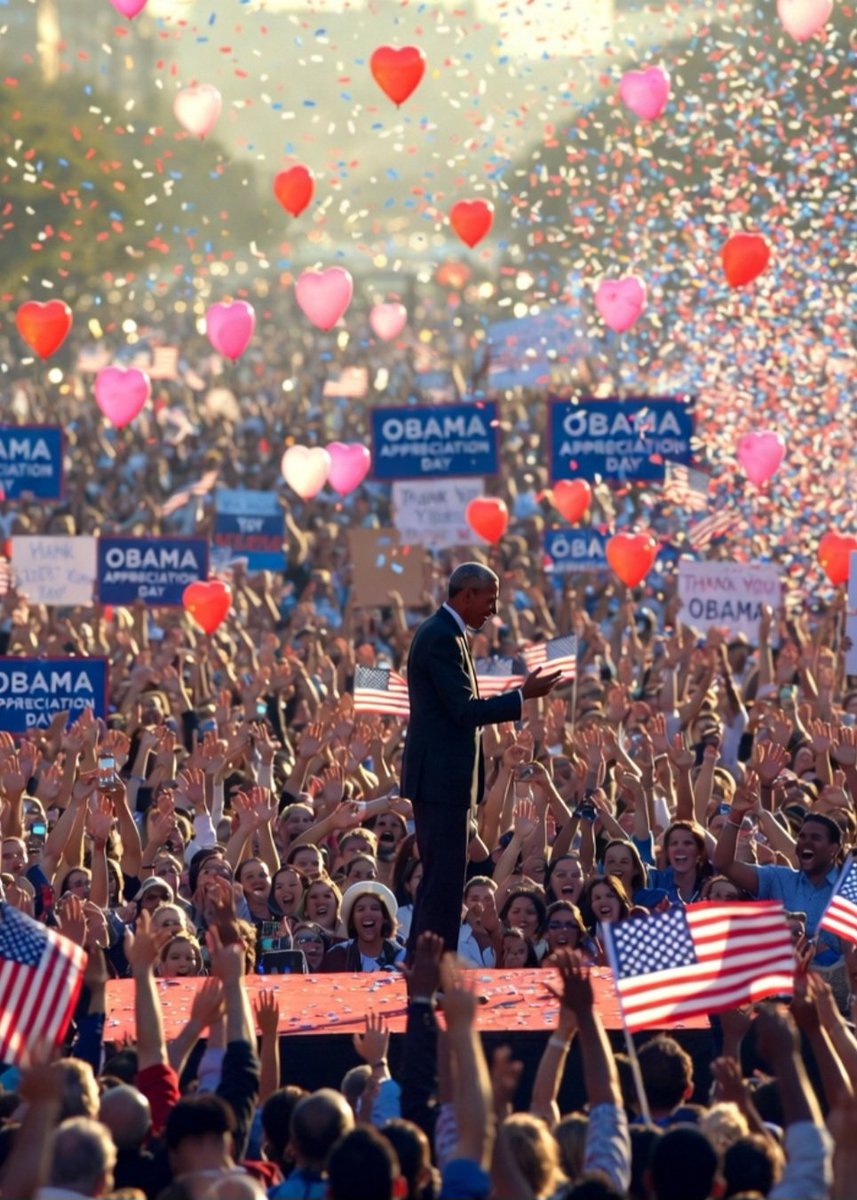
Happy Barack Obama appreciation day
#ObamaDayJune14
#smokefléét
15h

2
13
25
217
michael ryan retweeted

Jun 13
Trump's reflecting pool is a cesspool
547
914
7,142
120,409
michael ryan retweeted
Happy Barack Obama appreciation day
#ObamaDayJune14
#smokefléét

It is the Annual Obama Appreciation Day!!!!!!
8
14
86
michael ryan retweeted

Why One Nation's 'solution' to housing issues is the most expensive possible way to save $4,700.
Fiscal blundering aside, it's a bad, bad idea, when you consider that most Australians want to 'age in place' rather than be booted out of their family home and go and live in a nursing home.
Not going to win them any votes. Sorry, @PaulineHansonOz.
linkedin.com/pulse/dear-one-…
5
21
46
1,049

michael ryan retweeted

Jun 13
In Brazil, a 21-year old woman thought she was going base-jumping, but instead she was tossed off a bridge by employees who forgot to attach her to ropes or a safety harness.
She fell 40M to her death.
People are not okay.

44
56
541
46,572

michael ryan retweeted

Jun 13
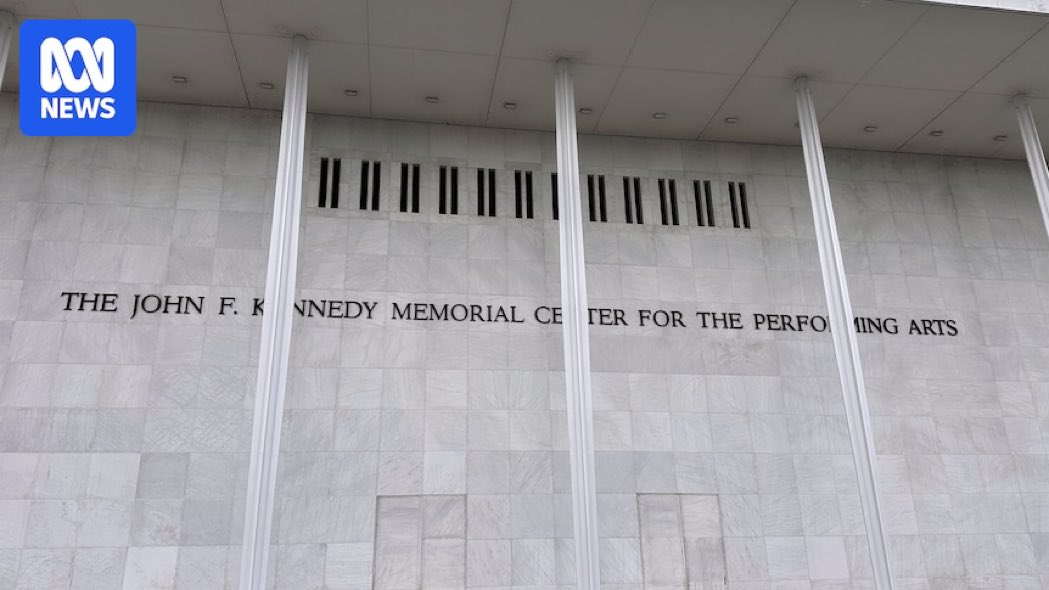
The Kennedy Center is BACKKKKKKKKKKKKKK!
201
2,172
15,649
885,924
michael ryan retweeted

Our warriors have achieved good results in applying long-range sanctions against important facilities on the territory of Russia and in the temporarily occupied territories of Ukraine.
More than 700 kilometers from our state border, in Russia’s Yaroslavl region, SSU warriors struck an oil facility that was important for the reserves of the aggressor state.
Warriors of our army reached their targets in Russia’s Tula region – specifically, the Azot plant, whose operations are critical to explosives production capabilities.
Air traffic restrictions were imposed at six Russian airports, and overall, since yesterday evening, 28 regions of Russia have been under air raid alerts.
There were also hits on the occupier’s military logistics in the temporarily occupied territory of Ukraine.
Ukraine is carrying out its plan of long-range sanctions against Russia and the assigned tasks regarding mid-range strikes in response to Russia’s refusal to end this war. We have offered the Russian leadership every possible format for negotiations – and the only response was continued aggression and attempts to expand it. It stands to reason that the war is coming back to where it came from. Ukraine needs peace. Glory to Ukraine!
1,004
5,023
32,926
878,451
michael ryan retweeted
Jun 13
Just broke two of my old Queen records.
Now I want to break three.
11
6
92
2,211
michael ryan retweeted

Jun 13
The work crew is really groovin’ as Trump’s name is ripped off the Kennedy Center. 😂
“Young man, pick yourself off the ground” … peak YMCA celebration vibes. 🎶
America is healing one scaffold dance at a time! 🕺
#YMCA #KennedyCenter
101
1,142
3,919
116,964
michael ryan retweeted

Jun 13
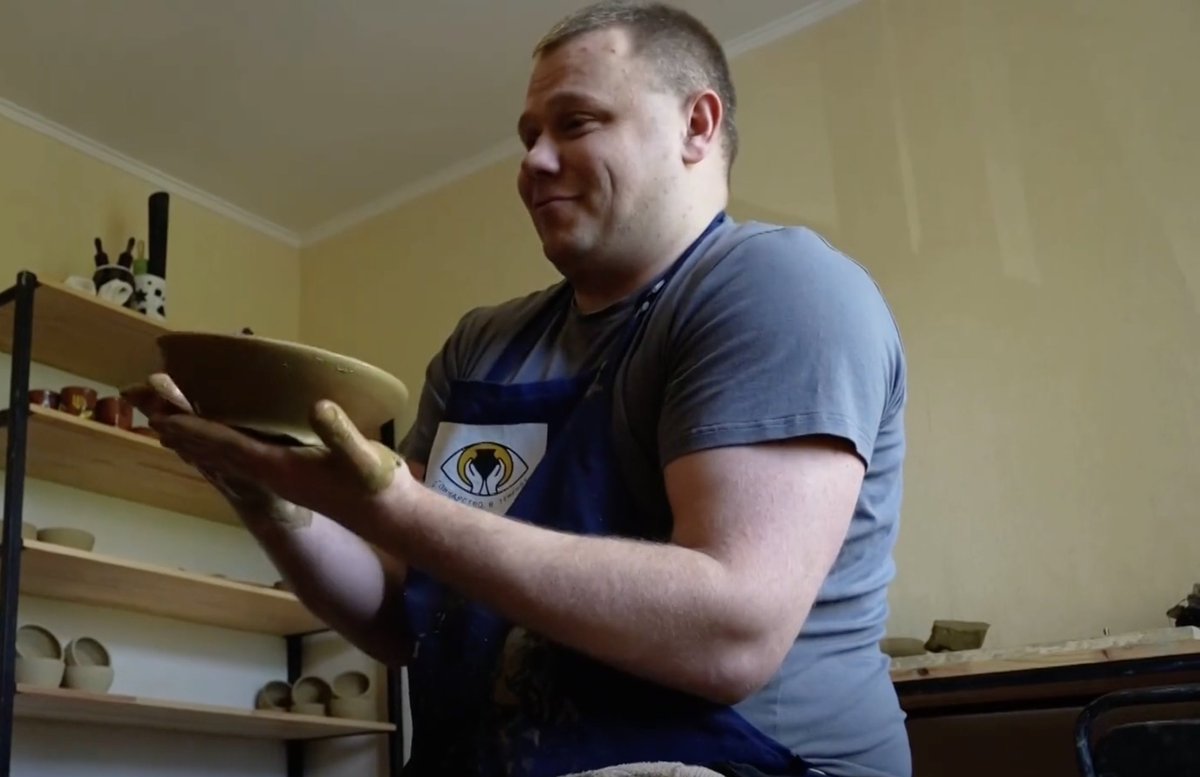
A blind Ukrainian veteran has made 1,000 pottery pieces — plates, mugs, candle holders — but has never seen a single one.
Ivan Shostak lost his eyesight in Bakhmut after a Russian blast. “I learned you can live in total darkness,” he says, AP.
1/
10
230
1,028
10,598

michael ryan retweeted

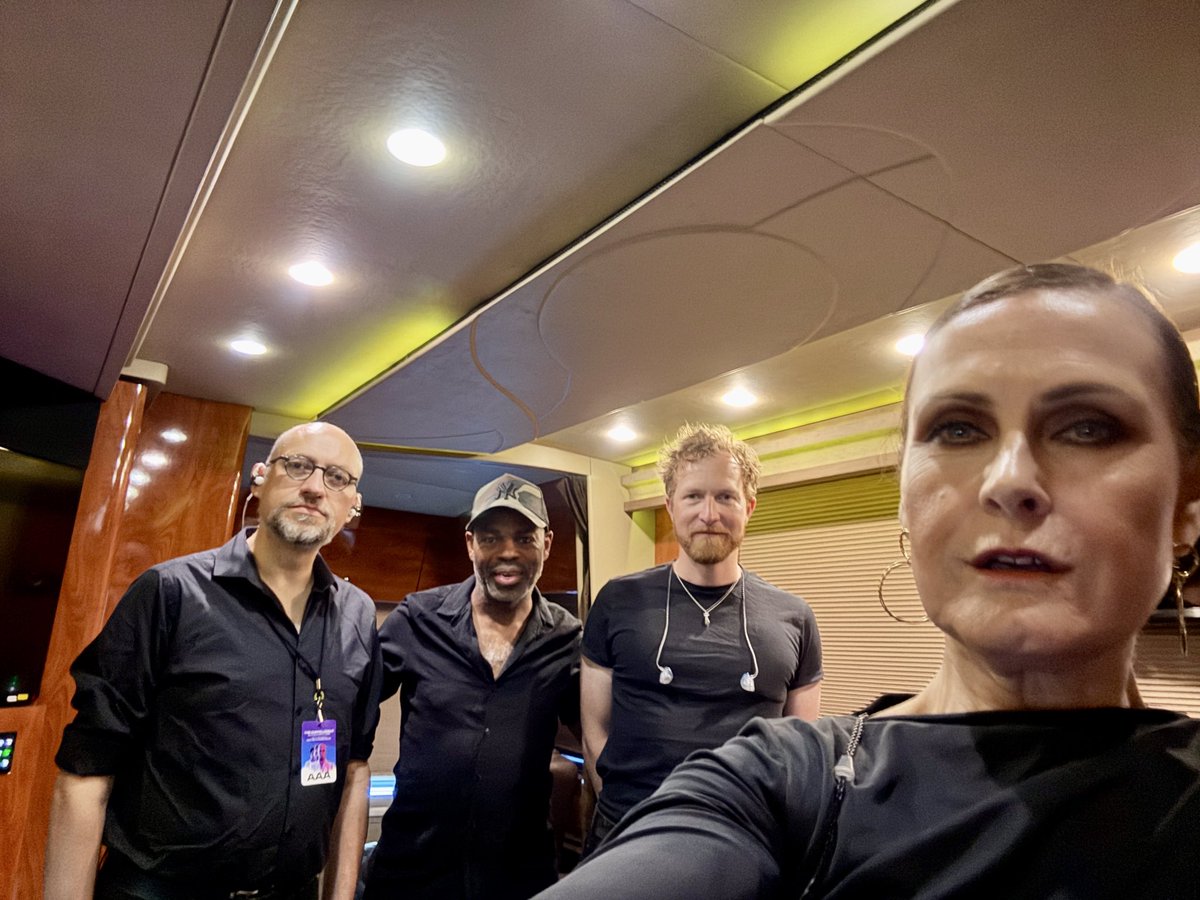
Done. Mesa Amphitheatre. Phoenix, Arizona. Proud of my gang. 42°outdoor set and didn’t drop a song. Kudos too to that undeterred, intrepid audience. Stirling attendance!
In your service. :-)
42
43
1,720
23,709
michael ryan retweeted

Jun 13
Pure hell in Vasylkivka, Dnipropetrovsk region.
russians dropped 12 KAB glide bombs on a market. A fucking market.
A Saturday morning — people just coming out to sell what they have.
Just a regular, everyday market… gone in an instant.
295
2,856
4,349
89,332