Miss Tourism Buganda Is aimed at Promoting Tourism and Culture in Buganda Kingdom using beauty as a weapon.Lets Embrace Tourism in another Dimension of Beauty.
Joined March 2017
- Tweets 2,555
- Following 4,240
- Followers 1,965
- Likes 5,396
623 Photos and videos
Miss Tourism Buganda Official retweeted

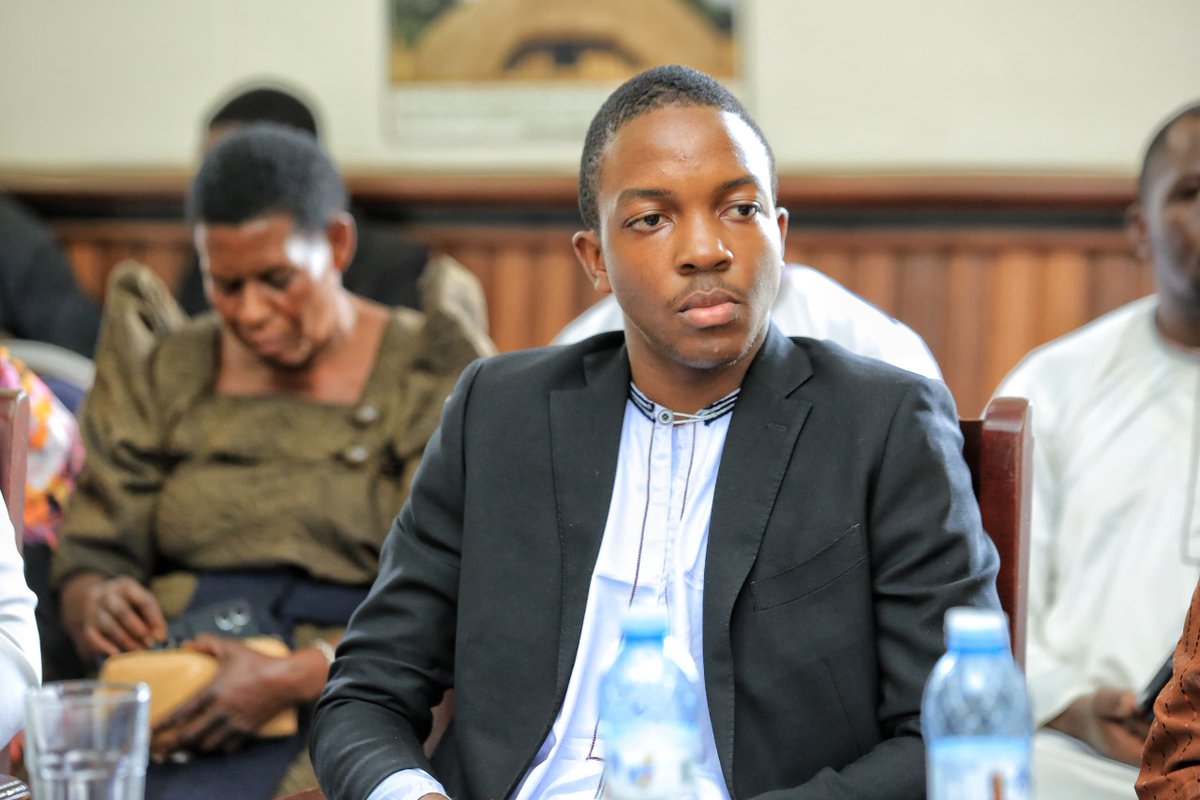
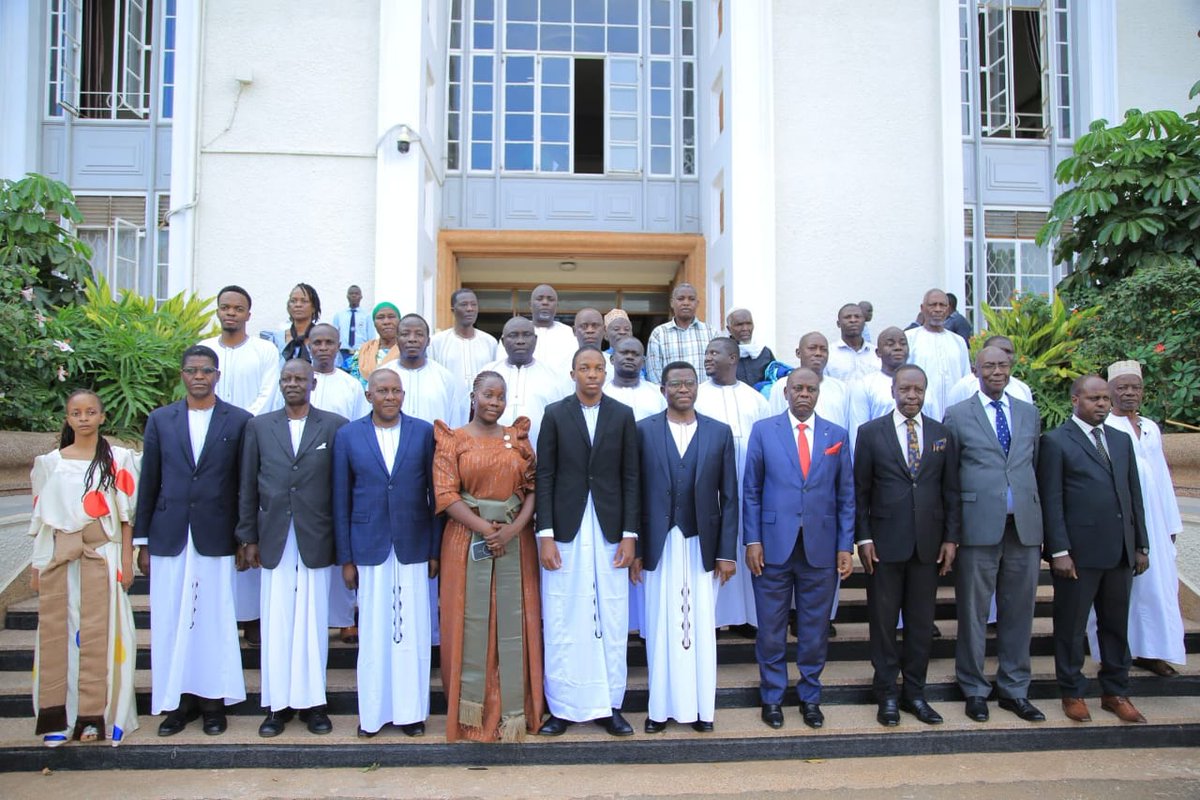
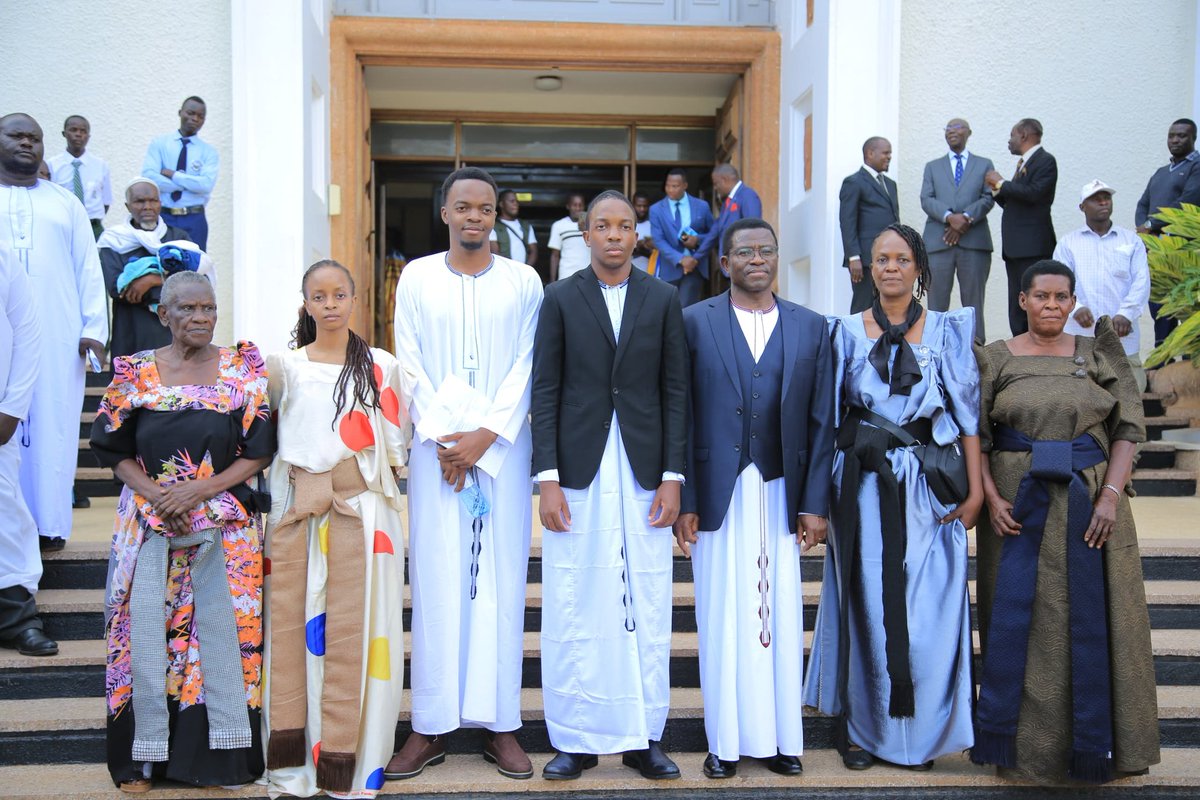
Tuyozaayoza bazzukulu ba Kabazzi abeddira Akasimba olw'okufuna Jjajjaabwe omuggya Omutaka Kabazzi Miti Ceaser Buyondo.
📷 @bbstvug @BugandaMedia

MANYA EKIKA KYO
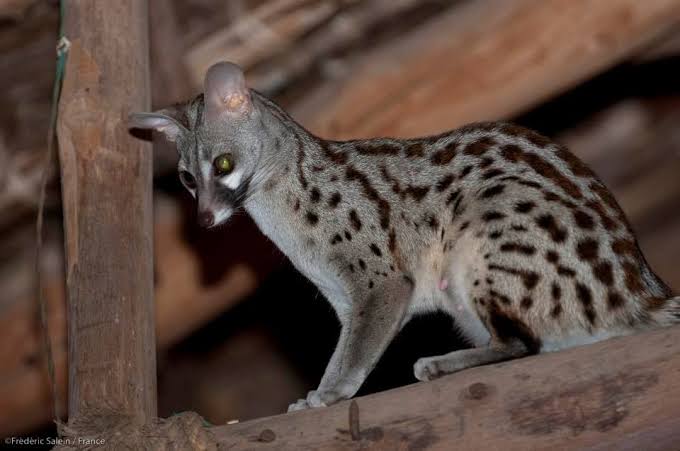
Ekika/Omuziro: Kasimba
Akabbiro: Ngo
Omutaka: Kabazzi
Obutaka: Kyango, Mawokota
Omubala: Kiiso bwe kikulaba obulungi naawe okiraba
Emirimu: Baweesi (Walukagga ye mukulu w'abaweesi), Bakomazi, bavuzi ba lyato lya Kabaka eriyitibwa Nakawungu
Source: Omuganda Kika
1
4
39
3,043
Miss Tourism Buganda Official retweeted

A new Journey begins today.
Happy Birthday to me
9
1
23
1,305

We need to protect our culture values

1
62
Miss Tourism Buganda Official retweeted

Did you know? 🌍✨
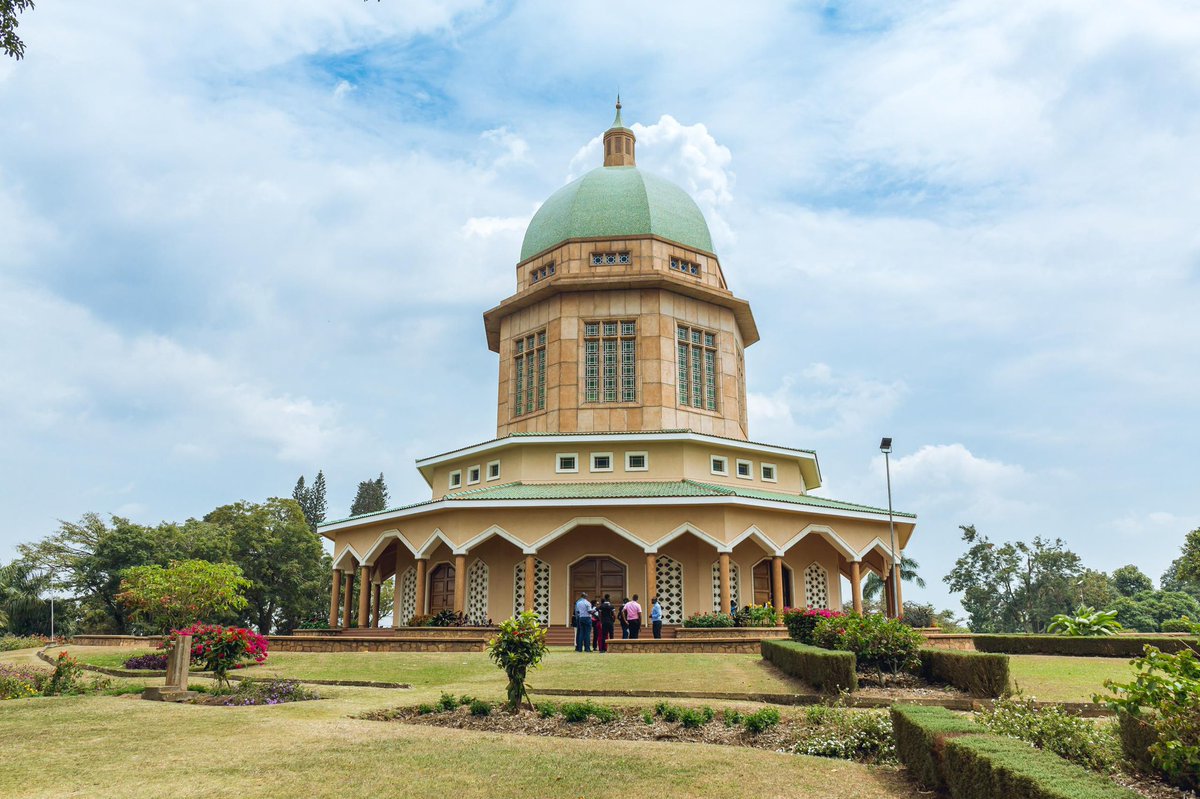
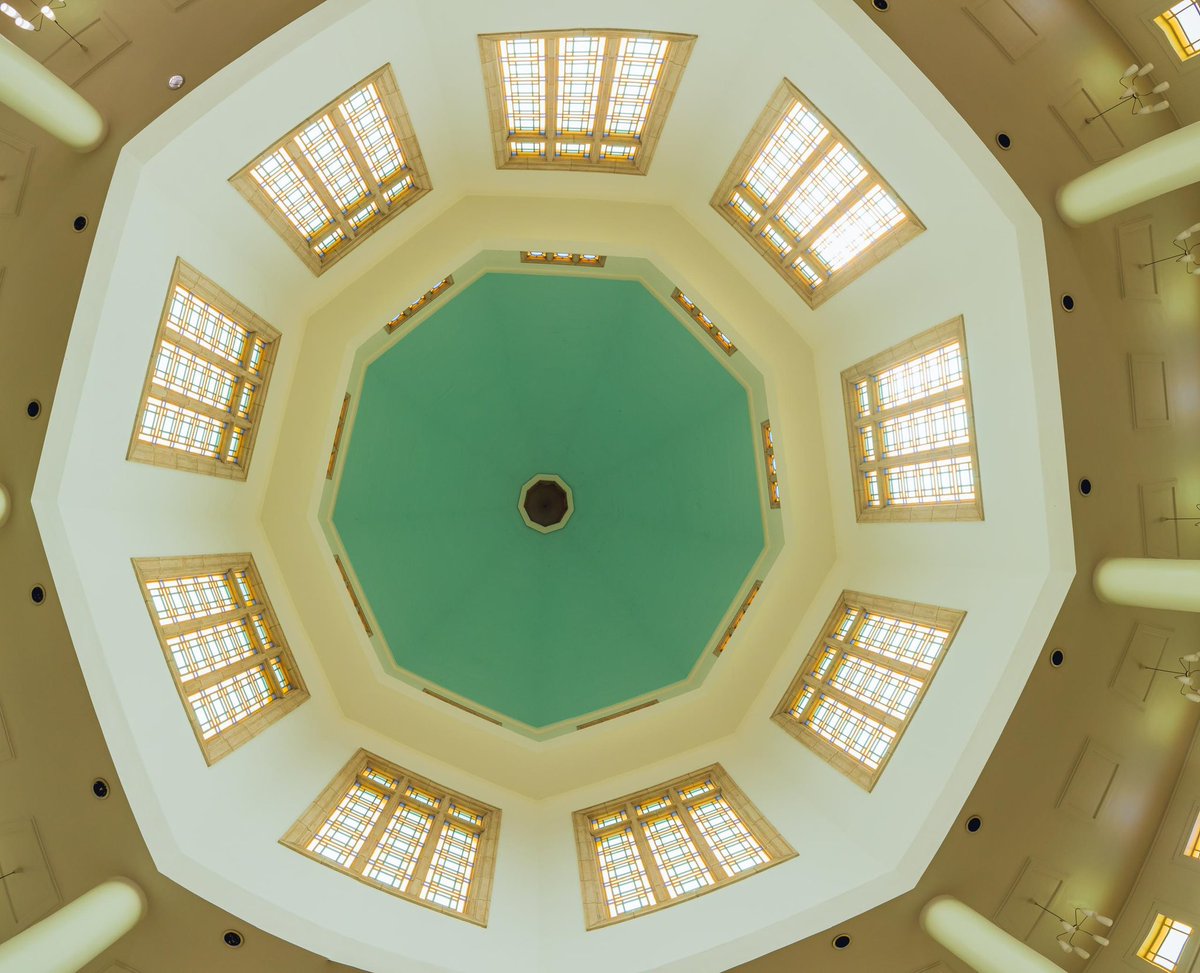
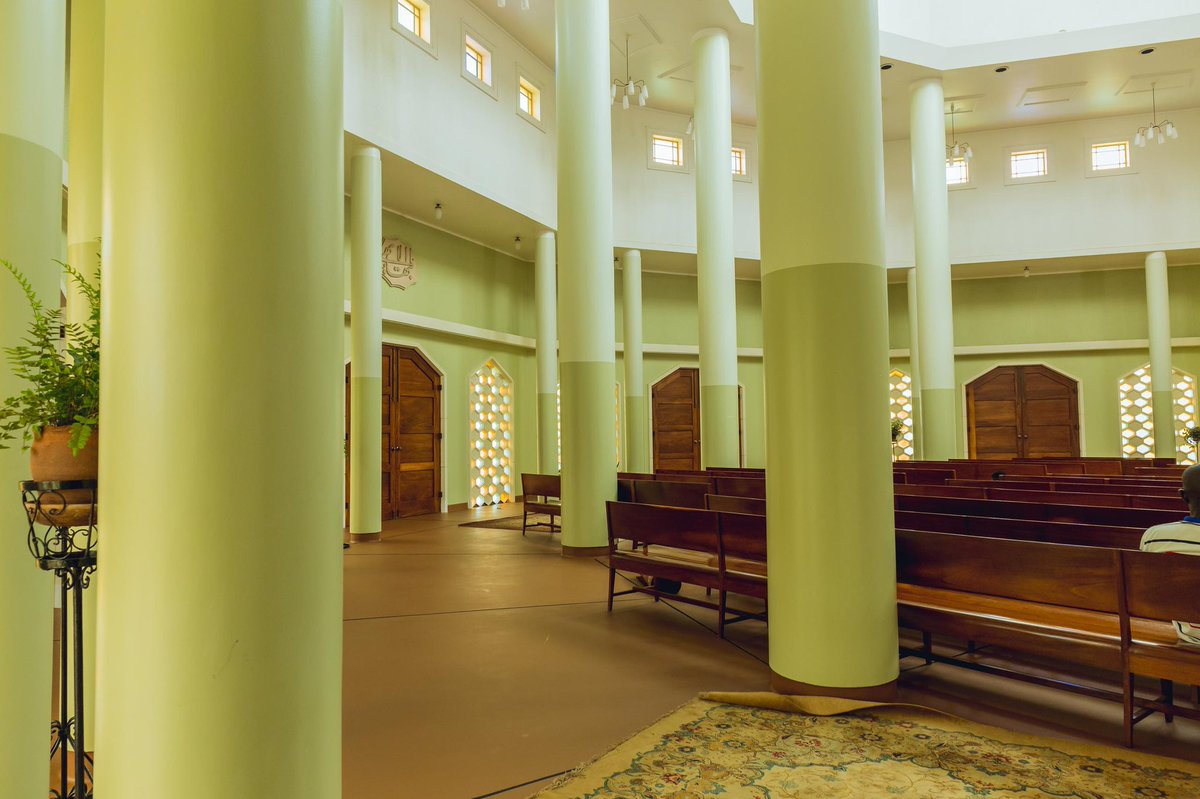
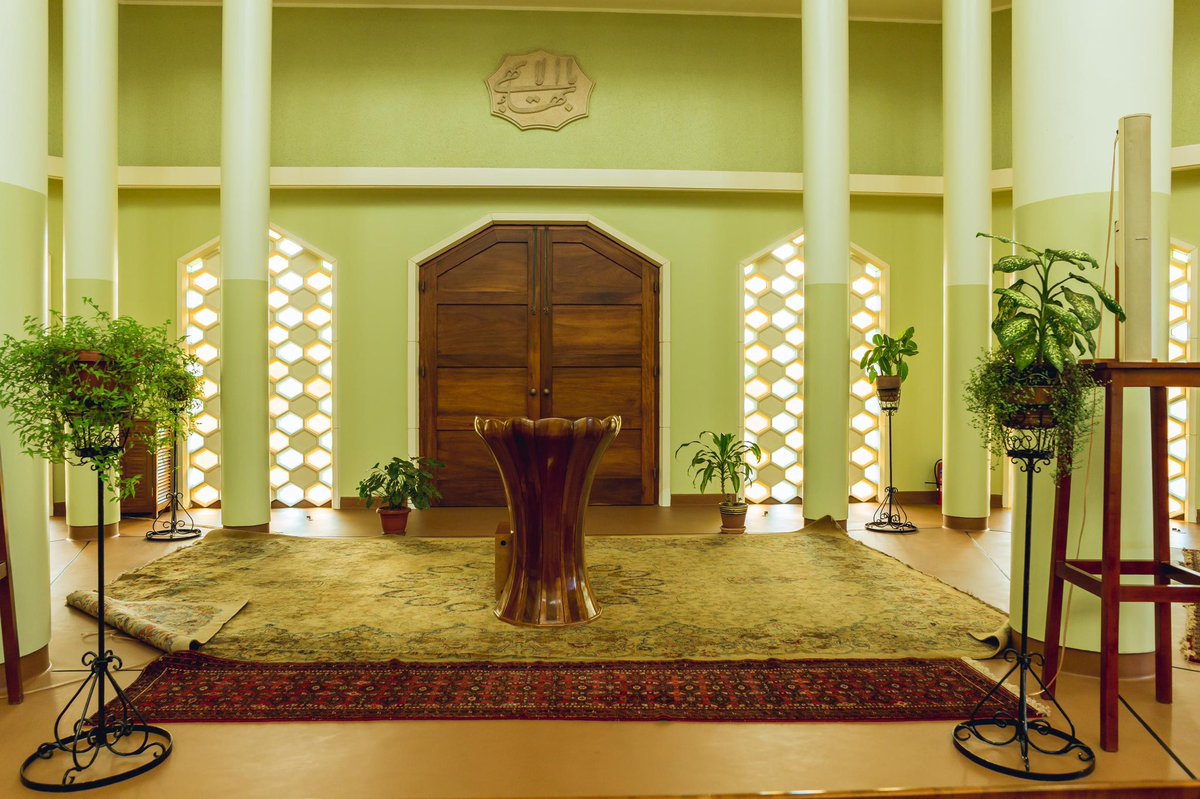
The magnificent Baháʼí House of Worship is the only Baháʼí temple on the entire African continent.
Its breathtaking 9-sided architectural design is deeply symbolic.
In the Baháʼí faith, the number 9 represents unity, completeness, and inclusiveness a powerful reminder that humanity is one people, despite our different backgrounds and cultures.
More than just a place of worship, this iconic landmark stands as a symbol of peace, harmony, and togetherness in the heart of Uganda. 🇺🇬
32
44
79
1,234
Miss Tourism Buganda Official retweeted

May 8
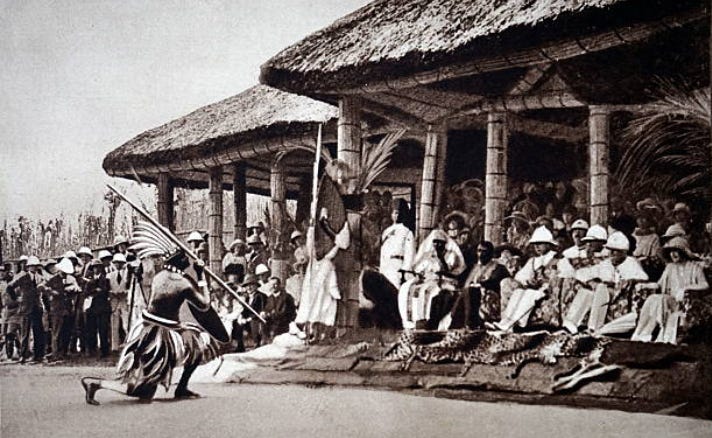
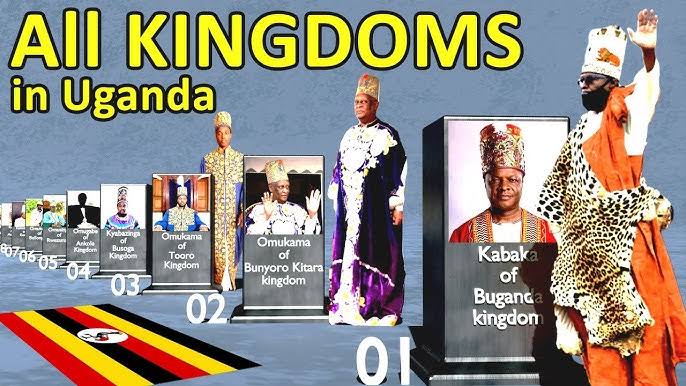
The story of the Buganda Kingdom is one of power, culture, and identity deeply rooted in the heart of Uganda
Stretching across central Uganda, including Kampala, Buganda stands as the largest and most influential traditional kingdom home to the Baganda people and the Luganda language that continues to shape everyday life.
At the core of Buganda is its rich clan system (ebika)over 50 clans, each with a unique totem that defines identity, guides behavior, and preserves heritage. From the elegance of the gomesi and kanzu to ceremonies like kwanjula, culture here isn’t just practiced it’s lived.
Leadership in Buganda centers on the Kabaka
The current king, Ronald Muwenda Mutebi II, serves as a symbol of unity and tradition, supported by the Lukiiko (parliament) and a network of cultural chiefs across the kingdom.
But how does one become Kabaka?
It begins with royal lineage but not every prince ascends. When a Kabaka passes, a successor is chosen through tradition and council. The chosen heir is then crowned in a sacred ceremony called Okutikkira at Naggalabi Buddo Coronation Site.
Here, rituals, regalia, and ancestral connection come together to transform a prince into king.
Buganda’s history has seen both glory and disruption from pre-colonial dominance to abolition in 1967 under Milton Obote, and eventual restoration in 1993 by Yoweri Museveni.
Today, it thrives as a cultural powerhouse preserving heritage, promoting development, and shaping Uganda’s identity on a global stage.
More than a kingdom, Buganda is a living legacy.
#Buganda #ExploreUganda

2
22
49
16,956
Miss Tourism Buganda Official retweeted

May 7
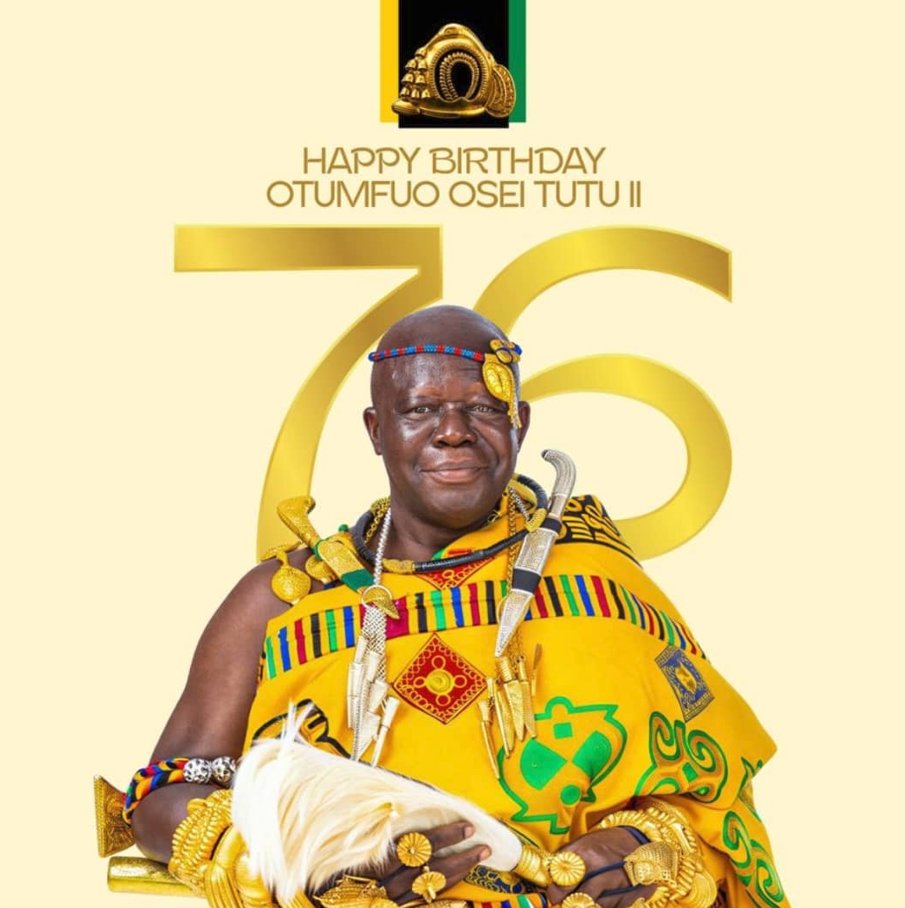
Olwaleero mazaalibwa g'Omukulembeze ow'ennono mu Ghana (Ohene wa Ashanti), Asantehene Nana Otumfuo Osei Tutu II ag’emyaka 76. Obwakabaka bwa Buganda n’obwa Ashanti bulina enkolagana ey’omuggundu okuva ku mulembe gwa Ssekabaka Mwanga II era kinajjukirwa nti Asantehene ye yali omugenyi ow’enjawulo nga Ssaabasajja Ronald Muwenda Mutebi II ajaguza emyaka 25 ng’atudde ku Nnamulondo.#Gambuuze #Ageesigika #BBSKATI
1
13
197
3,091
Miss Tourism Buganda Official retweeted

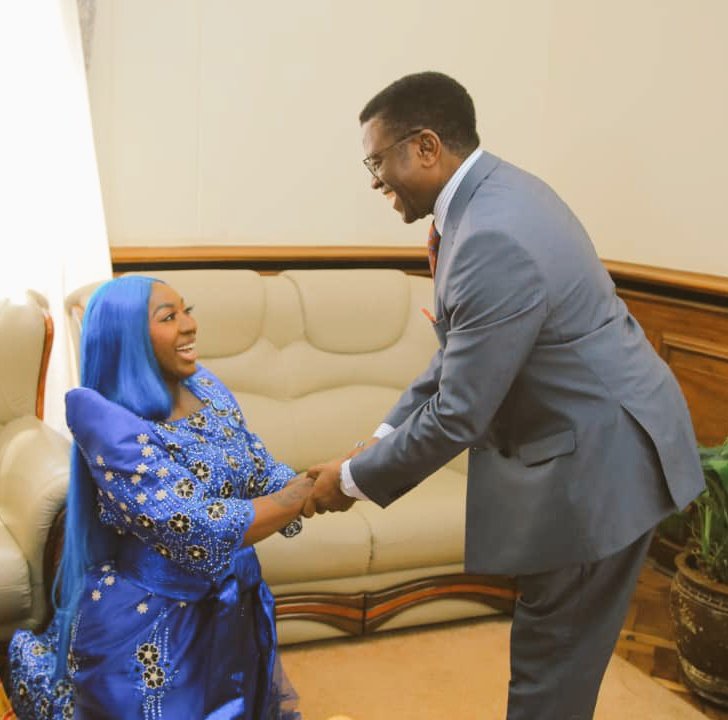
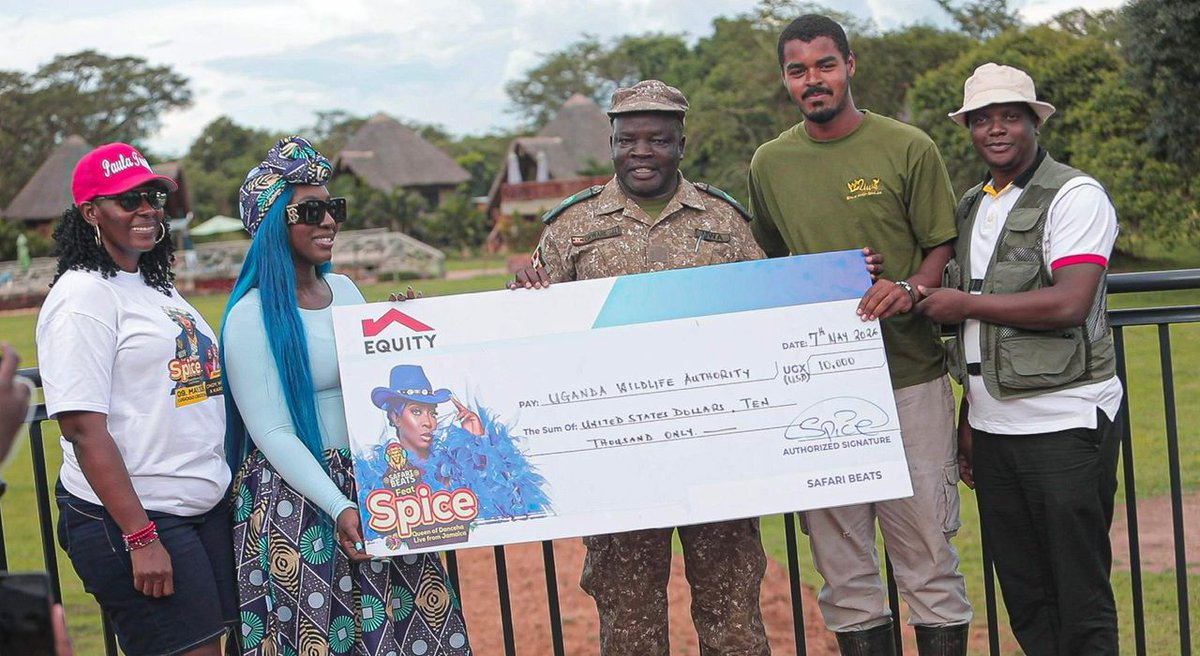
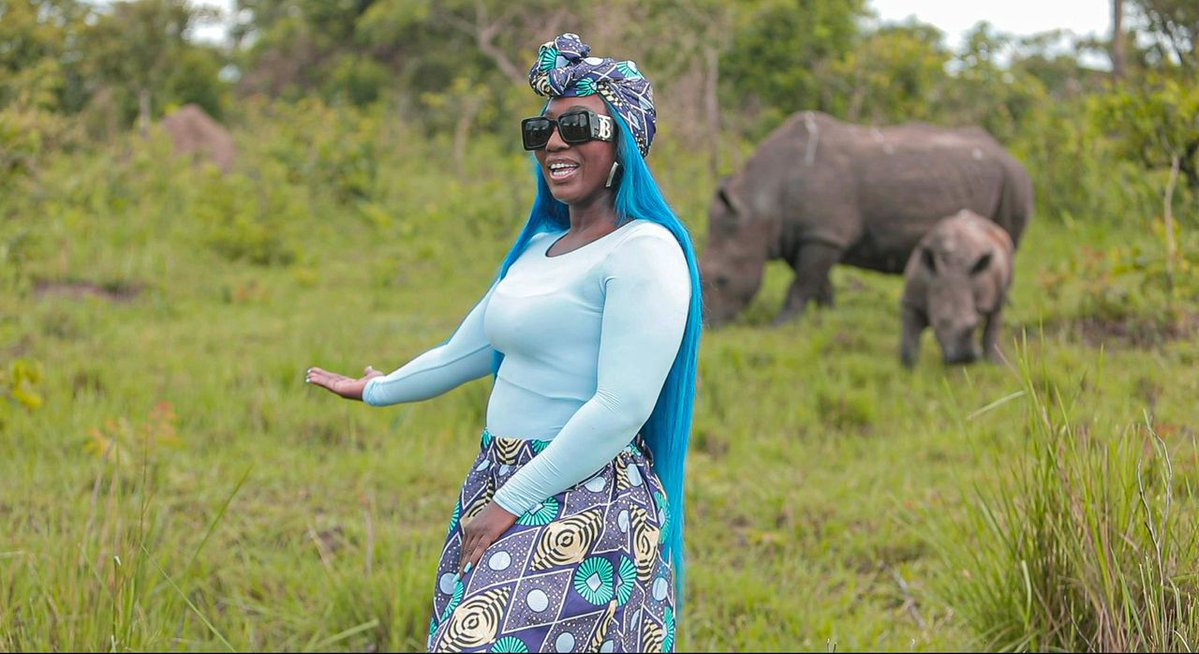
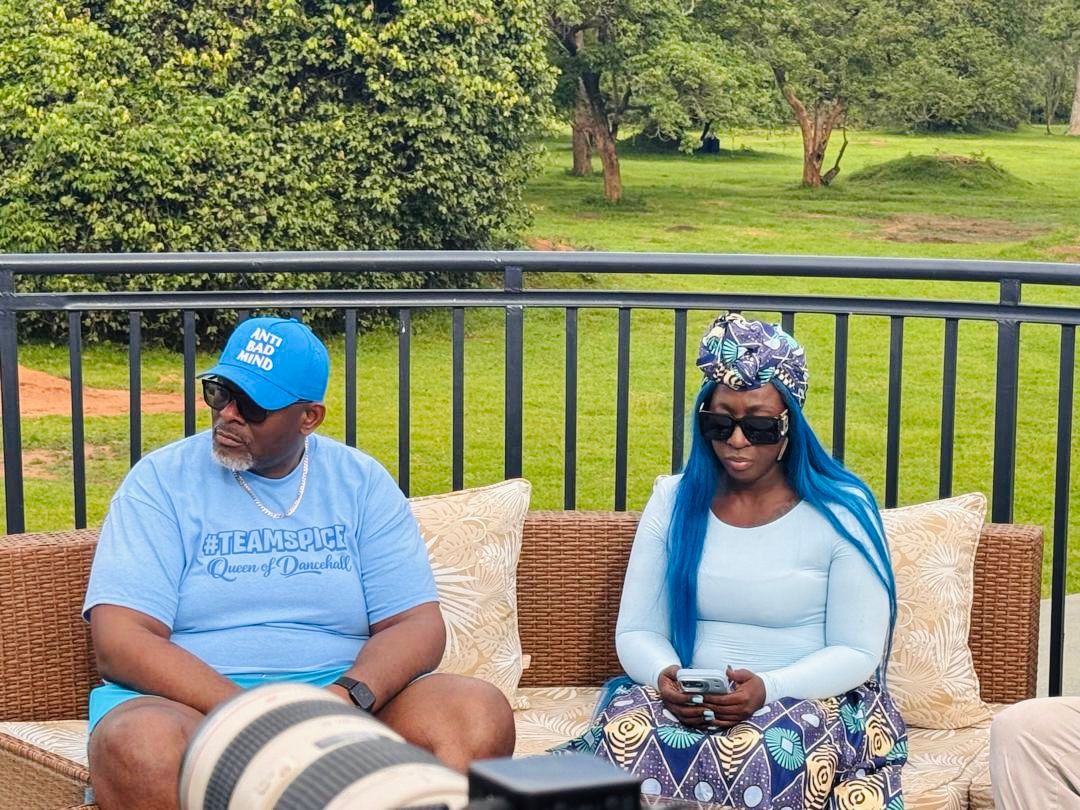
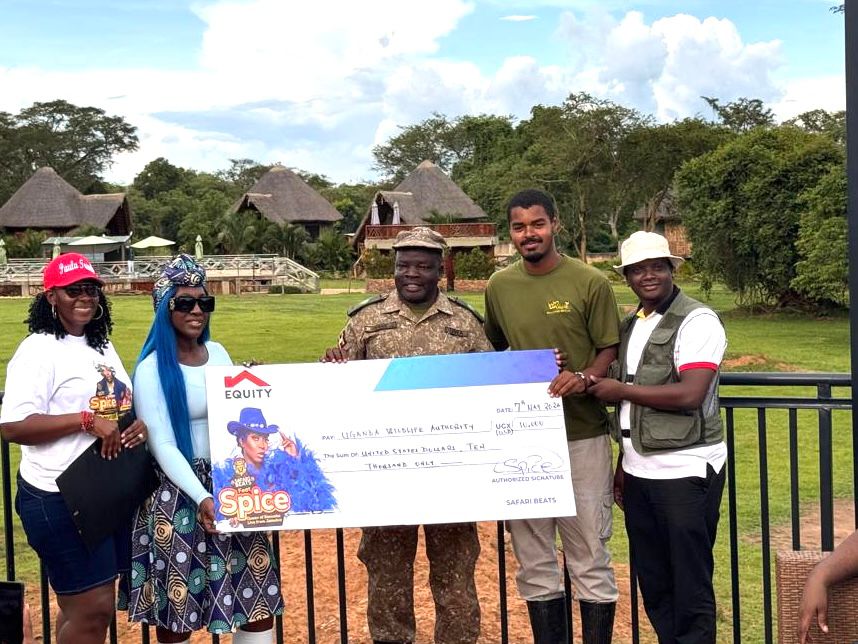
Following an unforgettable rhino tracking experience in Uganda, .@spiceofficial had the honour of naming one of the baby rhinos through a conservation contribution of USD 10,000.
She chose the name “Nankula Spice,” inspired by the Ugandan name- ‘Nankula’ given to her yesterday by the Buganda kingdom Kattikiro .@cpmayiga
This moment was an indication that when adventure, conservation, and culture came together, it is for a good cause.
#NameARhino | #ExploreUganda | #SpiceLive
6
71
291
8,823
Miss Tourism Buganda Official retweeted

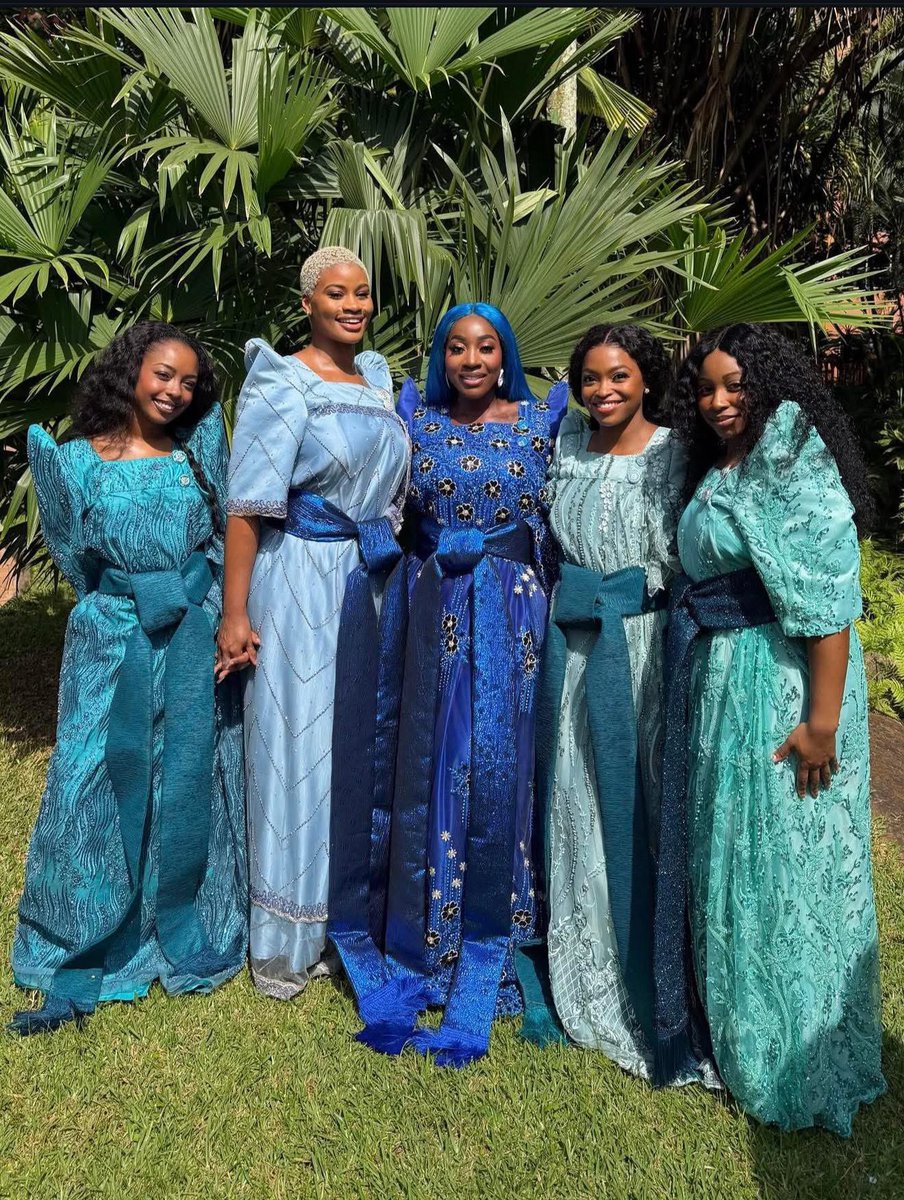
Buganda ku ntikko.. 👌👌
61
181
3,457
40,990
Miss Tourism Buganda Official retweeted

What a welcome!! Thank you @nextmediaug 🇺🇬
145
301
3,024
62,743
Miss Tourism Buganda Official retweeted

Merging tradition with transformation. 💡🎭
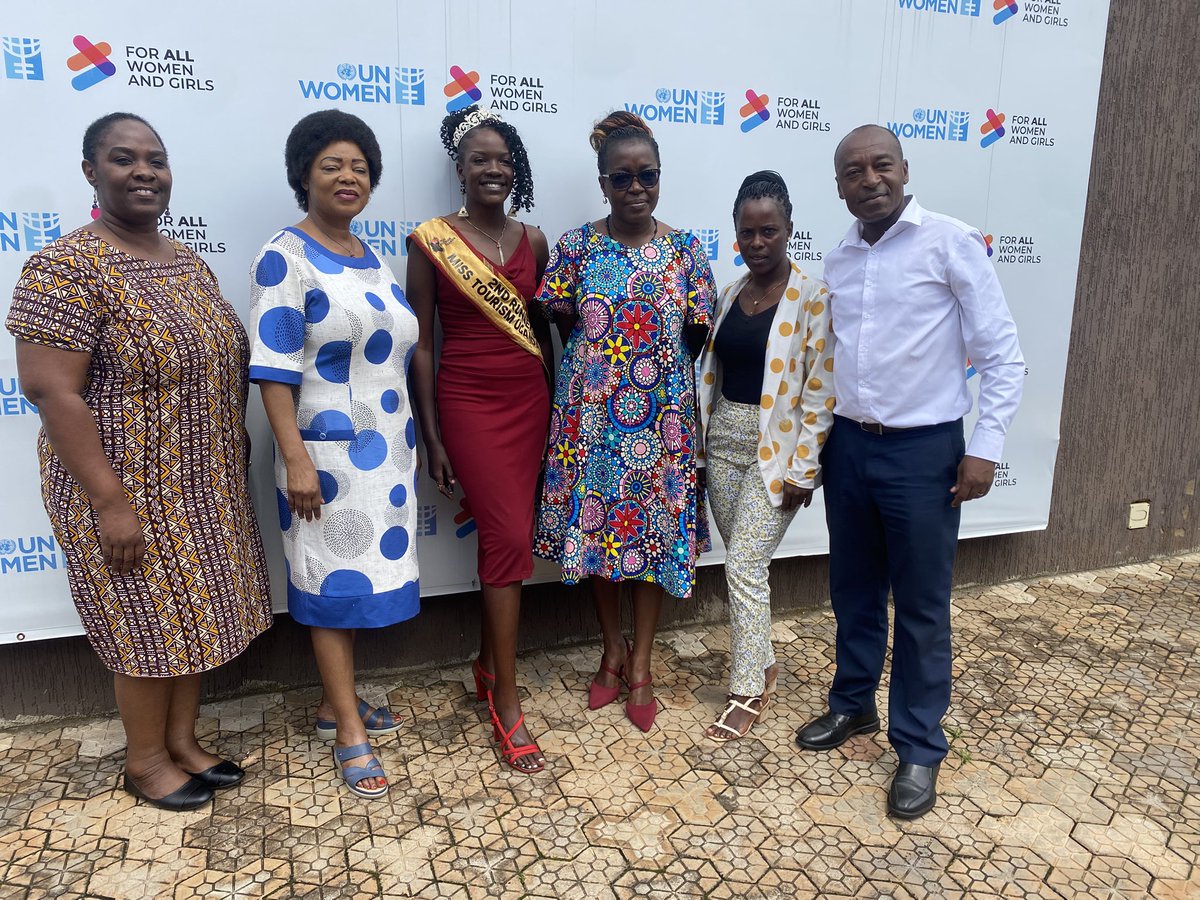
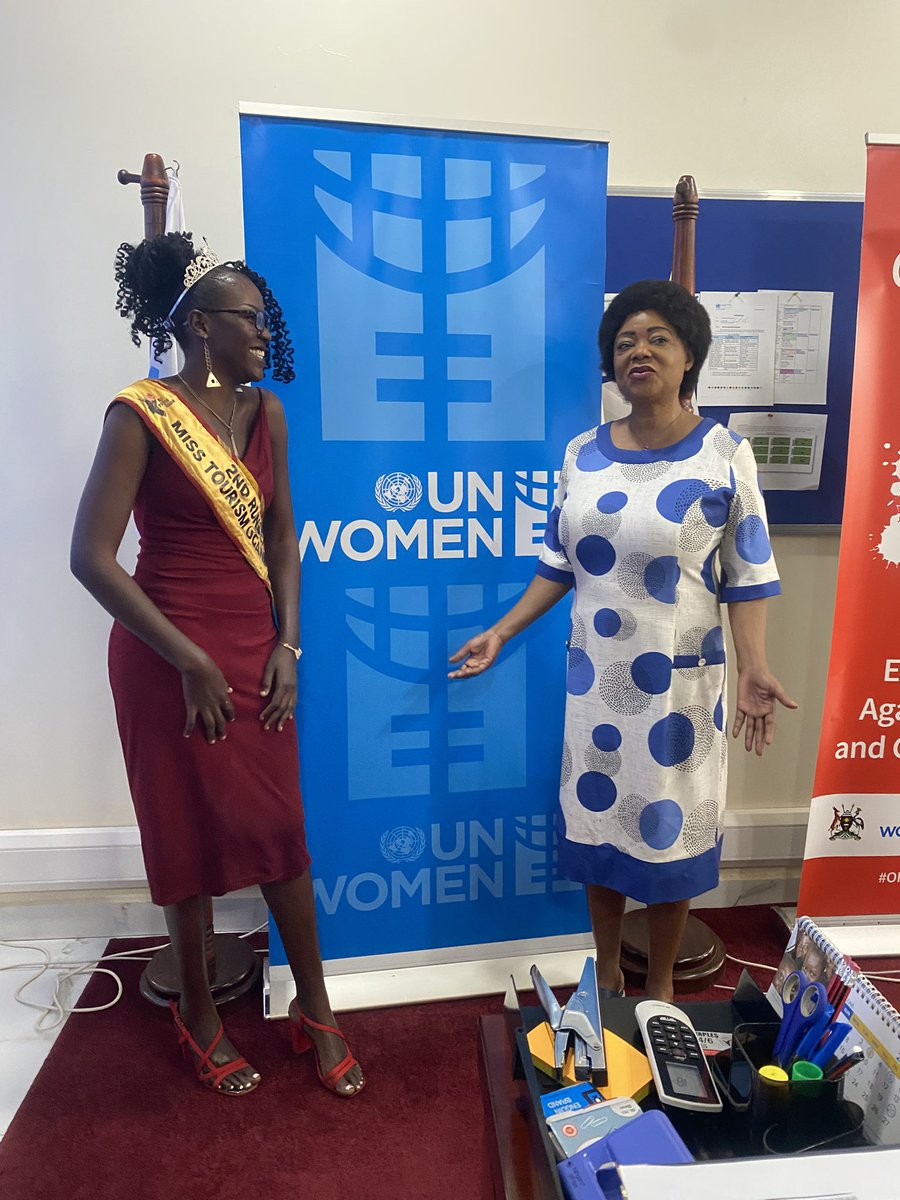
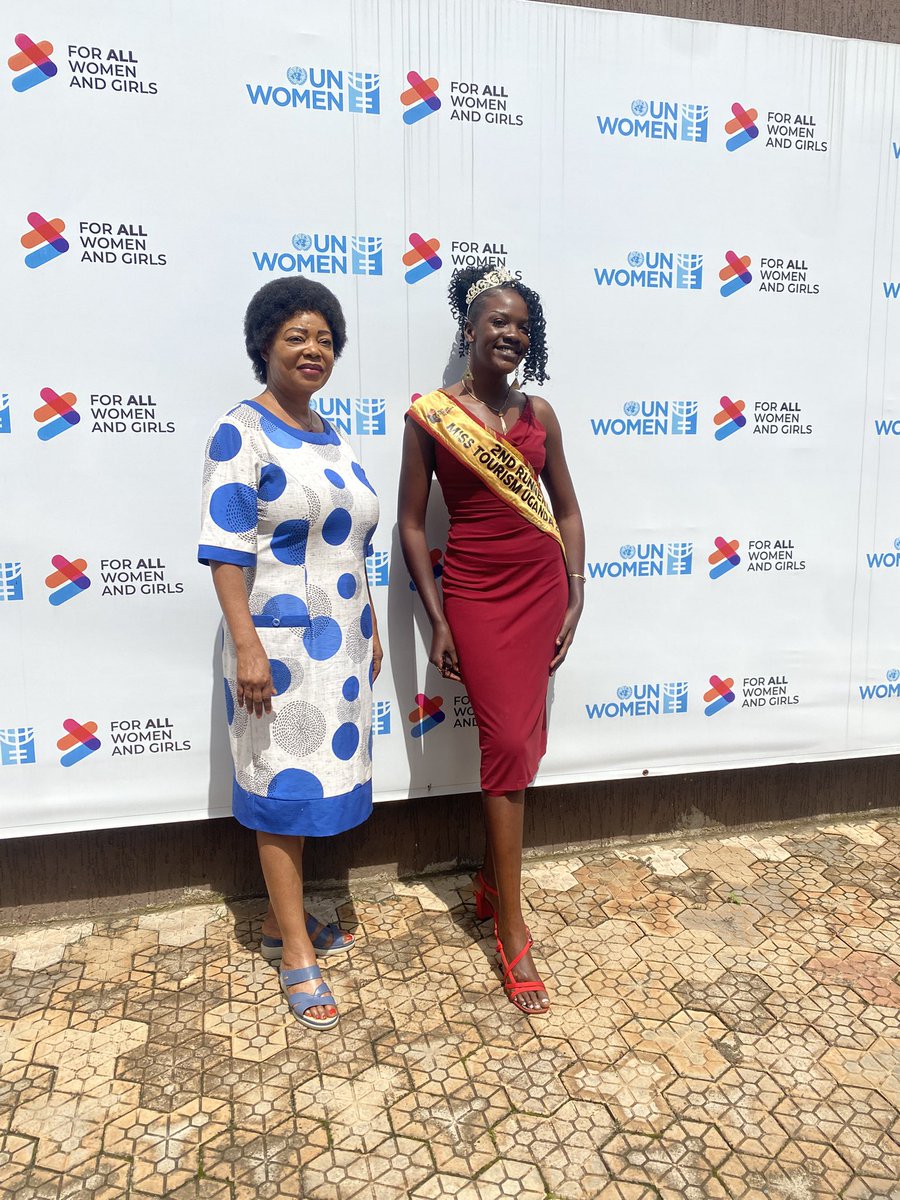
A productive meeting today with Country Representative of @unwomenuganda Ms. Chiwangu @paulinaUNwomen & Ms Odoi to discuss the role of innovation, AI, and inclusive leadership in shaping the next generation of tourism ambassadors.
We are committed to ensuring every young woman has the platform to voice our culture and champion justice for all. Big things ahead! 🚀🇺🇬
#AITourismCulture #UNWomen #MissTourismUganda #InclusiveGrowth #PearlOfAfrica
@iamake4 @enockrutaaza @mariamutagamba
@mugarra @julzkagwa @MTWAUganda @TourismBoardUg @Mglsd_UG
@bbstvug @ubctvuganda
1
9
24
362
Miss Tourism Buganda Official retweeted

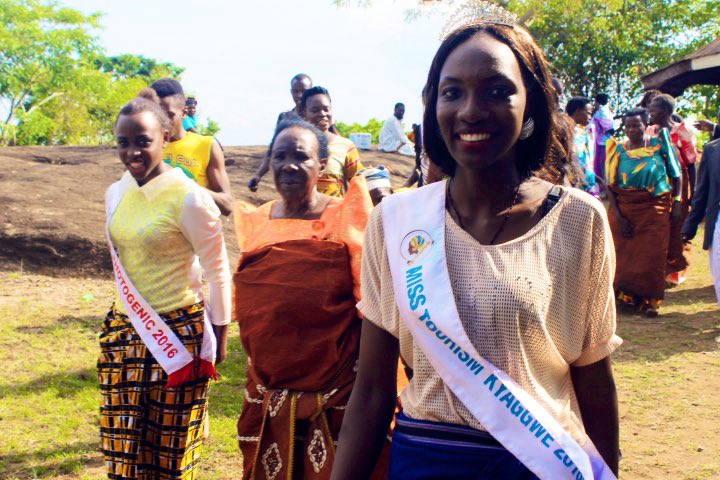
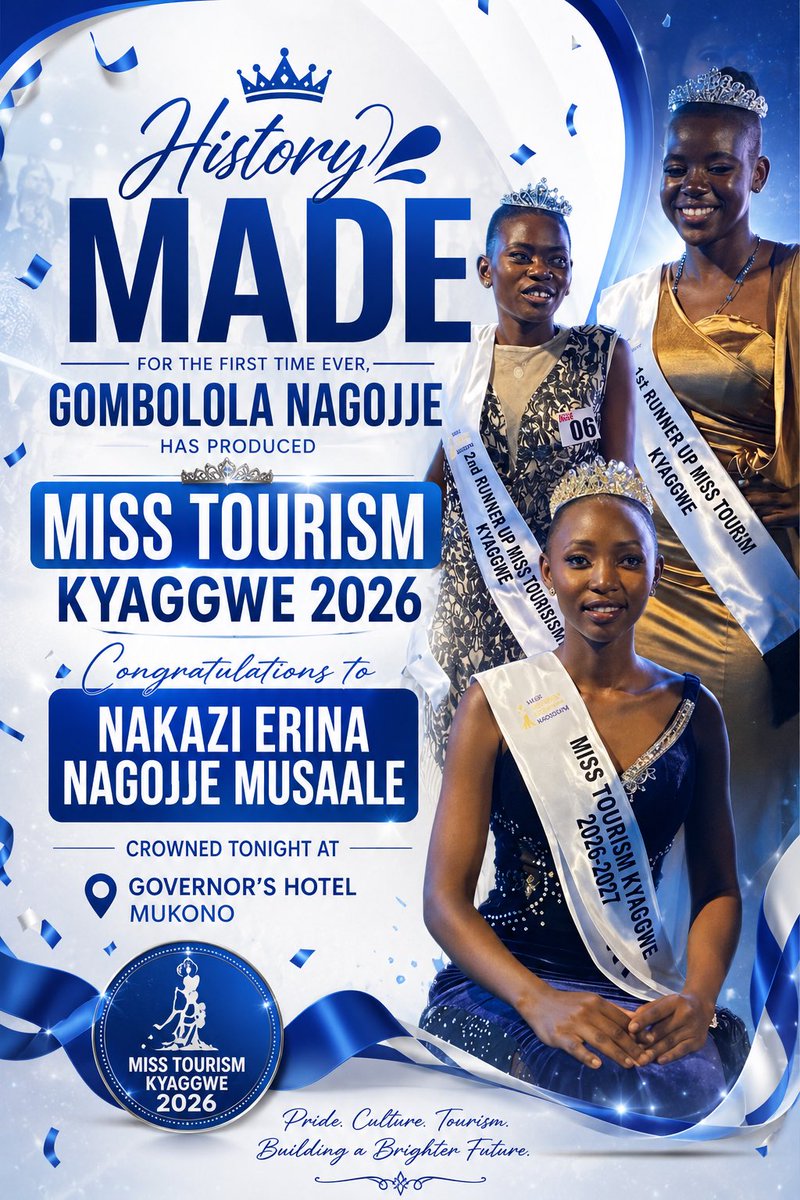
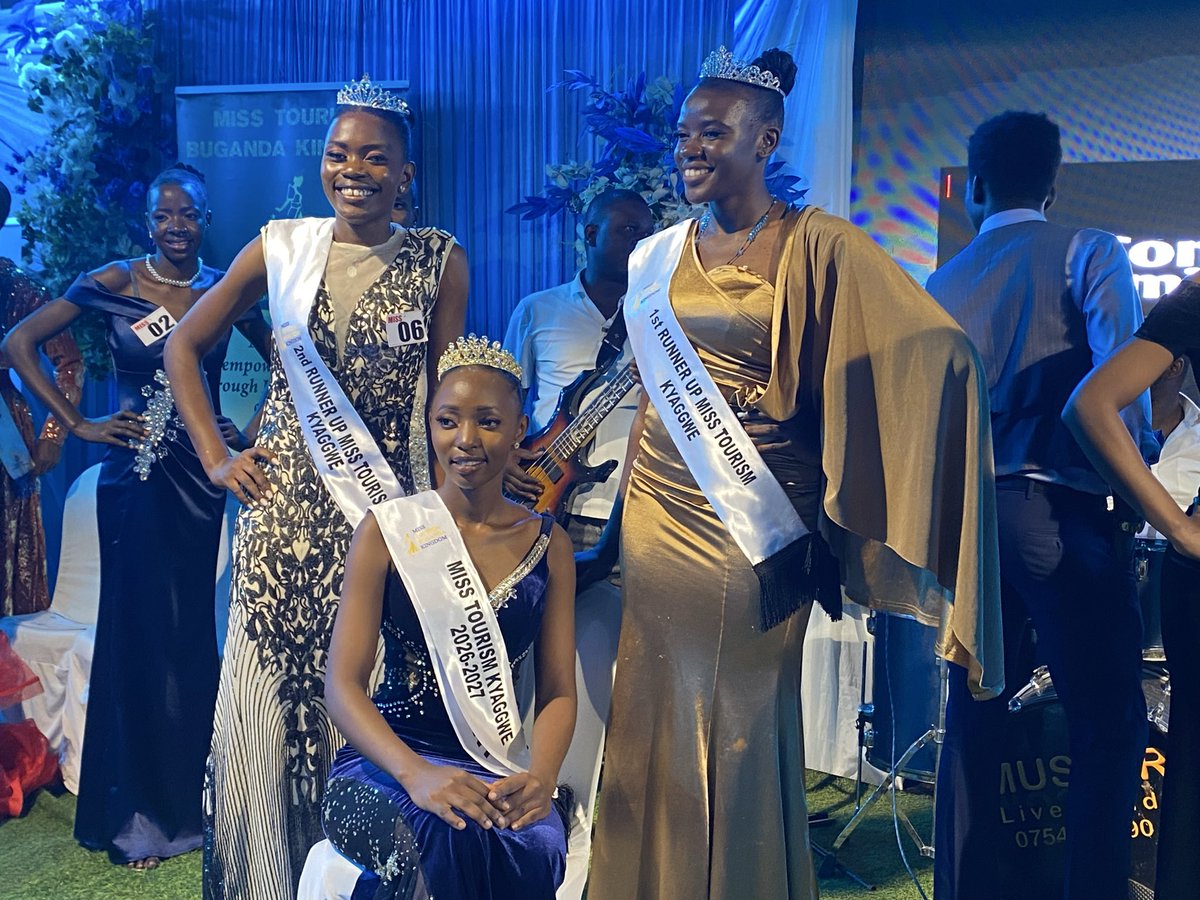
History made 👑✨ For the first time ever, Gombolola Nagojje has produced a Miss Tourism Kyaggwe 2026. Congratulations to Nakazzi Erina Nagojje Musaale, crowned tonight at Governor’s Hotel, Mukono.
2
2
6
421
Miss Tourism Buganda Official retweeted

TWAGALA NNYO NNYO
Naye bwetukukyawa ohhhh kaba kaweddemu
#BugandaYiyo_BugandaYange

Kiki Kyomanyi Ku Buganda and Banganda People. For me they're Welcoming. @BugandaKingdom_ @BugandaTourism

3
12
113
Miss Tourism Buganda Official retweeted

Apr 28
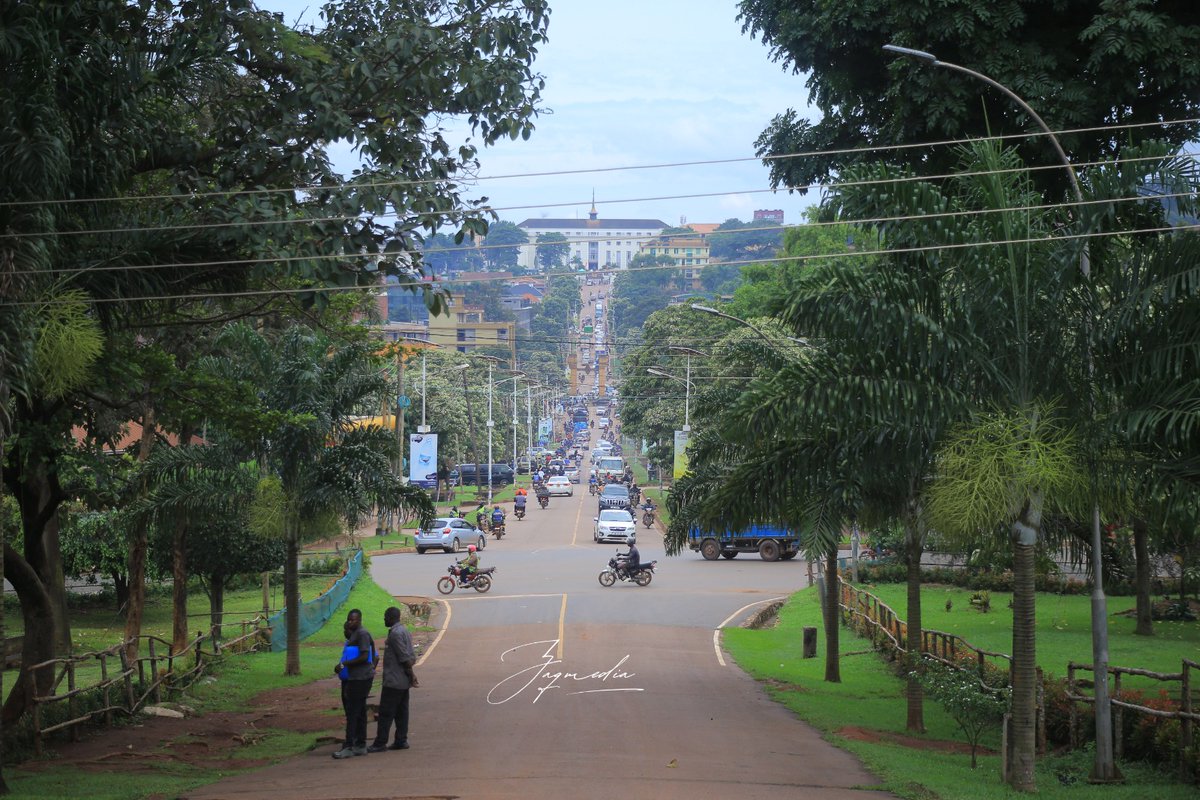
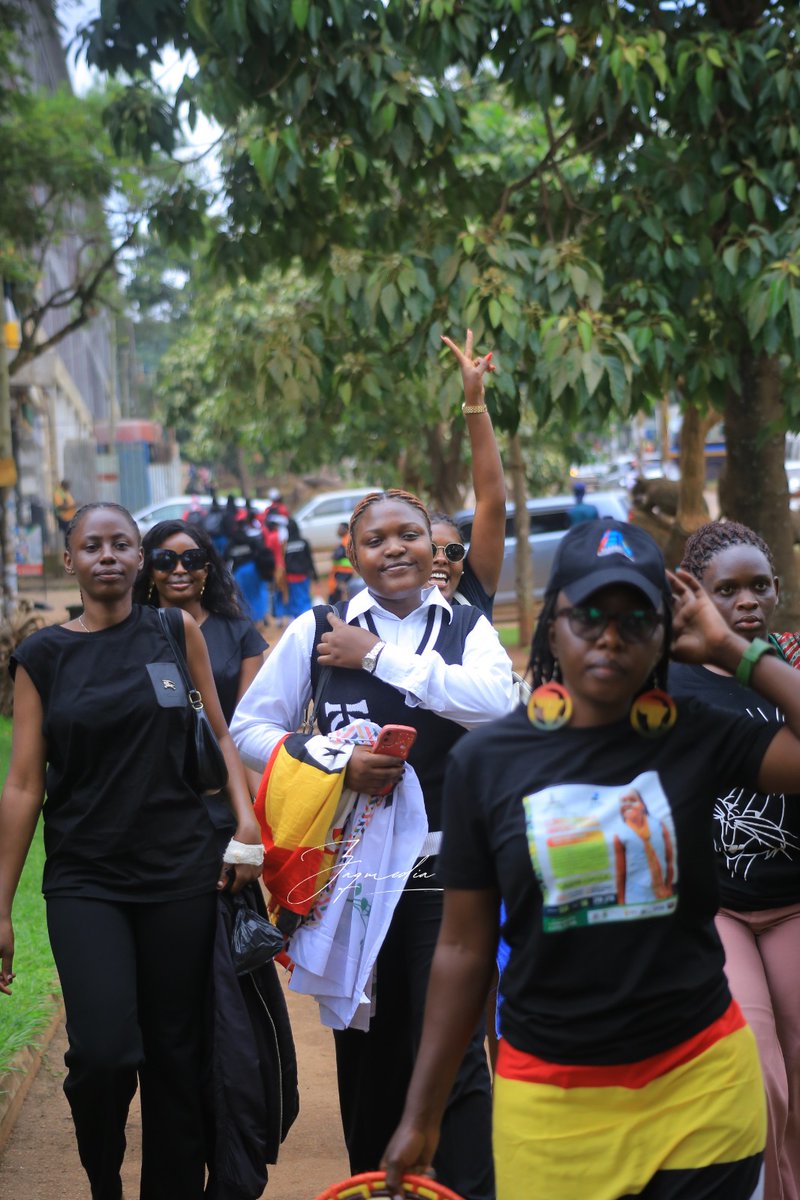
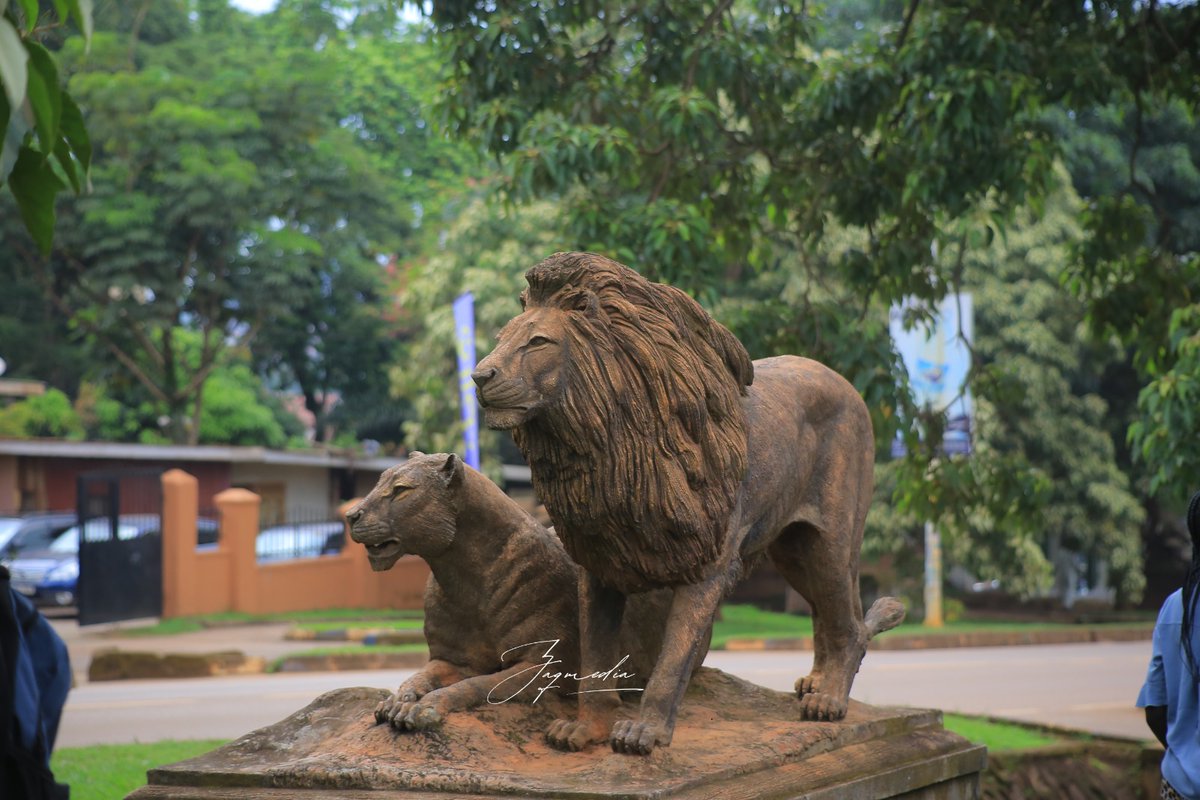
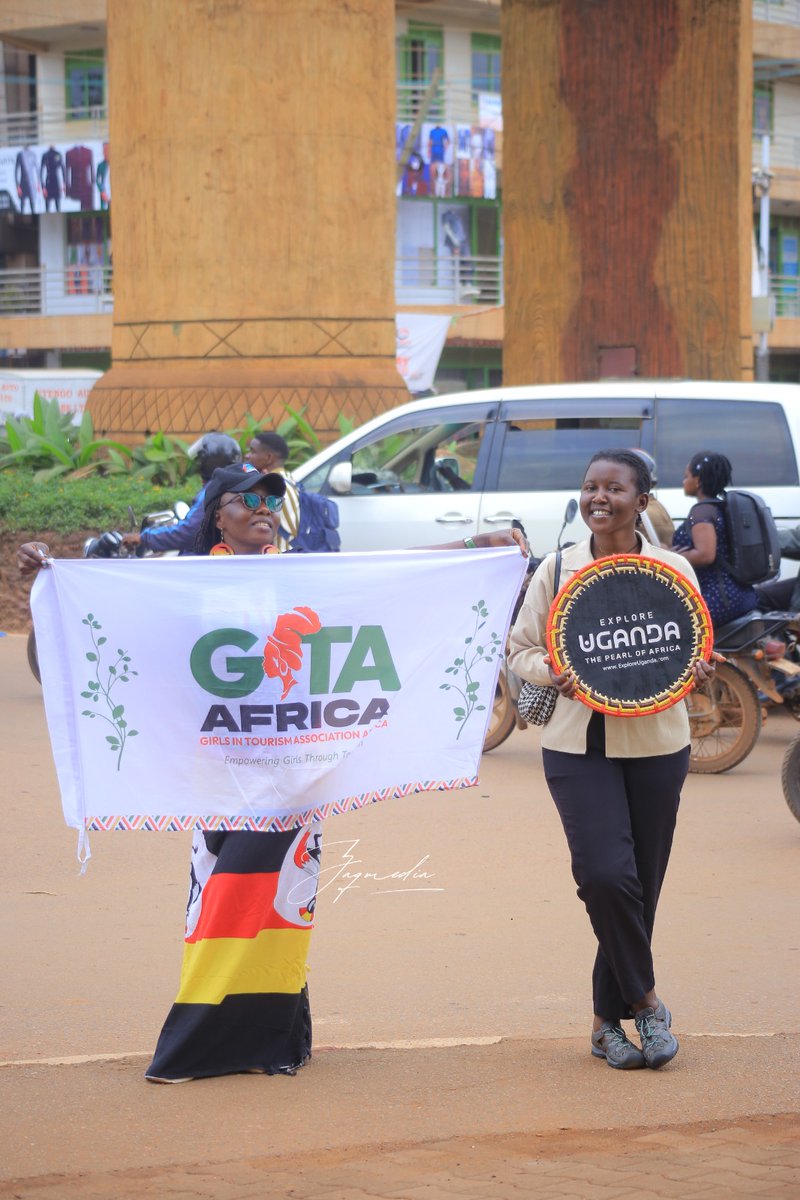
From there, we moved along the Royal Mile. A one-mile long path right between the Kabaka’s Palace and the parliament. Along this route, animal statues stand as symbols of the different clans.
When the king is coming from the Palace and heading to the Parliament or viceversa. He moves through straight, hence the name "Nantawetwa".
The experience was a beautiful reminder of culture, identity, and history woven into one space. #GITAlaunch
Apr 28

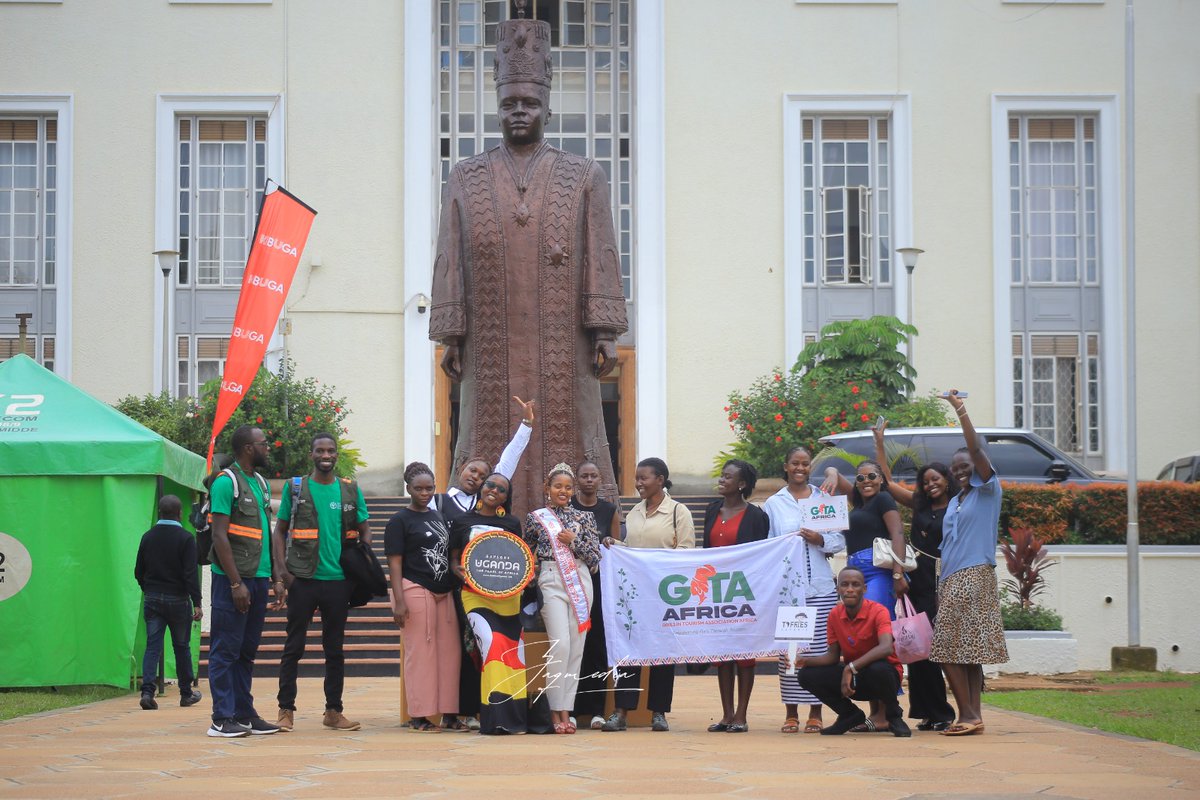
GITA-AFRICA OFFICIAL LAUNCH
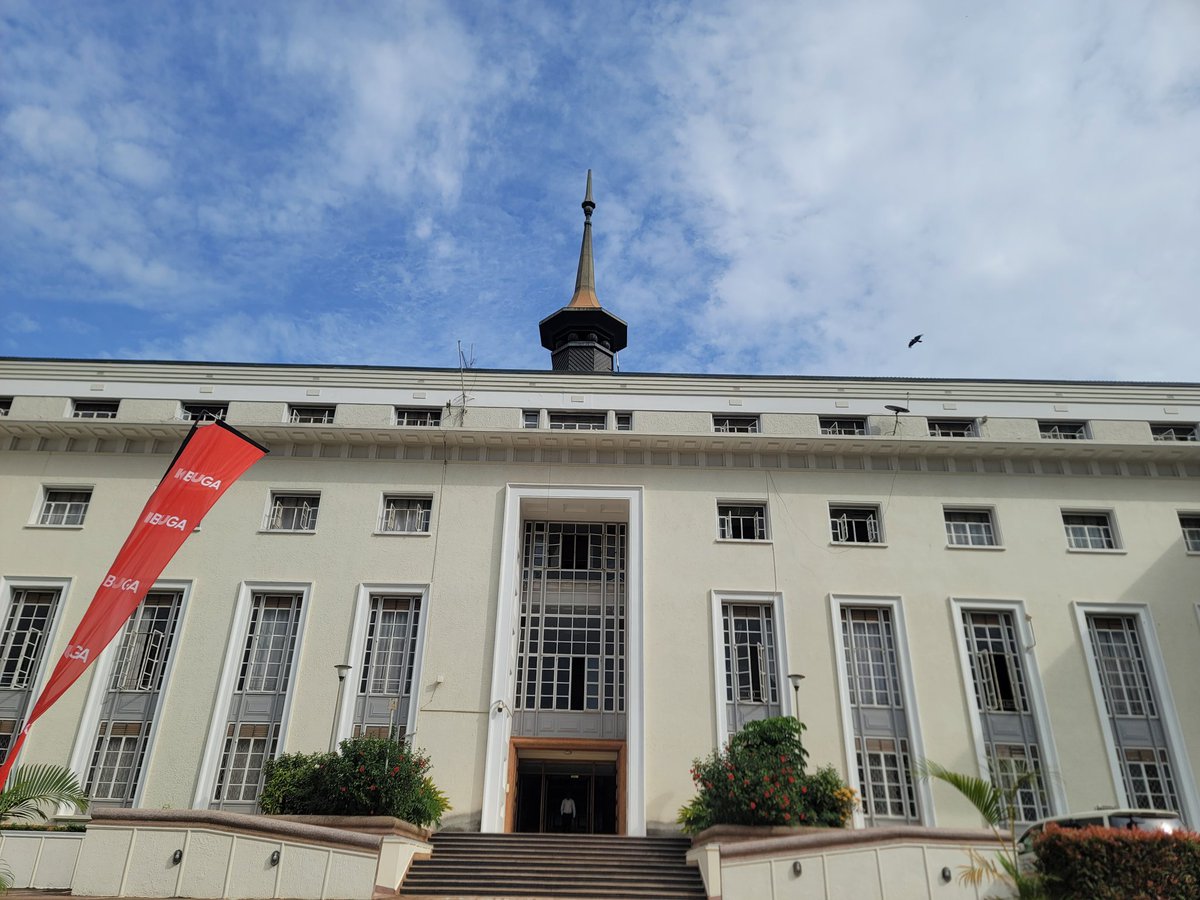
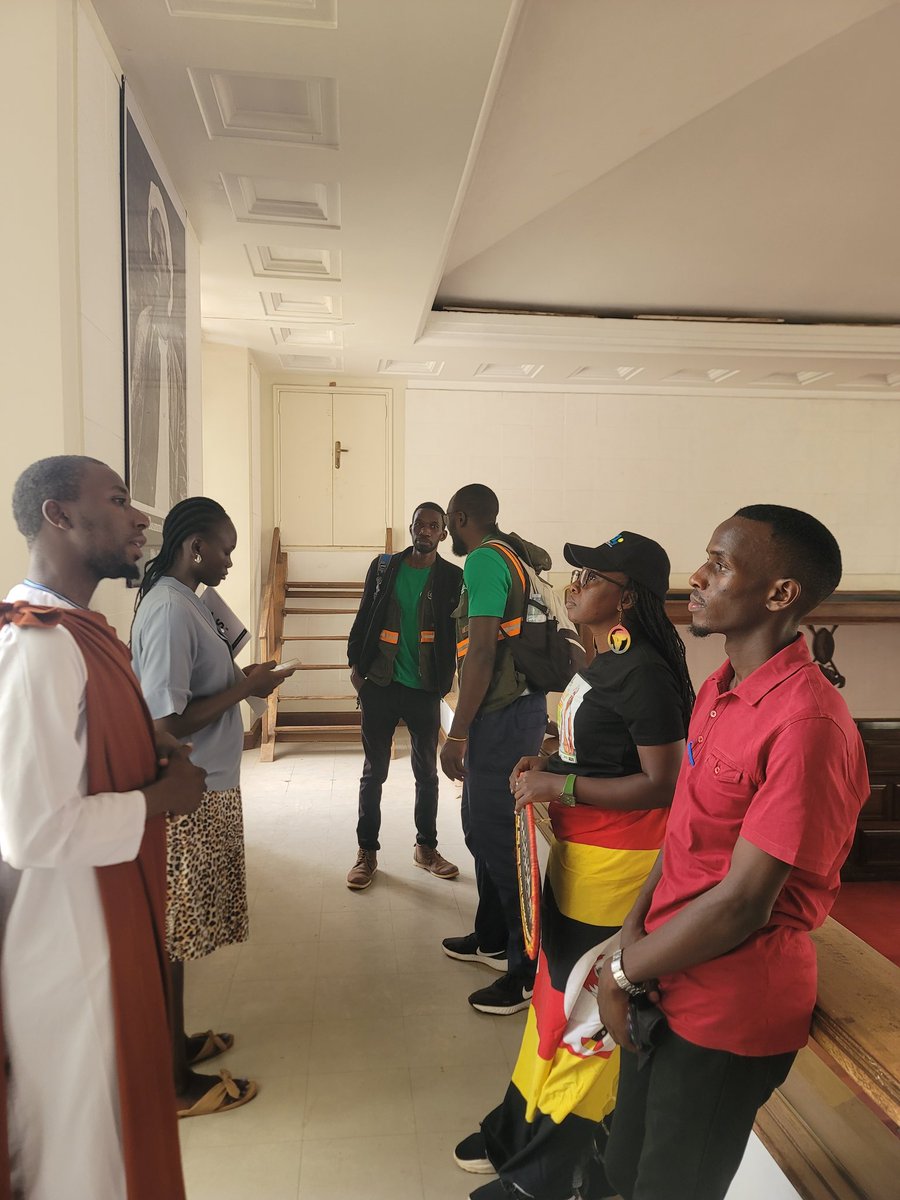
By 9:00AM, we were already on the move, starting our journey from Bulange. We had the chance to tour the Parliament of Buganda.
Understood how sessions are run, who sits where, and what it all represents. It was insightful and of course, we captured a few moments along the way.
#GITAlaunch
2
16
33
1,011
Miss Tourism Buganda Official retweeted

🇺🇬✨ You’re Invited!
Uganda Consulate Mombasa invites you to the 2nd Uganda Cultural Exhibition
📍 Fort Jesus Gardens Mombasa
📅 2nd May 2026
Come enjoy the rich Ugandan culture, music & dance
🕙 From 10:00 AM - 6:00 PM
🎟️ Entry is FREE
@KATAKenya @magicalkenya @KAHC_Kenya
21
46
1,300
Miss Tourism Buganda Official retweeted
BAGANDA ONLINE
Mwasuze mutya mwenna eyo abaana b'enda ya Nakalama?
#TourBuganda
#LambulaNeBYBY
#BugandaYiyo_BugandaYange
3
7
38
757

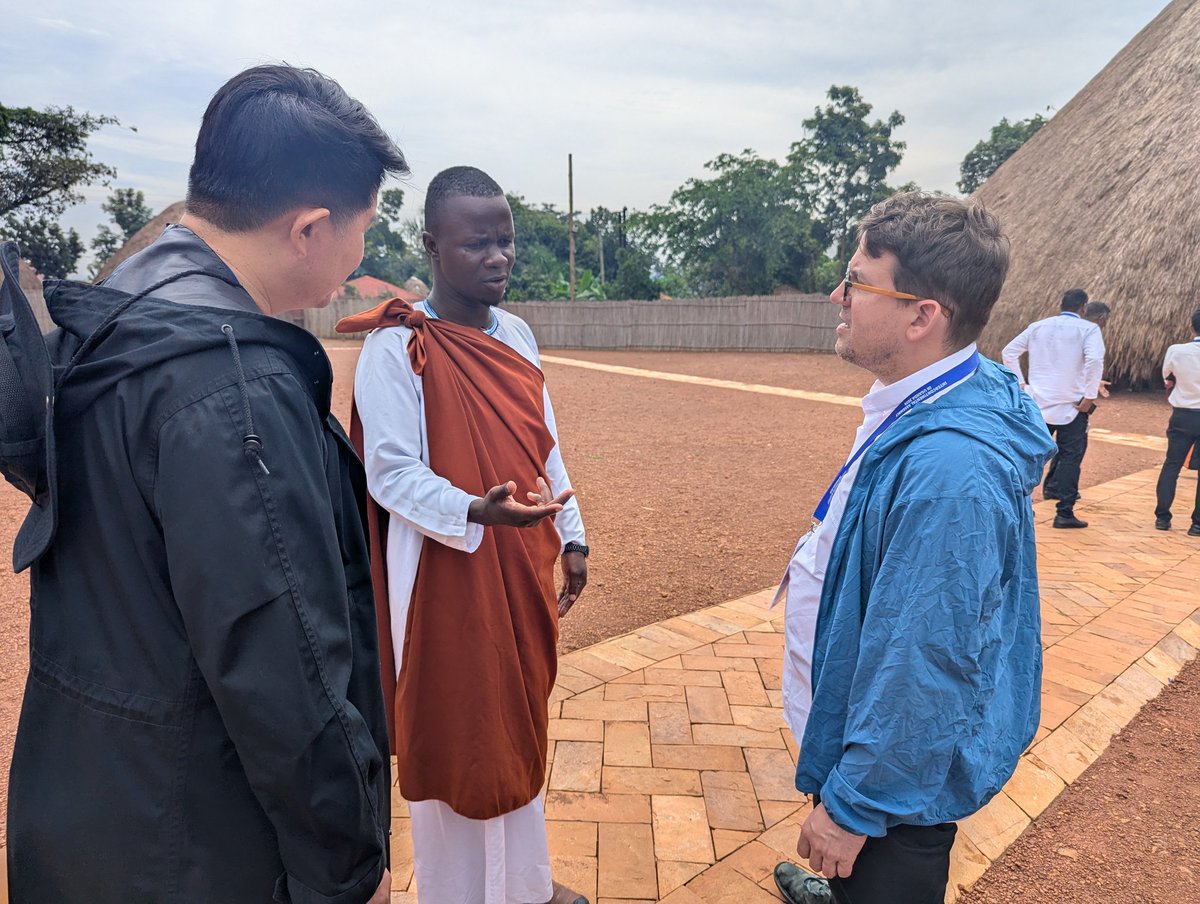
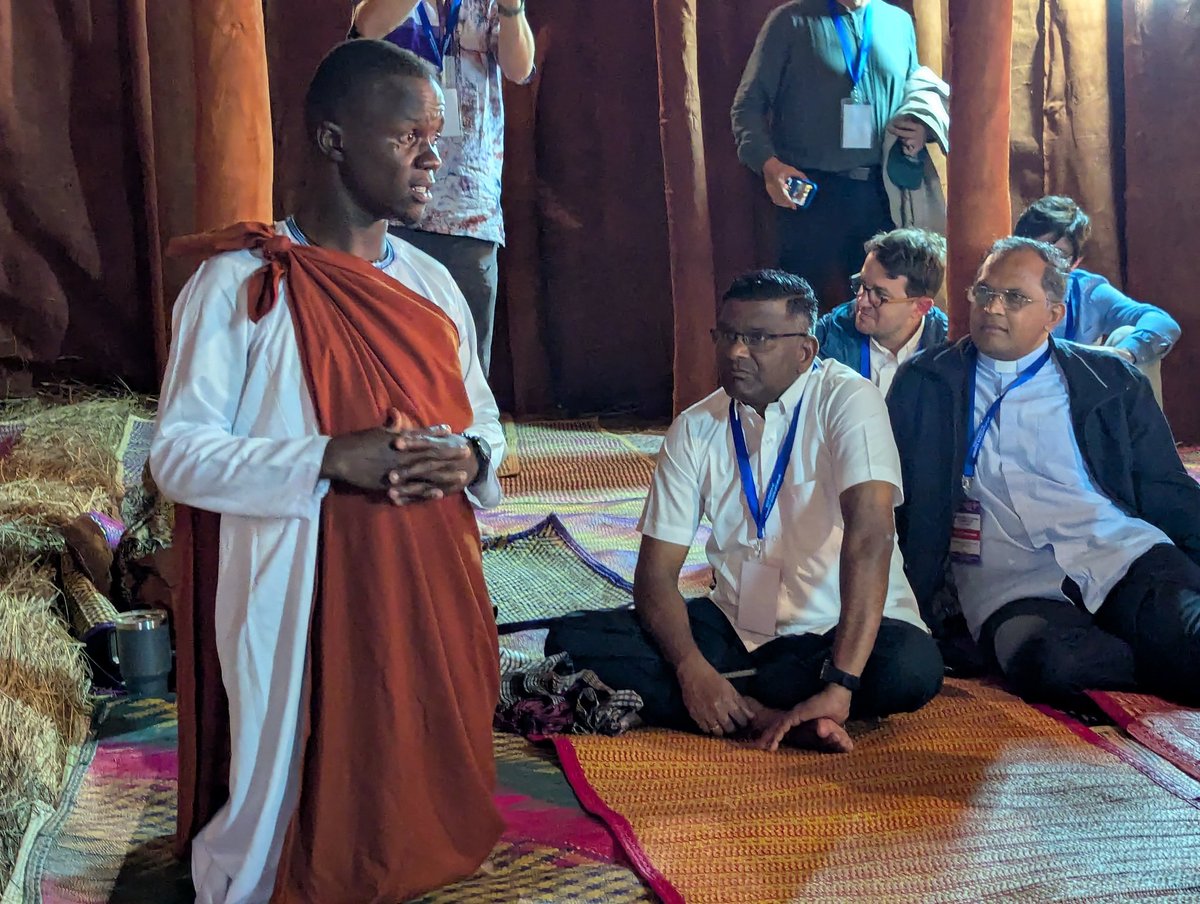
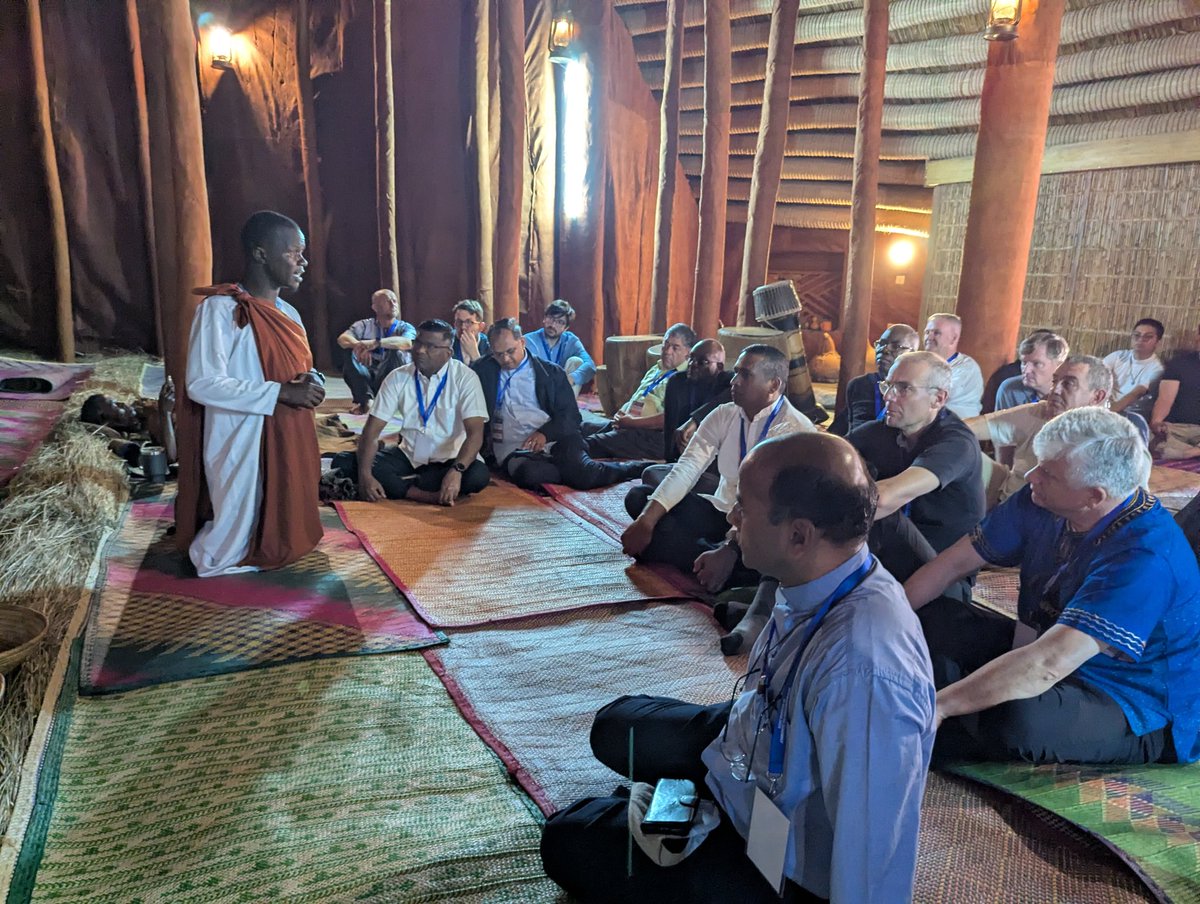
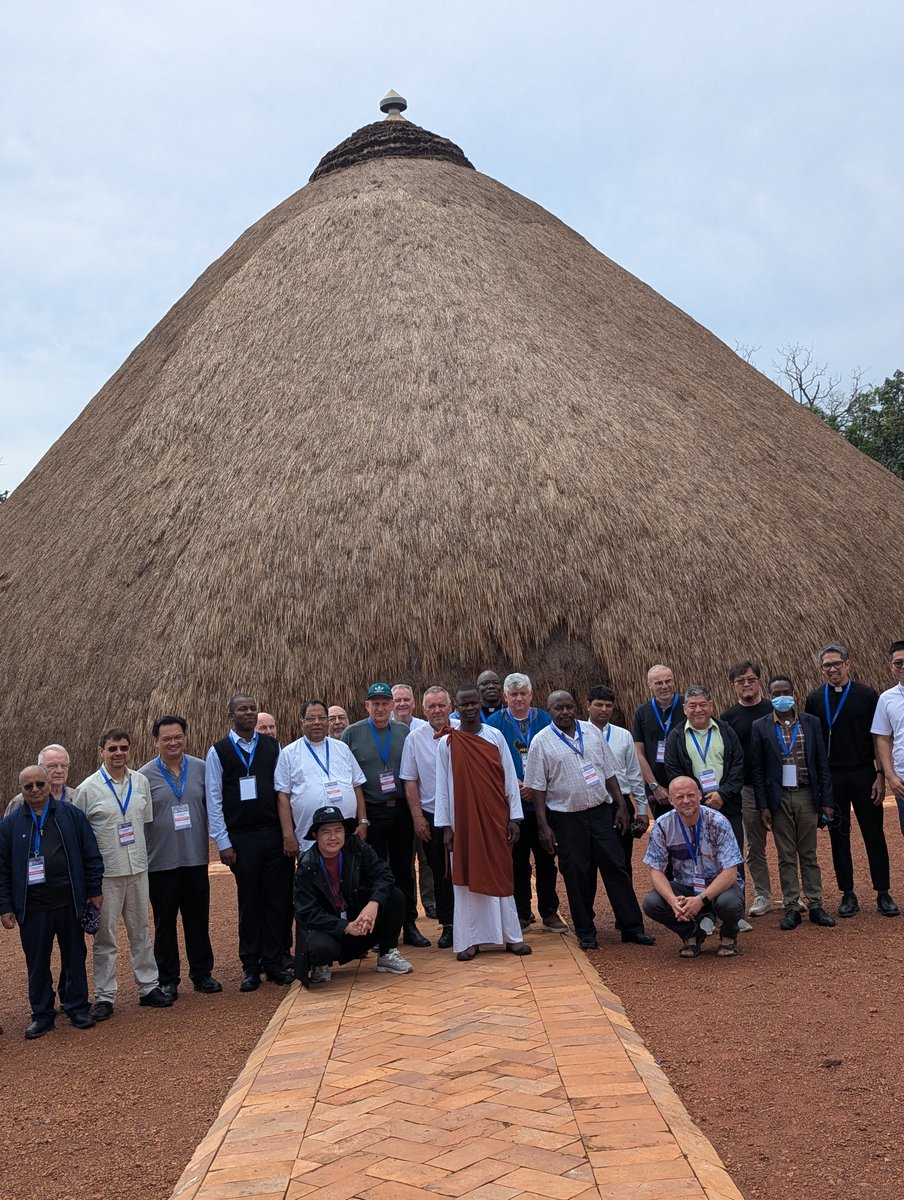
Amasiro ga ba Ssekabaka e Kasubi gaggulwawo eri abalambuzi okuva yonna gyebava.
Funayo akadde owuubeko olubu lw'ekigere e Kasubi onnyonyolwe ku byafaayo by'ekifo ekyo amatendo.
Mu bifaananyi bebamu ku bannaddiini Abasaaserdooti abaavudde e Bulaaya okwerambulira ku kkula.
#CBSFmUpdates
1
23
220
4,174
Miss Tourism Buganda Official retweeted

Apr 21
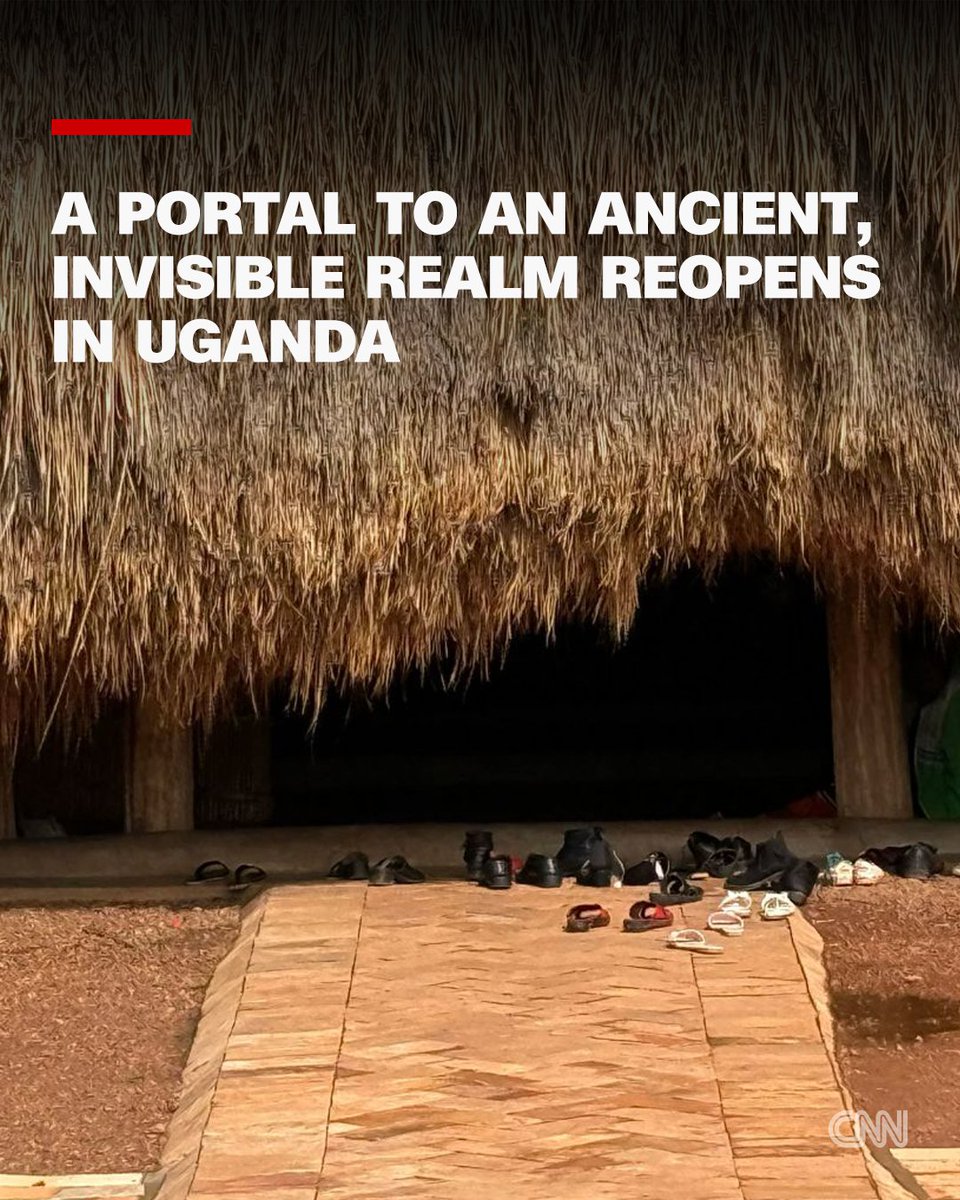
Walking through the compound that houses the Kasubi Tombs, the main path leads to what should be an entrance. But it ends at one of the layers of thatch covering the 25-foot structure known as Muzibu Azala Mpanga. It looks like a giant basket turned upside down. If it weren’t for the rows of shoes laid neatly outside, you’d never know there was a way in. cnn.it/3QeESJn
98
884
2,091
128,387
Miss Tourism Buganda Official retweeted
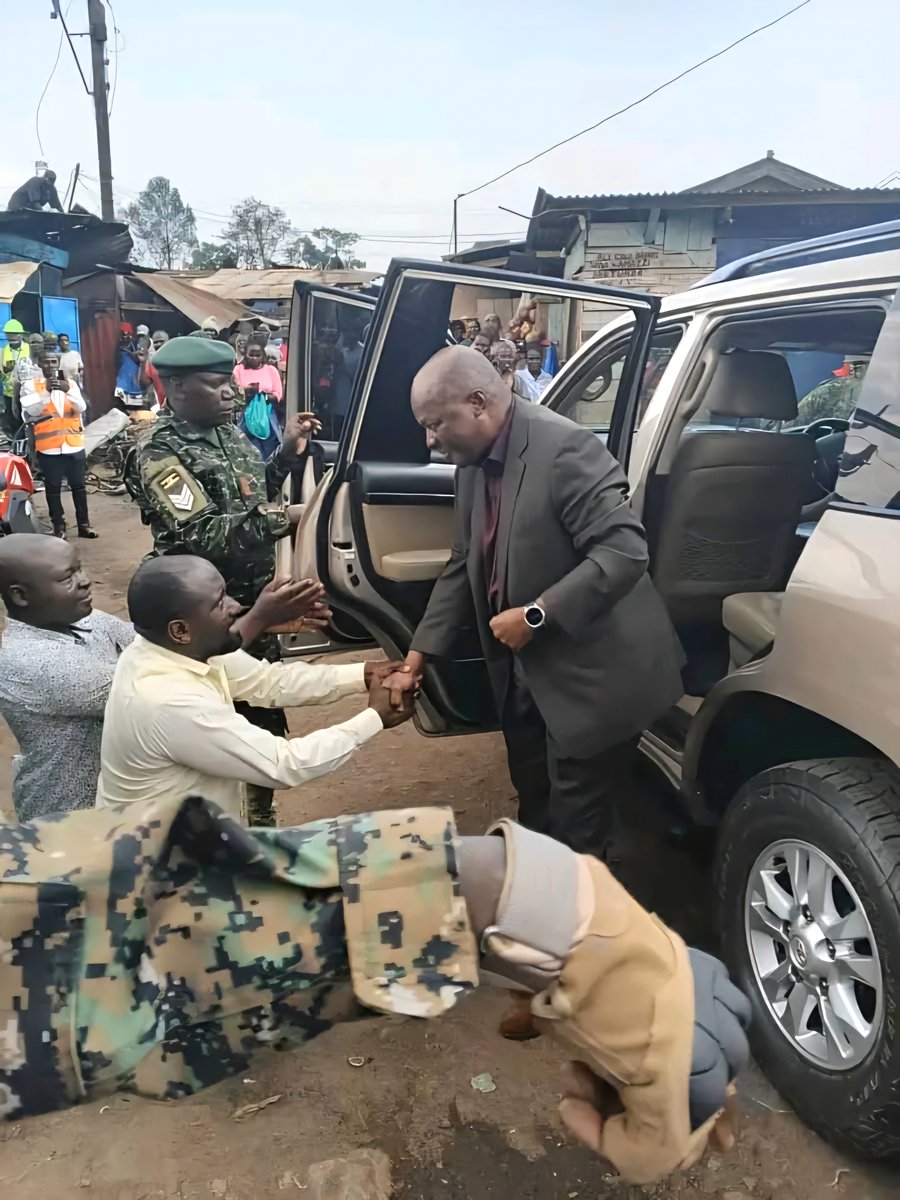
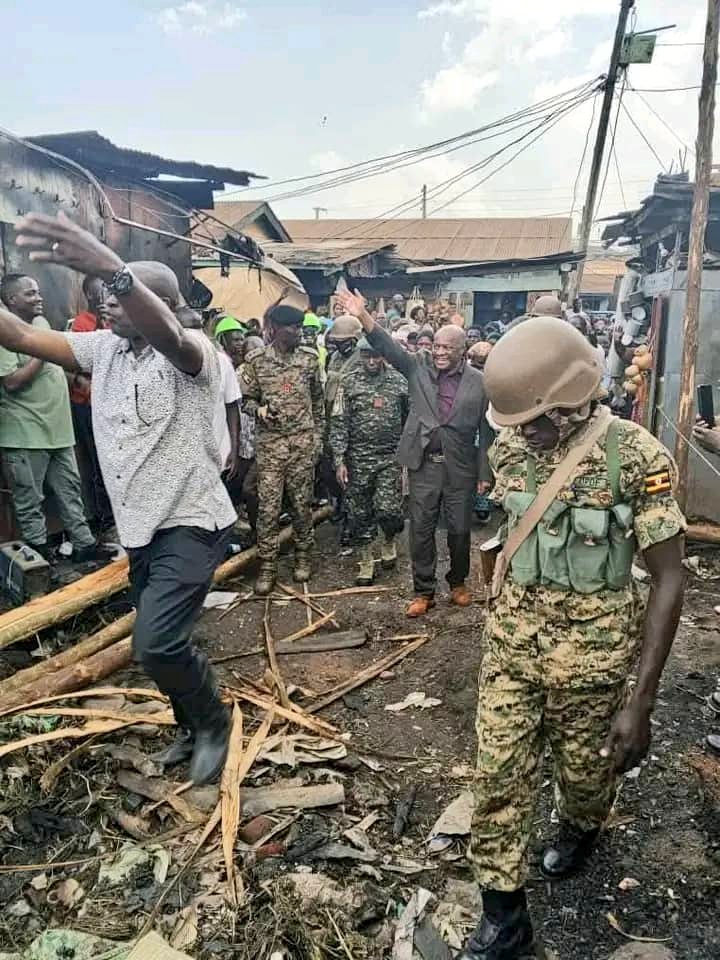
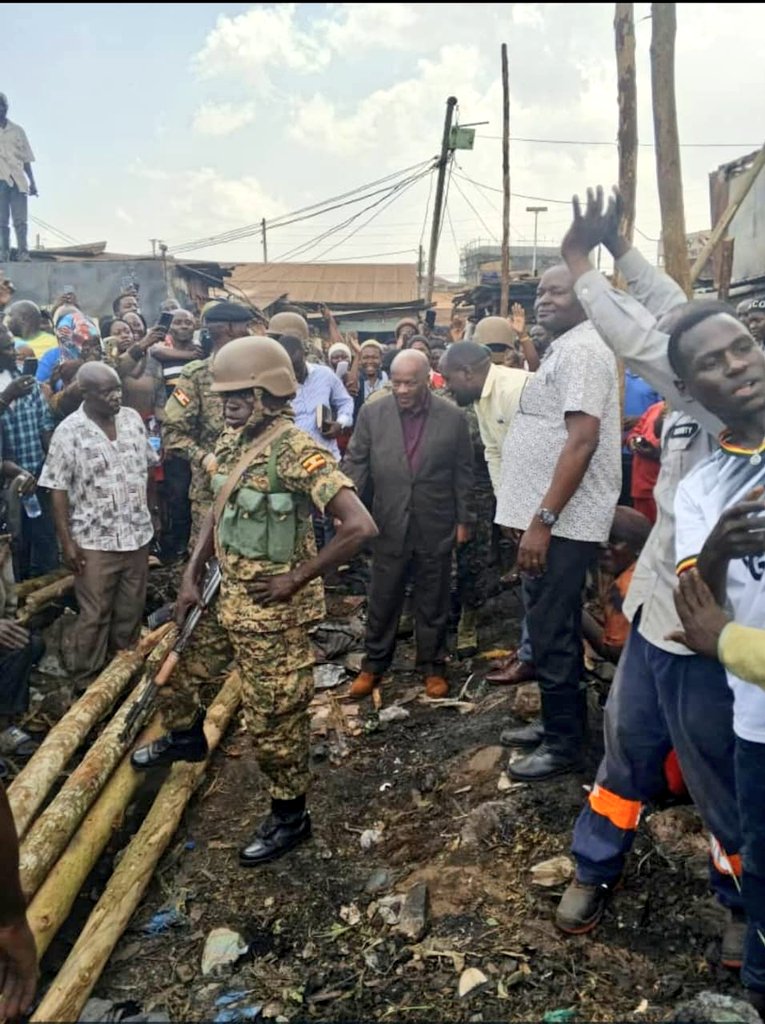
NNYINIMU Ssaabasajja Kabaka asiimye n’alambula ku basuubuzi abakolera mu katale ke ak’e Katwe Kyaddondo abaafiiriddwa emmaali yaabwe mu muliro ogwakutte mu kiro ekyakeesezza eggulo n’abasaasira ku lw'emmaali yaabwe gye baafiiriddwa.
#KabakaAt71
#BugandaYiyo_BugandaYange
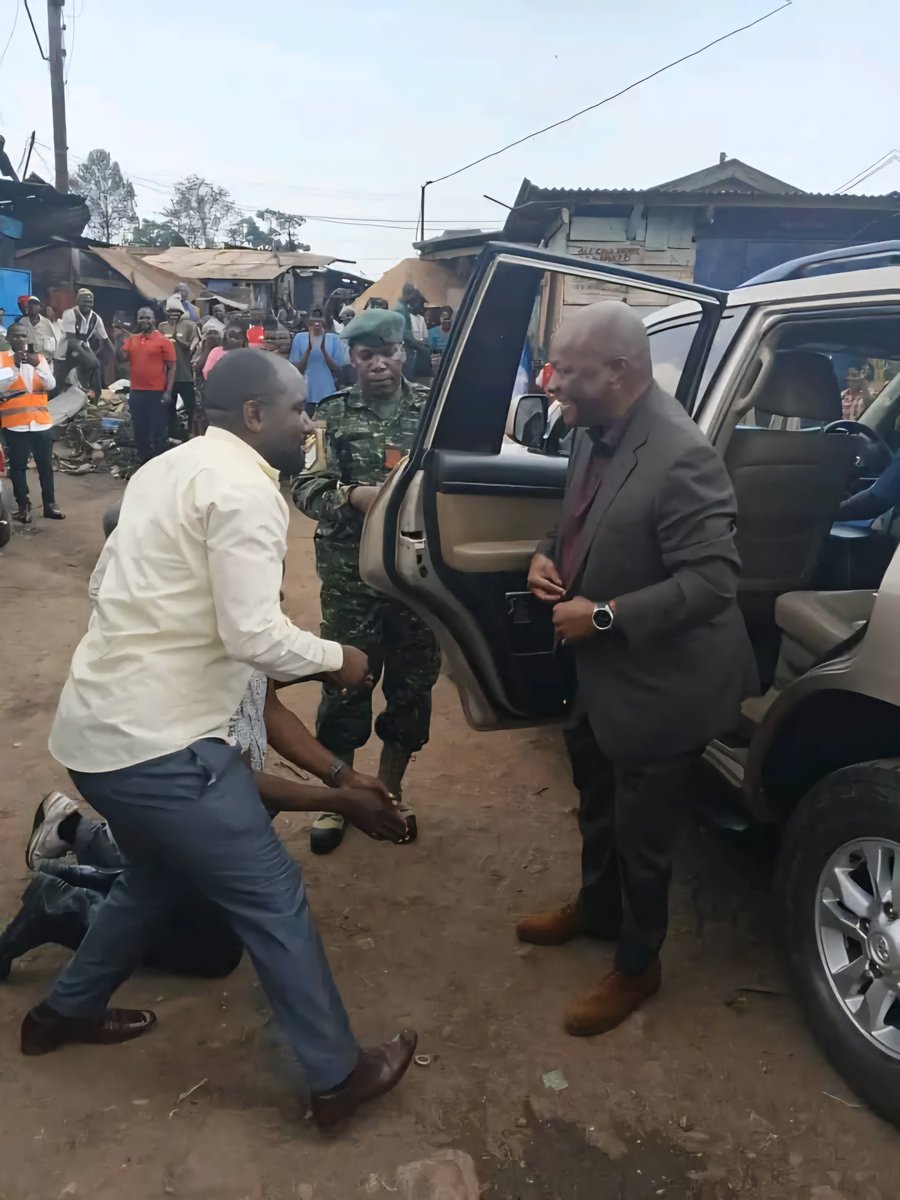
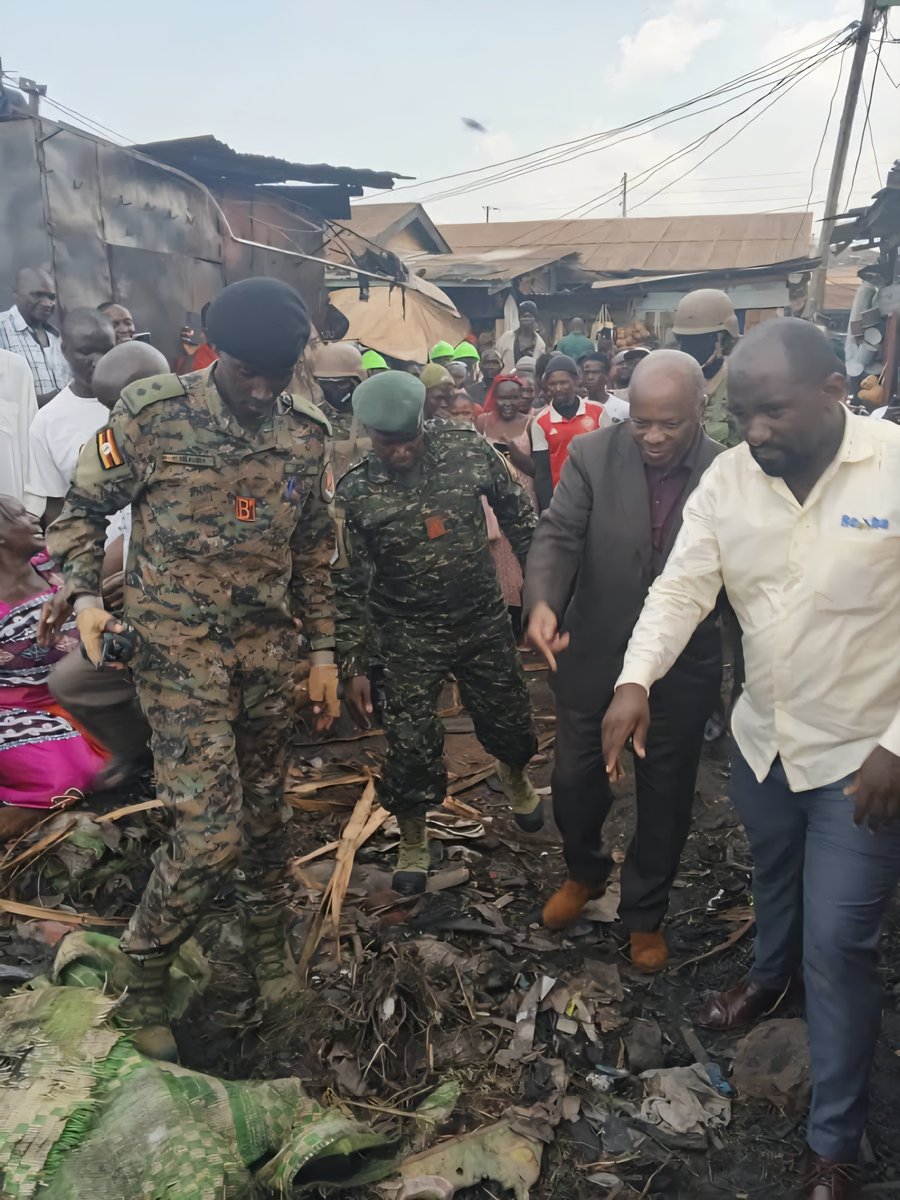
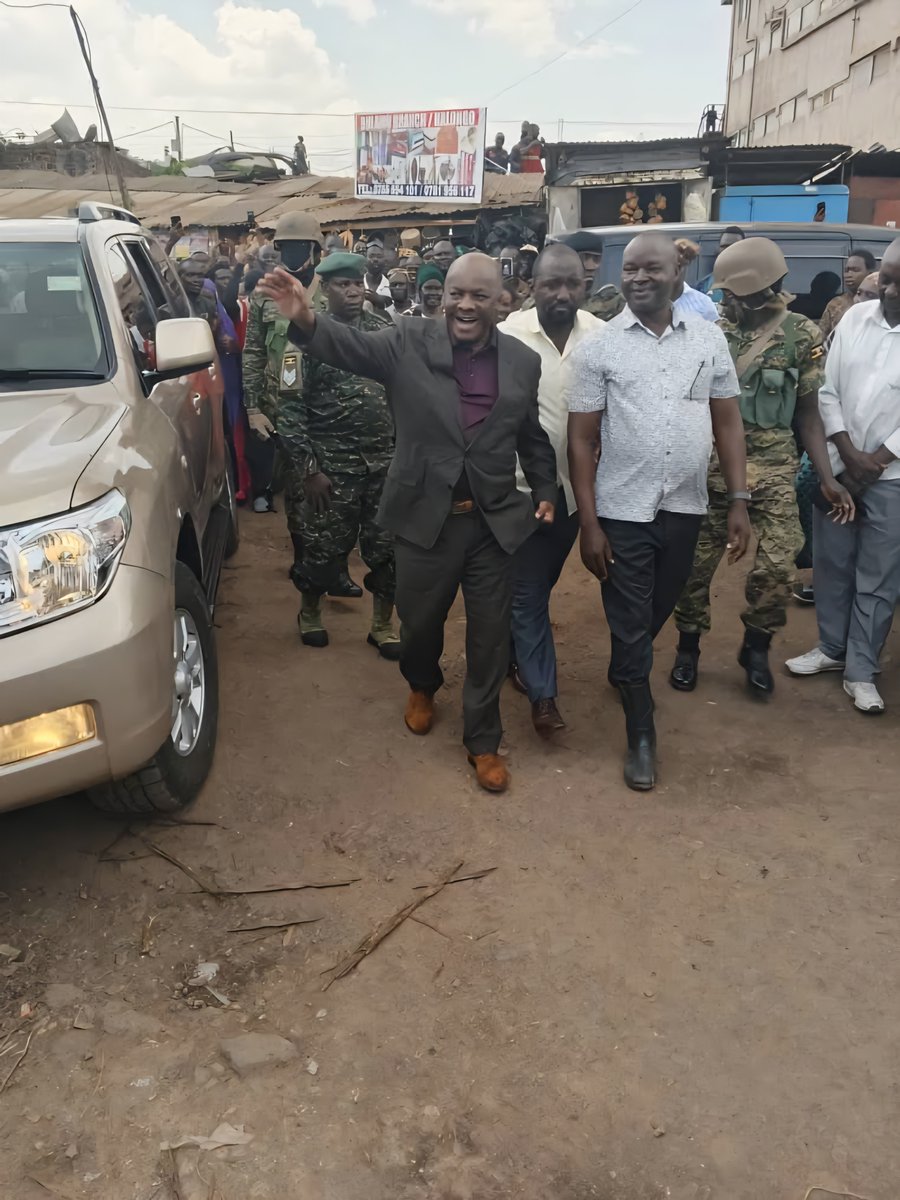
6
12
72
1,331
Miss Tourism Buganda Official retweeted

Mar 17
Ssaabasajja Kabaka wa @BugandaKingdom_ asiimye okulambula ku basuubuzi b'omukatale ka Katwe Market mu Ggombolola ya @MakindyeMUT3 mu @Kyaddondo_Ssaza. Era Omumyuka w'omuluka gwa Katwe.II Mw.Ssenkuungu Levis y'alambuzza Beene akatale ka Katwe akaakutte omuliro ekiro ekyakesezza olunaku lw'eggulo. Abasaasidde ku lw'emmaali yaabwe gye baafiiriddwa. Ekikolwa kyebagambye nti kibazizzaamu nnyo essuubi mu kaseera kano ak'okusomoozebwa.

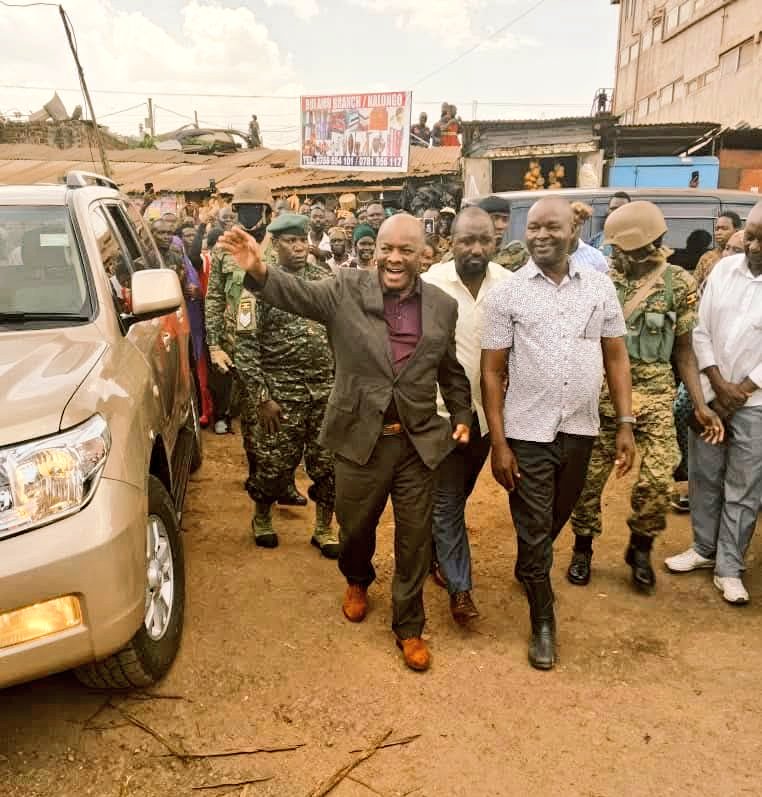
5
13
131
Miss Tourism Buganda Official retweeted

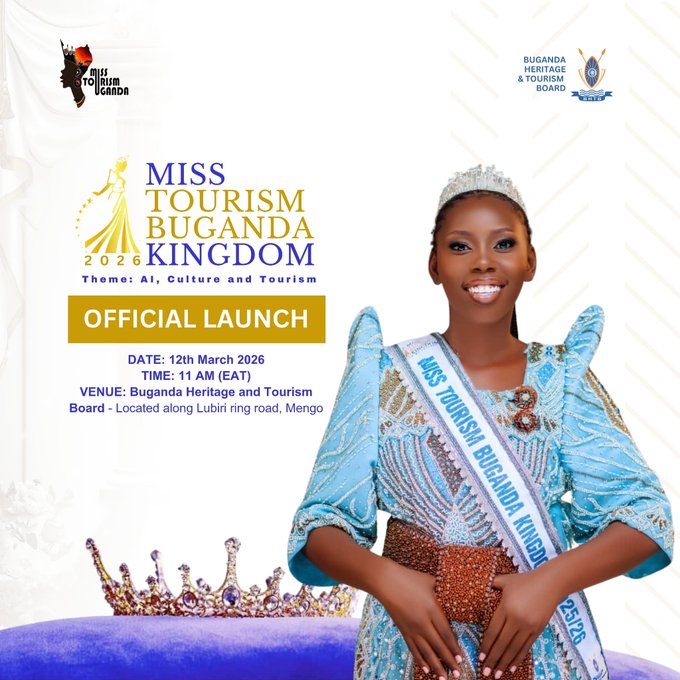
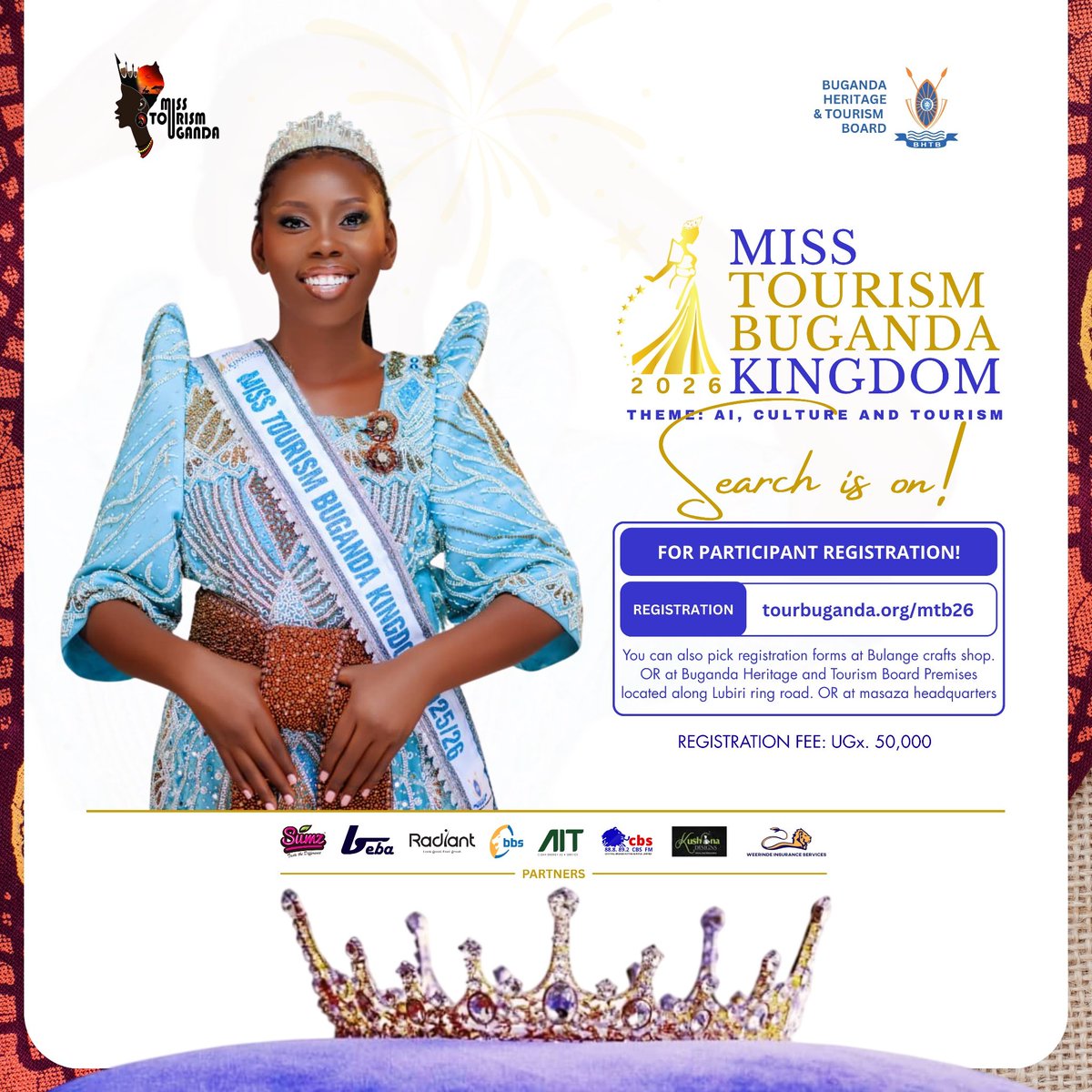
Are you a young lady, aged 18-28? Tap here tourbuganda.org/mtb26 to register for Miss Tourism Buganda 2026.
#TourBuganda
#MissTourismBugandaKingdom2026
#BugandaYiyo_BugandaYange
2
6
163