
small data artisan. distinguished weaponized adhd at meta, survived hypergrowth at facebook(2009 )/wikipedia(2004-2011), dining fakefluencer on ig domas.eats
Joined August 2009
- Tweets 1,611
- Following 197
- Followers 1,721
- Likes 2,629
59 Photos and videos






Jun 6
RT @HunterBiden: @iamno1s2hold He is a recovering crack addict that has now found a new addiction- it’s apparently called shit posting.
3,269
May 9
Sometimes I just don’t understand what universe other people live in. One moment you’re looking at MM/FS contention, other second… it is a file! It scales!!!
May 7

Thank you. The people who claim SQLite doesn't scale absolutely have no idea what they're talking about and have 0 imagination. It's a freaking file, spin up as many SQLite files you need, at any location you want. Concurrent writes have been a solved problem for a long time.
3
9
1,095
Domas Mituzas 🤡 retweeted

May 8
Postgres on Dropbox is faster than Postgres on NVMe
53
14
1,062
60,007
Domas Mituzas 🤡 retweeted

May 8
The idea that all billionaires got their money by exploiting peopl doesn't hold up to any scrutiny.
JK Rowling wrote books about cheeky wizards. I invented a better way to make virtual reality headsets and games to play on them. We just made things people wanted.
815
1,976
38,361
734,818
Mar 29
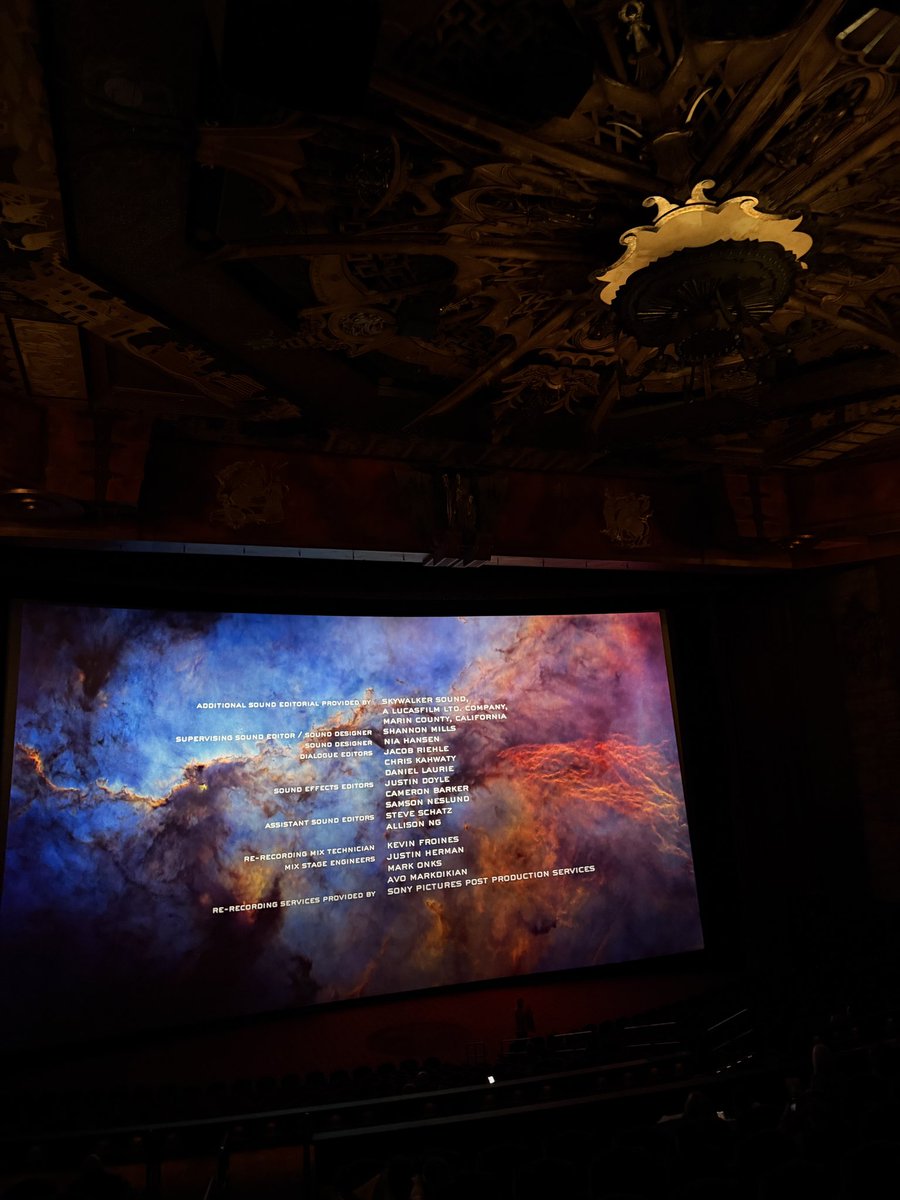
Interesting to compare Project Hail Mary IMAX experiences at Hacienda Crossing vs TCL Chinese Theater. Big fan of that screen in Dublin, CA
2
333
Mar 21
Of course AI uses lots of sea water - you need to extract deuterium for fusion reactors, etc - the reason to colonize other planets that have oceans on them.
2
203
Mar 2
Interviewer: How do you…
Me: sorry, I never had any real technical interviews in my life.
1
13
965
Mar 1
Sometimes it is quite hard to run a good database benchmark. A good MyRocks production-like workload simply won't fit in Postgres.
1
9
550
Feb 25
My 2012 memsql benchmark post hit the mark well enough, someone hired blackhat SEOs to tank it in search results. Kinda remember it each time I see Neon&friends.
dom.as/2012/06/26/memsql-rag…
1
11
2,818
Feb 25
There are days when /proc/self/mountinfo returns gigabytes of data and blows up systemd in containers…
1
3
258
Feb 25
Waiting for applied @brau_ner patch. Hilarious when /sbin/init insta-grows to 10GB in RSS...
156
Domas Mituzas 🤡 retweeted

Feb 21
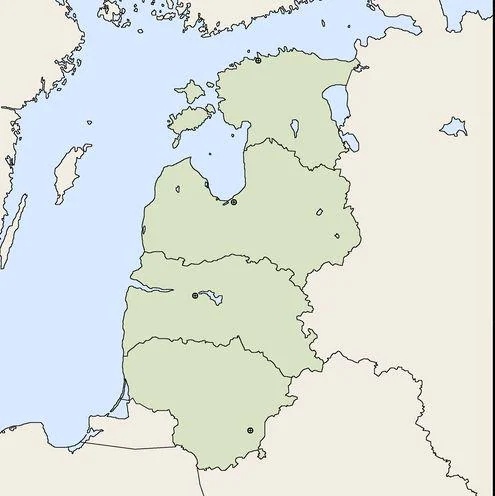
Ein Beispiel, wie wenig Wissen an Schulen vermittelt wird:
Die meisten Deutschen könnten nicht ohne Google oder KI die Namen der vier baltischen Staaten nennen.
785
234
5,335
852,736
Feb 11
Oracle hid mysql-docs repo on GitHub, so got to use LLMs to read server source code to figure out correct syntax.
1
1
4
417
Domas Mituzas 🤡 retweeted

Feb 5
If we’re going to solve our challenges we have to be honest about them. First, Silicon Valley has been one of the most expensive places to buy a home since before I was born. That’s why my family settled 50 miles away in a small farming town. And it hasn’t gotten better. Second, the Valley is partly a victim of its own success in the sense that this region has created so many high-paying jobs that people from all over the country and the world come here for opportunity. In fact, SV has been one of the very best regions in the country for economic mobility despite our high cost of living. Third, our brutally high housing costs are also—and I would argue primarily—a public policy failure. The incredible economy we have nurtured here has added roughly 8 jobs for every 1 new home we have built over the last couple of decades. That’s why as mayor I have worked so hard to simplify approval processes, expand zoning in urban villages and along transit corridors, reduce one-time fees and other requirements that, together, make it extremely slow and expensive to build housing here. I’m proud that last year we broke ground on thousands of new homes that had been approved years ago and stuck in the pipeline because they simply didn’t pencil. For California to improve affordability, we will need to make it much easier and less expensive to build housing, we will need to better connect our job centers and housing markets with great transit and transportation infrastructure, and bring down utility rates through smarter regulations and better technology.
23
24
543
35,181
Jan 28
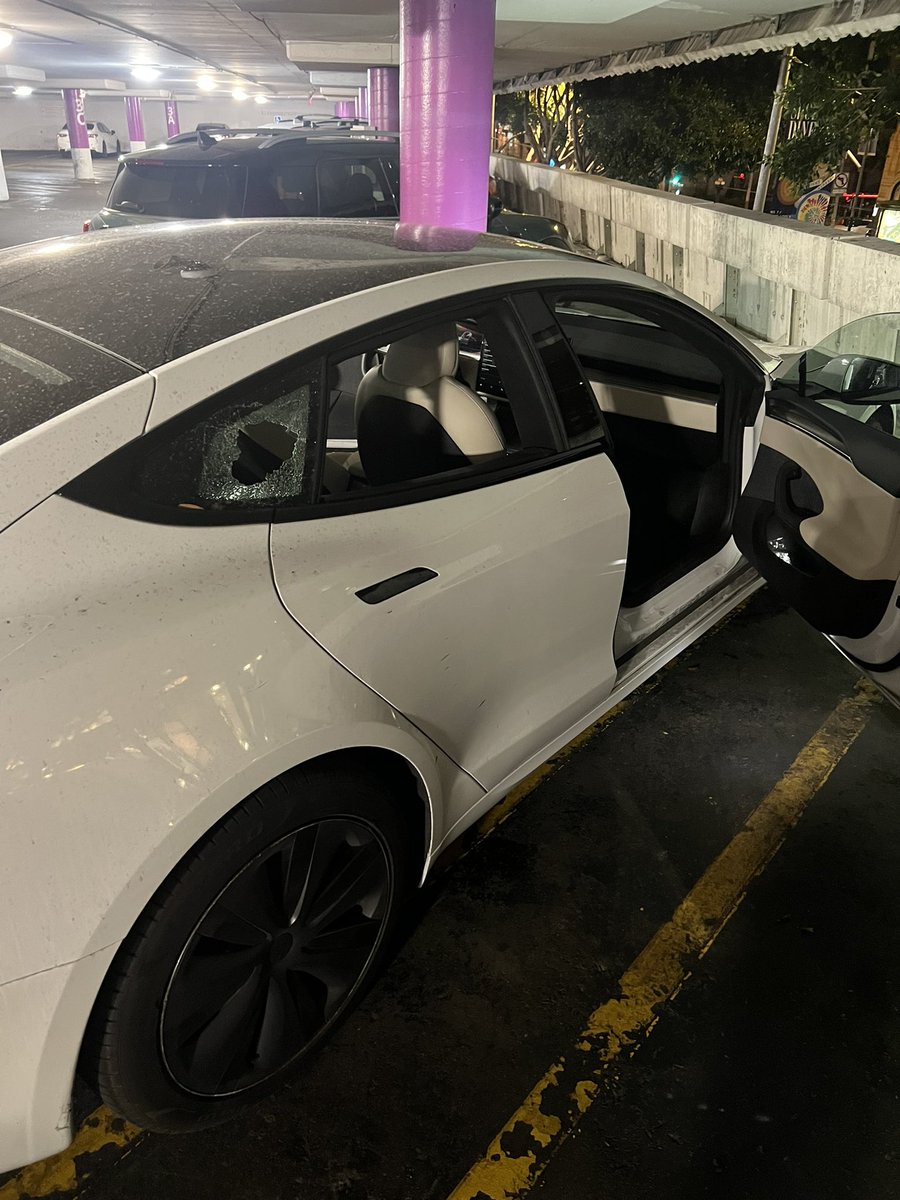
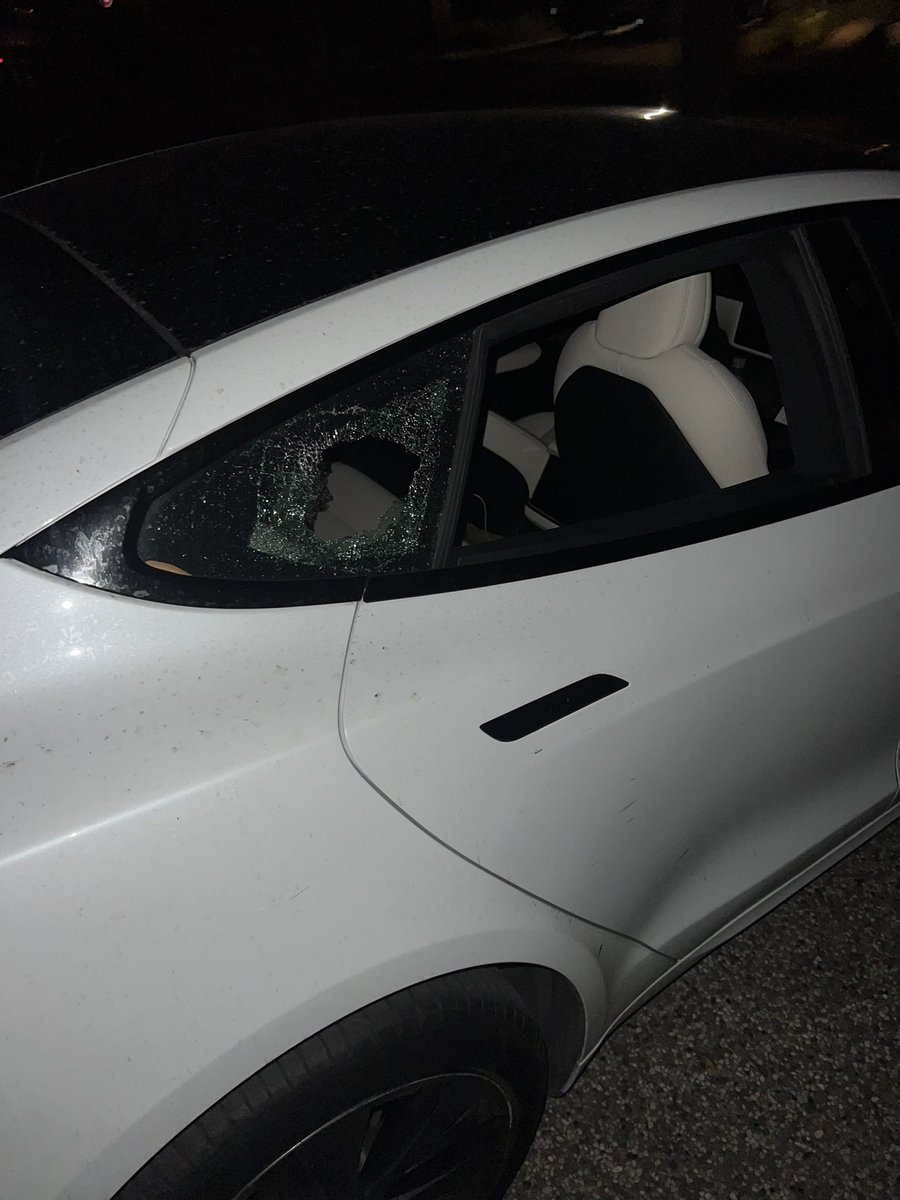
Ugh, Model S news are sad. Just picked mine few days ago so will have few years of joy left now. Perfect automobile, for past 10 years…
1
217
Jan 24
The saddest thing about this new OpenAI post is that you’d have only five read replicas instead of 50 and scale much further if you ran MySQL instead of Postgres - not worthy any news!
2
1
21
3,951
Domas Mituzas 🤡 retweeted

Jan 13
The architects of California’s “Billionaire Wealth Tax” ballot proposition quietly amended language in their proposal which, if successful, would permanently end the concept of founder-controlled startups in the state — a technology industry kill switch. piratewires.com/p/california…
121
247
1,888
626,458
Domas Mituzas 🤡 retweeted

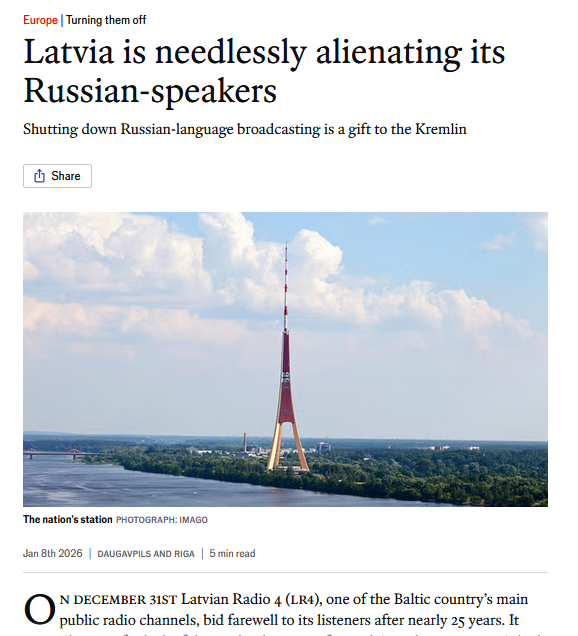
Dear @TheEconomist , have you ever read the history of Latvia's 🇱🇻 Russification crime before publishing this pro-Russification article? Highly recommended to educate your journalists! There is one state language in Latvia! Russian speakers, who do not want to learn the state language, should live in russia!
Here the brief history of Latvia 🇱🇻 in the 20th century:
The Republic of Latvia was founded on November 18, 1918, in the wake of World War I, during a
period when many European nations gained independence from collapsing empires. Latvians—an
enduring European people with a distinct language, culture, and identity—established their own
democratic state.
Latvia’s territory comprises four historic regions: Vidzeme, Kurzeme, Zemgale, and Latgale. The
official language is Latvian, one of only two surviving Baltic languages, alongside Lithuanian. This
linguistic heritage is a central pillar of Latvian national identity.
Occupation and Totalitarian Rule
For twenty years, Latvia developed as a democratic and economically vibrant European nation.
However, in 1939–1940, Latvia became a victim of the Molotov–Ribbentrop Pact, a secret
agreement between Stalin and Hitler that divided Europe into spheres of influence. Under military
threat, the Soviet Union forced Latvia into occupation in June 1940, staged sham elections, and
illegally annexed the country into the USSR.
Latvia’s leadership was deported to remote regions of the Soviet Union, state institutions were
dismantled, and the population endured mass arrests, deportations, and political terror.
In 1941, Nazi Germany attacked the Soviet Union and occupied Latvia, replacing one totalitarian
regime with another. The Nazis did not restore Latvian independence and carried out their own
repressions. Both regimes forcibly conscripted Latvians into their armed forces, often setting family
members on opposite sides of the front.
World War II ended with the defeat of Nazi Germany, but Latvia was re-occupied by the Soviet
Union. The Latvian people again suffered mass deportations, imprisonment, and suppression of
political, religious, and civic freedoms. Many families fled to the United States and other Western
nations, forming a strong and active diaspora committed to restoring freedom in their homeland.
Resistance and Restoration of Independence
Despite five decades of occupation, Latvians maintained a spirit of resistance—both armed and
non-violent. National partisans continued fighting for nearly a decade after the war. Exile
organizations, together with Latvian diplomats in Washington and London, preserved the legal
continuity of the Latvian state. The United States never recognized the Soviet annexation of Latvia
—an act for which Latvians remain deeply grateful.
In August 1991, Latvia restored its independence, which happened before the USSR was declared
collapsed at the end of 1991. The Latvian people celebrated the return of freedom that had never
been surrendered.
Latvia Today
For more than twenty years, Latvia has been a committed member of NATO and the European
Union—a democratic, sovereign nation firmly anchored in the transatlantic community. Our
experience under Soviet occupation informs our clear understanding of authoritarian threats and
our strong commitment to collective security.
For this reason, Latvians strongly reject the label “post-Soviet republic.” Latvia was not born out of
the Soviet Union—it was occupied by it. Using the term “post-Soviet space” risks echoing Kremlin
narratives that seek to reassert influence over formerly occupied nations.
Solidarity with Ukraine
Because of our own history of oppression and survival, Latvia stands unequivocally with Ukraine.
Latvians understand, deeply and personally, the consequences of foreign occupation and the price
of freedom. We support Ukraine not only out of solidarity, but because its victory is essential for the
security of Europe and the transatlantic alliance.
205
872
4,547
116,088
22 Dec 2025
Best sharding design: use school names, group people by universities. “harvard”, “columbia”, etc
[insert survivorship bias meme]
1
4
391