Evolutionary biologist studying the diversity of fishes.
Joined August 2014
- Tweets 2,630
- Following 665
- Followers 1,079
- Likes 4,284
171 Photos and videos
Pinned Tweet

Apr 5
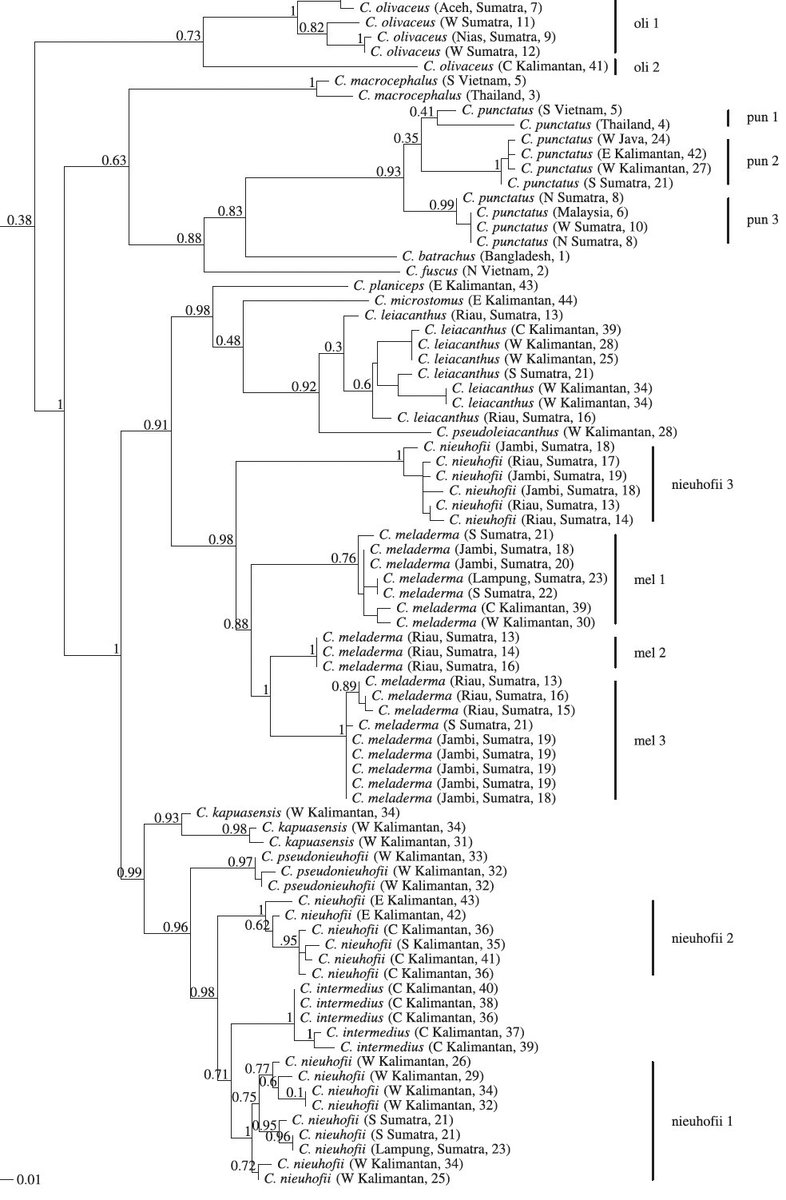
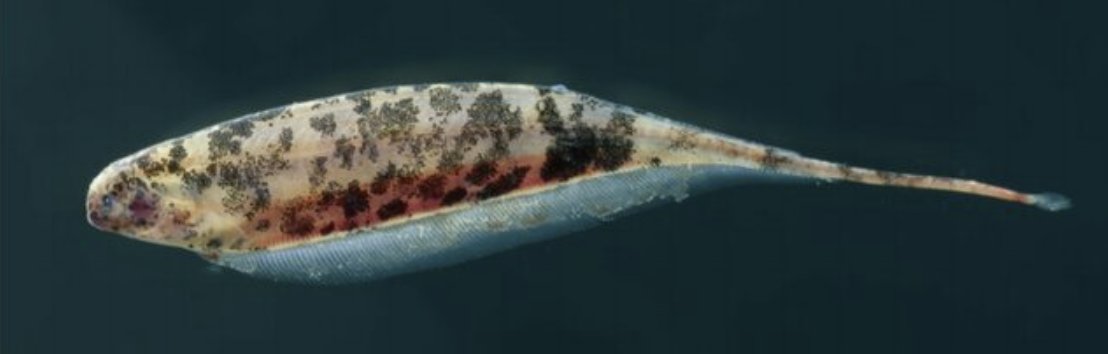
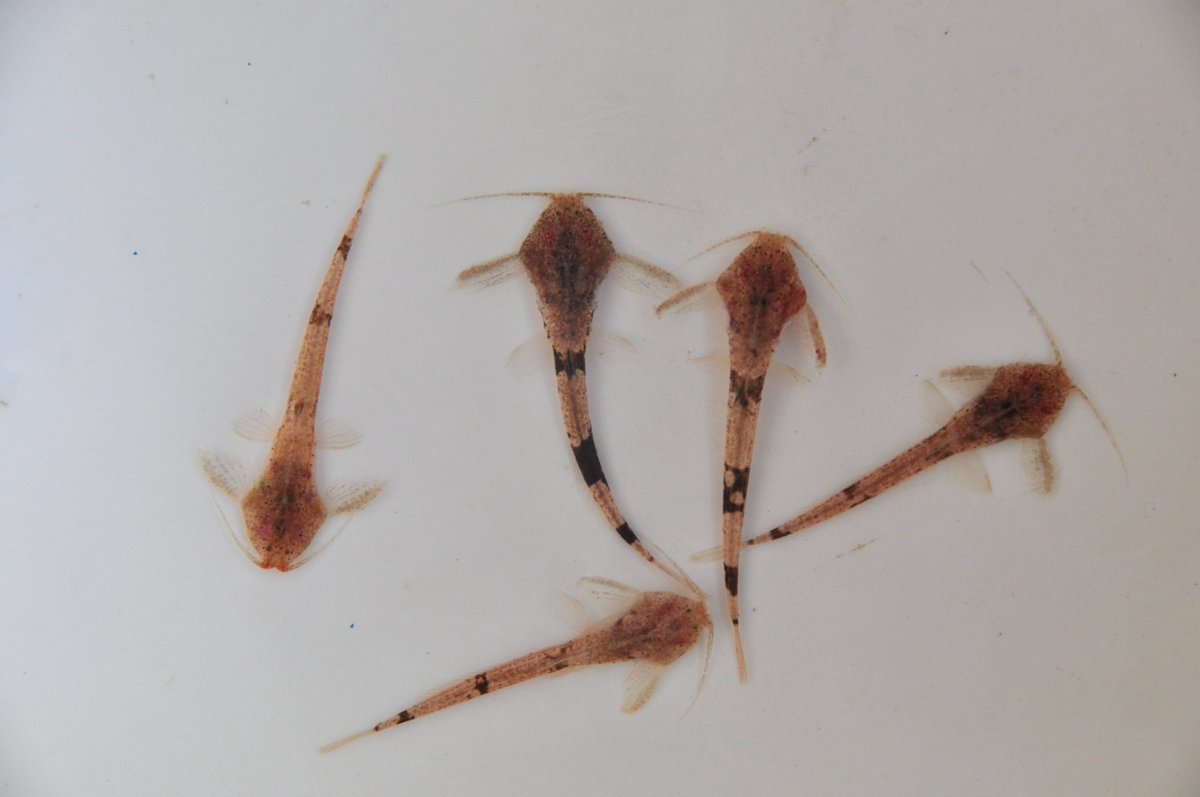
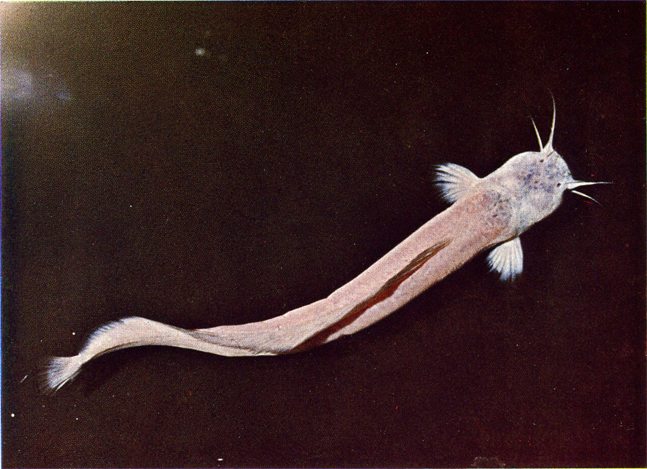
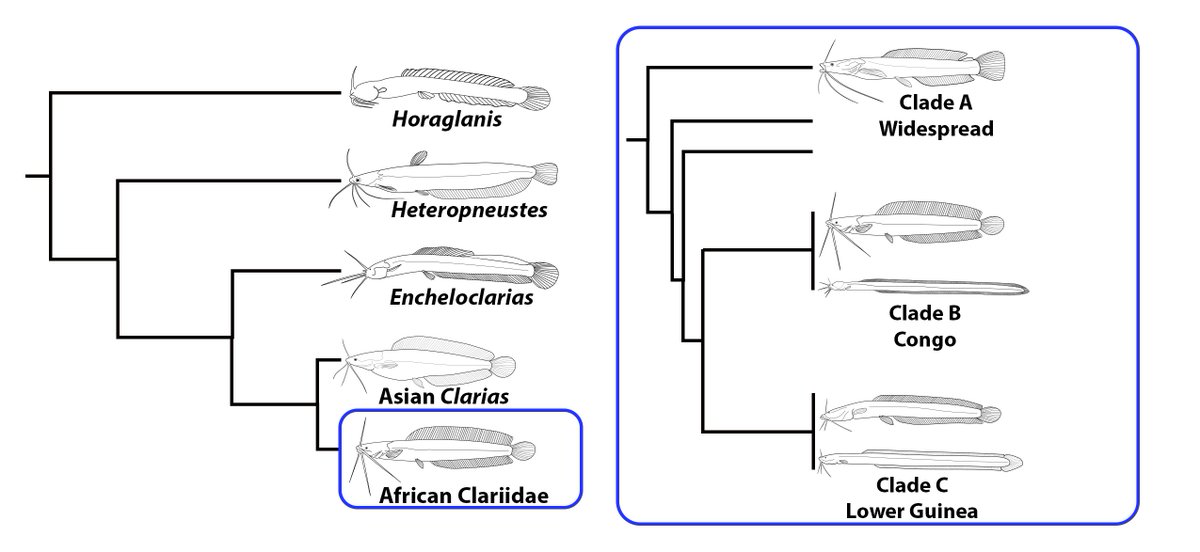
Pleased to share a new phylogeny for the airbreathing or walking catfishes (Clariidae). This was part of my postdoctoral research at the AMNH done in collaboration with Tobit Liyandja and Melanie Stiassny:
sciencedirect.com/science/ar…
3
28
76
4,166
Jun 10
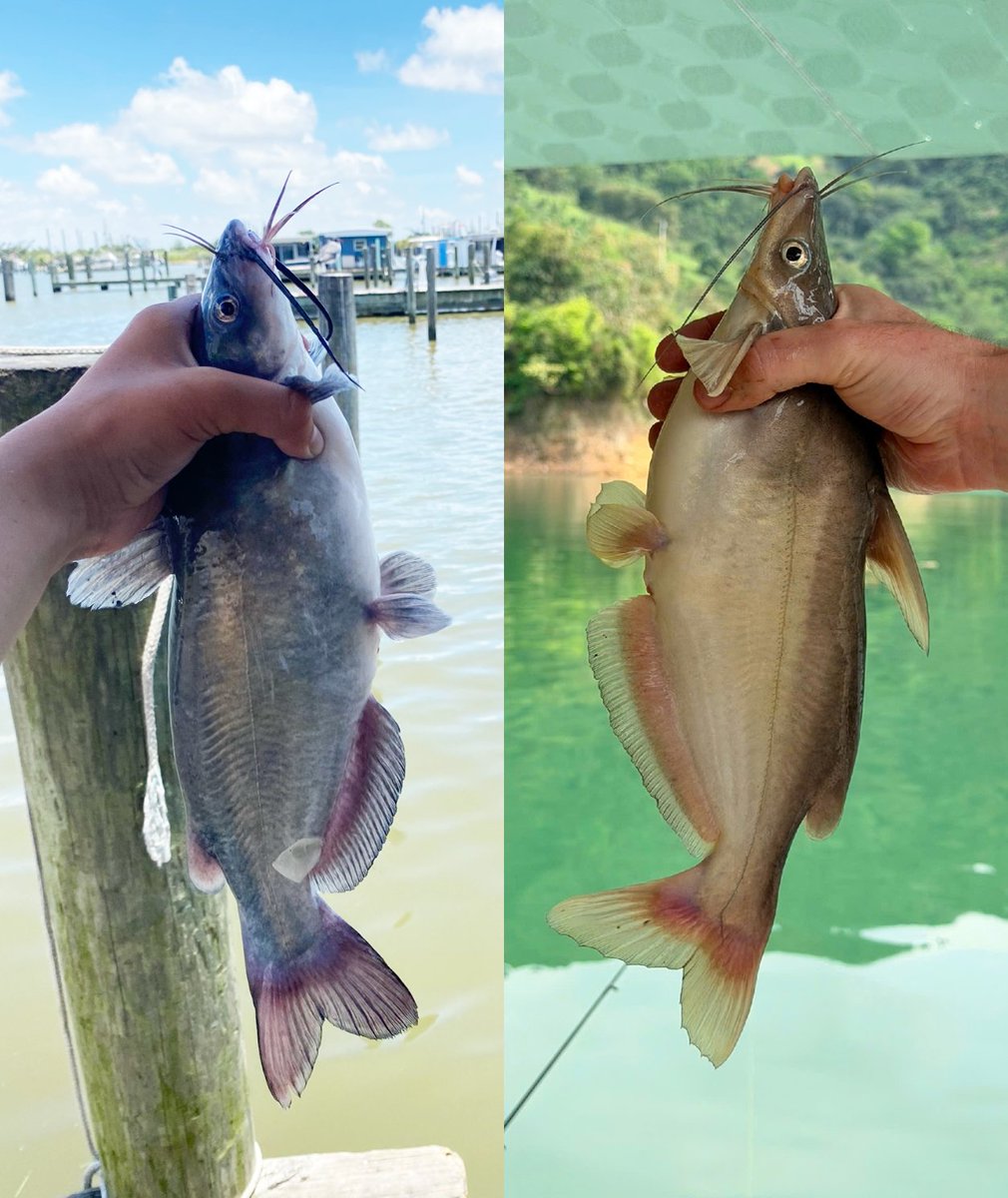
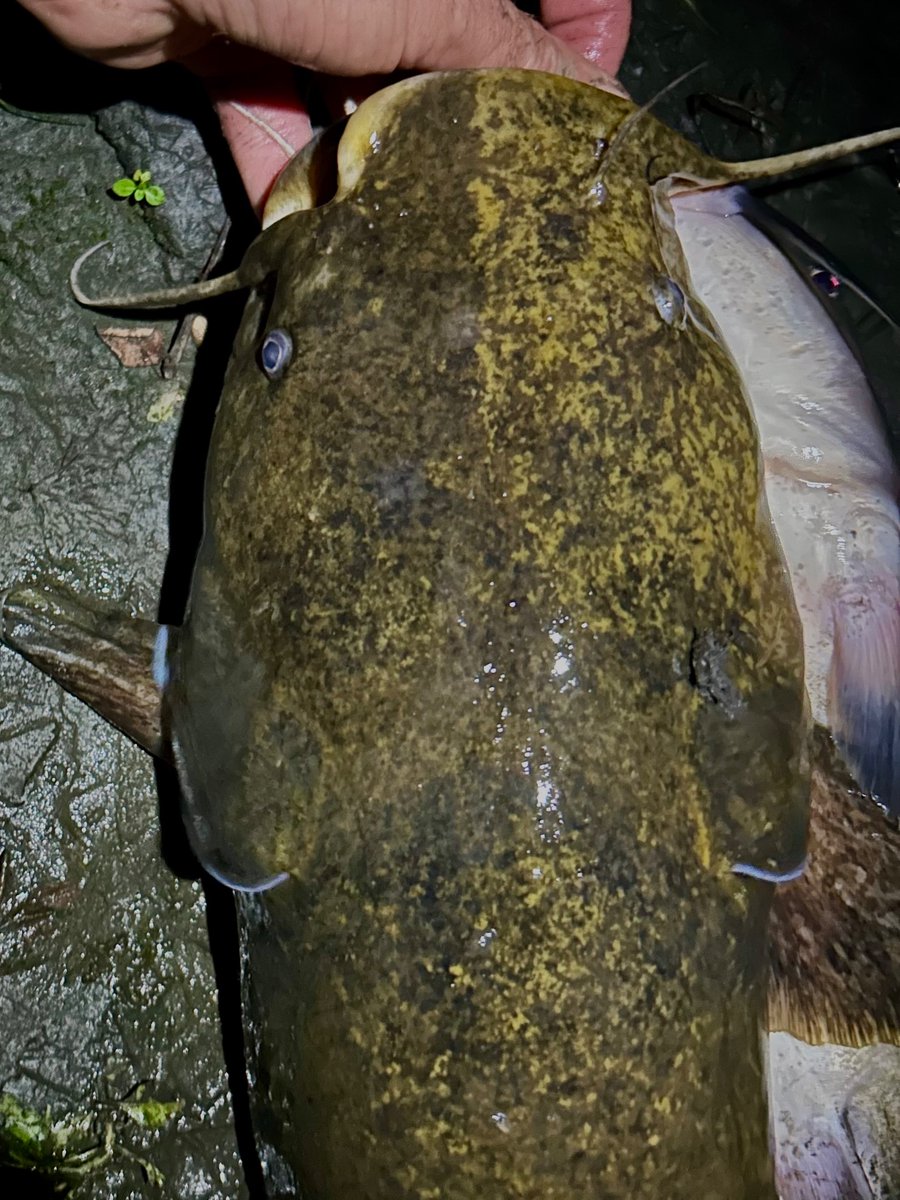
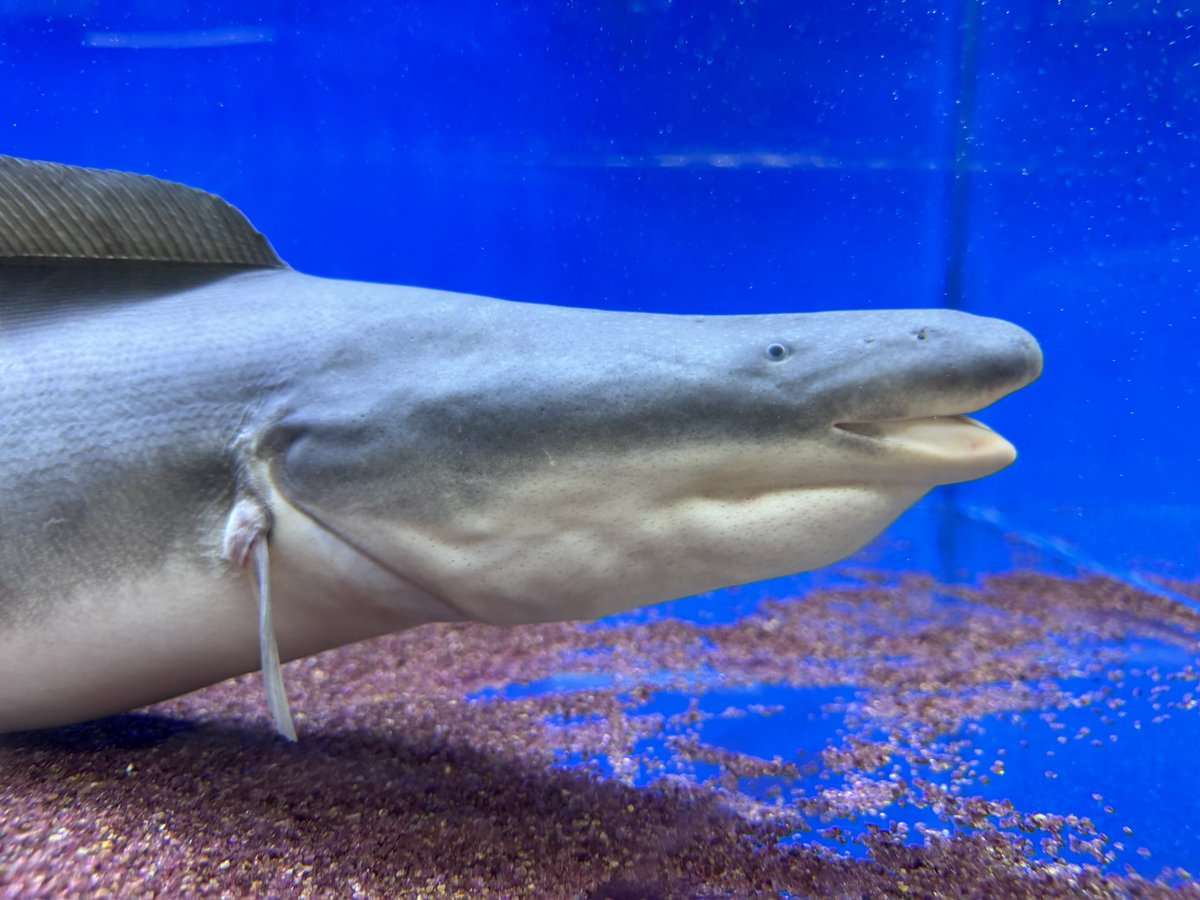
Cool iNaturalist observations from 14,000 km apart. On the left an Ictalurus punctatus from Plaquemines Parish, LA and on the right a Cranoglanis from Hồ Hòa Bình Reservoir in Vietnam. Almost looks like they're related...
inaturalist.org/observations…
inaturalist.org/observations…
2
6
21
858
Jun 7
Cool video of Silurus spawning in a rice paddy in Japan.
Jun 7

雨上がりの夜、琵琶湖周辺の田んぼにナマズがやってきて産卵していました。水田を利用する魚類の調査中に出会った決定的な瞬間です。このような光景は近年ほとんど見られなくなりましたが、人の営みの中で田んぼという場所が多様な生き物のくらしを支えてきたことがよくわかります。(学芸員・金尾)
3
17
1,339
Maxwell Bernt retweeted

Jun 6
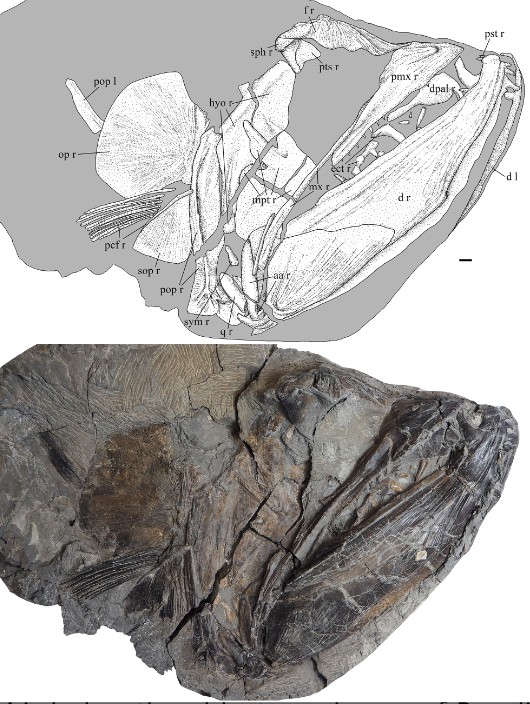
Descrição de espécimes grandes e bem preservados de Enchodus da Formação Bearpaw, Alberta, Canadá anatomypubs.onlinelibrary.wi…
37
145
6,230
Jun 4
Unexpected Siluriphysae

A bio-inspired robot has been used to illustrate the mechanism by which some species of fish are able to walk on land. This may provide insights into how the first terrestrial vertebrates moved onto land and navigated their new environment: spklr.io/6018EMv2M
@NatureComms
2
109
Maxwell Bernt retweeted

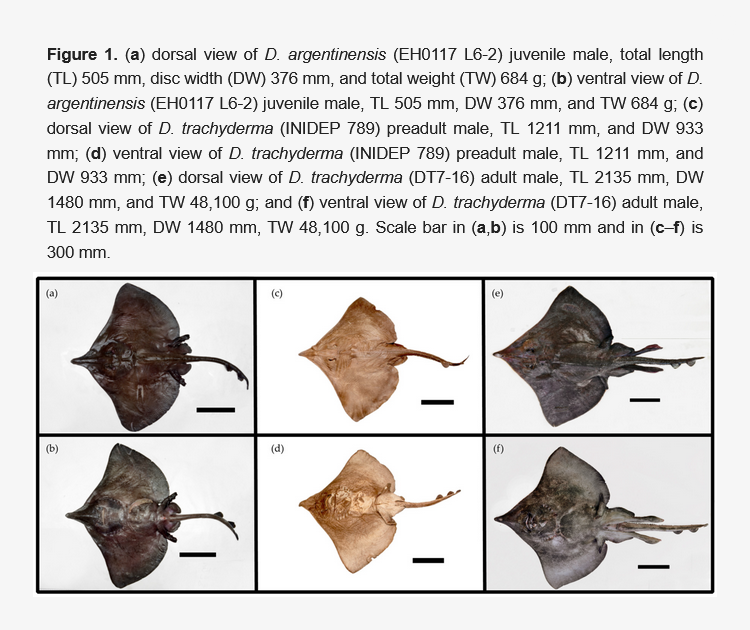
🌊 A Faunistic Revision of Longnose Skates of the Genus Dipturus (Rajiformes: #Rajidae) from the Southern Southwestern Atlantic Ocean, Based on Morphological and Molecular Evidence
👥 Daniel Enrique Figueroa et al.
🔗 Read at: brnw.ch/21x31r1
#Diveristy #Zearaja
4
6
124
Maxwell Bernt retweeted

Jun 2
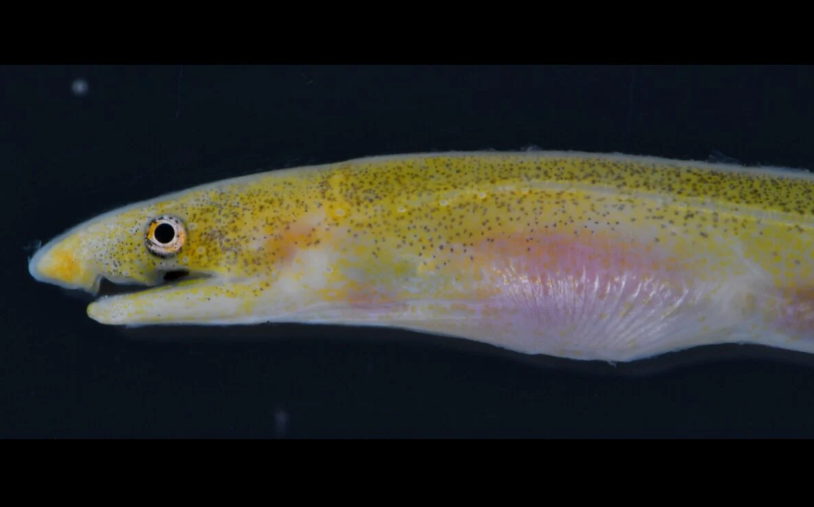
【バケツですくった世界初】
高知大学の学生らは、高知県柏島の漁港で水汲みバケツを使って採集した魚が、希少種「サンゴミミズアナゴ」だったと報告した。日本で3例目、高知県では初記録。さらに卵を持つ成熟メスであることが判明し、繁殖個体の報告として世界初の発見に。
x.gd/JmsdA
49
162
4,289
Maxwell Bernt retweeted

Jun 3
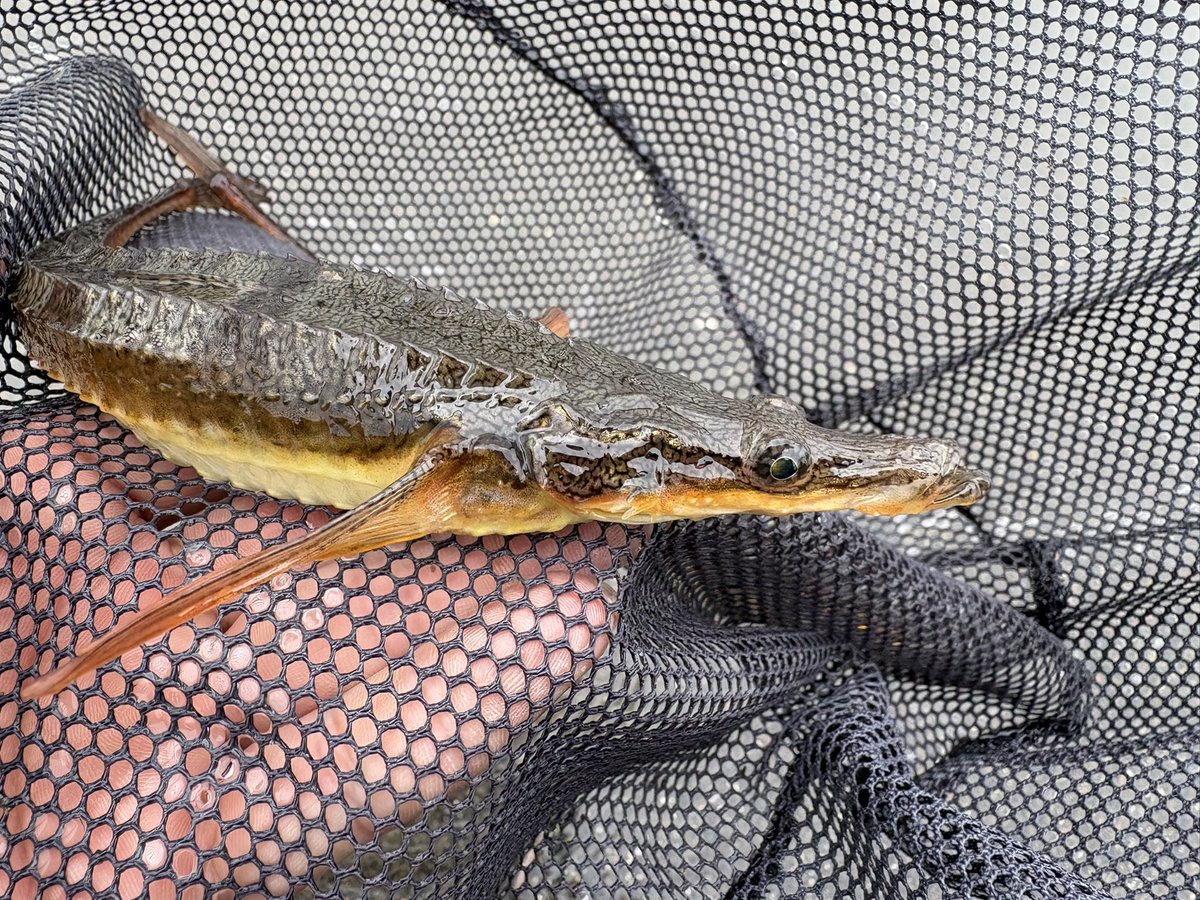
今日は職場の人と汽水湖へ。
僕がご飯を食べている間にシチロウウオ?
これ釣れるんだ。と新たな発見。
潮間帯とか潜ったら見れるのかな。
5
29
635
50,897
Maxwell Bernt retweeted
#NewSpeciesAlert - 𝑇𝑟𝑖𝑝𝑙𝑜𝑝ℎ𝑦𝑠𝑎 𝑑𝑎𝑓𝑎𝑛𝑔𝑒𝑛𝑠𝑖𝑠 and 𝑇𝑟𝑖𝑝𝑙𝑜𝑝ℎ𝑦𝑠𝑎 𝑧ℎ𝑖𝑗𝑖𝑛𝑒𝑛𝑠𝑖𝑠, two new species of cave-dwelling loaches (Nemacheilidae), are described from karst caves in Guizhou Province, southwestern China.
🔓 zookeys.pensoft.net/article/…
"These discoveries highlight the underestimated diversity of 𝑇𝑟𝑖𝑝𝑙𝑜𝑝ℎ𝑦𝑠𝑎 in subterranean habitats and emphasize the ecological importance of karst groundwater systems as sheltered habitats for specialized cave-adapted fauna."
𝗥𝗲𝘀𝗲𝗮𝗿𝗰𝗵 𝗧𝗶𝘁𝗹𝗲
Two new cave-dwelling species of 𝑇𝑟𝑖𝑝𝑙𝑜𝑝ℎ𝑦𝑠𝑎 (Cypriniformes, Nemacheilidae) from Guizhou, China
𝗖𝗶𝘁𝗮𝘁𝗶𝗼𝗻
Zhu T-T, Yuan F-H, Zhang R-Y, Zhao Y-H (2026) Two new cave-dwelling species of 𝑇𝑟𝑖𝑝𝑙𝑜𝑝ℎ𝑦𝑠𝑎 (Cypriniformes, Nemacheilidae) from Guizhou, China. ZooKeys 1281: 123-145. doi.org/10.3897/zookeys.1281…
𝗔𝗯𝘀𝘁𝗿𝗮𝗰𝘁
Two new cave-dwelling species, 𝑇𝑟𝑖𝑝𝑙𝑜𝑝ℎ𝑦𝑠𝑎 𝑧ℎ𝑖𝑗𝑖𝑛𝑒𝑛𝑠𝑖𝑠 sp. nov. and 𝑇𝑟𝑖𝑝𝑙𝑜𝑝ℎ𝑦𝑠𝑎 𝑑𝑎𝑓𝑎𝑛𝑔𝑒𝑛𝑠𝑖𝑠 sp. nov., are described from karst caves in Guizhou Province, southwestern China.
𝑇𝑟𝑖𝑝𝑙𝑜𝑝ℎ𝑦𝑠𝑎 𝑧ℎ𝑖𝑗𝑖𝑛𝑒𝑛𝑠𝑖𝑠 sp. nov. is distinguished from other hypogean congeners by body scaleless, dorsal with pigment spots, lateral line complete; eye degenerated into small black spot or disappears, anterior nostril with barbel-like tip; distal margin of dorsal fin truncate; tip of pelvic fin not reaching to anus.
𝑇𝑟𝑖𝑝𝑙𝑜𝑝ℎ𝑦𝑠𝑎 𝑑𝑎𝑓𝑎𝑛𝑔𝑒𝑛𝑠𝑖𝑠 sp. nov. is distinguished from other hypogean congeners by body naked, without skin pigmentation, lateral line complete; eye reduced, with diameter of head length 5.3–7.1%; outer rostral barbel reaching to or beyond posterior margin of posterior nostrils; distal margin of dorsal fin truncate; tip of pectoral fin not reaching to pelvic-fin origin.
To further validate their taxonomic status, mitochondrial cytochrome b (Cyt b) gene sequences were used to reconstruct phylogenetic relationships and assess genetic distances. The molecular data corroborate the morphological findings and support the recognition of both species as distinct evolutionary lineages.
These discoveries highlight the underestimated diversity of 𝑇𝑟𝑖𝑝𝑙𝑜𝑝ℎ𝑦𝑠𝑎 in subterranean habitats and emphasize the ecological importance of karst groundwater systems as sheltered habitats for specialized cave-adapted fauna.
𝗣𝗵𝗼𝘁𝗼 𝗖𝗿𝗲𝗱𝗶𝘁
Top - Live specimen of 𝑇𝑟𝑖𝑝𝑙𝑜𝑝ℎ𝑦𝑠𝑎 𝑑𝑎𝑓𝑎𝑛𝑔𝑒𝑛𝑠𝑖𝑠 sp. nov.
Bottom - Live specimen of 𝑇𝑟𝑖𝑝𝑙𝑜𝑝ℎ𝑦𝑠𝑎 𝑧ℎ𝑖𝑗𝑖𝑛𝑒𝑛𝑠𝑖𝑠 sp. nov.
© 2026 the Author(s). Published in the journal ZooKeys. An open access article, distributed under the terms of the Creative Commons Attribution 4.0 International (CC-BY-4.0) licence. creativecommons.org/licenses…
#NewSpecies #Ichthyology #Taxonomy #Biodiversity #AquariumHobby #Fishkeeping #Aquarist #TropicalFish #FishTank #Guizhou #China #Loaches #Loach #CaveFish #CaveFishes #Triplophysa #Nemacheilidae #Subterranean #Groundwater #Karsts #SubterraneanFishes #Biospeology #Morphology #Karst
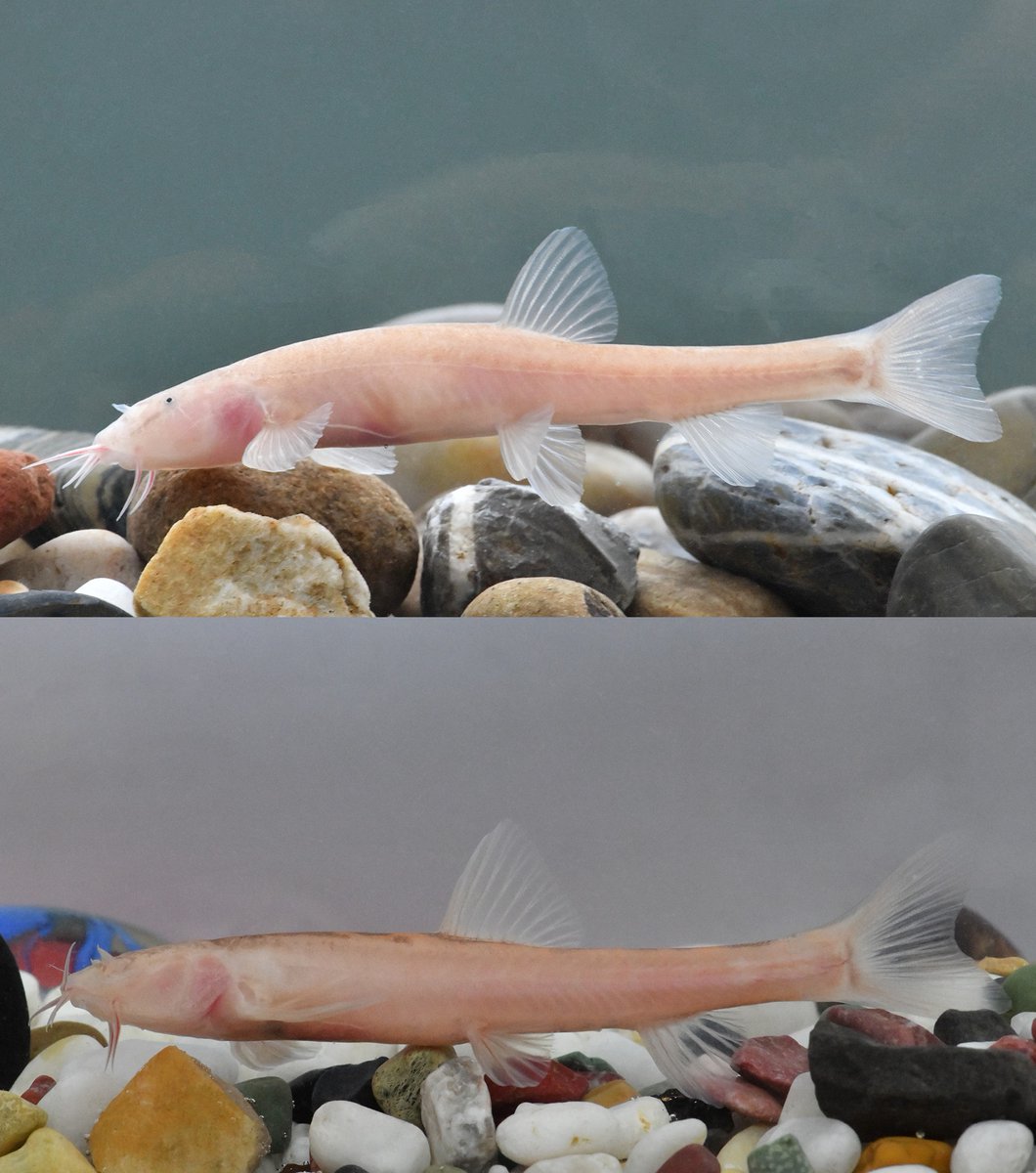
ALT Top - Live specimen of 𝑇𝑟𝑖𝑝𝑙𝑜𝑝ℎ𝑦𝑠𝑎 𝑑𝑎𝑓𝑎𝑛𝑔𝑒𝑛𝑠𝑖𝑠 sp. nov. Bottom - Live specimen of 𝑇𝑟𝑖𝑝𝑙𝑜𝑝ℎ𝑦𝑠𝑎 𝑧ℎ𝑖𝑗𝑖𝑛𝑒𝑛𝑠𝑖𝑠 sp. nov.
14
69
1,627

May 25
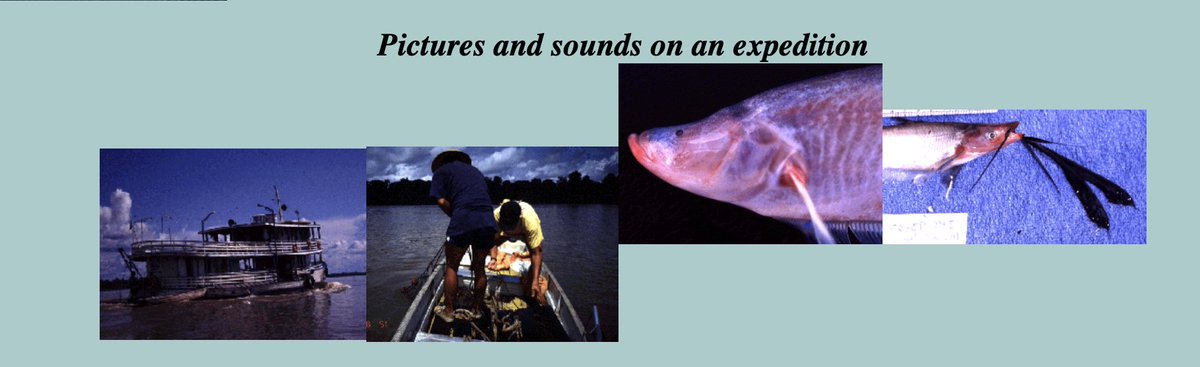
Using the @waybackmachine to visit the original website from the Calhamazon project. Kind of cool to dig up these relics from the dawn of the web. web.archive.org/web/19990224…
1
2
12
1,404




Maxwell Bernt retweeted

May 22
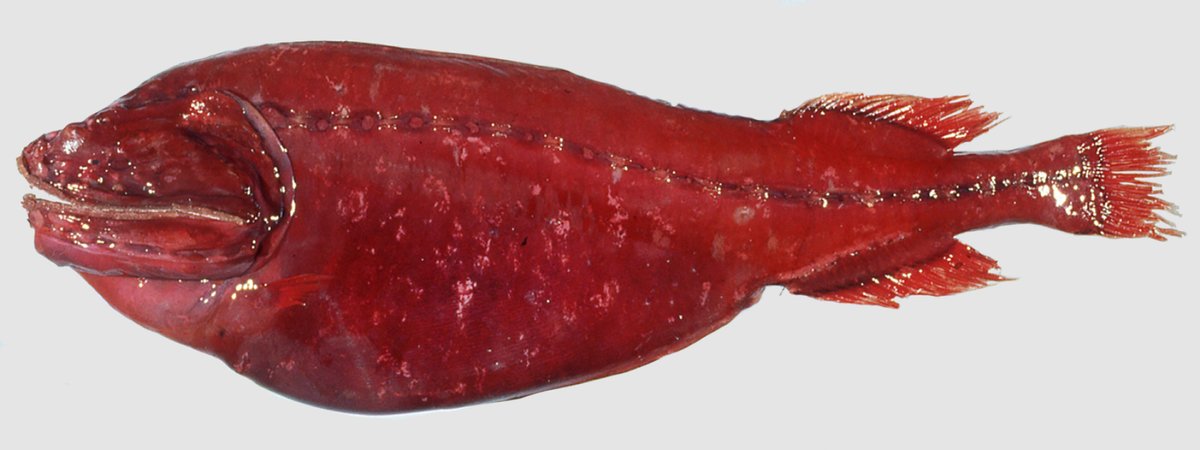
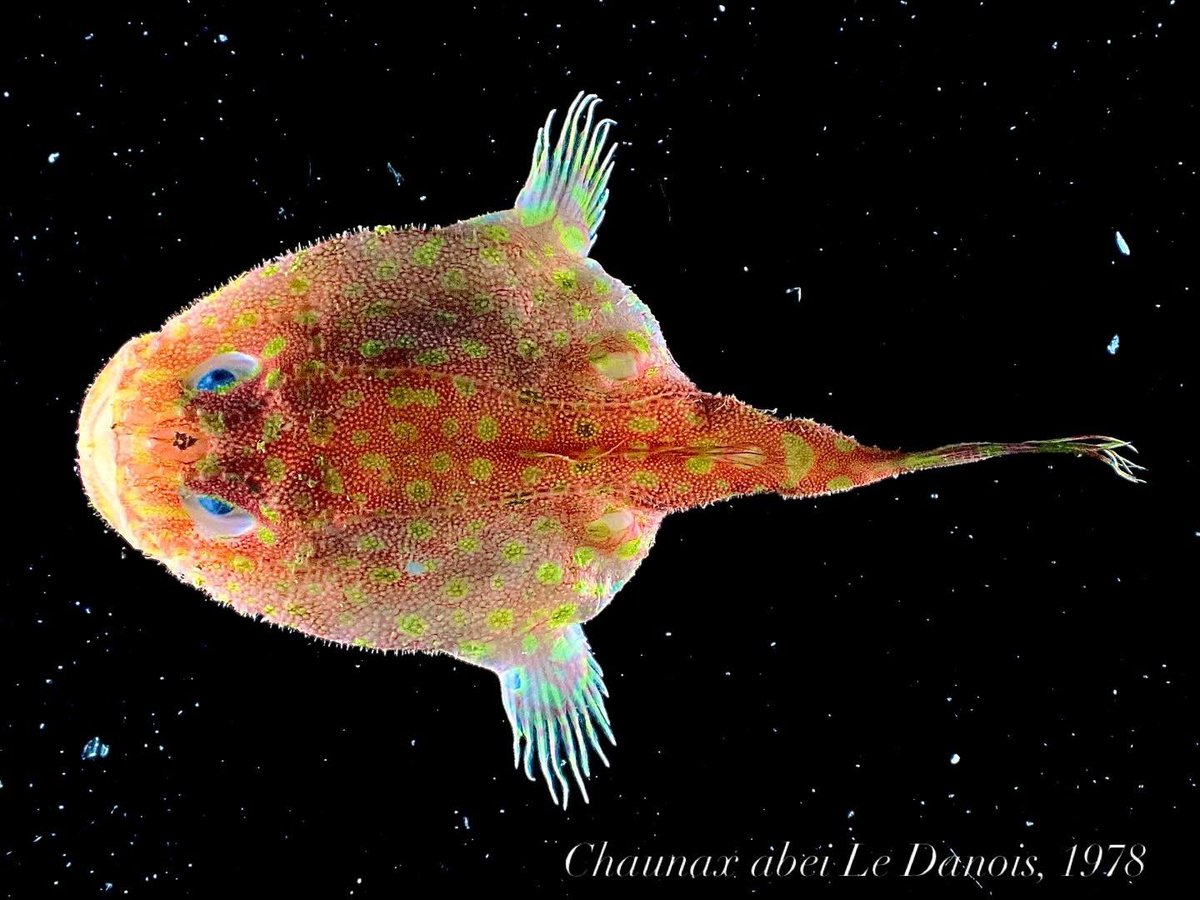
『ミドリフサンコウ』
• Chaunax abei Le Danois, 1978
7.2cm
駿河湾 300m
アンコウ目フサアンコウ科に属する。体は縦扁して、体表には黄色で縁取られた緑色の斑点が散在する。体は小さな棘で覆われておりザラザラしている。
頭部の凹みには誘因突起があり、獲物を誘き寄せて捕食する。
#深海魚
9
93
2,070
Maxwell Bernt retweeted

May 23
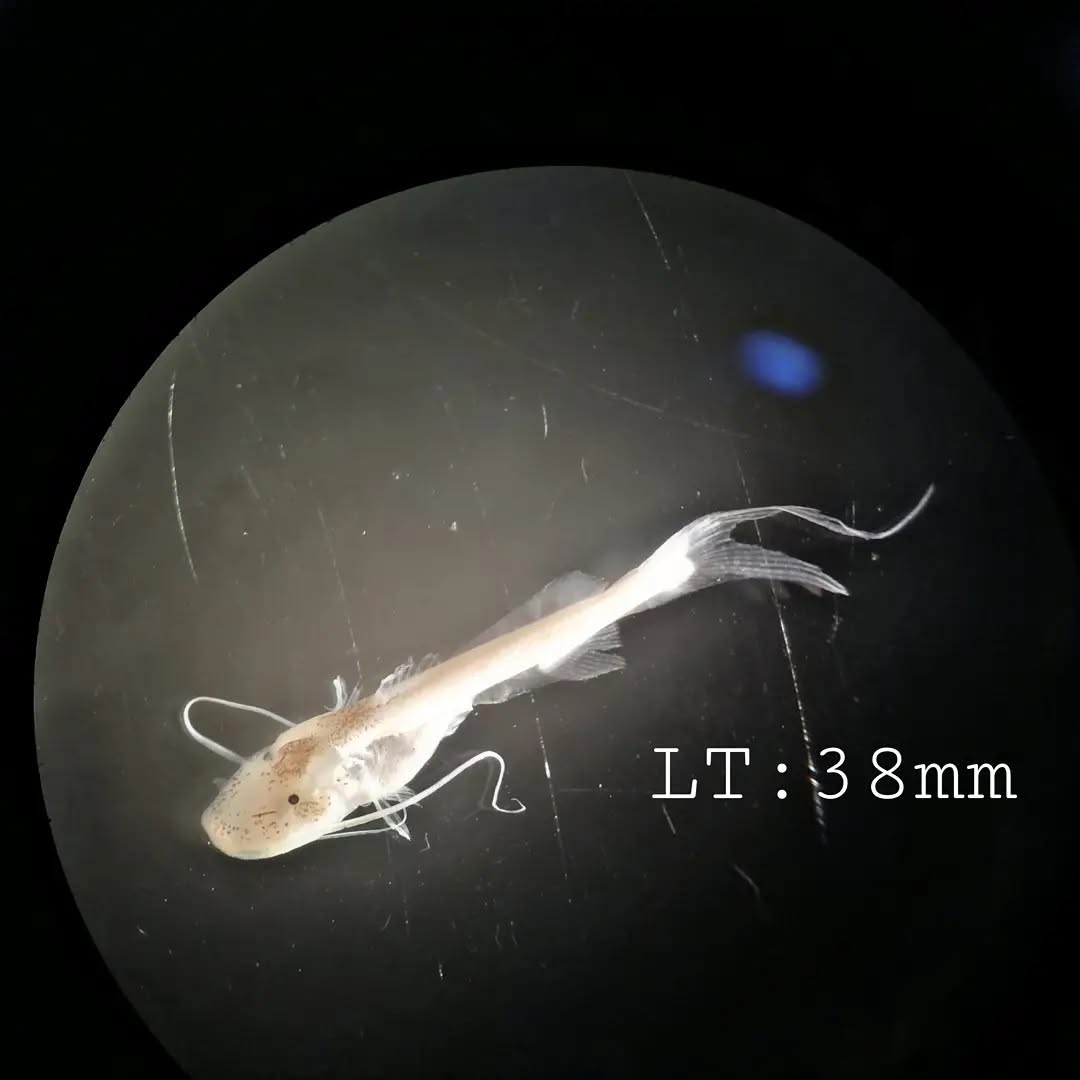
May 23rd: World Fish Migration Day. Migratory fish are extraordinary and very interesting! The species in the photo is Brachyplatystoma rousseauxii 🐟💫
5
41
2,239
Maxwell Bernt retweeted

May 20
Here, researchers present the first live in-situ observations of the iconic goblin shark (𝑀𝑖𝑡𝑠𝑢𝑘𝑢𝑟𝑖𝑛𝑎 𝑜𝑤𝑠𝑡𝑜𝑛𝑖) on a seamount near Jarvis Island in 2019 and on the slope of the Tonga Trench in 2024 (video below). Past observations are restricted to specimens hauled to the surface, resulting in limited knowledge of this species' ecology. The goblin shark is the only extant representative of the family Mitsukurinidae, a lineage 125 million years old.
🔒 onlinelibrary.wiley.com/doi/…
"This work also confirms in situ habitat use of a Central Pacific seamount, and near-trench slope habitats in the Western Pacific. Amidst global impacts on chondrichthyans, and increasing anthropogenic risks to deep-sea species, further solidification of biogeographic ranges and habitat preferences is helpful for informing conservation management, especially for species with intrinsically vulnerable life histories such as 𝑀. 𝑜𝑤𝑠𝑡𝑜𝑛𝑖 . Based on this observation, we recommend that the International Union for Conservation of Nature Species Survival Commission Shark Specialist Group update their 𝑀. 𝑜𝑤𝑠𝑡𝑜𝑛𝑖 assessment to reflect these observations. We also further highlight the importance of seamount habitats for biodiversity, including for large, evolutionarily distinct and functionally unique species, such as the iconic 𝑀. 𝑜𝑤𝑠𝑡𝑜𝑛𝑖.
𝗥𝗲𝘀𝗲𝗮𝗿𝗰𝗵 𝗧𝗶𝘁𝗹𝗲
First in situ observations of the goblin shark 𝑀𝑖𝑡𝑠𝑢𝑘𝑢𝑟𝑖𝑛𝑎 𝑜𝑤𝑠𝑡𝑜𝑛𝑖
𝗖𝗶𝘁𝗮𝘁𝗶𝗼𝗻
Judah, A. B., Jamieson, A. J., Bingo, S. R. D., Cundy, M. E., Ebert, D. A., Auscavitch, S., Carlson, H. K., Cunanan, T. N. G., Sims, H. B., & Putts, M. (2026). First in situ observations of the goblin shark 𝑀𝑖𝑡𝑠𝑢𝑘𝑢𝑟𝑖𝑛𝑎 𝑜𝑤𝑠𝑡𝑜𝑛𝑖. Journal of Fish Biology, 1–6. doi.org/10.1111/jfb.70505
𝗔𝗯𝘀𝘁𝗿𝗮𝗰𝘁
We report the first live in situ observations of the iconic goblin shark (𝑀𝑖𝑡𝑠𝑢𝑘𝑢𝑟𝑖𝑛𝑎 𝑜𝑤𝑠𝑡𝑜𝑛𝑖) on a seamount near Jarvis Island in 2019 and on the slope of the Tonga Trench in 2024. Past observations are restricted to specimens hauled to the surface, resulting in limited knowledge of this species' ecology. These observations extend its known geographic and depth range considerably, and extend the depth range of lamniform sharks by 108 m. To further clarify habitat preferences and assess conservation status, further sampling, particularly with remote video, is required.
𝗩𝗶𝗱𝗲𝗼 𝗖𝗿𝗲𝗱𝗶𝘁
Video S2. Video of a 𝑀𝑖𝑡𝑠𝑢𝑘𝑢𝑟𝑖𝑛𝑎 𝑜𝑤𝑠𝑡𝑜𝑛𝑖 specimen from the slope of the Tonga Trench recorded by a baited lander on the R/V Dagon (Inkfish Open Ocean Program).
See link for second video S1, under Supporting Information.
© 2026 the Author(s). Published in the Journal of Fish Biology.
#Mitsukurina #GoblinShark #Ichthyology #Ecology #Biodiversity #Sharks #DeepSea #SeaMount #JarvisIsland #TongaTrench #Nature #Mitsukurinidae #Chondrichthyans
2
31
145
6,725
Maxwell Bernt retweeted
May 19
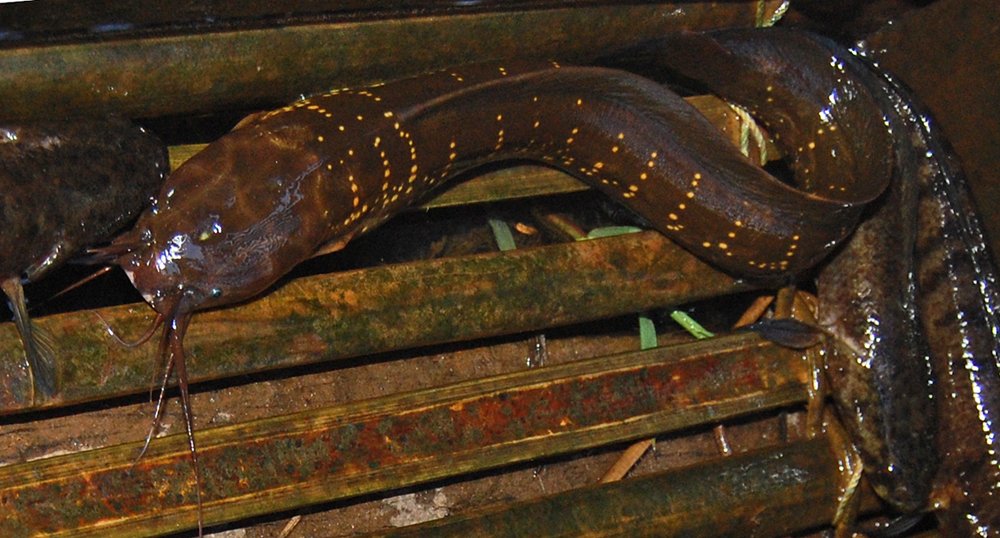
#NewSpeciesAlert - 𝐸𝑐ℎ𝑖𝑑𝑛𝑎 𝑎𝑤𝑎 and 𝐸𝑐ℎ𝑖𝑑𝑛𝑎 𝑠𝑎𝑔𝑎𝑚𝑖𝑒𝑛𝑠𝑖𝑠, two new species of moray eels (Muraenidae), are described from Sagami Bay, Suruga Bay, and the Kumano-nada Sea, on the Pacific Coast of southern Japan.
🔓 link.springer.com/article/10…
𝗥𝗲𝘀𝗲𝗮𝗿𝗰𝗵 𝗧𝗶𝘁𝗹𝗲
Two new species of the genus 𝐸𝑐ℎ𝑖𝑑𝑛𝑎 (Anguilliformes: Muraenidae) from the Pacific coast of southern Japan
𝗖𝗶𝘁𝗮𝘁𝗶𝗼𝗻
Fujita, A., Oomori, N., Senou, H. et al. Two new species of the genus 𝐸𝑐ℎ𝑖𝑑𝑛𝑎 (Anguilliformes: Muraenidae) from the Pacific coast of southern Japan. Ichthyol Res (2026). doi.org/10.1007/s10228-026-0…
𝗔𝗯𝘀𝘁𝗿𝗮𝗰𝘁
Two new moray eels, 𝐸𝑐ℎ𝑖𝑑𝑛𝑎 𝑎𝑤𝑎 sp. nov. and 𝐸𝑐ℎ𝑖𝑑𝑛𝑎 𝑠𝑎𝑔𝑎𝑚𝑖𝑒𝑛𝑠𝑖𝑠 sp. nov., are described on the basis of 23 (221.0–510.1 mm total length; TL) and eight (232.2–385.0 mm TL) specimens, respectively, from the Pacific coast of southern Japan.
𝐸𝑐ℎ𝑖𝑑𝑛𝑎 𝑎𝑤𝑎, distributed in Sagami Bay, Suruga Bay, and the Kumano-nada Sea, differs from all other congeners in having the following combination of characters: both jaws with few molariform and many conical teeth, without long canines; body dark reddish-brown, entirely covered with yellow vermiculate markings; oral cavity white; sensory pores on infraorbital and mandibular enclosed by rounded white blotches; white blotches on mandibular sometimes interconnected; anal-fin margin yellowish-white, rarely indistinct; predorsal vertebrae 4–7 (mode 5), preanal vertebrae 48–55 (53), and total vertebrae 123–132 (130).
𝐸𝑐ℎ𝑖𝑑𝑛𝑎 𝑠𝑎𝑔𝑎𝑚𝑖𝑒𝑛𝑠𝑖𝑠, distributed in Sagami Bay, Suruga Bay, and the Kumano-nada Sea, differs from all other congeners in having the following combination of characters: both jaws with few molariform and many conical teeth, without long canines; short blunt snout (snout length 15.3–20.9% of head length); three supraorbital pores, four (rarely five) infraorbital pores, six mandibular pores, one (rarely two or three) branchial pores; body pale brown, entirely covered with numerous yellowish-white to yellowish-brown irregular spots and blotches; posterior dorsal and anal fins slightly yellowish-green; predorsal vertebrae 3–6 (mode 4), preanal vertebrae 52–54 (53), and total vertebrae 128–134 (131).
𝗣𝗵𝗼𝘁𝗼 𝗖𝗿𝗲𝗱𝗶𝘁
Top - ( a ) 𝐸𝑐ℎ𝑖𝑑𝑛𝑎 𝑎𝑤𝑎 ( b ) 𝐸𝑐ℎ𝑖𝑑𝑛𝑎 𝑠𝑎𝑔𝑎𝑚𝑖𝑒𝑛𝑠𝑖𝑠
Middle - ( a, b, c ) 𝐸𝑐ℎ𝑖𝑑𝑛𝑎 𝑎𝑤𝑎, from study.
Bottom - ( a, b, c ) 𝐸𝑐ℎ𝑖𝑑𝑛𝑎 𝑠𝑎𝑔𝑎𝑚𝑖𝑒𝑛𝑠𝑖𝑠, from study.
© 2026 the Author(s). Published in the journal Ichthyological Research.
#NewSpecies #Ichthyology #Taxonomy #Biodiversity #AquariumHobby #Fishkeeping #Aquarist #TropicalFish #Reef #CoralReef #ReefTank #FishTank #SaltwaterTank #ReefBuilders #MarineAquarium #MarineTank #ReefAquarium #Echidna #Anguilliformes #Muraenidae #MorayEels #MorayEel #Japan #Pacific #PacificOcean #Eels #SagamiBay #SurugaBay
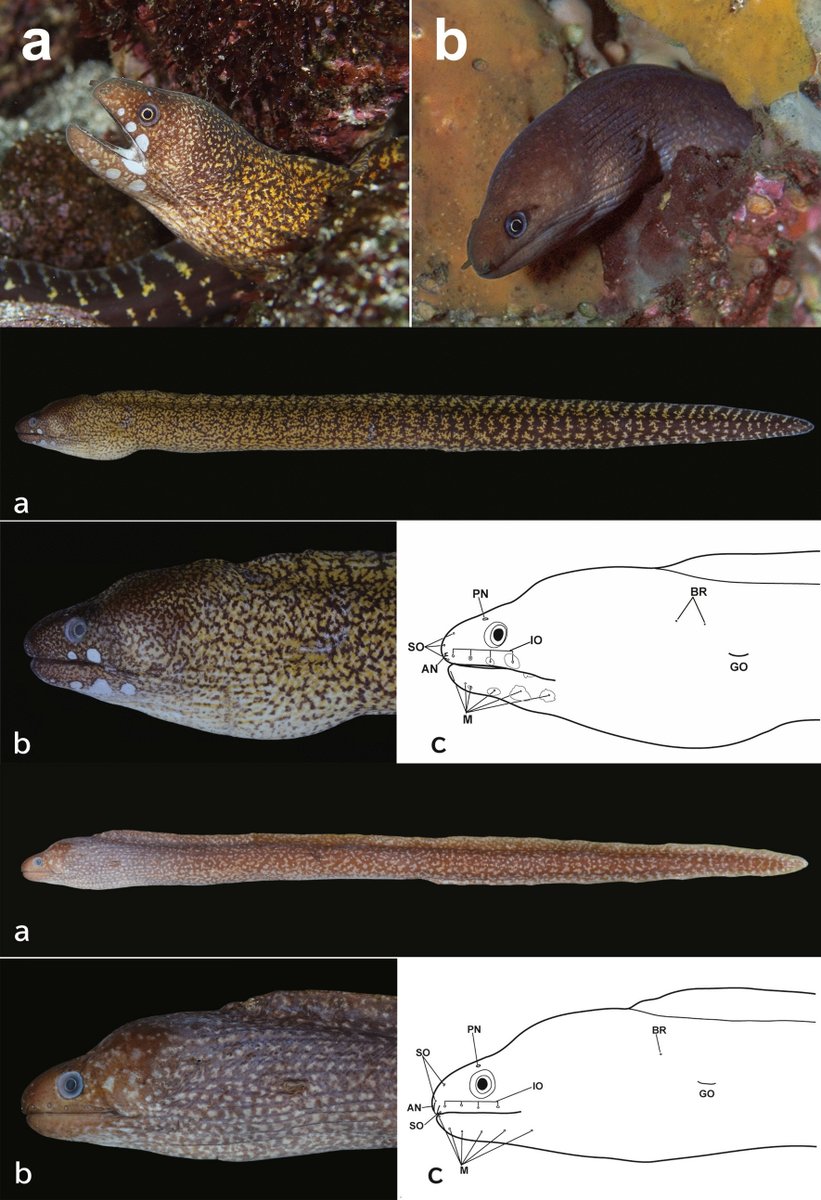
ALT Fujita, A., Oomori, N., Senou, H. et al. Two new species of the genus 𝐸𝑐ℎ𝑖𝑑𝑛𝑎 (Anguilliformes: Muraenidae) from the Pacific coast of southern Japan. Ichthyol Res (2026). https://doi.org/10.1007/s10228-026-01065-y
23
128
3,988
May 18
An interesting review, but doesn't present a particularly nuanced critique of Suchocki et al. (2023), which uses the most extensive sampling to date and concludes a single, widespread and variable species.
May 18

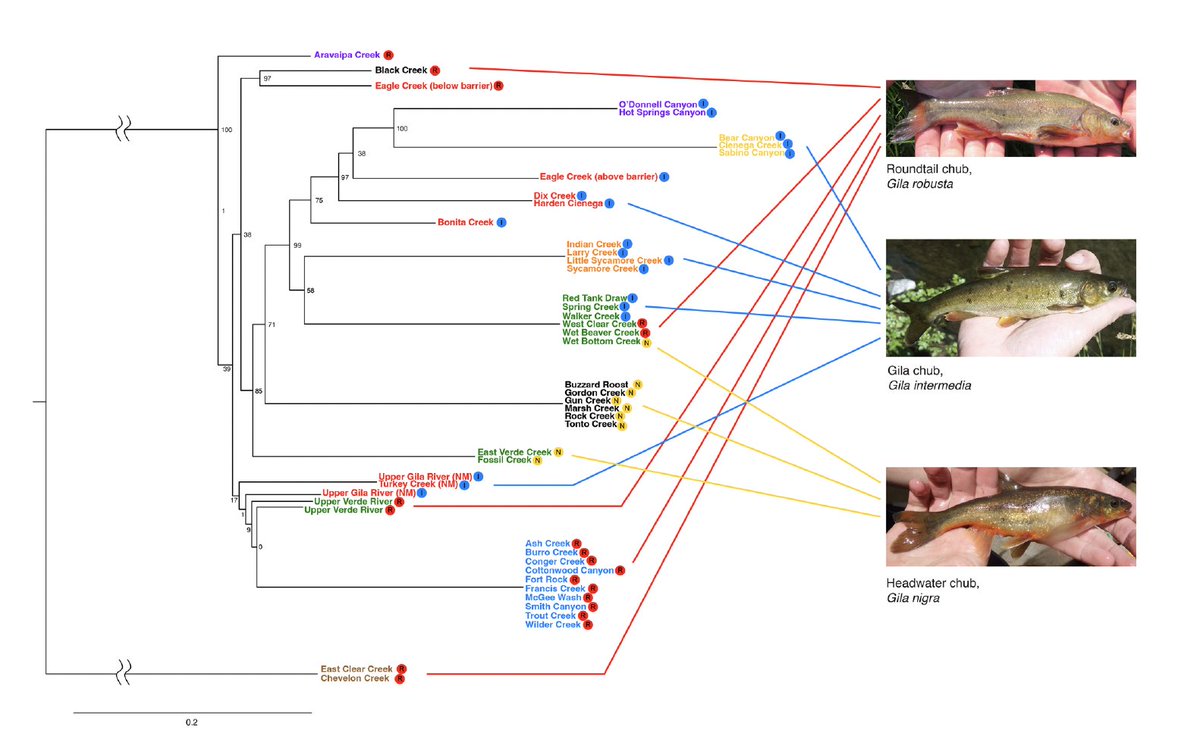
Interesting study on the roundtail chub - 'Holistic species delimitation supports recognition of multiple lineages in the 𝐺𝑖𝑙𝑎 𝑟𝑜𝑏𝑢𝑠𝑡𝑎 complex of the American Southwest', with researchers making the argument for the recognition of two (possibly three) distinct evolutionary lineages within. In the study, a great discussion ensues regarding species delimitation, and the authors support for a holistic, integrative approach, which advocates considering all previous information and seeking to arrive at a conclusion based on consensus.
"Definitive species delimitation is a difficult problem in some cases, as we describe here. In a letter to Joseph D. Hooker, Charles Darwin noted, “It is really laughable to see what different ideas are prominent in various naturalists' minds, when they speak of ‘species’; in some, resemblance is everything and descent of little weight—in some, resemblance seems to go for nothing, and Creation the reigning idea—in some, descent is the key—in some, sterility an unfailing test, with others it is not worth a farthing. It all comes, I believe, from trying to define the undefinable” (Darwin Correspondence Project, 2025). Meanwhile, unique and irreplaceable biodiversity continues to be lost at a precipitous rate."
𝗥𝗲𝘀𝗲𝗮𝗿𝗰𝗵 𝗧𝗶𝘁𝗹𝗲
Holistic Species Delimitation Supports Recognition of Multiple Lineages in the 𝐺𝑖𝑙𝑎 𝑟𝑜𝑏𝑢𝑠𝑡𝑎 Complex of the American Southwest
Open-access - bioone.org/journals/ichthyol…
𝗖𝗶𝘁𝗮𝘁𝗶𝗼𝗻
Thomas F. Turner, Thomas E. Dowling, Paul C. Marsh, Robert W. Clarkson, David L. Propst, Steven P. Platania, Megan J. Osborne, Guilherme Caeiro-Dias "Holistic Species Delimitation Supports Recognition of Multiple Lineages in the 𝐺𝑖𝑙𝑎 𝑟𝑜𝑏𝑢𝑠𝑡𝑎 Complex of the American Southwest," Ichthyology & Herpetology, 114(2), 190-203, (15 May 2026)
𝗔𝗯𝘀𝘁𝗿𝗮𝗰𝘁
Challenges associated with species delimitation of the 𝐺𝑖𝑙𝑎 𝑟𝑜𝑏𝑢𝑠𝑡𝑎 species complex in the Gila River basin arise because of convergence of multiple evolutionary processes that result in perplexing patterns of morphological, genetic, and ecological variation. As currently recognized, the complex comprises three nominal species: 𝐺𝑖𝑙𝑎 𝑟𝑜𝑏𝑢𝑠𝑡𝑎, 𝐺𝑖𝑙𝑎 𝑖𝑛𝑡𝑒𝑟𝑚𝑒𝑑𝑖𝑎, and 𝐺𝑖𝑙𝑎 𝑛𝑖𝑔𝑟𝑎, each with overlapping traits and disjunct geographic distributions. Key challenges for delimitation include limited morphological divergence, strong local genetic differentiation that obscures broader patterns of lineage diversification, interspersed geographic distributions of nominal taxa, and phylogenetic analyses complicated by admixture.
We review and synthesize ecological, morphological, geological, and genetic data to infer evolutionary processes that shaped diversity in the complex. Historical events, including tectonically-driven drainage isolation and integration and cyclic climatic fluctuations strongly influenced the distribution and diversification of Gila. Morphological analyses revealed overlap among traits traditionally used for species identification, while genetic studies indicated strong population-level differentiation with limited gene flow. Independent phylogenomic analyses yielded conflicting interpretations that hinge upon methodologies employed. To reconcile these complexities, we advocate a holistic approach that integrates evolutionary processes, geologic history, and contemporary morphological and genetic patterns.
We suggest these, in tandem, argue against a single polytypic species and support instead the presence of two (possibly three) distinct evolutionary lineages. Importantly, our review underscores the importance of integrating diverse data sources to evaluate taxonomic ambiguities in cryptic species complexes, especially those that evolved in highly dynamic geological and climatic settings.
𝗣𝗵𝗼𝘁𝗼 𝗖𝗿𝗲𝗱𝗶𝘁
(A) Roundtail Chub 𝐺𝑖𝑙𝑎 𝑟𝑜𝑏𝑢𝑠𝑡𝑎 (photo by R. R. Belnap and D. L. Ward), (B) Gila Chub 𝐺𝑖𝑙𝑎 𝑖𝑛𝑡𝑒𝑟𝑚𝑒𝑑𝑖𝑎 (photo by B. Gratwicke), (C) Headwater Chub 𝐺𝑖𝑙𝑎 𝑛𝑖𝑔𝑟𝑎 (photo by R. W. Clarkson).
© 2026 the Author(s). Published in the journal Ichthyology & Herpetology. This paper is released under a Creative Commons Attribution 4.0 International (CC-BY-4.0) licence.
#Gila #AmericanSouthwest #Ichthyology #Taxonomy #Biodiversity #USA #America #SpeciesDelimitation #Systematics #Leuciscidae #Chub #RoundtailChub #GilaRiver #Darwin
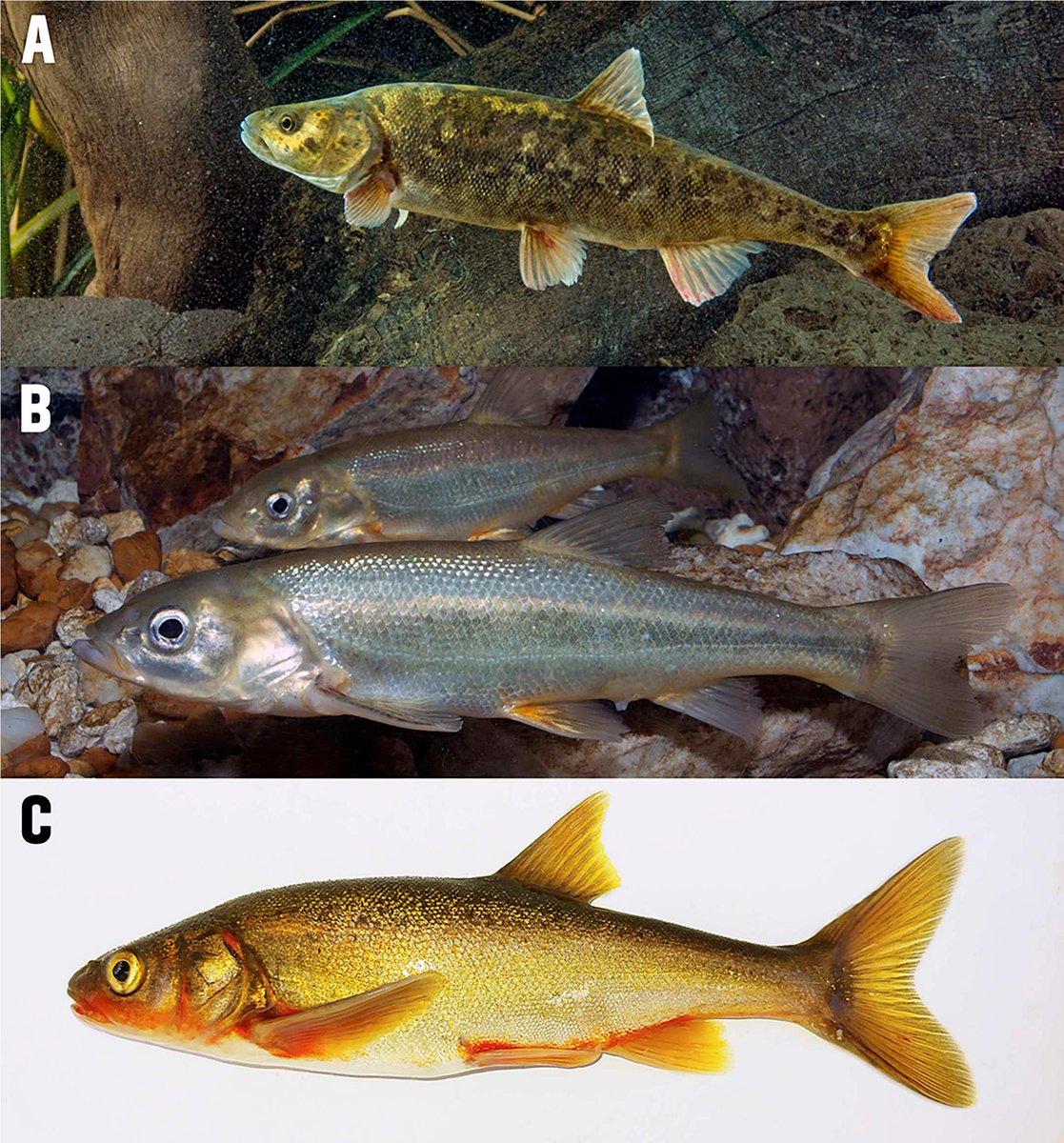
ALT Thomas F. Turner, Thomas E. Dowling, Paul C. Marsh, Robert W. Clarkson, David L. Propst, Steven P. Platania, Megan J. Osborne, Guilherme Caeiro-Dias "Holistic Species Delimitation Supports Recognition of Multiple Lineages in the 𝐺𝑖𝑙𝑎 𝑟𝑜𝑏𝑢𝑠𝑡𝑎 Complex of the American Southwest," Ichthyology & Herpetology, 114(2), 190-203, (15 May 2026)
1
1
9
1,511