
Co-Founder & CEO of @thumbtack
Joined April 2008
- Tweets 118
- Following 2,916
- Followers 6,158
- Likes 2,140
3 Photos and videos

Marco Zappacosta retweeted

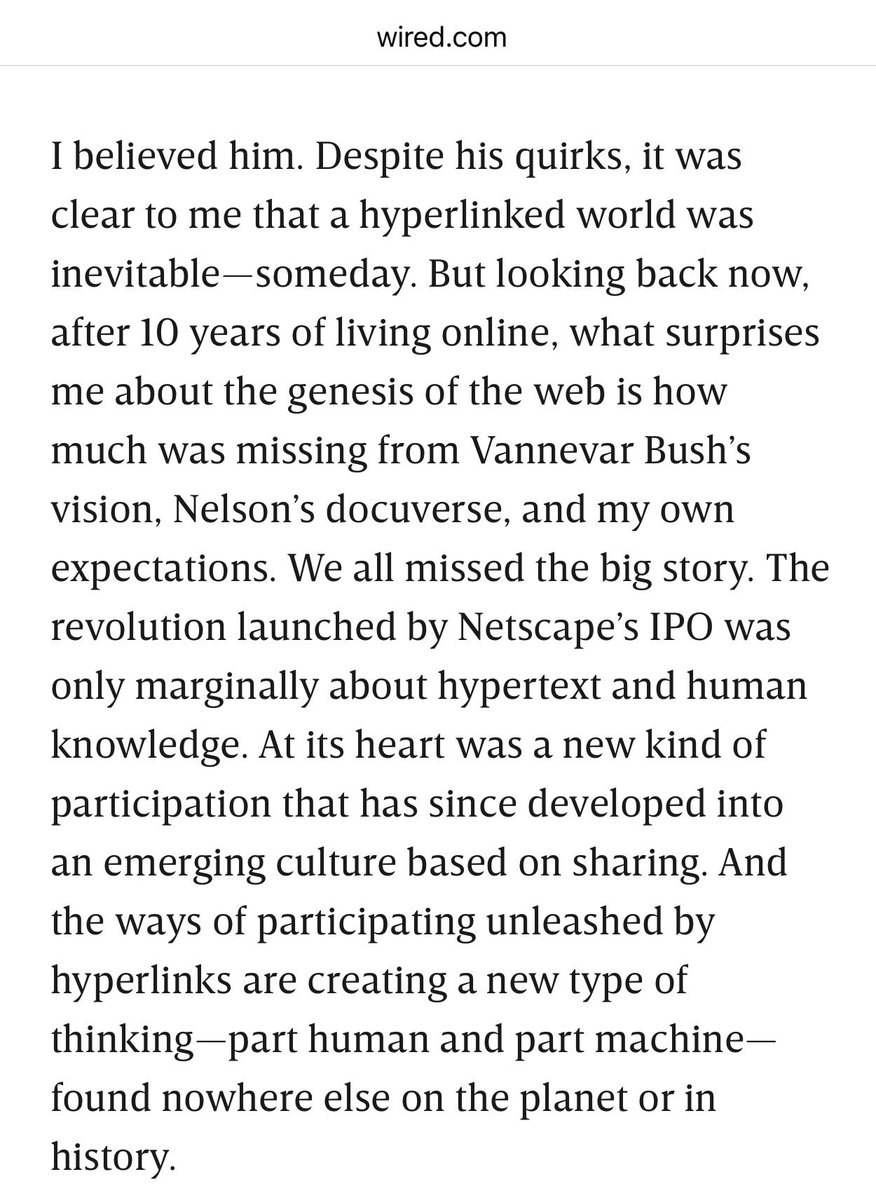
Why do you think we can't get anything done man look at this dogshit.


Municipal consolidation is like a #1 civil reform issue in the United States. It Has To Happen.
75
301
5,096
280,074
Marco Zappacosta retweeted

Jan 10
Californians will really do anything except abolish the Prop 13 to properly tax some of the most valuable and immobile wealth in existence (land)
Jan 10

The problem with a wealth tax is that people move to avoid it. Folks proposing this tax had a clever idea to avoid that: backdate tax to Jan 1st, put it on Nov. ballot.
So the billionaires are moving now, and California may lose their tax revenue even if the initiative fails.
49
62
1,047
53,071
Marco Zappacosta retweeted

21 Dec 2025
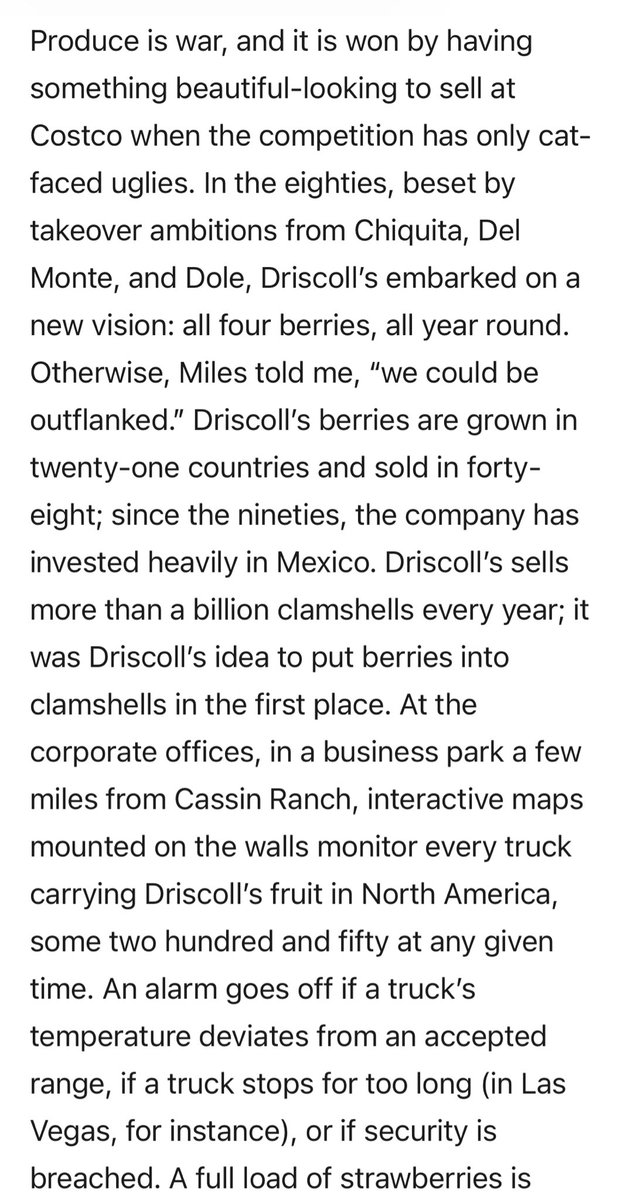
“Produce is war”
5
5
49
12,309
Marco Zappacosta retweeted

11 Dec 2025
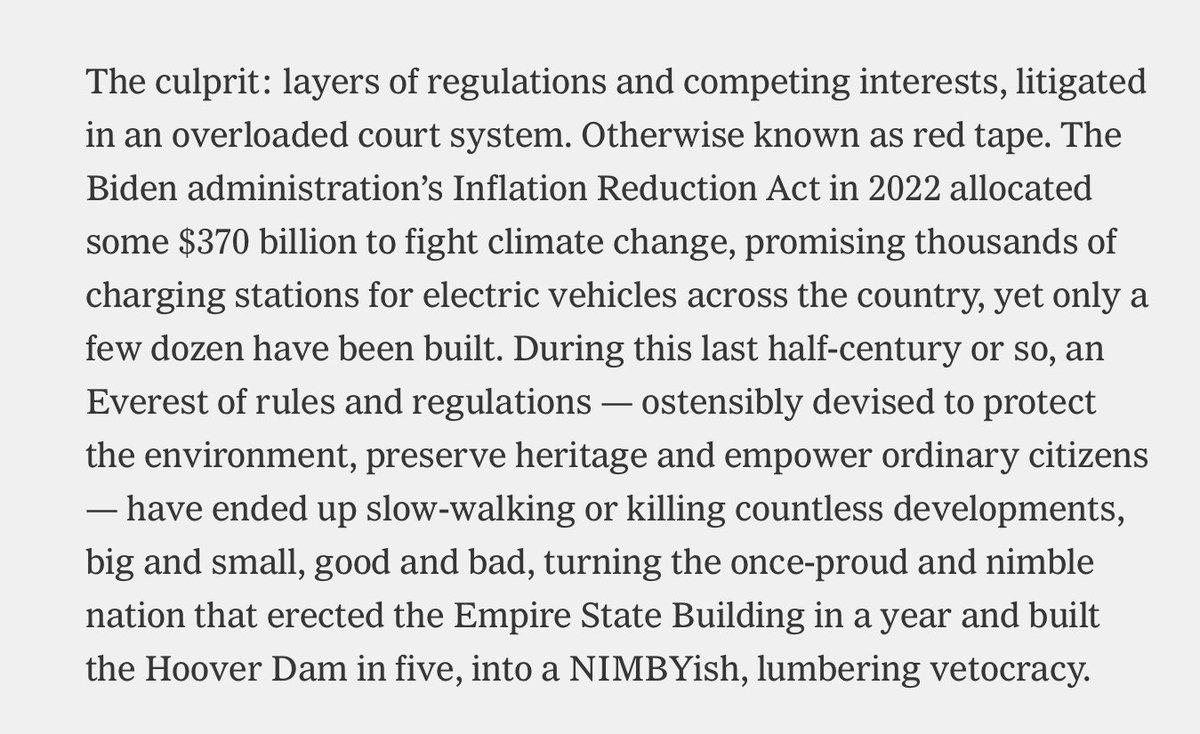
For the U.S. to prosper & lower the cost of living, we gotta make it easier to build the things we need — housing, clean energy, child care centers, transit & so much more. The vetocracy needs to end. We’re doing that work in California. We need to take it national.
124
5
30
9,261
Marco Zappacosta retweeted

28 Oct 2025
The best resistance is delivering results on the issues our residents care most about. sfstandard.com/opinion/2025/…
40
63
708
83,902
Marco Zappacosta retweeted

10 Oct 2025
It's done.
Thank you @GavinNewsom for signing SB 79!
California can and will build the future!
12 Sep 2025

After 8 years, we did it!
SB 79, the biggest upzoning bill in state history, just passed the Legislature.
Brief 🧵, with some important thank yous.
1/x
17
45
561
181,729
Marco Zappacosta retweeted

9 Sep 2025
“The greatest regret I have is underestimating the value of long term compounding. Capital, friendships, projects, places, all get better with decades. It is entirely what life is about. a few very good things for a long time.” - Will Manidis
25
134
1,602
65,073
Marco Zappacosta retweeted

18 Jul 2025
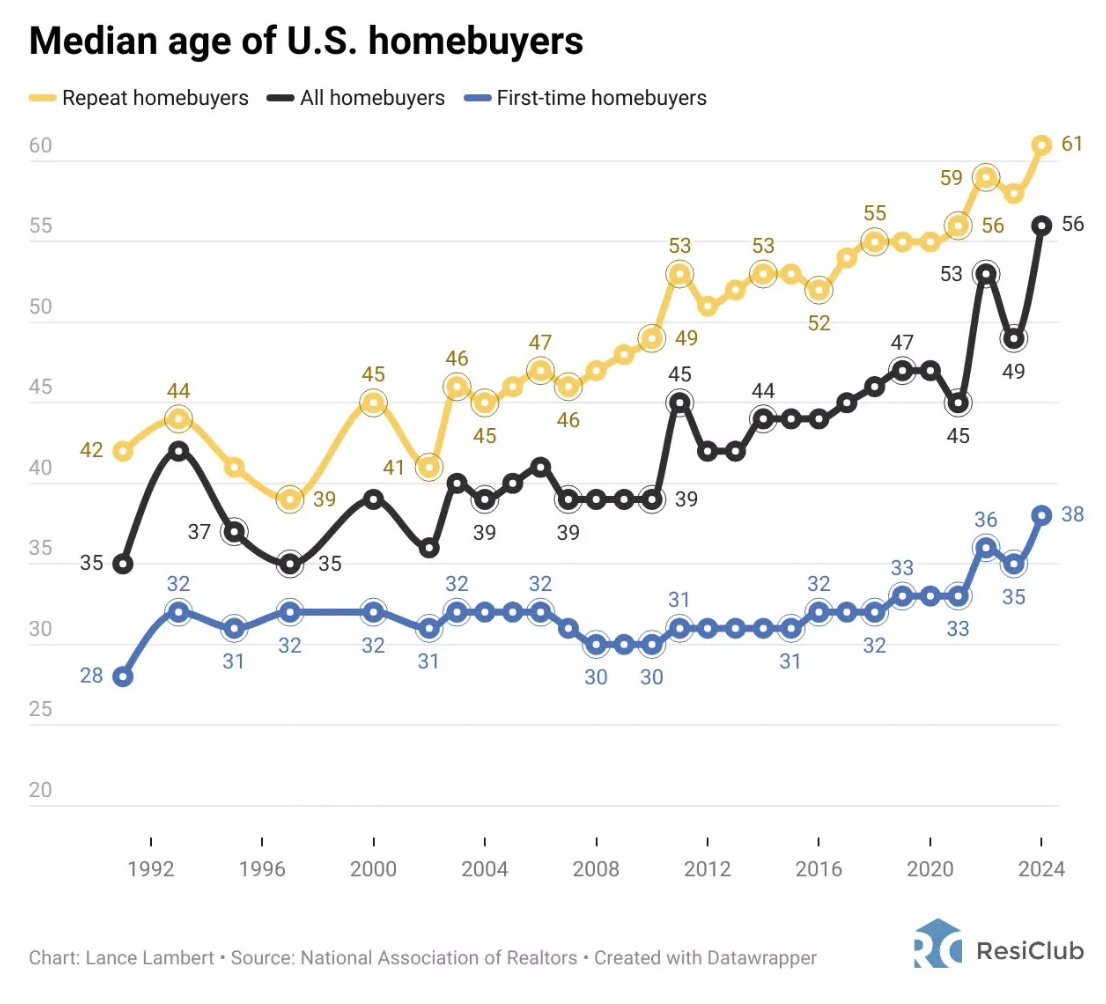
New newsletter: HOW THE HOUSING MARKET FOR YOUNG PEOPLE BECAME A 'TOTAL DISASTER'
In 1991, the median age of first-time homebuyers was 28. Now it’s 38. This is the hardest time for young people (defined, generously, up to 40) to buy their first home in modern history.
The vanishing dream of 20- and 30-something homeownership isn't just an economic phenomenon. It's becoming a political centerpiece. Housing affordability is for voters under 40 what protecting Social Security is for voters over 65.
The cities, states, and national parties that figure out how to talk about and ultimately solve this mess to restore housing affordability to Americans under 40 will have a major advantage in the next few years.
24
90
391
131,955

The Gentle Singularity blog.samaltman.com/the-gentl…
20
23
308
33,815
Marco Zappacosta retweeted
14 May 2025
A clean CEQA exemption for infill housing just passed the Assembly Appropriations committee *on consent.*
We have a lot more work to do, but things are looking up in California!
14 May 2025

[BILL ALERT] AB 609, which exempts infill housing from additional review under the California Environmental Quality Act (CEQA) while preserving CEQA review for planning, has passed out of Assembly Appropriations and is headed to the Assembly floor!
2
17
154
10,039
Marco Zappacosta retweeted
30 Apr 2025
SB 79 (Wiener) and AB 609 (Wicks) both passed their final house of origin policy committee today.
These bills are huge.
If they pass, California will become a much more dynamic and affordable state, where entrepreneurs can build the future and anyone can afford to call home.
30 Apr 2025
[BILL ALERT] SB 79, which broadly legalizes more homes near transit stops like train stations and rapid bus stops, has passed Senate Local Government! Learn more: cayimby.org/legislation/sb-7…
5
20
146
16,823
Marco Zappacosta retweeted

17 Apr 2025
Thousands, and then millions, of American small businesses, including many iconic brands, will go bankrupt this year if the tariff policies on China don’t change.
🧵
513
1,278
7,864
1,848,107
Marco Zappacosta retweeted

11 Mar 2025
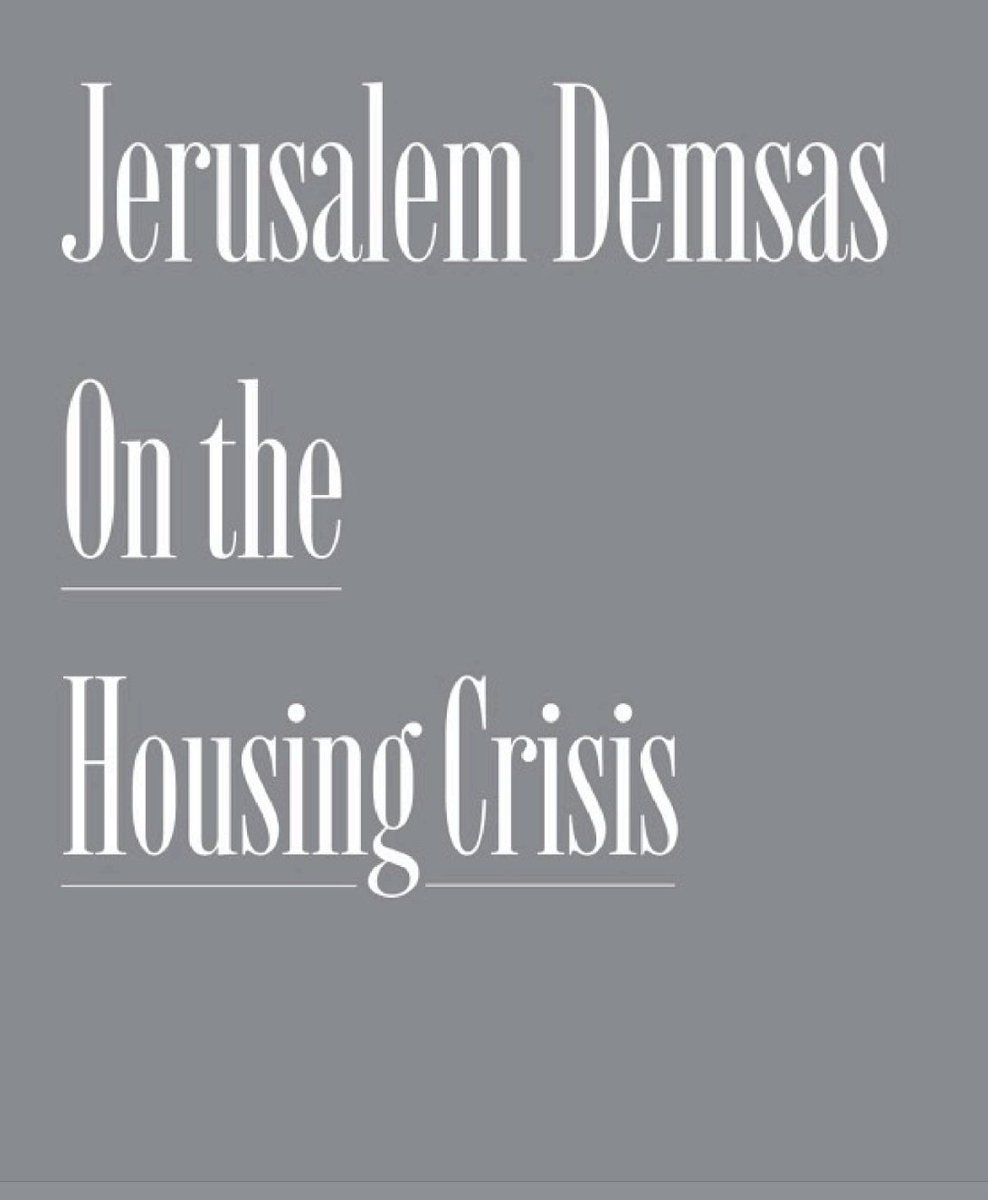
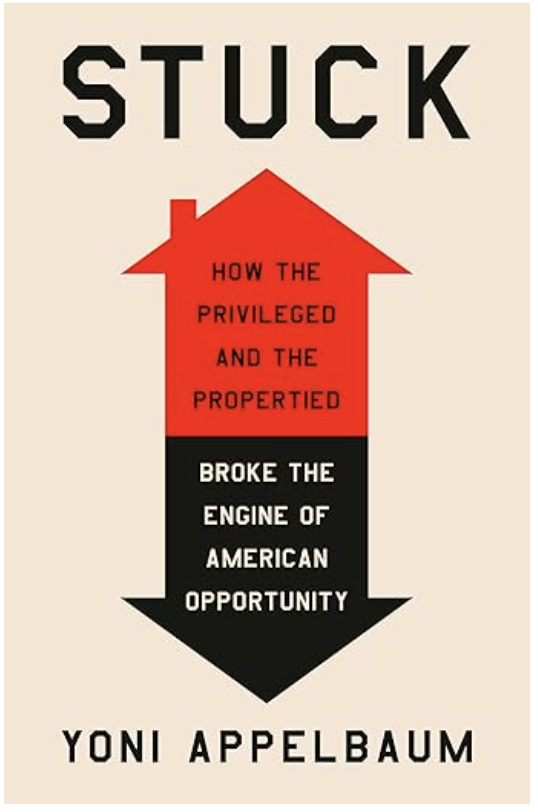
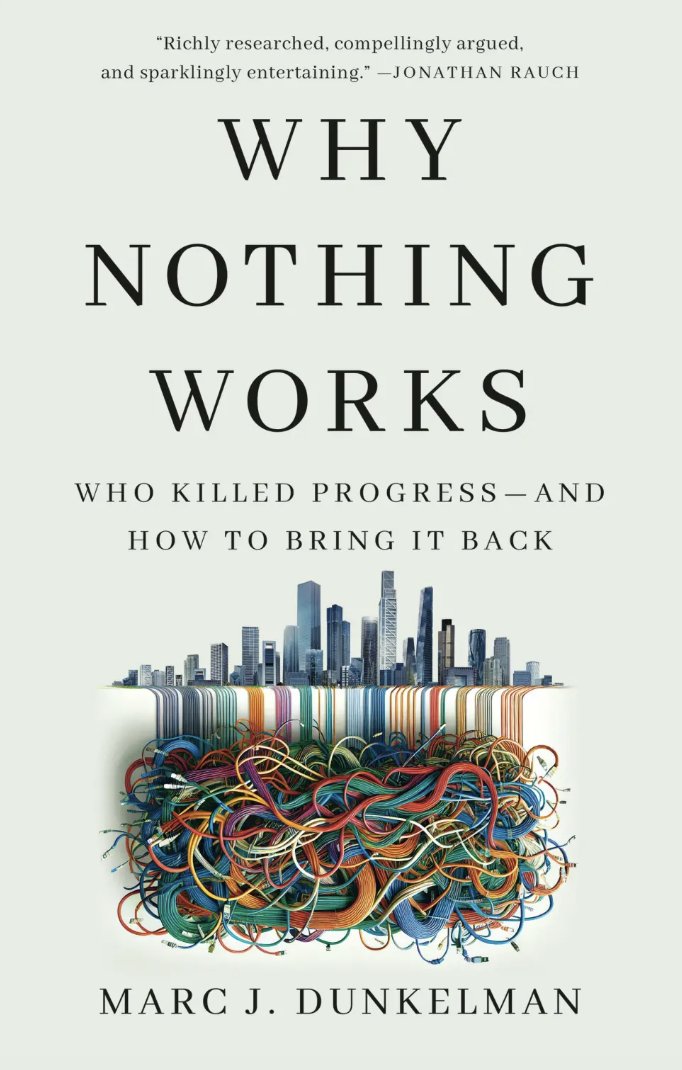
It's exciting to see the public-intellectual drumbeat around "Abundance" manifest in this year's crop of California housing bills.
They're far more ambitious--and promising--than anything I've seen previously. 🧵/17

20
136
1,732
356,207
Marco Zappacosta retweeted

23 Jan 2025
7. Booking a one-time house cleaner for my home through the Thumbtack integration based on my budget
ChatGPT Operator came back to me with four highly rated options within my price range
7
16
145
71,593

22 Jan 2025
Self-recommending: @danhockenmaier deep dive on why DoorDash won
22 Jan 2025

Many stories get told about why DoorDash won:
The business school version: they had the right strategy. They launched in the right markets, acquired the right restaurants, and designed the marketplace the right way.
The hustle culture version: they out-executed everyone else. They just shipped faster until they had better selection, a better product, and more reliable delivery.
The financial markets version: they got lucky. Grubhub and Uber were both public and playing with one hand tied behind their back during the most pivotal moment in the fight.
The reality is that all three are true.
Increasingly, success in every competitive market requires the right strategy, rapid execution, and good luck.
You need to be in the right place at the right time, have the right idea, and still run very fast.
Full essay on the story below 👇

8
8
616
Marco Zappacosta retweeted

9 Jan 2025
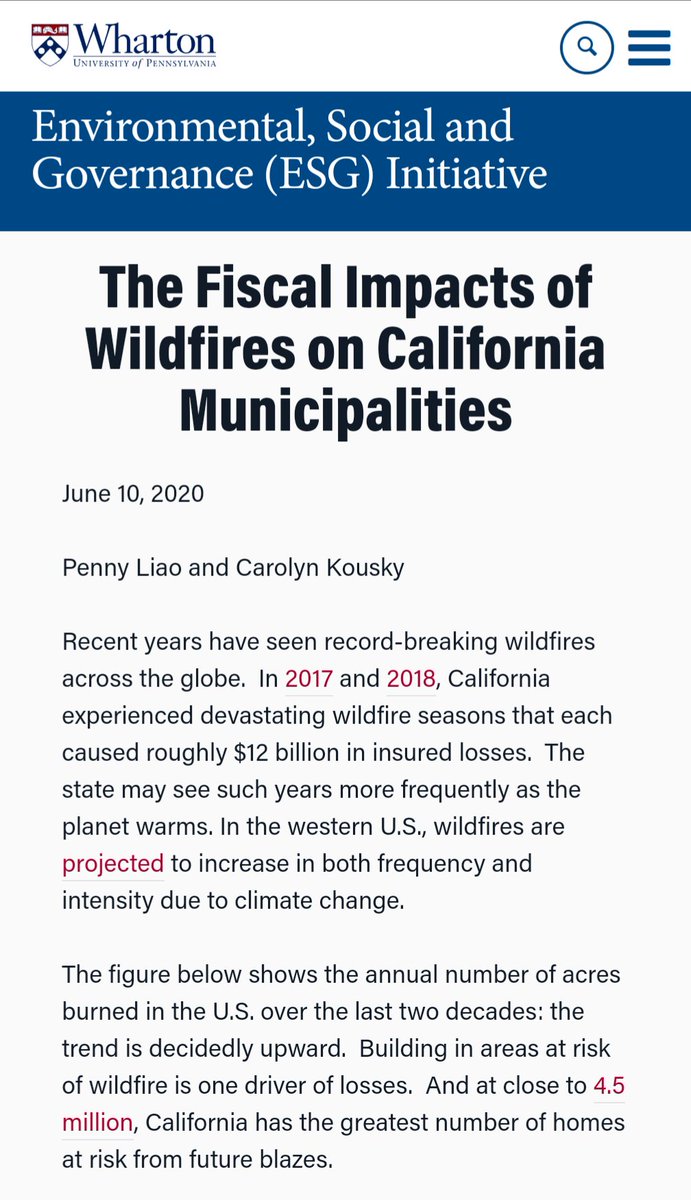
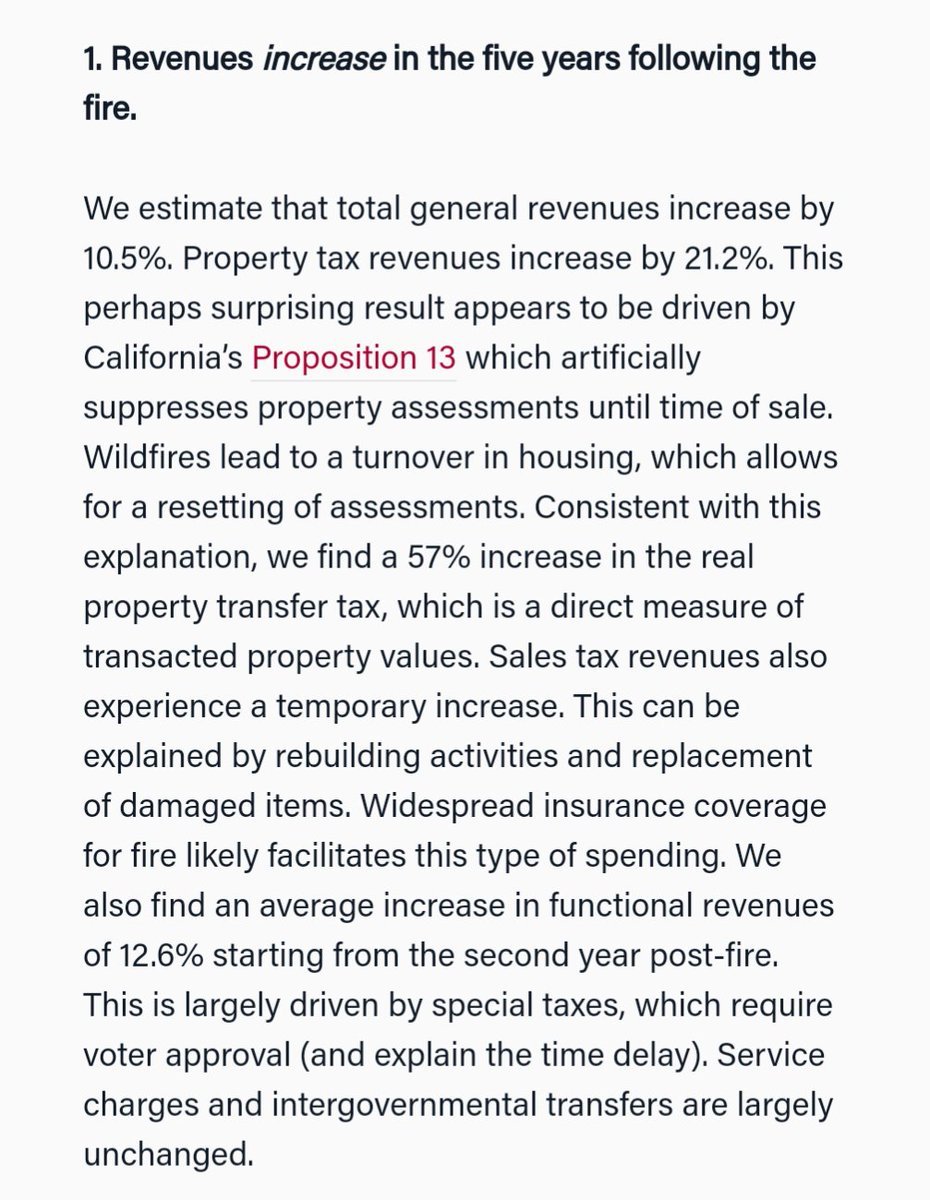
Prop 13 is so destructive to California municipal finances that wildfires actually *increase* property tax revenue
Burning a California city to the ground has minimal impact on its bond rating & only modestly negative net budget impacts from temporarily higher city spending 😬
9 Jan 2025

who happens with property tax valuation when a house burns down in California's crazy system
does it stay pegged where it was?
or will the new-build property get re-evaluated?
24
191
1,777
198,625
Marco Zappacosta retweeted

9 Jan 2025
Yes.
9 Jan 2025

So is everything bad about California governance the result of a ballot prop from before I was born?
7
22
307
16,890
Marco Zappacosta retweeted

1 Jan 2025
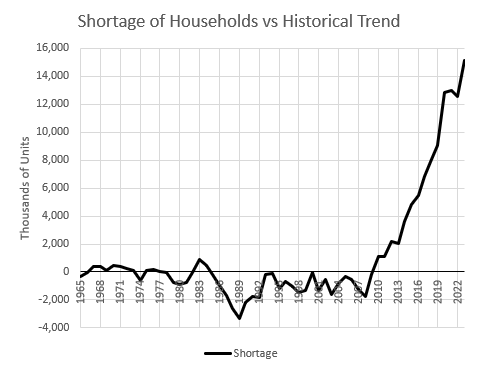
Start your year off with this post quantifying the housing shortage. This chart shows the deviation from the long-term trend in adults per house. It’s like we got hit by an asteroid in 2008 and nobody noticed.
kevinerdmann.substack.com/p/…
3
13
53
10,773
“San Francisco is not a city made for living, but a city for dreaming big and doing.”
Amazing essay on a city we love
26 Dec 2024

I wrote my reflections on visiting San Francisco and its vibes: an all-encompassing pursuit of greatness. I touch upon the recent cultural and political ascendancy of Silicon Valley and how an abundance movement that would last should look like.
writingruxandrabio.com/p/the…
"Yet there is nothing bourgeois about the ambition that animates San Francisco: the ultimate, unspoken goal here is not merely success, but greatness, in all the depth and power that the word implies. This is accompanied by a certain disdain for the tepid ambition of those who merely follow the “established path”. The ultimate goal is having a say in how the future itself will play out, or “bending reality to one’s will”. Being a real world ubermensch. Great people have existed everywhere, but I am not sure there has ever been a place in history that has concentrated so many people who want to be Napoleons.
Of course, this is somewhat delusional. Statistically speaking, one cannot sanely expect greatness in one’s life. But, as Tobias Huber and Byrne Hobart point out in Boom: The End of Stagnation, (constructive) delusion is a prerequisite for greatness. The narratives pervading San Francisco create a self-fulfilling prophecy and do ultimately generate extraordinary things. Not for the individual aspirant, of course: in this story, each ambitious young person arriving in SF is merely a coin toss. But inspire enough coins to toss themselves high enough, and collectively, greatness shall be reached. Failures do not matter, it’s the 100x successes that drive everything forward."
And what a successful long term pro abundance movement coming from the Valley should look like:
"It might also need to answer the pervasive question: “What for?”. The purely cerebral might need to think how to touch hearts, by conveying some of the thymos of those who develop technology to those who don’t. This means that, unlike Effective Altruism, it has to paint a picture of progress enabled human flourishing that goes beyond dry statistics. In order to motivate the mundane to admire the Great, the Great might need to first pay some homage to the mundane.
When I talk about such a movement’s success, I do not even necessarily mean with the average voter, but also, and perhaps more importantly, other elites. The truth is that even most of those who are, relatively speaking, “winners” in today’s society, find eternity a bit too cold, knowing very well that the chance to uniquely shape the future is reserved to extremely few and that their own flame shall not burn for too long after their deaths."
29
31
444
74,067
Marco Zappacosta retweeted

22 Dec 2024
Paraphrasing the best advice @paulg gave me:
"Ask yourself if this startup is your life's work. Knowing you're in it for the long haul lets you settle into a calmer, more focused rhythm despite the daily ups and downs, as you trust you'll show up and make it succeed over time."
81
331
4,148
294,088