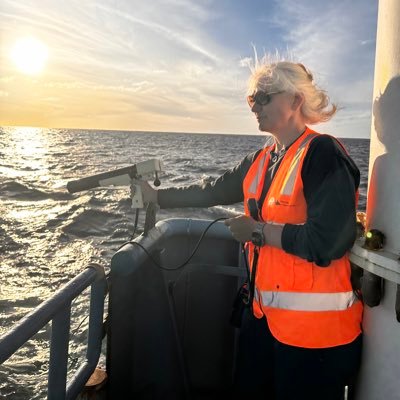
Dear friends and followers. I have opened a Threads account as twitter has completely removed all my fav content from all of you. I hope we can link up on the other side. Please follow me @ProfMoninya and suggest all your favs
#AcademicTwitter#WomenInSTEM#EastAustralianCurrent
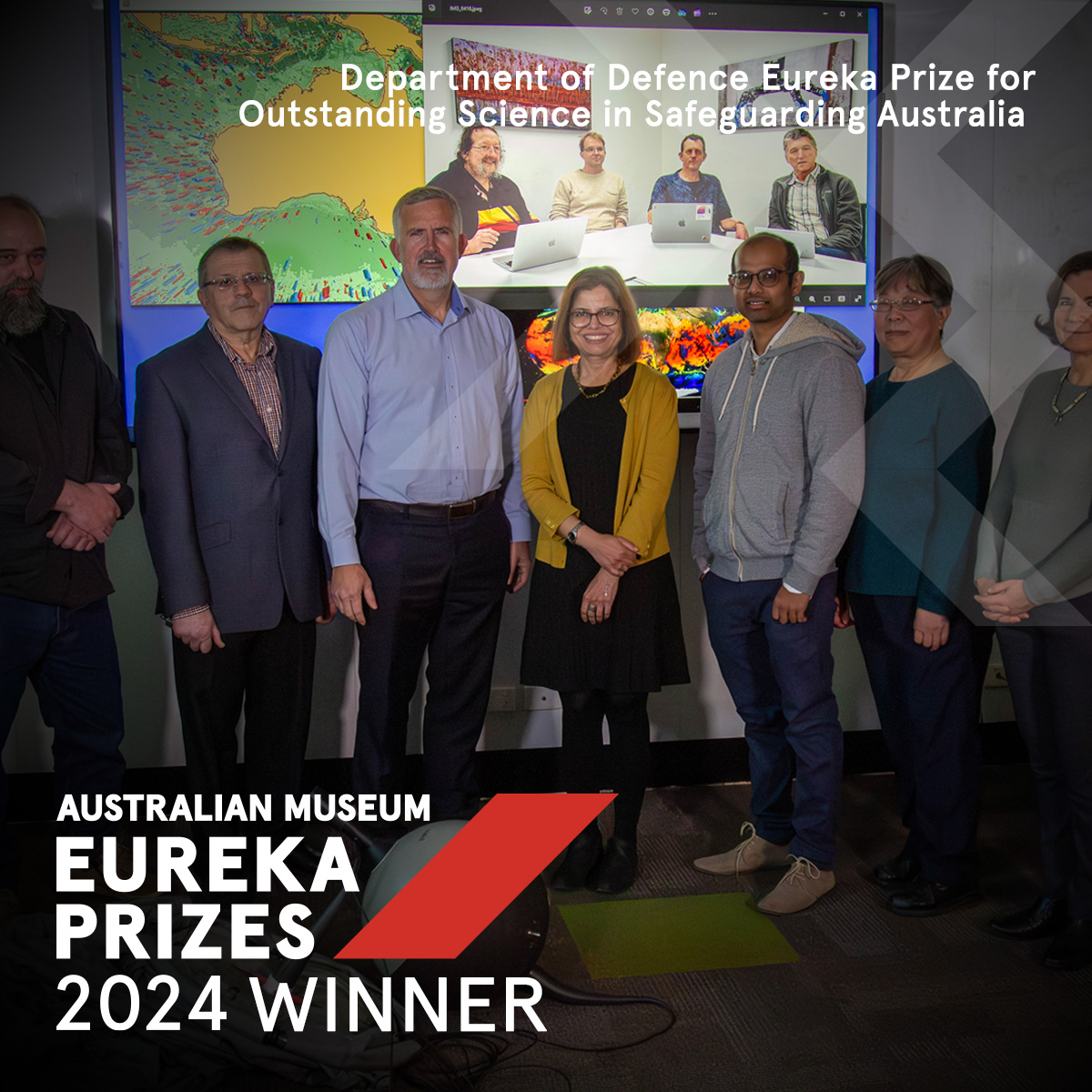
IMOS congratulates the Bluelink Global Ocean Science Team at @BOM_au@CSIRO for winning a @eurekaprizes. 👏
IMOS data from Argo floats, ships of opportunity, ocean radars, gliders & satellite products contribute to the Bluelink ocean forecasts. #NCRISImpact
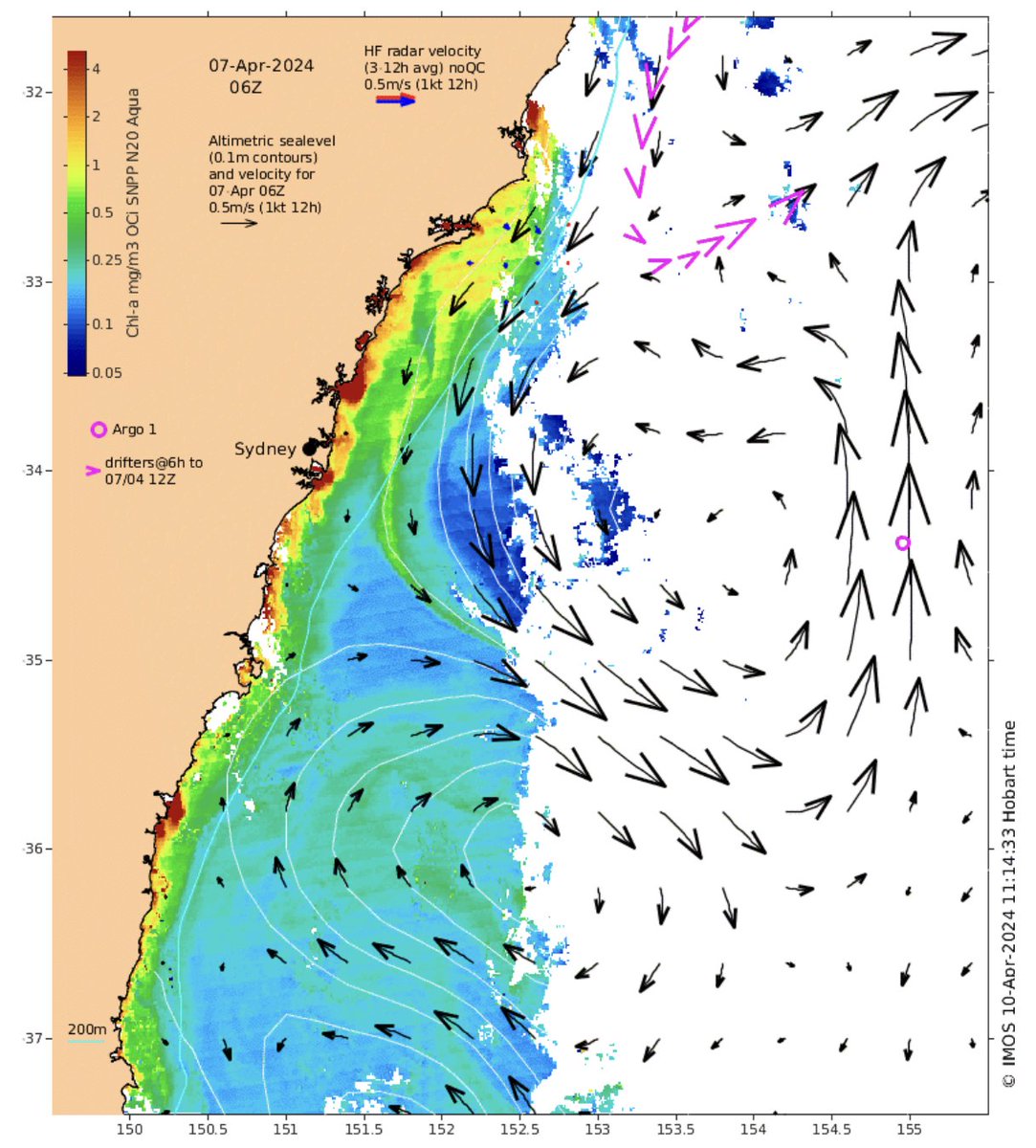
You can see the effect of an increase in the amount of freshwater flowing into the ocean in this ocean colour image from @IMOS_AUS oceancurrent (red patches along the coast next to rivers and estuaries). Note how the plumes flow north due to Coriolis!
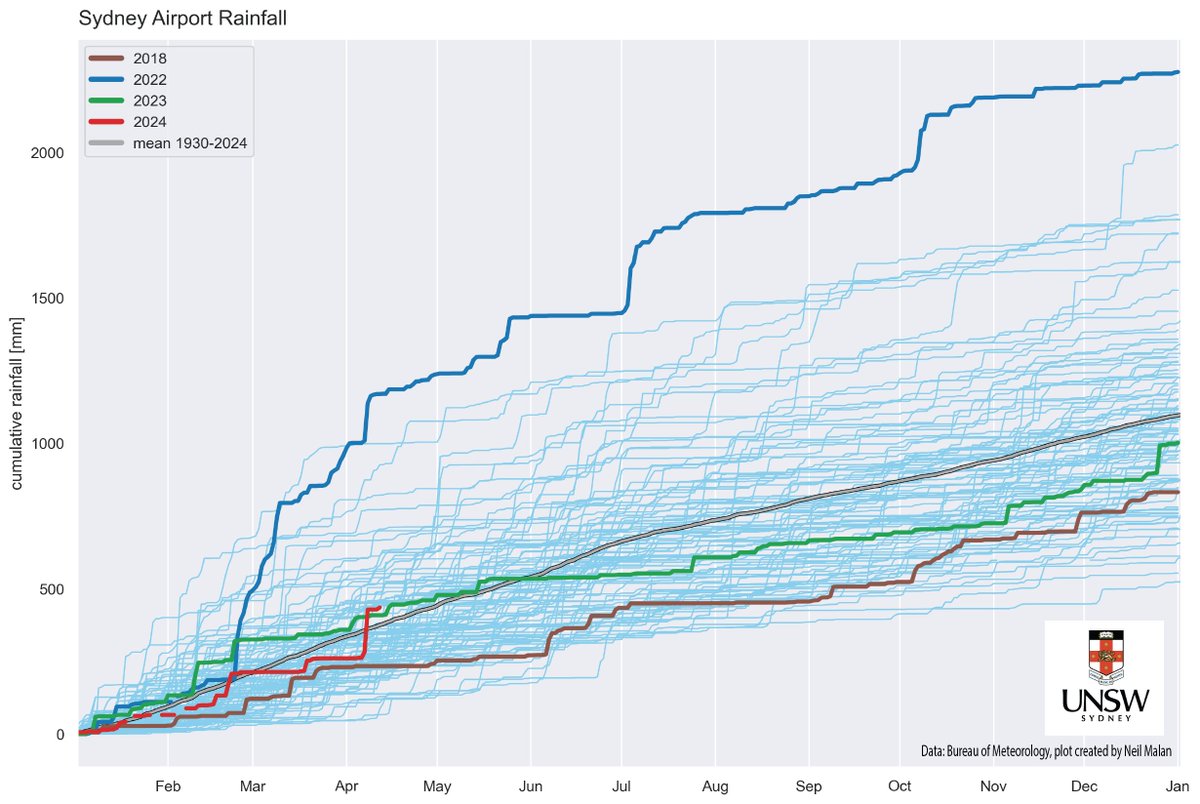
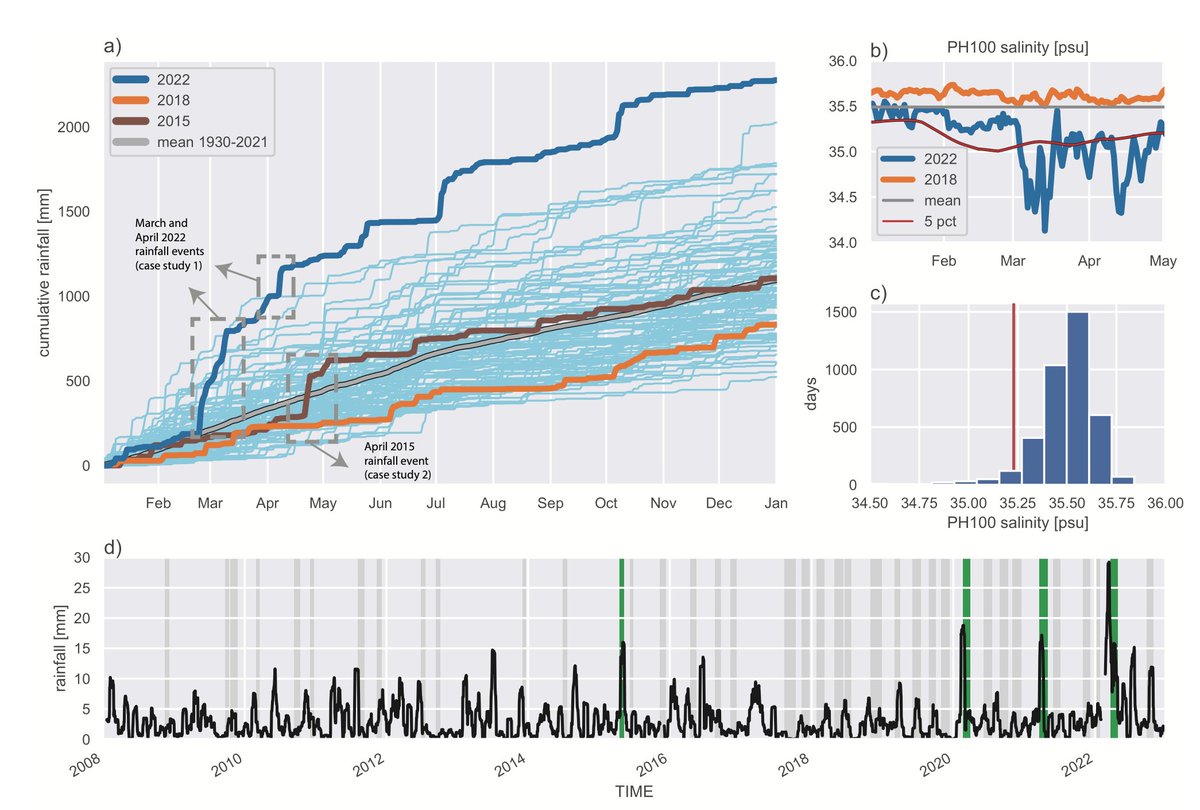
It's been a rather rainy week here in Sydney, it felt a lot like the record rains of 2022. So I plotted up the data and wow! This week has been an almost perfect match with April 2022. However, in 2022 we had already received an entire year's worth of rainfall by this stage.
📣📣@OceanRes_UNSW are hiring a project officer.📣📣
Are you highly organised, what to make a difference? Passionate about the #ocean? Want to live in #Sydney. @unsw is a great employer. Position closes 21 April.
external-careers.jobs.unsw.e…
Pls retweet.
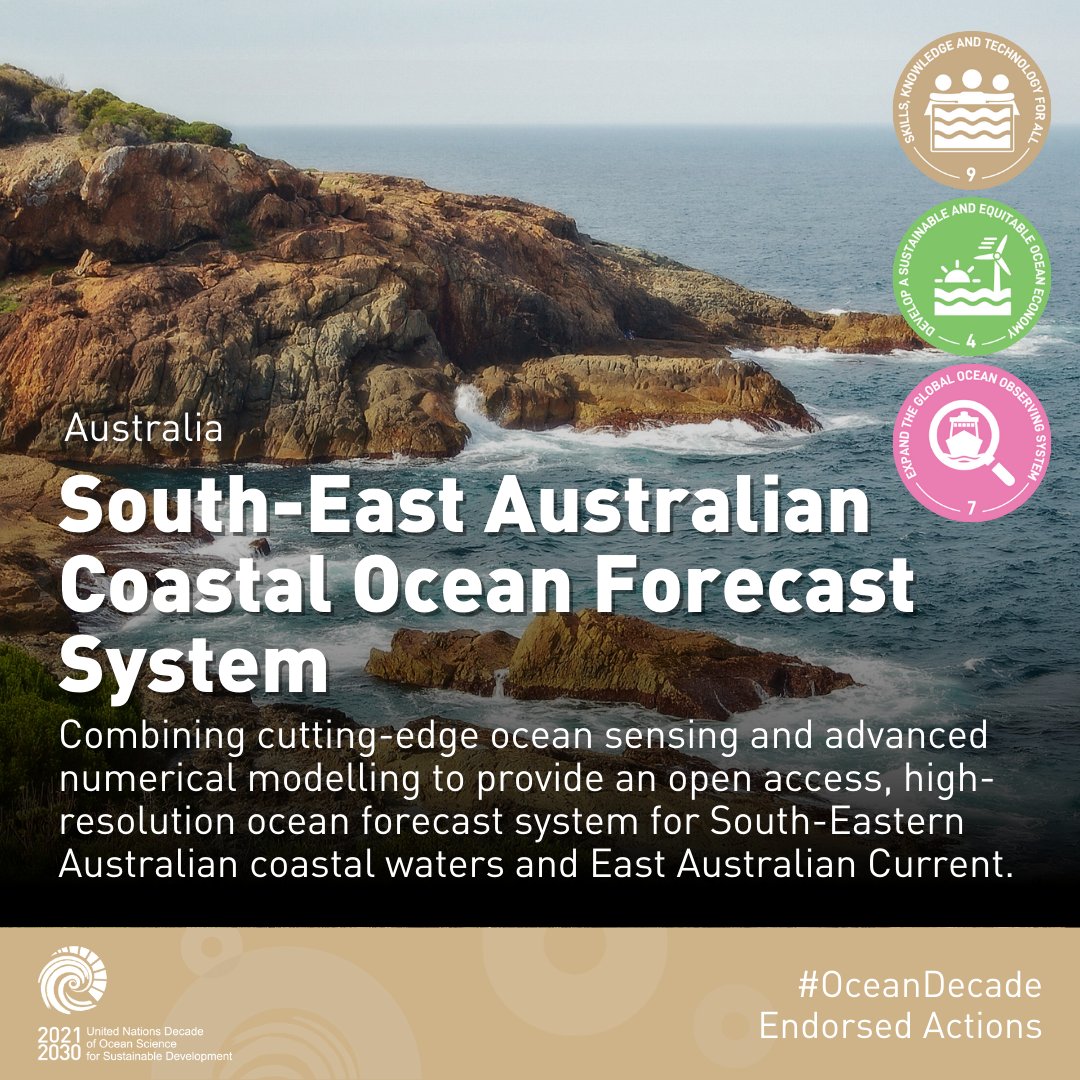
Led by @UNSW, this project will create a new, dynamic and more integrated knowledge base on the East Australian Current – reducing uncertainty, maximising opportunity and preparing for future ocean changes.
🔗 ow.ly/ifi350R0Wat#OceanDecade
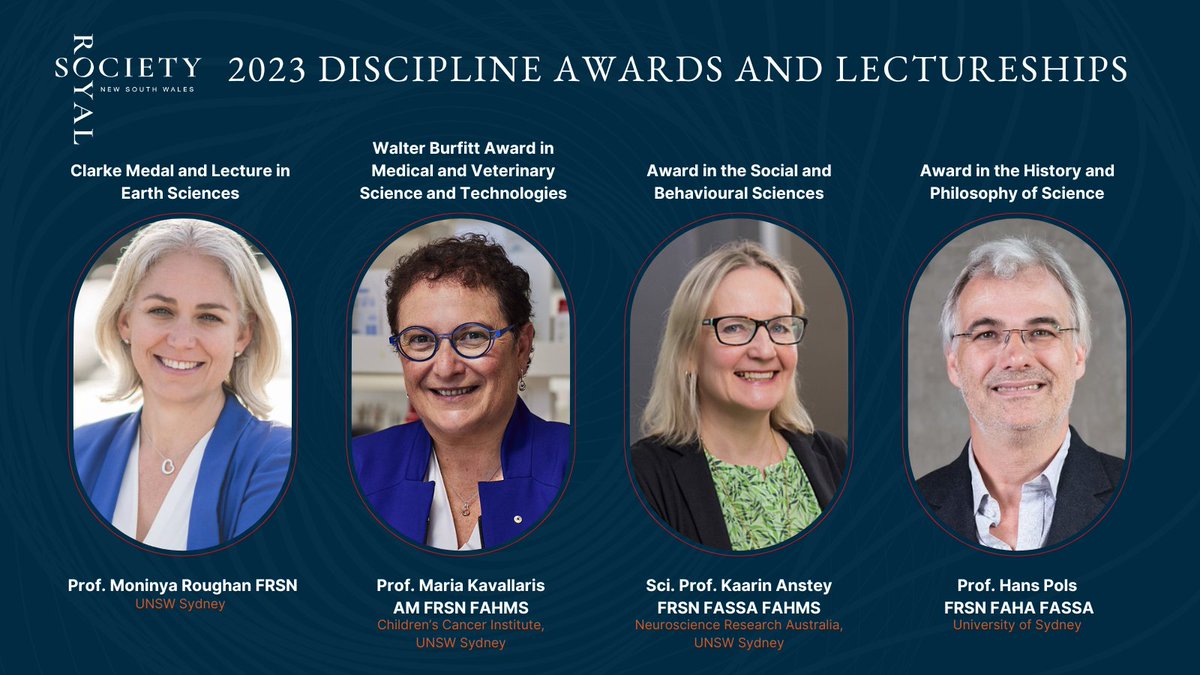
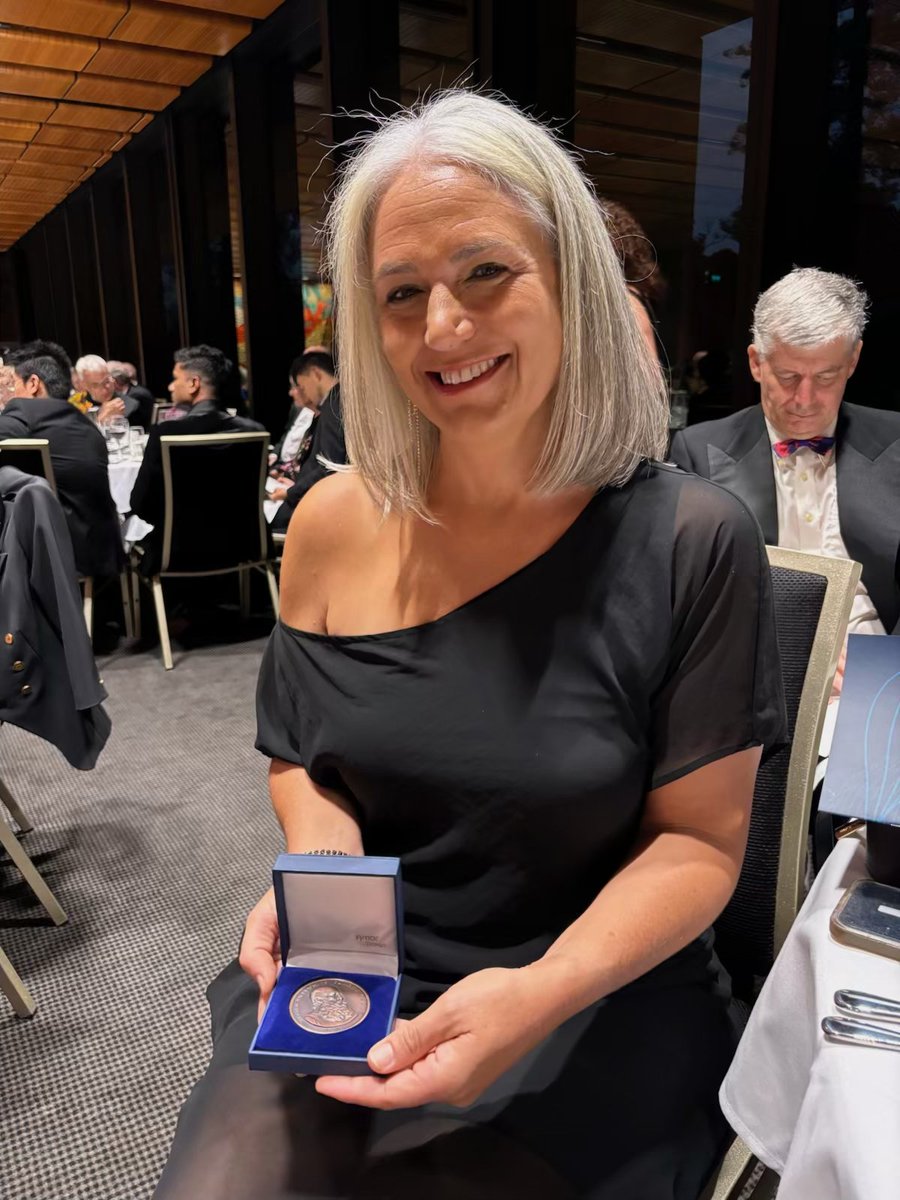
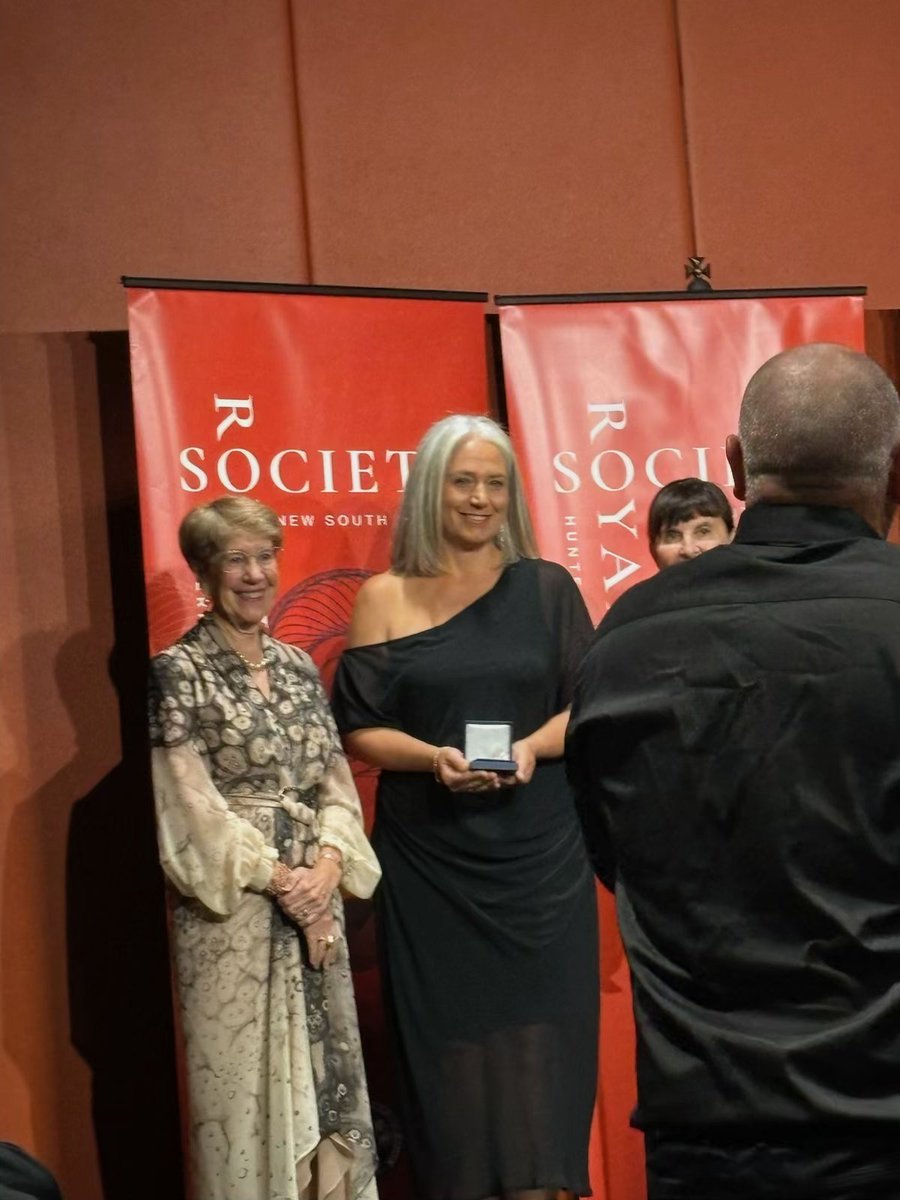
IMOS would like to congratulate Professor Moninya Roughan @moninya, leader of the IMOS NSW Moorings sub-Facility, for receiving the Clarke Medal from the Royal Society of NSW @royalsocnsw.
ALT A graphic showing the winners of the Royal Society of New South Wales' 2023 Discipline Awards and Lectureships.
RSNSW Clarke Medal and Lecture in Earth Sciences:
Professor Moninya Roughan FRSN (UNSW Sydney)
RSNSW Walter Burfitt Award in Medical and Veterinary Sciences and Technology:
Professor Maria Kavallaris AM FRSN FAHMS (UNSW Sydney)
RSNSW Award in the Social and Behavioural Sciences:
Scientia Professor Kaarin Anstey FRSN FASSA FAHMS (UNSW Sydney)
RSNSW Award in the History and Philosophy of Science:
Professor Hans Pols FRSN FAHA FASSA (University of Sydney)
ALT A graphic showing the winners of the Royal Society of New South Wales' 2023 Discipline Awards and Lectureships.
RSNSW Clarke Medal and Lecture in Earth Sciences:
Professor Moninya Roughan FRSN (UNSW Sydney)
RSNSW Walter Burfitt Award in Medical and Veterinary Sciences and Technology:
Professor Maria Kavallaris AM FRSN FAHMS (UNSW Sydney)
RSNSW Award in the Social and Behavioural Sciences:
Scientia Professor Kaarin Anstey FRSN FASSA FAHMS (UNSW Sydney)
RSNSW Award in the History and Philosophy of Science:
Professor Hans Pols FRSN FAHA FASSA (University of Sydney)
Congratulations to Prof Moninya Roughan, recipient of the 2023 Clarke Medal 2023 from the @royalsocnsw, the oldest learned society in the Southern Hemisphere. @moninya follows in the footsteps of Douglas Mawson in receiving this prestigious award! @UNSW@OceanRes_UNSW
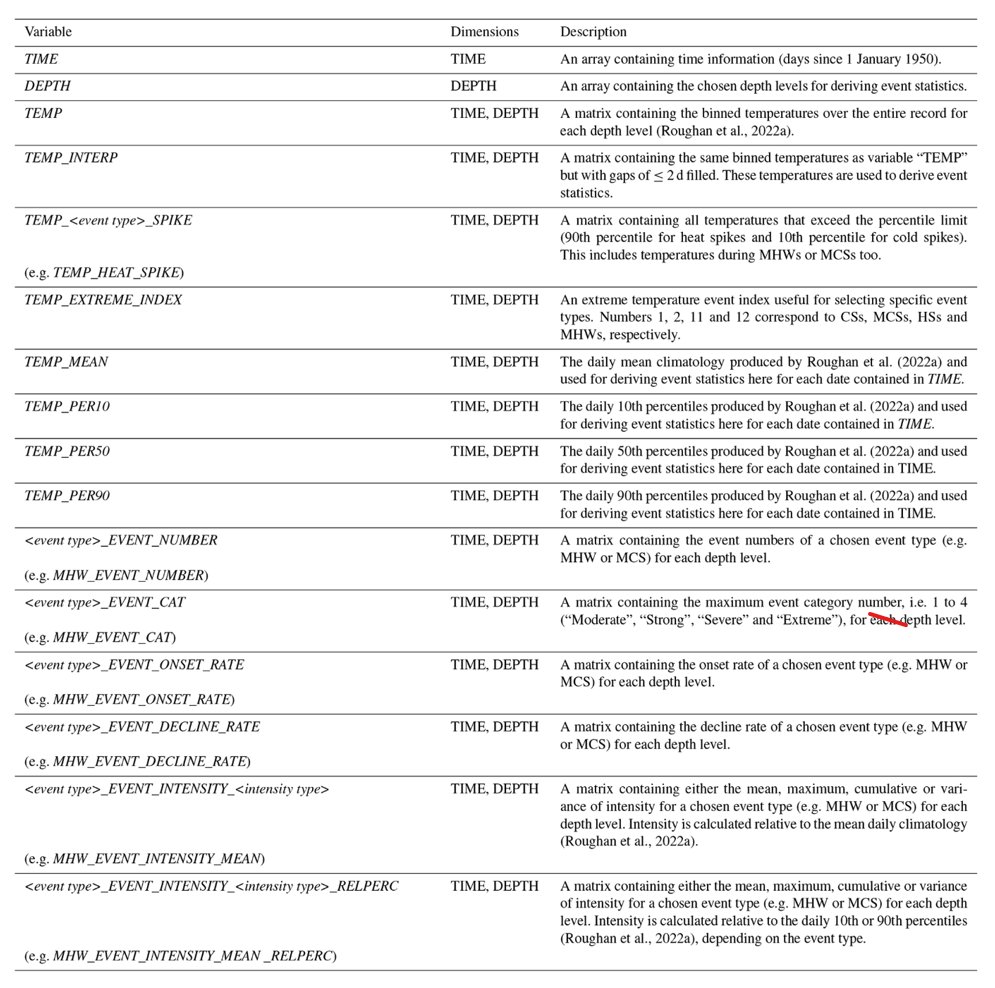
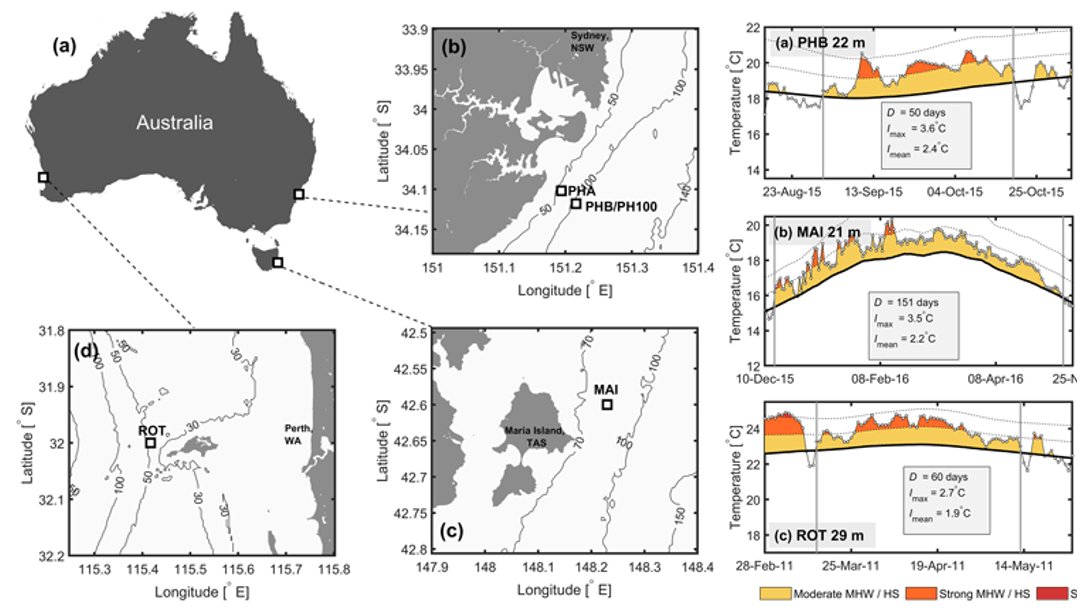
Using daily temperature climatologies and a widely-adopted definition, we detect marine heatwaves and cold spells, heat spikes, and cold spikes since the 1940/50s. We provide event characteristics and a handy event index variable for selecting specific event types 👇
🌊 A group of marine scientists are embarking on a mission to restore the waters of the iconic Sydney Harbour.
If successful, it may become a template for revitalising other urban marine sites worldwide.
news.unsw.edu.au/en/inside-t…
How well do you know your boffins? Australian scientists have enhanced your life in ways you might never have realised. But one list could change all that. Look out for the first-ever #Hottest100Scientists on January 27! cosmosmagazine.com/people/cu…
To keep pace with a changing climate, and the expected increase in extreme events, we need to include freshwater discharge in our model simulations, and ensure our observe networks don’t neglect coastal salinity.
What does it all mean? With an increase in extreme rainfall expected in the future, we need to pay more attention to freshwater discharge in normally ‘dry’ areas such as eastern Australia.
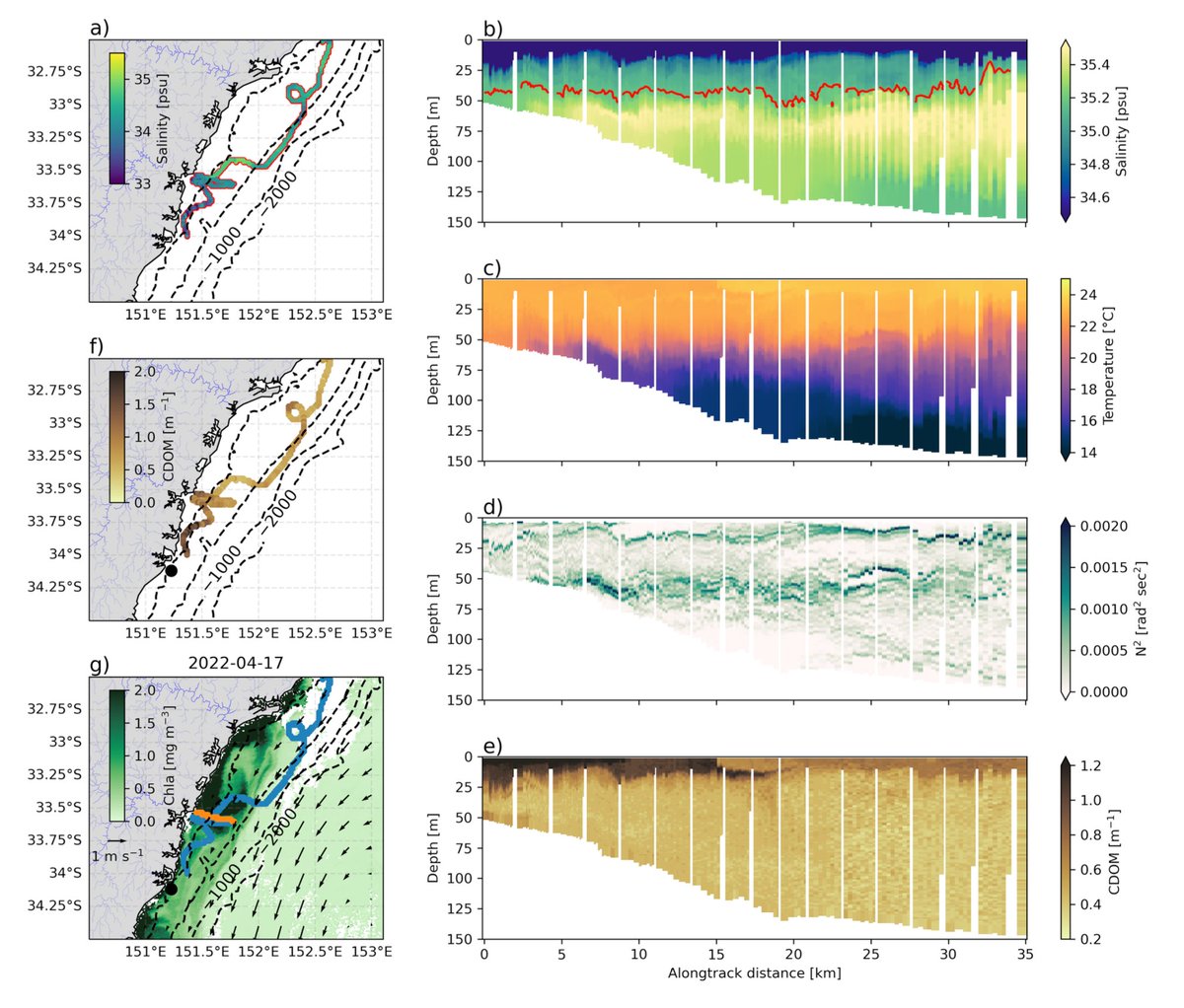
Gliders showed extreme low salinity waters extended more than 70km offshore and persisted for months. We observed a vertical double-stacking phenomena with two layers of fresher water extending deeper than 50m. Stratification was controlled by salinity rather than temperature.
It turns out it hangs around for a surprisingly long time.
We used a combination of moorings, gliders and remote sensing to define an observational extremes framework for salinity. This allowed us to track the extent and longevity of freshwater plumes associated with floodwaters