
26 Photos and videos








Jun 12
welcome @joy_890913 - very excited to grow @fluidkey together!
Jun 12

First week of joining @fluidkey
Super light, super sharp, and super fun!
Really loving the vibe here already. It just feels right😽

7
918
moritz retweeted

Jun 8
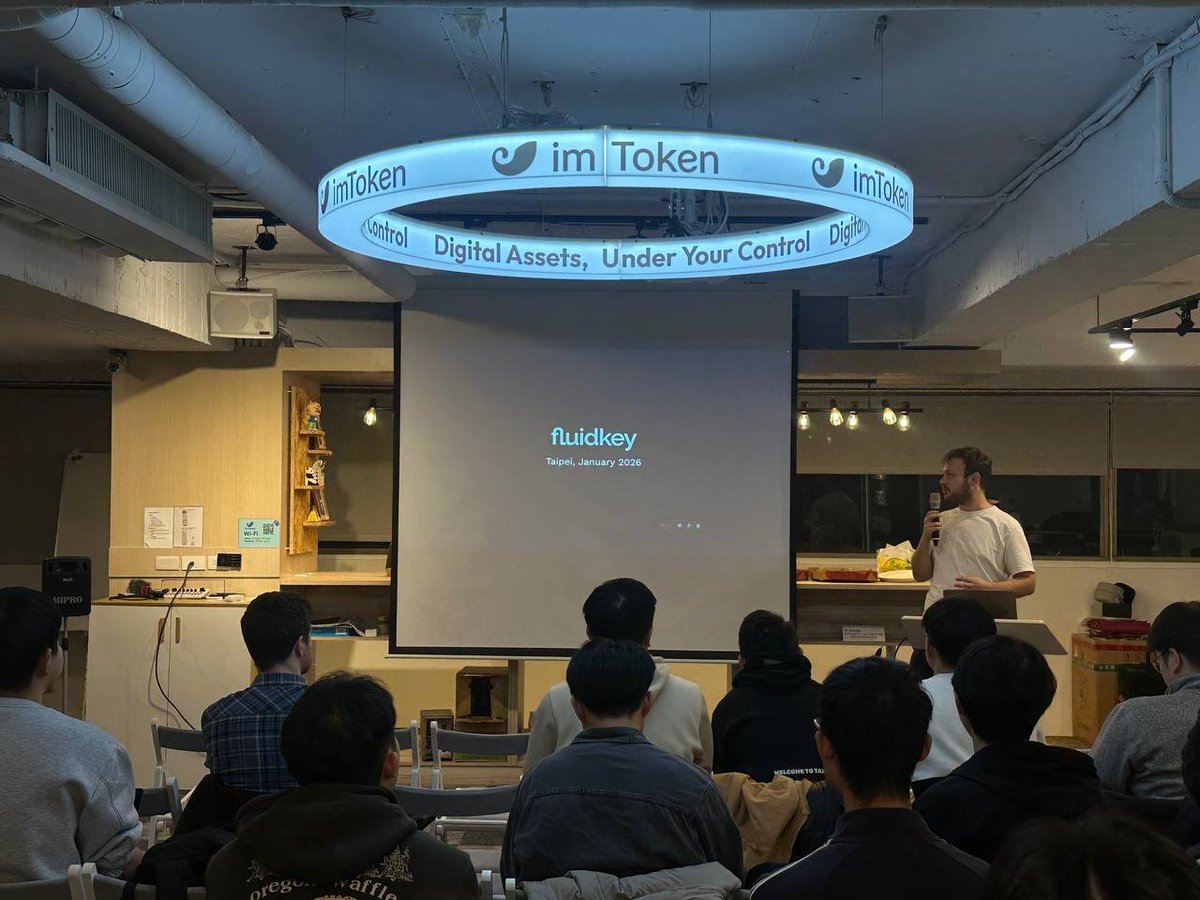
Huge thanks to everyone who joined our 2nd Fluidkey event in Taipei 🇹🇼
Nearly a hundred of you showed up, and we’re truly grateful for the energy, support, and conversations✨
Stay connected, stay fluid!

3
5
28
1,474
moritz retweeted

Jun 3
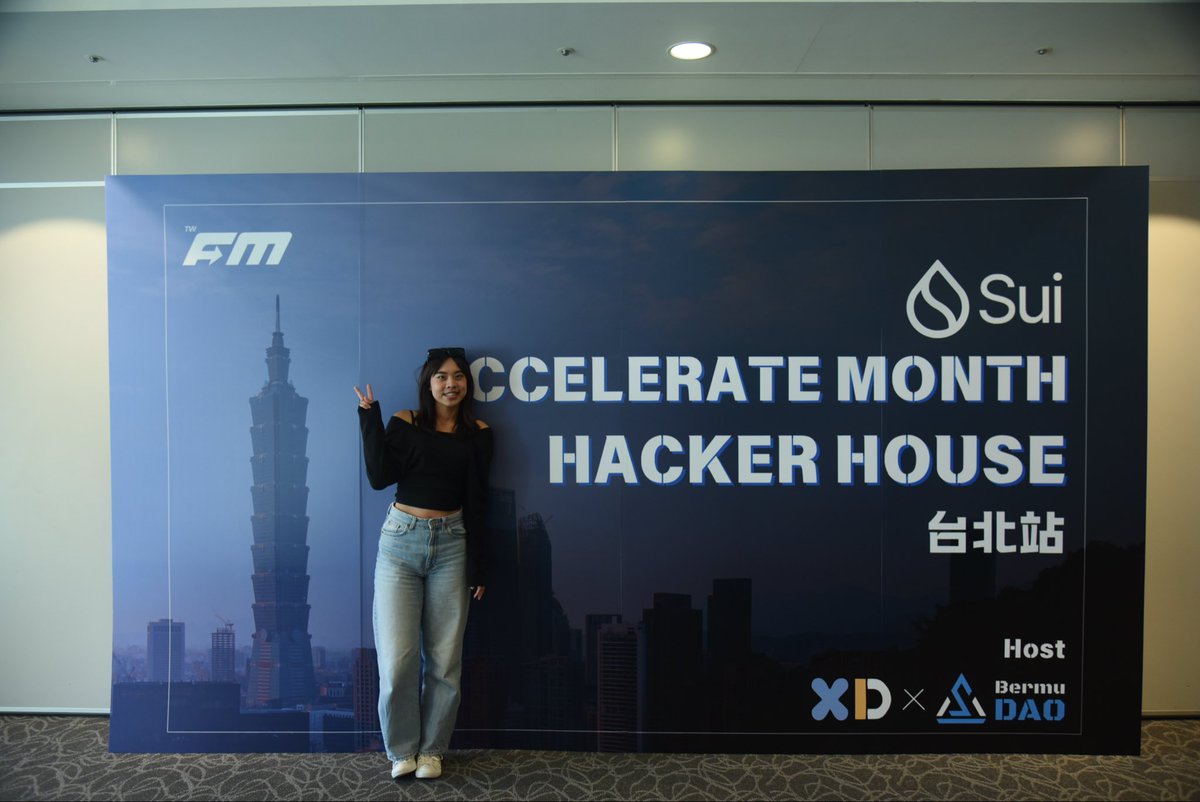
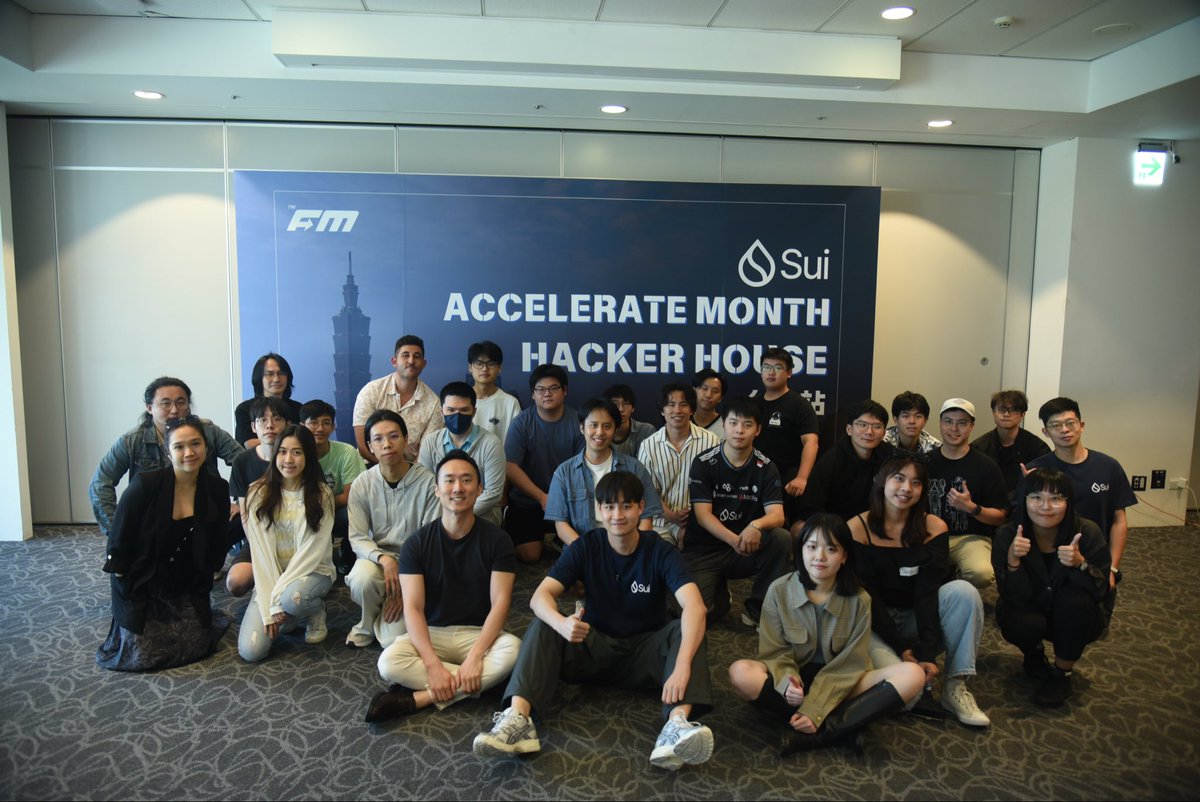
Last weekend at the @SuiNetwork Hacker House Taipei!
Huge thanks to @bermudao_ch and @0xJarekkkkk for inviting @xuedao_tw to join as one of the co-host organizers.
It was such a fun weekend, and also marked my first public sharing about @fluidkey 👧🏻


5
4
28
1,698


Less than 24 hours left to apply, get $500,000 and prove everyone wrong → alliance.xyz
63
34
326
110,881
moritz retweeted
May 6
You can now get exclusive deals on hotels around the world and pay directly from Fluidkey.
Head to the app's section to save up to 60% on your next booking!
2
14
2,366
moritz retweeted
Apr 22
Your money. Your currency.
Fluidkey now displays amounts in 150 currencies - so your balance always makes sense, wherever you are 💱
5
2
24
2,149
moritz retweeted
Apr 13
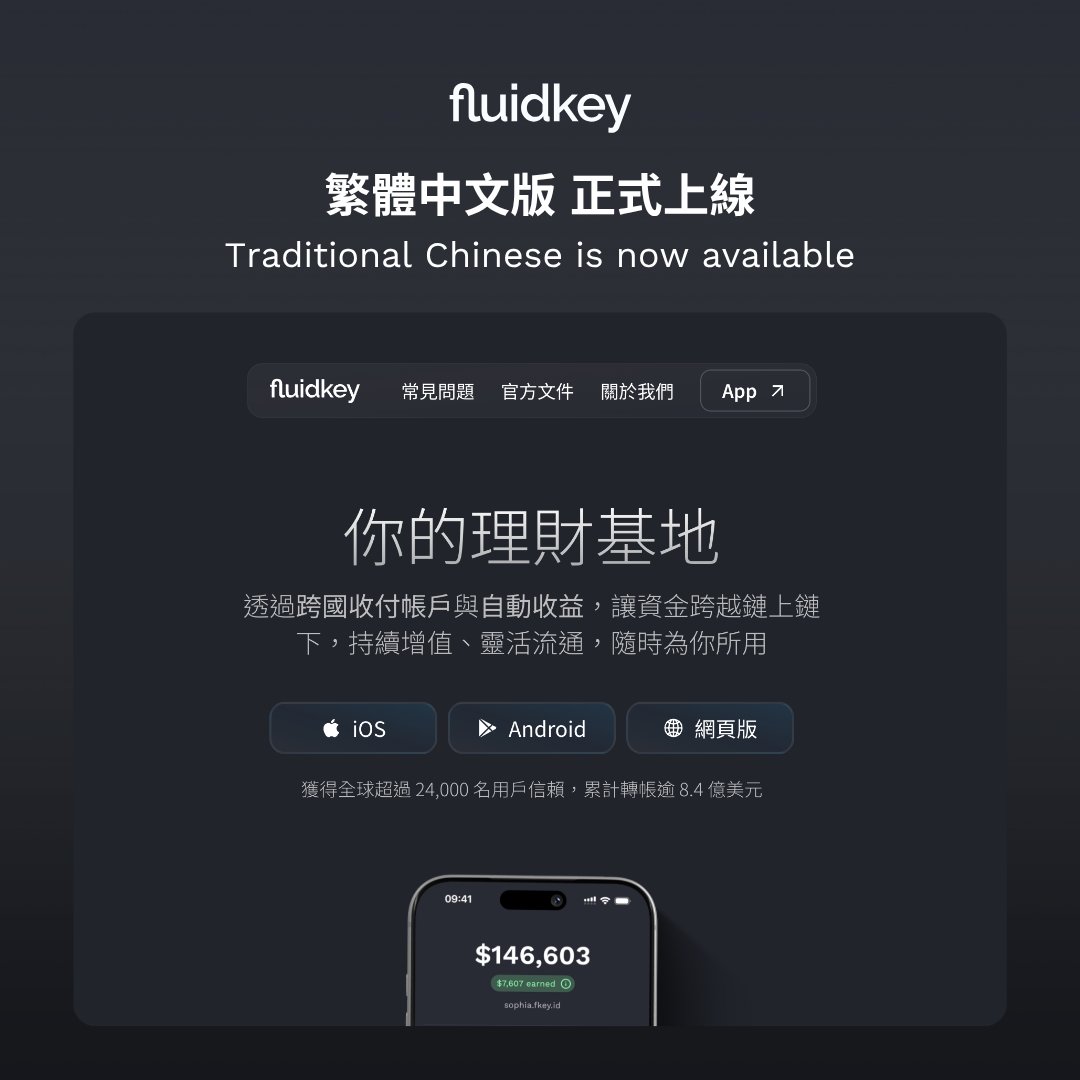
我們的官網 & 官方文件現在已經全面支援繁體中文 📖
Our website & docs are now fully available in Traditional Chinese 📖
4
6
36
2,708
moritz retweeted

Apr 10
UX of providing liquidity on AMMs sucks!
Why not run it like a sophisticated market maker?
- Understand your PnL
- Track risk in realtime
- Test strategies and access all the right analytics
much more to come on @LpDexhq!
If you want early access, DM me!
Demo ⬇️
14
5
48
2,808
moritz retweeted

Mar 27
This is the problem @fluidkey is here to solve, instead of you using a permanent wallet address, fluidkey gives you a private ENS and generate a fresh stealth address for every transaction
2
1
5
125
moritz retweeted

Mar 27
Privacy isn’t for a small elite, it’s for the masses.
It only works if it works for everyone.
That means it has to scale.
Scaling Ethereum means scaling privacy.
15
4
51
1,609
moritz retweeted
Mar 18
Extra protection for your Fluidkey account is here 🔒
You can now set daily, weekly, or monthly spend limits with two factor authentication

4
5
23
2,234
moritz retweeted

Mar 16
As I discussed with more people, I think I have more clarity on what I don't like about the EF posting the mandate. Just to clarify:
1. I like the mandate and the cypherpunk spirit, but I don't think the EF is actively acting according to their guidelines when it comes to anything related to finance.
2. I don't care if EF holds ETH or sells it. I don't care about anyone's financial strategy; I care about how it's executed
If EF wants to sell, I would like to see them actually find a decentralized protocol (or code one themselves) and use it instead of a centralized exchange
I don't think they realize that every day they're not doing this, they're supporting the growth of centralized entities, banks, and making DeFi less appealing to themselves. Here are my reasonings:
---
The foundation constantly acts like everything in DeFi is greedy and for profit, and keeps mentioning support for "non-financial" apps
But what the foundation doesn't realize is that building a real decentralized financial protocol is the same as building a non-financial app because there is no way to monetize it
Nobody has ever solved the "free rider" problem; protocols are free to fork, and it's theoretically impossible to charge fees. That's part of why "tokenomics" was invented in the first place—it was a way for teams to get funding without charging fees, and everybody with a moral compass hates it
IMO, the most ideal solution we have is the theory of "hyperstructure": a token controlling a fee switch can be worth something even though no fee is charged. This gave me hope because it shows ways to fund permissionless systems to be built. But sadly, I don't think most people believe in it
So, the DeFi world is full of tokenomics and governance because that's what it takes to keep a project alive.
Why can't you just build things with no funding just like other open source software? Because blockchain security sucks, and one audit costs tens of thousands. How do we get that money? Put our suits on and join the tables we vowed to fight in the first place
Despite all that, "non-profit" protocols still exist today: many agree that DeFi protocols should be free for access and free of charge. It's just very, very hard to make that a reality
---
When I read the mandate, I just can't stop thinking about one thing:
How come an organization with such noble principles, also using only open-source tech, is still handling their financing with centralized exchanges?
How come "OTC" with multisig transfer is the only way you figured out in the last six years, while thousands have built many different protocols or products to help people move out of centralized exchanges?
What else can we do to help EF -- a group of people who care nothing but about anti-surveillance and censorship-resistant tech -- to actually use that tech?
---
My Message for EF (or whoever still believe in DeFi can really help humanity)
1. Financial freedom is as important as other human rights like privacy and data ownership. Don't try to look away
2. Finance doesn't necessarily mean profit; defi protocols were supposed to be public goods.
3. Financial primitives are like cryptographic primitives; they empower other things. They're not products. They are neutral tech with a funding problems.
If we don't find a way to support good defi teams, others with resources and influences will come in and do it. They will build their centralized stablecoins, attract people with better UX and yields, trick people in thinking that is "the blockchain magic", and when it collapses, no body would ever trust any chain again.
If you really believe in CR, privacy, financial freedom. Do something.
Stop using centralized exchanges.
Mar 15

This is exactly what I was complaining about:
> EF built Ethereum, a generalized censorship-resistant VM
> People built "permissionless, open-sourced, censorship-resistant" protocols like Airdwap, 0x, and Seaport to enable "swaps" without counterparty risks -- all on top of Ethereum. Completely, censorship-resistant, tools.
(0x has been live since 2018, and even Seaport is 4 years old now)
> EF published a mandate to support open source, CR, and privacy
> EF did OTC with a direct transfer.
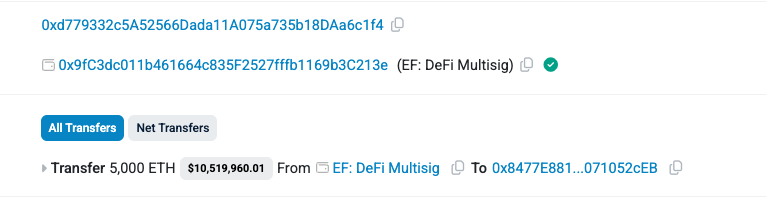
8
3
48
7,392
moritz retweeted
Mar 2
AI agents need privacy, and Ethereum can provide it.
Here’s a clip of two autonomous agents discovering each other, generating stealth addresses, and interacting privately on Ethereum.
More details in the 🧵👇
46
41
326
36,456
moritz retweeted
Mar 2
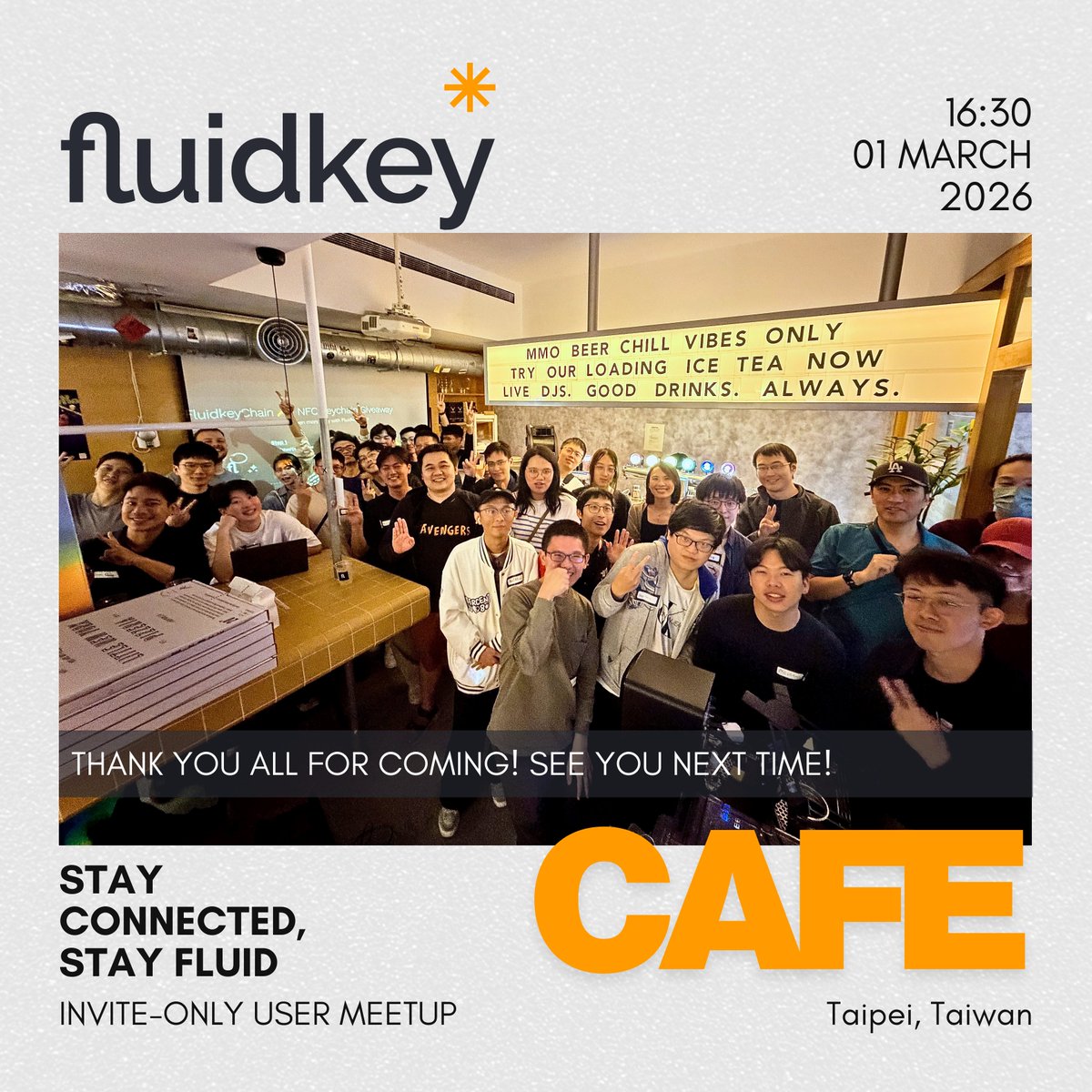
Huge thanks to everyone who showed up for the first Fluidkey Cafe in Taipei! It was amazing to meet you all, thank you for bringing such great energy ✨ We’re just getting started! 🇹🇼
Let’s stay connected, stay fluid! 🔑
1
3
25
1,848
moritz retweeted

Mar 1
【不只是熱錢包,更是許多痛點的解決方案】
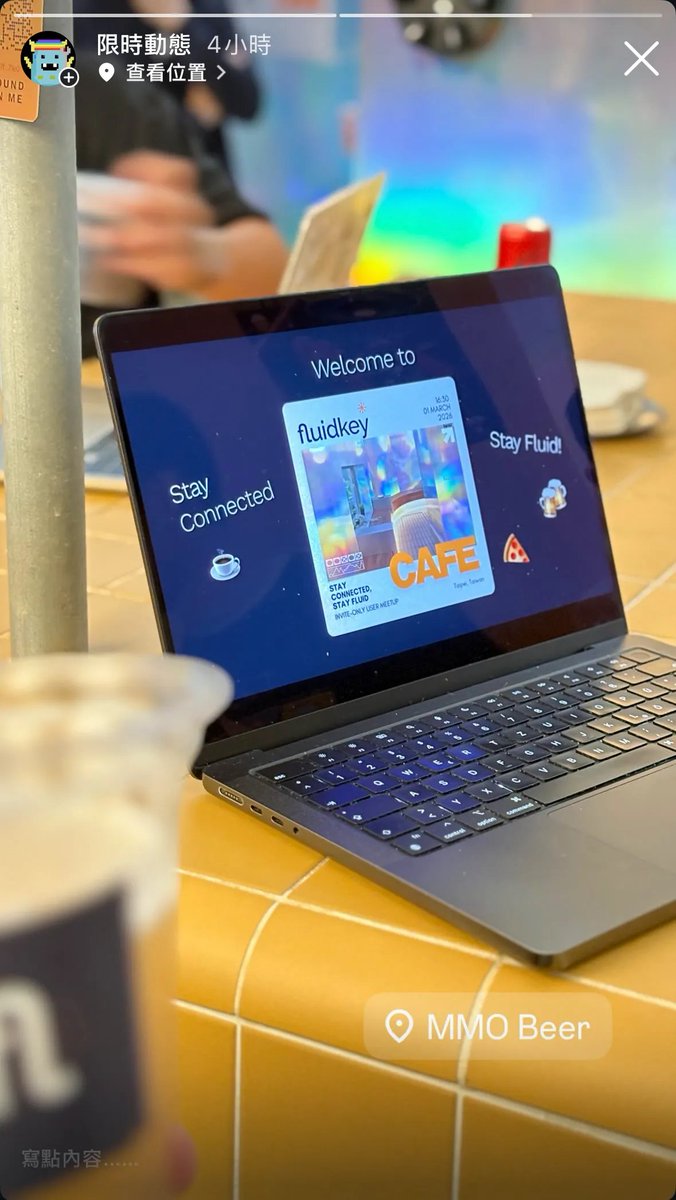
週日我參加了 @fluidkey 在台灣的首場實體聚會,創辦人
@moritz_fluidkey 也親自到場交流;先前體驗過這款產品,我覺得它不像很多項目方只會「打高空」,而是真的做出了解決許多用戶痛點的落地應用。
- - - -
推薦你動手實作看看 👇Fluidkey 申辦連結👇
i.fluidkey.com/Y7WS6N
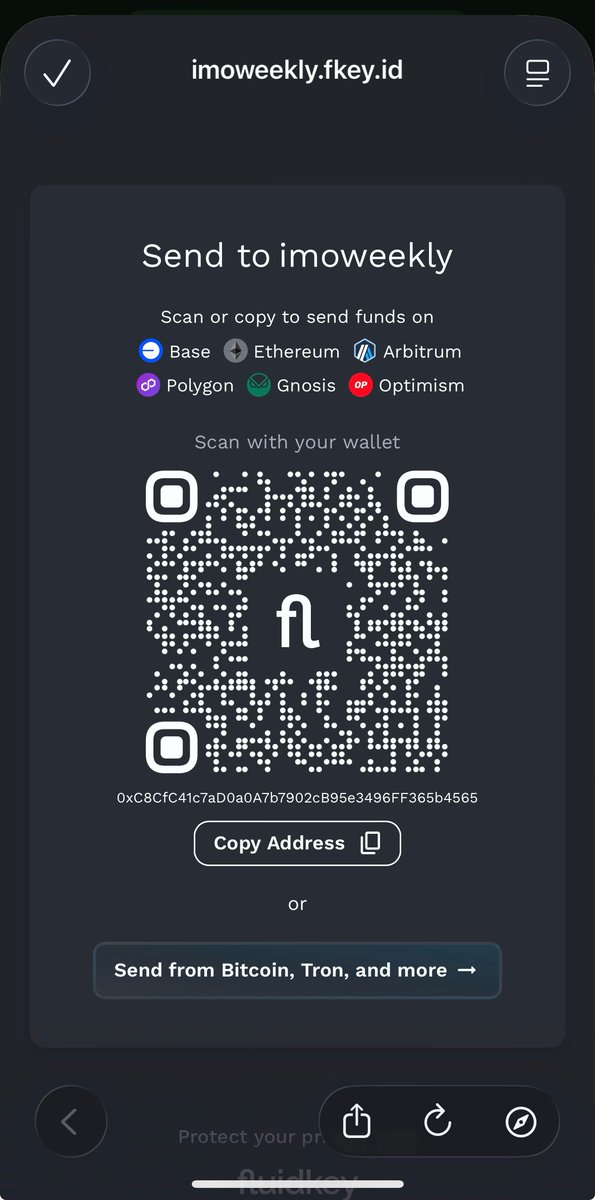
創建玩錢包後,你會得到一組 ENS 域名(比喻為錢包收款地址的「短網址」,像我的就叫做 imoweekly.fkey.id),還可以自由改名,非常方便。
- - - -
這是一款「不只是熱錢包」的熱錢包,它提出許多看得到、摸得到、用得到的解決方案;
透過這場活動,我對 Fluidkey 未來的發展藍圖有更深層的理解,先歸納幾個亮點:
1/ 自動理財
不用研究複雜的鏈上協議或簽署,只要把代幣打入錢包地址,系統就會自動去跑活存利息(類似設計在 Coinbase 的 Base 錢包也看過,不過 Coinbase 應該是自己騰出行銷預算來做補貼,收益產生方式還是很不同的 );你可以去細究背後運作機制,不過對多數終端用戶來說,只要看到資金放進去有收益就很香。
2/ 動態收款地址,告別「鏈上裸奔」
收款時自動產生不同地址,每次給對方的錢包地址都不一樣。這對隱私保護非常關鍵,否則只是收個幾百美金,卻讓對方把你背後的資產總額看光光,這種感覺不太酥湖,對吧 😂!
3/ 低成本對接海外券商
即使非幣圈人也超有感!這點對有買美股、開海外券商帳戶的台灣人來說是大大福音,你可以把 USDC 以美元形式直接匯進嘉信(CS)與盈透(IBKR),走的是美國境內的 ACH 轉帳,速度快且手續費極低。
未來這個項目還有更多亮點,例如美股代幣或 U 卡(加密貨幣卡)等等,值得關注。
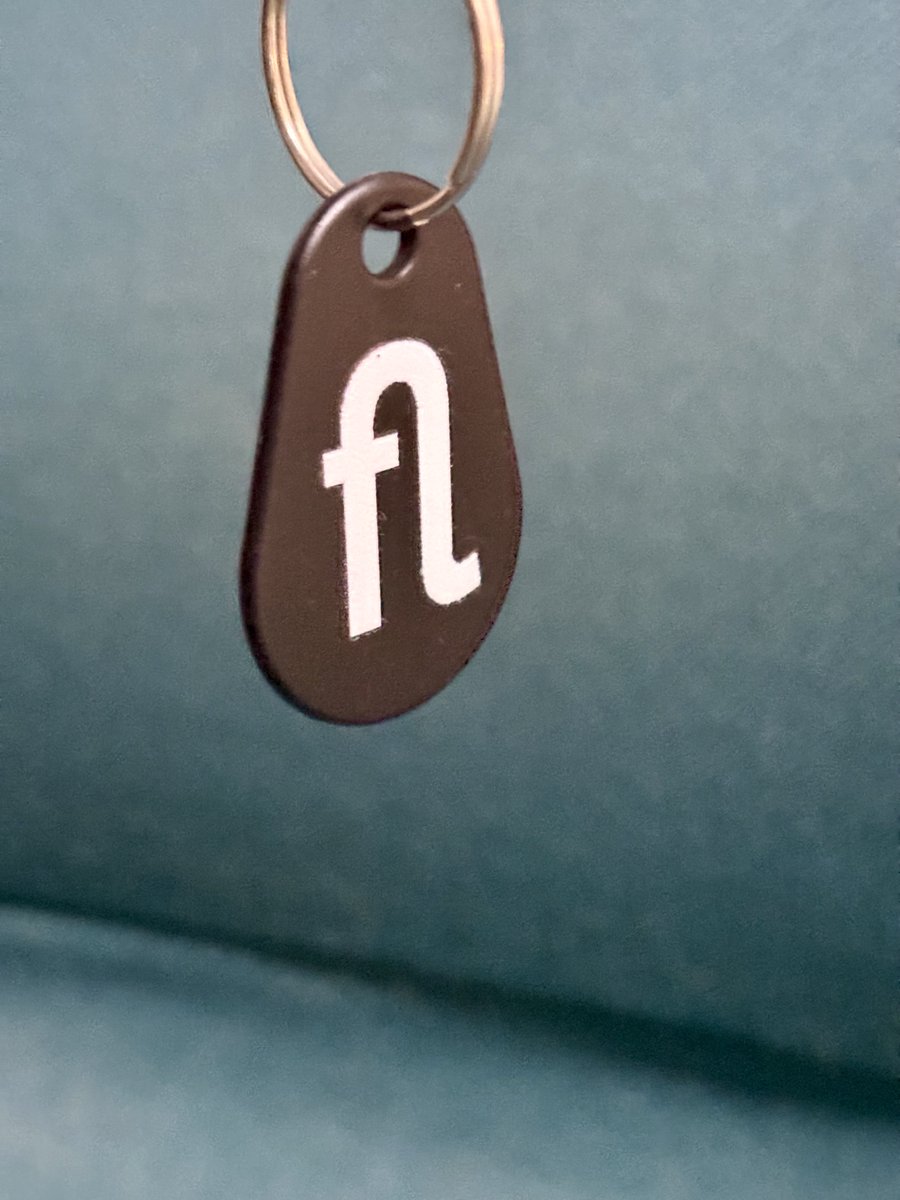
BTW, 感謝 @joy_890913 發放的紀念品好實用,以 NFC 感應手機後,快速展示錢包收款地址(隱私地址)。
5
3
19
2,080
Feb 25
Come join us on Sunday
Feb 25

Taipei friends👋🏻 We’re bringing Fluidkey IRL for the first time in Taiwan 🇹🇼🎉
Join us on Mar 1st for good talks, drinks, and a preview of what's next for Fluidkey. Our founder Moritz is flying in for the event and can't wait to meet you!
Register now 👉🏻 luma.com/2082x1o1

1
1
5
152
moritz retweeted
Feb 16
Happy New Year's Eve — be the first in your group to start a tradition 🧧
Send wishes to your crew in 3 steps:
Create → Lock Money → Share the link
Put lucky money in DeFi & grow with a 50% yield boost
This is the 2026 glow-up your 紅包 deserved ✨💰
Check out the demo 👀
2
6
20
1,961
Feb 15
Love this! Happy Chinese New Year 🫶🧧
Feb 15
Happy Chinese New Year everyone! Dropping some free money and boosted yields with @fluidkey!
Fluidkey is literally my favorite crypto app; it combines privacy, simple payment, and yield from @Morpho -- the only 3 things I care about.
The only thing I'd complain about is that I feel like users on FluidKey should be using self-governed autovaults for yield instead of third-party curated vaults! -- I wish this happen in 2026 ;)
Fluidkey is having some special campaign to boost yields, and you have a chance to get a $60 🧧 by finishing the onboarding process with my link.
i.fluidkey.com?red=red_BSsnV…
Let's build a better future for payment, DeFi and privacy in the new year

1
1
166
moritz retweeted
Feb 13
🎉 New Year = New YIELD
Red Envelopes are LIVE today!
Send red envelopes that grow with 50% APY Boost 🧧
The best 紅包 earns while they sit 💸
Tap “ ” in the app to create yours now!

6
3
17
2,091