
Married dad of 3. May my life testify to the beauty of God’s love for the broken and the lost.
Joined April 2007
- Tweets 3,520
- Following 469
- Followers 253
- Likes 14,551
188 Photos and videos





Pinned Tweet

17 Jun 2018
Woke up this morning and overheard my two girls arguing because they had accused each other of having bald spots. They’re five and eight. #HappyFathersDay
1
8
Michael Willis retweeted

4 Jul 2024
happy the shining day 🥃 #July4th

ALT Two stills. Top still shows a black-and-white photo of attendees at a hotel ball. The photo is shot from a high angle, everyone is dressed smartly in formal attire. Bottom still shows a close-up of a sign that reads "Overlook Hotel, July 4th Ball, 1921" in cursive writing
22
1,239
7,033
288,974
21 Mar 2024
Take my money: Alien: Romulus | Teaser Trailer youtu.be/GTNMt84KT0k?si=_R7y… via @YouTube
99
17 Jan 2024
🚨
17 Jan 2024

Good stuff here for Cormac fans:
1
46
Michael Willis retweeted

11 Jan 2024
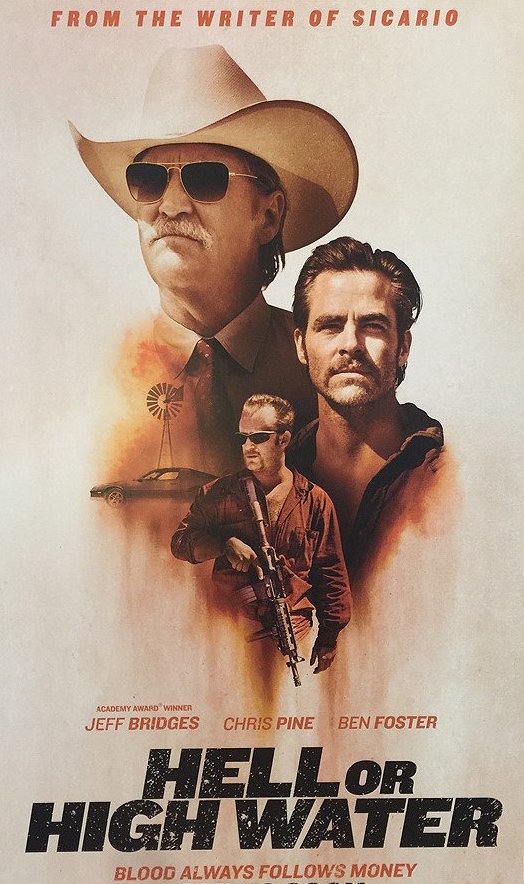
A modern day western trilogy. So damn good.


7
7
48
2,712
2 Jan 2024
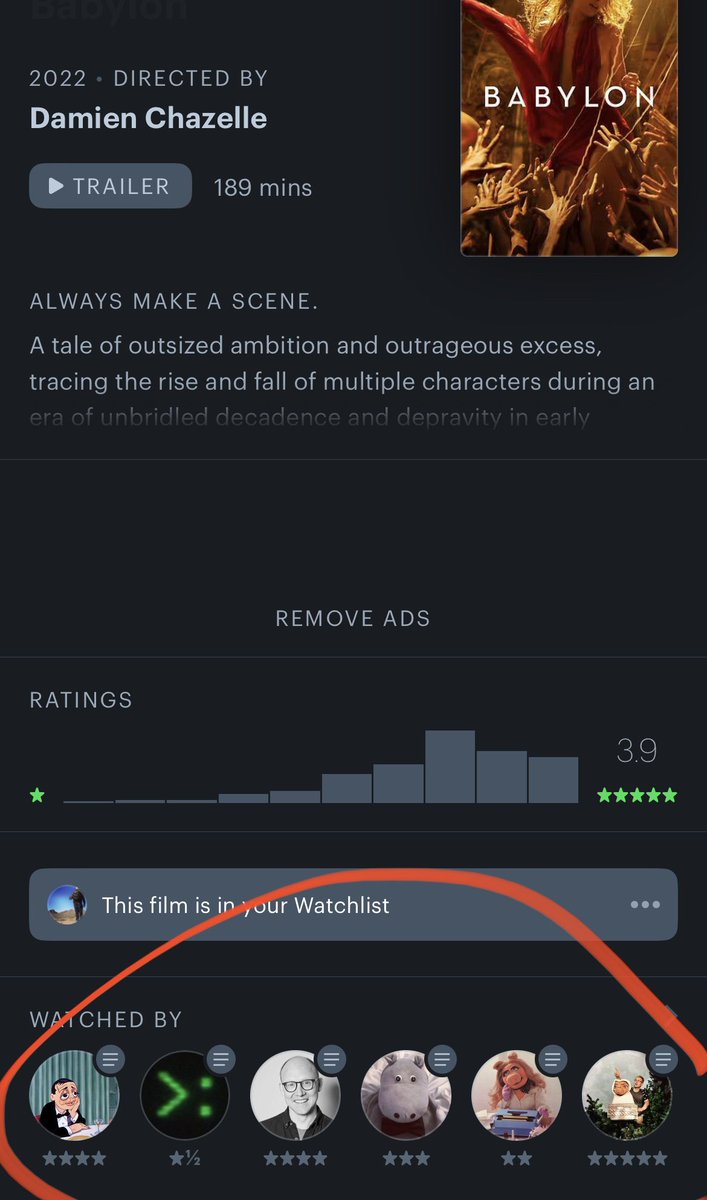
Film nerd alert..... my 2023 Year in Review for @mpwillis on @letterboxd: letterboxd.com/mpwillis/year…
1
117
30 Dec 2023
I’ve seen a lot of the pop tart memes over the last few days, but this is *chef’s kiss*
30 Dec 2023

The Pop-Tart’s feet are light and nimble. He never sleeps. He says that he will never die. He dances in light and in shadow and he is a great favorite. He never sleeps, the Pop-Tart. He is dancing, dancing. He says that he will never die.

2
208
Michael Willis retweeted

22 Nov 2023
I was excited to watch a movie about how chocolate, vanilla, and strawberry ended up as a single ice cream flavour but apparently 'Napoleon' is actually about some French guy?
13
15
346
23,075
Michael Willis retweeted

11 Oct 2023
Wisdom >>> intelligence
We almost worship intelligence in this culture, but why?
Intelligence is not a virtue. It's a trait, like physical prowess. It allows people to do particular things bigger and faster than others, but it doesn't make them "good" or grant them access to transcendent truths that are unattainable by less intelligent people.
There are super-smart people who are functional, wise, and benevolent. But there are also super-smart people who are dysfunctional, wrong about a lot of things, or just plain evil.
Do not worship intelligence.
Instead, revere wisdom.
Wisdom is accessible to every one of us, if we have the one key to attaining it: humility.
Humble yourselves before the Lord, and he will lift you up. – James 4:10
19
112
428
36,627
Michael Willis retweeted

1 Oct 2023
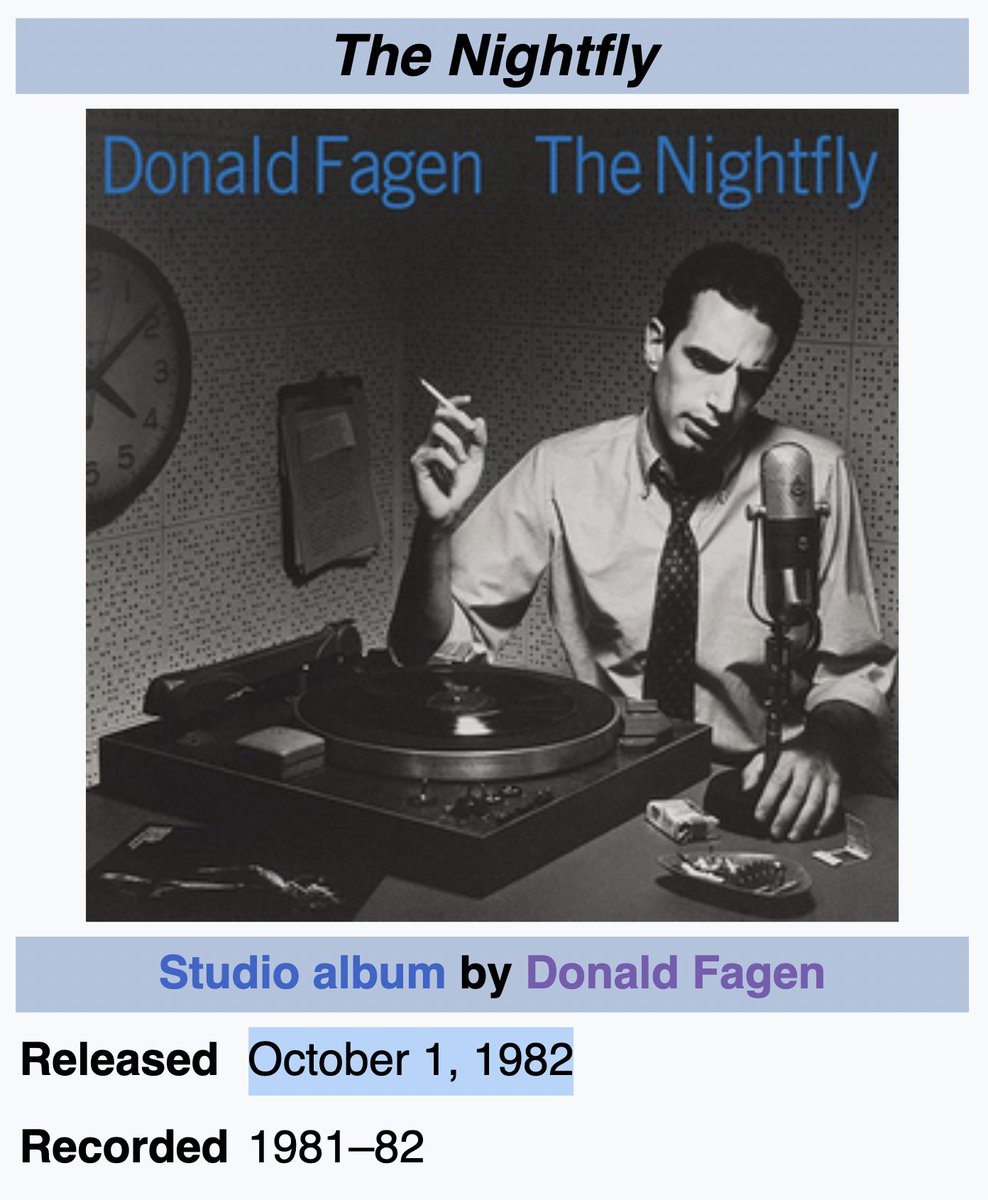
Happy Nightfly day to those who celebrate
34
302
2,281
274,668
Michael Willis retweeted

21 Sep 2023
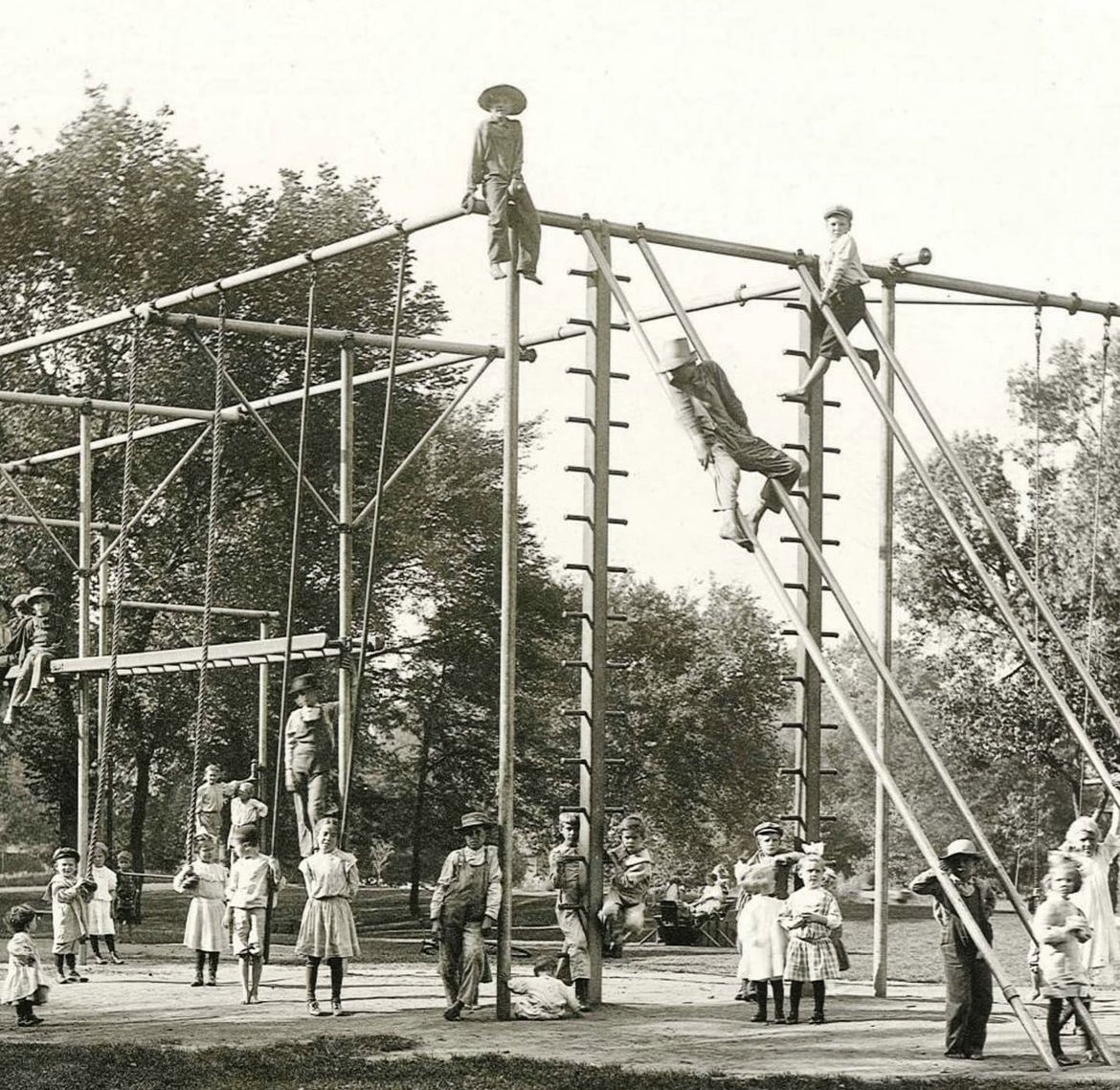
In the early 1900s, an early playground made of metal was constructed 12 feet above concrete floors in Cedar Rapids. Prior to the concept of structured playgrounds, children played wherever there was space, including empty lots, rural fields, the woods, and even in the streets. In the early 20th century, parents grew concerned that unsupervised play might lead children to skip school and neglect their responsibilities.
According to Our CR Magazine, published by the city of Cedar Rapids, "Early playgrounds were created with the goal of guiding children towards good health and good citizenship, intending to teach them to play safely together. However, safety didn't seem to be a top priority in their design."
During the 1930s and 1940s, playground development slowed due to the Great Depression and war efforts. However, WPA workers were trained in various recreation activities as part of the WA Recreation Project. In Cedar Rapids, individuals were paid the regular relief scale of 50 cents an hour to supervise playgrounds.
After WWII and the baby boom that followed, junk or adventure playgrounds became the norm, encouraging children to explore and build play elements using found objects. New housing developments grew quickly, and playgrounds entered mass production in the years that followed. Cedar Rapids struggled to keep up with the demand for playgrounds in neighborhoods, so they created a mobile playground that visited a site one day a week, featuring a merry-go-round, swing set, and slide on a trailer.
Today's playgrounds promote socialization across various ages and ability levels. Equipment is designed to allow children with disabilities to join in and play. Rubberized surfaces are used to soften the impact of falls, and plastic pieces have round and smooth edges."
110
128
1,530
1,168,738
Michael Willis retweeted

16 Sep 2023
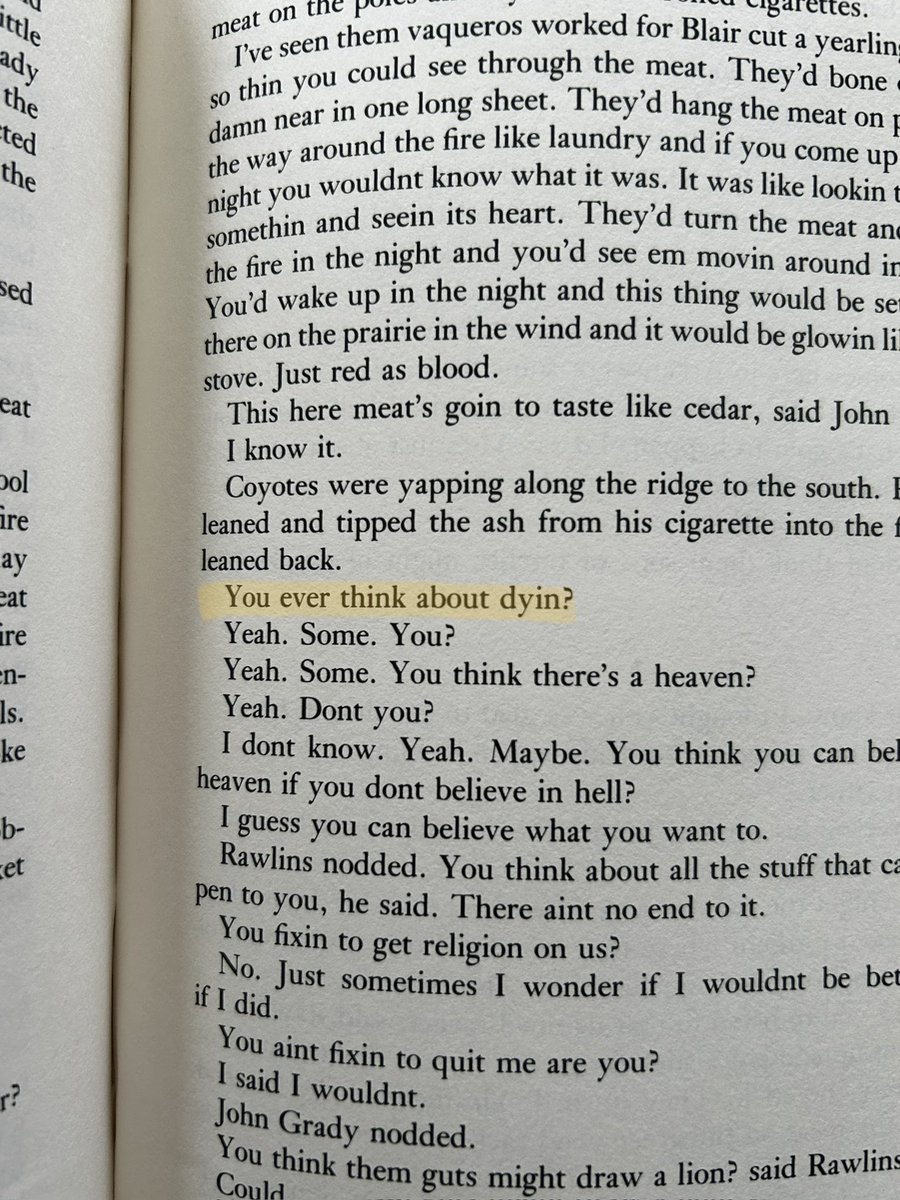
All the Pretty Barbies
16 Sep 2023


2
7
1,852
Michael Willis retweeted

30 Aug 2023
Summary of the Lord's Prayer:
Our Father - Intimacy
Hallowed be your name - Holiness
Kingdom/Will be done on earth - Justice
Daily Bread - Provision
Forgive us as we forgive - Grace
Lead us not into temptation - Weakness
Deliver us from evil- Warfare
Thine is the kingdom- Hope
6
61
386
18,659
25 Aug 2023
Great story and interview.
24 Aug 2023

This story is a great glimpse into a wonderful human being, father, brother, husband and friend. But an average pickle ball player. Andy Roddick on Winning the U.S. Open, Losing to Federer, and Why He Threw Away His Trophies | GQ gq.com/story/andy-roddick-us…
52
17 Aug 2023
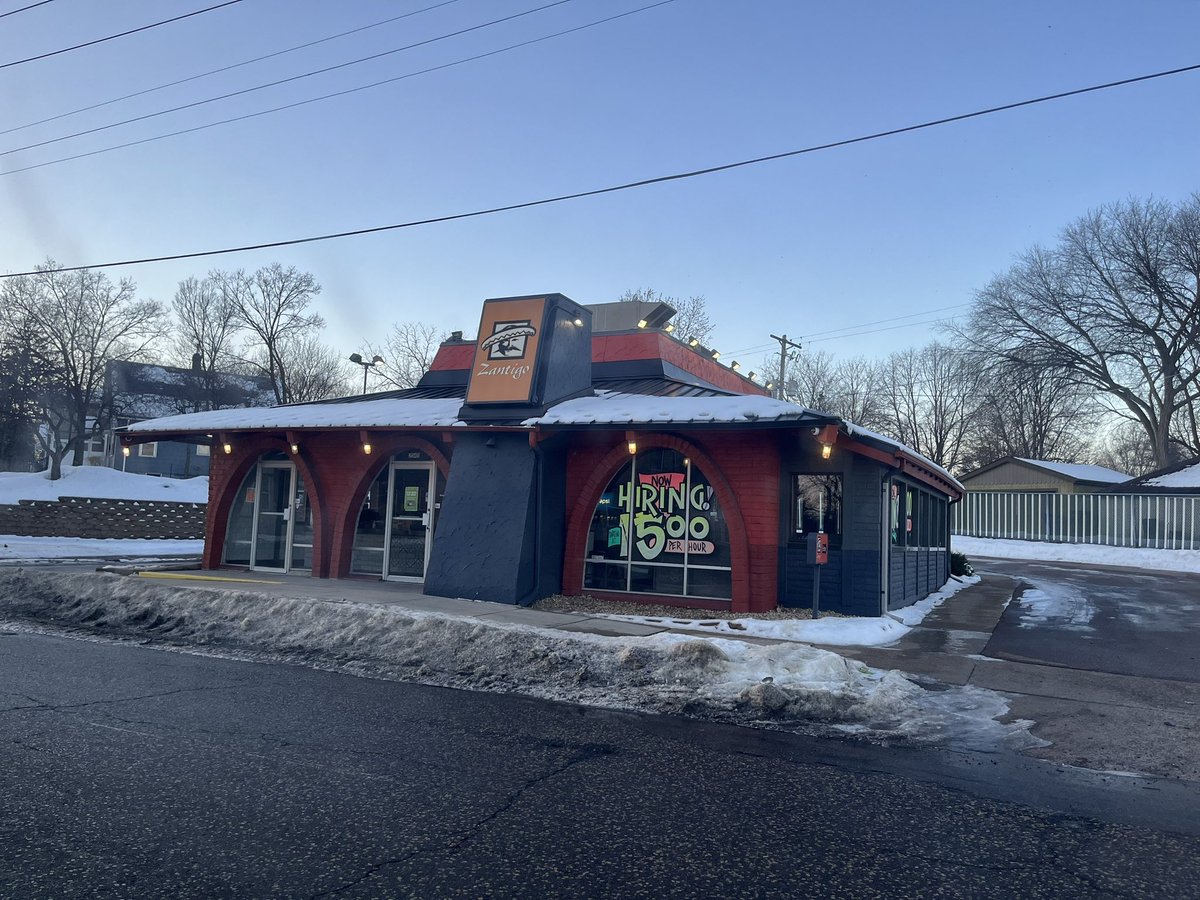
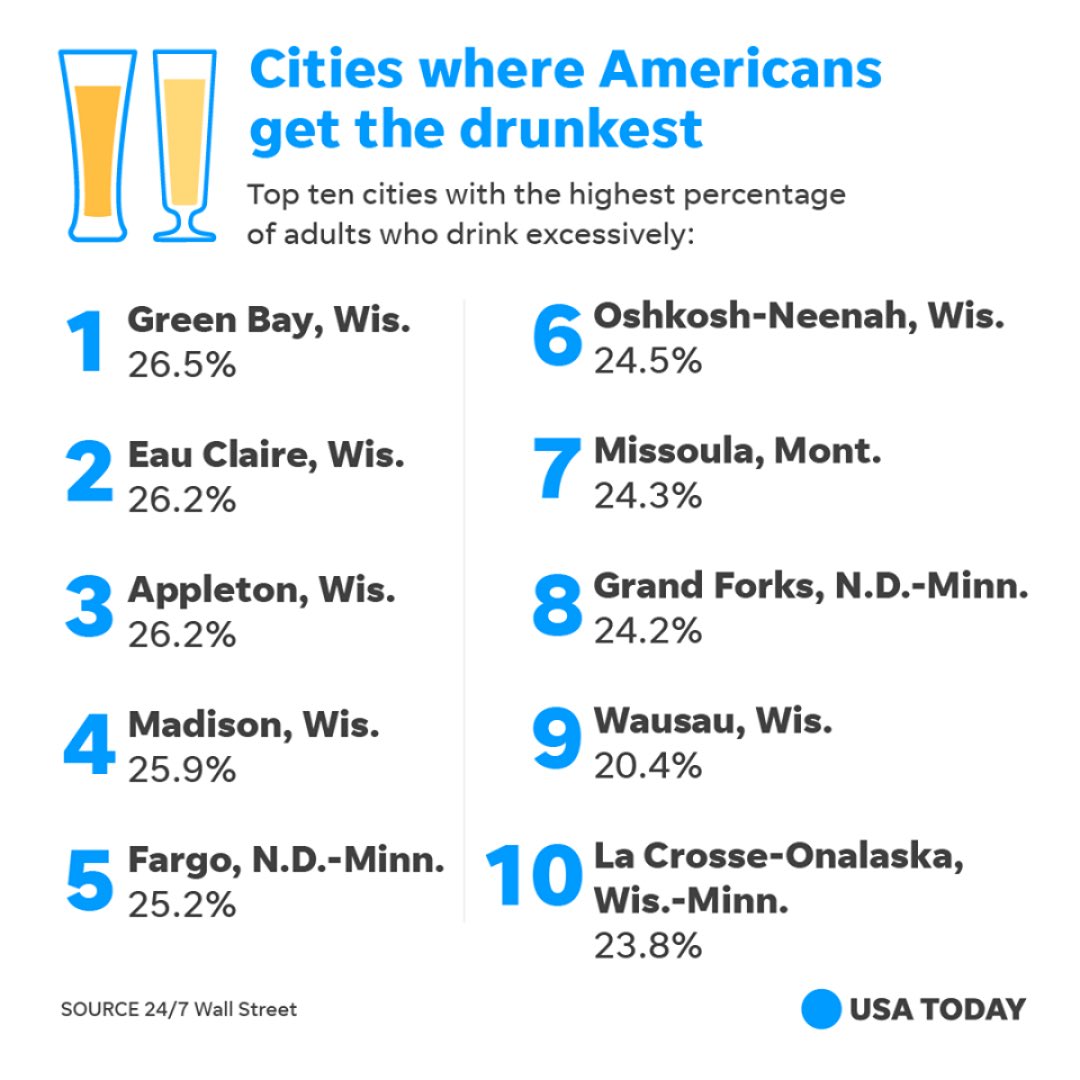
Appleton edging out Madison is *chef’s kiss*

53