
Joined November 2024
- Tweets 1,001
- Following 55
- Followers 213
- Likes 1,021
101 Photos and videos

Pinned Tweet

Jun 1
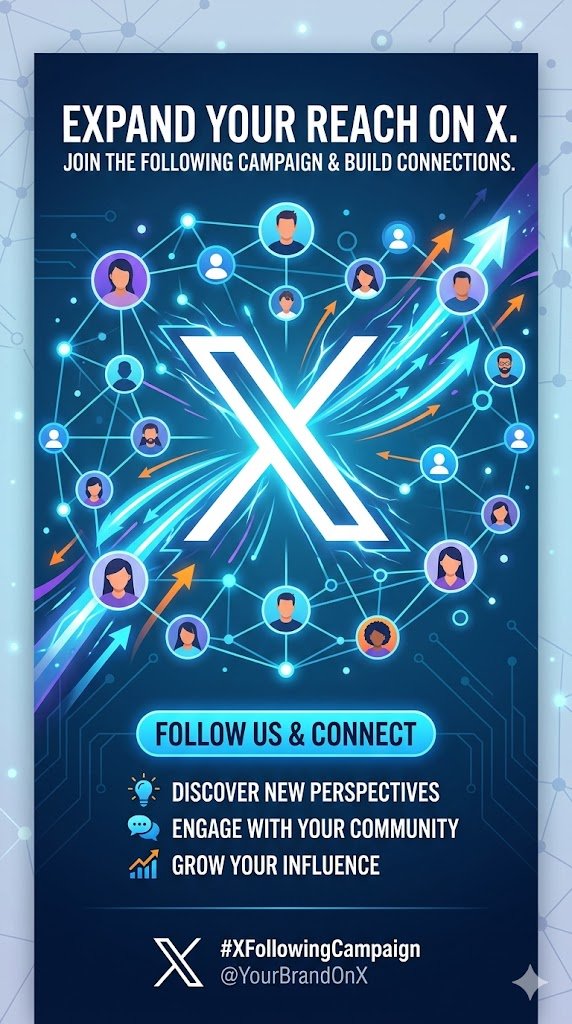
🔥Let's Expand your touch on X.
🫶Join the following campaign and build connections.
Drop #Xcampaign on the comment section and follow each other.
I'll personally follow all the supporters.🤝
#Xfollowingcampaign
5
1
4
88
Jun 13
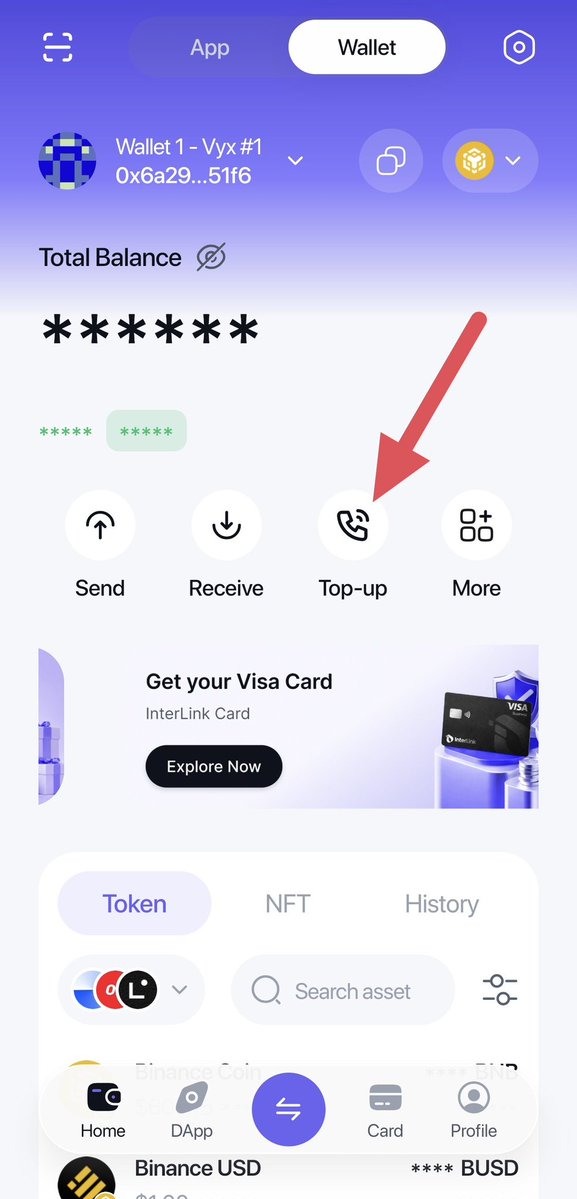
InterLink V5.0.4 has officially launched! 🎉
✅ Update your app ✅
For the first time, users can top up mobile phone credit directly through the ITLX Wallet. 📱⚡
#InterLink #ITLG #ITL
2
1
6
166
Mr. H retweeted

Jun 10
Protecting Your Future ITL Assets: A Guide to Long-Term Security
As @inter_link moves closer to broader network adoption and future ecosystem expansion, one topic that every community member should begin thinking about today is asset security. Many people focus on earning, mining, staking, or accumulating digital assets, but history has shown that protecting assets is often more important than acquiring them.
The cryptocurrency industry has seen countless examples where users spent years accumulating valuable assets only to lose them because of poor security practices. In many cases, the blockchain itself was never compromised. Instead, users lost access through phishing attacks, fake applications, compromised devices, cloud leaks, social engineering, or simply storing sensitive information in unsafe locations.
As the value of ITL grows and the ecosystem expands, protecting your assets should become a priority. What may seem like a small balance today could become significantly more valuable in the future. Security habits should be built before assets become valuable, not after.
@itlx_defi is designed as a non-custodial wallet. This means you control your assets rather than a company, exchange, foundation, or third party. The advantage is complete ownership. The responsibility is that you become the primary security layer protecting those assets.
For everyday transactions, many experienced cryptocurrency users maintain a separate wallet containing only the amount needed for daily activity. This wallet interacts with dApps, marketplaces, payment systems, and ecosystem services. By limiting the amount stored in an actively used wallet, users reduce potential exposure to security risks.
For larger holdings intended as long-term savings, many investors prefer stronger protection methods. One common approach is creating a dedicated storage wallet that is rarely used and never shared publicly. Some users even maintain multiple wallets for different purposes, separating operational funds from long-term holdings.
Another important consideration is where recovery phrases are stored. Saving recovery phrases in screenshots, cloud drives, email drafts, messaging applications, online notes, or internet-connected storage systems creates unnecessary risk. While convenient, these methods have been responsible for significant losses across the cryptocurrency industry. Recovery phrases should ideally be stored offline and accessible only to the owner.
As the value of ITL potentially increases over time, users may also consider advanced protection strategies such as hardware wallets or cold storage solutions. These methods reduce exposure to internet-based attacks and provide additional protection against phishing, malware, and compromised devices. Many long-term cryptocurrency holders use cold storage specifically because it removes private keys from online environments.
Community members should also remember that scammers become more active as ecosystems grow. Fake support teams, fake wallet updates, fake airdrops, fake staking programs, fake investment opportunities, and fake recovery services are common attack methods. @inter_link, @itlx_defi, validators, ambassadors, moderators, and Foundation representatives will never ask for your recovery phrase, private keys, or personal wallet credentials.
Another important principle is succession planning. Many users focus on protecting assets from hackers but never consider what happens if they lose access themselves. Long-term holders should think carefully about how trusted family members may access important information if necessary, while still maintaining strong security during their lifetime.
If you plan to hold a significant amount of ITL for the long term, you may consider using a hardware wallet such as Ledger or Trezor. These devices keep private keys offline and are widely regarded as one of the most secure methods of protecting digital assets. While @itlx_defi provides full ownership through a non-custodial model, combining it with cold storage or hardware wallet practices can further strengthen the security of your holdings. Always purchase hardware wallets from official sources and never share your recovery phrase with anyone.
The future value of ITL will ultimately be determined by the growth of the ecosystem, its users, businesses, developers, validators, and community participation. However, regardless of how successful the network becomes, the responsibility for protecting individual assets will always remain with the owner.
The strongest security model is not a product, a device, or a software feature. It is a mindset. Verify everything. Trust cautiously. Store recovery information securely. Separate operational wallets from long-term holdings. Avoid unnecessary exposure. Most importantly, understand that ownership and responsibility always go together.
As @inter_link continues building a decentralized future, every community member should prepare accordingly. The best time to learn security is before your assets become valuable. The best time to build good habits is today. In a decentralized world, your keys are your ownership, and protecting them is protecting your future.
#ITLX #ITLG #ITL
403
469
829
14,262
Jun 4
🥳Fortunately Interlink KYC Full Tutorial has been released recently. Enjoy it. 😎😎
احراز هویت اینترلیک قدم به قدم | Interlink Migration
#ITL #ITLG #ITLX
#ITL #ITLG #ITLX #interlink #اینترلینک #KYC
youtu.be/8jly_iNXJsI?si=Eadb… via @YouTube
1
2
6
163
Mr. H retweeted

May 31
Linkers! 💚🌍
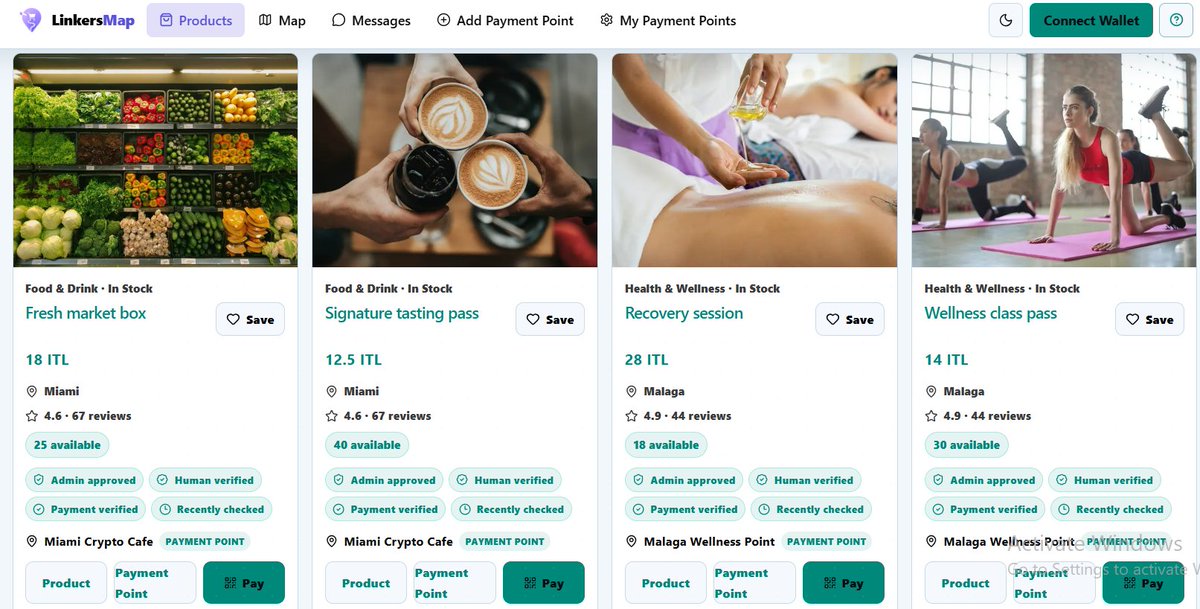
What would you like to shop for on LinkersMap when you receive your $ITL? 🛒🛍️⚡
Don’t forget to explore LinkersMap.com 📍
We will soon open registration for businesses, stores, and product listings. 🏪✅🛒
Follow @LinkersMap for more updates. 🚀🔔💚
@inter_link @kv_interlink @itl_fdn @itlx_defi @reina_itl @Dr_Picoin
308
292
439
16,821
Mr. H retweeted

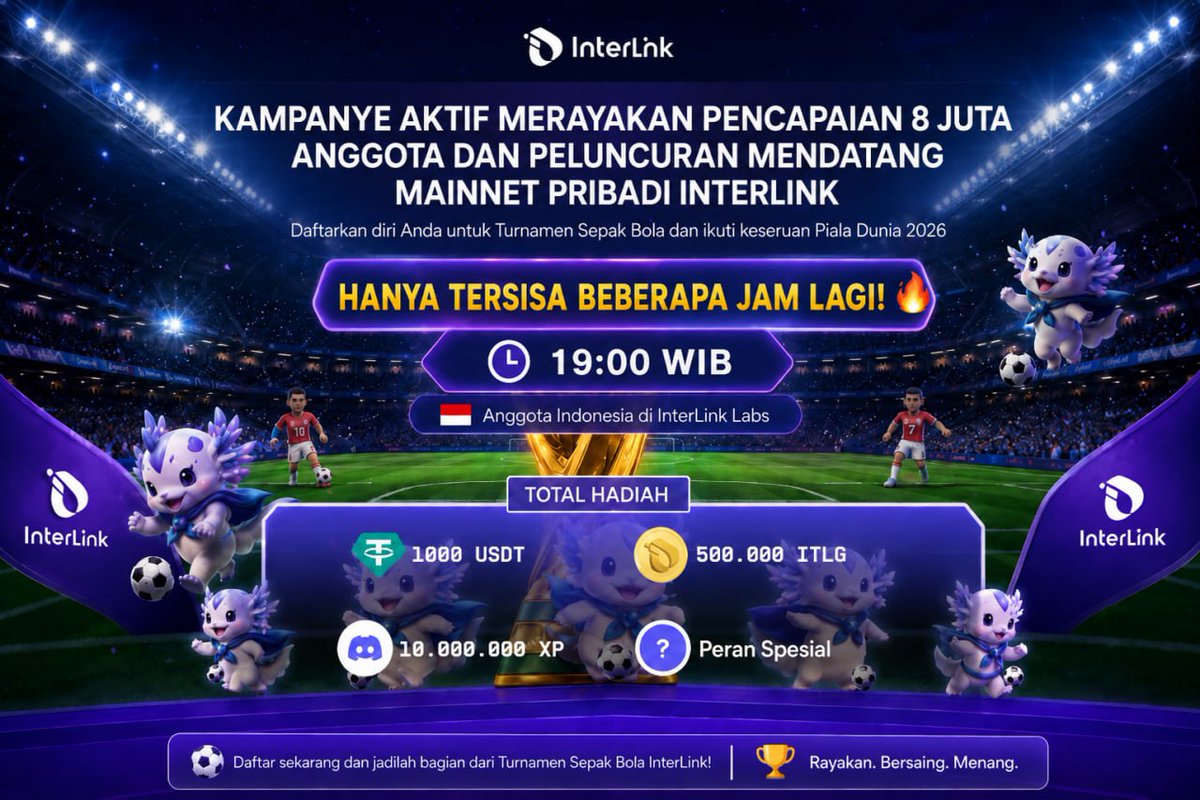
🔥 HANYA TERSISA Beberapa Jam lagi SEBELUM INTERLINK ARENA INDONESIA RESMI DIMULAI 🔥
Hitung mundur telah dimulai! Hanya tersisa beberapa Jam lagi sebelum pendaftaran ditutup untuk salah satu event sepak bola terbesar komunitas InterLink Indonesia ⚽️
⚽️ INTERLINK ARENA INDONESIA ⚽️
Bertanding langsung di Discord dan bergabung bersama anggota InterLink dari seluruh Indonesia.
🏆 Total hadiah hingga:
• 10.000.000 XP
• 500.000 ITLG
• 1000 USDT
📅 Pendaftaran ditutup: 02/06/2026
⏳ Hanya tersisa beberapa jam lagi — jangan sampai ketinggalan!
🔥 CARA BERPARTISIPASI:
1️⃣ Daftar melalui formulir:
docs.google.com/forms/d/e/1F…
2️⃣ Bergabung dengan server Discord InterLink:
discord.gg/interlink
📩 Setelah masa pendaftaran berakhir, tim akan mengirimkan seluruh informasi partisipasi langsung ke email yang kamu gunakan saat mendaftar, termasuk:
• Informasi kontak
• Panduan cara mengikuti turnamen
• Jadwal dan waktu pertandingan
📢 Semua pembaruan dan pengumuman juga akan dibagikan melalui channel pengumuman Discord, jadi pastikan kamu tetap berada di server.
🎁 Semua peserta berkesempatan mendapatkan hadiah USDT, XP & ITLG.
Masuk ke lapangan, cetak gol, dan rasakan semangat sepak bola terbesar bersama InterLink ⚽️
#InterLink #ITLG #WorldCup2026 #InterLinkArena #PrivateMainnet #Indonesia
365
326
405
4,513
Mr. H retweeted

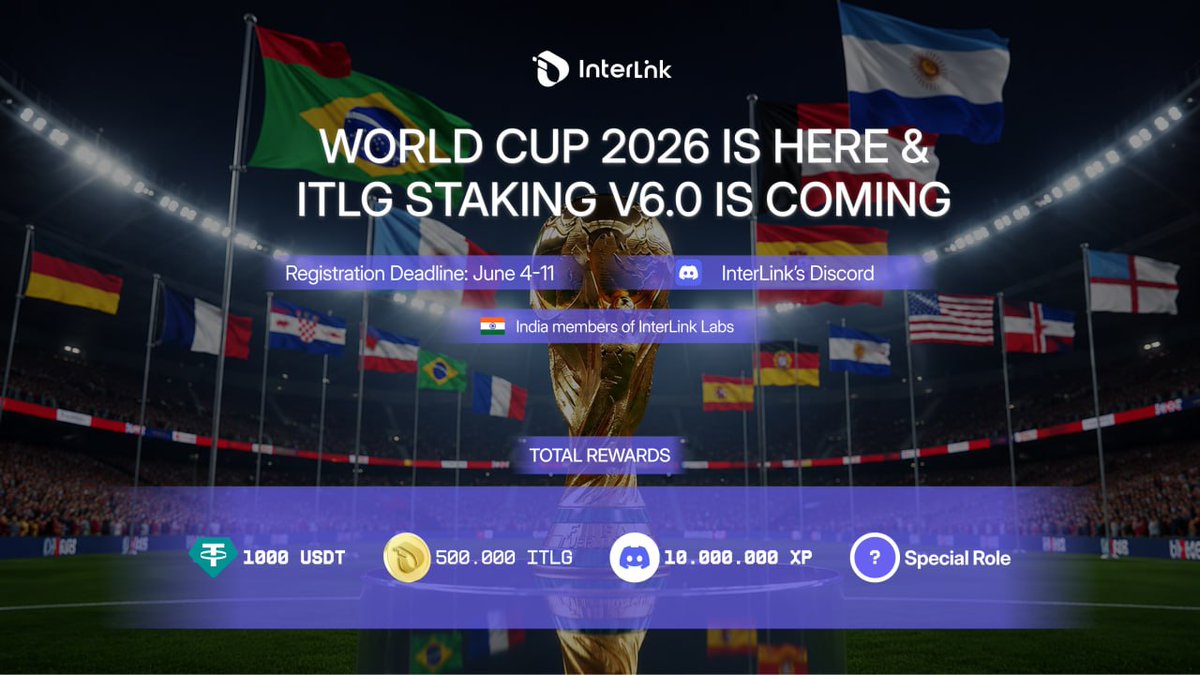
🔥 WORLD CUP 2026 IS HERE & ITLG STAKING V6.0 IS COMING! 🔥
As football fans around the world celebrate the excitement of World Cup 2026, the InterLink community is also preparing for another major milestone:
🚀 ITLG Staking is ready for the upcoming Version 6.0!
To celebrate these exciting moments together, InterLink proudly presents:
⚽️ INTERLINK ARENA INDIA ⚽️
A football tournament created exclusively for the InterLink community in India.
🏆 Total Prize Pool
• 10,000,000 XP
• 500,000 ITLG
• 1,000 USDT
🎮 Hosted live on the InterLink Labs Discord Server
🇮🇳 Open to all InterLink members in India
📅 Registration Period: June 4, 2026 – June 11, 2026
👉 Register Now: forms.gle/Uga7mxekJmHJxDtYA
🎧 Join the InterLink Discord Community:
discord.gg/interlink
After completing your registration and joining the Discord server, please stay tuned. Once the registration period ends, the InterLink team will send tournament details, schedules, participation instructions, and event updates through official InterLink announcement channels and to the email address you used during registration.
🥇 TOP 1
• 50 USDT
• 20,000 ITLG
• 200,000 Discord/Telegram XP
• Exclusive Champion Role
🥈 TOP 2
• 35 USDT
• 10,000 ITLG
• 100,000 Discord/Telegram XP
🥉 TOP 3
• 20 USDT
• 5,000 ITLG
• 50,000 Discord/Telegram XP
🎁 All participants will receive XP and ITLG rewards, with opportunities to earn additional USDT prizes throughout the event.
⚽️ Join the excitement of World Cup 2026, celebrate the upcoming ITLG Staking V6.0, and compete for glory in InterLink Arena India!
🏟 One World Cup. One Community. One InterLink.
#InterLink #ITLG #WorldCup2026 #ITLGStaking #Version6 #InterLinkArena #India #FootballTournament #InterLinkCommunity
368
332
416
4,136
Mr. H retweeted
May 31
🎉🚀🔥LinkersMap is growing fast.🚀🎉🔥
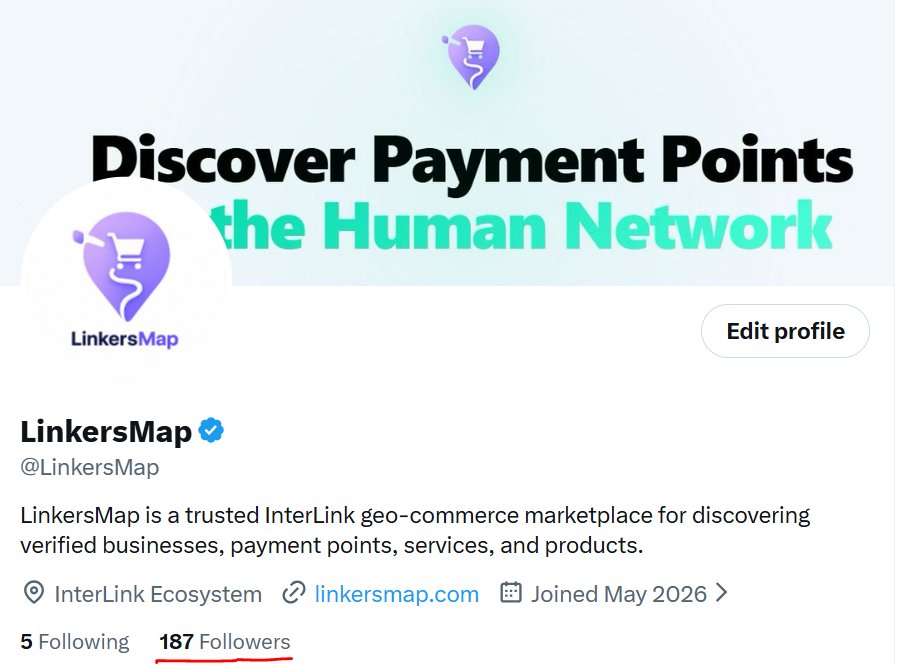
In less than 24 hours, @LinkersMap has gained 187 followers. Thank you to everyone who has followed and supported the project so far. 🚀
Trust has always been at the centre of Dr.Altcoin’s @Dr_Picoin mission in this space.
For years, Dr.Altcoin has focused on narrowing the knowledge and trust gap between complex emerging technologies and everyday users.
Now, InterLink @inter_link and @itl_fdn have provided Dr.Altcoin with the platform to take that mission to a much bigger scale.
LinkersMap @LinkersMap is built on that same foundation.
It is not just a map of payment points. It is being developed as a trusted bridge between verified humans, real businesses, and real-world InterLink commerce.
As InterLink moves closer to Private Mainnet, LinkersMap will soon open early registration for businesses and store owners who want to register their payment points.
The goal is simple:
To build a platform based on trust, credibility, verified identity, and real-world utility that people can actually use and benefit from.
That is why LinkersMap exists.
More updates are coming soon.
In the meantime, explore it at LinkersMap.com
Please follow @LinkersMap to stay notified. 🚀
@inter_link @kv_interlink @itl_fdn @itlx_defi @Dr_Picoin
288
258
427
10,336
Mr. H retweeted
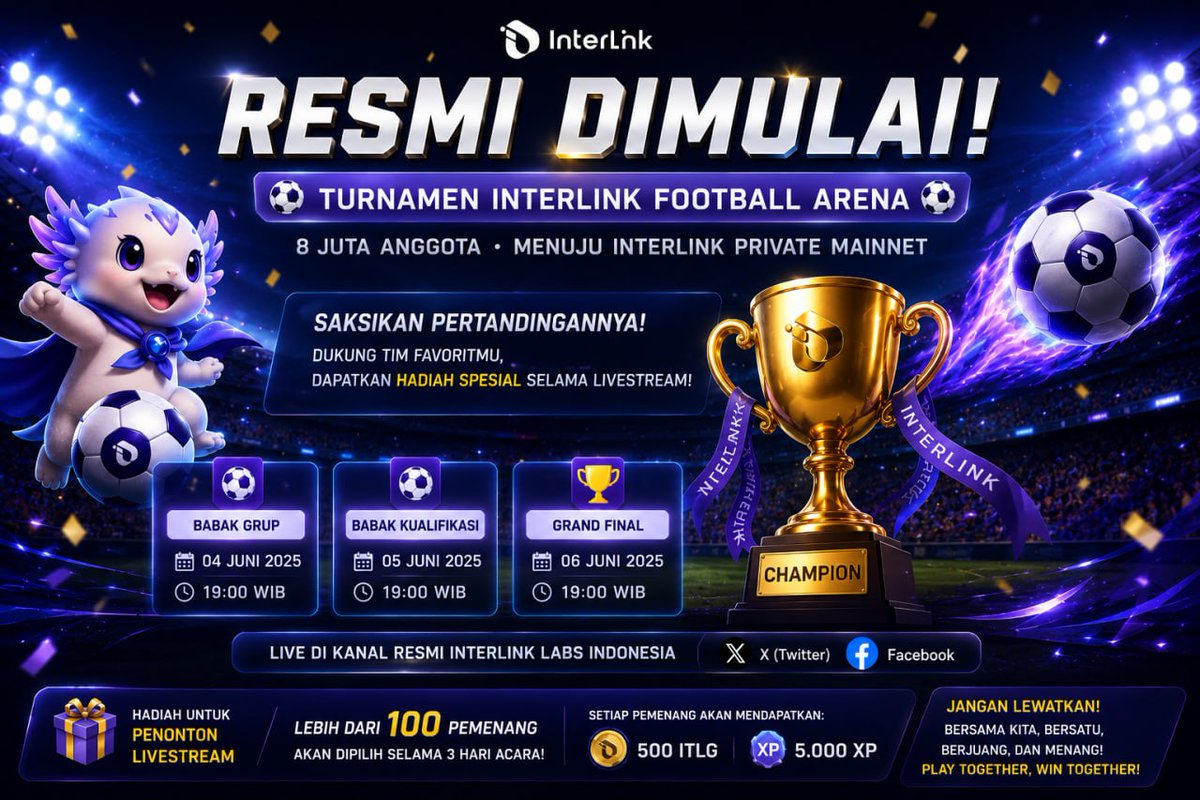
🚨⚽️ INTERLINK FOOTBALL ARENA IS HERE! ⚽️🚨
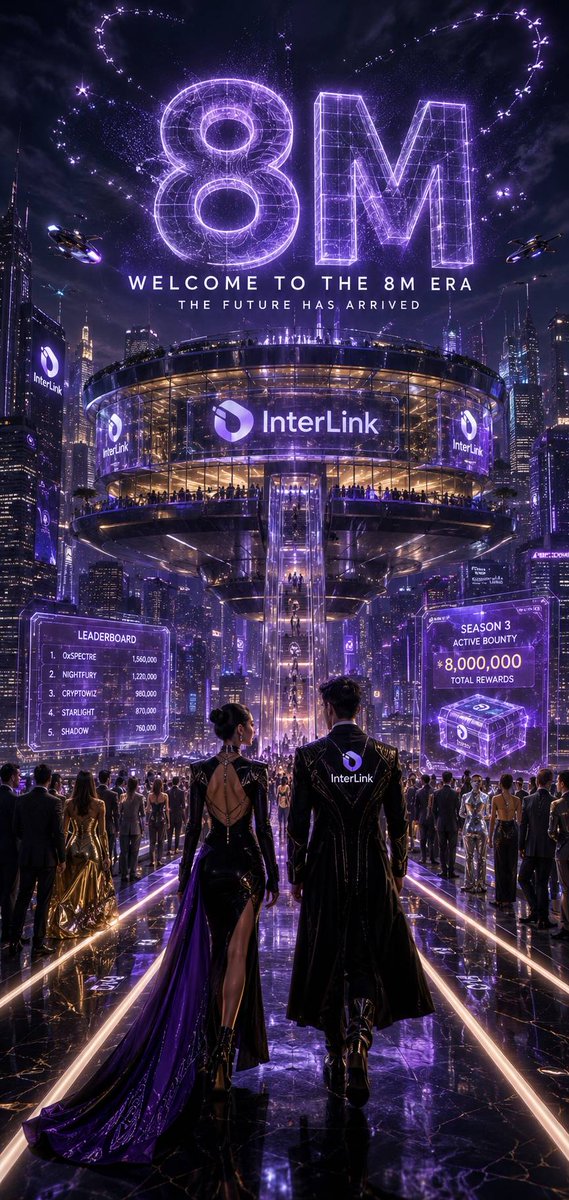
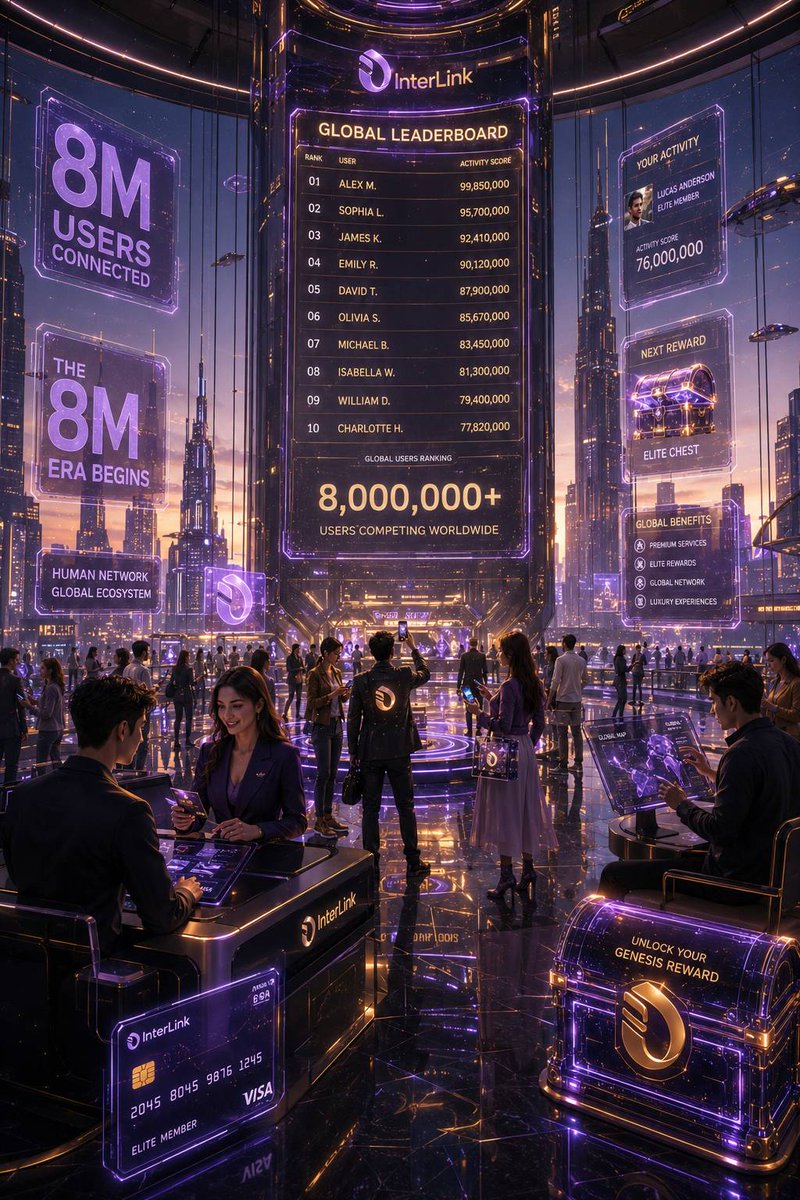
Komunitas InterLink telah mencapai 8 JUTA anggota!
Untuk merayakan pencapaian luar biasa ini dan menyambut era InterLink Private Mainnet, kami dengan bangga menghadirkan turnamen yang paling ditunggu-tunggu:
🏆 INTERLINK FOOTBALL ARENA 🏆
Saksikan pertandingan seru, dukung tim favoritmu, dan raih hadiah eksklusif selama livestream!
🎁 HADIAH UNTUK PENONTON LIVESTREAM
Lebih dari 100 pemenang akan dipilih selama 3 hari acara!
🎉 Setiap pemenang akan mendapatkan:
500 ITLG
5.000 XP
📺 LIVE di kanal resmi InterLink Labs Indonesia (X & Facebook)
📅 JADWAL PERTANDINGAN
⚽️ Babak Grup
🗓 04 Juni | ⏰ 19:00 WIB
⚽️ Babak Kualifikasi
🗓 05 Juni | ⏰ 19:00 WIB
🏆 GRAND FINAL
🗓 06 Juni | ⏰ 19:00 WIB
Ajak teman-temanmu, bergabung dalam livestream, berikan dukungan untuk para pemain, dan menangkan hadiah menarik dari InterLink!
🔥 Bersama kita rayakan kekuatan komunitas, semangat kompetisi, dan perjalanan menuju Private Mainnet!
#InterLink #InterLinkFootball #InterLinkLabs #PrivateMainnet #8Million #Indonesia #PlayTogetherWinTogether
362
344
413
3,763
Jun 2
🚀 Validating data on decentralized storage network & earning rewards! Join me for airdrop more from DeNet’s storage clients!
📲 Get the free app: links.denet.app/mobile?refer…
#DeNet #WatcherNode
2
14
Jun 1
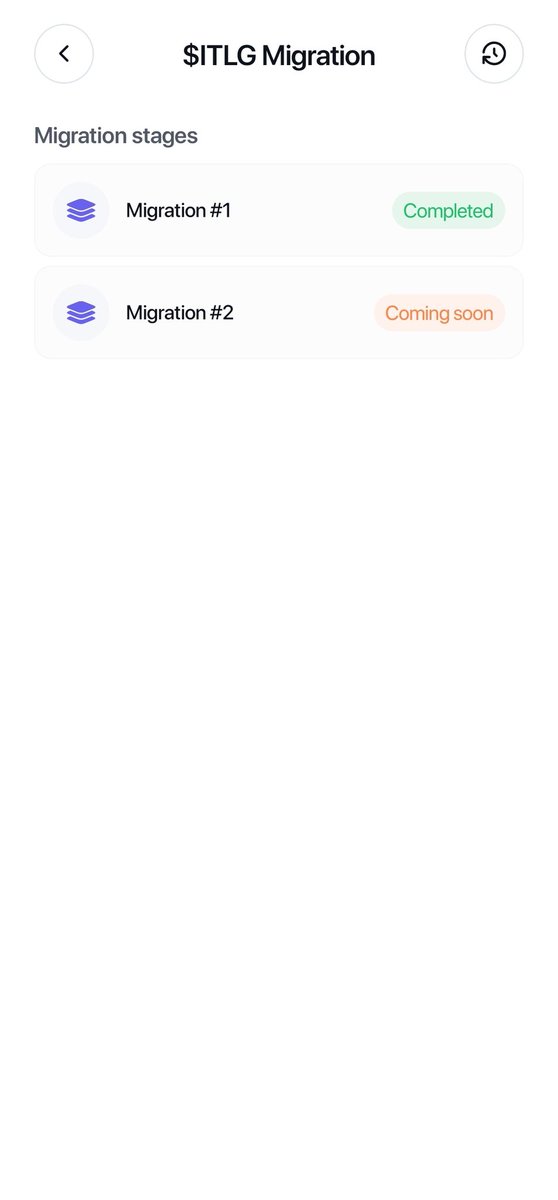
🎉 Interlink 3.0.5 is live now
📸 Migration 1 creates your first snapshot, recording:
⚡ Personal mining rate
👥 Group mining rate
🔥 Burn cycles
🎯 Referrals
💰 HCS balance
This becomes your baseline for future migrations.
#ITLG #ITL #KYC #Interlink #migration
May 30

2
9
366
Jun 1
📈 After Migration 1, each new round compares your latest stats to your previous snapshot.
The more you improve, the higher your priority for upcoming migrations. 🚀
Growth matters.
#ITLG #ITL #KYC #Interlink #migration
1
75
Jun 1
⛏️ Migration 1 isn't the finish line.
Keep mining, growing your network, and improving your stats.
Those who stay consistent after the snapshot will move through future phases faster. 🔥
#ITLG #ITL #KYC #Interlink #migration
29
Jun 1
🔥Let's Expand your touch on X.
🫶Join the following campaign and build connections.
Drop #Xcampaign on the comment section and follow each other.
I'll personally follow all the supporters.🤝
#Xfollowingcampaign
5
1
4
88
May 31
🎼 GREAT COMMUNITIES ARE BUILT IN HARMONY.
Progress happens when people work together toward a shared vision.
#Interlink #ITLG #ITL
2
4
46
May 31
A community becomes stronger when every contribution adds value.
🎼 Harmony creates growth.
#Interlink #ITLG #ITL
1
22
May 31
Knowledge creates value.
Trust creates strength.
Collaboration creates the future.
🎼
#Interlink #ITLG #ITL
15