
Joined January 2012
- Tweets 2,633
- Following 4,994
- Followers 662
- Likes 59,226
137 Photos and videos
Pinned Tweet

25 Mar 2022
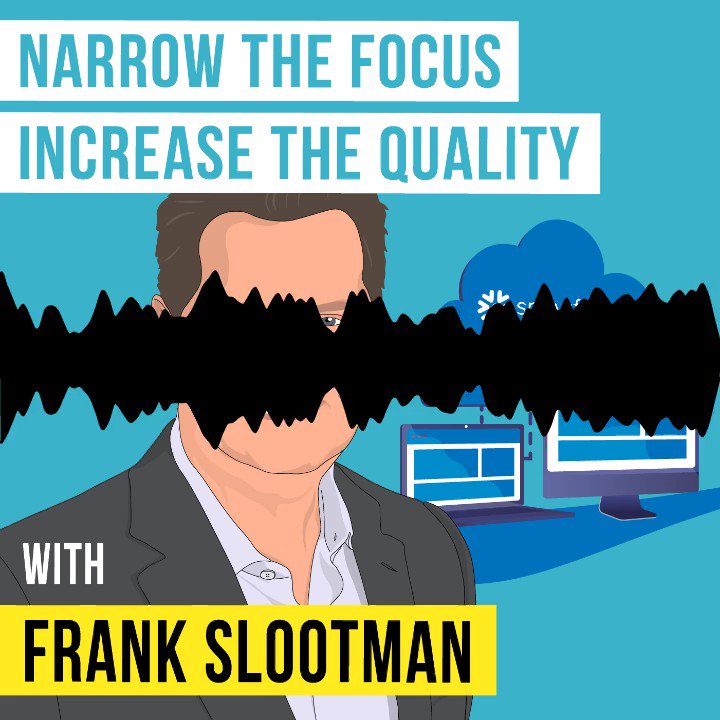
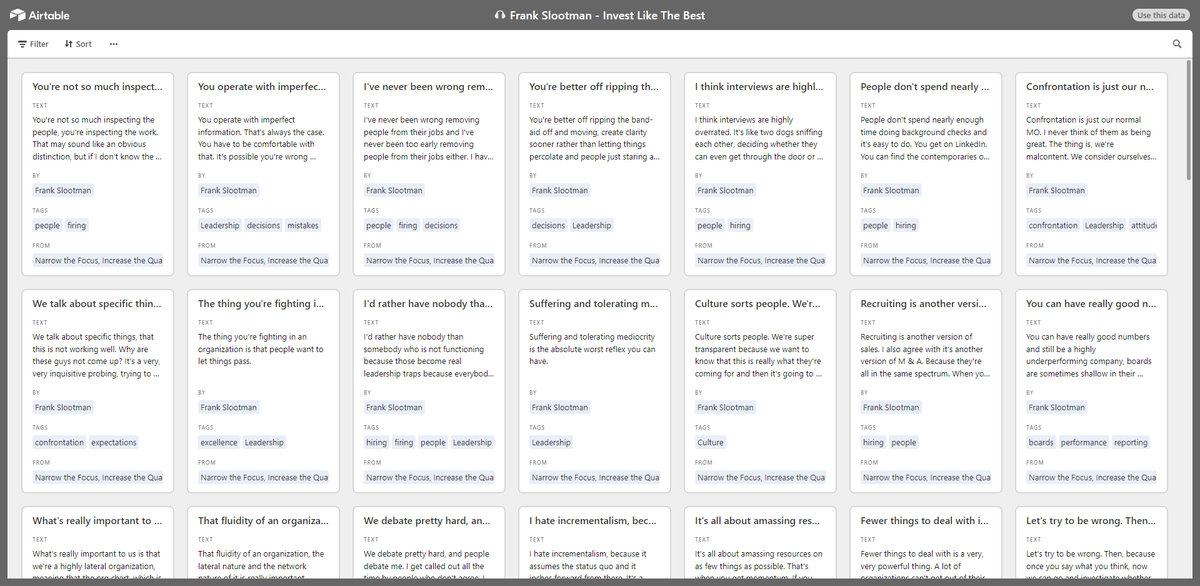
74 quotes from the Invest Like The Best podcast episode with @patrick_oshag and Frank Slootman on leadership, decision making, confrontation, priorities, growth, sales, people, culture, product, pricing, trust and more!
👇
joincolossus.com/episodes/75…
1
2
18 Oct 2024
Awesome course on content marketing & SEO, thanks a million @timsoulo
ahrefs.com/academy/blogging-…
21
Michael Malo retweeted

30 Aug 2024
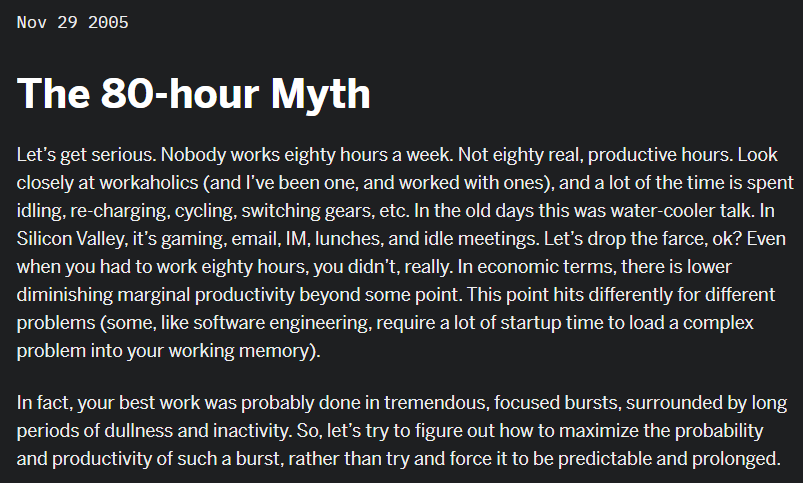
Talking about 70 hour work-weeks is mostly just virtue signaling.
@naval said it best:
36
106
1,020
164,207
Michael Malo retweeted

17 Aug 2024
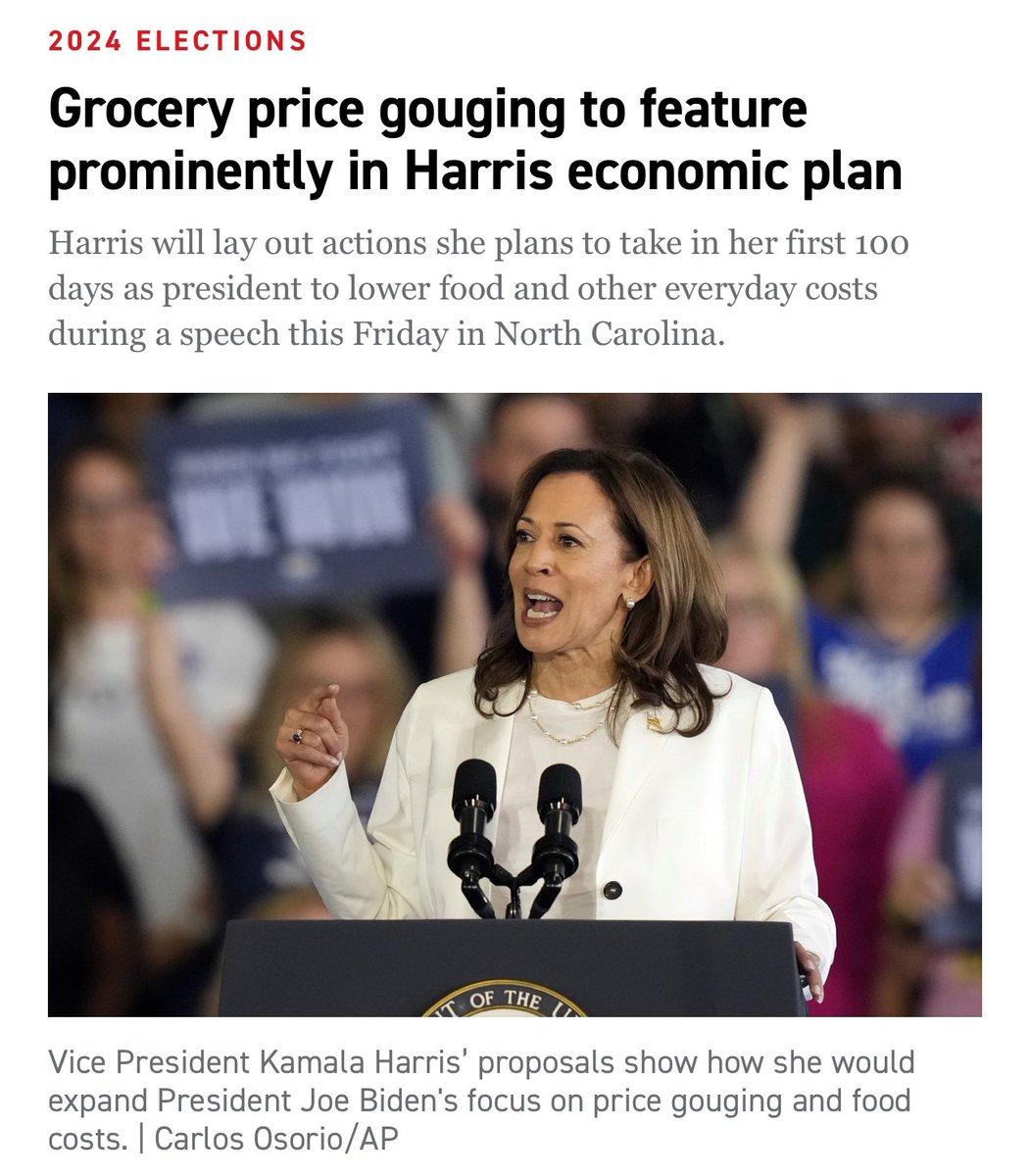
People need to stop overreacting about Kamala’s plan to reduce food inflation, as if it would lead to communism, mass starvation, and the end of America.
I worked in M&A in the food industry. Here’s a step-by-step summary of what would actually happen:
1. The government announces that grocery retailers aren’t allowed to raise prices.
2. Grocery stores, which operate on 1-2% net margins, can’t survive if their suppliers raise prices. So the government announces that food producers (Kraft Heinz, ConAgra, Tyson, Hormel, et. al.) also aren’t allowed to raise prices.
3. Not all grocery stores are created equal. Stores in lower-income areas make less money than those in higher-income areas, as the former disproportionately sell lower-margin prepackaged foods (“center of the store”) instead of higher-margin fresh products like meat (“perimeter of the store”). Because stores in lower-income areas aren’t able to cover overhead (remember, even if their wholesale costs are fixed, their labor, utilities, insurance, and other operating expenses aren’t fixed… yet), grocery chains start to shut them down. Food deserts in rural areas and in low-income urban areas alike become worse.
4. Meanwhile, margins for food producers are also quickly eroding. Their primary costs (ingredients, energy, and labor) aren’t fixed, and their shrinking gross profits leave less cash flow available to cover overhead, maintain facilities, and reinvest in additional production capacity.
5. Grocery chains, which have finite shelf space, start to repurpose their stores (those they didn’t have to shut down, I should say) to sell more non-price-controlled items—everything from nutrition supplements to kitchenware to apparel—and less price-controlled food products. Your local Kroger or Safeway starts to look and feel more like a Walmart.
6. Food producers stop making products with lower margins. Grocery chain start competing with each other to secure inventory. Since they can’t compete by offering stronger prices (remember, producers aren’t allowed to raise prices here, and, even if they could, grocery chains no longer have the gross profit to bear price increases), they compete on things like payment terms.
7. Small grocery chains start to shut down entirely, or get sold to larger chains like Kroger. In addition to not being able to cover fixed costs, a major reason for this is because they can no longer reliably secure delivery of products, due to producers prioritizing sales to larger customers, which are able to leverage their stronger balance sheets to offer superior payment terms.
8. Smaller food producers—which typically sell via distributors, rather than directly to grocery chains—start to go out of business. Because these producers have an additional step their value chains, and because they have lower volumes over which to spread their fixed costs, their cost structure is inherently disadvantaged compared to major food producers. When grocery stores aren’t able to raise prices, cutting product costs becomes all the more important, and deprioritizing purchases from smaller producers is an easy way to do so.
9. As supply chains break down, lines start to form outside grocery stores every morning. Cities assign police officers to patrol store parking lots, and food producers draft contingency plans to assign armed escorts to delivery trucks.
10. The federal government announces a program to issue block grants for states to purchase and operate shuttered grocery stores. The USDA also seizes closed-down production facilities.
11. The government announces that prices for all key food costs—corn, wheat, cattle, energy, etc.—are also now fixed, to stop “profiteers” from gouging the now-government-operated food industry.
12. Shockingly, the government struggles to operate one of the most complex industries on the planet. The entire food supply chain starts imploding.
13. Communism, mass starvation, and the end of America quickly ensue.
Hey wait a second
9,366
40,197
104,499
35,281,895

Michael Malo retweeted

23 Apr 2024
The life of an entrepreneur can be brutally difficult.
But nobody talks about it.
Time for a stiff drink and a few words on some of the most stressful periods in my life.
A thread.
124
204
2,281
1,145,600
17 Mar 2024
Leverage. "Code and media are permissionless leverage ... An army of robots is freely available - it's just packed in data centers for heat and space efficiency" - @naval
x.com/naval/status/100210336…

3
94
Michael Malo retweeted

15 Mar 2024
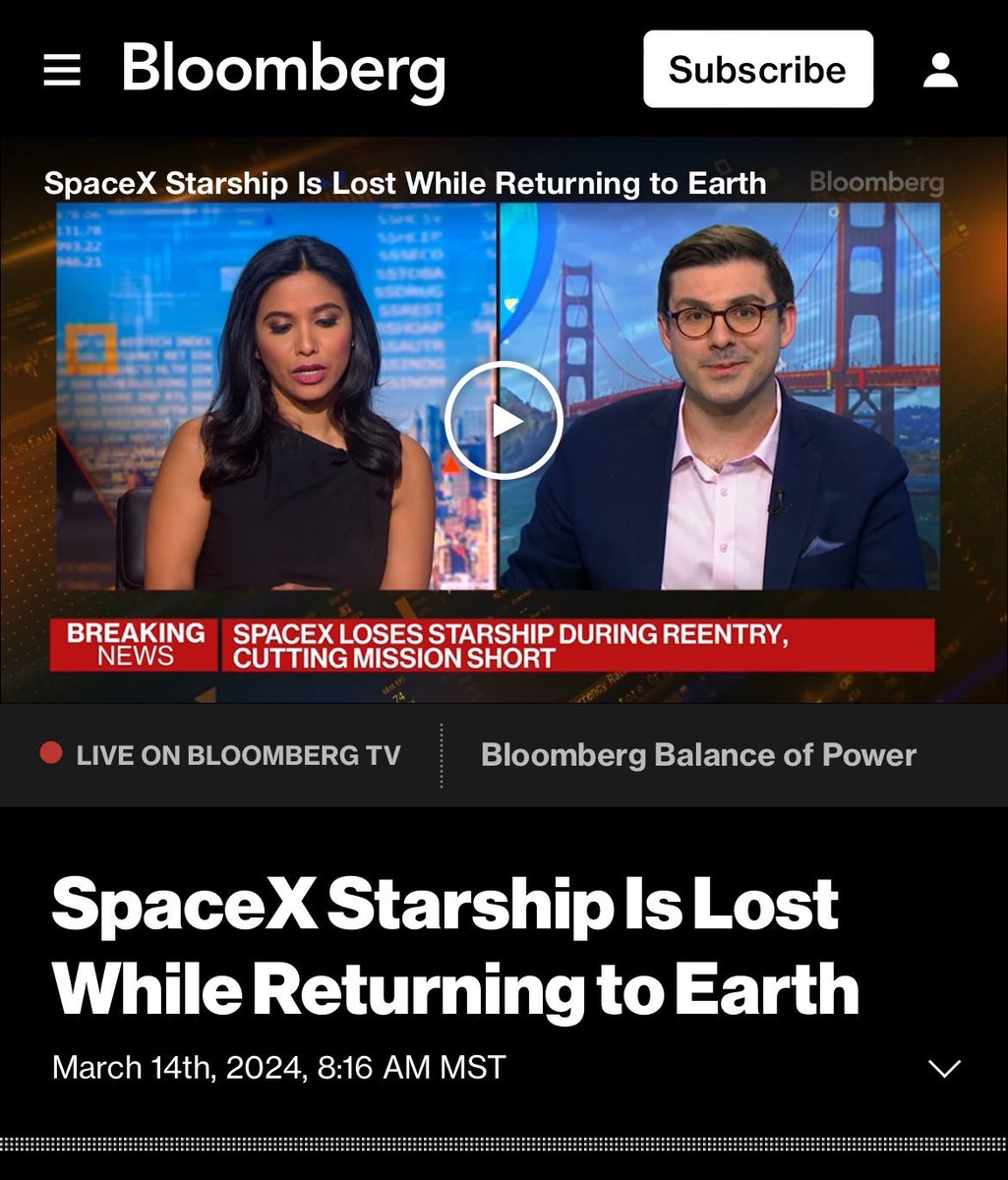
No matter how much you dislike the people who do this you don’t dislike them enough
67
125
3,408
170,714

Sometimes I think early 20s ppl nowadays don't realize that life is supposed to be a struggle
It's not supposed to be easy
You'll lose, you'll fail, you'll get dumped, you will lose everything, and multiple times
The whole point is that everything valuable is a struggle and that's why it has its worth
If life wouldn't be a struggle it wouldn't be worth anything!
131
265
2,893
301,593
29 Jan 2024
"Fear of life closes off more opportunities for us than fear of death ever does." —Agnes Moorehead
20
Michael Malo retweeted

28 Jan 2024
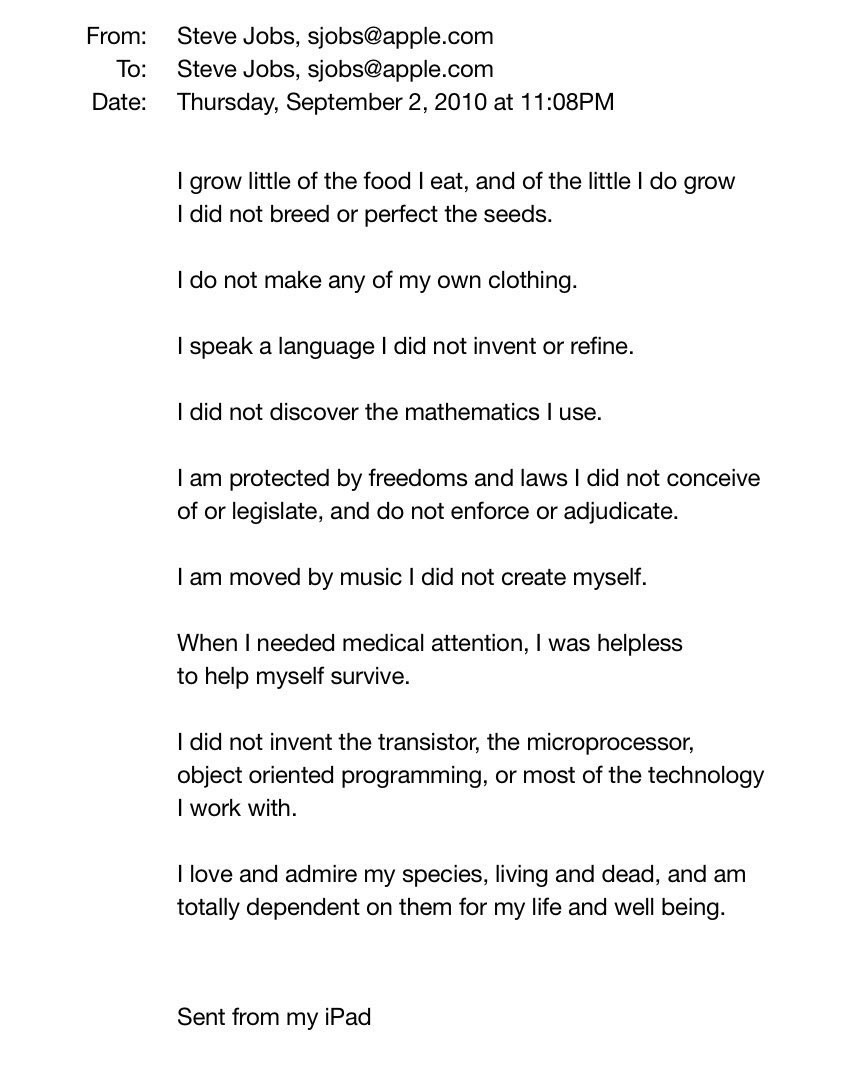
Steve Jobs sent himself this email in 2010.
170
2,278
20,471
2,888,017
Michael Malo retweeted
24 Jan 2024
A mindset shift that really changed my life:
A thread:
22
57
659
354,848
Michael Malo retweeted
19 Jan 2024
Anxiety will creep up on an entrepreneur.
The self doubt, risk, uncomfort can become overwhelming.
Never 100% sure of anything.
The best entrepreneurs accept it and fight it constantly.
You are not alone.
54
58
806
81,646
Michael Malo retweeted

15 Jan 2024
Once you eliminate the 9–5 and the rubber hits the road, it’s not all roses and white-sand bliss, though much of it can be.
Without the distraction of deadlines and co-workers, the big questions (such as “What does it all mean?”) become harder to fend off for a later time.
Like all innovators ahead of the curve, you will have frightening moments of doubt. Once past the kid-in-a-candy-store phase, the comparative impulse will creep in.
Common doubts and self-flagellation include the following:
1. Am I really doing this to be more free and lead a better life, or am I just lazy?
2. Did I quit the rat race because it’s bad, or just because I couldn’t hack it? Did I just cop out?
3. Is this as good as it gets? Perhaps I was better off when I was following orders and ignorant of the possibilities. It was easier at least.
4. Am I really successful or just kidding myself?
5. Have I lowered my standards to make myself a winner? Are my friends, who are now making twice as much as three years ago, really on the right track?
6. Why am I not happy? I can do anything and I’m still not happy. Do I even deserve it?
Most of this can be overcome as soon as we recognize it for what it is: outdated comparisons using the more-is-better and money-as-success mind-sets that got us into trouble to begin with.
These doubts invade the mind when nothing else fills it.
Think of a time when you felt 100% alive and undistracted—in the zone. Chances are that it was when you were completely focused in the moment on something external: someone or something else. Sports and sex are two great examples.
Lacking an external focus, the mind turns inward on itself and creates problems to solve, even if the problems are undefined or unimportant.
If you find a focus, an ambitious goal that seems impossible and forces you to grow, these doubts disappear.
56
181
1,720
280,390
Michael Malo retweeted

11 Jan 2024
If you're questioning whether it's too early to ship your product, just remember that Boeing shipped 737 Max airplanes without fully tightening down all of the bolts
107
870
9,913
1,141,153
22 Dec 2023
Entrepreneur Asks His Audience of 377,000 For The Best Book They Read in 2023: Here Are The Top 13
@dickiebush
medium.com/@mrsideproject/en…
22
30 Nov 2023
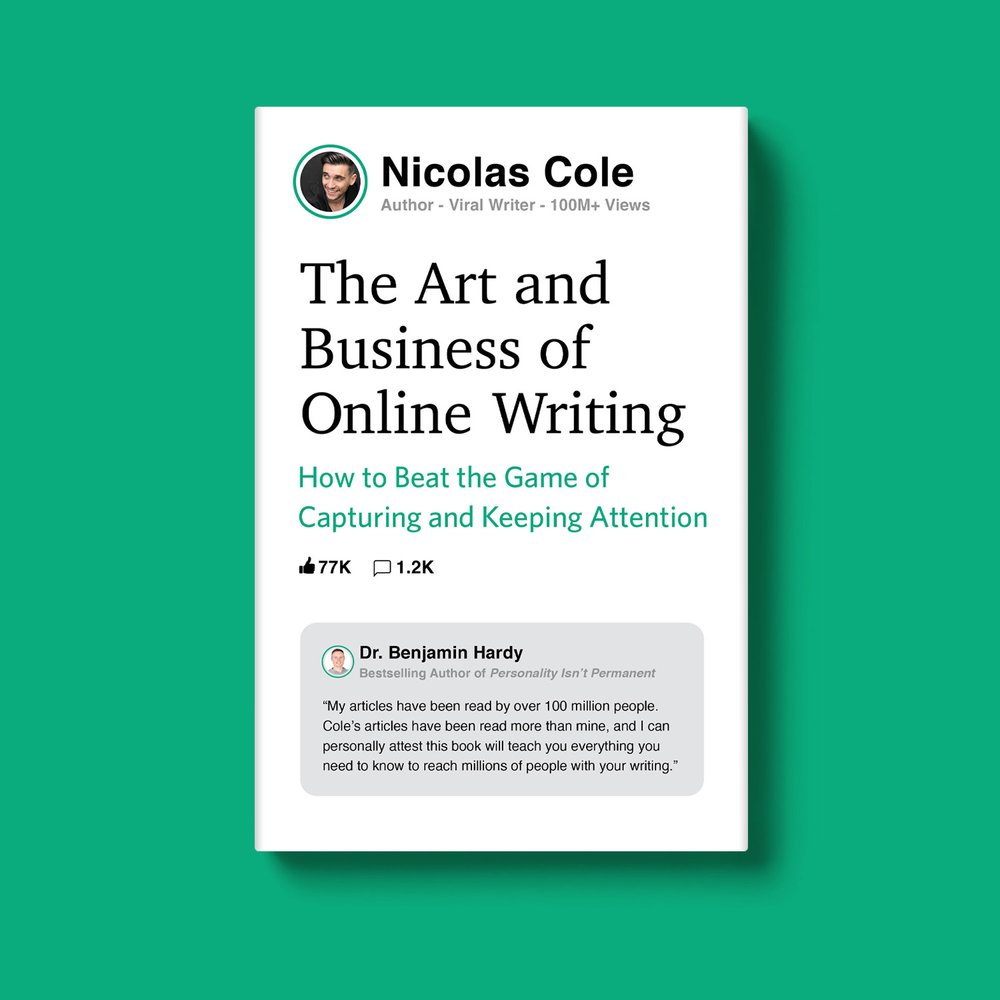
Strong recommend, really enjoying and finding useful. So obviously written by someone with oodles of experience writing online, and has thought deeply about things. 👍 Thanks @Nicolascole77
nicolascole.com/bookstore/th…
3
9
1,895
Michael Malo retweeted

8 Jul 2023
I was talking to a friend of mine who decided recently to get into the content game.
He asked why my content was getting more reach than his.
I said “I don’t know. We put out about 250 per week. How many pieces a week are you putting out?”
He replied “I’m posting a measly once a day. Ha! Thank you for resetting my minimum standard.”
He’s already an incredibly successful man (more than me) and it instantly *clicked* for him.
Volume. (But there’s more to it than that)
I’ve had this happen to me in business more times than I can count.
I think “oh I should just do 30% more or 50% more.”
But the people who are beating me aren’t doing 50 PERCENT more, they’re doing 50 TIMES more. Big. Difference.
We think we’re doing something wrong, but in reality we aren’t doing nearly enough of it.
To get 5x the results sometimes you have to put in 50x the effort.
102
208
2,559
436,459