
Senior advisor at Oxford Economics, previously BoE MPC (2016-22) and Citi (1990-2016). No longer using Twitter/X. msaundersecon.bsky.social. also on Linkedin
Joined August 2022
- Tweets 31
- Following 151
- Followers 158
- Likes 4
Photos and videos
michael saunders retweeted

15 Nov 2023
Interesting column from ex-Bank of England MPC member @msaundersecon in @theipaper today:
Rishi Sunak says he has met his pledge to halve inflation – but he had almost nothing to do with it
inews.co.uk/inews-lifestyle/…
2
6
4
991
michael saunders retweeted
15 Nov 2023
"If, as a nation, we believe that getting inflation below 5% is a triumph and represents mission accomplished, then we are living in a fool’s paradise. If households and businesses believe that inflation of 4 to 5% is the norm, then inflation expectations will adapt accordingly."
1
2
328
michael saunders retweeted

1 Sep 2023
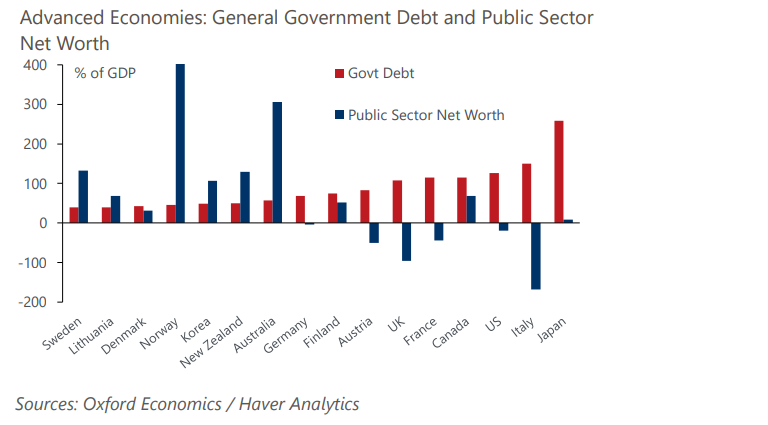
How to improve the fiscal rules? Michael Saunders explains how reforms to the UK's fiscal framework would help put the public finances on a more sustainable path and provide a better platform for a much-needed strategy to improve the economy's supply-side: bit.ly/45TdDG
2
2
1,503

11 Jul 2023
Will second round effects persist ?
The direct and indirect effects on UK inflation from last year's surge in energy prices are starting to fade. However, second-round effects from higher energy prices have broadened, with strong private-sector pay growth and rising inflation…
1
1
1
274
11 Jul 2023
Unless the economy weakens enough to cause unemployment to rise markedly, pay growth probably will stay well above a target-consistent pace (around 3% y/y) next year, keeping inflation above the 2% target.
The MPC remains likely to lift rates further…
2
1
1
186
11 Jul 2023
….and easing is some way off – probably later than the European Central Bank and the Fed – unless clear signs emerge that the economy is set to weaken severely.
1
1
163
15 May 2023
See below for my latest piece: Greedflation - myth and reality
15 May 2023

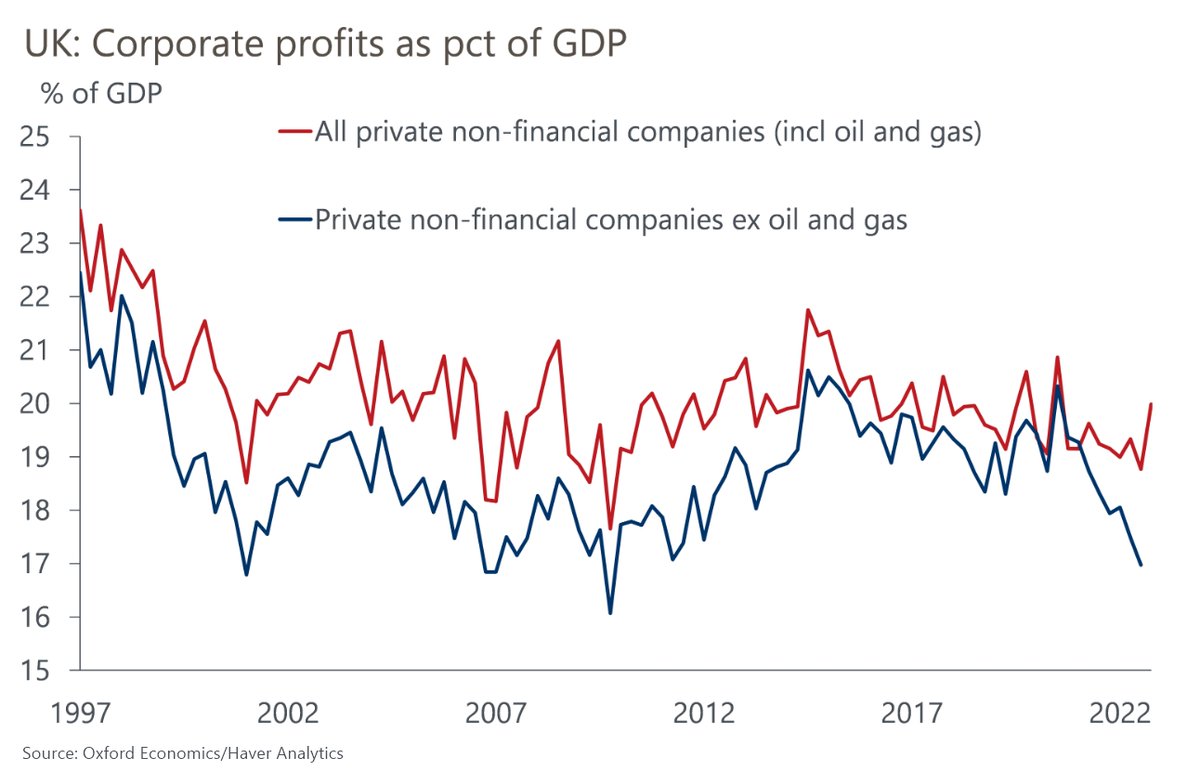
Greedflation doesn't reflect the reality for the UK. The overwhelming majority of the rise in inflation reflects cost pressures from energy and other commodities, which have squeezed incomes for both households and most companies except oil & gas producers bit.ly/3W6HZSv
1
1
1
257
25 Apr 2023
See below for my latest piece, on the U.K. monetary policy outlook…
25 Apr 2023
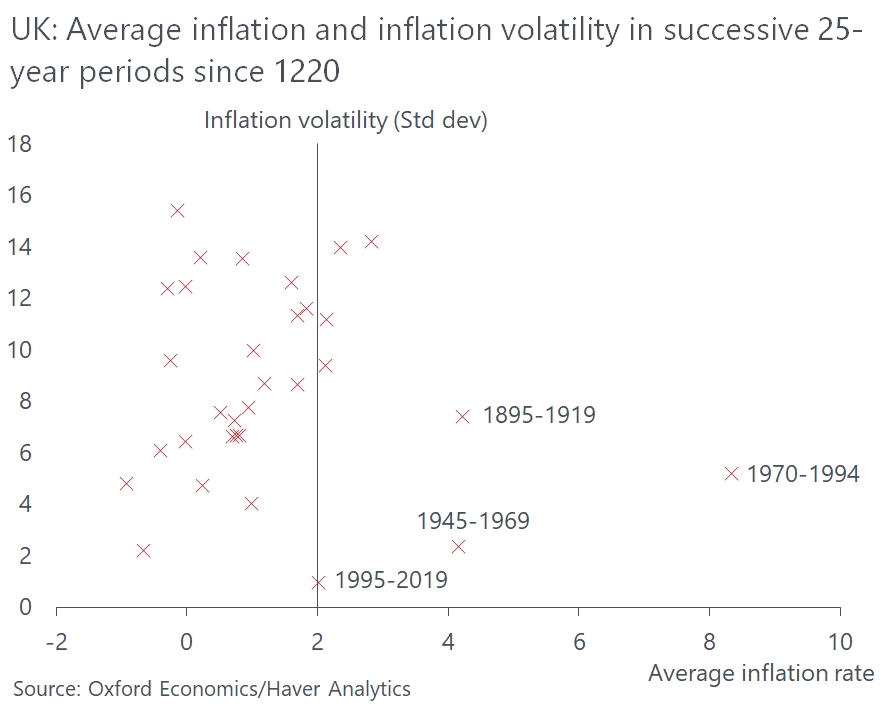
Monetary policy cycles in the next 10-20 years may be large compared to the norm for the last 30 years due to a more volatile inflation climate and the likelihood policy will be shaped by risk management considerations stemming from low neutral rates: bit.ly/3N8Nhdv
1
1
235
25 Apr 2023
…and tighten only gradually in early 2022; and the boost to inflation expectations from the energy price surge.
1
1
98
25 Apr 2023
We suspect that monetary policy cycles in the next 10-20 years also may be relatively large compared to the modest cycles that were the norm for the last 30 years.
1
1
94
michael saunders retweeted
25 Apr 2023
Monetary policy cycles in the next 10-20 years may be large compared to the norm for the last 30 years due to a more volatile inflation climate and the likelihood policy will be shaped by risk management considerations stemming from low neutral rates: bit.ly/3N8Nhdv
1
6
9
1,986
1 Mar 2023
See below for my latest piece, “A Plan for Growth” - measures to improve the UK supply side…
1 Mar 2023
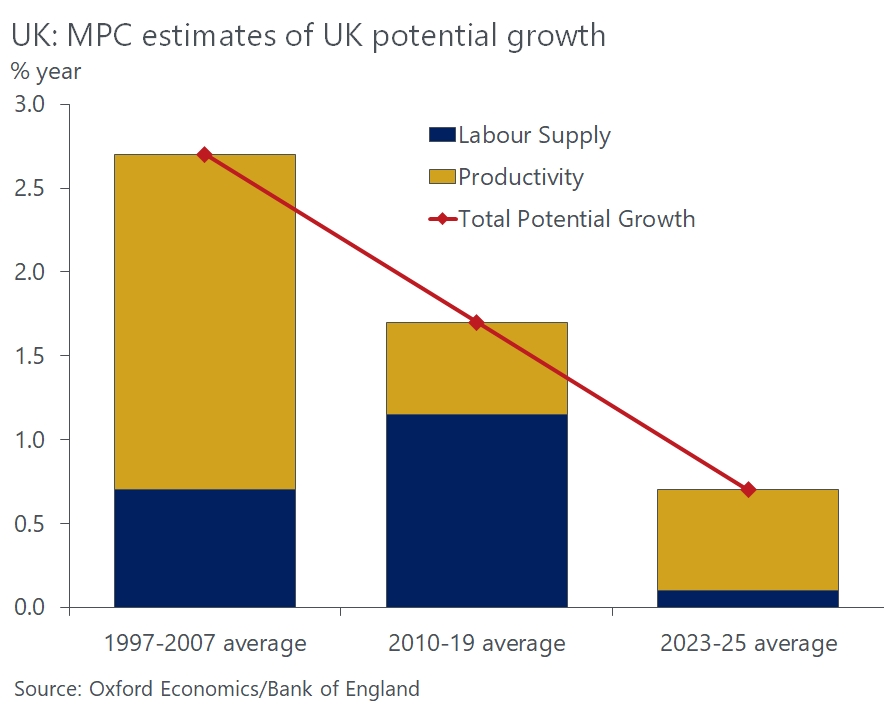
The UK badly needs a strategy to improve potential economic growth and for the government to make it a central priority. In this note, we lay out our suggestions for what
a growth plan should look like: bit.ly/3YchtGH
1
2
1
259
1 Mar 2023
…More public investment, greater focus on STEM in education, cheaper childcare to lift participation, reform planning to raise labour mobility, closer trade links with EU…
1
2
1
94
1 Mar 2023
…and some institutional changes to ensure supply-side reforms are based on expert advice and among the govt’s priorities.
2
1
83