
Physician-scientist, Professor of Cardiac Imaging @Sydney_Uni, Founder of @aecgs. 🇦🇺🇺🇸🇸🇪 I now post on 🦋Bsky about 🫀 imaging 🧲🔊 ⏺ ☢️ &⚡️ECG
Joined March 2011
- Tweets 1,223
- Following 1,903
- Followers 2,127
- Likes 2,781
212 Photos and videos

Pinned Tweet

10 Feb 2022
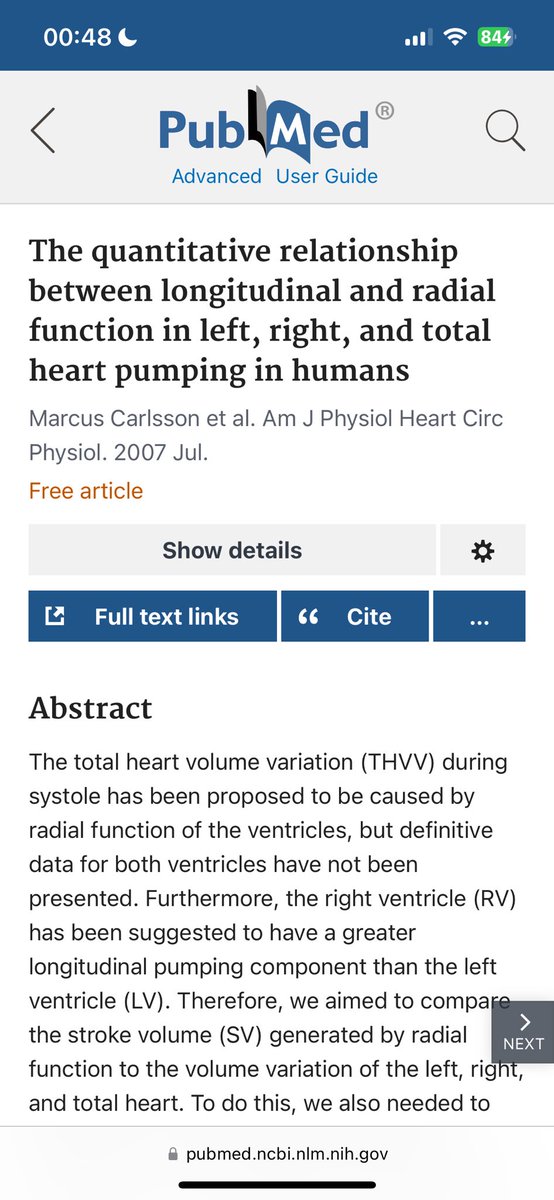
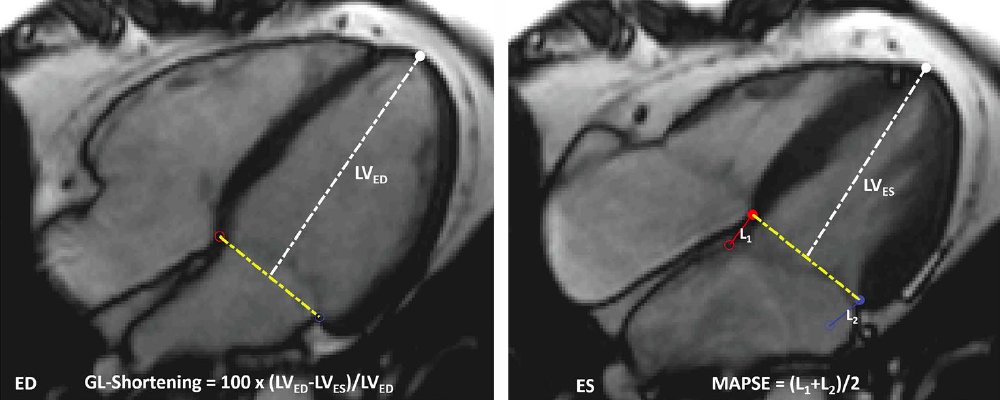
Do you routinely measure #MAPSE?
Did you know that MAPSE beats #GLS and #LVEF regarding prognosis?
A new multicenter collab study out, led by @KellmanPeter
Ref: pubmed.gov/35132872
#WhyCMR 🫀🧲 #EchoFirst 🫀🔊
A thread 🧵. 1/n
16
141
399
16 Feb 2025
Welcome over to see my post on "Choosing your journal" (and avoiding predatory journals).
bsky.app/profile/mugander.bs…
1
191
Martin Ugander retweeted

11 Feb 2025
This is worth a trip to blue sky for. Martin Ugander is brilliant and his calculations are highly relevant and very interesting!
They strengthen the case for our study conclusions and I’m glad to get to see the work from a different, clever angle.
nature.com/articles/s41591-0…
@PHRIresearch @lunduniversity @NatureMedicine
11 Feb 2025

Welcome over to see my post on "How to report methodological superiority of a diagnostic test."
bsky.app/profile/mugander.bs…
1
4
431
11 Feb 2025
Welcome over to see my post on "How to report methodological superiority of a diagnostic test."
bsky.app/profile/mugander.bs…
544
25 Dec 2024
Friends don’t let friends submit to Frontiers or MDPI journals.
23 Dec 2024

Finland's Publication Forum (or JUFO @tsv_media) announced that from January 2025 it was downgrading its classification of 271 open access journals to the lowest level, zero (this includes 187 journals from @MDPIOpenAccess and 82 from @FrontiersIn).
julkaisufoorumi.fi/en/news/c…
1
13
1,518
13 Nov 2024
I have joined the 🦋 where the sky is blue. Giving it a try. Join me.
1
5
427
11 Nov 2024
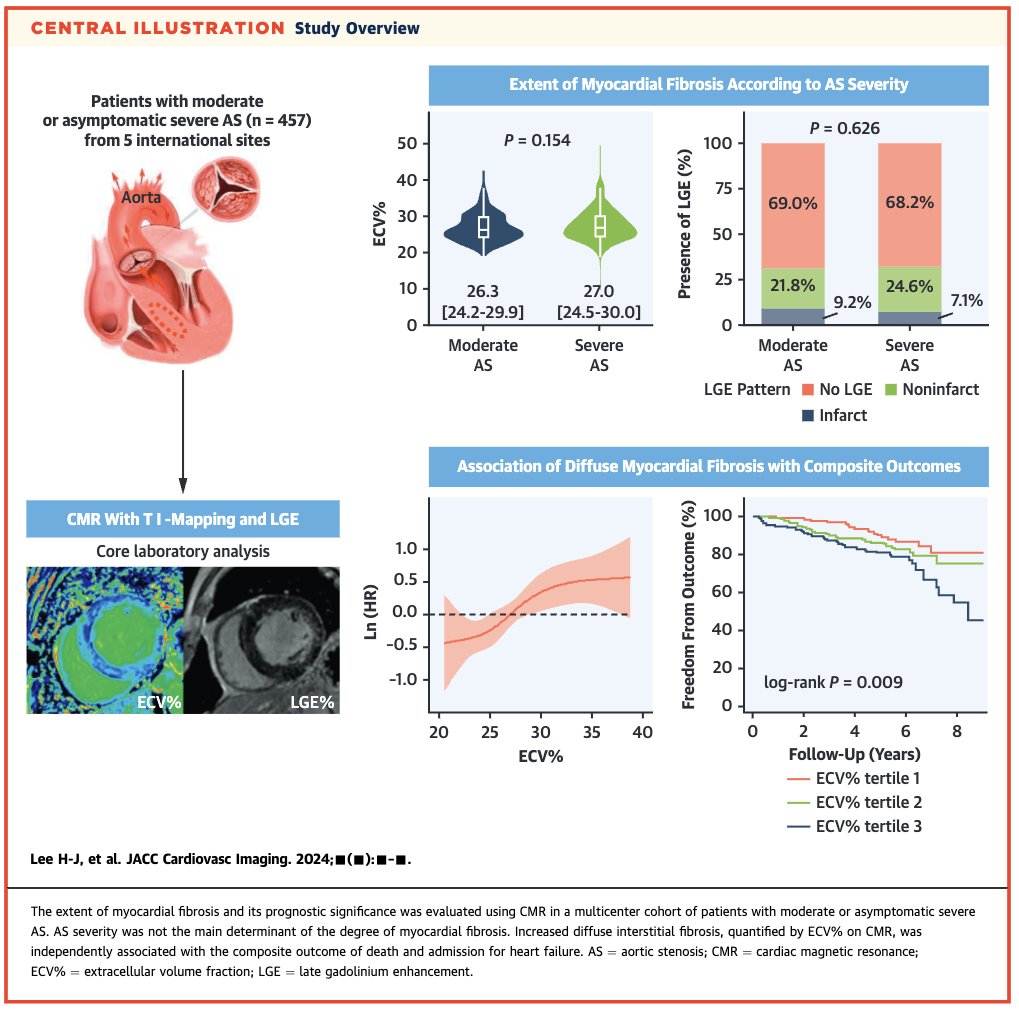
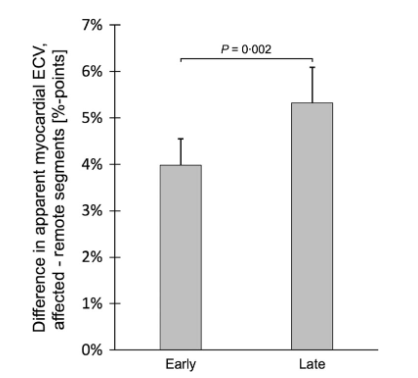
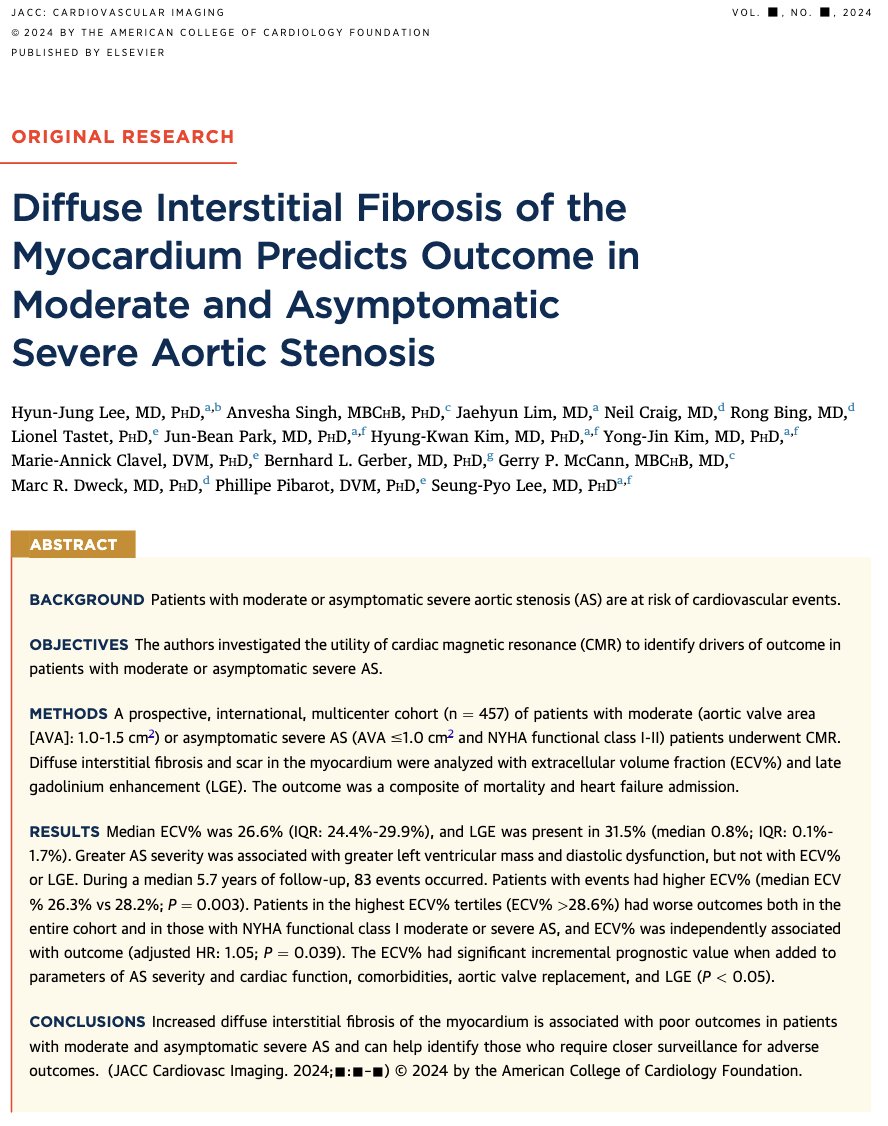
Great work on #ECV #WhyCMR in mod or severe asymp #AS
led by HJ Lee & SP Lee w @bernhard_gerber, Gerry McCann, Marc Dweck, @PPibarot
✅ ECV did not assoc with AS severity
✅ ECV independently assoc w outcomes
➡️ AS is about myocardium, not just the valve!
2
7
32
2,805
2 Nov 2024
The jungle of error bars.

Error Bars nature.com/articles/nmeth.26… via @MKrzywinski et al
2
412
30 Oct 2024
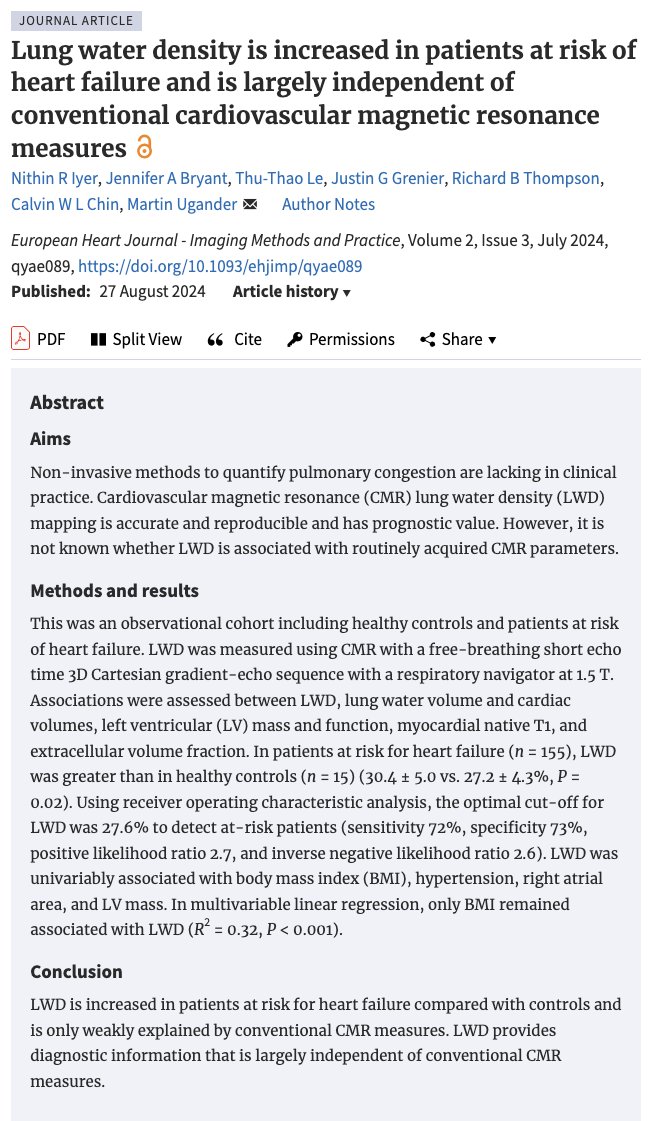
Our recent paper:
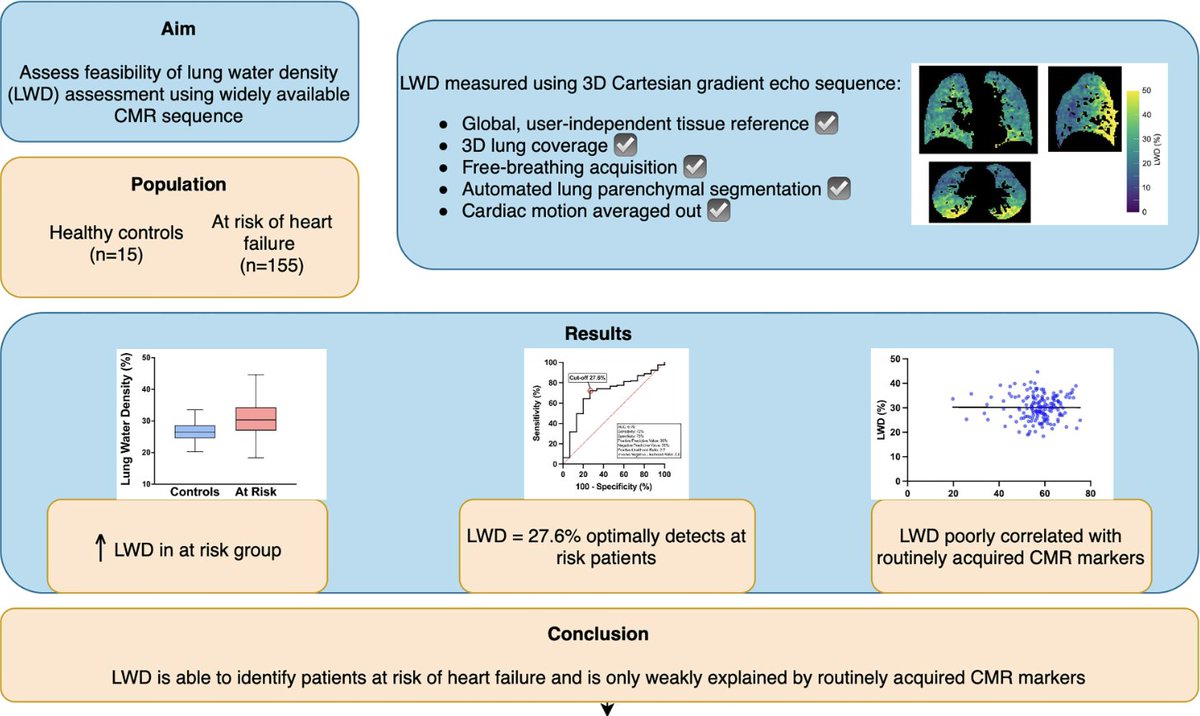
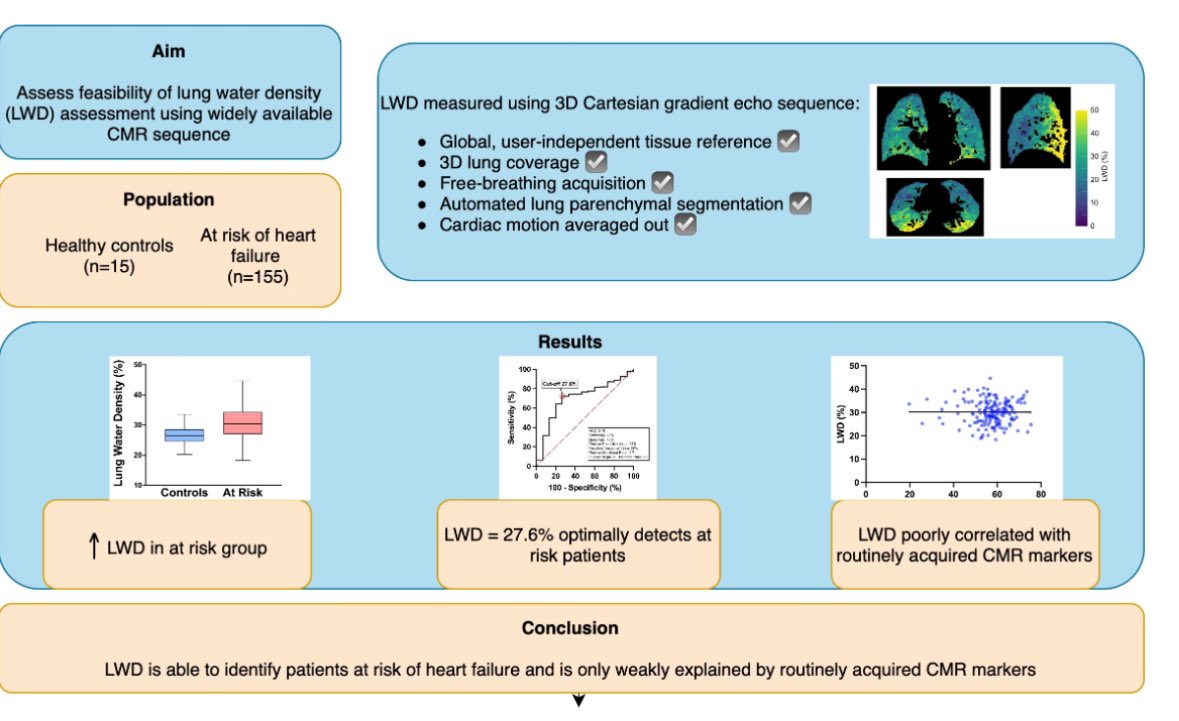
Iyer, et al. 🫁Lung water density is⬆️in pts at risk of 🫀 failure and is largely independent of conventional #WhyCMR measures. EHJ-IMP, 2024
Is now 🔥 discussed (15 mins) by @Nithiniyer on the EHJ-IMP podcast
academic.oup.com/ehjimp/page…
1
3
16
1,017
24 Oct 2024
Friends don’t let friends submit to journals published by MDPI or Frontiers.
1
1
3
1,093
21 Oct 2024
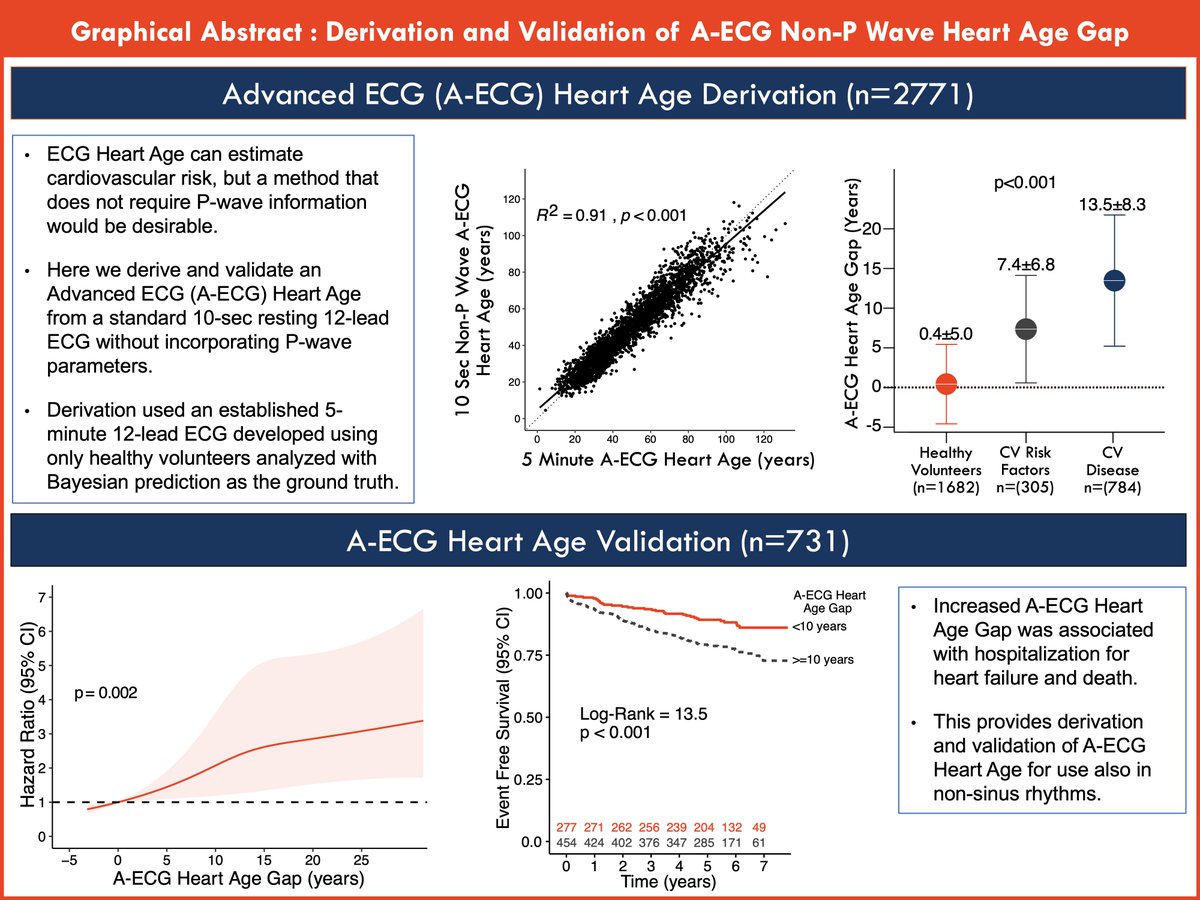
Determining heart age by ECG can be done even without the need for a P wave (read, applicable in #AF).
Our latest paper led by @zaidoni
16 Oct 2024

Advanced ECG Heart Age: A prognostic, explainable #machineLearning approach applicable to sinus and non-sinus rhythms bit.ly/3BVn6TX
#EHJDigital @BruiningNico @rafavidalperez @fwasselbergs @rbcasado
1
5
568
16 Sep 2024
Postdoc job with @rebeccakozor & me in Sydney 😎🇦🇺
✅Apply by Sept 22
✅Cardiac imaging clin research, no clin role
✅Req: MD, and PhD or mult 1st author papers
✅Paid
✅Intl applicants welcome
seek.com.au/job/78018570
#WhyCMR #EchoFirst #YeSCCT #ECG
1
6
14
2,711
13 Aug 2024
Postdoc job with @rebeccakozor & me in Sydney 😎🇦🇺
✅Cardiac imaging clin research, no clin role
✅Req: MD and PhD or mult 1st author papers
✅Paid, 1 yr f/t, option to extend
✅Apply by 22 Sept
tinyurl.com/USydCMR
#WhyCMR
#EchoFirst
#YeSCCT
#ECG
1
9
21
3,717
16 Sep 2024
See also x.com/mugander/status/183547…
16 Sep 2024
Postdoc job with @rebeccakozor & me in Sydney 😎🇦🇺
✅Apply by Sept 22
✅Cardiac imaging clin research, no clin role
✅Req: MD, and PhD or mult 1st author papers
✅Paid
✅Intl applicants welcome
seek.com.au/job/78018570
#WhyCMR #EchoFirst #YeSCCT #ECG
263
6 Sep 2024
💦🫁Lung water density is ⬆️ in patients at risk of heart 🫀failure and is largely independent of conventional #WhyCMR measures
Our latest 🇦🇺paper out in #EHJIMP
Led by @Nithiniyer in collab w Calvin Chin in Singapore 🇸🇬and Rich Thompson in Edmonton 🇨🇦
6 Sep 2024

Goodmorning #EHJIMP 📚🩺 do you know what is lung water density ? #WhyCMR LWD is increased in those patients at risk of HF & independent of other measurements ➡️ Check for more ➡️ academic.oup.com/ehjimp/adva… @ESC_Journals @escardio @alessia_gimelli @EACVIPresident @ShehabAnwer
1
6
24
1,815
Martin Ugander retweeted

23 Aug 2024
Great educational opportunity from sister society @SCMRorg
Myocardial perfusion #WhyCMR workshop
📅 Oct 4-5
📍Washington D. C.
@chiarabd @purviparwani @vass_vassiliou @mugander @AmitRPatelMD @mingyen_ng

REGISTER TODAY!! STRESS CMR: Hands-On Workshop
Join SCMR for a two-day scientific meeting on visual and quantitative assessment of myocardial perfusion will include a mix of state-of-the art & more advanced presentations on a variety of topics!
scmr.org/event-calendar/scmr…

1
15
31
6,556
16 Aug 2024
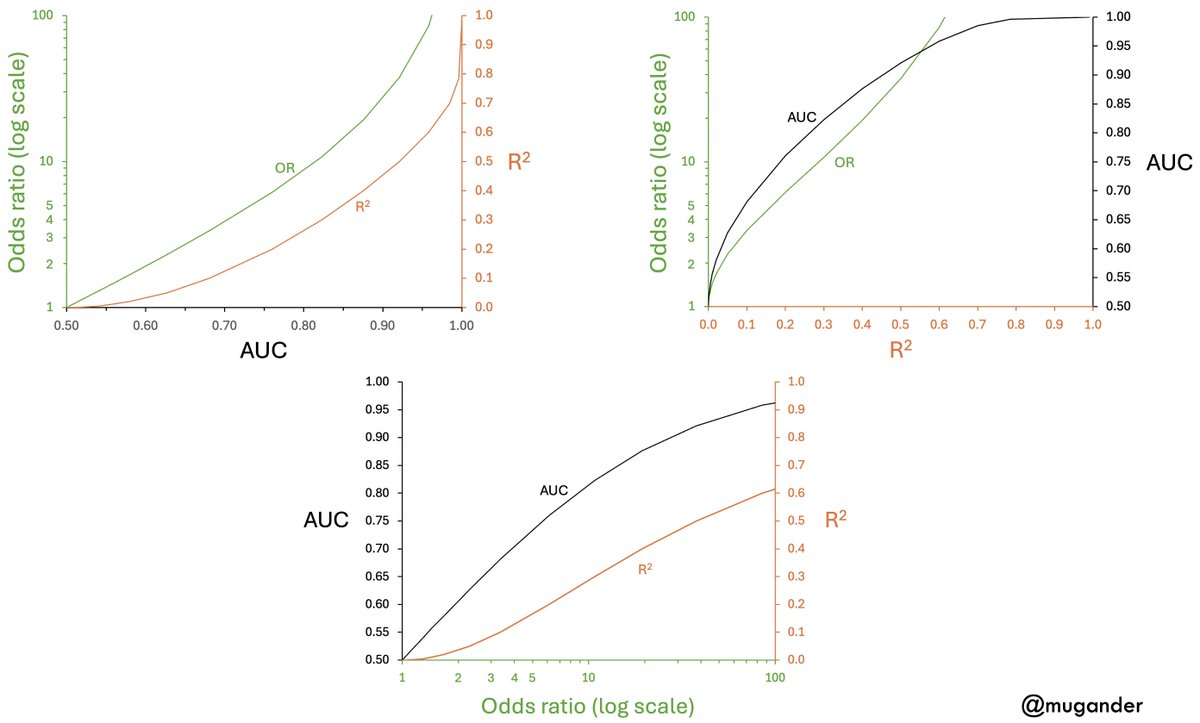
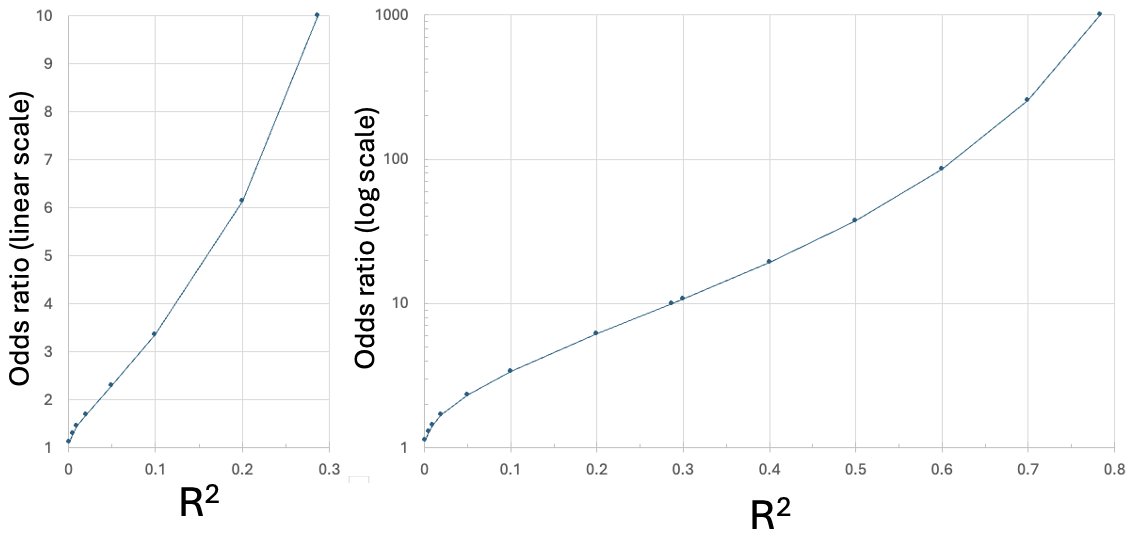
Diagnostic performance measures in clinical medicine (R2, AUC, OR) are all mathematically related, but far from linearly.
I made these figs to discuss w my PhD students.
@venkmurthy @atwater_brett @hauselin source data: escal.site
2
10
37
14,143
17 Aug 2024
See also below for caveat.
x.com/vickersbiostats/status…
17 Aug 2024

Actually it depends on whether the predictor is continuous or binary and, if the latter, the prevalence of the predictor. If a marker has an OR of 20, but is found in only 0.1% of population, AUC will be barely above 0.5.
2
657
