
it’s all about technology
Joined October 2017
- Tweets 41
- Following 79
- Followers 29
- Likes 6
20 Photos and videos














Mulytic retweeted

10 Jun 2024
As the M12 Project Meeting approaches, we prepare for two days of enriching discussions, workshops for SC2 and SC3, and a review meeting to reflect on our progress. Visit ecomobility-project.eu for more information on the project! ✅ 🗓 12th and 13th June📍Modena #EcoMobility

2
2
60
Mulytic retweeted

8 May 2024
The strongest country/empire of every century.
[🎞️ sepsi_history]
x.com/i/status/1788205635064…
770
3,090
19,533
4,183,248
Mulytic retweeted

17 Aug 2023
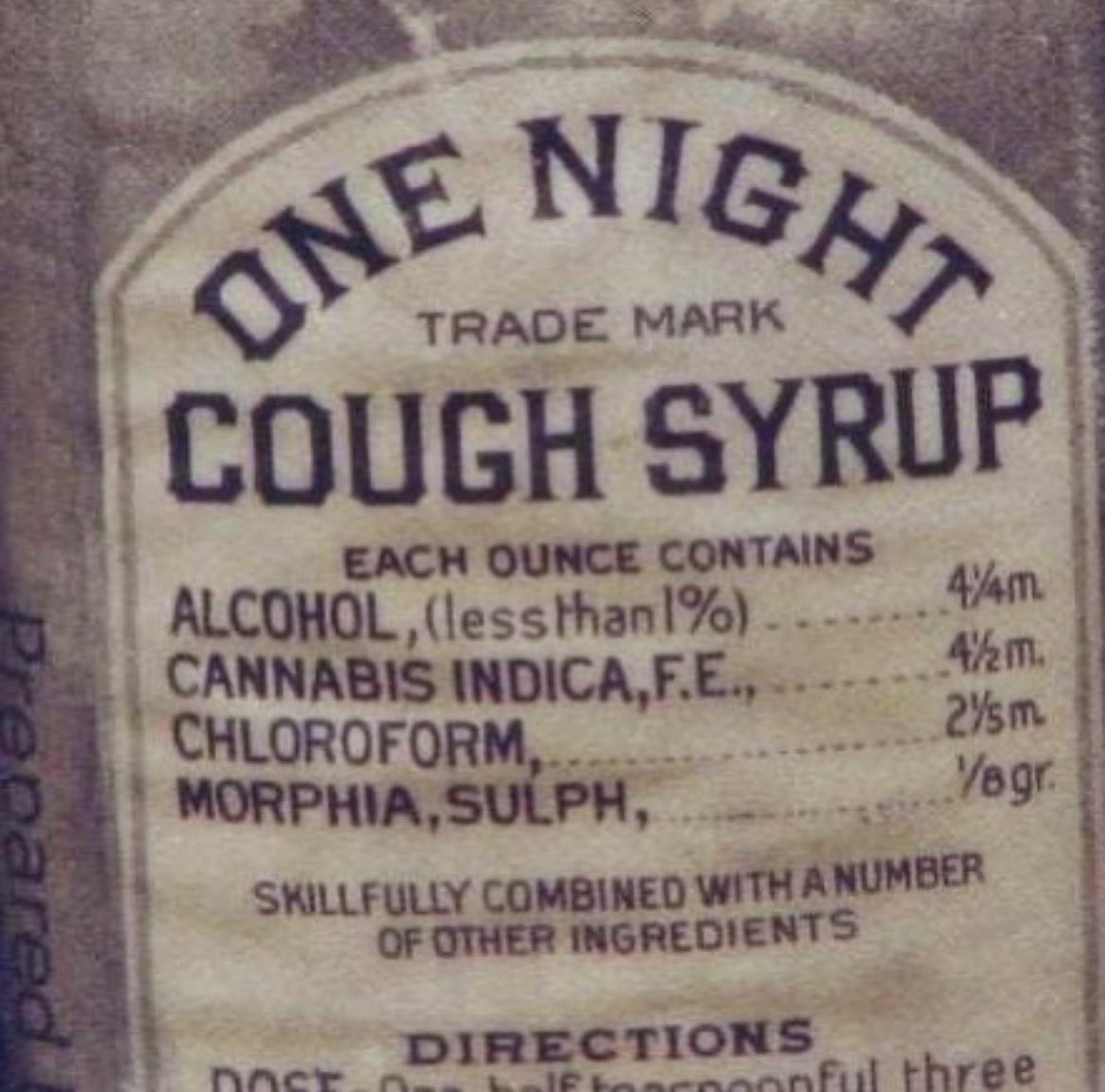
In 1888, cough syrup produced in Baltimore contained the following ingredients: alcohol, cannabis, chloroform, and morphine. In less than a decade, Bayer successfully synthesized aspirin and heroin. Heroin, derived from the German word "heroisch" meaning "heroic," was marketed by Bayer as a less addictive cough suppressant than morphine.
If you were to open the 11th edition of the Encyclopedia Britannica from 1910 and look up "morphine," you'd find the following passage: "In the cough of phthisis, minute doses of morphine are of service, but in this particular disease, morphine is frequently better replaced by codeine or by heroin, which checks irritable coughs without the narcotism following upon the administration of morphine."
In 1924, the US Congress banned the selling, manufacturing, and importing of heroin due to its high addiction rate. Bayer lost its trademark rights to heroin and aspirin in 1919, following Germany's defeat in World War 1.
995
5,652
36,464
13,876,111
Mulytic retweeted

29 Dec 2022
AI tools that didn't exist one year ago:
ChatGPT
Whisper
GPT-3
Codex
GitHub Copilot
InstructGPT
Text-to-product
AI slides
DALLE API
Midjourney
Stable Diffusion
Runway videos
Email AI
AI chrome extensions
Replit Ghostwriter
No-code AI app builders
Ben's bites 😉
what else?
612
7,774
34,323
3,856,286
RT @cz_binance: 14 years ago today Satoshi published the #Bitcoin whitepaper.
This PDF changed the world. Thanks Satoshi🙏 t.co/He…
1,269
🤣🤣🤣🤣

Eid al-Adha: Holiday of the sacrifice!
Mulytic Labs family wishing all for this day that may our sacrifice to bring peace, prosperity, and devotion to our souls!
#eidmubarak #EidAlAdha #sacrifice #soulcleansing
1
Mulytic retweeted

15 Jun 2022
Isn't it strange that, despite decades of work in generative models, denoising diffusion was developed so recently?
8
22
299
A special thanks from the entire @mulytic family to #BuildMagazine for the recognition. We are truly humbled 🙏🏽
build-review.com/issues/cons…
1
3
3
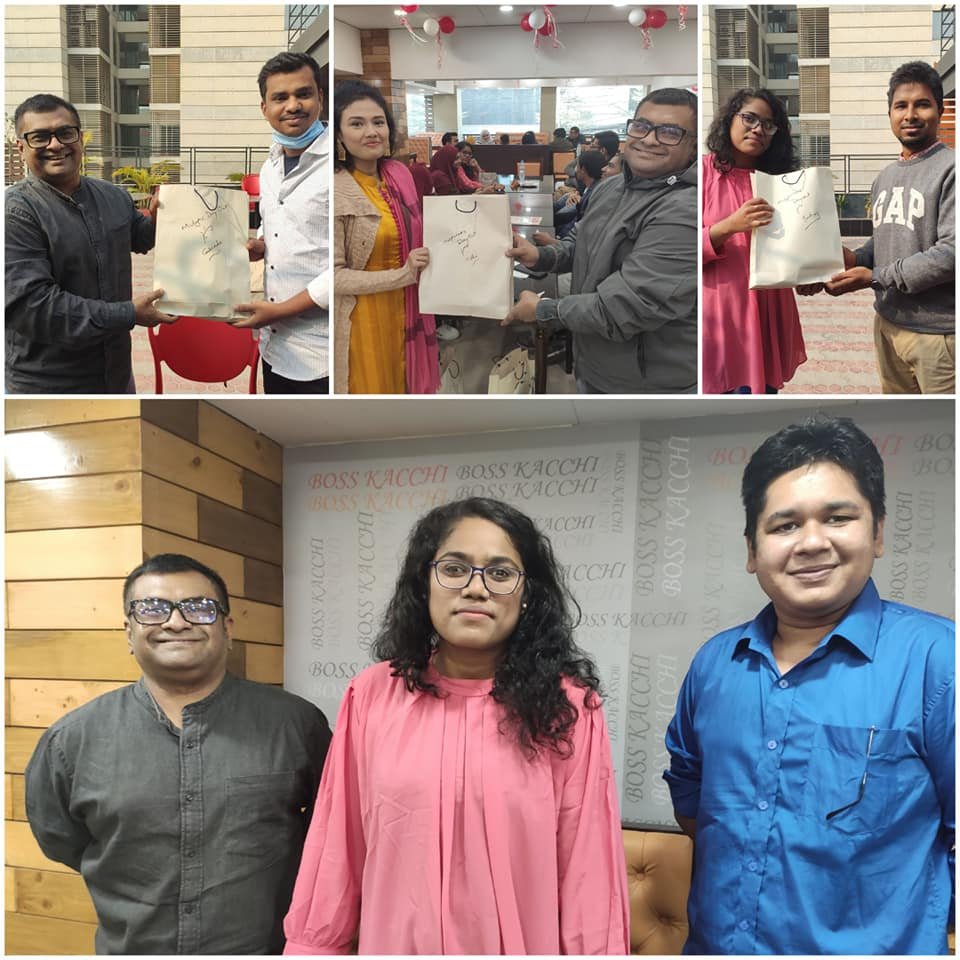
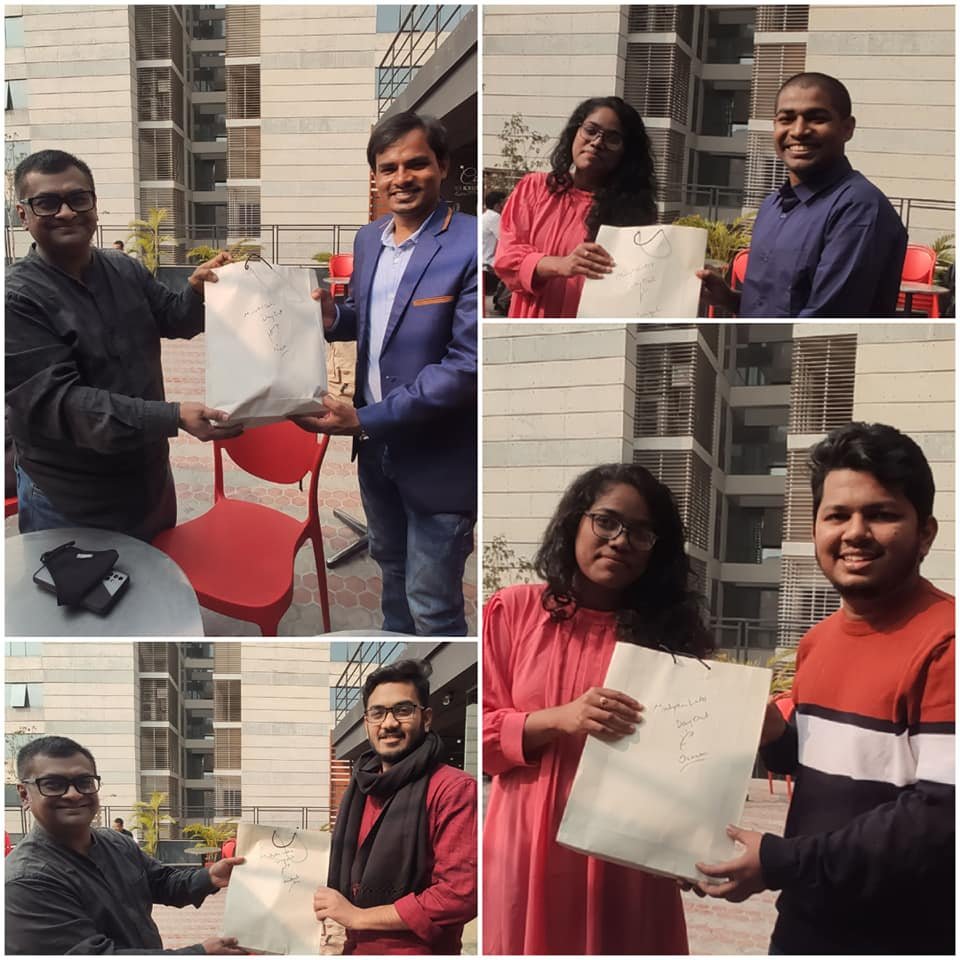

🎉 Happy New Year 🎉
Here’s to new beginnings and making the world a greener and a better place for 2021 and beyond!
#HappeningOnMulytic #sustainability #tech #automotive #Energy
5
3
From everyone at Mulytic Labs, we’d like to say thank you for your continued loyalty and faith in us. Put your feet up and have a well-deserved rest this Christmas and let every day of the holiday season be filled with joy. #HappyHolidays
2
3