
🌻;🦋;💚 Aesthete|SW|Totoseries |Consuming artist🦋Social impact creator @may40rty.ke 🐶💚film&advocacylover♥️(viewsmine)
Joined August 2019
- Tweets 36,776
- Following 2,169
- Followers 4,113
- Likes 91,371
1,004 Photos and videos




Pinned Tweet

10 Oct 2025
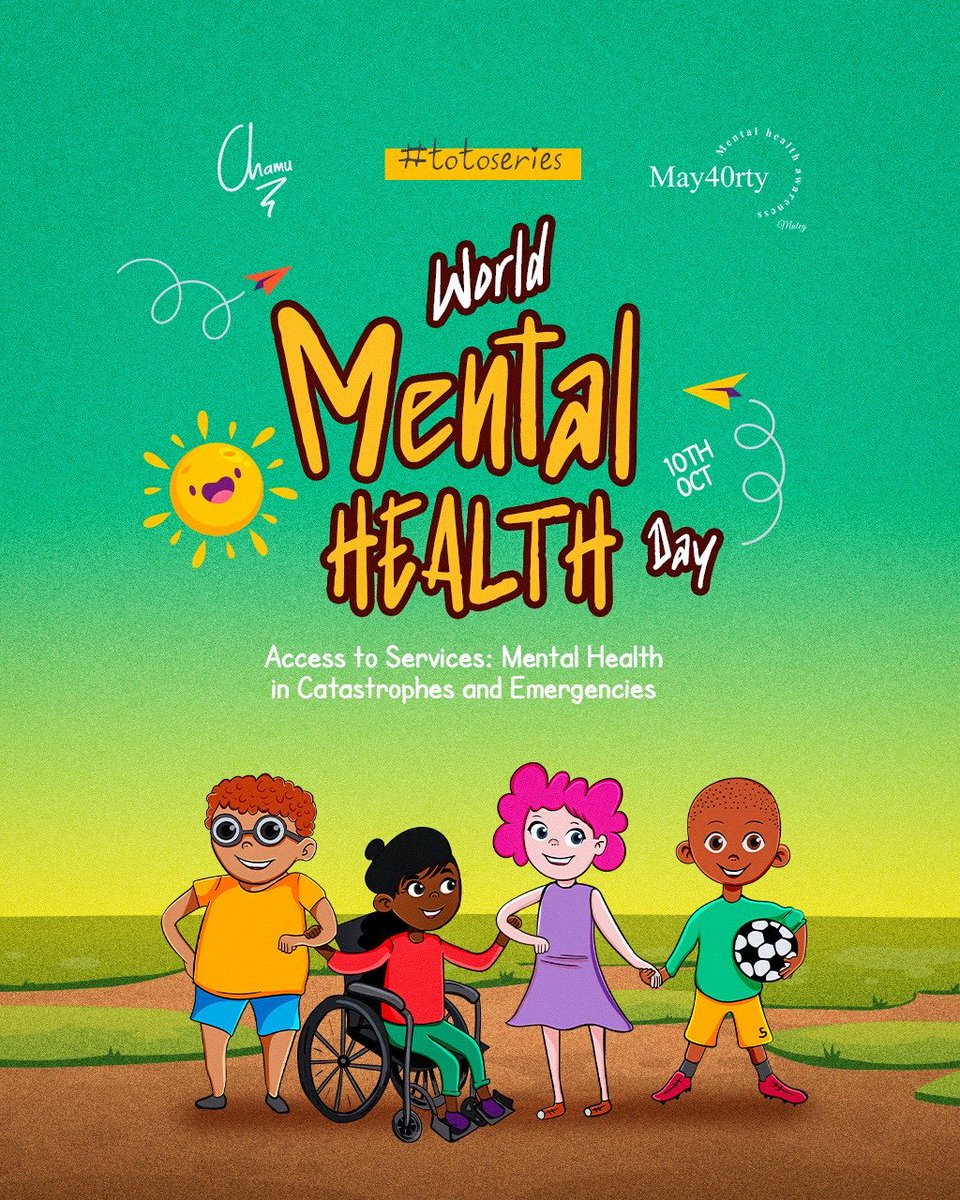
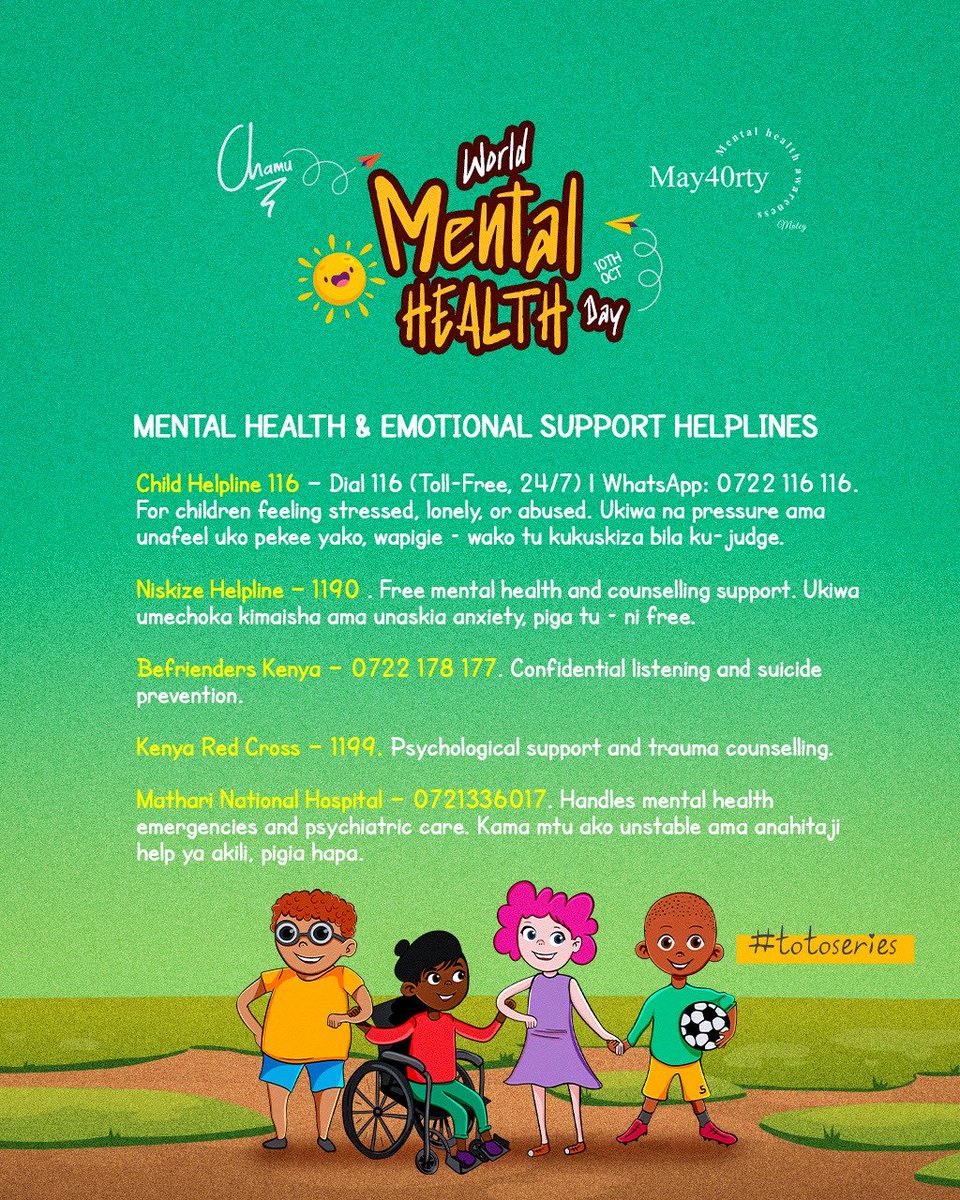
Leo ni #worldmentalhealthday na theme ni : Access to Services: Mental Health in Catastrophes and Emergencies
slide2 ni crisis no’s unafaa kujua .Kupitia article 43 , na Ku’ vote. Access hukuwa influenced by our systems and in participation of your civic duty utakua ume act.
1
4
342
Jun 16
Finally !!!
14 Mar 2024

Nani anaeza kuwa na I swear by Apollo ama anajua a place someone can get it ?
#BookTwitter
7
Mindsdayout retweeted

Jun 10
I think the reason English teachers are able to do that, is because English teachers somehow allow kids to be story tellers,its in those compositions and essays they get a glimpse into the magic in the kid’s mind.. their true self,
Jun 10

Somehow, it’s always an English teacher in school who sees your potential before anyone else and inspires you to become your best self.
9
314
1,609
29,989
Mindsdayout retweeted

Jun 12
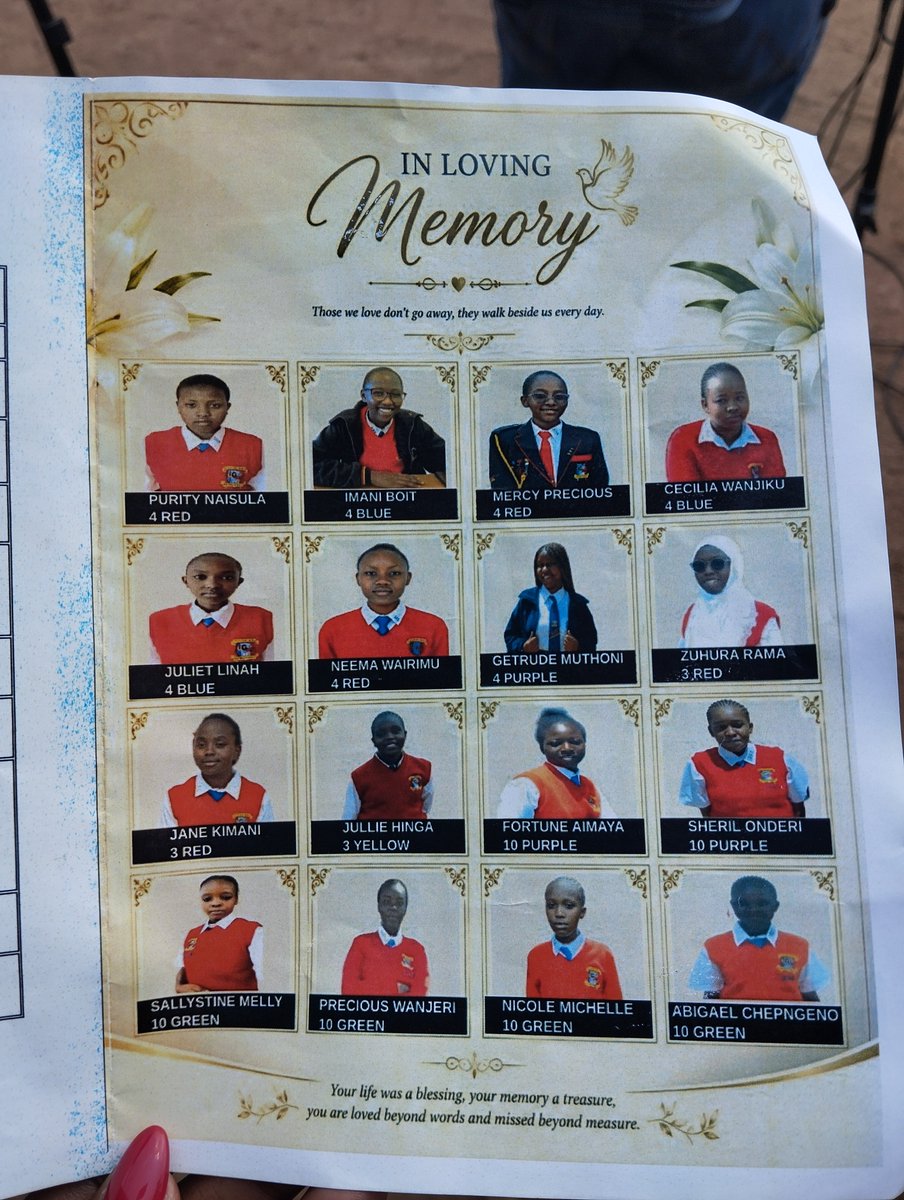
May these angels rest in peace 🙏🏿
33
618
2,248
46,802
Mindsdayout retweeted

Mourners and families were moved to tears as classmates of the 15 Utumishi Girls Academy fire victims sang “Ni Salama Rohoni Mwangu” during the requiem mass at Gilgil Stadium, Nakuru.
4
50
222
21,828
Jun 12
. !
Jun 11

overheard a friend wishing his gf "happy burger day", after the call ended i asked him "is it burger day today?" and he goes "no i send her burger every month on her first day of periods so it is OUR BURGER DAY."
just another day couples around me making feel single. 😭😭😭😭😭
36
Mindsdayout retweeted

Jun 10
Hands down one of the greatest Kenyans who ever lived.

Her husband told a court she was too strong to be a wife. The judge agreed and stripped Wangari Maathai of everything, her family, her job, her home.
She looked around and noticed women walking miles every single day just to collect firewood. So she handed them seeds instead. The government responded with arrests, beatings, and a padlocked office door.
30,000 women trained. 51 million trees planted across Kenya. Nobel Peace Prize in 2004. They handed her destruction. She turned it into an entire forest.

6
904
2,934
50,181
Mindsdayout retweeted

Jun 10
This is a heartbreaking reminder of how deeply abuse scars the human spirit. No one wins in such cycles of pain.
1
2
24
18,659
Mindsdayout retweeted

Jun 10
Kenyan father who works as a garbage collector appeals to Kenyans for financial help, says his wife who is under medication after a Fibroids removal surgery is one of the main reasons he is out there.
32
1,350
3,822
88,976
Mindsdayout retweeted

Jun 9
Every episode of Maria Kim addressed a REAL issue affecting our local communities. She was the first vocal activist I was introduced to.
Jun 8

Ule Maria Kim na DJ Boyie wa Shujaaz walikuwa wananijazz niaje
6
503
2,291
32,119

Machakos triple murder after a Champions League final match
A court in Machakos has allowed the police to detain a man for 21 days in connection to the killing of three young men in Machakos town on Sunday, May 31, 2026.
#NTVWeekendEdition @MichelleNgele_
13
96
333
41,974
Mindsdayout retweeted

Two brothers stood up for their friend who had been knocked down and they ended up dead.
When I tell you folk that the Soul of Kenya is in the ICU. Humanity has continuously been cheapened and ridiculed to this point. This is absolutely horrendous and horrific. My goodness 😔

Machakos triple murder after a Champions League final match
A court in Machakos has allowed the police to detain a man for 21 days in connection to the killing of three young men in Machakos town on Sunday, May 31, 2026.
#NTVWeekendEdition @MichelleNgele_
3
130
209
11,380
Mindsdayout retweeted

Thia is so brilliant!
What a concept man!!!🥹🥹
10
1,674
4,169
133,575
Mindsdayout retweeted

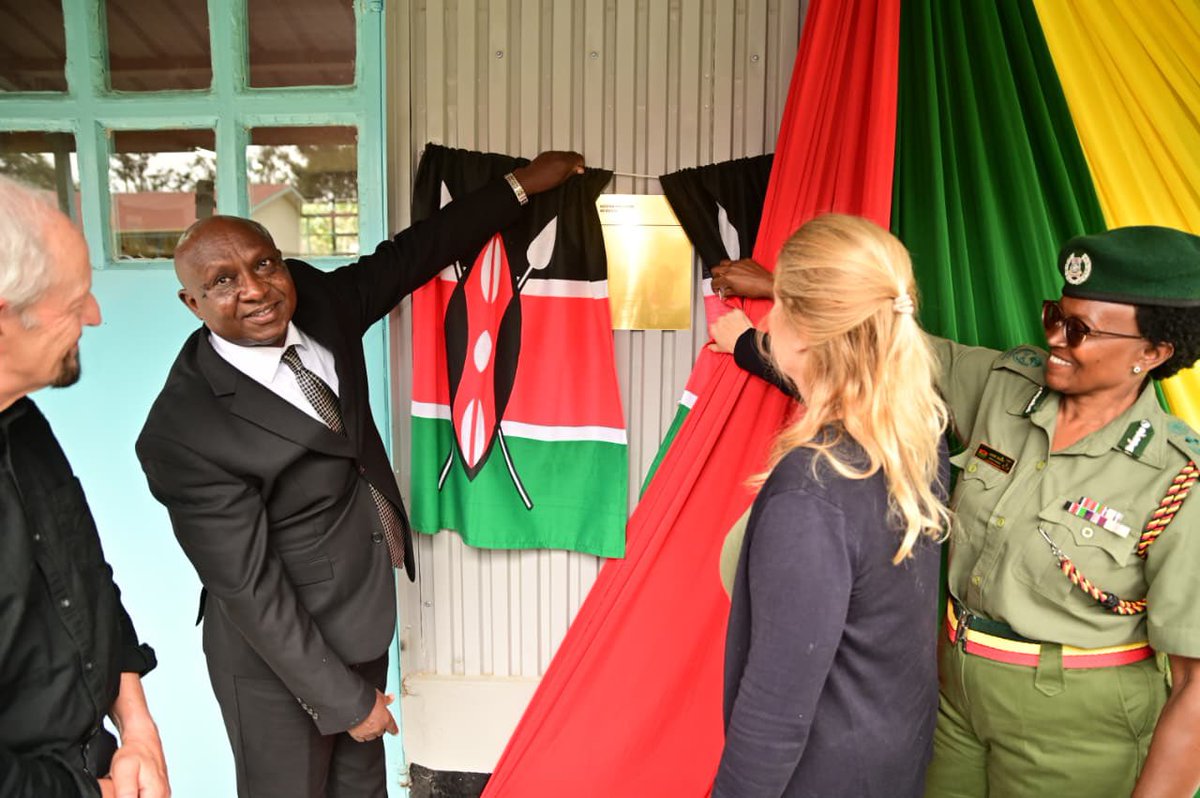
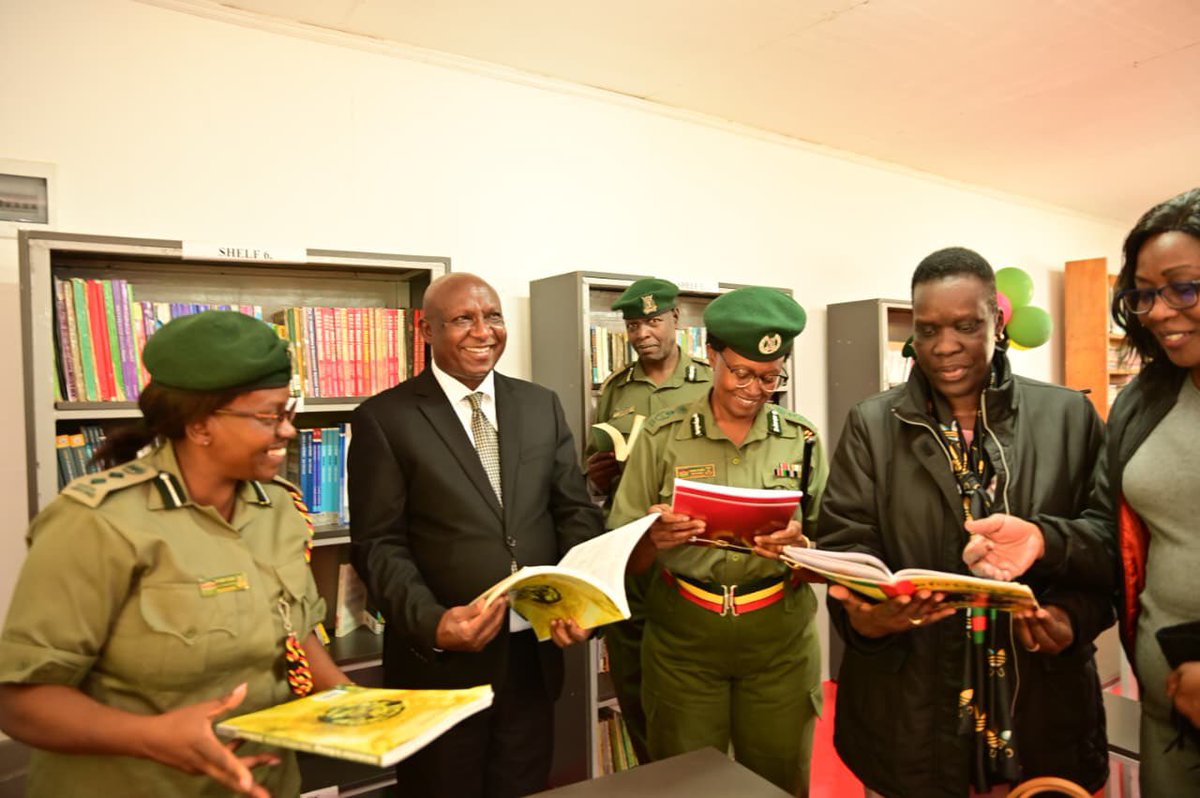
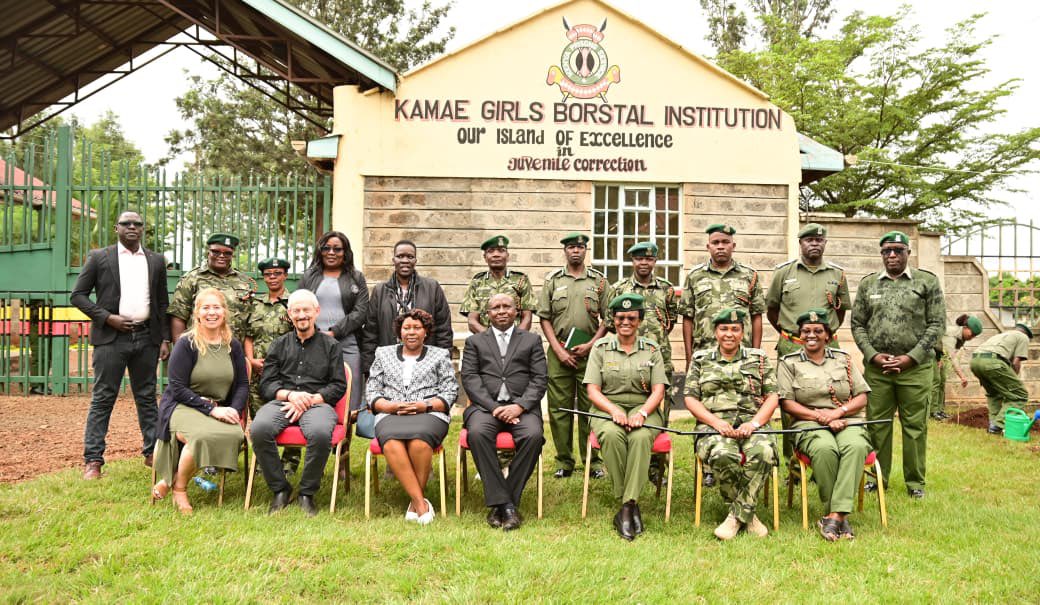
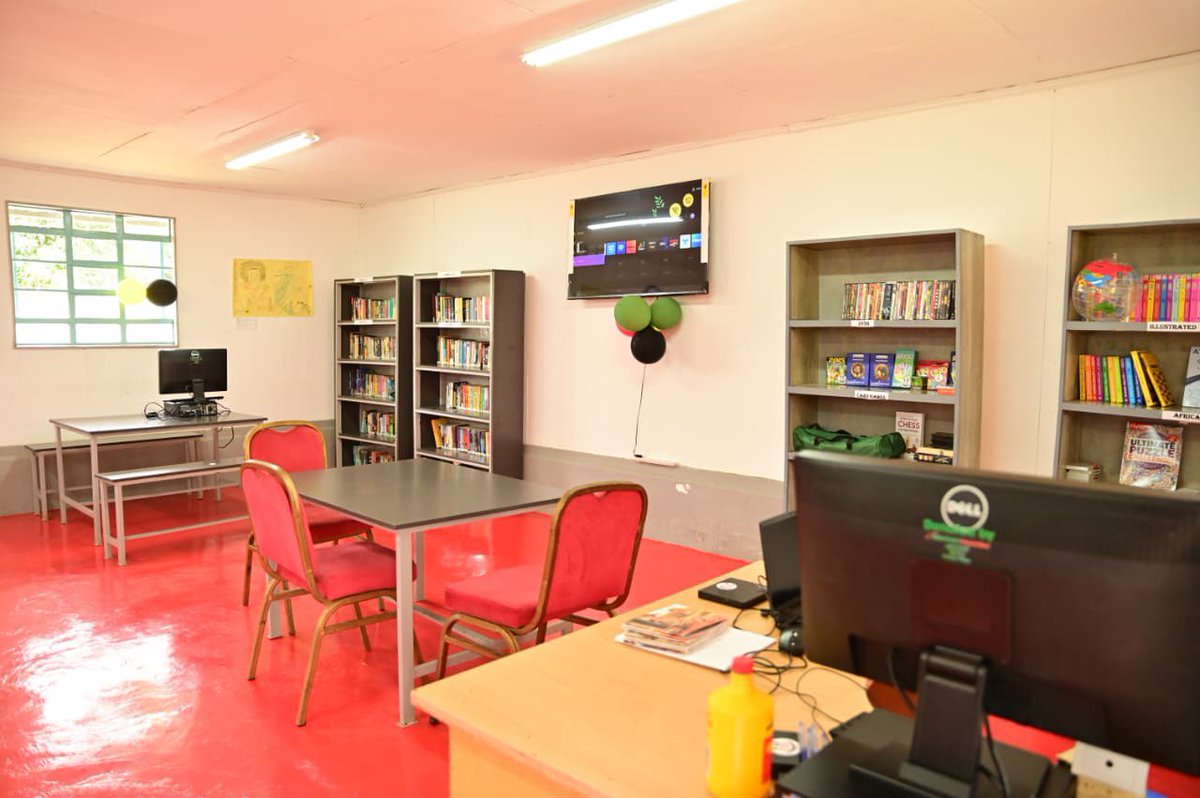
A hybrid library has been launched at the Kamae Girls Borstal Institution as the State Department for Correctional Services moves to enhance its reformation and rehabilitation efforts targeting young offenders.
Supported by the International Children’s Aid Network, the learning centre will provide both physical and digital learning resources for beneficiaries, including those from the neighbouring Kamiti Youth Correction and Training Centre.
Speaking during the launch, Acting Probation and Aftercare Service Secretary Shadrack Kavutai, who represented the Principal Secretary, said the resource centre will greatly enhance rehabilitation efforts by providing learners with access to a wide array of educational resources that promote a conducive environment for learning.
“Education remains one of the most powerful instruments of empowerment and rehabilitation available within the correctional landscape,” he observed.
He noted that the department is increasingly focusing on creating opportunities that facilitate personal growth, character development and social reintegration, adding that the establishment of the facility aligns perfectly with the restoration and reintegration agenda.
While thanking the International Children’s Aid Network for its continued support, Kavutai said the positive outcomes of the collaboration demonstrate the transformative power of education and the importance of strategic partnerships in correctional programming.
According to Deputy Commissioner General of Prisons in charge of Technical Services Jane Kirii, the launch of the latest resource centre demonstrates the Kenya Prisons Service’s commitment to empowering young offenders through quality education and personal growth.
International Children’s Aid Network co-founder Dr. Marc Hauser reaffirmed his commitment to supporting the initiative, noting that exposure to books opens the mind to curiosity and that the hybrid library will open a world of alternatives for the beneficiaries.
Education and Training Director at the State Department, Dr. Margaret Mutuma, described the development as a testament to the department’s commitment to positively transforming the lives of children in conflict with the law through education.
1
3
11
943

Parents in Ambira Secondary School in Siaya have raised an alarm about the increased cases of sodomy within the school. Parents say most of their boys are coming home sodomized and bruised with the school administration saying the matter has run out of hand. 🤔🤔. What is that headteacher still doing in the school even?
63
164
648
48,146
Mindsdayout retweeted

Jun 1
You reach a stage of loving yourself when you grasp that if they hurt you to such a degree, they don’t *deserve* your hyper-analyzations and humanizing. That’s just another form of ppl pleasing bc it’s you coming up with excuses. Boundaries are boundaries- end of
May 31

Ugh, I don’t like when I start to humanise someone that hurt/upset me.
7
464
3,168
69,453
Mindsdayout retweeted

Jun 1
Last year my cousin was killed in school we still can't even trace what happened. I almost walked naked.
There is no moment a child dies in this country and i don't think of him.
Everything that had to fail for us to end up with a dead boy.
In silence the grief swallows me.
9
55
149
4,832
Mindsdayout retweeted

I am drained and can't assemble today with the rest of the People in the streets. Work on child rights takes one to a deep fatigue you barely have strenghth bouncing back from.
1
1
6
853

Mindsdayout retweeted

6 Sep 2024
I was working with the red cross when the Kyanguli fire happened. The morning after the fire we went to pick up bodies. I removed severed limbs of kids that tried to escape through the roof. The dormitory door had been chained from outside. At the said door, was a pile of bodies
551
5,348
14,029
1,308,918

مشهد مرعب في روسيا، مجموعة اطفال كانوا يلعبون امام المنزل جاء الجار اليكسي (44 عام) واخذ فتاه وحملها ذاهب بها للداخل وهي تصرخ
وهنا شجاعة صديقها الولد: ما تخلى عنها وقاوم وامسك الباب وقام بالصراخ حتى سمعته امرأة تدعى يوليا كانت تمر بالصدفه بالسيارةوقفت وانقذت الفتاه في اخر لحظةوتم القبض على اليكسي
2,171
29,848
236,449
17,965,165