
78 Photos and videos












rha retweeted

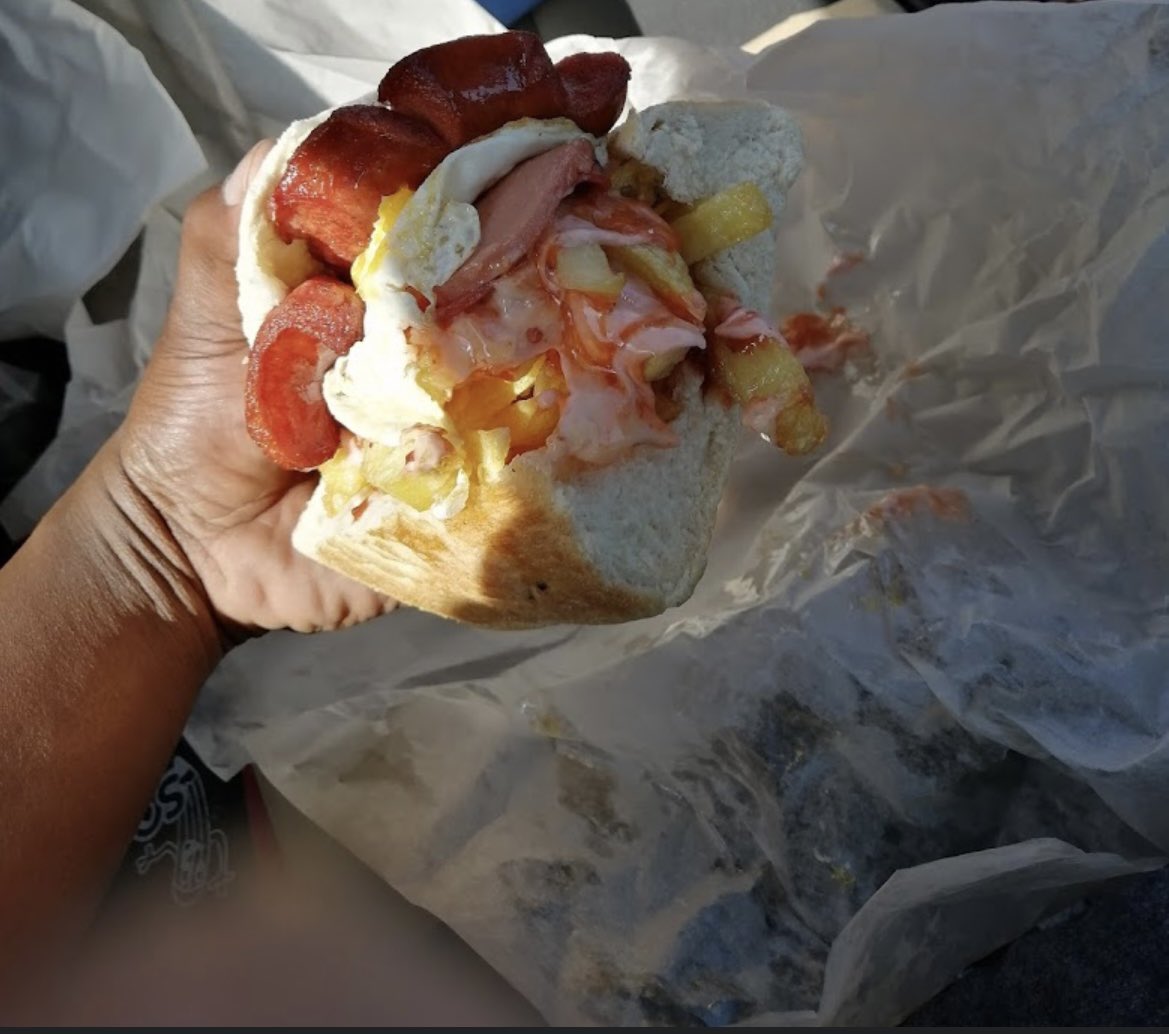
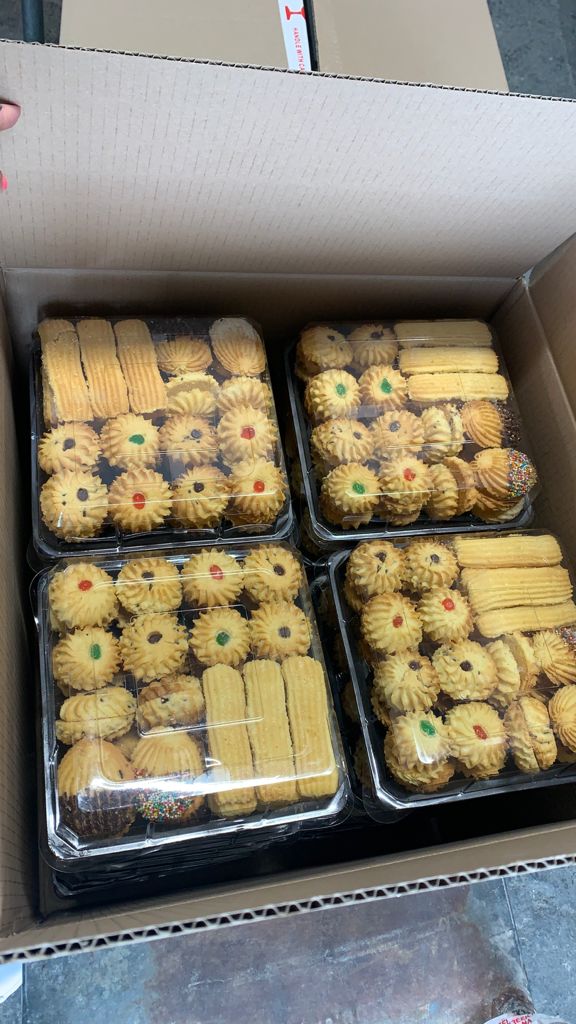
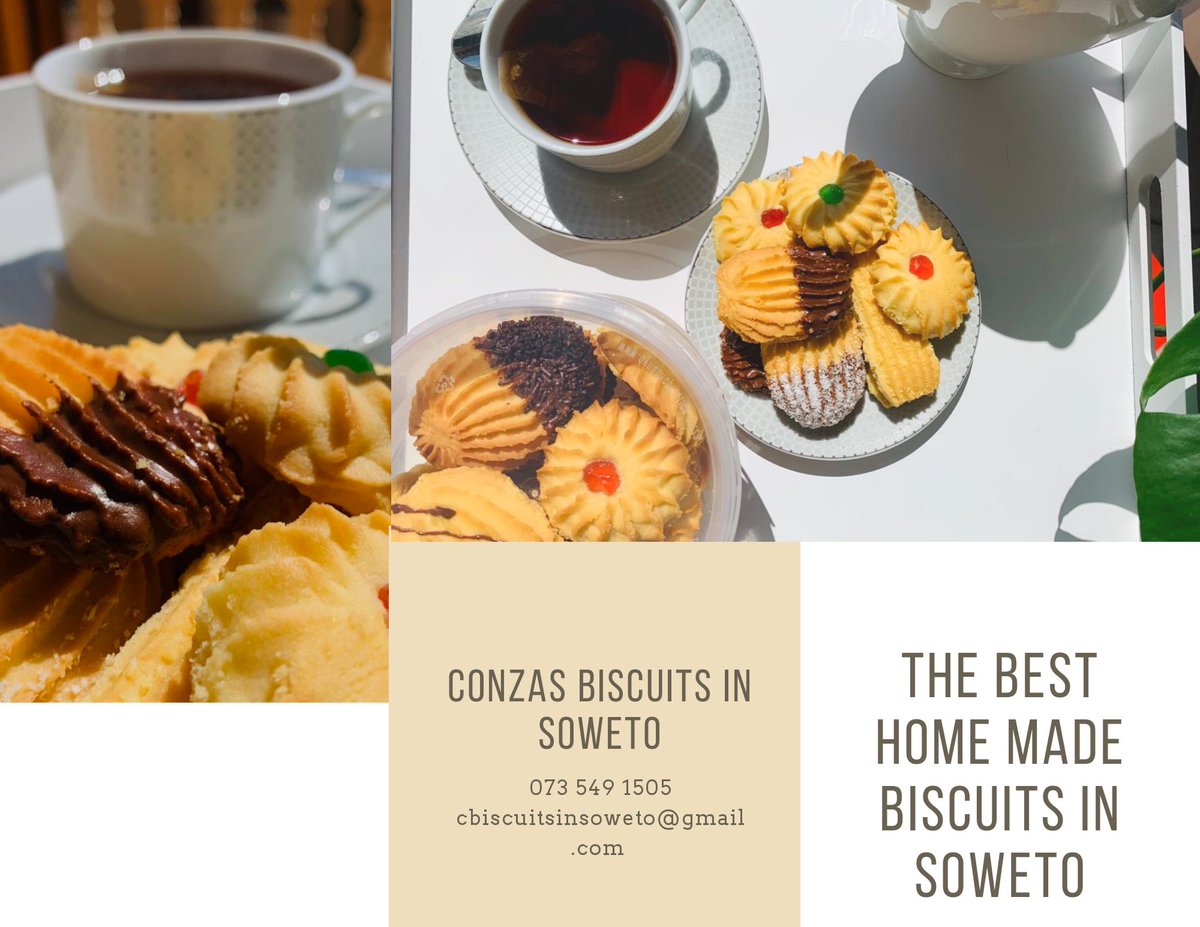
Vaal residents put together their R350s and opened up a bakery - it's a good story to tell.
I wish this happened in KZN, let's occupy those closed shops left by illegal immigrants, actually all over the country let's do this.
Let's make R350 work for us. 👇
105
1,613
5,750
87,719
rha retweeted

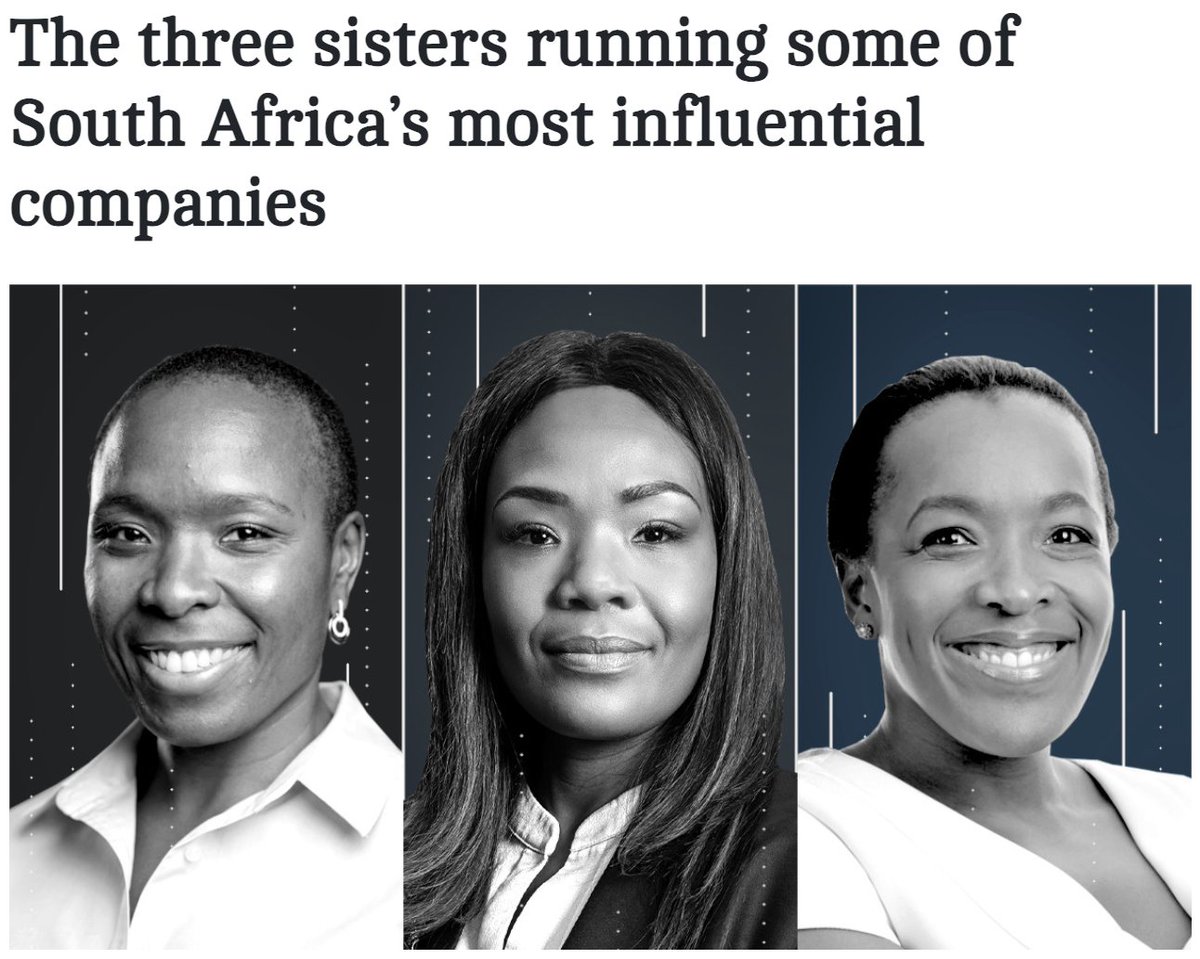
I don't think South Africa speaks enough about the Maluleke Sisters.
Young women need role models like this. We need to see more stories like these of black women being trailblazers in their respective careers.📌
65
1,707
6,706
345,445

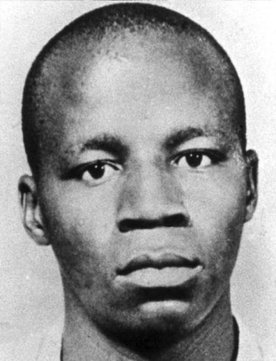
He was only 22 years old bru, and his last words were: “My blood will nourish the tree that will bear the fruits of freedom”
I know who died for my freedom
Apr 6

Solomon Kalushi Mahlangu was executed by hanging on this day in 1979 at the age of 22.
82
6,838
38,441
609,686

rha retweeted

Feb 24
❤️
19 Dec 2025

Sjava- Grounding ❤️
14
277
1,152
47,387


rha retweeted

Jan 18
SENEGAL ARE AFCON CHAMPIONS 🇸🇳🏆

769
16,296
91,768
1,224,218
rha retweeted

26 Dec 2025
“Our ancestors did not fail us” – listen to Joshua Maponga speak on how colonialism invaded Africa.
125
3,414
6,864
168,072
rha retweeted

9 Nov 2025
Rt and leave a 💜💜💜💜💜💜💜💜💜💜💜💜💜💜💜💜💜💜💜💜💜💜💜💜💜💜💜💜💜💜💜💜💜💜💜💜💜💜💜💜💜💜💜💜💜💜💜💜💜💜💜💜💜💜💜💜💜💜💜💜💜💜💜💜💜💜💜💜💜💜💜💜💜💜💜💜💜💜💜💜💜💜💜💜💜💜💜💜💜💜💜💜💜💜💜💜💜💜💜💜💜💜💜💜💜💜💜💜💜💜💜💜💜💜💜💜💜💜💜💜💜💜💜💜💜💜💜💜💜💜💜💜
805
5,563
13,941
591,791
rha retweeted

10 Oct 2025
Absolutely correct. "NO ONE IS A KWEREKWERE IN AFRICA." Advocate Dali Mpofu is hitting the essential truth: We must wake up and stop celebrating colonial borders.
This isn't just rhetoric, it's a historical fact rooted in major continental movements. Figures like Mzilikazi kaMashobane and Soshangane were key leaders whose journeys violently reshaped Southern Africa, fundamentally illustrating our shared ancestry and interconnectedness.
A Short History of African Unity in Movement.
During the 19th-century upheaval known as the Mfecane (or Difaqane) in Southern Africa, driven largely by the rise of the Zulu Kingdom under Shaka, massive groups of people migrated from what is now South Africa, effectively redrawing the map well before colonial powers did.
Mzilikazi KaMashobane: Originally a lieutenant of Shaka, Mzilikazi broke away with his Ndebele (AmaNdebele/Matabele) followers (the Khumalo clan and others) around 1822. His military state trekked northwards through the present-day Free State, Gauteng, and Limpopo provinces of South Africa. Facing threats from the Boers, he finally crossed the Limpopo River and established the powerful Ndebele Kingdom (Mthwakazi) in what is now Matabeleland, Zimbabwe (near present-day Bulawayo).
Soshangane: Another powerful general under Zwide of the Ndwandwe, Soshangane fled after the Ndwandwe's defeat by Shaka. He led his forces north and established the extensive Gaza Empire in the region of modern-day Mozambique (extending over parts of southern Mozambique, southeastern Zimbabwe, and parts of South Africa). His people, the Shangaan (or Tsonga-Shangaan), became a dominant force there.
These, and other movements like that of the Ngoni groups, were massive population shifts that established new kingdoms and ethnic groups across modern-day South Africa, Mozambique, Zimbabwe, Zambia, and Tanzania. The borders we argue over today were drawn arbitrarily, decades later, by European powers, slicing through existing communities and cultural ties. Our roots are fundamentally interwoven, the idea of an "African foreigner" is a colonial construct.
214
309
787
81,402
rha retweeted

9 Oct 2025
UFS is promoting, the exclusion of black students from studying. And no one is talking about it !
67
2,257
6,162
304,367
rha retweeted

8 Oct 2025
Constantly swept under the rug all eyes on Sudan

49
20,105
58,619
1,193,766
rha retweeted

7 Oct 2025
I generally will not take advice from people who have no memory of this
73
71
358
22,662
rha retweeted

Black women, please tell another Black woman in your circle.
4 Oct 2025

In case you haven’t heard:
Women are suing Pfizer in a class action lawsuit because the birth control shots (Depo-Provera) have been found to cause brain tumors.
1 in 4 women use this birth control. And Black women are prescribed it at double the national rate.
175
39,101
100,124
3,805,161
rha retweeted

6 Oct 2025
Mainstream media is doing its best to make sure you don’t see these images. Share!
5 Oct 2025

Amsterdam: At least 250,000 people attended massive pro-Palestine protest today.
864
105,350
506,484
9,343,569
rha retweeted

22 Sep 2025
The real Drug dealers, but Black South Africans worship white people so this story would never trend
22 Sep 2025

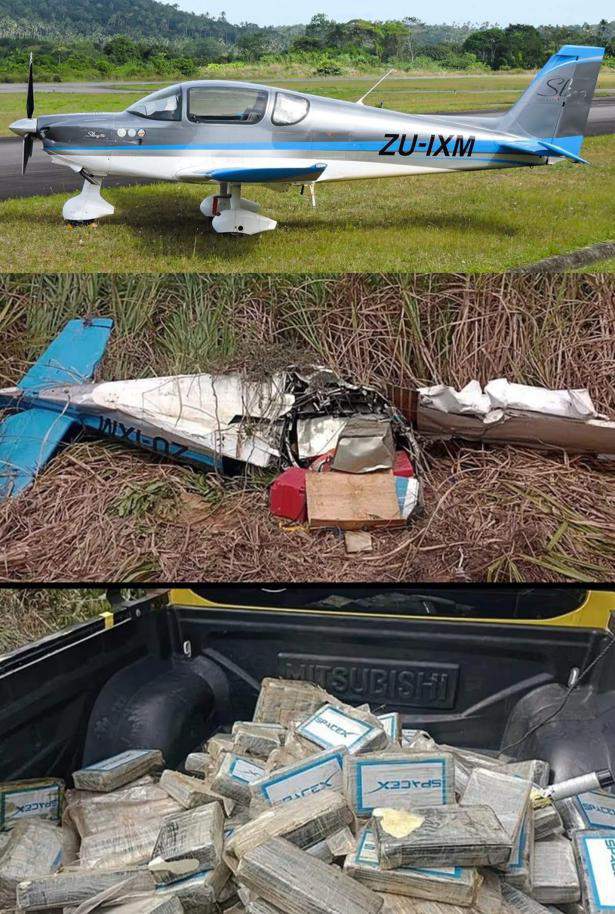
Stellenbosch Pilot Crashes Plane With Almost R1 Billion Worth Of Cocaine On Board
Timothy James Clark crashed in a Brazilian sugar cane field with 200kg of cocaine on board with a street value of R920 million.
For each flight, Clark allegedly pocketed about R8.6 million.

234
2,770
8,926
306,987
rha retweeted

24 Sep 2025
Ndzi Mutsonga so chava ku tsongola swa van’wan vanhu🙏🏾 Happy Heritage Day Maxaka💛 🇿🇦 #HeritageDay #HeritageDay2025
3
39
223
5,437
rha retweeted

3 May 2025
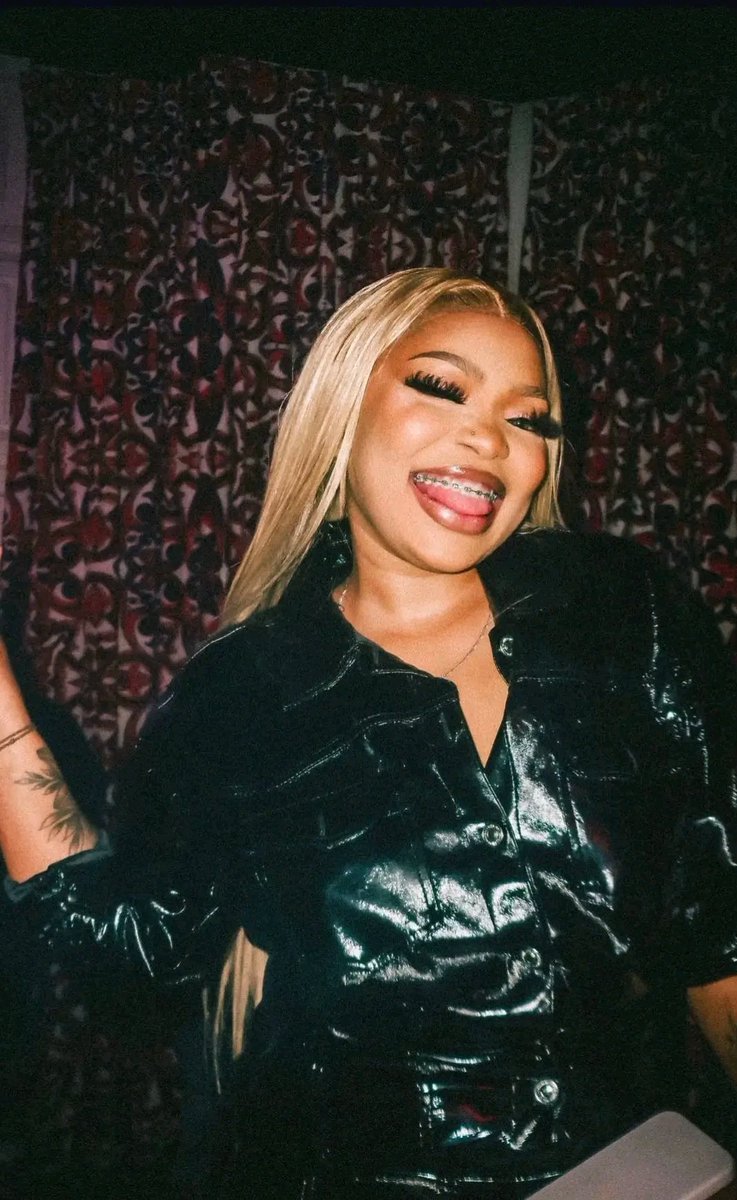
Babalwa M is the best Artist in South Africa
Can We agree ❤️🔥❤️
#MetroFMMusicAwards2025
#MMA25
7
19
551
30,011
rha retweeted
3 Apr 2025
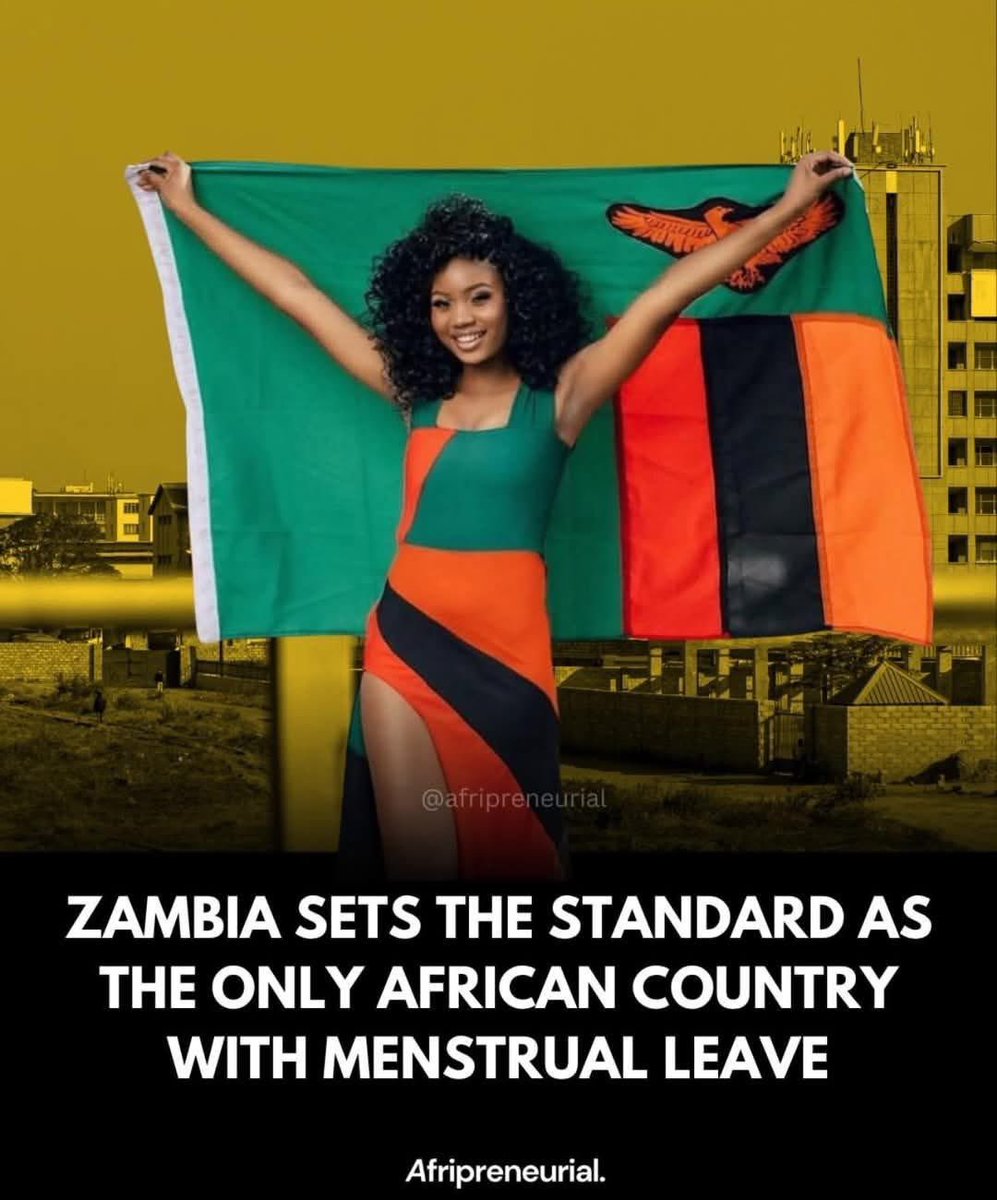
Wow, nice one Zambia 🇿🇲
152
2,172
14,917
390,693