
IT professional. 0 direct carbon & air pollution home 2011 to 2015 & 2024 - onwards. Electric car driver since March 2011. Heat pump installed Dec-2024.
Joined March 2008
- Tweets 398,940
- Following 6,057
- Followers 8,160
- Likes 9,794
34,690 Photos and videos


Pinned Tweet

Feb 7
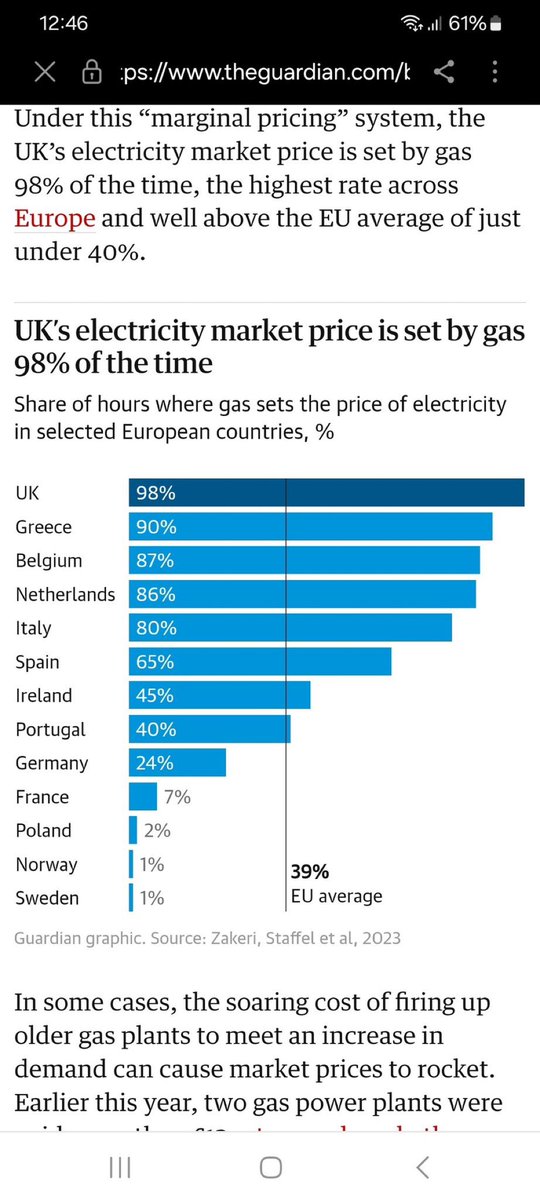
When will GB electricity prices fall?
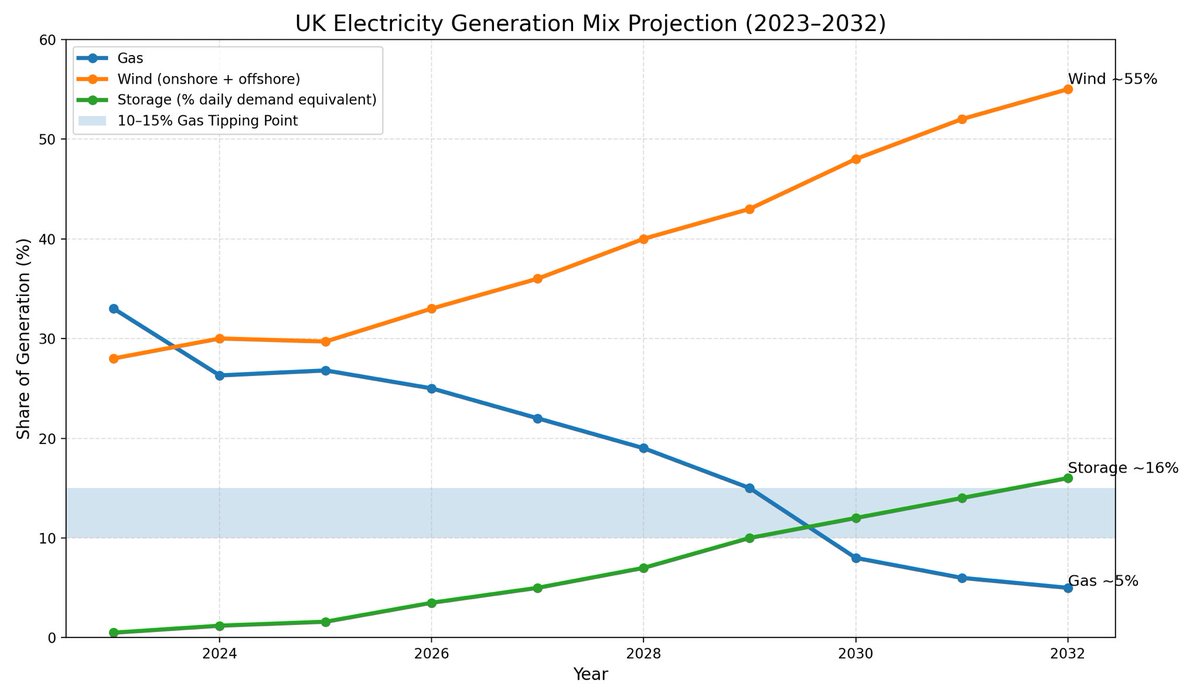
I asked ChatGPT at what percentage of gas generation GB power prices start to drop and when that happens. The answer is from 2028.
Gas still sets UK power prices most of the time even though it was only about 26.8 percent of generation in 2025. That keeps bills tied to volatile fossil markets. The shift comes when gas falls into the 10 to 15 percent backup range and when renewables and storage begin to set the marginal price instead.
Wind rises from 28 percent in 2023 to about 52 percent by 2030. Storage grows from 7 GWh in 2023 to about 100 GWh by 2030 which is about 12 percent of daily demand. Gas falls from 33 percent to about 8 percent by 2030 and then drops to about 5 percent by 2032. At that point gas no longer drives wholesale prices.
Projects like Thurrock which combines a 300 MW 600 MWh battery with 450 MW of flexible engines show the direction of travel. Clean. Reliable. Flexible.
Wind is now the UK’s cheapest new power. With storage it will undercut gas entirely. Ninety five percent clean power by 2030 is credible. It is practical. It is affordable. It is already underway.
The blue band in the chart marks the point where gas falls below the level that sets prices which is when GB electricity prices will start to decline.
#NetZero #Climate #Energy #EV #HeatPump #BESS #CleanPower #OffshoreWind #UKEnergy
68
49
182
19,540
Mark W Tebbutt retweeted

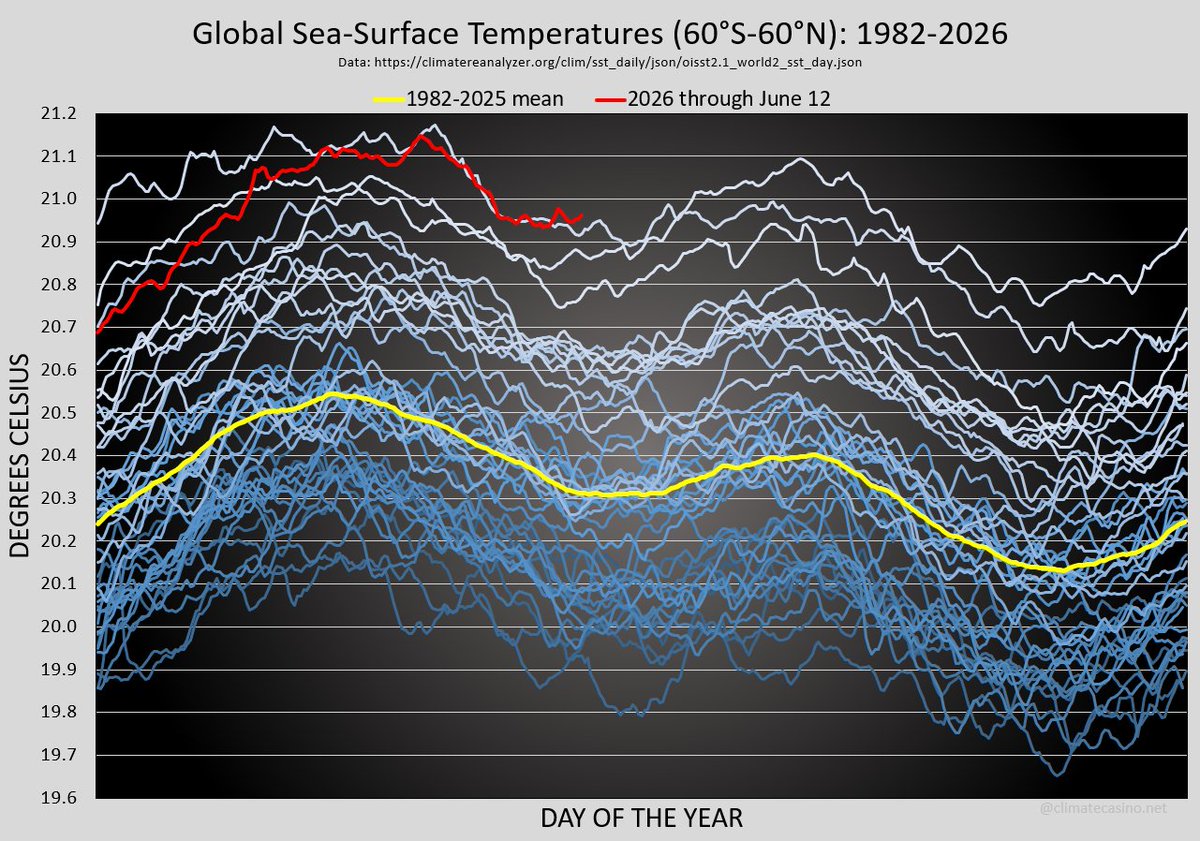
For those who want to see all the data and not just the 1982-2025 mean compared to 2026, the answer is yes, global sea-surface temperatures are currently at a record daily high.
The rise in SSTs represents billions of Hiroshima bombs worth of heat.
2
87
258
3,340
Mark W Tebbutt retweeted

Jun 13
Ember's @nicolasfulghum joined @shaylekann on the @CatalystPod podcast to unpack the trends from Ember's Global Electricity Review 2026.
🎧 latitudemedia.com/news/catal…
2
5
15
804
Mark W Tebbutt retweeted

Antarctica’s west coast is missing an area of winter sea ice the size of France
theguardian.com/world/2026/j…
5
23
37
1,025
Mark W Tebbutt retweeted

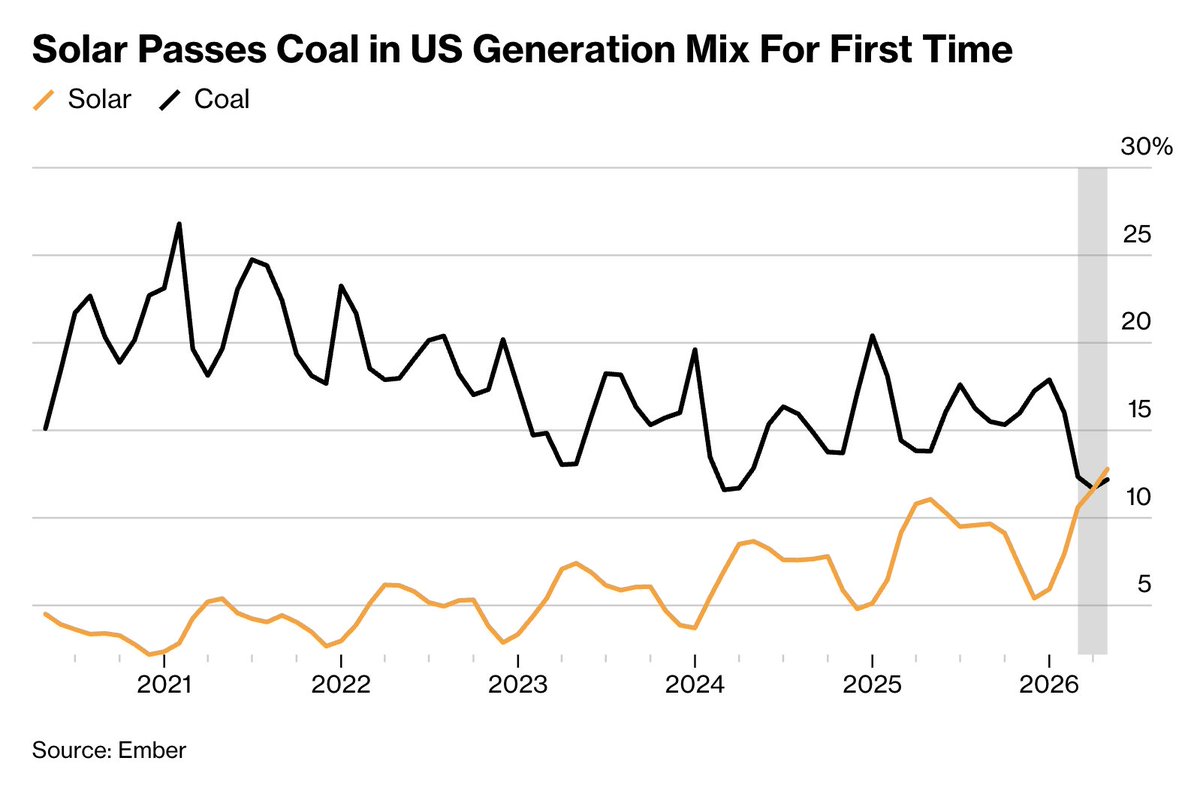
Bye-bye coal — solar tops coal in U.S., and more to come. Clean costs less.
77
729
2,719
32,473
Mark W Tebbutt retweeted
Unexpected good news. Electric car sales are booming in Ethiopia, of all places. The result of being the first country worldwide to ban the import of one’s with internal combustion engines. Pioneering…
dw.com/en/ethiopia-electric-…
4
38
77
923
Mark W Tebbutt retweeted

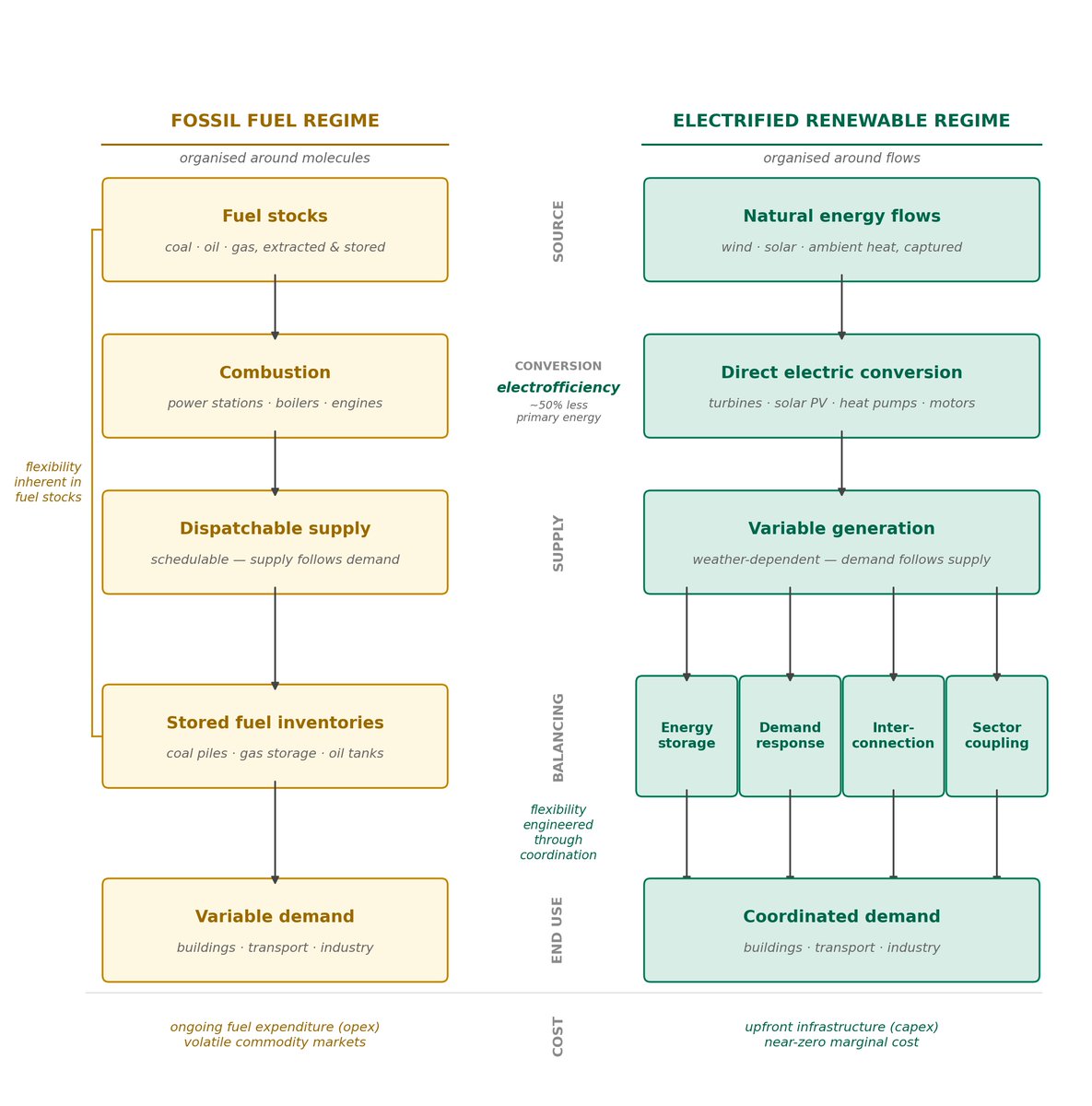
HELP NEEDED. Electrification is swapping fuels for electricity.
But it's a much deeper regime shift in how the whole system is organised, from inputs to storage to use.
This stylised figure for future paper contrasts the two regimes.
What's missing? What works?
8
14
35
2,518
Mark W Tebbutt retweeted

Exactly. We need faster action to reduce emissions now. Every year of delay makes adaptation harder and more expensive, especially for the most vulnerable communities.
2
3
98
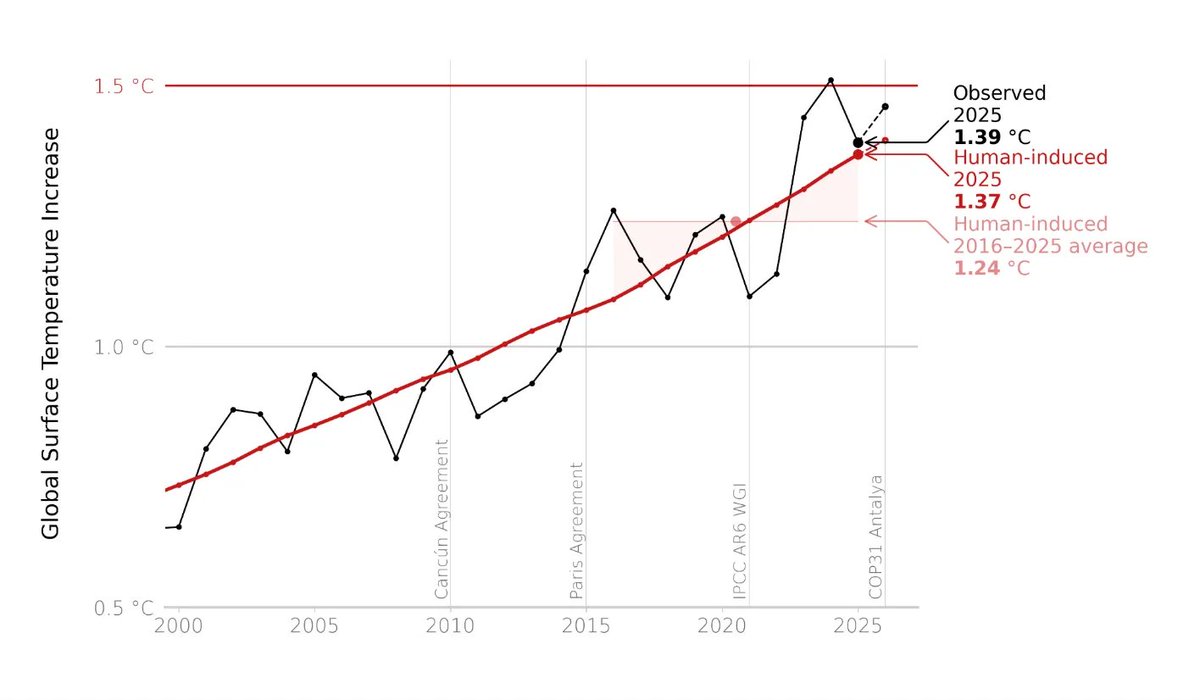
This is exactly why rapid decarbonisation matters. Human-caused warming is now estimated at 1.37°C and increasing at around 0.27°C per decade. The longer we delay, the more climate impacts, air pollution costs, and adaptation costs accumulate. The cheapest tonne of CO₂ is the one we never emit.
Jun 11

Our 2026 Indicators of Global Climate Change paper is out! We find that the human-induced warming was 1.37C in 2025, and the current rate of warming is 0.27C per decade, on track to firmly pass 1.5C in about four years.
3
6
14
341
Mark W Tebbutt retweeted

Jun 13
Global warming is cutting the production of phytoplankton in the North Atlantic, undermining the entire food web and limiting its ability to soak up carbon, a new study reveals. Looks serious….
oceanographicmagazine.com/ne…
47
350
551
12,600
Mark W Tebbutt retweeted

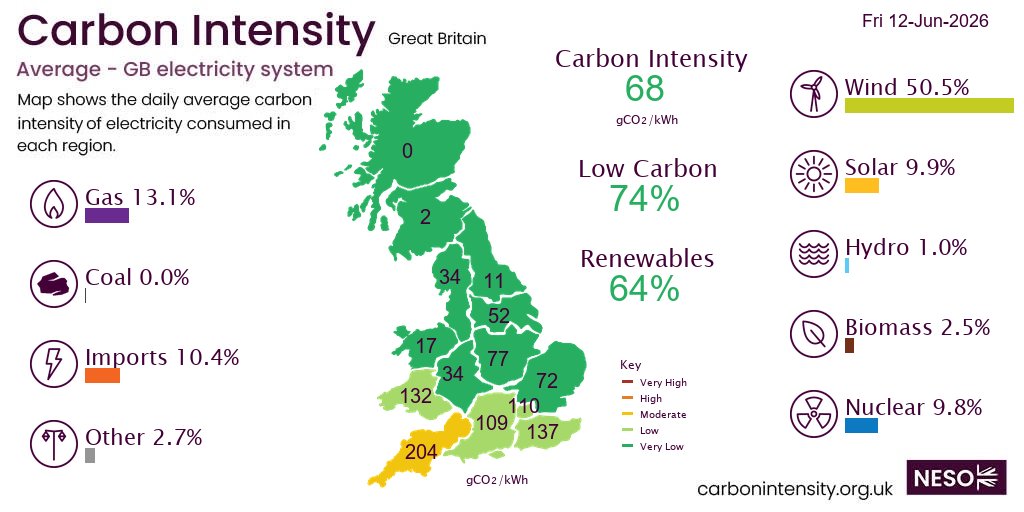
On Friday #wind produced 50.5% of British electricity, more than gas 13.1%, imports 10.4%, solar 9.9%, nuclear 9.8%, other 2.7%, biomass 2.5%, hydro 1.0%, *excl. non-renewable distributed generation
4
30
112
3,993
Mark W Tebbutt retweeted

Jun 11
Check out the full report for a comprehensive assessment of the state of the climate system: essd.copernicus.org/articles…
1
7
17
1,452
Mark W Tebbutt retweeted
Jun 11
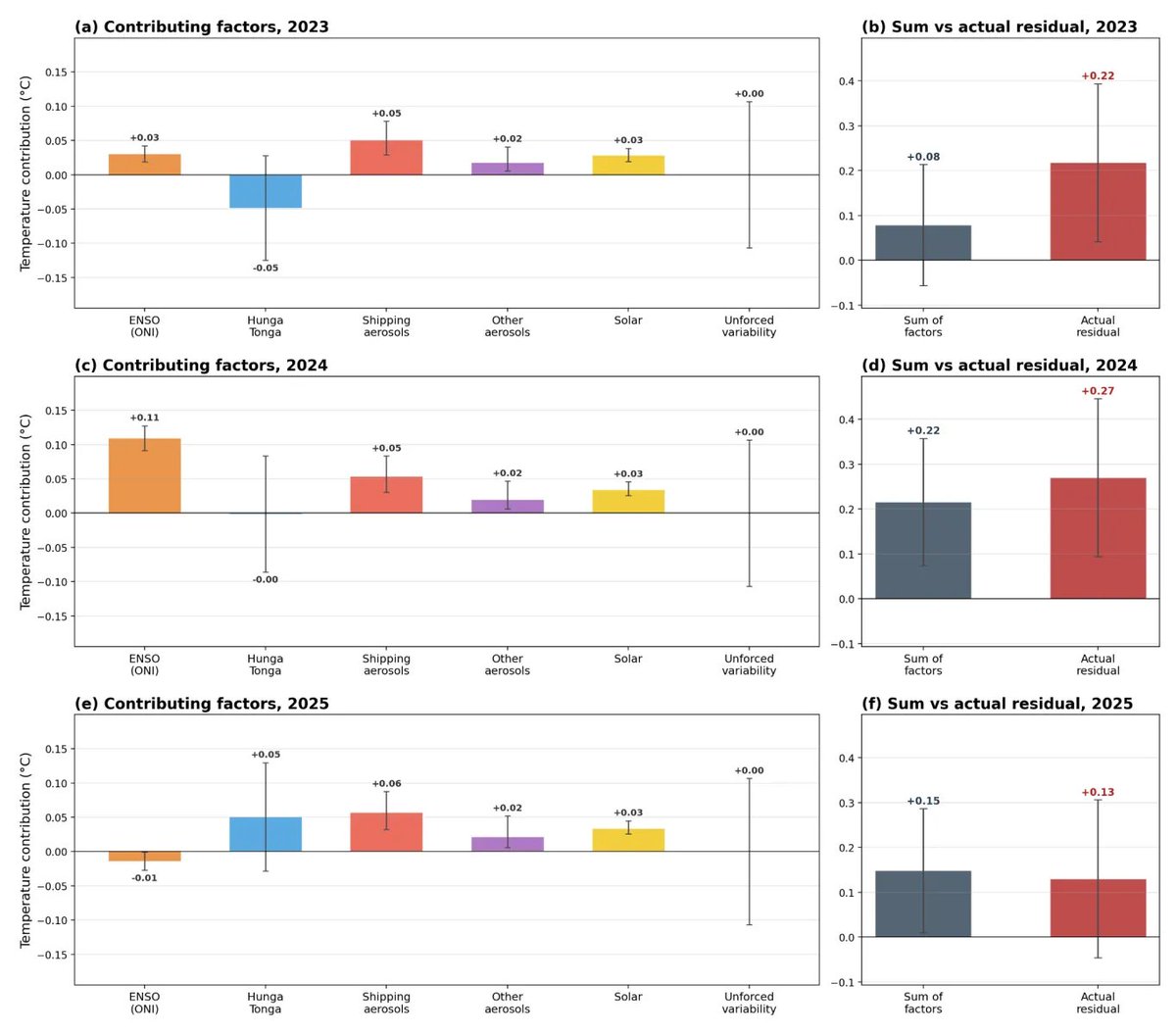
Second, an update to Gavin Schmidt and my WMO State of the Climate 2024 analysis on drivers of record warmth in 2023 and 2024 (and now 2025):
4
6
16
1,448
Mark W Tebbutt retweeted
Jun 11
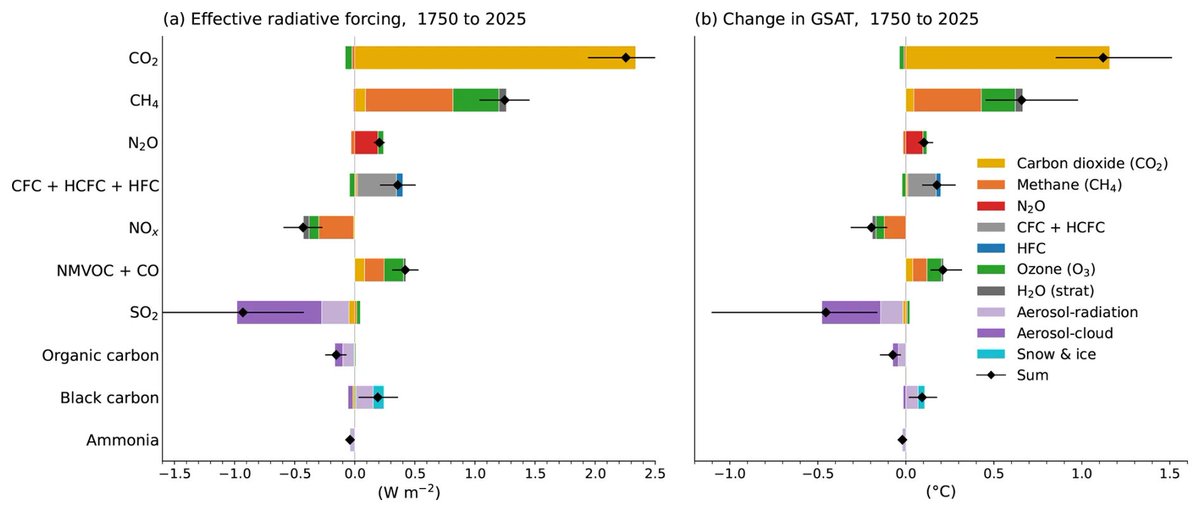
My contribution to it included two updated pieces of analysis. First, an update to Figure 6.12 of the IPCC AR6 breaking down the contribution of different emissions to both effective radiative forcing and global temperatures since 1750:
1
6
19
808
Mark W Tebbutt retweeted
Jun 11
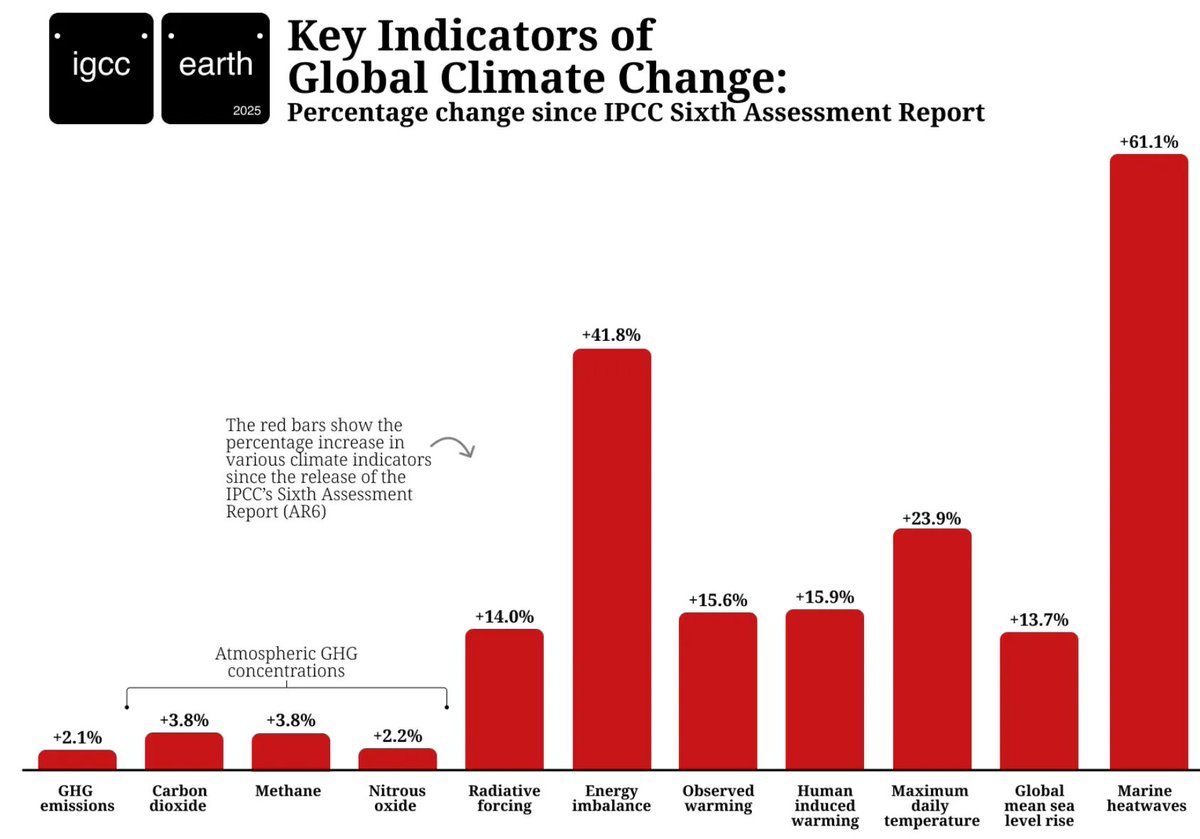
The goal of this annual report is to provide regular updates to the main indicators from the IPCC 6th Assessment: essd.copernicus.org/articles…
3
8
23
2,067
Mark W Tebbutt retweeted
Jun 11
Our 2026 Indicators of Global Climate Change paper is out! We find that the human-induced warming was 1.37C in 2025, and the current rate of warming is 0.27C per decade, on track to firmly pass 1.5C in about four years.
38
123
307
25,999
Not sure why people don’t check who they are debating with before blocking / making claims which aren’t true.
2
139
Mark W Tebbutt retweeted
Jun 12
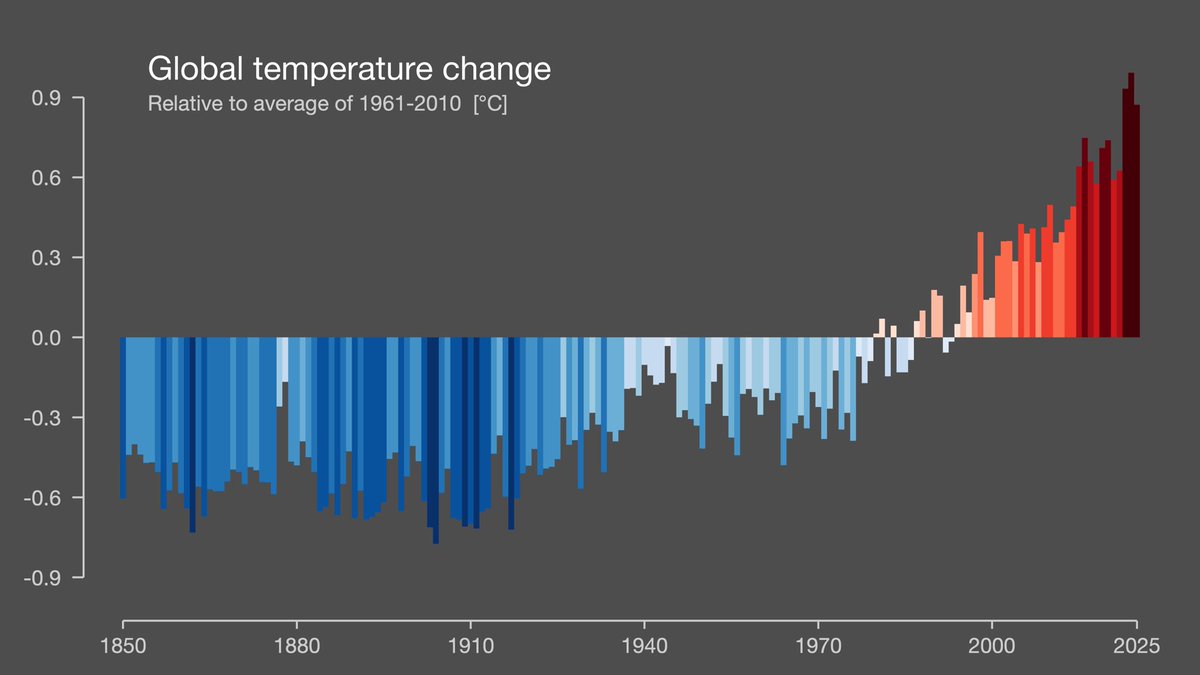
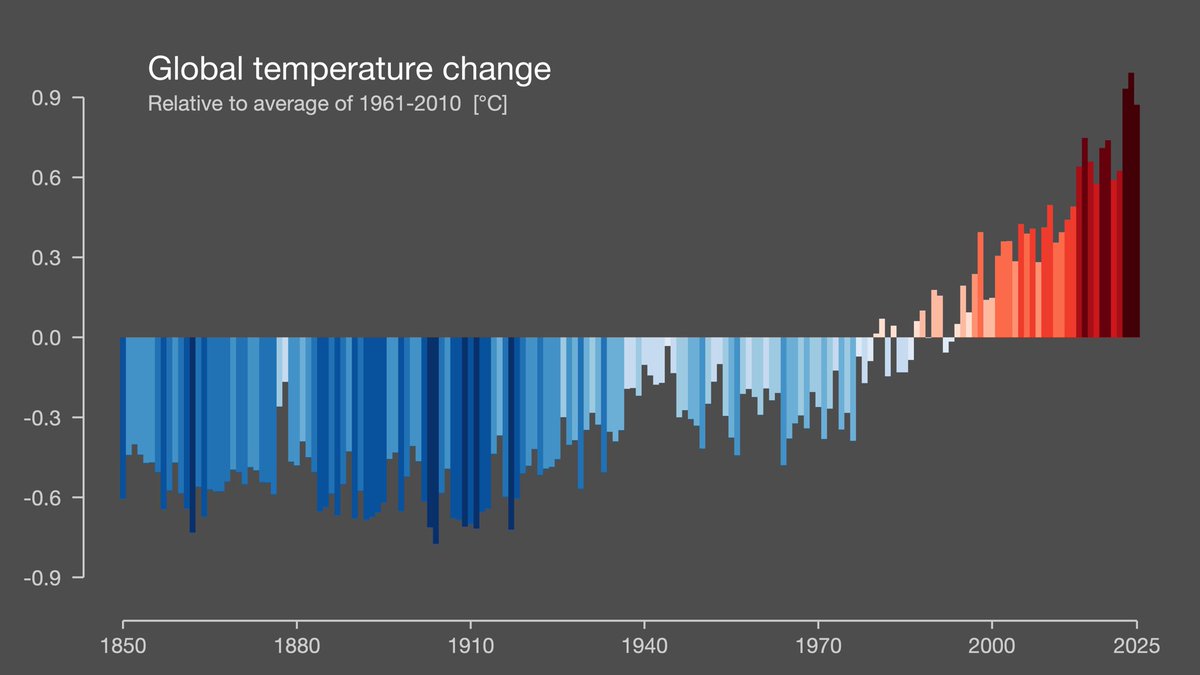
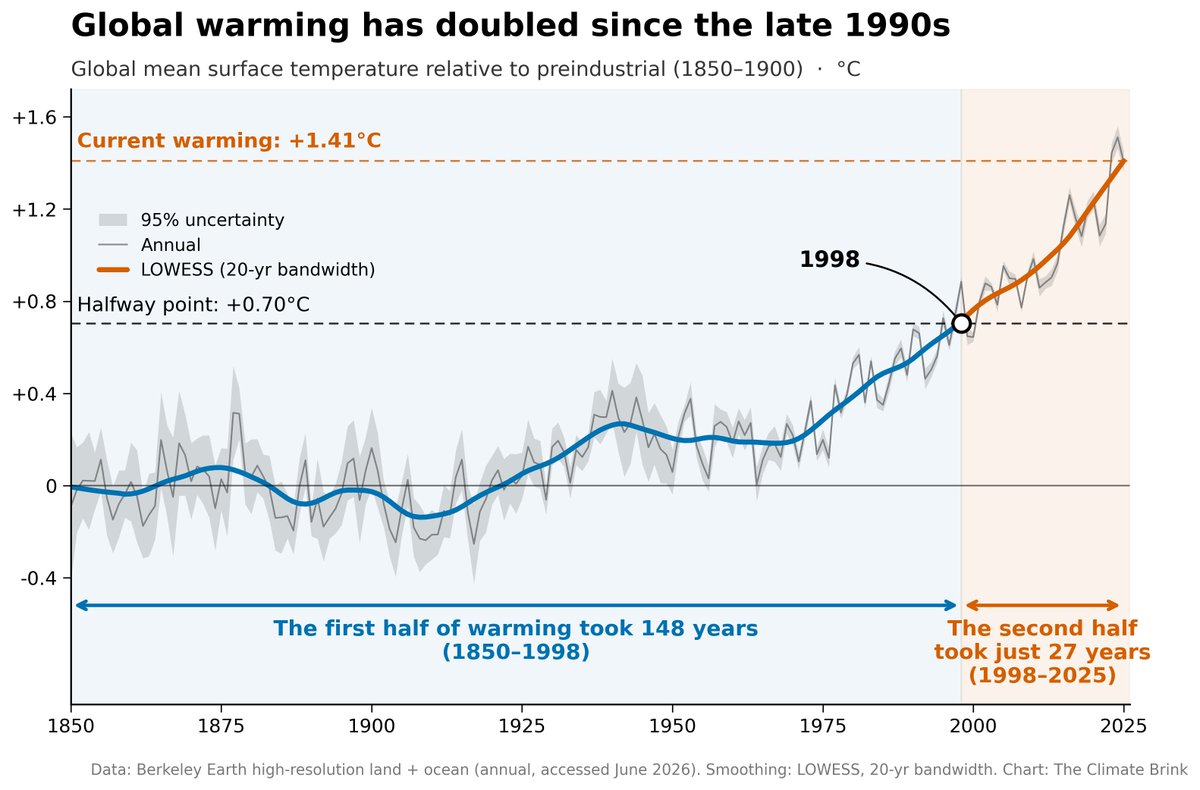
The world has warmed by around 1.4C since 1850.
It took 148 years for the first half of that warming to occur, and just 27 years for the second half!
141
508
1,606
114,475
Mark W Tebbutt retweeted

If Burnham loses in Makerfield the media will somehow paint it as a win for Starmer.
BUT Burnham is Labour’s most popular figure. If he loses, to a weak-ish candidate in Robert Kenyon, while Restore come 3rd, we need to start talking about single digit Labour MPs after next GE.
76
44
416
32,424
Mark W Tebbutt retweeted

Electric rally car revival continues with new, 280 hp Peugeot E-208 GTi electrek.co/2026/06/13/elect… by @volvojo1
2
2
1,605
Mark W Tebbutt retweeted

Jun 13
Cost of the Hormuz crisis in Selected Asian Countries So Far (annualised cost):
1 Thailand: $11b, 2.2% of GDP
>$6.5b import bill rise
2 South Korea: $36b, 2% of GDP
>$38b import bill rise
3 Japan: $77.4b, 1.8% of GDP
>$42b import bill rise
4 Singapore: $8b, 1.6% of GDP
>$4.5b import bill rise
5 Philippines: $6.16b, 1.4% of GDP
>$4b import bill rise
6 Indonesia: $8.4b, 0.6% of GDP
>$4.5b import bill rise
7 Malaysia: $1.76b, 0.4% of GDP
>$1.5b import bill rise
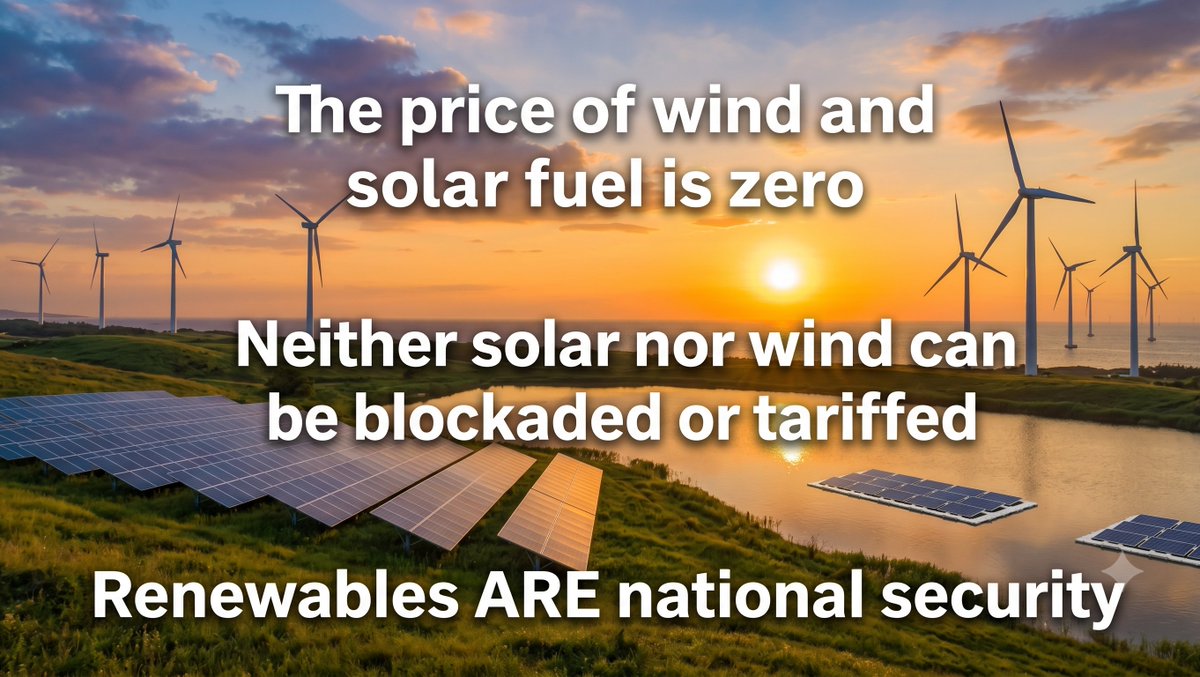
True sovereignty is impossible in a fossil-fuel-dependent economy. Meanwhile, the price of wind and solar fuel is zero and neither solar nor wind can be blockaded or tariffed: Renewables ARE national security
[Methodology integrates 3 variables:
>Net Import Reliance: Total share of oil and gas demand met by imports
>Proportion of imports passing directly through the Strait of Hormuz vs. alternate routes
>Fiscal Subsidy Exposure: Burden placed on national budgets to shield consumers from soaring fuel prices, which creates severe structural distortion even in resource-rich nations such as Malaysia]
12
51
124
3,121