
Joined July 2017
- Tweets 314
- Following 214
- Followers 277
- Likes 923
100 Photos and videos









Pinned Tweet

22 Jul 2020
We recommend the use of the FQoR-15 as an outcome to evaluate perioperative interventions. @SigLasocki @SFAR_ORG @SFARJeunes @AJAnesthRea
22 Jul 2020

The FQoR-15 score is a validated tool for measuring the quality of postoperative recovery in a French-speaking population
@BJAJournals @EmmanuelRineau @mxmleger #France @PeriOpQI
bit.ly/3ePzHHh
3
8
Maxime Léger retweeted

1 Feb 2025
🚨 Nouvel article en ligne dans la revue ANREA avec un dossier spécial "La Francophonie en Anesthésie et Réanimation" ➡️ em-consulte.com/article/1704…
🔓 Accès membre SFAR ➡️ sfar.org/espace-professionel…
@AJARFrance @SNJeunesAR @SNPHARE @SyndicatSnarf @SFARJeunes @contactfnir @mxmleger

3
7
701
9 Dec 2024
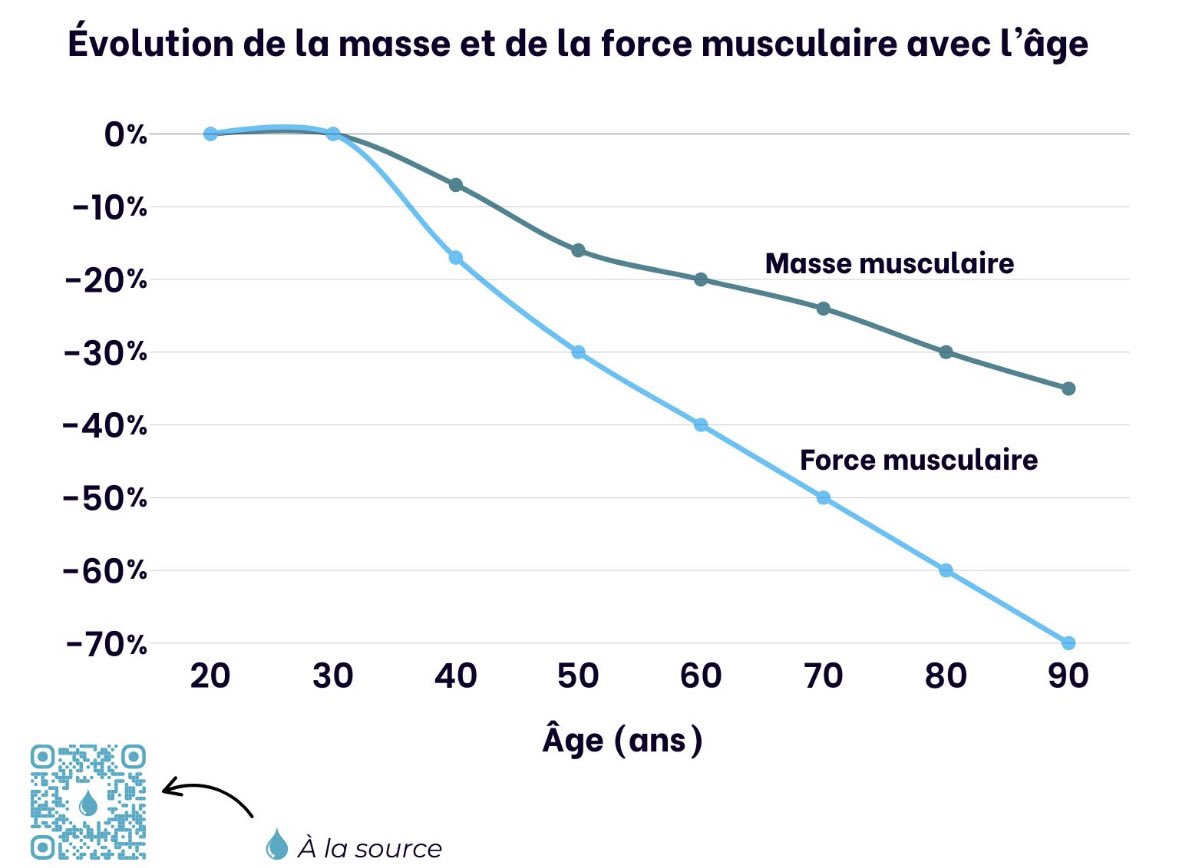
Tu as plus de 30 ans ? C'est le déclin ...
Tes muscles sont remplacés par de la graisse !
Bonne nouvelle : ce processus peut être ralenti par le renforcement musculaire 🏋️♂️
Pour d’info : dernier épisode de ma newsletter 🔗
Abonne-toi 📨, Like ❤️, et Partage 📩
1
1
226
9 Nov 2024
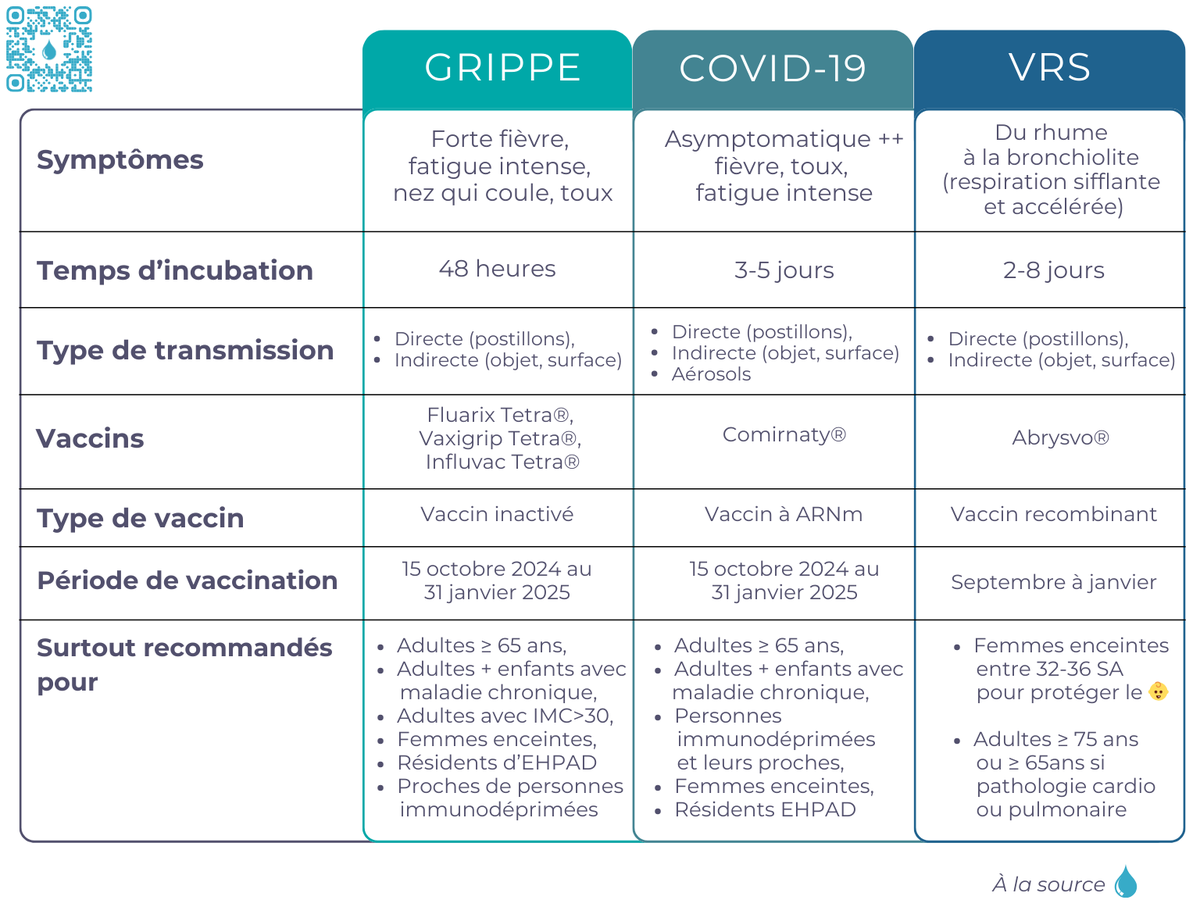
Le vrai super-pouvoir facilement injectable pour cet hiver !
Vaccinez-vous ! 💥
Plus d'info : tinyurl.com/vacccination
1
3
227
Maxime Léger retweeted

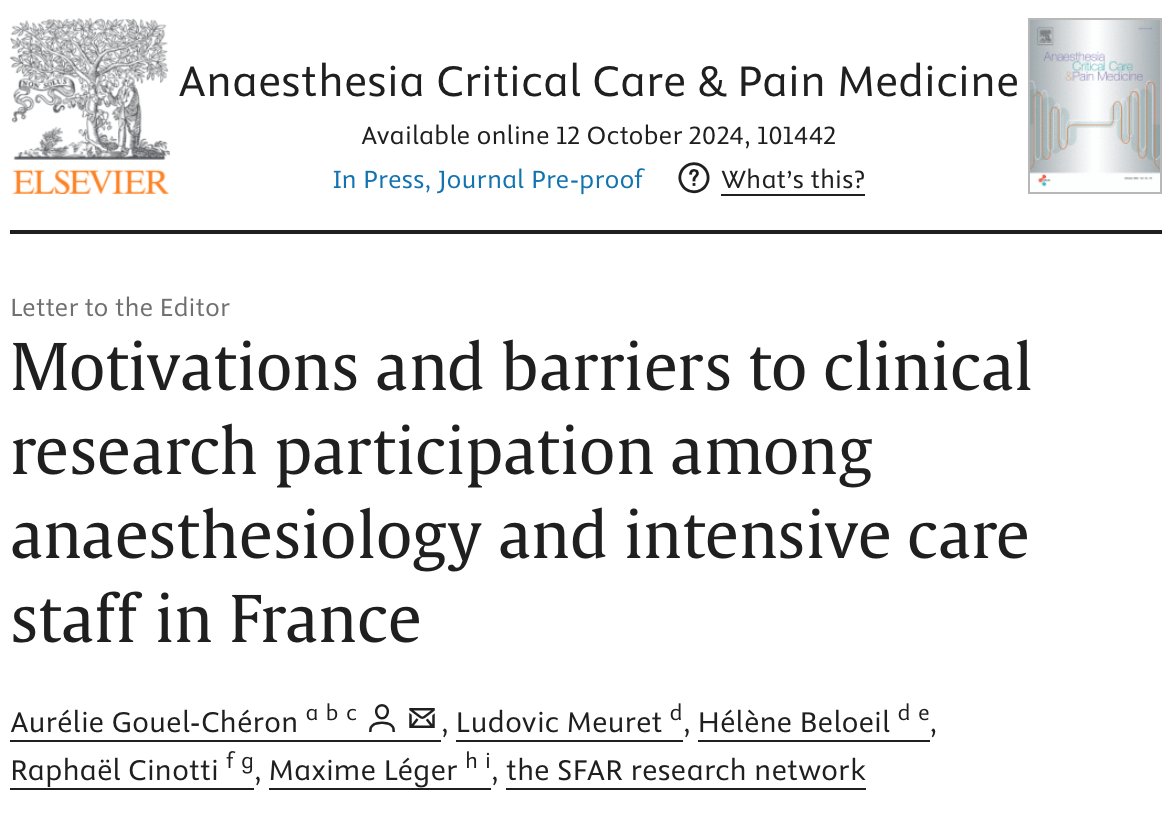
🇫🇷France’s clinical research faces challenges: admin delays, limited funding, and gender gaps hinder progress in anaesthesia & intensive care. Boosting support for all healthcare staff is vital to drive innovation and improve patient care!
🔗bit.ly/3Cd5qDN
13
23
1,976
7 Jul 2024
Foot, Tennis, Basket, 2 victoires sur le TdF.
Comment ça se passe pour la @FFLose sur ces derniers jours ? 😉
2
139
9 May 2024
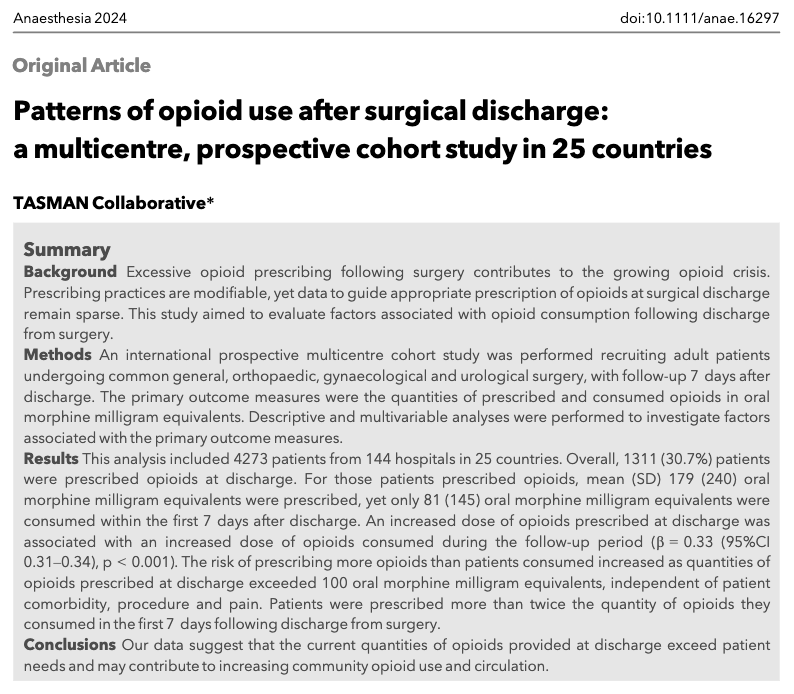
On a beau essayer de chercher des interventions hospitalières pour diminuer la consommation post-op d’opoïdes, un des leviers majeurs à actionner reste la quantité prescrite sur l’ordonnance de sortie … 🙄
9 May 2024

➡️30.7% of patients are prescribed opioids at discharge
➡️Less than half of the opioids prescribed were consumed w/i 7 days of discharge
➡️AND the more opioids prescribed, the more opioids were consumed
@TASMANCollab @LoraneGaborit @chrisvarghese98
🔗associationofanaesthetists-p…
9
574
Maxime Léger retweeted

17 Apr 2024
frontiersin.org/journals/pub…
happy to share our last analysis of the HiFIT study, showing that 👹#COVID-19 did NOT impact QoL of 🧓with hip fracture🫂 @SFAR_ORG @mxmleger @EmmanuelRineau
4
7
422
3 Apr 2024
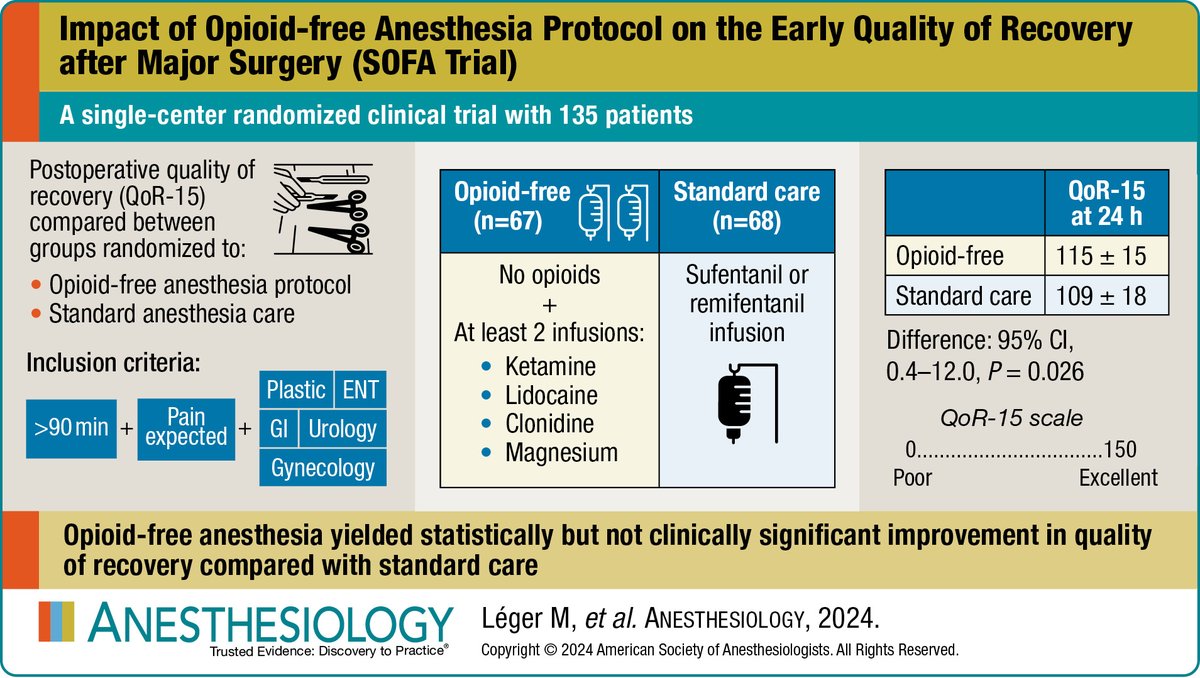
💥 Our latest study challenges the status quo in postoperative recovery! 🤕 Discover how going opioid-free could redefine patient recovery times after major surgeries.
💡Small steps lead to big changes.
With @SigLasocki and @chu_angers
#OpioidFree #SurgeryRecovery
3 Apr 2024

Visual Abstract in #Anesthesiology - Opioid-free Anesthesia Protocol on the Early Quality of Recovery after Major Surgery (SOFA Trial) 🖌️ ow.ly/iU8z50R7yVE
2
7
610
Maxime Léger retweeted
9 Mar 2024
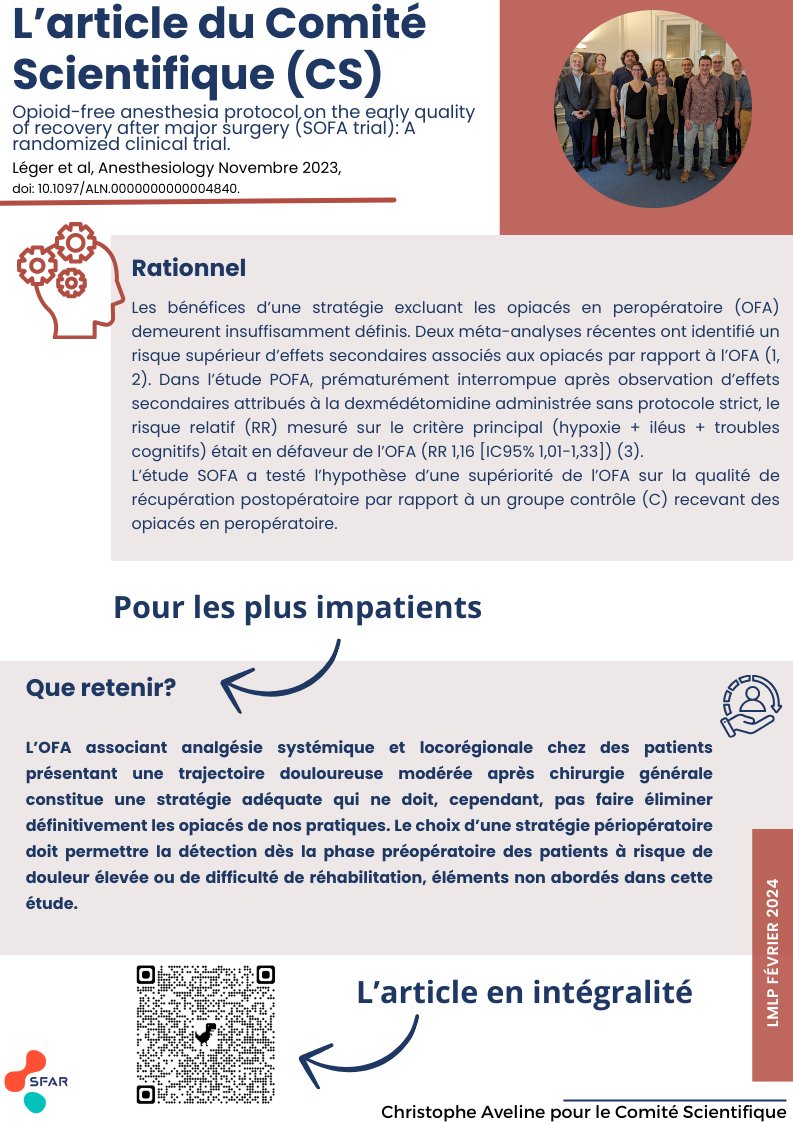
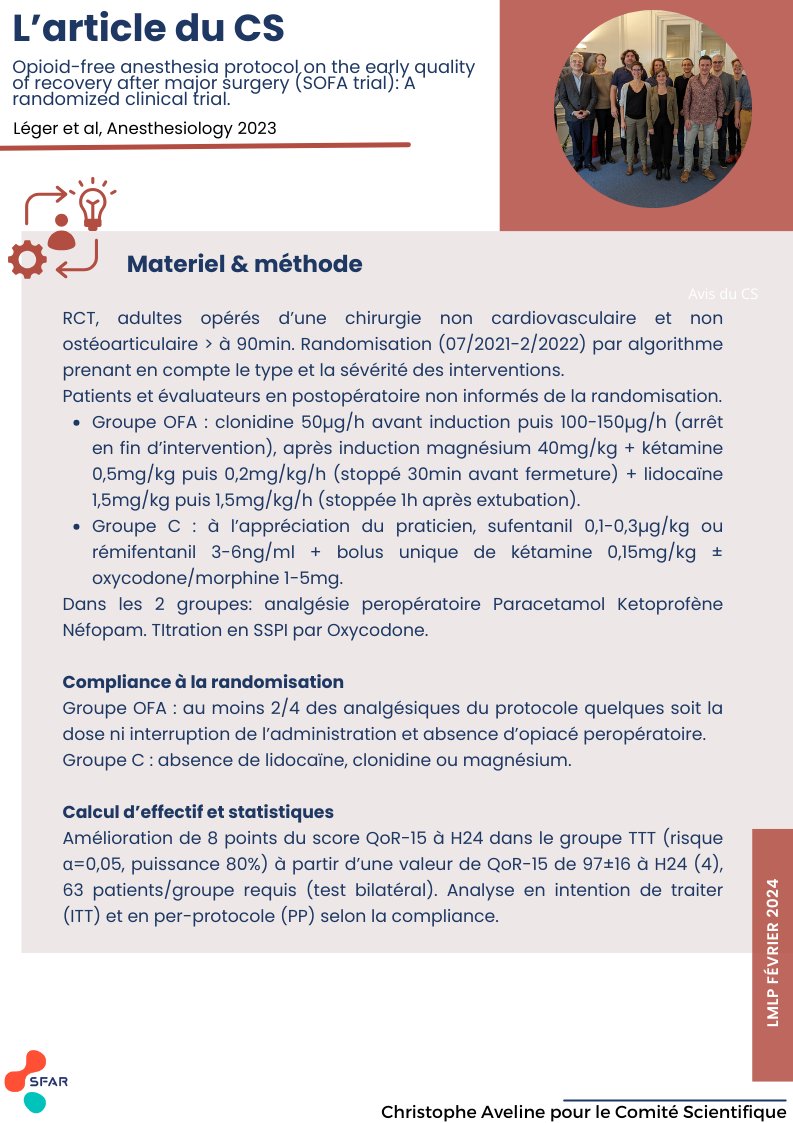
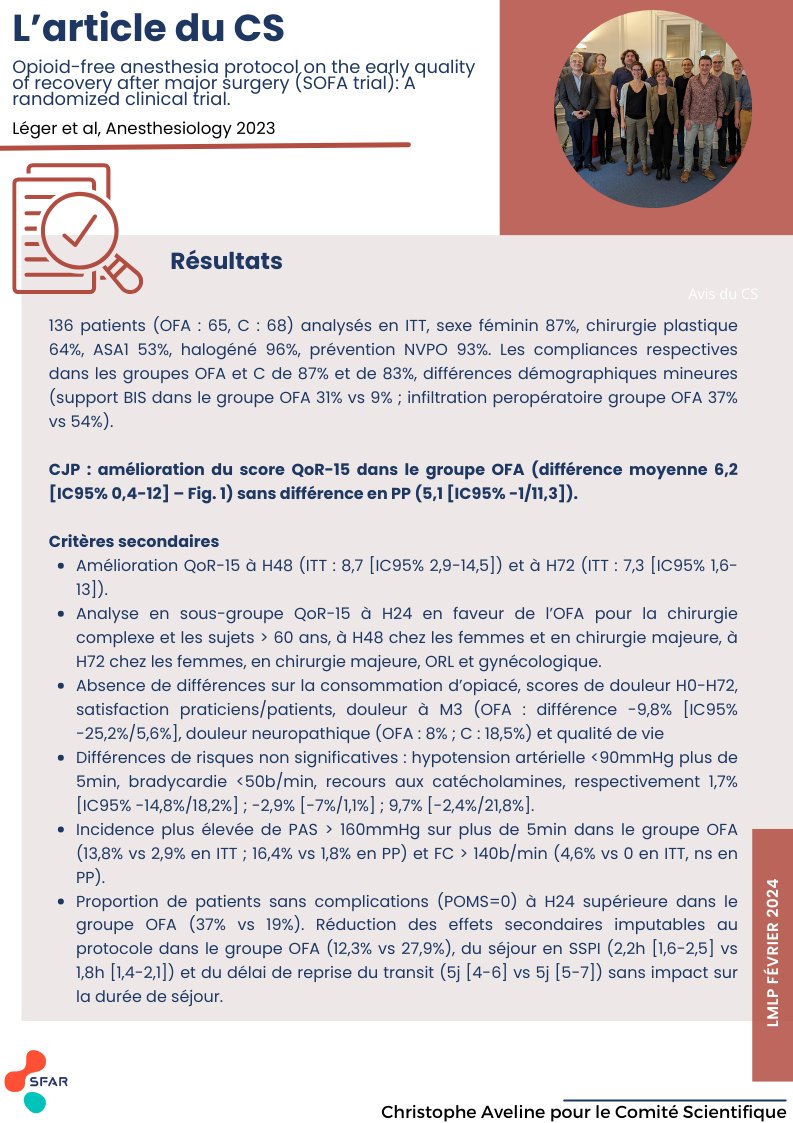
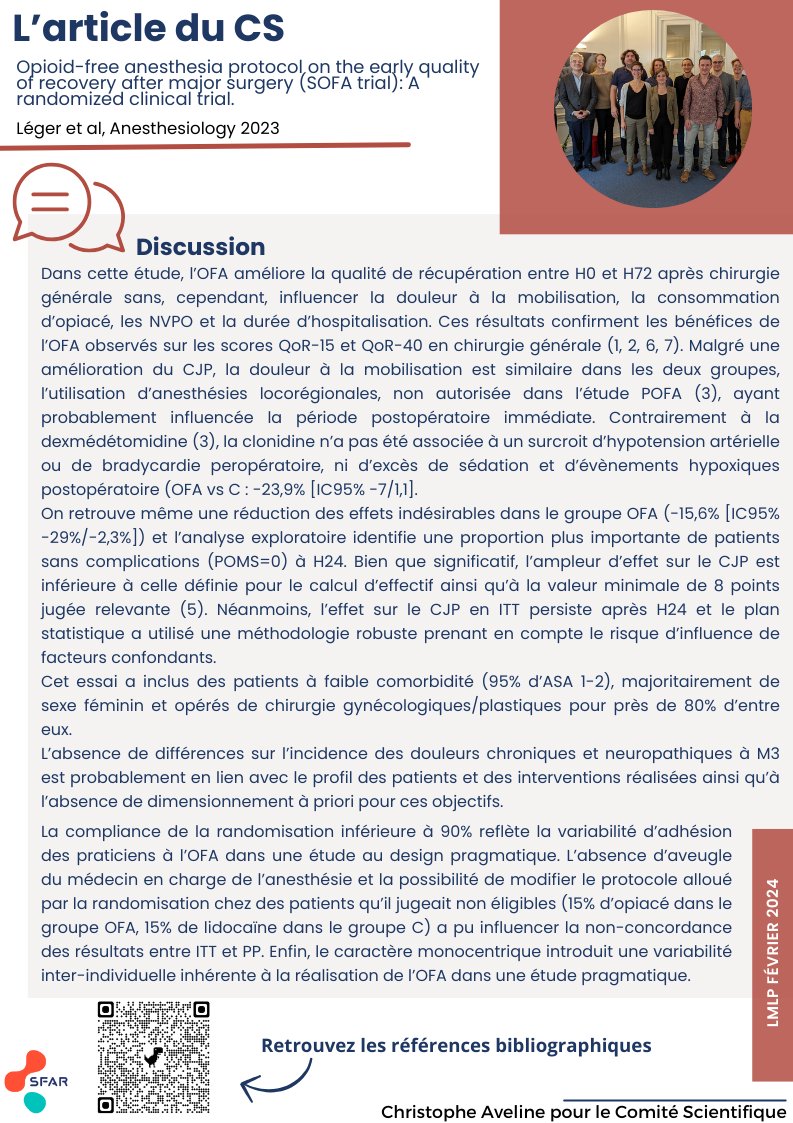
💥 Focus du Masque et la Plume "Opioid-free anesthesia protocol on the early quality of recovery after major surgery (SOFA trial): A randomized clinical trial."
📥 L'intégralité disponible ici ➡️ sfar.org/le-masque-et-la-plu…
@_Lirycs_ @AJARFrance @SNJeunesAR @SyndicatSnarf @SNPHARE
1
2
7
1,216
20 Jan 2024
🎉 Très honoré que la @SFAR_ORG ait sélectionné notre article sur l’anesthésie sans opioïdes (OFA) comme article du mois! 📝🔬
L’OFA améliorerait la qualité de récupération postopératoire précoce (QoR) après des chirurgies majeures. 🌟
➡️ tinyurl.com/5n7ancy8
@SigLasocki
20 Jan 2024

🆕 Nouvel article du mois commenté par le Dr Christophe Aveline du comité scientifique de la SFAR : "Opioid-free anesthesia protocol on the early quality of recovery after major surgery (SOFA trial): A randomized clinical trial" ➡️ sfar.org/opioid-free-anesthe…
@AJARFrance @SNPHARE
2
11
1,109
28 Dec 2023
Hey @NEJM, let’s keep the spins in the gym and off the homepage! 😉Readers dig clear-cut science, not dizzying results.
Keep our negative results just that - negative! #NoMoreSpins #Spins
1
1
4
446
25 Dec 2023
🚨 Super opportunité !
N’hésitez pas à candidater
👇👇
23 Dec 2023
🎓 Élevez votre recherche en Anesthésie Réanimation avec le BootCamp Médecine de Précision le 04/04. Soumettez votre candidature, connectez-vous avec des experts et propulsez vos projets vers de nouveaux horizons 🚀
➡️ bit.ly/3GNWVOf
@AJARFrance @SyndicatSnarf @SNPHARE

1
3
712
13 Dec 2023
🍷🔬 La chromatographie et l’IA pourraient prédire l’origine et le millésime des vins de Bordeaux avec une précision étonnante !
Sommeliers, êtes-vous prêts …?
➡️ nature.com/articles/s42004-0…
2
173
Maxime Léger retweeted

25 Sep 2023
👏👏@mxmleger @_AllSims @chu_angers @FacSante_Angers
La réponse à la mise en place pratique au Dechoc des fiches réflexes trauma coordonnées par #comiteACUTE @SFAR_ORG & @SFMU_MS
@JulienPottecher #GaussTobias @QuintardH @BouzatP
👇👇👇👇👇👇👇👇👇👇👇👇👇
25 Sep 2023

🚨New study alert in #TraumaCare in @BJAJournals !
@SFAR_ORG @SFMU_MS cognitive aids significantly improve initial hospital management in severe trauma cases, aiding in diagnostic and therapeutic actions 🚑
@SigLasocki @GuBouhours @_AllSims
👇👇
tinyurl.com/TraumaAidsSFAR
2
9
1,223
25 Sep 2023
🚨New study alert in #TraumaCare in @BJAJournals !
@SFAR_ORG @SFMU_MS cognitive aids significantly improve initial hospital management in severe trauma cases, aiding in diagnostic and therapeutic actions 🚑
@SigLasocki @GuBouhours @_AllSims
👇👇
tinyurl.com/TraumaAidsSFAR
1
6
22
2,998
Maxime Léger retweeted

11 Sep 2023
What is Causal Inference?
Causal Inference is a new science of causation. This field is nothing less than a revolution in how scientists understand data. Read on to learn more.
This is the first post in a series based on the Book of Why by Judea Pearl. I will be reading the book and sharing the big insights with my followers.
When I first started learning causal inference, I didn't have a clear idea of the problems that casual inference was trying to solve. My misconceptions made it harder to understand the material than it would have been otherwise.
So, before we get into the ideas of the book, I want to help you avoid these common misconceptions.
1. Causal Inference is NOT just regular science
All sciences strive to infer causes within their domain of expertise. Therefore, it might not be obvious to you what makes casual inference any different. This is the reason why I sometimes call this new field mathematical causal inference. This term emphasizes that what sets causal inference apart is the mathematical framework it uses to describe causation.
2. Causal Inference is NOT directly about inferring causes
Based on the name, new learners often think causal inference is solving the following problem:
Given a list of candidate variables, how can we select the ones that have a real causal effect on our outcome of interest?
This is not what causal inference does. Causal inference is solving a different problem:
Assuming our beliefs about the causal relationships between all the variables is accurate, what is the best estimate of the causal relationship between a particular candidate variable and the outcome of interest?
Very roughly speaking, causal inference tells us whether based on our causal beliefs, the association between two variables is bigger or smaller than their true casual relationship.
3. The Example of Alice and Bob
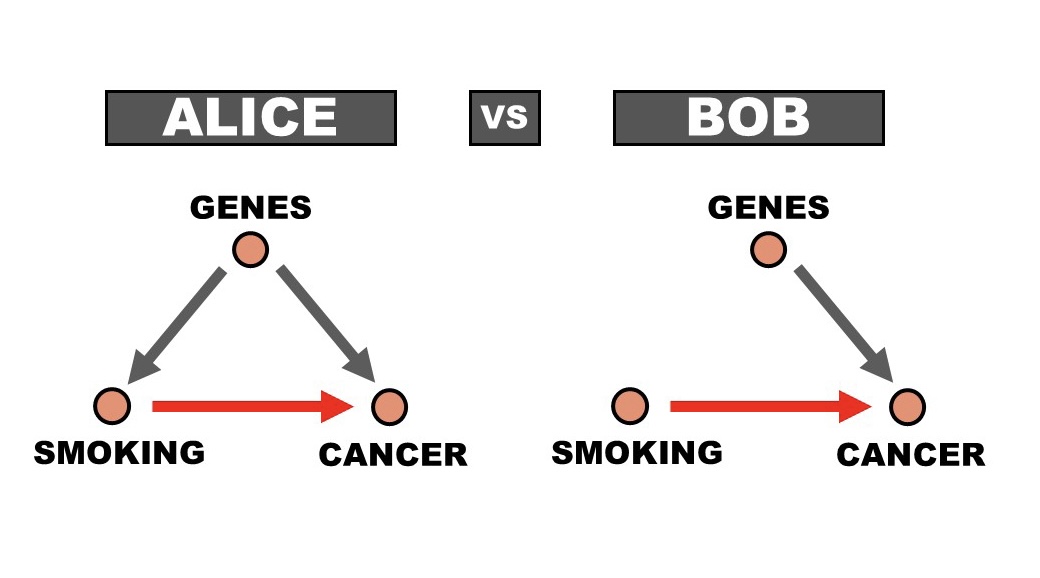
Alice thinks genes strongly affect addictive behaviors like smoking. She also thinks genes have an effect on who gets cancer. Bob agrees that genes very likely have an effect on cancer, but Bob thinks complicated social behaviors like addiction are completely due to social factors, not genes.
Causal inference allows us to evaluate the same data according to both Alice's and Bob's beliefs about the underlying causal relationships. This allows for various outcomes:
1. Avoiding unnecessary arguments. If Alice and Bob get very similar estimates for the causal relationship between genes and cancer, this implies that the disagreement about the relationship between genes and behavior is not that important. This allows scientists to move forward by focusing on the factors that really matter.
2. Agreeing to disagree. If the difference in estimates of the casual relationship between genes and cancer is large, causal inference allows both Alice and Bob to continue to explore the same data according to their very different assumptions about the causal relationships. This gives scientists and policy makers autonomy to pursue different interpretations of the same data.
4. Casual Inference builds doesn't replace statistics. It makes it more powerful.
Causal inference allows us to adjust our statistical estimates of the strength of particular casual relationships based on our beliefs about the casual relationships between the variables. This is why some experts in causal inference (like the epidemiologist @epiellie) prefer to use the term causal effect estimation to refer to the field causal inference.
That's it for now. My next post (coming soon!) will explore how causal inference creates a mathematical model of causation and what makes this approach so special. (You can find these posts using the hashtag #KareemReads)
Follow me (@kareem_carr) for more content like this. If you want to show support, like and retweet the thread.
75
511
3,079
796,567
Maxime Léger retweeted
24 Aug 2023
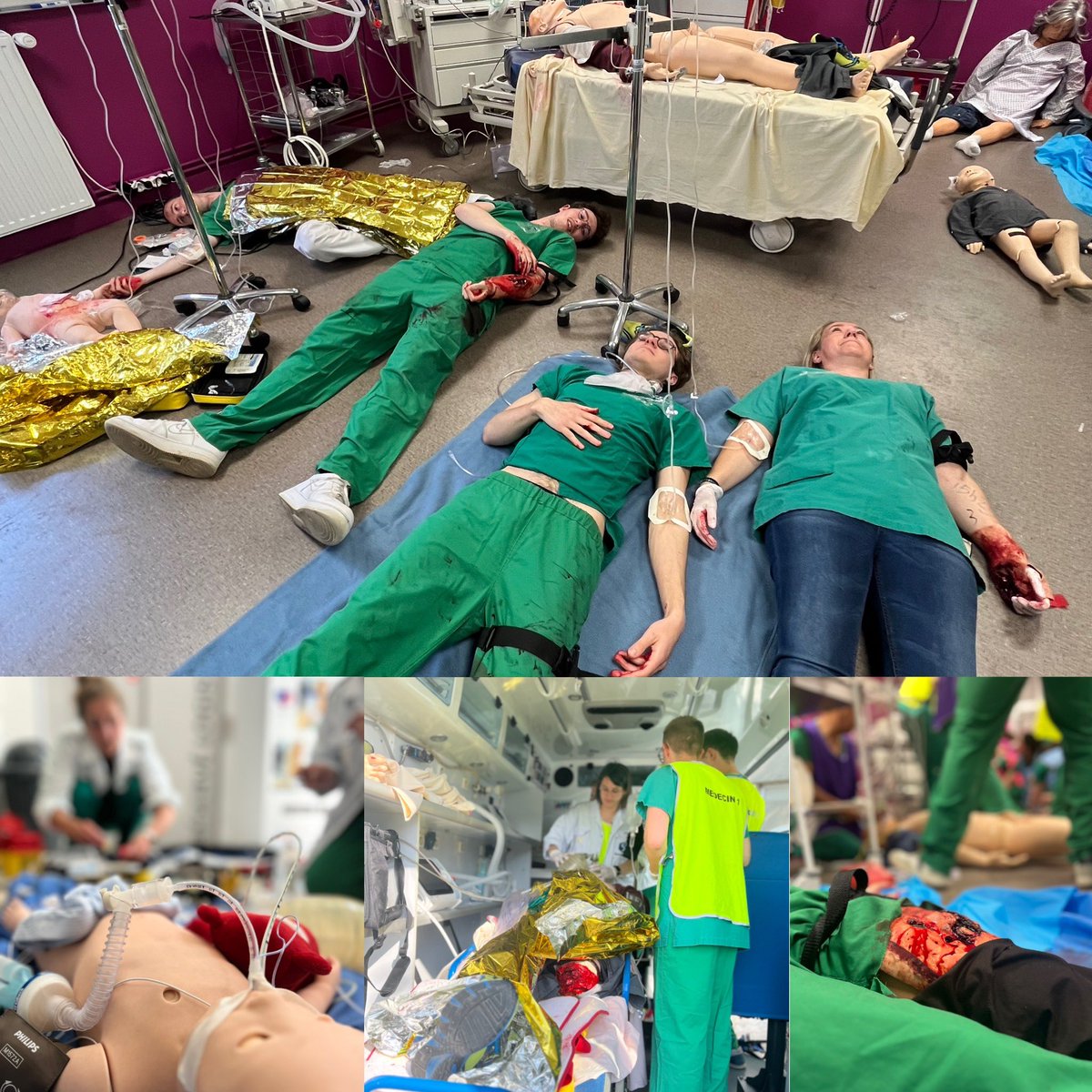
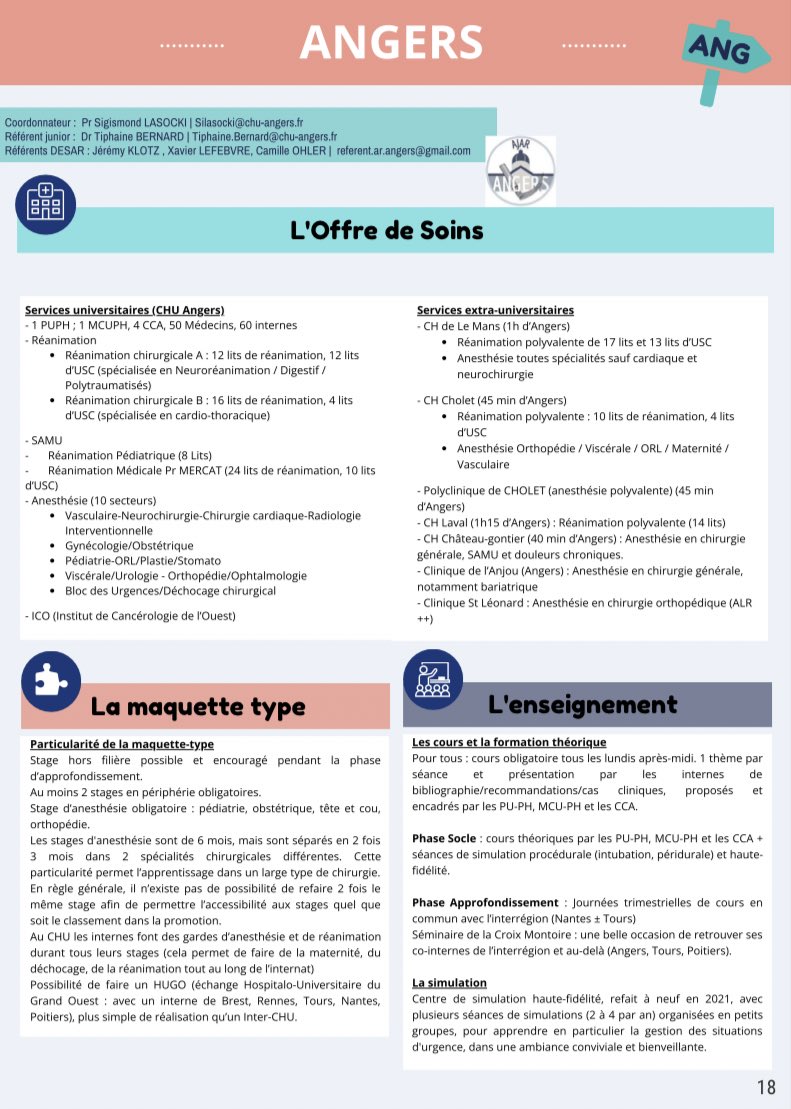
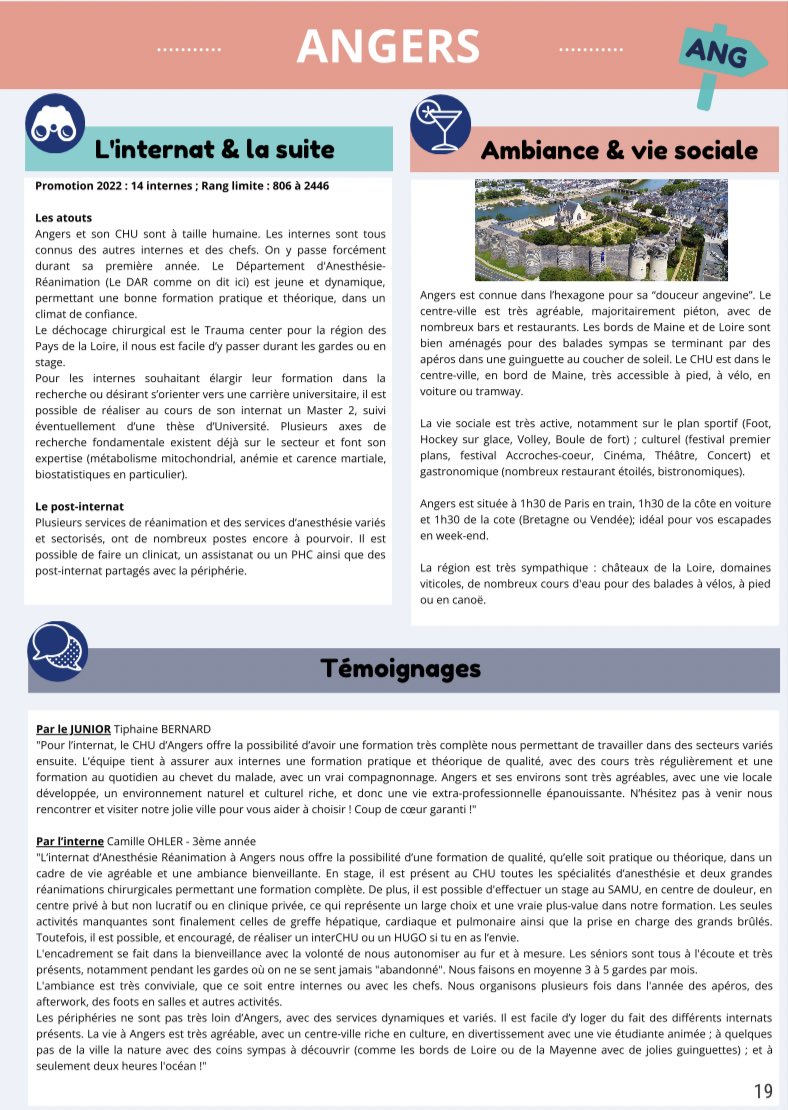
@chu_angers @FacSante_Angers c’est entre autre: 1 Trauma Center 1/2 région Est des Pays de la Loire, 1 centre de Simulation qui a tjs été novateur, avec les universitaires des PH impliqués & motivés auprès DES ARMPO…tout ceci dans la ville où il fait le mieux vivre en France🖤🤍

24 Aug 2023

Et si c’était @chu_angers ? Venez apprendre l’Anesthesie Réanimation auprès de @SigLasocki @EmmanuelRineau @mxmleger @GuBouhours and coll. et la team de l’@AjarAngers !
#1ereVilleOùIlFaitBonVivre @Angers @UnivAngers @angersinfo
2
13
1,714
Maxime Léger retweeted

24 Aug 2023
Et si c’était @chu_angers ? Venez apprendre l’Anesthesie Réanimation auprès de @SigLasocki @EmmanuelRineau @mxmleger @GuBouhours and coll. et la team de l’@AjarAngers !
#1ereVilleOùIlFaitBonVivre @Angers @UnivAngers @angersinfo
2
12
23
4,227
17 Aug 2023
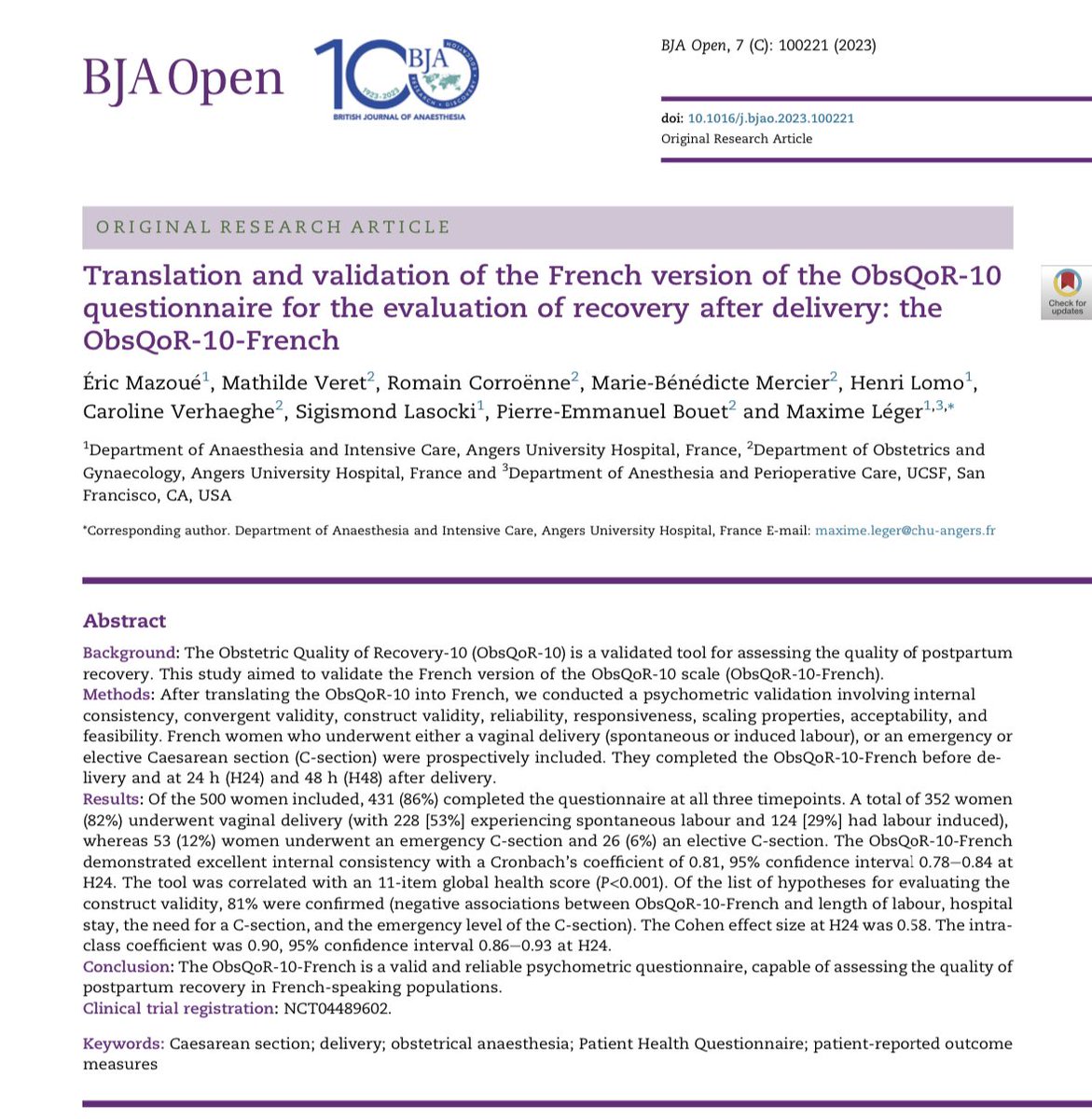
Our latest paper on the validation of the french version of the ObsQoR-10 for the evaluation of recovery after delivery ! 🤰👶
👉 tinyurl.com/Obsqor10french
17 Aug 2023

1
13
913