
Joined June 2009
- Tweets 4,704
- Following 5,330
- Followers 570
- Likes 36,851
94 Photos and videos












Nate Archer 😀 retweeted

Jun 13
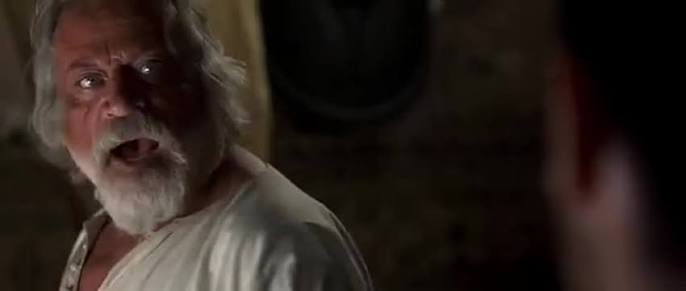
“You knew the first trillionaire?”
“I didn’t say I knew him. I said he replied ‘Wow!’ on my post once.”
207
1,922
51,281
669,057
Nate Archer 😀 retweeted

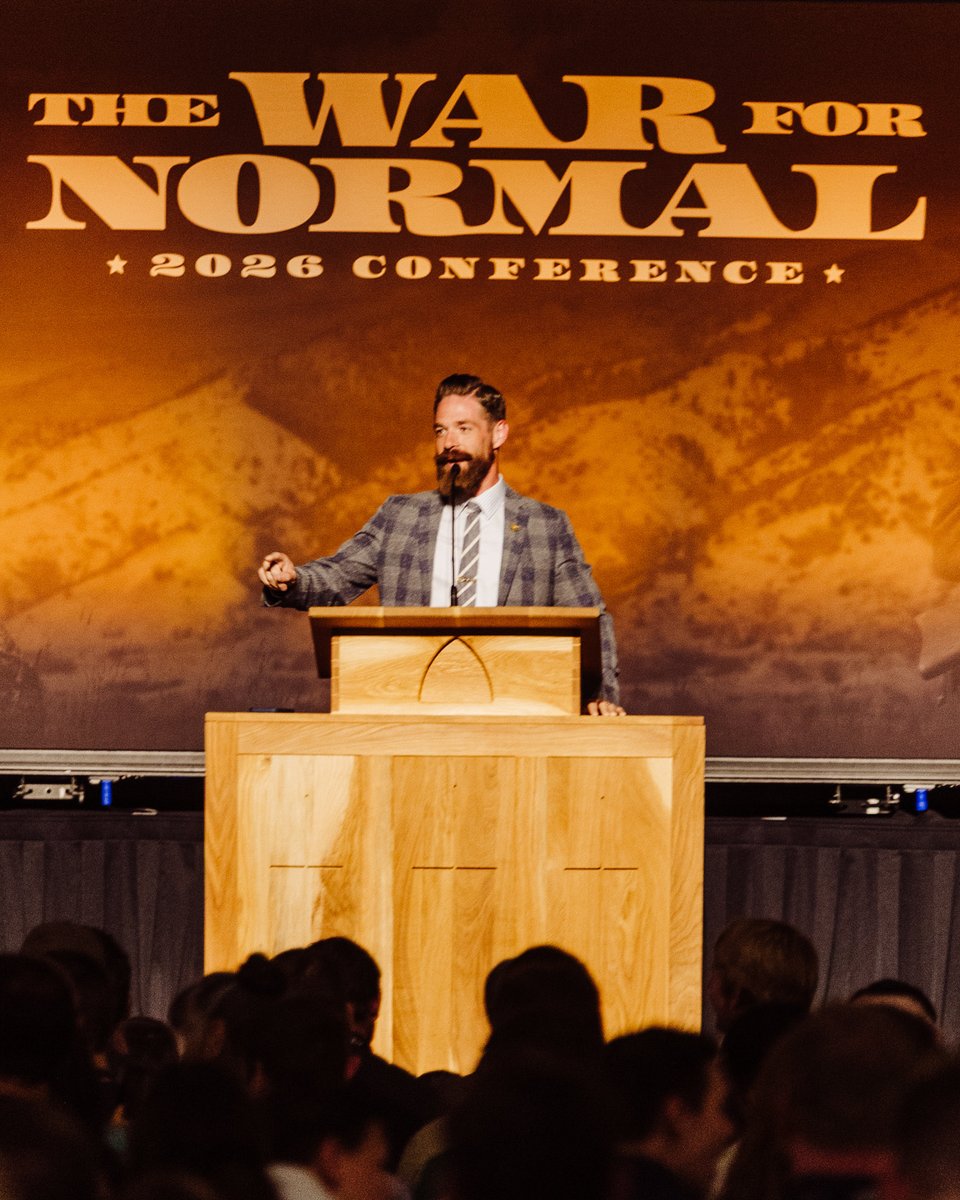
.@Brian_Sauve opened up the conference talks with a great message.
“…you will not win your war for normal by simple accumulation of the right theoretical knowledge or the right mental model of an ideal political system, or the same for an ideal ecclesiastical structure.
Don’t let knowledge accrual and theory accrual function in your life like world-building functions for a fantasy novelist. An elaborate mental model of the world as you think it ought to be won’t, by itself, do almost anything.
Worse, it can actually keep you from doing anything, because you get so bogged down in an ultimate and hypothetical future ideal state that you become paralyzed in terms of taking the next three steps in front of you—because of course those steps aren’t good enough. After all, they’re all sorts of mixed up with sub-ideal circumstances and realities.
All of this can become like a relief valve for action—where the mere act of thinking and writing and posting and debating is substituted for the meaningful and concrete action itself.”
-Brian Sauvé
21
57
522
44,725
Nate Archer 😀 retweeted

Jun 8
I'm finally reading Dune. This quote, which is in the first few pages, hits hard:
"Once men turned their thinking over to machines in the hope that this would set them free. But that only permitted other men with machines to enslave them."
722
21,523
121,542
2,117,758
Nate Archer 😀 retweeted

Jun 6
On June 6, 1944, a 56-year-old general with a secret walked onto Utah Beach under fire, armed with a cane and a pistol.
The secret: his heart was failing. He had hidden it from the army doctors so they wouldn't pull him from the mission.
His name was Theodore Roosevelt Jr. Son of the President. He had begged three separate times to lead the first wave ashore at Normandy before his commanders finally said yes.
When his landing craft drifted 2,000 yards off course, every instinct said redirect the following waves to the correct zone. Instead, Roosevelt walked the beach himself, alone, under artillery fire, cane in hand, reading the terrain.
His verdict: "We'll start the war from right here."
He then stood on that beach and personally greeted every regiment that landed after him, pointing them inland, cracking jokes under shellfire, steadying 18-year-olds who had never seen combat. He did this for hours.
Years later, Omar Bradley was asked to name the single most heroic act he had ever witnessed in combat.
His answer, without hesitation: "Ted Roosevelt on Utah Beach."
Roosevelt's son, Captain Quentin Roosevelt II, also landed at Normandy that same morning. He was named after his uncle, Quentin Roosevelt, who had been shot down as a fighter pilot over France in World War I.
Three generations. Three wars. One family.
Theodore Roosevelt Jr. died in his sleep 36 days later. Heart attack. The thing he had been hiding finally won. He never learned he had been awarded the Medal of Honor.
He was buried at the Normandy American Cemetery.
In 1955, his family had his brother Quentin, killed in WWI, exhumed from where he fell in France and reinterred right beside him. Quentin is the only World War I soldier buried there.
Two brothers. Two world wars. The same French soil.
Their father had once said: "Do what you can, with what you have, where you are."
Both of his sons did exactly that.

245
3,880
20,139
753,364

Jun 5
How do I block the Ai slop movie / tv clips. They are almost the worst!
18
Nate Archer 😀 retweeted

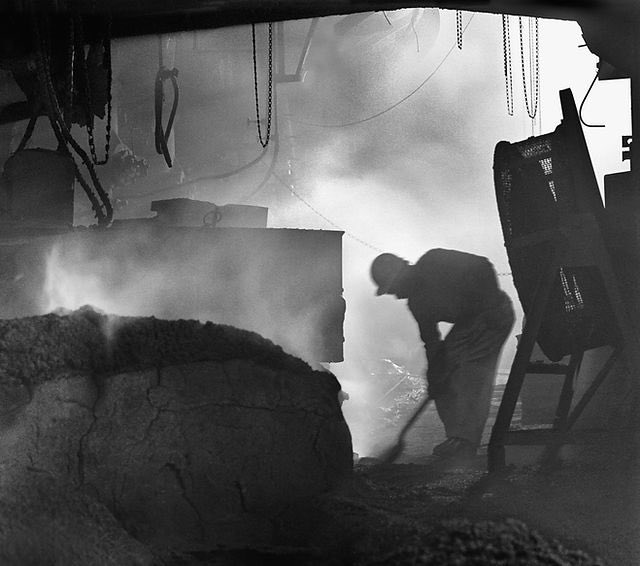
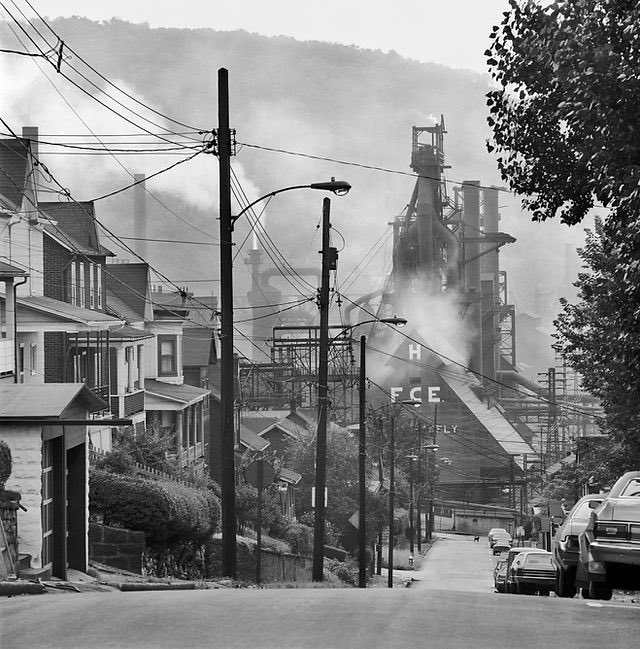
This week I came across the obituary of a photographer named David Plowden. I was unfamiliar with his work, but decided to browse his website after reading that he specialized in photos of trains and industry.
I’m not much of an art guy, but these photos are astonishing. (1/4)


85
882
5,161
106,044
Nate Archer 😀 retweeted

May 31
They can have nothing
201
1,017
14,000
640,132
Nate Archer 😀 retweeted

May 29
A saronic’s boat is a real accomplishment. Problem is it’s wrapped in a lie, a dangerous lie.
“A pace American shipbuilding hasn’t seen since World War II.”
Read that again. It only works if you’ve never visited an American boatyard.
Because the thing Saronic just did, design, build, and launch a 150-foot workboat in under a year, is not a once-in-eighty-years miracle. It’s not historically significant either.
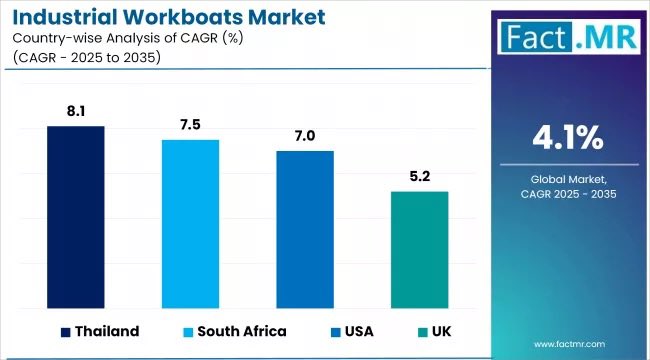
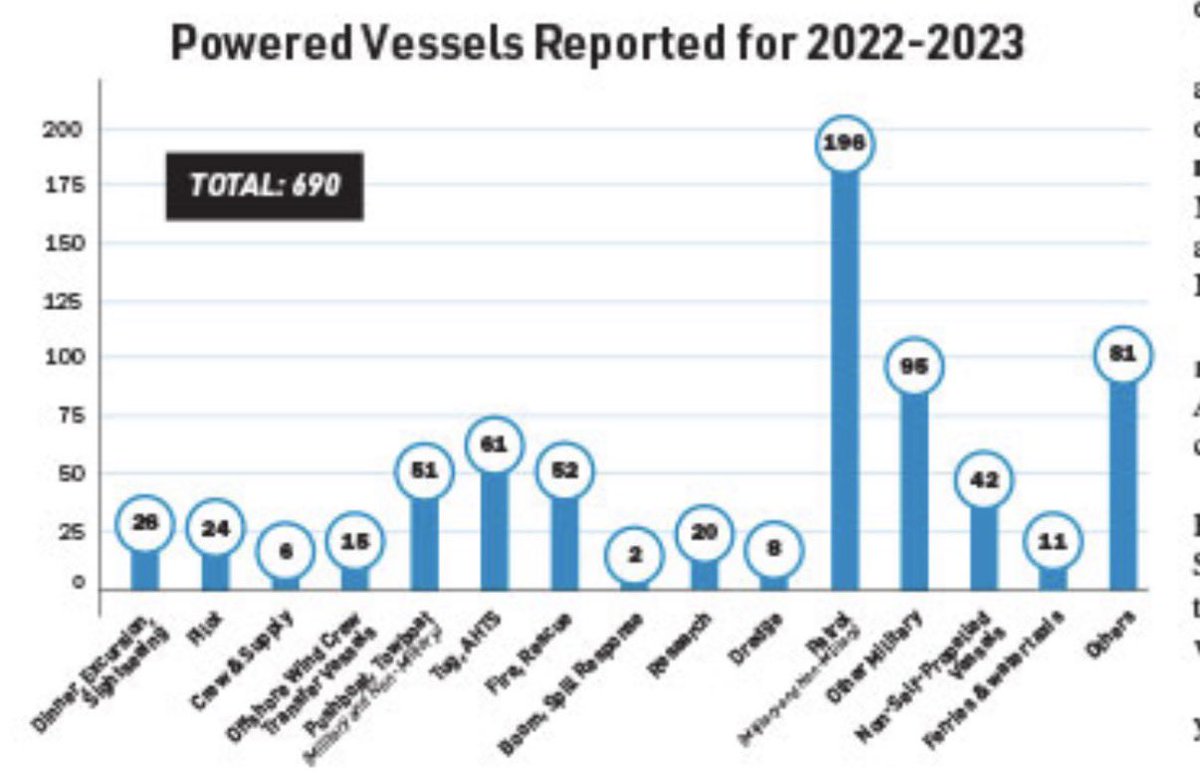
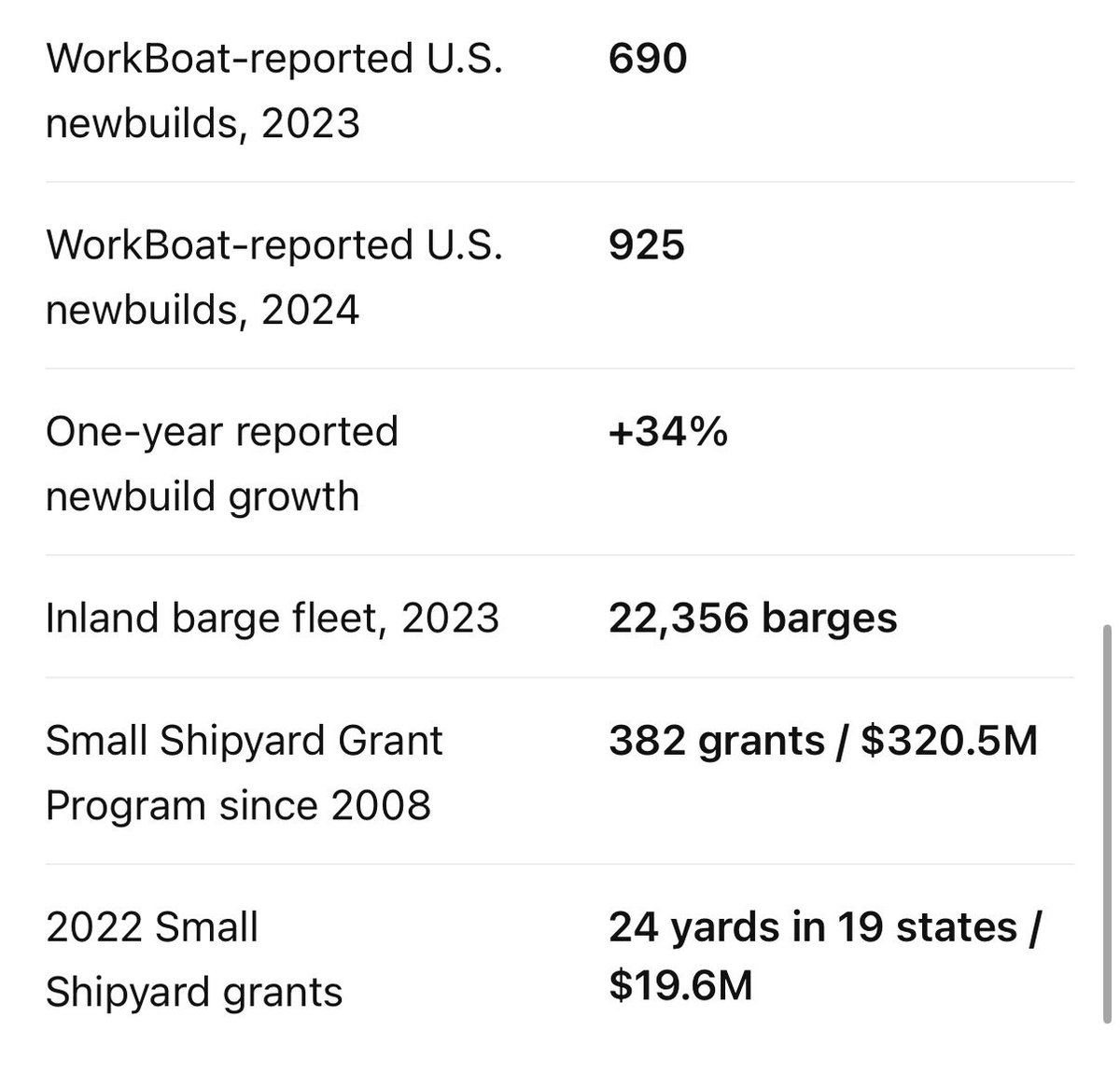
American yards build tugs, towboats, ferries, patrol boats, crewboats, dredges, barges, and aluminum hulls on exactly these timelines, every year, by the hundreds. WorkBoat’s own survey tracked 925 U.S. vessels delivered, under construction, or on order in a single recent year. ShipbuildingHistory documents hundreds of American yards turning out vessels like this since 1945. This is not a revival. It’s a sector that never stopped.
We build so many worboats under 250 feet that the DOT can’t even track all of them.
Want proof of how alive the boatbuilding market is? The largest maritime trade show in America, by a mile, is the International WorkBoat Show in New Orleans every December. Over 1,000 exhibitors. Roughly 14,000 attendees last year…. A Record-breaking number.
There is no oceangoing shipbuilding show in this country that comes within shouting distance, because that is the part of the industry that’s actually dying. Workboats are the part that’s thriving.
And here’s the part Dino left out.
Saronic didn’t conjure this speed from nothing. It bought Gulf Craft, a Louisiana yard with a 60-year head start, and built the Marauder with that yard’s existing workers, slips, and know-how. The speed everyone is applauding was already sitting in a Franklin, Louisiana boatshed.
Saronic didn’t resurrect American shipbuilding. It rented the muscle the workboat sector has been quietly growing for generations, and then took the credit on X.
Let me be unmistakably clear: I am a fan. Saronic builds something the Navy genuinely needs, and I want Congress to fund it aggressively.
But WORDS MATTER. Especially these words, at this moment.
Because there are two ways this lie does real damage.
First, it lets a company thriving in a hot market siphon attention and budget from the deep-draft shipbuilders who are genuinely on life support, the ones who build the hulls, drydocks, and capital ships that workboats can never replace.
Shipbuilders that need massively expensive drydocks because they can’t sling their ships and hang them on a few straps.
Second, and worse: to a voter, a congressman, a tired staffer scrolling at midnight, this framing says Saronic saved the Navy. It didn’t. It can’t. A swarm of autonomous workboats is not a fleet. One Chinese-built containership moves more tonnage than every Marauder you could launch in a decade.
Saronic’s Marauder can carry 8 TEUs, China builds ships with a 24,200 TEU capacity.
That’s 3,025 TIMES the capacity.
You built an incredible company Dino. One that fills a real and urgent need. That is impressive on its own merits. It does not need a fairy tale stapled to it, least of all one that steps on the throat of the shipbuilders fighting to survive.
Tell the truth, Dino. It’s a better story anyway.
And it’s not just you. All your competitors are doing it too.
Stop lying.
Just stop.

May 29

We just launched our first Marauder — designed, built, and launched in under a year, at a pace American shipbuilding hasn't seen since World War II. The team that made it happen shows up every day and refuses to accept the timelines the rest of the industry takes for granted.
Hull two is being outfitted now. Three and four are under active construction. We're scaling fast, and every hull we put in the water is a reflection of what this team is capable of.
One mission, one team — and we're just getting started.
38
118
889
95,220
Nate Archer 😀 retweeted

> anon
> loves history
> posts for years on interesting topics
> to great success
> now, a show
An enormous victory. And an example for others to follow.
Congratulations @culturaltutor!
May 27

I’m making a show about buildings.
The concept is simple: do for the man-made world what Planet Earth did for the natural world.
But, when I pitched the idea, the answer was that nobody would watch it.
So I released a pilot episode on YouTube. It’s got 5.4 million views, 379k likes, and 23k comments.
People are interested, and now it’s time to make the full show.
Six episodes, filming in the UK, France, Belgium, Germany, Italy, and the USA, and releasing on a streaming service like HBO, Netflix, or Prime.
Why does this show matter?
First: we’re surrounded by buildings all the time. Look around yourself, right now… what do you see? Buildings are the logical conclusion of everything a society believes in. That’s the real focus of this show: not the buildings themselves, but what they say about us.
Second: there’s global dissatisfaction with modern architecture. This feeling gets written about online, but nobody’s given a voice to it on film or TV. That’s what this show will be. But this isn’t just about criticising modernity. That’s easy. This is about learning from the past in order to understand and improve the present, for everybody.
Third: there’s a drought of high-quality culture shows. When I spoke to film executives they said that only documentaries about sports, music, or true crime get funded. That’s a colossal missed opportunity. Galleries are always full, content about architecture goes viral online all the time, and people spend their precious holidays visiting beautiful cities.
Why no shows about architecture, then?
Tourists flock in their millions to see (for example) the buildings of Antoni Gaudí in Barcelona. But, if you asked those same people if they’re interested in “architecture”, they’d probably say no.
To put that another way: not many people want to watch “a show about architecture”, but lots of people want to watch a show that illuminates the real world they’re living in, each and every day.
What will the show be like?
Six episodes, going chronologically through history and arriving at the present, each focussing on the architecture and design of a specific period:
1. Middle Ages
2. Renaissance
3. Enlightenment
4. The Nineteenth Century
5. Art Nouveau & Art Deco
6. Present Day
But, in each case, the point isn’t just to learn about that era; the point is to learn about our modern world through those eras and what they’ve left behind. If you watch the pilot episode (included below) you’ll see what I mean.
So the show’s not really “about” the past; it’s about the twenty-first century.
That’s why it’s called The Modern World.
When you think of a typical history show there are loads of interviews, stock footage, archive photos, historical recreations, and graphics. We’re doing none of that. Everything will be filmed on location, because we’re telling our story only through the real world that exists right now. And, rather than going to the most obvious places, we’ll focus on buildings that aren’t well-known but should be more famous.
But that’s all big picture; what will it be like on screen?
Buildings used to look different in every country, and now they look the same. Why? Because the weather is different everywhere, and buildings were always a way of dealing with that weather, using local materials. Now we have air conditioning and we ship concrete around the world, so we don’t need to design our buildings with regard to local weather or rely on local materials.
Look at really old clocks and you’ll notice something: they don’t have a second hand… because it was only invented 300 years ago! Then you look at the present and you realise we’re surrounded by timers, by seconds ticking down and ticking up relentlessly. If we’re looking for a cause of our anxiety-inducing culture, that might be it.
When you spend time with the sun-softened bricks and time-warped timbers of old cities you notice that synthetic materials like plastic have taken over. When we’re surrounded by things that feel temporary, how do you think it makes us feel?
It’s only by seeing 19th century train stations, designed like cathedrals, that you realise tradition and technology aren’t enemies. New things don’t have to look boring: if the Victorians had designed AI data centres, they’d look like Medieval castles.
In the 1920s, at the zenith of Art Deco, people believed technology would uplift humanity. That’s why they decorated their buildings with statues inspired by electricity. Only by seeing their enthusiasm can we realise our own cynicism, and perhaps begin to fix it.
All of that… and much, much more.
But, above all else, this show is about a way of seeing. If you want to understand any society then you need to look at what it creates, not what it says about itself.
There’s a worldview in every single object; our skyscrapers are designed the same way as our phones. Learn to look at this world, to notice its details, and everything else starts to make sense.
What now?
I’ve been quiet online recently because I’ve been researching and working on scripts for six full-length episodes. Production begins when we’ve raised the funding.
The Modern World is coming.
8
57
938
78,888
Nate Archer 😀 retweeted

May 21
Nothing will shape your worldview as much as simply reading how humans from the past thought.
You realize very quickly that our time is a radical anomaly in human history.
May 21

Read old books
761
3,158
28,296
37,997,452
May 21
Repeat after me:
Price controls cause shortages.



57
May 20
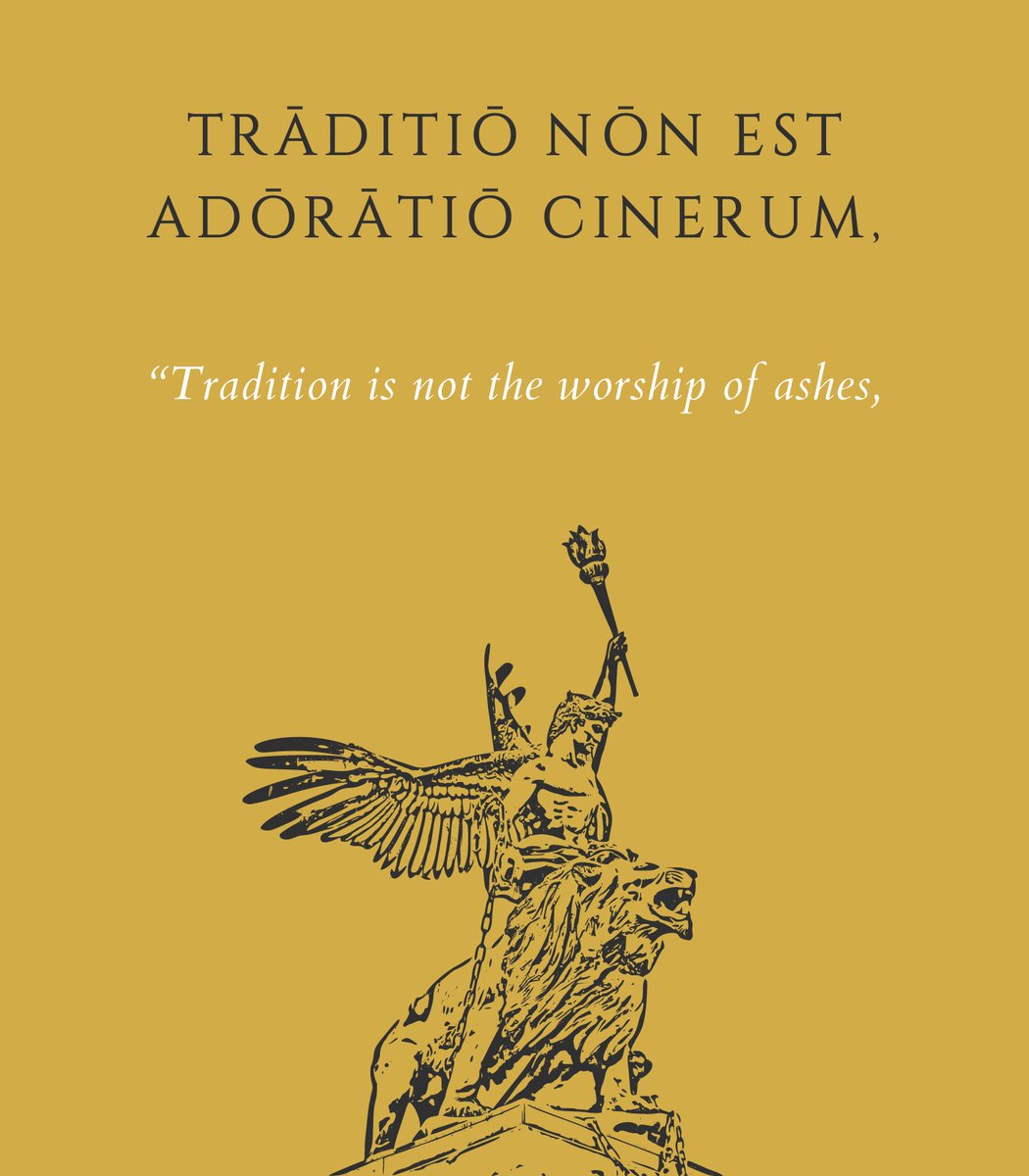
TRADITIO NON EST ADORATIO CINERUM SED CUSTODIA IGNIS
May 20

“Tradition is not the adoration of ashes, but the preservation of fire.”

22
Nate Archer 😀 retweeted

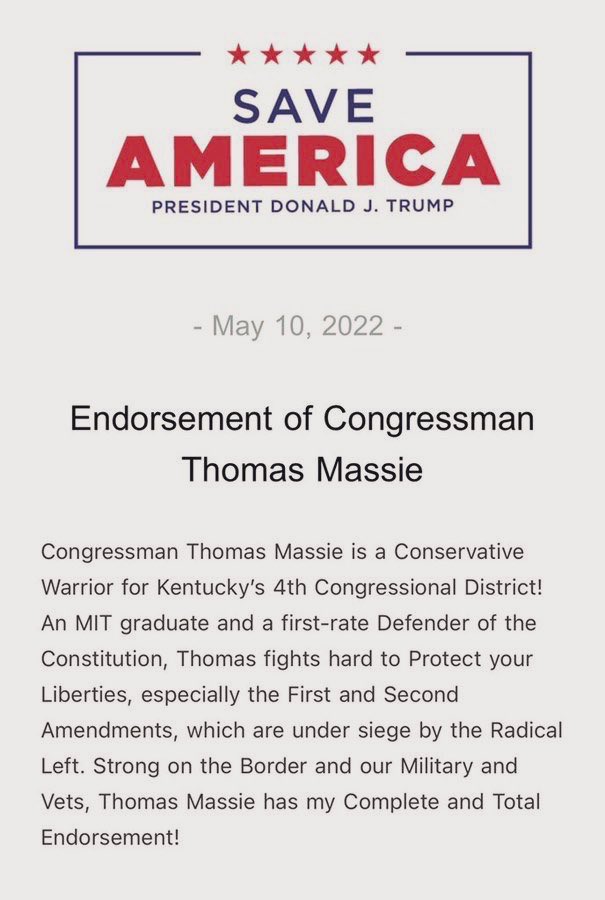
Is this the one?
2,399
6,967
77,250
1,989,908
Nate Archer 😀 retweeted

May 18
“A good man leaves an inheritance to his children’s children, But the wealth of the sinner is stored up for the righteous.” -Proverbs 13:22

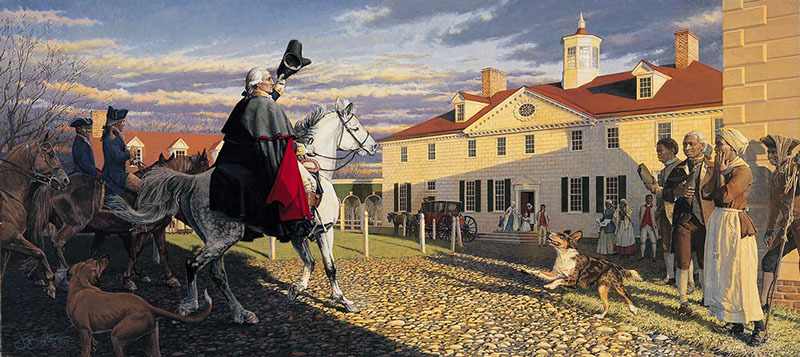
A fascinating passage on inherited wealth from Russell Kirk's The Conservative Mind that is quite relevant to Virginia's Golden Age and its contribution to the Founding, as I'll explain. Kirk says:
"Unearned income from land, said Lecky, is of all forms of wealth generally that most beneficial to society. 'Society is a compact chiefly for securing to each man a peaceful possession of his property, and, as long as a man fulfills his part in the social compact, his right to what he has received from his father is as valid as his right to what he has himself earned.' People who live upon inherited property have done more for England, by far, than the great bulk of self-made rich men."
While this makes many uncomfortable, particularly in America, it is borne out in the history of Virginia
As Clifford Dowdey notes, it was by the 1730s that the first real generation of "inheritors" in Virginia were coming about and the Golden Age dawned. These were men still highly competent in the science and art of running a plantation, but who also had, because the wealth was already established, enough leisure time necessary to study the art and science of good governance as well
This they did. They were involved at every level, from the vestry to the Council, with their most important contributions coming as Justices of the Peace and Burgesses, and their actions backed by the study of political philosophy and history along with their real-world experience
Because they had the wealth to support their political pretensions, and the right culture and sense of virtue to understand the importance of fulfilling their duty to the public and doing so well, Virginia was the most important state in the nation and the one that stamped its face upon the pre-War Between the States republic
Thomas Jefferson, George Washington, James Madison, James Monroe, Richard Henry Lee, Benjamin Harrison V, and many more were all important to the Founding, and to the Early Republic. Without them, America would be a very different place. And they were in such a position because of the inherited landed wealth (in Washington's case that he married into) they held. It accentuated and enabled their immense talents
Such is worth considering, uncomfortable as it may be
3
58
468
21,006
Nate Archer 😀 retweeted

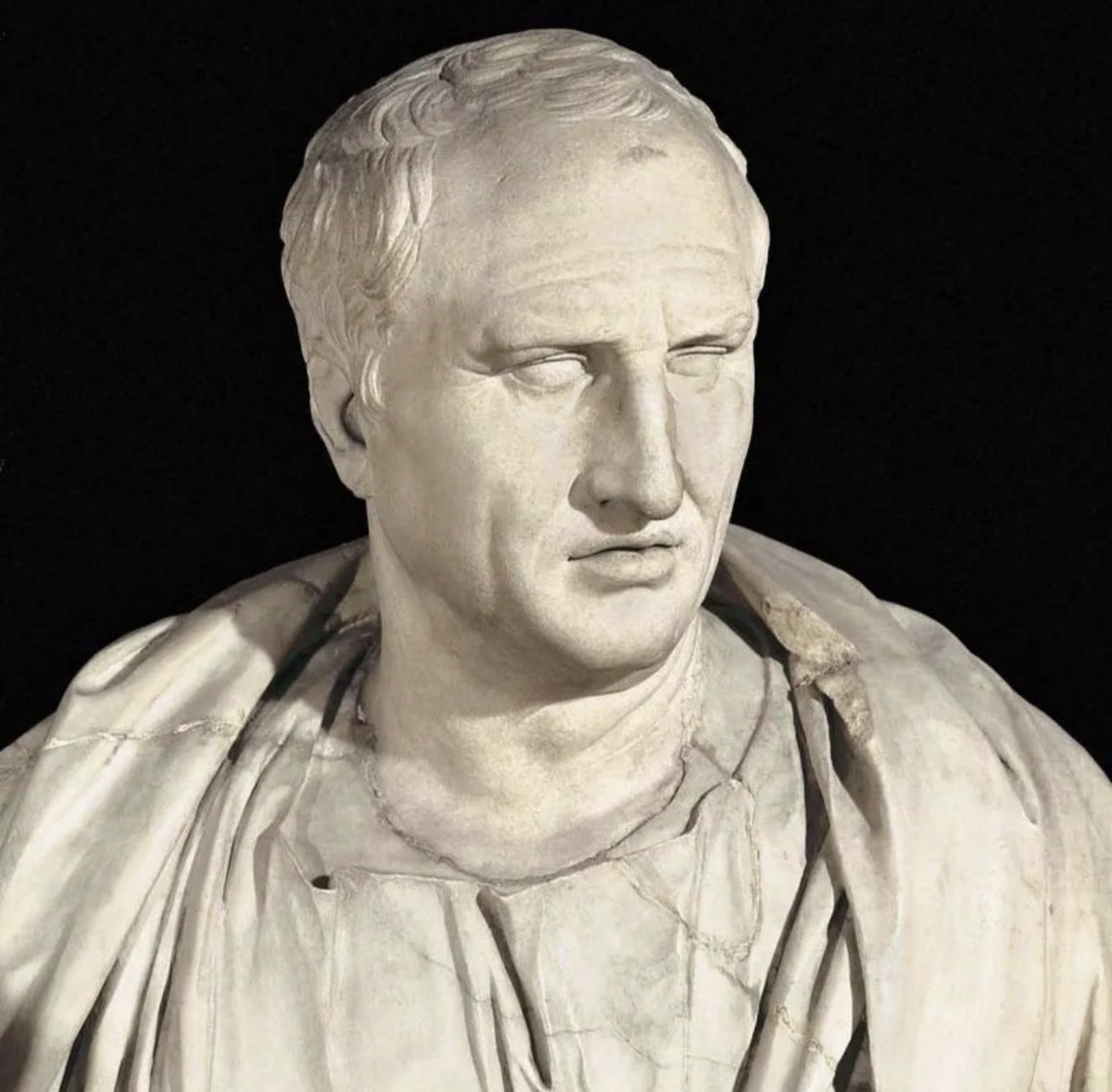
“More is lost by indecision than wrong decision. Indecision is the thief of opportunity.”
- Cicero
57
1,091
6,200
111,630
Nate Archer 😀 retweeted
May 17
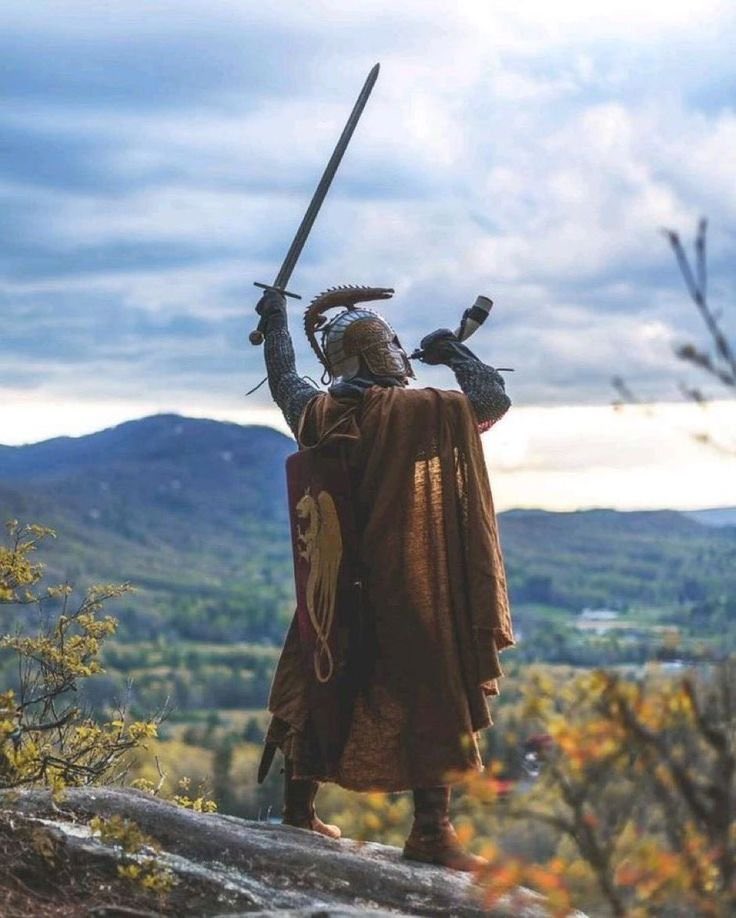
“Deeds will not be less valiant because they are unpraised.”
-J.R.R. Tolkien
14
615
5,007
67,395

Nate Archer 😀 retweeted

May 15
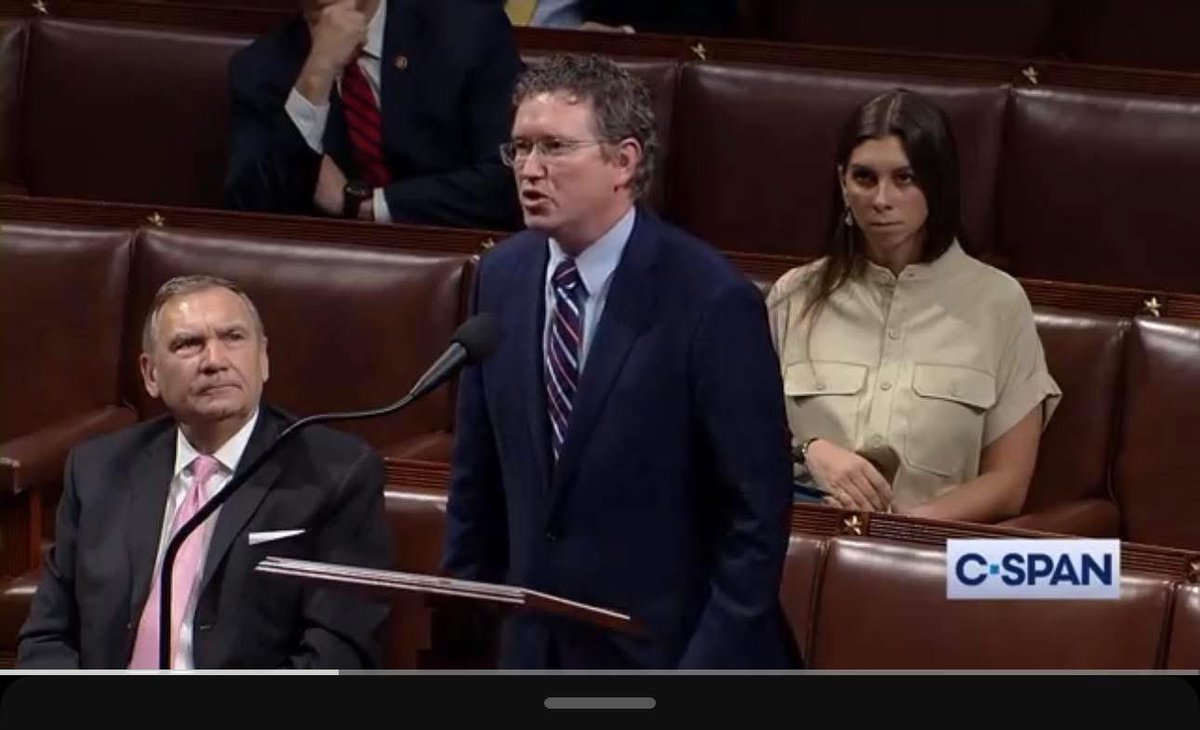
Speaker: “For what purpose does the gentleman seek recognition?”
“Mr. Speaker, I came here to make sure our republic doesn’t die by unanimous consent in an empty chamber, and I request a recorded vote.”
-Thomas Massie 2020
Never forget.
82
2,672
18,480
177,016
Nate Archer 😀 retweeted

Christopher Nolan asked the Oracle of Delphi, "Will audiences love my adaptation of the Odyssey?"
And the Pythia replied, "They will discuss it non-stop for months before it even premieres."
And away he went, glad in this heart, poor fool.
119
2,365
27,070
352,434
May 14
Inflation is cooling off. Tease lower interest rates. Start a war. Hit the Iranian refineries. Threaten the oil export terminals. Hit the Russian refineries. Double blockade the Strait of Hormuz. Good..... Now empty the Strategic Petroleum Reserve.
3
38