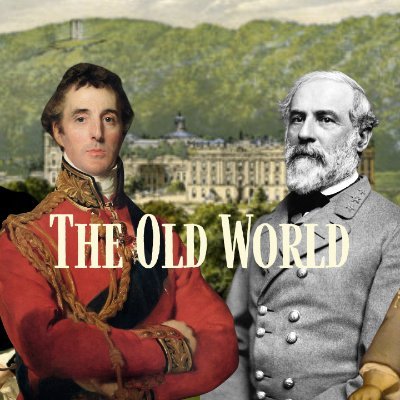
Welcome to The Old World, where we discuss the great men who made the Old World, from its swashbuckling colonial adventurers to its great families
Joined July 2021
- Tweets 10,188
- Following 369
- Followers 69,312
- Likes 6,925
1,086 Photos and videos
Pinned Tweet

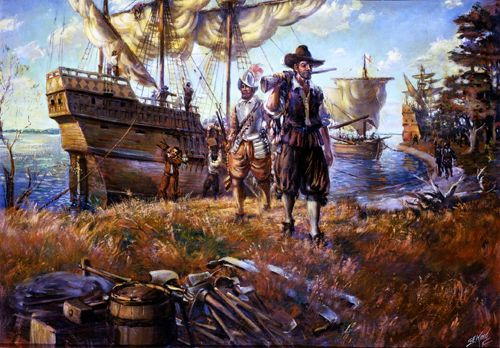
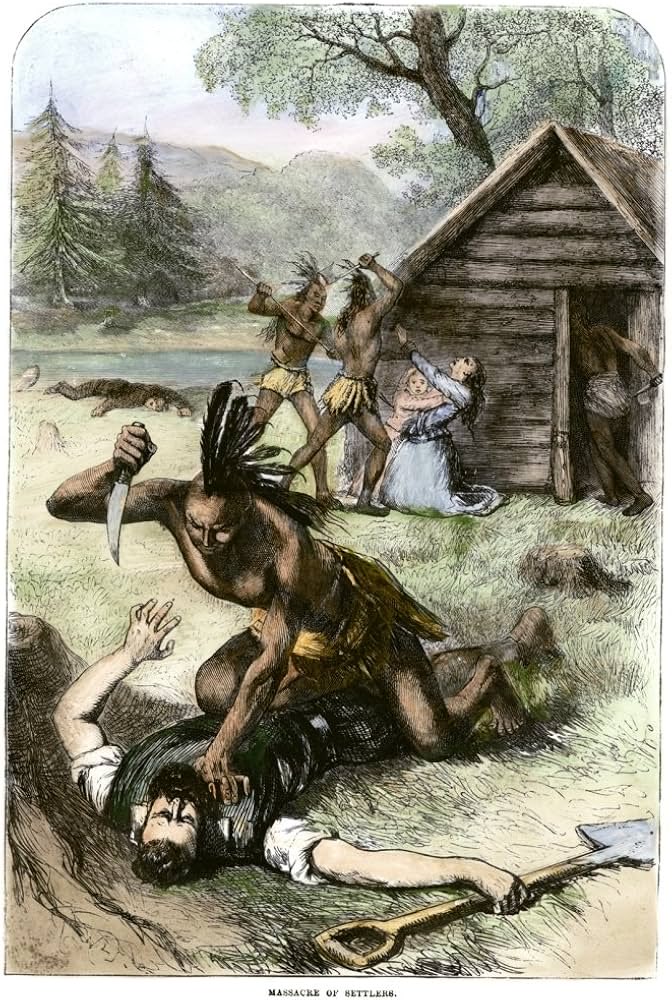
The Virginia Company made the settlers who arrived at Jamestown try this out
They were under strict orders to avoid fighting, to try to convert the Indians, to work with them rather than defeat and expel them
That led to much suffering, culminating in the 1622 Massacre, in which a third of the colony died
Then they went scorched earth on the Indians, wiping out as many as they could and engaging in harsh reprisals. That worked much better, and bought them 20 years of peace
They did the same when confronted by the sand problem in 1644, and then Nathaniel Bacon wiped out what remained of the I Dian problem during his rebellion
Peace at any cost let only to death. War and stern reprisals created the conditions for a prosperous society
Jun 10

“You can’t solve problems with violence”
*opens history book.
Well well well
216
2,625
22,370
1,015,588
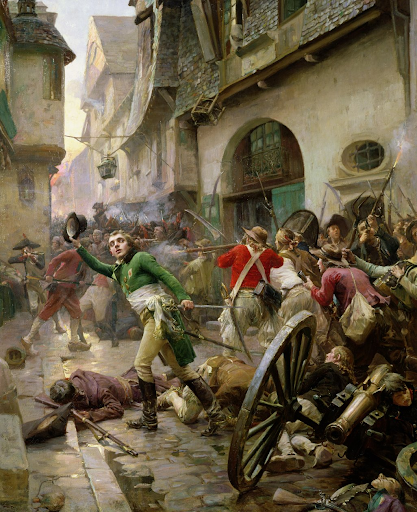
What makes the Vendée rebellion against the evil, godless Jacobin levelers so interesting is that it represents the fight of real aristocracy against such egalitarian evil, with the people not just willingly following but calling on the gentry to do their duty and lead…and the gentry doing so
For the Vendée was one of the only regions of France where the local landed elite had stayed resisted succumbing to the effete foppery of Versailles, a d instead stood ready to do its duty and resist tyranny of any sort
As a result, it was ready to lead and the people of the Vendée trusted it to lead the first the against the godless, egalitarian enemies of man and God alike in Paris. Generations of maintaining those ties that bind meant it could and would lead
Thus, it serves as a reminder of duty. Of the duty of the upper classes to behave with dignity, courage, and in defense of local interests against whatever wretched spit of the day is dominant
As Robert E Lee said, "You should do your duty in all things. You can never do more. You should never wish to do less".
Because the Vendée aristocracy—a country gentry, really—did that, it could lead those who relied on it in a fight against the Revolution
It was overwhelmed, and it lost, but it at least had a real chance
That stood in stark contrast to the justly despised Versailles crowd of effete fops, which was known for squeezing its people rather than doing its duty to them
It was because it represented the old order so well that the Vendee rebellion was crushed so harshly

During the French Revolution, Catholic peasants in the Vendée who rebelled against the radical new secular regime wore the Sacred Heart as a badge of honor on their chests.
Ever since, this image has served as a symbol of Christ’s reign as King and His stand against the world’s forces.
2
10
90
4,481
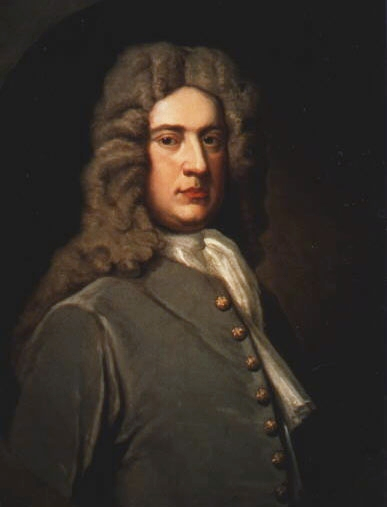
"Beginning his rise when Berkeley came, Lee possessed the three basic requirements--"a small sum of money, education, and connections"--together with a combination of personal mechanisms unsurpassed in his generation for their fitness to the opportunities in Virginia: he combined acquisitiveness, ambition, commercial enterprise, broadly based resourcefulness, self-discipline, confidence, great boldness, and good health," Clifford Dowdey notes of this great family founder in his The Virginia Dynasties
Indeed, he had just the skills necessary to be a great success, and this is the story of how he used them well to survive and thrive on the frontier, and become a landed gentleman
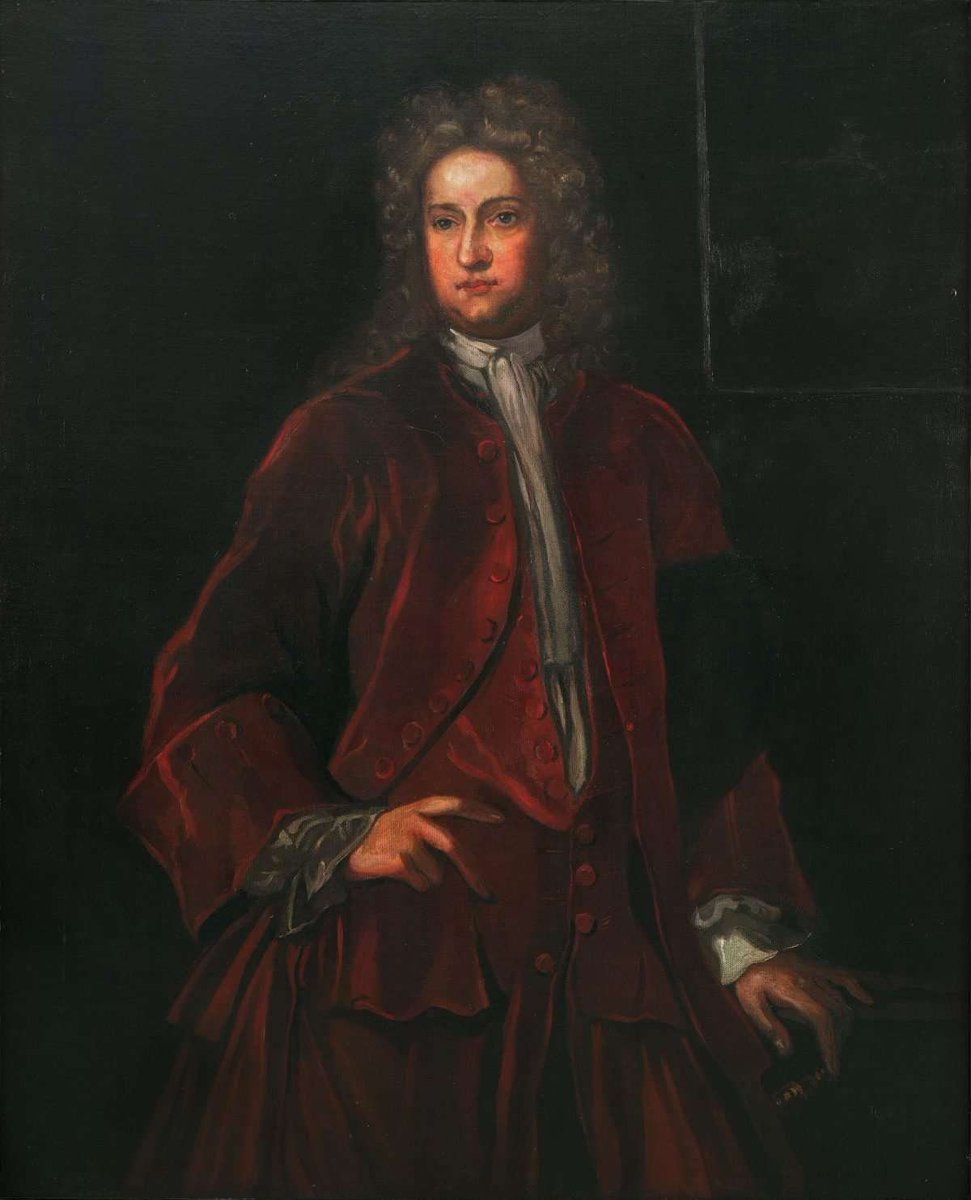

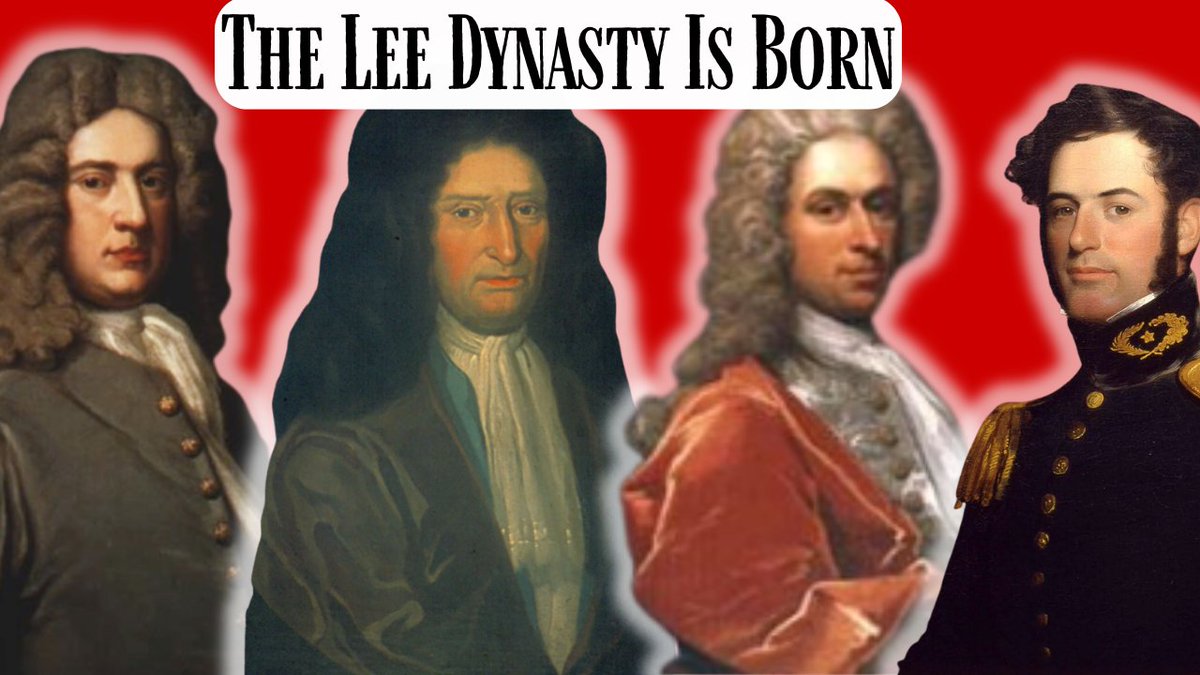
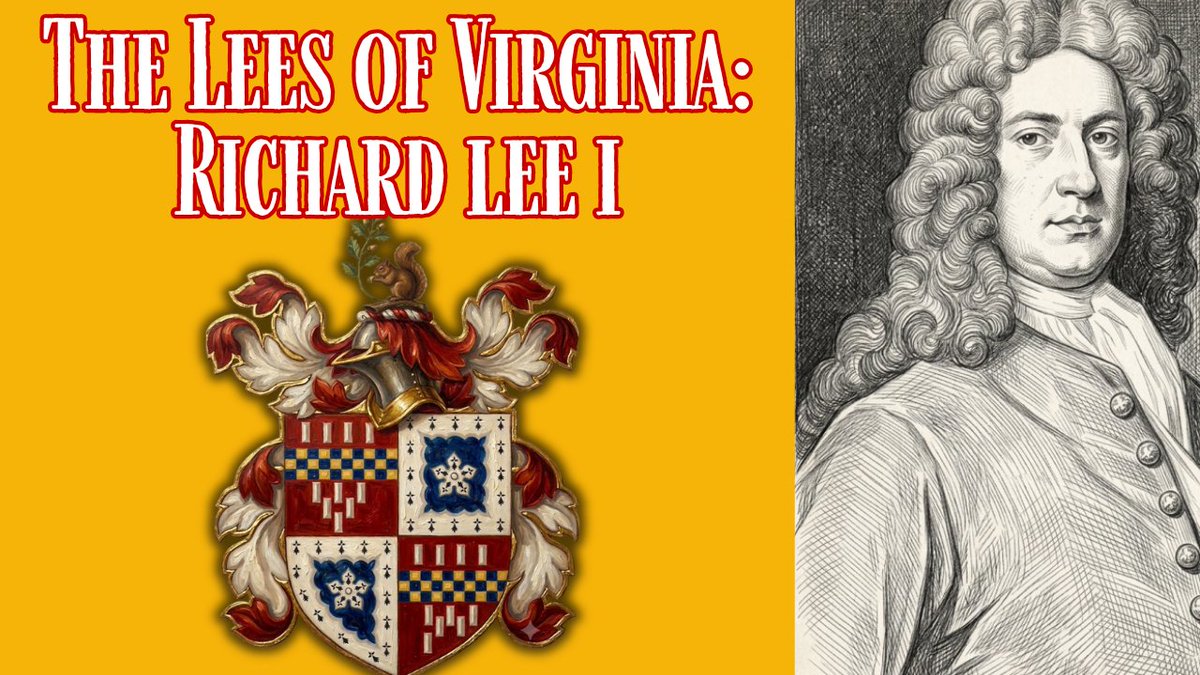
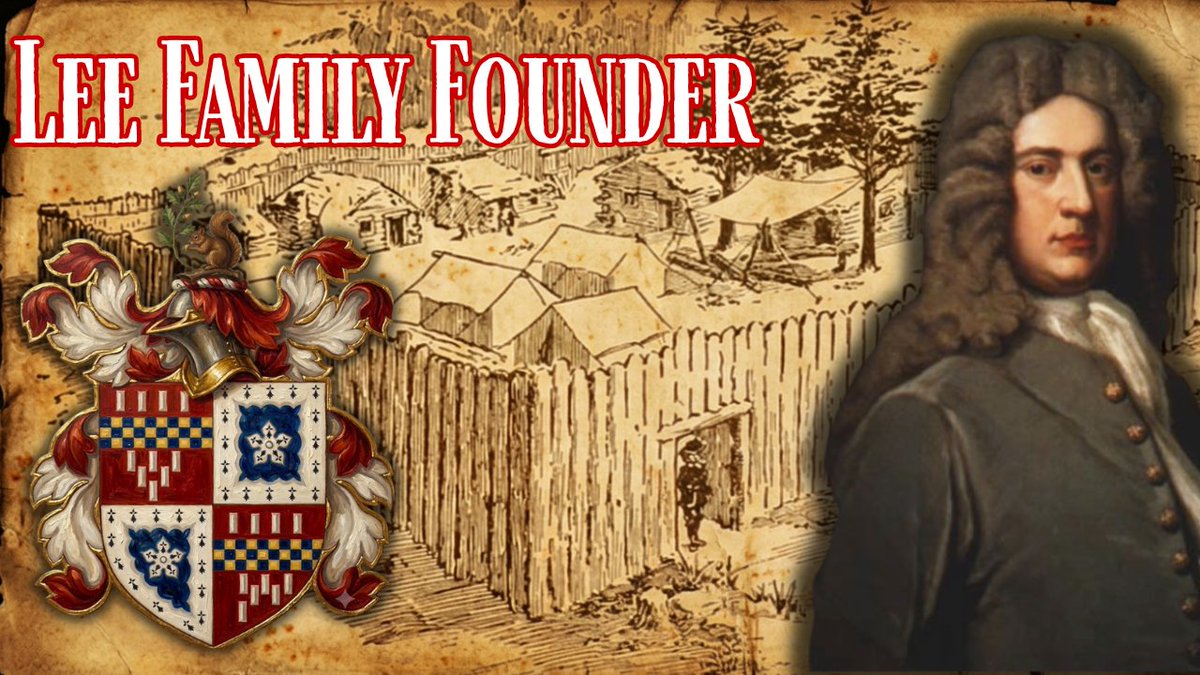
The Forgotten Dynast of the Virginia Frontier: Richard Lee I
The Lees of Virginia are remembered largely thanks to Robert E Lee, who restored the family's name after Light Horse Harry and Black Horse Harry blackened it with their indiscretions...
There are many other great Lees as well. Richard Henry, William, and Arthur were integral to the revolution, as was Francis Lightfoot Lee. Thomas Lee built Stratford Hall, one of the greatest homes of the Virginia gentry
All of them are somewhat remembered, to some extent or another
But none of them would have existed, and certainly none of them would have been prominent in America, but for Richard Lee I
An incredible man, he showed up in Virginia before Gov. Berkeley with little more than a few connections to his name and a mission to get involved in teh Indian fur trade to aid the family business
Through his work with Governors Wyatt and Berkeley, his commercial acumen, and his frontier bravery (such as saving his family from the 1644 massacre, then rebuilding after...or sailing to Prince Charles in Breda to represent Berkeley), he built a vast fortune on the frontier. 15,000 or more acres, thriving commercial posts, transatlantic merchant vessels...he was one of the great men of the frontier, and awas as politically powerful as he was wealthy
He laid the foundation for later Lee successes, and indeed spent the last bit of his life ensuring his descendants would be pulled back to Virginia from England
This is his story, the tale of his incredible success. Watch it below!
1
4
34
4,230
The Old World Show retweeted
He really is one of the more fascinating men of his age
Connected to the gentry, but born to a clothier in Worcester. Trained in law and trade. Cut out of an inheritance, and sent to the New World
And he used that to build a great fortune, and start a family dynasty that has shaped the course of American history more than perhaps any other. This is the tale of how he did it
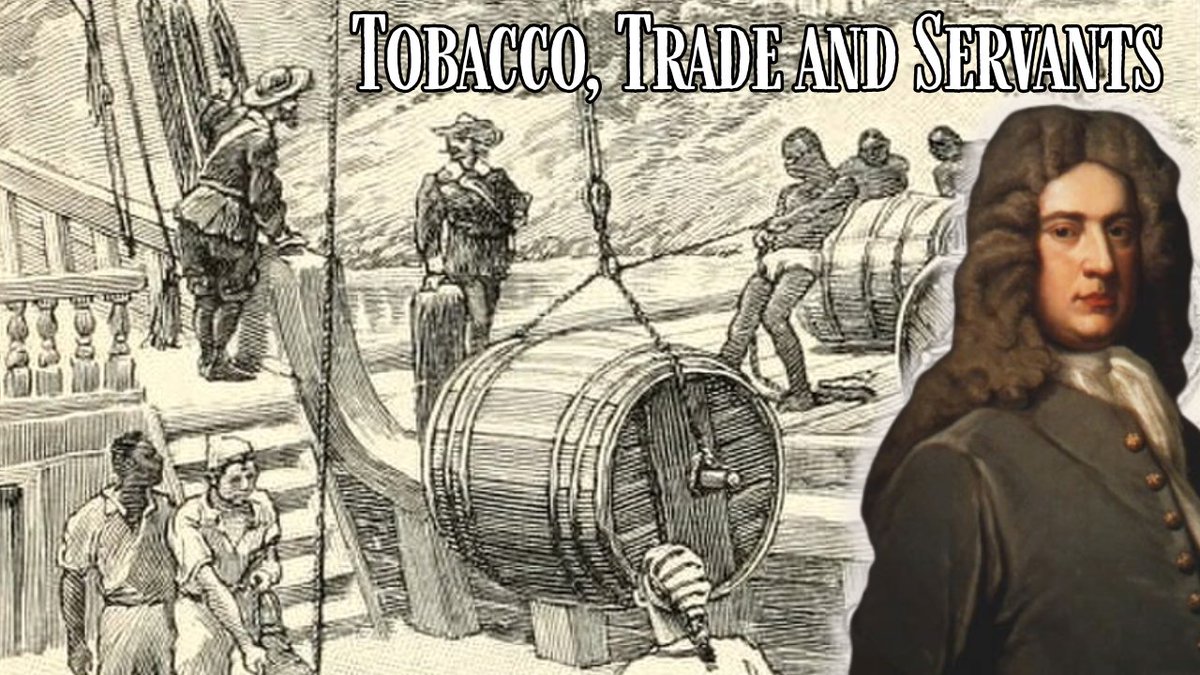
The Forgotten Dynast of the Virginia Frontier: Richard Lee I
The Lees of Virginia are remembered largely thanks to Robert E Lee, who restored the family's name after Light Horse Harry and Black Horse Harry blackened it with their indiscretions...
There are many other great Lees as well. Richard Henry, William, and Arthur were integral to the revolution, as was Francis Lightfoot Lee. Thomas Lee built Stratford Hall, one of the greatest homes of the Virginia gentry
All of them are somewhat remembered, to some extent or another
But none of them would have existed, and certainly none of them would have been prominent in America, but for Richard Lee I
An incredible man, he showed up in Virginia before Gov. Berkeley with little more than a few connections to his name and a mission to get involved in teh Indian fur trade to aid the family business
Through his work with Governors Wyatt and Berkeley, his commercial acumen, and his frontier bravery (such as saving his family from the 1644 massacre, then rebuilding after...or sailing to Prince Charles in Breda to represent Berkeley), he built a vast fortune on the frontier. 15,000 or more acres, thriving commercial posts, transatlantic merchant vessels...he was one of the great men of the frontier, and awas as politically powerful as he was wealthy
He laid the foundation for later Lee successes, and indeed spent the last bit of his life ensuring his descendants would be pulled back to Virginia from England
This is his story, the tale of his incredible success. Watch it below!
3
20
1,526
The Old World Show retweeted
Richard Lee I was a fascinating man who combined the general outlook of the English gentry--who indeed was instrumental in building such a gentry in the New World--with the immense talent and explosive sort of acquisitive ambition for which Americans became known
I think Clifford Dowdey does the best job of describing the man and his type in The Virginia Dynasties:
"The big ones lived and worked with one fundamental difference from the typical English country gentry: they were merchants and traders as well as agriculturists. Their plantations, based upon the one money crop of tobacco, were all situated on tidal rivers, and their private wharves were shipping centers for their complicated trading operations. They shipped out tobacco and imported, along with their own needs, goods for the small settlers who paid in tobacco. They were clothiers, hardware merchants and sometimes slave dealers. In this fashion, they combined the new commercialism of their age with traditional agriculture: on the model of the country gentlemen as men of business, on the practicalities of handling the riches of tobacco on a dangerous frontier, they emerged as a new phenomenon in world trade- the merchant-planter, "the Virginia planter.”
"In their lives the fortune-founders combined forms of the traditional society they had brought to the Colony with adaptiveness to the New World as they found it. The traditionalism, not formalized or articulated, formed the framework of values, attitudes, institutionsespecially in the English social hierarchy. In adapting to the geography and climate, to conditions and opportunities unique to the frontier, the emigrants neither consciously tried to preserve the traditional nor consciously introduced the new: by a day-to-day pragmatism they evolved a new type of man.
"These men and women were not characterized by sensitivity. With little shading and nuance, the builders of personal empires were people of primary colors. While as individuals they had their own apparent contradictions, they were not complex. The successful rose above the average by the higher demands they made upon themselves in exploiting their initial advantages. In these higher demands-selfdiscipline and the management of energy in working through a complex of operations toward their large-scale aspirations- they achieved a different quality of individual, a different "class" of men, by personal attainment. When the individuals gravitated to a center of power, they became a "qualified minority," fitting the formal definition of aristocracy."
The Forgotten Dynast of the Virginia Frontier: Richard Lee I
The Lees of Virginia are remembered largely thanks to Robert E Lee, who restored the family's name after Light Horse Harry and Black Horse Harry blackened it with their indiscretions...
There are many other great Lees as well. Richard Henry, William, and Arthur were integral to the revolution, as was Francis Lightfoot Lee. Thomas Lee built Stratford Hall, one of the greatest homes of the Virginia gentry
All of them are somewhat remembered, to some extent or another
But none of them would have existed, and certainly none of them would have been prominent in America, but for Richard Lee I
An incredible man, he showed up in Virginia before Gov. Berkeley with little more than a few connections to his name and a mission to get involved in teh Indian fur trade to aid the family business
Through his work with Governors Wyatt and Berkeley, his commercial acumen, and his frontier bravery (such as saving his family from the 1644 massacre, then rebuilding after...or sailing to Prince Charles in Breda to represent Berkeley), he built a vast fortune on the frontier. 15,000 or more acres, thriving commercial posts, transatlantic merchant vessels...he was one of the great men of the frontier, and awas as politically powerful as he was wealthy
He laid the foundation for later Lee successes, and indeed spent the last bit of his life ensuring his descendants would be pulled back to Virginia from England
This is his story, the tale of his incredible success. Watch it below!
1
8
51
3,609
The Old World Show retweeted

This is very interesting.
Excited to announce that my first episode in a series on the Lee family of Virginia is coming out today, focusing on the life of Richard Lee I, also known as "the Emigrant"
He built a transatlantic commercial empire on the VA frontier while remaining a Royalist, owning transatlantic merchant ships and Indian trade routes in addition to his bevy of indentured servant-worked plantations in Virginia and his Stratford-Langton estate back in England
He survived the Indian massacre of 1644--which attacked his exposed plantation, was Gov. Berkeley's personal emissary to the king, was the Secretary of State and Attorney General in Virginia (in addition to being a sheriff, Burgess, and member of the Council of State)
He was one of the all-time great family founders, and it was fun to tell his story
1
2
11
1,933
The Old World Show retweeted

Y’all be sure to check out this new episode of @theoldworldshow on Richard Lee I, dynast of the prestigious Lee Family of Virginia.
Hurrah for the First Families of Virginia & the glorious society they created: The fount of American ordered Liberty, honor & excellence.
Excited to announce that my first episode in a series on the Lee family of Virginia is coming out today, focusing on the life of Richard Lee I, also known as "the Emigrant"
He built a transatlantic commercial empire on the VA frontier while remaining a Royalist, owning transatlantic merchant ships and Indian trade routes in addition to his bevy of indentured servant-worked plantations in Virginia and his Stratford-Langton estate back in England
He survived the Indian massacre of 1644--which attacked his exposed plantation, was Gov. Berkeley's personal emissary to the king, was the Secretary of State and Attorney General in Virginia (in addition to being a sheriff, Burgess, and member of the Council of State)
He was one of the all-time great family founders, and it was fun to tell his story
3
5
28
3,220
"Of all the English-born newcomers of the first generation of fortune-builders, Richard Lee ("The Emigrant") had come to Virginia with the most exact balance of the qualifications required for a rise to wealth and power in a new world. While his kinsmen remained obscurely well-to-do at home, he seemed fitted by nature to partake of the upward thrust in the ultimate mobility the adventure to the Colony," Clifford Dowdey notes in The Virginia Dynasties
Indeed, he was just the sort of man who could use a small start of capital, a few connections, and his training in the law and trade to become a massive success in the fledging colony, and build the foundation for a great dynasty and fortune
Below is my video with the story of how he did it
The Forgotten Dynast of the Virginia Frontier: Richard Lee I
The Lees of Virginia are remembered largely thanks to Robert E Lee, who restored the family's name after Light Horse Harry and Black Horse Harry blackened it with their indiscretions...
There are many other great Lees as well. Richard Henry, William, and Arthur were integral to the revolution, as was Francis Lightfoot Lee. Thomas Lee built Stratford Hall, one of the greatest homes of the Virginia gentry
All of them are somewhat remembered, to some extent or another
But none of them would have existed, and certainly none of them would have been prominent in America, but for Richard Lee I
An incredible man, he showed up in Virginia before Gov. Berkeley with little more than a few connections to his name and a mission to get involved in teh Indian fur trade to aid the family business
Through his work with Governors Wyatt and Berkeley, his commercial acumen, and his frontier bravery (such as saving his family from the 1644 massacre, then rebuilding after...or sailing to Prince Charles in Breda to represent Berkeley), he built a vast fortune on the frontier. 15,000 or more acres, thriving commercial posts, transatlantic merchant vessels...he was one of the great men of the frontier, and awas as politically powerful as he was wealthy
He laid the foundation for later Lee successes, and indeed spent the last bit of his life ensuring his descendants would be pulled back to Virginia from England
This is his story, the tale of his incredible success. Watch it below!
2
2
33
1,878
Interestingly, Richard Lee was much like the other FFV dynasts in that he was able to parlay a few connections and a bit of capital into a massive fortune
Describing this in Social Life of Virginia in the Seventeenth Century, Philip Alexander Bruce notes:
"The quickness with which the founders of such families as the Lee, Wormeley, Jennings, Randolph, Robinson, and Beverley rose to great influence after their arrival, shows that they were in a position to acquire lands in the Colony at once, because they had brought over with them the necessary means, which they had either inherited or received from their fathers. John Page, Miles Cary, and Nicholas Spencer continued to own property in England long after they had been in possession of large estates in Virginia. The earliest patents sued out by nearly all of the emigrants whose names soon became socially distinguished in the Colony, prove that they had, quite from the beginning, some fortune at their command with which to secure a share in the soil, and to establish a home; the large properties accumulated by them all were, like those of William Fitzhugh, Robert Beverley, and the elder Nathaniel Bacon, the result of extraordinary foresight and prudence, but a prudence and foresight which had something more than a mere determination to win success to start with."
The Forgotten Dynast of the Virginia Frontier: Richard Lee I
The Lees of Virginia are remembered largely thanks to Robert E Lee, who restored the family's name after Light Horse Harry and Black Horse Harry blackened it with their indiscretions...
There are many other great Lees as well. Richard Henry, William, and Arthur were integral to the revolution, as was Francis Lightfoot Lee. Thomas Lee built Stratford Hall, one of the greatest homes of the Virginia gentry
All of them are somewhat remembered, to some extent or another
But none of them would have existed, and certainly none of them would have been prominent in America, but for Richard Lee I
An incredible man, he showed up in Virginia before Gov. Berkeley with little more than a few connections to his name and a mission to get involved in teh Indian fur trade to aid the family business
Through his work with Governors Wyatt and Berkeley, his commercial acumen, and his frontier bravery (such as saving his family from the 1644 massacre, then rebuilding after...or sailing to Prince Charles in Breda to represent Berkeley), he built a vast fortune on the frontier. 15,000 or more acres, thriving commercial posts, transatlantic merchant vessels...he was one of the great men of the frontier, and awas as politically powerful as he was wealthy
He laid the foundation for later Lee successes, and indeed spent the last bit of his life ensuring his descendants would be pulled back to Virginia from England
This is his story, the tale of his incredible success. Watch it below!
1
2
27
3,156
The Forgotten Dynast of the Virginia Frontier: Richard Lee I
The Lees of Virginia are remembered largely thanks to Robert E Lee, who restored the family's name after Light Horse Harry and Black Horse Harry blackened it with their indiscretions...
There are many other great Lees as well. Richard Henry, William, and Arthur were integral to the revolution, as was Francis Lightfoot Lee. Thomas Lee built Stratford Hall, one of the greatest homes of the Virginia gentry
All of them are somewhat remembered, to some extent or another
But none of them would have existed, and certainly none of them would have been prominent in America, but for Richard Lee I
An incredible man, he showed up in Virginia before Gov. Berkeley with little more than a few connections to his name and a mission to get involved in teh Indian fur trade to aid the family business
Through his work with Governors Wyatt and Berkeley, his commercial acumen, and his frontier bravery (such as saving his family from the 1644 massacre, then rebuilding after...or sailing to Prince Charles in Breda to represent Berkeley), he built a vast fortune on the frontier. 15,000 or more acres, thriving commercial posts, transatlantic merchant vessels...he was one of the great men of the frontier, and awas as politically powerful as he was wealthy
He laid the foundation for later Lee successes, and indeed spent the last bit of his life ensuring his descendants would be pulled back to Virginia from England
This is his story, the tale of his incredible success. Watch it below!
1
6
40
21,004
You can watch my video on his life here:
theamericantribune.news/p/ri…
2
19
1,860
Excited to announce that my first episode in a series on the Lee family of Virginia is coming out today, focusing on the life of Richard Lee I, also known as "the Emigrant"
He built a transatlantic commercial empire on the VA frontier while remaining a Royalist, owning transatlantic merchant ships and Indian trade routes in addition to his bevy of indentured servant-worked plantations in Virginia and his Stratford-Langton estate back in England
He survived the Indian massacre of 1644--which attacked his exposed plantation, was Gov. Berkeley's personal emissary to the king, was the Secretary of State and Attorney General in Virginia (in addition to being a sheriff, Burgess, and member of the Council of State)
He was one of the all-time great family founders, and it was fun to tell his story
3
6
68
8,406
As promised, it is now live! Watch it here: youtube.com/watch?v=OrTCPETi…
1
7
771
The Old World Show retweeted

Jun 13
This is the first post-war building style that I’ve been impressed with
Absolutely stunning
And a reminder that the South is the seat of our future
How fitting this is being unveiled around America 250, and the founders were obsessed with classical history and classical virtue
Jun 12

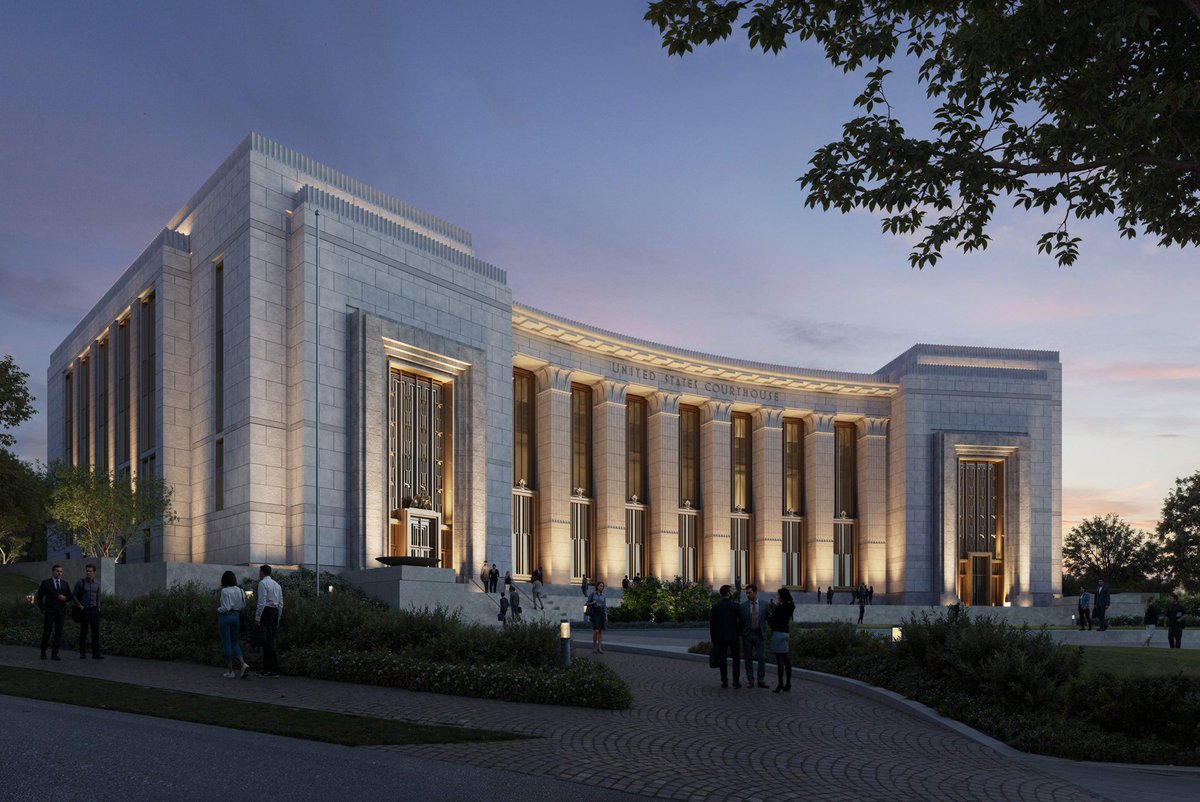
The U.S. government just unveiled the majestic Greco-Deco design for the new federal courthouse in Chattanooga, Tennessee.
The building is at once monumental and welcoming, classical and original. The iris capitals are an inspired touch, drawing on Tennessee’s natural beauty and weaving it into the stone of a federal building.
The Chattanooga courthouse is precisely the kind of building that President Trump’s Executive Order on federal architecture—“Making Federal Buildings Beautiful Again”—was designed to produce.
When the courthouse is completed, it will stand as the living proof that the Order represents wise and humane public policy—something all Americans, regardless of political party, can and should support. Beautiful public buildings are not a partisan matter; they belong to everyone.
34
190
2,082
40,609
Those who tried to obey died
Gov. Ratcliffe, for example, the one demonized by Disney's Pocahontas propaganda, was a constant enemy of John Smith because Smith demanded violent reprisals and Ratcliffe wanted to deal peacefully with the natives. They tortured him to death for it
Even when starving, for example, Ratcliffe tried to buy corn from the Indians rather than just take it. The Indians took the opportunity to torture him to death for no reason at all, ignoring that he had been the one calling for them to be treated as people worthy of peace and respect rather than just crushed
Here is how Benjamin Woolley describes that in his (surprisingly honest) book Savage Kingdom:
As the barge approached Powhatan's royal enclosure, Ratcliffe was greeted by servants offering gifts of venison and bread from the mamanatowick, and the captain sent copper and beads in thanks. Ratcliffe and his crew were then escorted inland through a large cornfield to a house near Powhatan's enclosure, where they were told they could stay for the duration of the visit. Powhatan's children, meanwhile, returned to their father.
That evening, Powhatan came in person to greet the visitors, bringing with him Spelman and Thomas Savage, together with a Dutch boy named Samwell, who had been left with the Indians since Smith's debacle with the Dutch sent to work at Werowocomoco. Powhatan greeted his guests, and returned to his own quarters.
The following morning, the emperor came with Spelman and 'a company of savages', including several women, to escort Ratcliffe and his party to a nearby storehouse. There the Englishmen were shown a collection of huge baskets brimming with corn, which through Spelman Powhatan announced he was willing to trade. A price was agreed, and the captain handed over 'pieces of copper and beads and other things according to the proportion of the baskets of corn which they [had] bought'.
Powhatan took his leave, the women and Spelman following. The English soldiers, relishing the resumption of decent rations, began to carry the corn the half-mile or so to the barge. However, they quickly discovered from the weight of the baskets that they had false bottoms, and were almost empty.
The English began to complain loudly of being cheated, 'whereat a great number of Indians, that lay lurking in the woods and corn about' began shouting 'with an oulis and whoopubb', as Spelman described it. The English made a run for the barge, carrying what corn they could. But within sight of their boat, they were ambushed by Indian warriors lying in a neighbouring cornfield. Just two of the English soldiers managed to escape the ensuing onslaught by running off into the woods.
Captain Ratcliffe was seized and brought before Powhatan at his enclosure. There was no sign of Spelman, Savage or Samwell, who, 'fearing the worst', had fled. According to Smith, Spelman had been tipped off by Pocahontas that he would be in peril if he stayed. One of the English soldiers who had managed to escape the Indians' attack was hiding in the nearby undergrowth, and it was he who later reported to Percy what happened to Ratcliffe.
A fire was kindled at the foot of a tree. Ratcliffe was stripped of his clothes, and tied to the tree. Several women then approached the naked captain. They began to flay his skin with the sharp edges of mussel shells, gently teasing it away from the flesh. They then sliced through the muscle and sinews to remove the limbs and organs from his body, which were 'before his face thrown into the fire; and so for want of circumspection [he] miserably perished'.
The Virginia Company made the settlers who arrived at Jamestown try this out
They were under strict orders to avoid fighting, to try to convert the Indians, to work with them rather than defeat and expel them
That led to much suffering, culminating in the 1622 Massacre, in which a third of the colony died
Then they went scorched earth on the Indians, wiping out as many as they could and engaging in harsh reprisals. That worked much better, and bought them 20 years of peace
They did the same when confronted by the sand problem in 1644, and then Nathaniel Bacon wiped out what remained of the I Dian problem during his rebellion
Peace at any cost let only to death. War and stern reprisals created the conditions for a prosperous society
19
407
3,402
86,778
Read my thoughts on this and more here: theamericantribune.news/p/th…
55
3,744
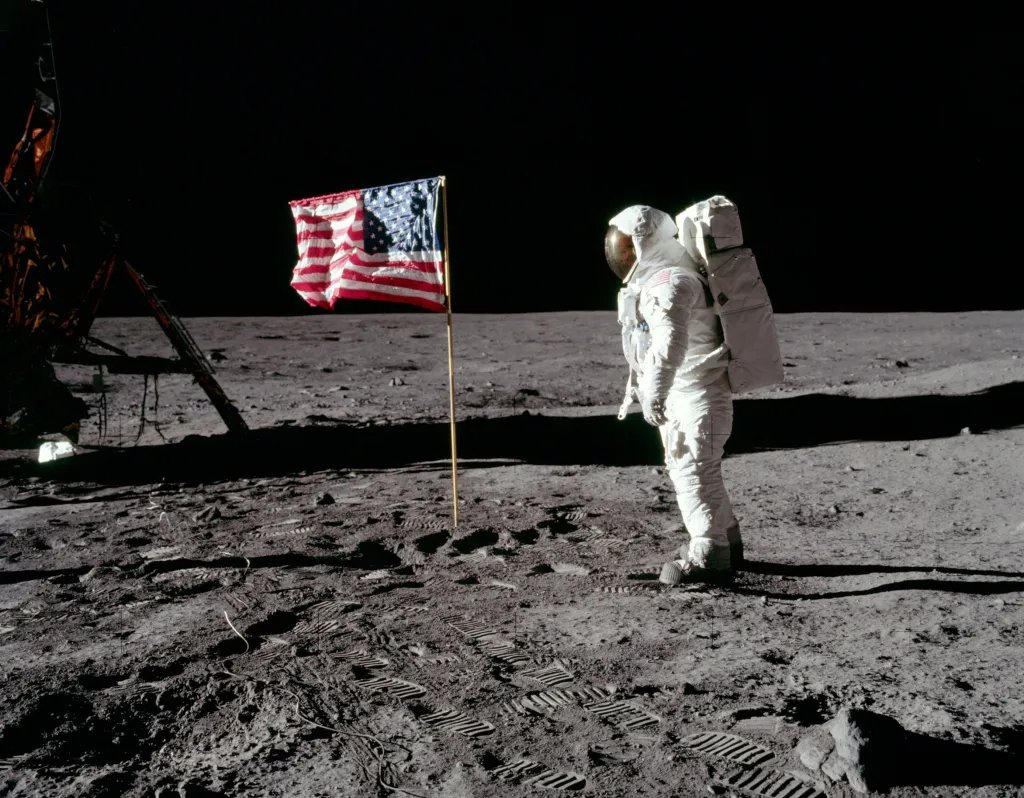
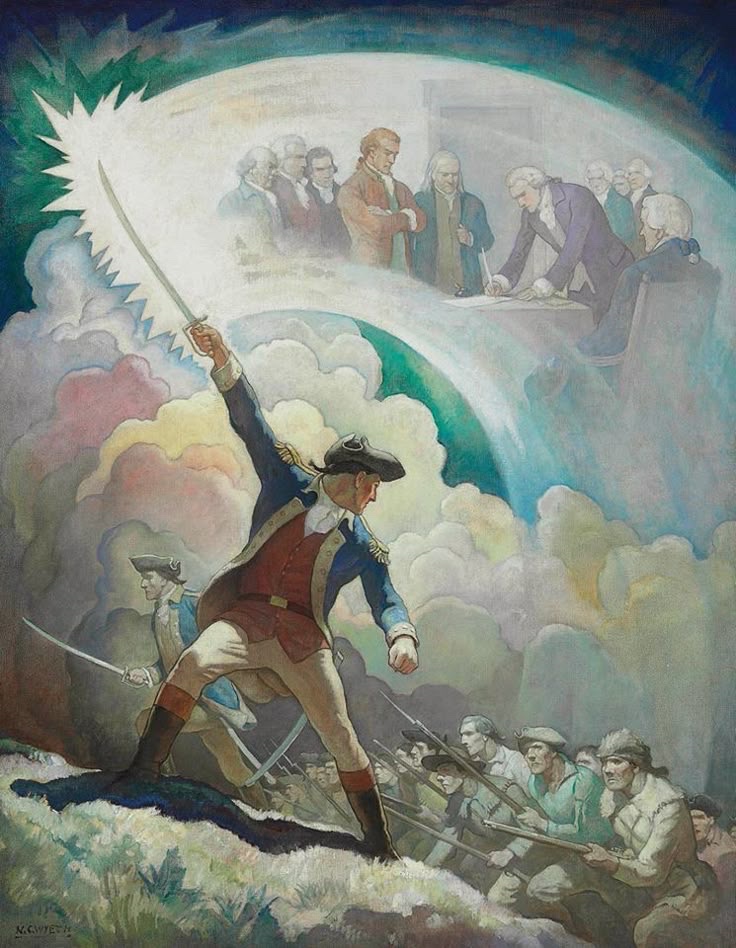
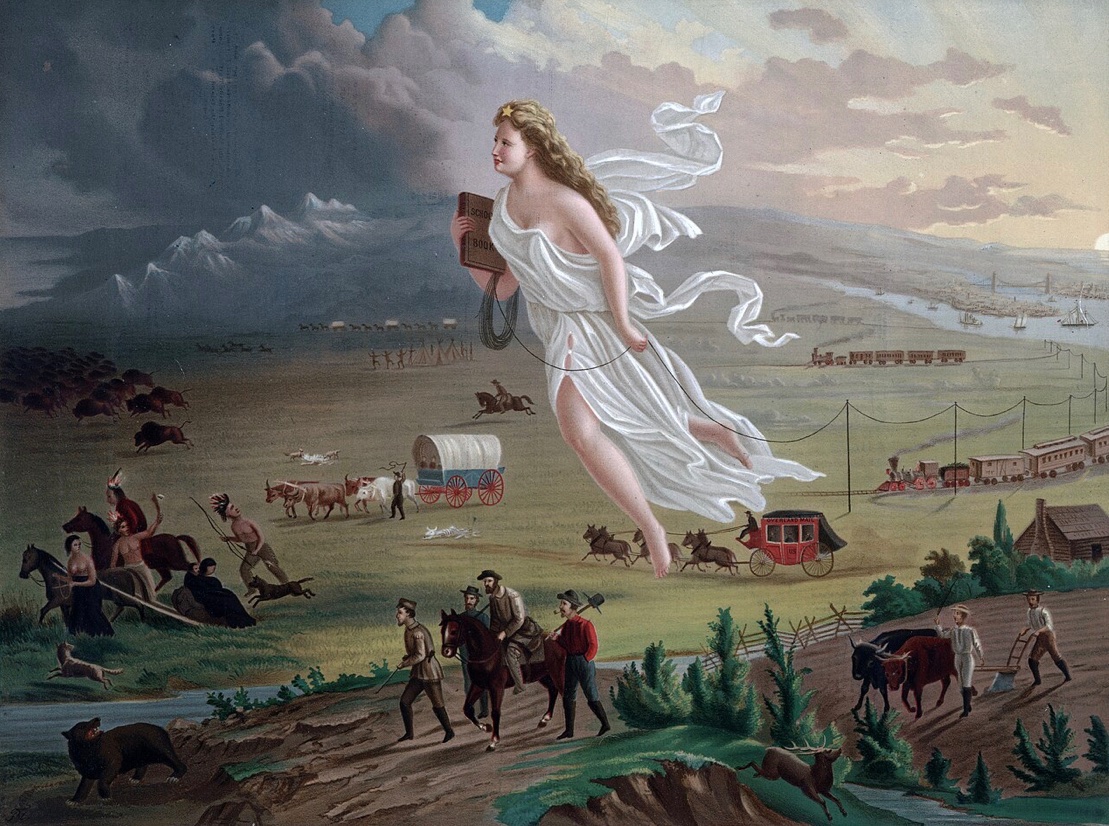
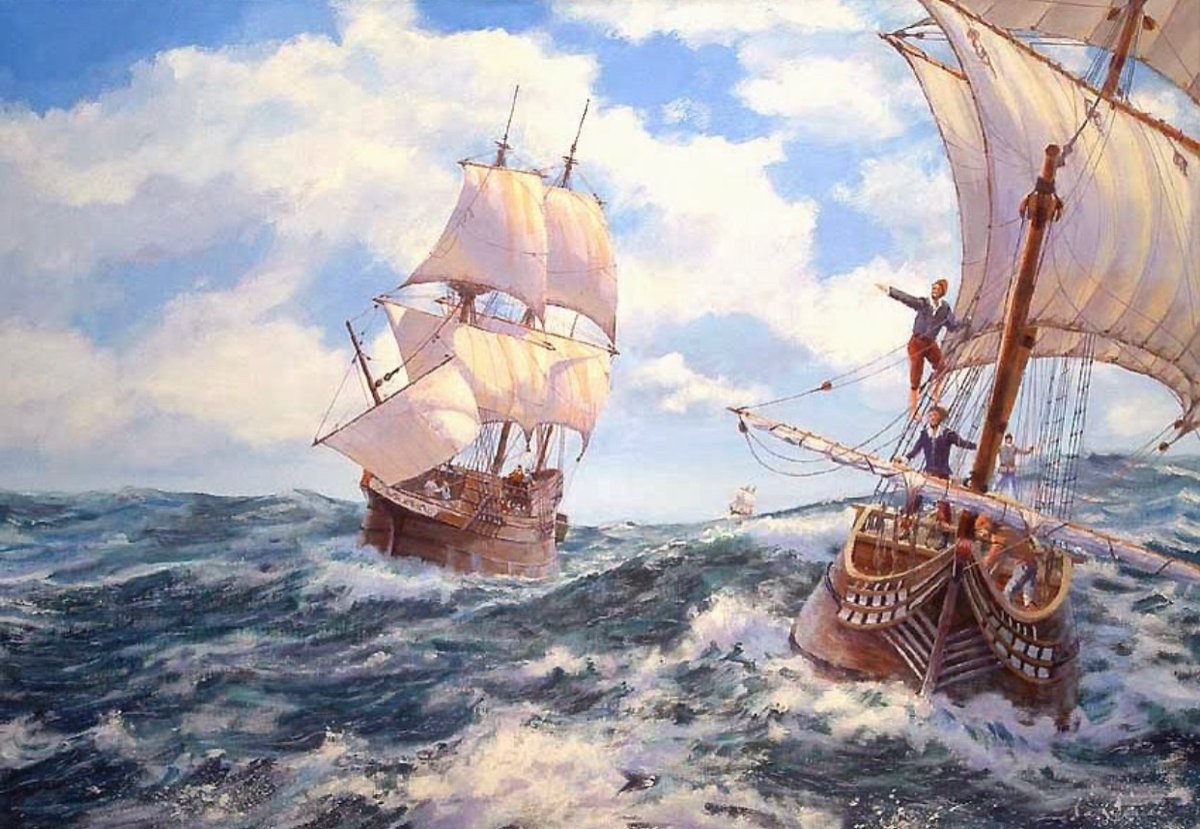
Nothing is beyond our reach
We're Americans
Jun 12

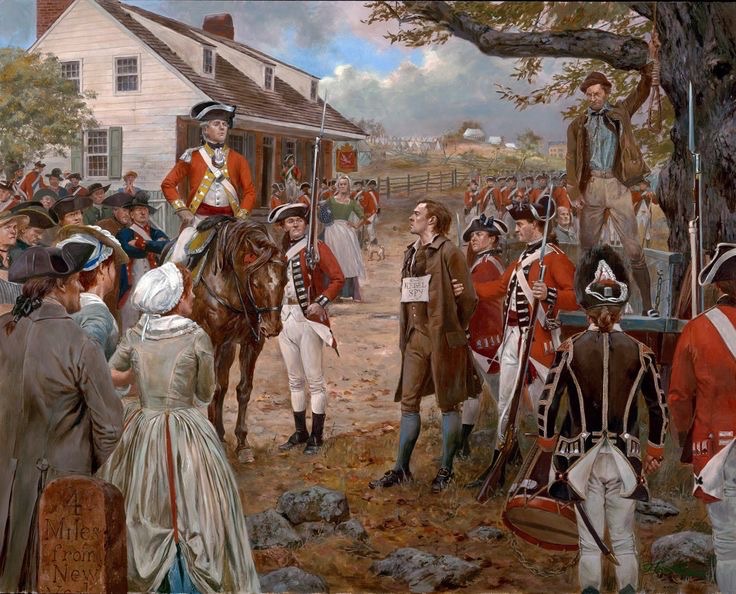
Nothing is beyond our reach. We’re Americans. We always endure, it’s what we do. This is our world. Embrace it.
5
56
517
9,599
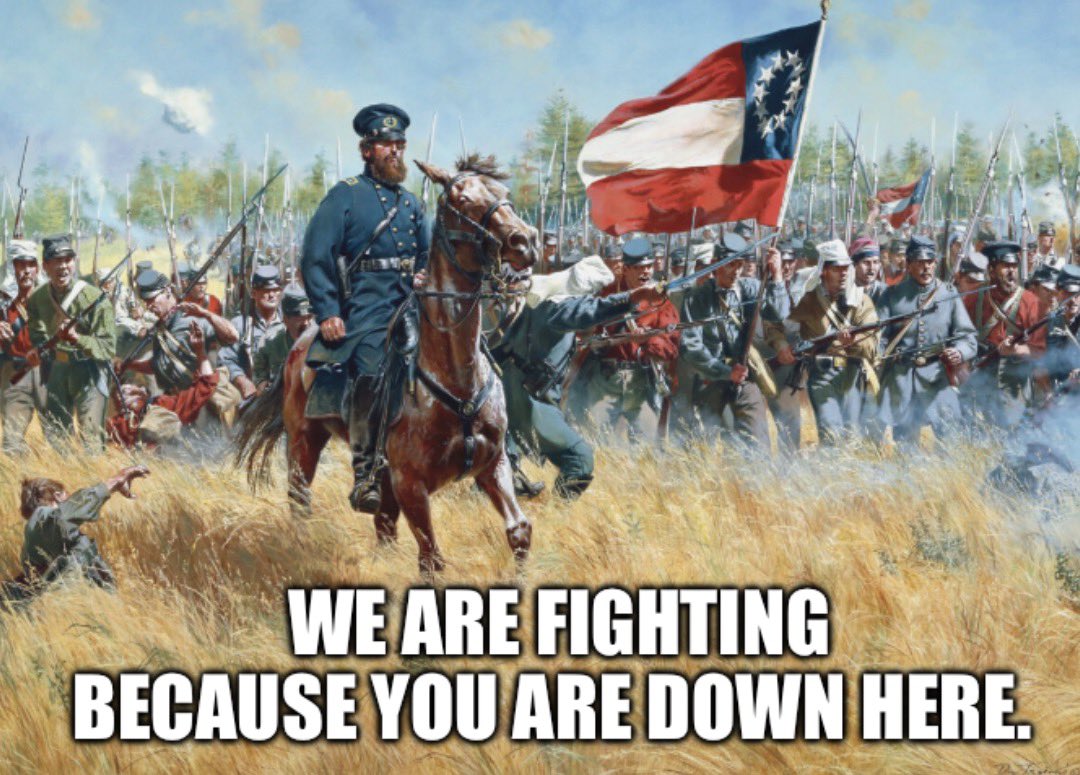
Similarly, George W. Bagby had a great way of describing by analogy how the radical abolitionists drove the South to war:
“This button here upon my cuff is valueless, whether for use or for ornament, but you shall not tear it from me and spit in my face besides; no, not if it cost me my life. And if your time be passed in the attempt to so take it, then my time and my every thought shall be spent in preventing such outrage. Let alone, the Virginian would gladly have made an end of slavery, but, strange hap! malevolence and meddling bound it up with every interest that was dear to his heart-wife, home, honor-and by a sad providence it became the midmost boss, the very center of that buckler of State rights which he held up against the worst of tyrants-a sectional majority.”

6
22
211
10,124
The Old World Show retweeted

Jun 12
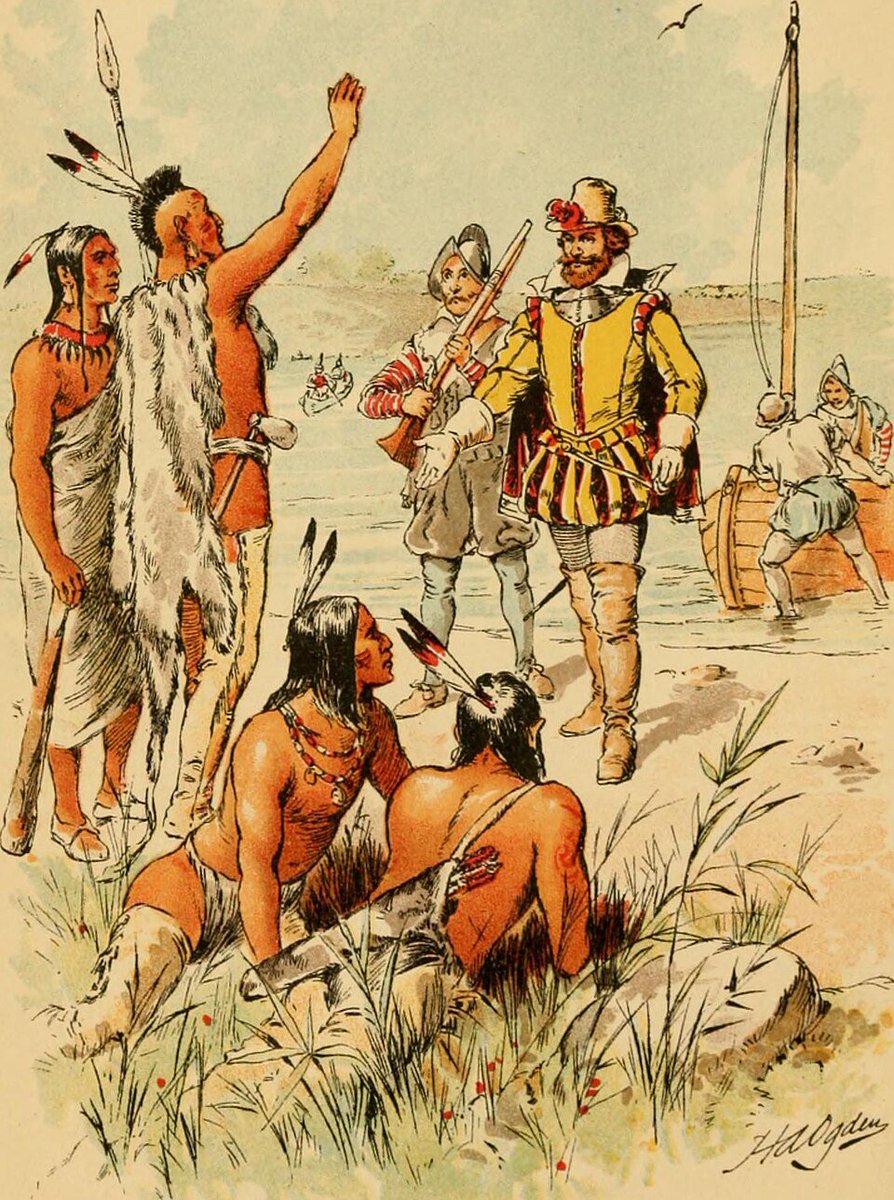
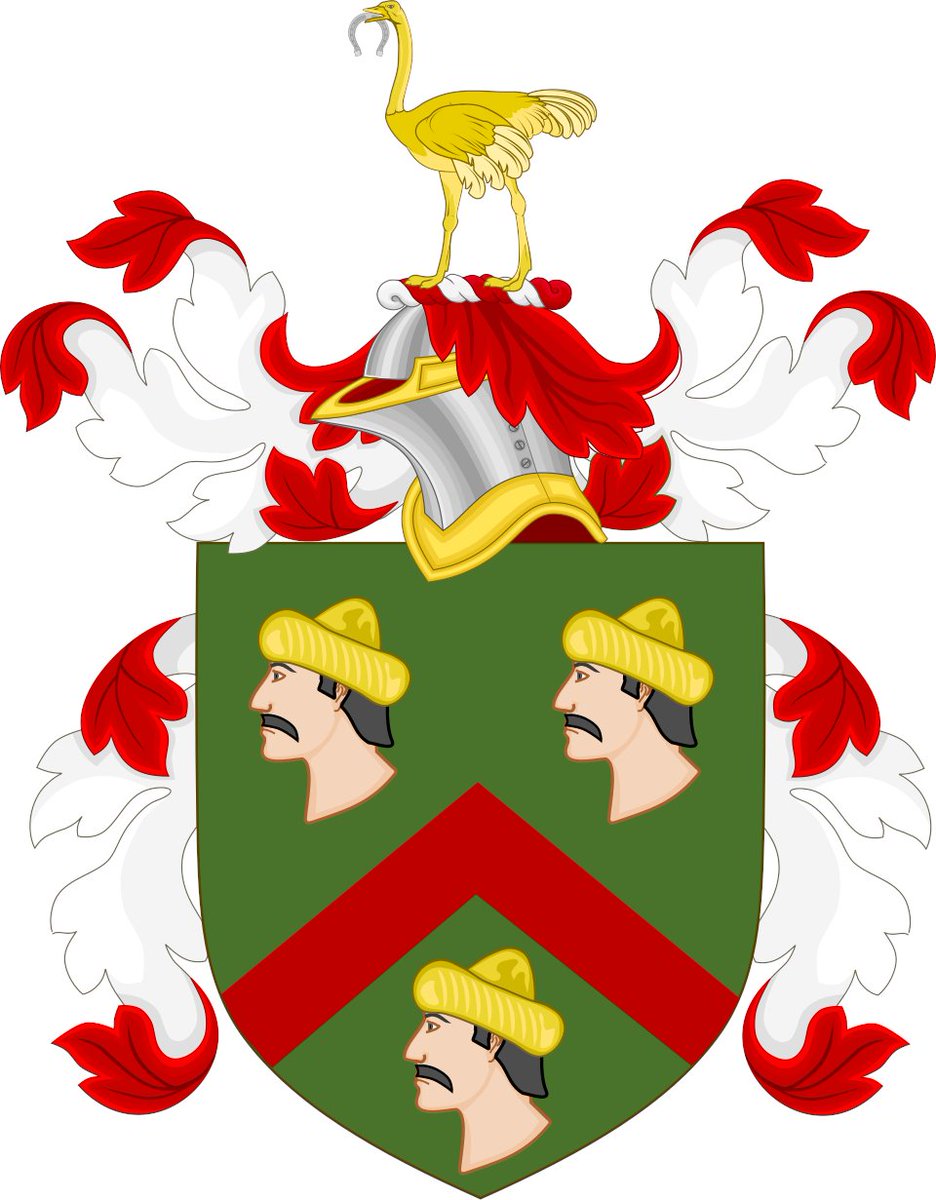
It's not for nothing that the first great American hero is John Smith, savior of Jamestown, and he won his coat of arms by successively beheading three Mohammedan champions in single combat while fighting the Ottomans as a mercenary
Such is who we are, and is the sort of spirit that not only has been with us from the beginning, but which built our great country
Jun 11
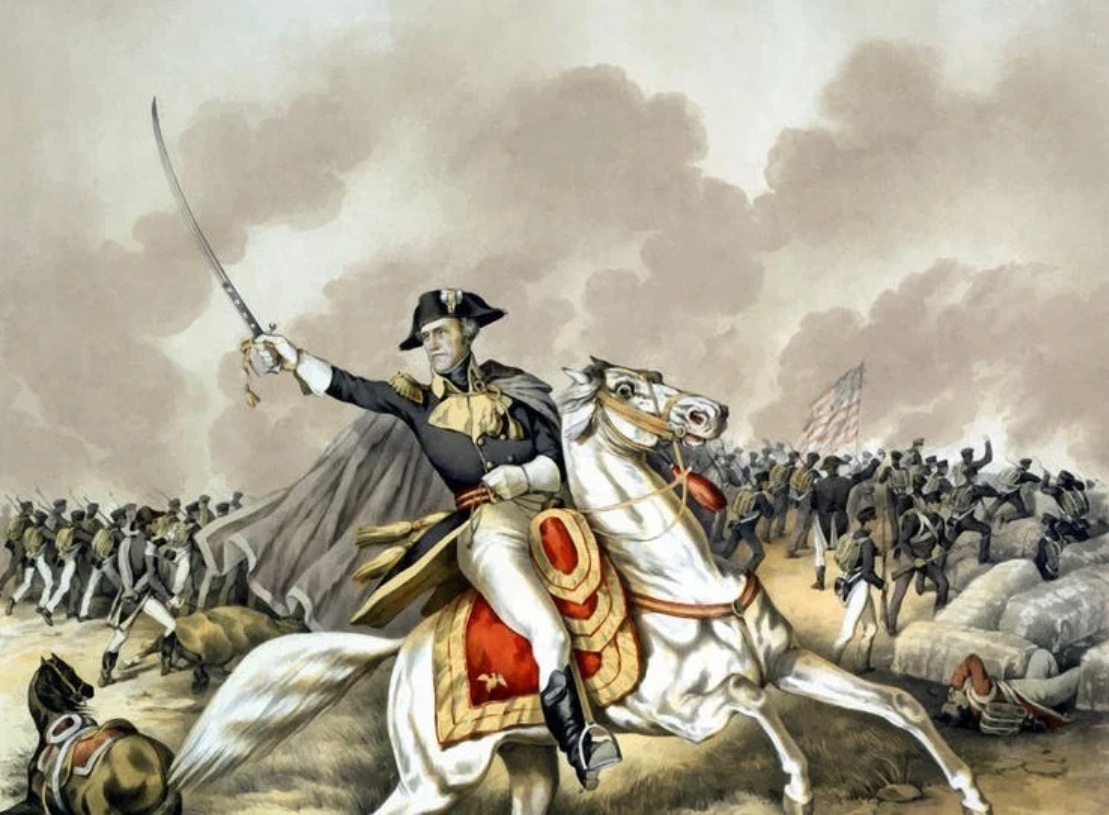
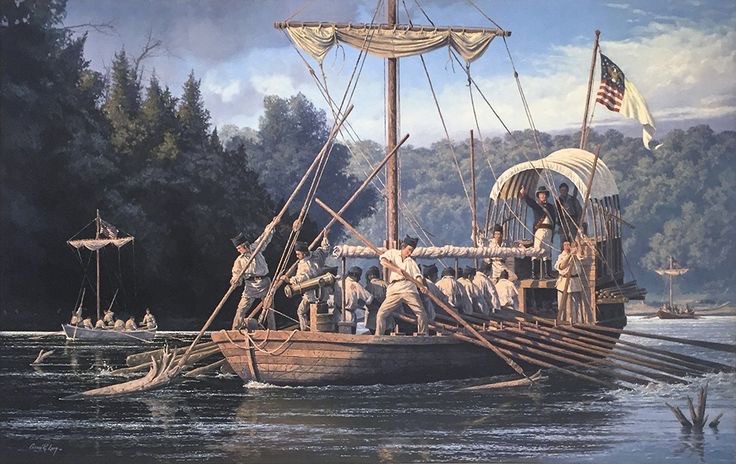
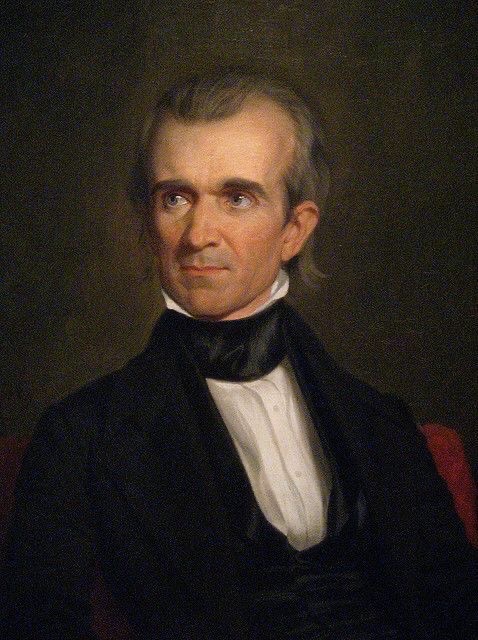
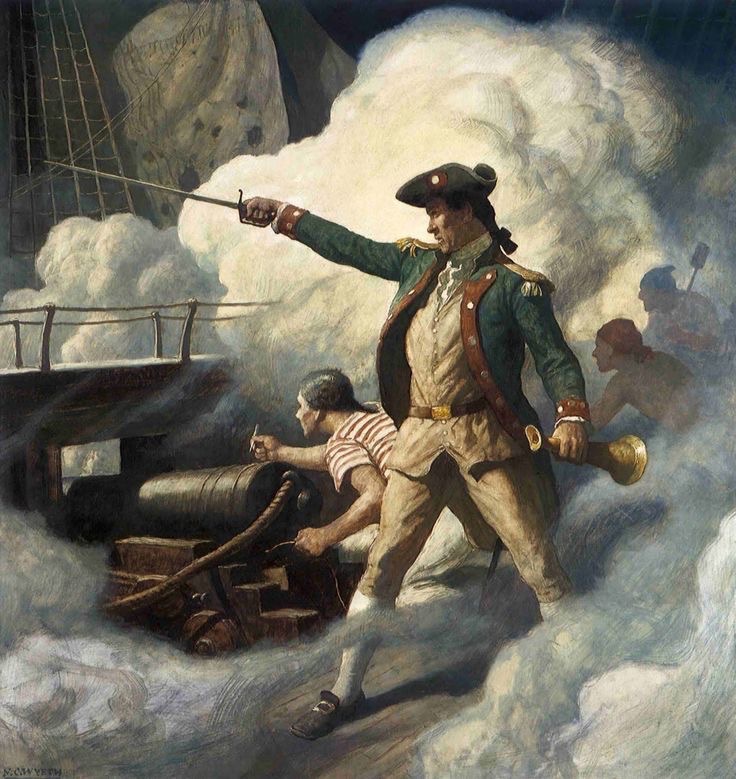
What part of explorers, conquerors and pioneers don’t you understand? It’s who we are
Remember that, American
1
33
207
6,057
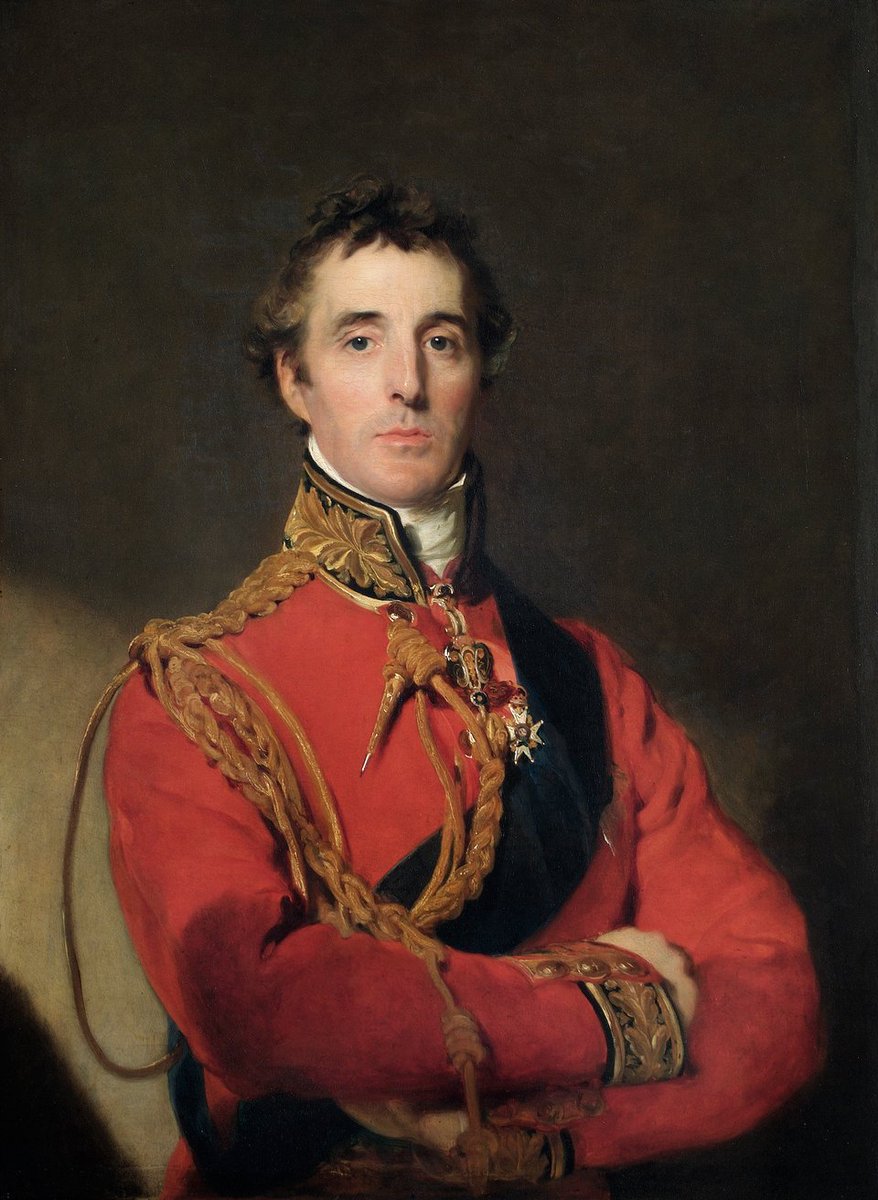
History is a tale of great men
Most of those tales are really the stories of dynasties of great men, as only such dynasties can consistently and patiently apply effort over time to achieve a tremendous outcome, and cultivate themselves to be able to consistently take advantage of opportunities
This is true of America: we would not be America but for the Virginia gentry, which was itself largely led and composed by the First Families. Why could Washington lead? Because of his line. Why could Richard Henry Lee lead? Because of his line. Why was the early Republic an essentially Virginian creation? Because Washington, Madison, Jefferson, Monroe, and the like stood ready to pick up the reins of power, and had the estates necessary to have spent their lives preparing for leadership Out of what milieu did they rise? That of effective aristocracy.
This applied elsewhere as well. Why was Sarawak such a success? The white rajahs.
Why was Britain foremost in industrial development? Because it was fed by the Agricultural Revolution, which was effected only because the great landlords--Coke of Norfolk and the like--devoted their resources to making the land far more productive.
Why did Britain dominate a quarter of the world and all of her oceans? The patient effort, immense bravery, and sense of opportunity of her leading men; whether established men or those who wanted to become dynasts, it was they who conquered the empire, and who governed it
Why did Britain lose that empire? In no small part because she taxes her great men out of existence while sending their heirs to die en masse in Flanders
Jun 11

Regular reminder that history is, overwhelmingly, the product of aristocracies; not the general population.
The future will be created by men who can lead.
2
13
81
4,503
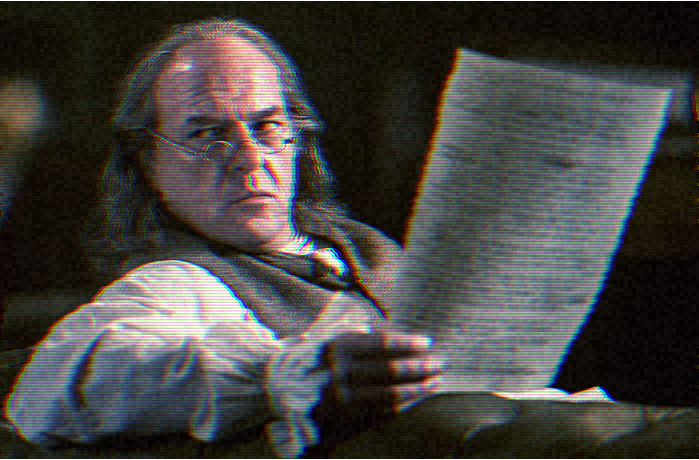
Franklin also was unwilling to do what it takes to prevent a republic from turning into a democracy, which is propertied voting to screen out the incompetent
In fact, his funny and famous "Franklin's Jackass" argument against voting restrictions show its necessity. He said:
"Today a man owns a jackass worth fifty dollars and he is entitled to vote; but before the next election the jackass dies. The man in the meantime has become more experienced, his knowledge of the principles of government, and his acquaintance with mankind, are more extensive, and he is therefore better qualified to make a proper selection of rulers—but the jackass is dead and the man cannot vote. Now gentlemen, pray inform me, in whom is the right of suffrage? In the man or in the jackass?"
Funny, of course. He was witty. But, obviously, the sort of man who runs an operation dependent on a beast of burden and fails to plan ahead for the death of that beast is the very sort of person with myopically short time horizons and evidently poor judgment who should not be allowed to vote!
Listening to such people is how the debt becomes a massive burden, overly expensive welfare policies are instituted, Ponzi schemes are created to fund old age pensions, and so on. If a republic is to remain a republic, it must screen out from the voting booth the sort of man who requires a mule but fails to account for the fact that it might pass

BENJAMIN FRANKLIN: "Democracy is two wolves & a lamb voting on what to have for lunch.
Liberty is a well-armed lamb contesting the vote."
5
22
159
6,619