
narita megumu — professional lighthouse keeper, guiding the ships (˶ᵔ ᵕ ᵔ˶)
Joined December 2014
- Tweets 19,751
- Following 332
- Followers 293
- Likes 57,998
546 Photos and videos















Pinned Tweet

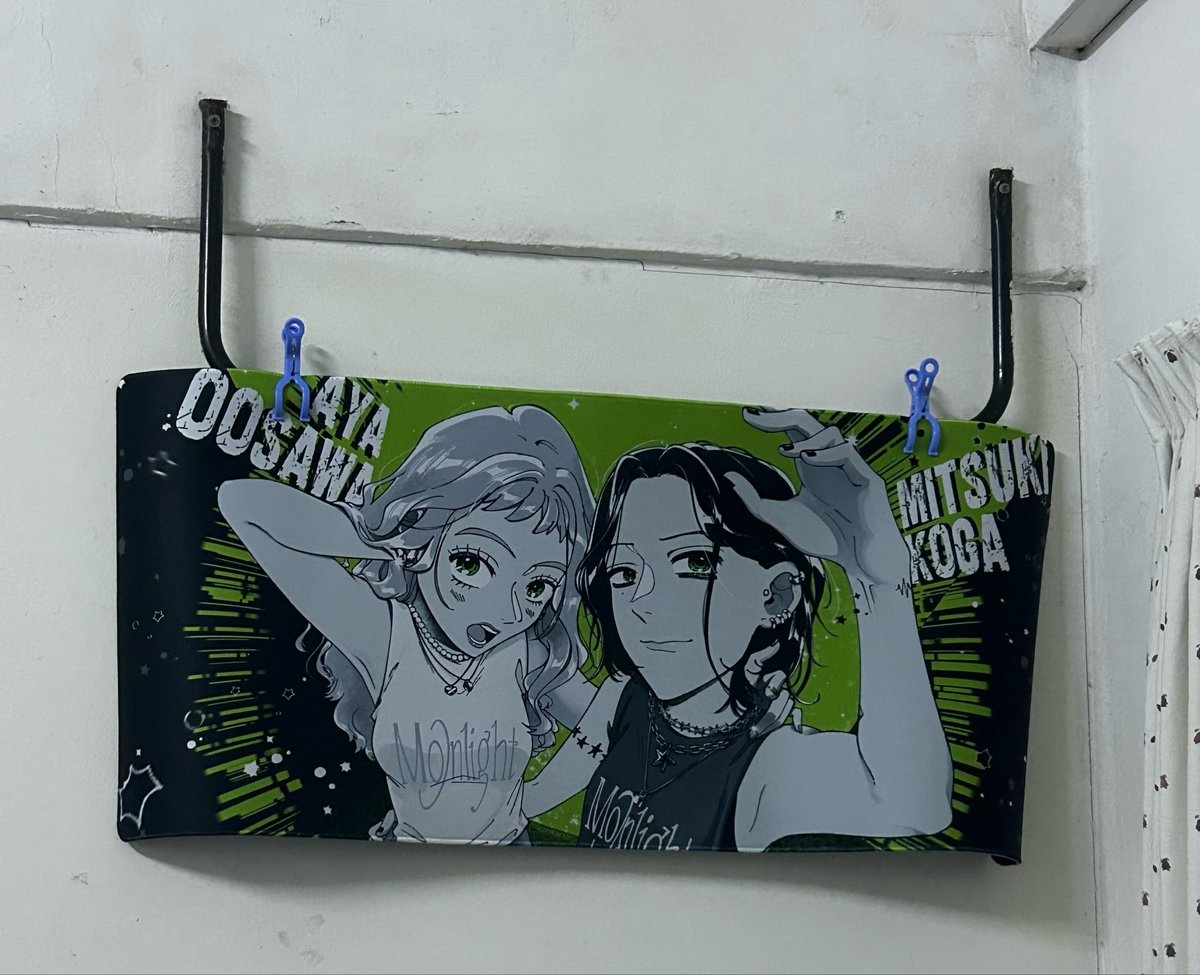
All of Me (fanfic)
> Set after chapter 154
> Summary: When Aya said "Show me all of you," she didn't mean sesbian lex
>Pillow talk, hurt/comfort, non-graphic smut.
>copium until the next chapter 😭🙏
>ao3 fic archiveofourown.org/works/80…
#MitsuAya #kinioto #greenyuri #tgswiiwagaa




5
13
91
7,158
narita | Mitsuaya communication arc! retweeted

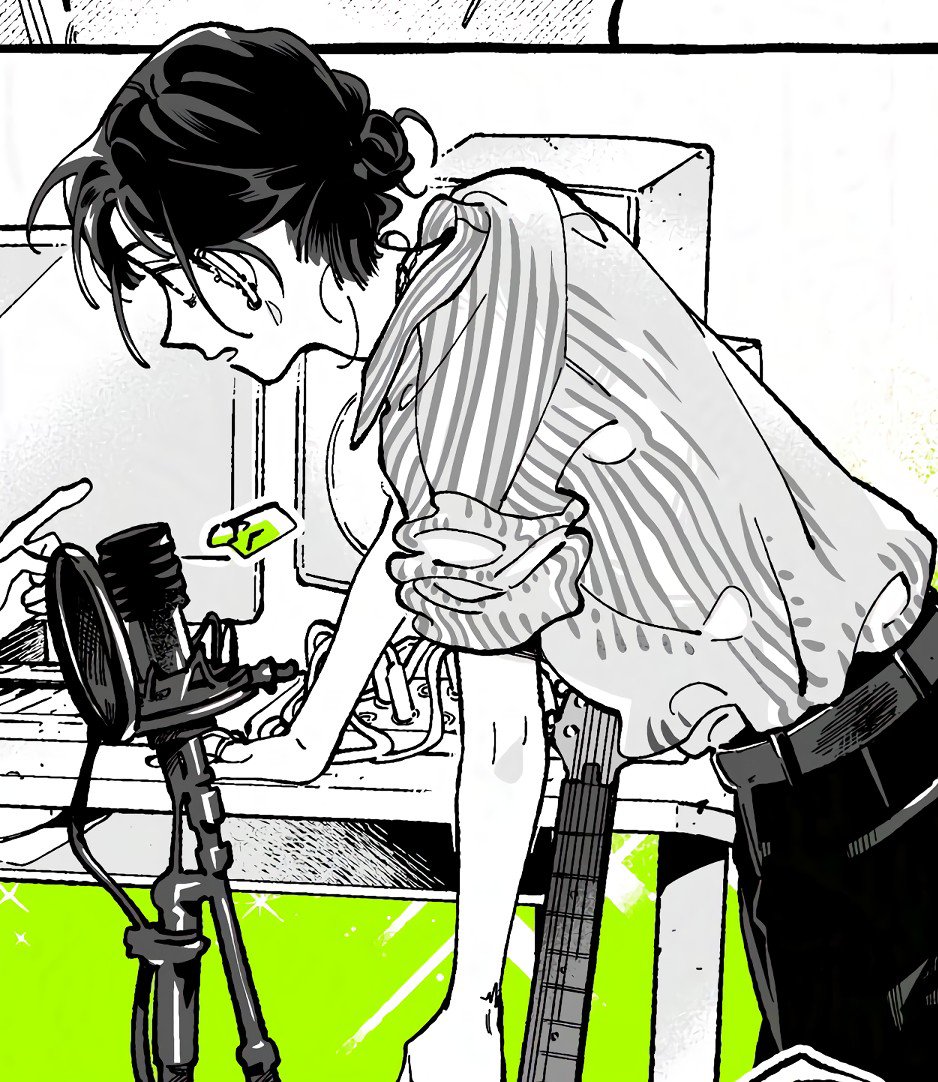
wearing matching shirts... me and who

271
2,480
13,307

narita | Mitsuaya communication arc! retweeted

Jun 15
I am begging the internet to stop showing me "5-to-9 morning routines" where someone drinks structured water, journals for an hour, and ice plunges before sunrise.
My morning routine is hitting snooze until the fear of homelessness physically drags me out of bed. That’s it. That’s the routine.
73
1,303
15,766
272,740
narita | Mitsuaya communication arc! retweeted

23h
「20代でハードワークしたから成功した」という話、結局は生存者バイアスなんだよな。過酷な労働に耐えて出世した人だけが発信している。一方、心身を壊して退場した人、非正規になった人、うつになった人にはマイクが回ってこない。落伍者に発言権がないから、成功談だけが“真実”みたいに見えてしまう
Jun 14

「20代でハードワークしなかった人は金持ちになれない」と聞くたびに思う。私は20代でお局のいじめに耐え、介護職で心を削り、コンビニ配送で残業100時間超えも経験した。結果どうなったか? 金持ちどころか、うつ病を抱えた無能底辺アラフォーの完成だ。この手の話はエビデンスがない。
30
1,265
4,465
174,194


narita | Mitsuaya communication arc! retweeted

母「あんた彼女作んないの?」
俺「母さんが大学生だったら俺と付き合いたいと思えるの?」
母「なるほど」
_人人人人人_
> なるほど <
306
2,759
73,033
1,680,016
narita | Mitsuaya communication arc! retweeted

this is what blows my mind when people act like elon is wildly intelligent instead of just good at extracting wealth from a broken system. DOGE saved us $15 million dollars a year by cutting this program which within two years led to a cost of $1 billion lol. a five year old could tell you that’s not a good deal.
Jun 15

> save $15M a year by cutting a screwworm monitoring program
> screwworm outbreak almost immediately
> $1B to combat it
Government efficiency
78
1,753
18,616
491,264
narita | Mitsuaya communication arc! retweeted

Jun 15
🚨 RONALDO GIFTED A RESTAURANT TO THE WOMAN WHO FED HIM WHEN HE WAS 10–12 AND HAD NO MONEY🚨
Cristiano Ronaldo: :- “When I was kid 10-12 years old. I didn’t have money. Near our house, there was a McDonald’s. At night, we would go to the back door and ask the ladies if there were any leftover burgers. They used to give us food, and that meant a lot to me. Later in life, I tried very hard to find them again. When I finally did, I wanted to repay their kindness, so I invited them and gifted them a restaurant.”


411
5,655
49,139
1,626,151
narita | Mitsuaya communication arc! retweeted

Jun 15
AI just took my fucking job
280
1,526
16,789
947,095

With that being said...👀 WIP! #mitsuaya
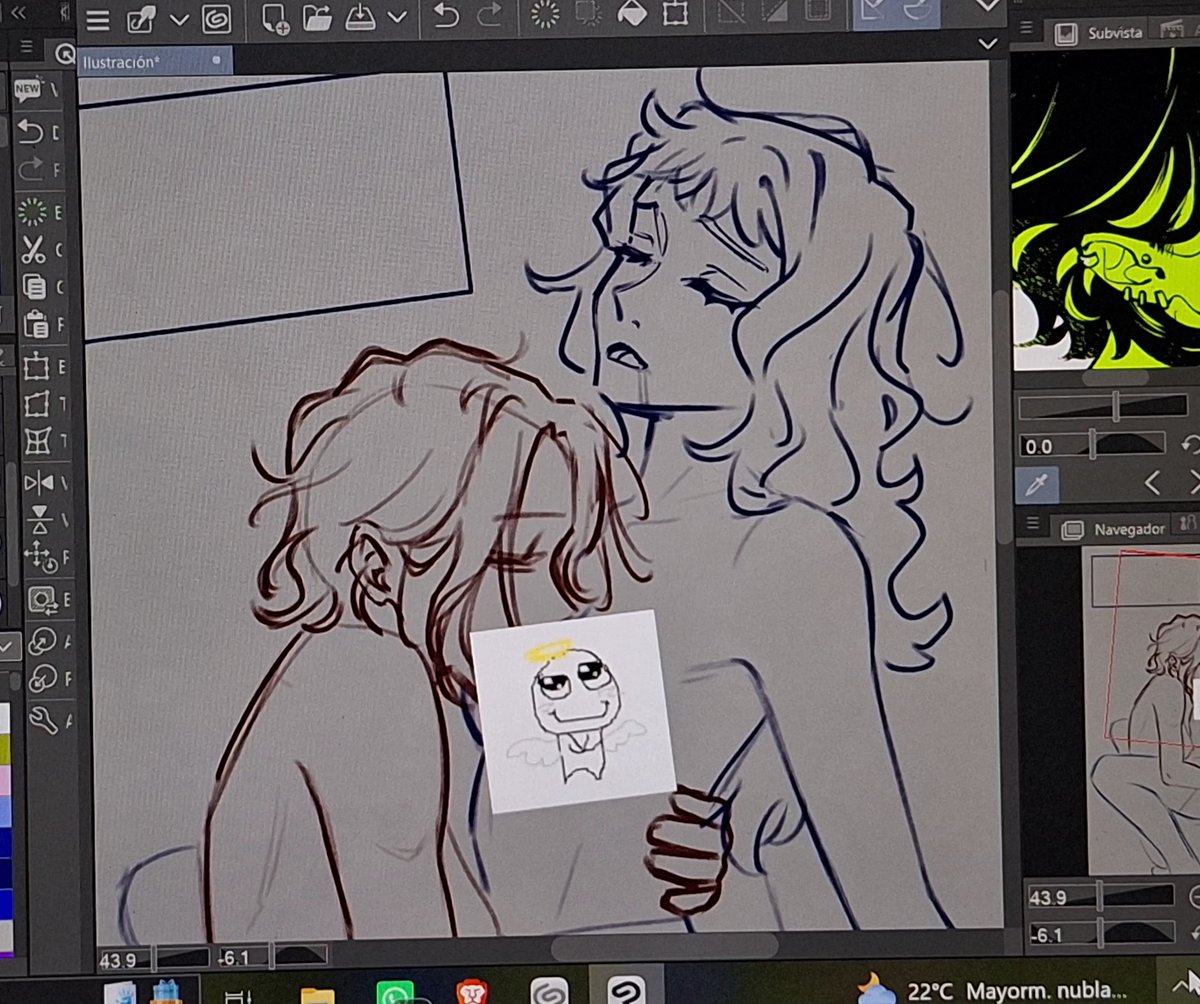

Okay I'm not making an alt, I have decided I'm gonna post spicy stuff here from time to time, so be aware of that, I will also be reposting lewd art (mostly from oomfs) sometimes, okay? OKAY! If you're not comfortable with that, my ig will keep being sfw!
18
69
685
4,966
narita | Mitsuaya communication arc! retweeted

Jun 15
A wealthy family is supposed to lose its fortune over time, and the reason is pure math. Every generation splits the money among more children. Run that for 600 years and a single rich family from 1427 should have its wealth scattered across hundreds of thousands of descendants by now, each holding a sliver of nothing. That is how dynasties are supposed to die. Slowly, by division.
Florence is where it did not happen. The same surnames that sat at the top of the city's tax records in 1427 are still sitting at the top today. Two Bank of Italy economists proved it by lining up the 1427 census, a ledger the city only created because it was nearly bankrupt from a war with Milan, against Florence's 2011 tax records. Roughly 20 generations apart. The rich names never moved.
Then they measured how strong the pull was. Long-run earnings elasticity of 0.04. That sounds like nothing until you remember what standard models predict after 20 generations. Zero. An advantage was supposed to fade inside three generations. This one was still showing up after twenty.
Wealth held even tighter than income. Start at the bottom of the 1427 distribution versus the top, and the gap between them is still 12% today, six centuries later.
Here is the part that should bother you. When economists track mobility one generation at a time, they measure an elasticity around 0.3 to 0.5 and conclude advantages fade fast. But a single generation of income is noisy. A rich kid has a bad decade, a lazy heir, a plumber next door who gets lucky. Strip that noise out by following the same bloodline across centuries and the real number jumps to about 0.75. Gregory Clark found that same 0.75 in England, Sweden, China, and India. Different countries, different centuries, one stubborn constant.
At 0.75 per generation, an elite family does not return to average in three generations. It takes ten to fifteen. Three hundred years and up. The exponential math of the family tree should have buried these fortunes a dozen times over. It did not even dent them.
Barone and Mocetti gave the force a name. The glass floor. The children of the rich do not fall through it, and 600 years of tax records are the receipt.


22
95
533
131,544
narita | Mitsuaya communication arc! retweeted
人生の軸が全部えびちゃん
-
就活
「えびちゃんいるから転勤ないとこ探す」
-
転職
「えびちゃんいるから出張ないとこ探す」
-
結婚
「えびちゃんに理解ある人探す」
-
引越し
「えびちゃんの負担にならない距離で!」
-
家購入
「えびちゃんに良い環境・設備を!」
#ヤマトヌマエビ
5
20
415
7,232
narita | Mitsuaya communication arc! retweeted

Jun 14
ryan gosling saying “dont do that, dont lose hope” when told to give advice to hopeless romantics makes me want to throw up and cry and die everywhere
24
2,997
30,133
487,437
narita | Mitsuaya communication arc! retweeted

Jun 14
Como se siente ser extremadamente autoconsciente de lo que haces y aun así seguir repitiendo los mismos patrones autodestructivos
200
45,301
197,878
1,909,650
narita | Mitsuaya communication arc! retweeted

Jun 15
Jun 15

Butches who refer to their girlfriends as "my wife" instead of "my girlfriend" are the most romantic gesture ever
3
18
850
Me

instead of winter depression does anyone get summer depression and the heat drives you even more crazy
1
37
narita | Mitsuaya communication arc! retweeted

Jun 15
This storm woke me up a few minutes ago and I am so over it. LET ME GO BACK TO SLEEP

1
1
6
124


narita | Mitsuaya communication arc! retweeted
エビ狂いが転職活動した時の話
-
私「出張はありますか?」
-
👨💼「ないです。何か事情でも?」
-
私「エビがいるので」
-
👨💼「エビ」
-
私「出張中自腹で一時帰宅が許されるか確認する必要がありまして...朝には必ず戻ります」
-
👨💼「www採用www」
-
-
変なガッツ評価されがち(笑)
#ヤマトヌマエビ
4
35
731
40,124
narita | Mitsuaya communication arc! retweeted

Hmmm idk if I like aya’s face on this drawing rn so here is mitsuki

2
9
69
829