
Joined October 2019
- Tweets 204
- Following 331
- Followers 38
- Likes 115
40 Photos and videos

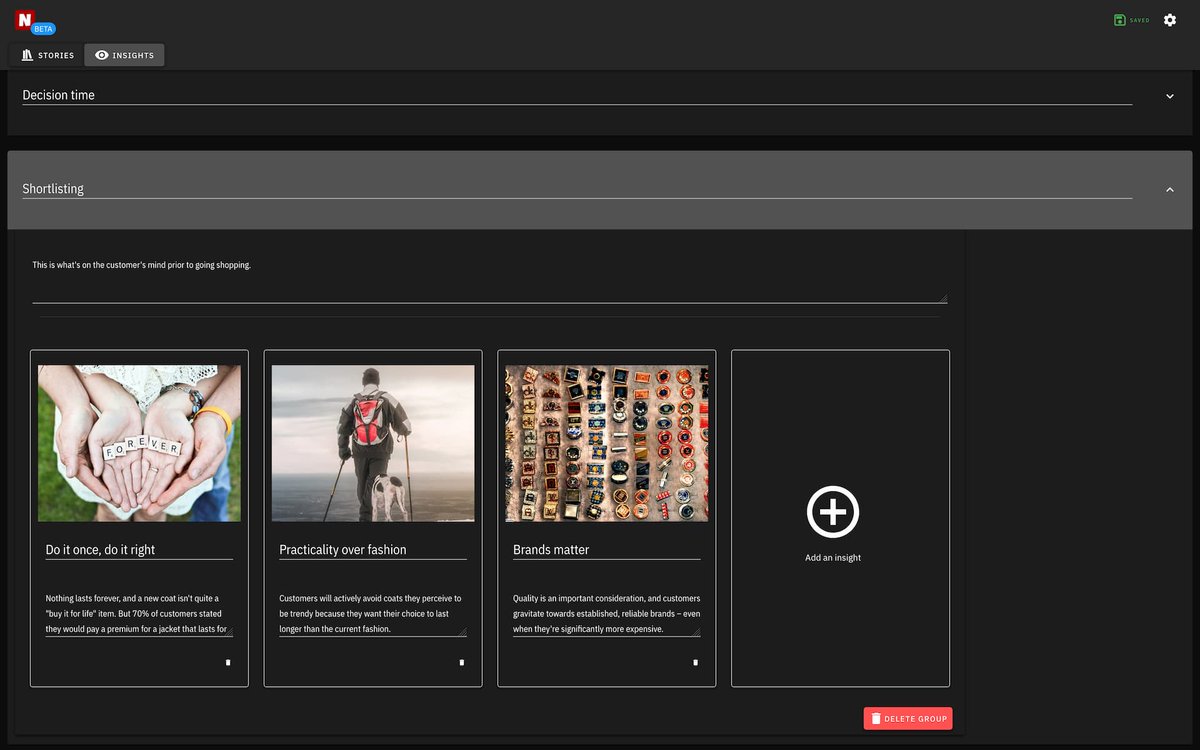
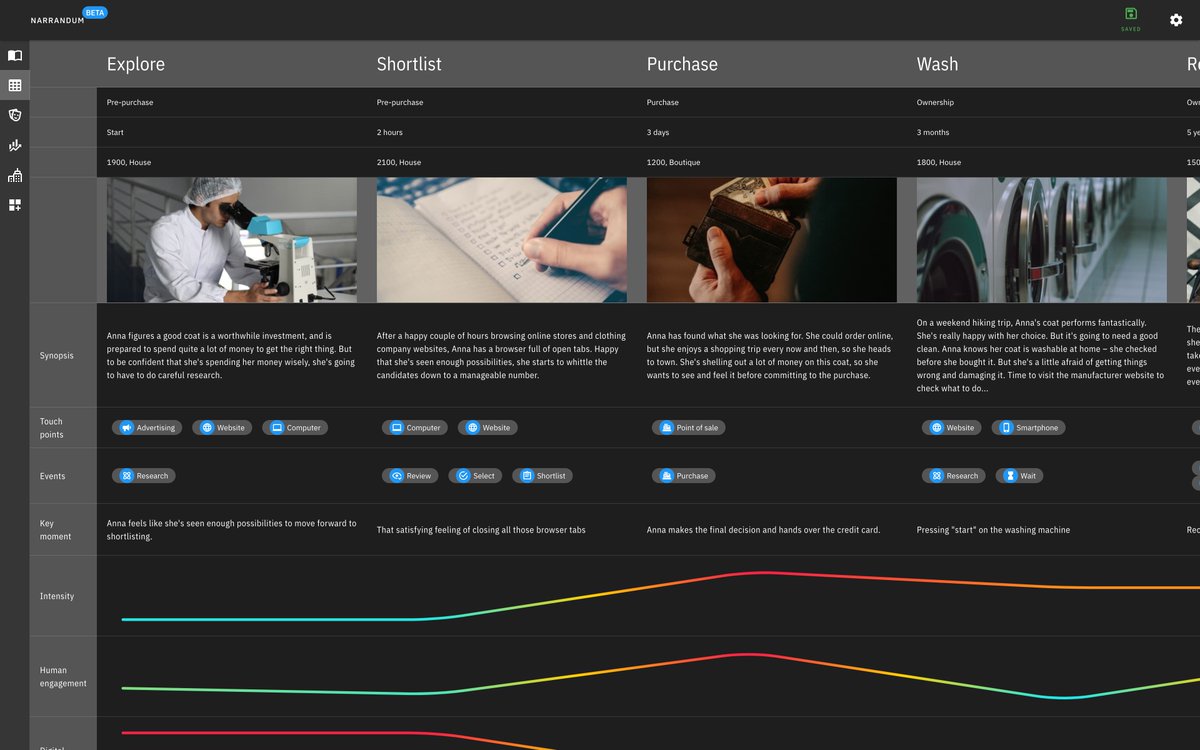

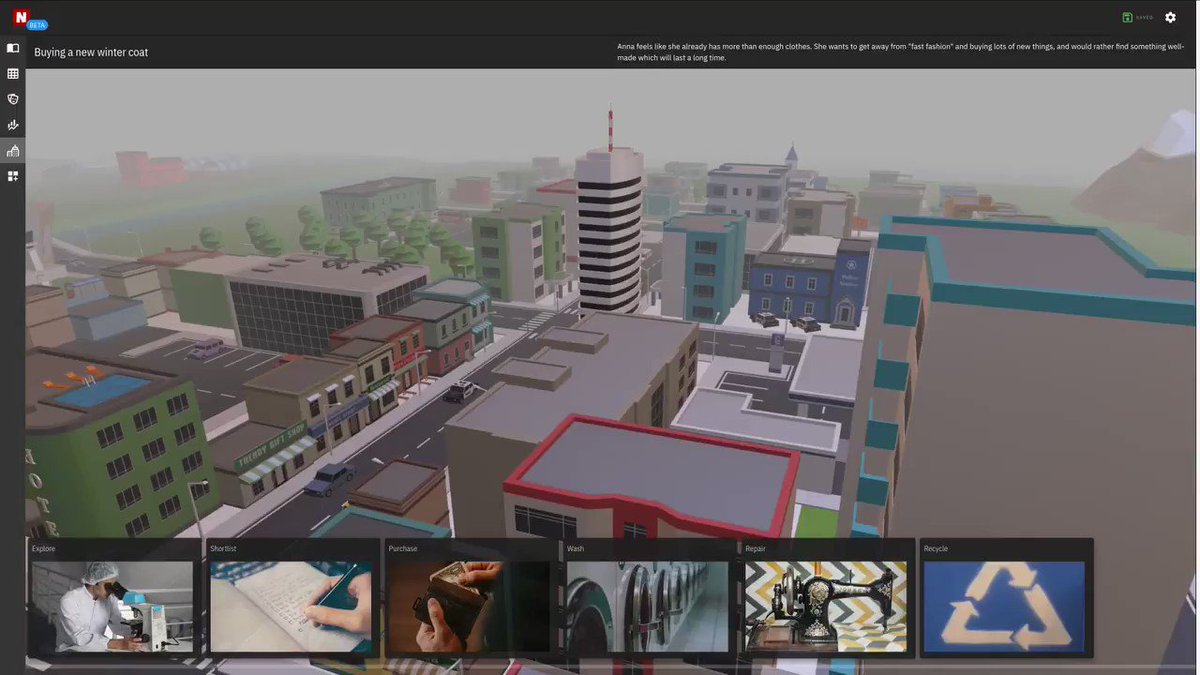

Some people might be experiencing a brief interruption to service as we do a bit of server jiggerypokery, but we'll be back soon.
Of course, this could never affect us, we're on a different infrastructure on another continent...
Narrandum | For all your customers' stories retweeted

25 Nov 2020
One of the things I find fascinating about designers is that being right in their mind about a design is the most important thing.
They’re wrong.
What’s important is stakeholder alignment behind that design, using evidence to tell the story.
2
7
32
Our servers are #CarbonNeutral and all our development work is powered by #RenewableEnergy.
As true in many other fields as it is in journalism.
14 Nov 2020

2/ People trust people. And your audience only knows you’re a person if you’re willing to be vulnerable, human, informal, maybe even weird. It even turned out that if you made a mistake, owned it, and explained it they’d trust you more!
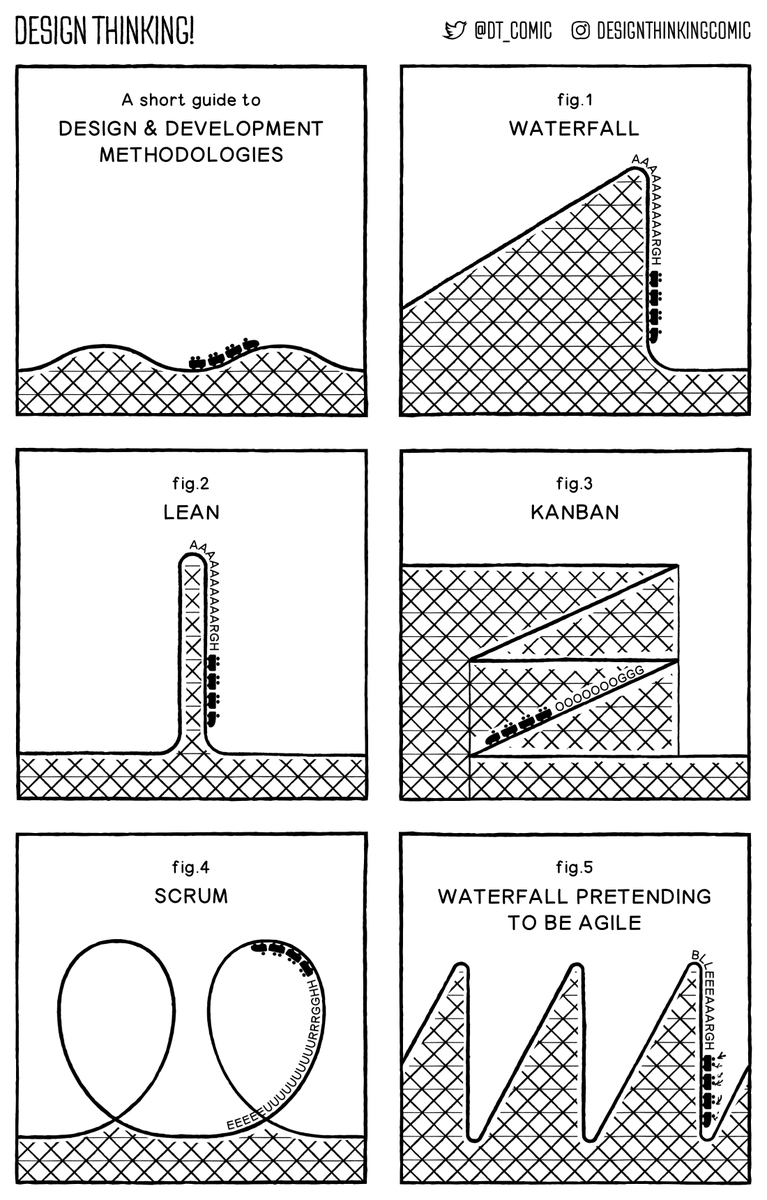
...And a typical startup is just the dodgems.
5 Nov 2020

Scream if you want to sprint faster
#designthinkingcomic #designthinking #designtwitter #designhumor #agile #scrum #kanban #lean #waterfall #designsprint
Narrandum | For all your customers' stories retweeted

2 Oct 2020
32
192
1,121
Narrandum | For all your customers' stories retweeted

8 Sep 2020
The complete text of my book, Design Justice: Community-Led Practices to Build the Worlds We Need, is now freely available online at design-justice.pubpub.org!
If you like it, please do:
- buy a copy from an indy bookstore
- write a review somewhere online
- add to syllabi
ty!
34
480
1,273
Ever feel like every #webapp looks the same, no matter what it does? Same #layout, same #ux, even the same colours?
Try ours and you'll change your mind.
narrandum.com
youtu.be/w_QZyDjnpQ4
2
A very important message for you this Friday:
You ask, we provide: now you can share your #customerjourneys in read-only mode so your clients and colleagues can't "enhance" them 🙂
#customercentricity isn't just a buzzword, it's what we're all about.
Check it out: narrandum.com
Do your #journeymaps fit one of these 37 patterns?
openculture.com/2020/08/37-p…
And this is why we started offering a lifetime purchase option. #subscriptionfatigue is real.
31 Aug 2020

So far all these cancellations will save me $4227/year
1
1
Narrandum | For all your customers' stories retweeted

30 Aug 2020
User-centred design is not getting a bunch of people together for a workshop to talk about what they think the user need is. It doesn’t matter what we THINK the user need is. User-centred design is doing the hard work to go and bloody find out from actual users what they need.
8
108
436
You know your backlog's getting light when you start adding smileys to your charts.
We're experiencing some strange issues related to user accounts at the moment. Looks like something has changed in one of the packages we use for authenticating users. You might not notice any problems, but if you do - bear with us, we're on it!
1
Narrandum | For all your customers' stories retweeted

22 Aug 2020
Master story, master #UX with @LizTheWhizard's help ✏️ Applying user psychology and #UserExperience storytelling to master #personas and user stories.
bit.ly/3aENvnF
#uxstorytelling #userstories #uxdesign

1
4
A couple of tiny CSS bugs that sometimes made a big mess crept into the last release. They've been fixed and lessons have been learned. Sorry if you were wondering why your screen looked all weird.
1
Suffering from subscription fatigue? Fear not, Narrandum now has a lifetime plan.
#servicedesign #journeymapping #customerjourneys #cx
narrandum.com/blog/subscript…
1
1