Joined October 2017
- Tweets 12,297
- Following 1,983
- Followers 548
- Likes 79,235
415 Photos and videos



Pinned Tweet

30 Aug 2022
Covid-19: politicisation, “corruption,” and suppression of science | The BMJ bmj.com/content/371/bmj.m442…
1
3
9
wtfisgoingon 🕯 retweeted

Jan 4
🚨 World-renowned cancer biologist reveals the stunning and powerful physiological benefits of nutritional ketosis.
But the bombshell comes when he mentions "Ketosis" amplifies how anti parasitic medications work.
Thomas Seyfried PhD: "we have a mechanism why parasite medications are working".
"Once you put the patient [into] nutritional ketosis, it opens up a whole [new] array of drugs that may have [not worked]"
"Once the body is in this new physiological state, things that were thought to be ineffective becomes super effective.... [and Mebendazole, Febendazole] I did a dive on it and I said, why [do] Parasite medications work against cancer cells, and it turns out that the parasites use mitochondrial substrate level phosphorylation in the tissue .. and mebendazol fenbendazol kill these parasites. So I tried it on the cancer cell and sure as hell, it targets the mitochondrial substrate and glycolysis"
PhD in Ketogenic Science and Hyperinsulinemia steps in and also points out that "Ivermectin, it actually works on the mitochondrial cell death pathway".
28
982
2,747
112,628
wtfisgoingon 🕯 retweeted

13 Dec 2025
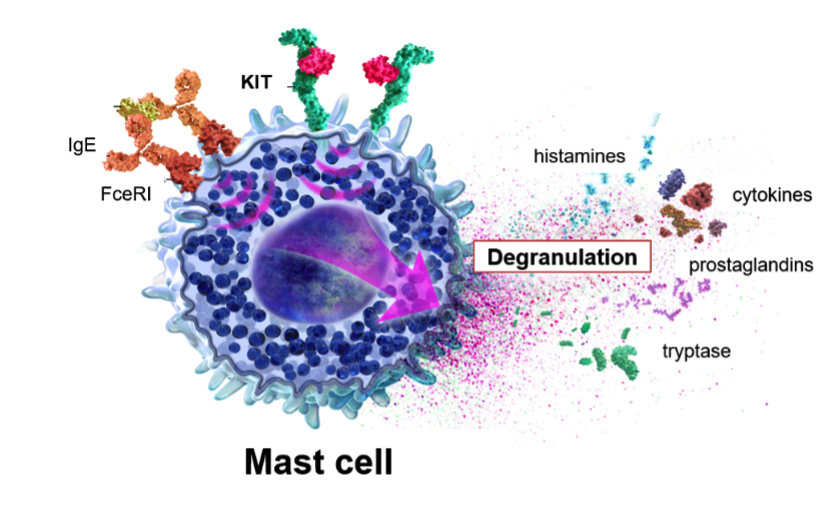
Mast cell activation is one of the most under-recognized drivers of hives, food reactions, flushing, anxiety, and “mystery” inflammation.
Avoiding triggers isn’t enough.
You have to retrain immune tolerance at the gut and nervous system level.
In this post, I’ll break down mast cells, IgA, and how to restore regulation.
Mast cells sit at every barrier between you and the outside world: skin, airways, gut lining.
Their job is to detect danger and release chemicals like histamine to flush it out. When calibrated correctly, they protect you from infections and allergens. When they misfire, they behave like an alarm system that trips at the smallest vibration.
This state, which is known as mast cell activation, can lead to flushing, hives, swelling, dizziness, headaches, gut pain, or allergic-type reactions to foods, temperature changes, fragrances, or stress.
The gut is the largest immune organ in the body, and it maintains a delicate balance:
Tolerate harmless foods and microbes while attacking true pathogens.
Its primary shield is IgA, the dominant antibody at mucosal surfaces. Secretory IgA acts like immune glue, coating microbes and toxins so they cannot penetrate the gut lining.
When IgA is too low, people become prone to infections, food sensitivities, and leaky-gut–driven inflammation. When IgA is chronically high, it often reflects an ongoing battle: gut dysbiosis, autoimmunity, or persistent infection.
Put together, hyper-reactive mast cells and dysregulated IgA, in combination with reduced Treg signalling (Treg being the immune “brake pedal”), explain why everyday exposures can trigger outsized symptoms.
The solution lies in restoring balance:
1) Stabilise mast cells
> Quercetin, luteolin, DAO enzyme, PEA, vitamin C
> Avoid known triggers (e.g., alcohol, sulfites, histamine-rich foods) temporarily
> Support methylation and glutathione for long-term mast cell resilience
2) Rebuild mucosal immunity
> Use colostrum, lactoferrin, immunoglobulins (IgG), and zinc carnosine
> Ensure adequate secretory IgA through gut support (S. boulardii, L-glutamine)
> Rotate keystone probiotics like Bifidobacterium, F. prausnitzii
> Consider beef spleen extract to support innate immune tone, especially if WBCs are low or infection history is prolonged
3) Address root-level gut stressors
> Remove infections, dysbiosis, or biofilm issues if present
> Seal the barrier with glutamine, slippery elm, butyrate
> Re-feed the microbiome with diverse fermentable fibers (slowly)
4) Modulate inflammation and Treg signalling
> Vitamin D3 K2, omega-3s, sulforaphane, magnesium
> Support Treg expansion with short-chain fatty acids (e.g., sodium butyrate), probiotics, and mild fasting
> Reduce NF-kB activity (e.g., with curcumin or PEA)
5) Nervous system rewiring
> Red light therapy
> HRV training & breathwork
> Somatic work
Every immune cell has a receptor for cortisol, adrenaline, and vagal signals. Calm inputs matter.
When the immune system stops firing at false alarms, the body finally steadies.
Immune reactivity isn’t a permanent state.
With the right support, it can return to regulation and repair.
39
195
916
72,762
wtfisgoingon 🕯 retweeted

9 Dec 2025
Two landmark studies, encompassing 8.7 MILLION people, found that COVID-19 “vaccines” increase your risk of SEVEN major cancers:
Breast: 54%
Bladder: 62%
Lung: 53%
Prostate: 69%
Thyroid: 35%
Gastric: 34%
Colorectal: 35%
All explained by mRNA’s 17 oncogenic mechanisms.
9 Dec 2025

Dr. John Campbell: According to a recent Italian study, people who received at least one dose of Covid injection are 34% more likely to get colorectal cancer, 54% more likely to get breast cancer, and 62% more likely to get bladder cancer than the unvaccinated.
802
9,615
21,187
3,432,381
wtfisgoingon 🕯 retweeted
17 Nov 2025
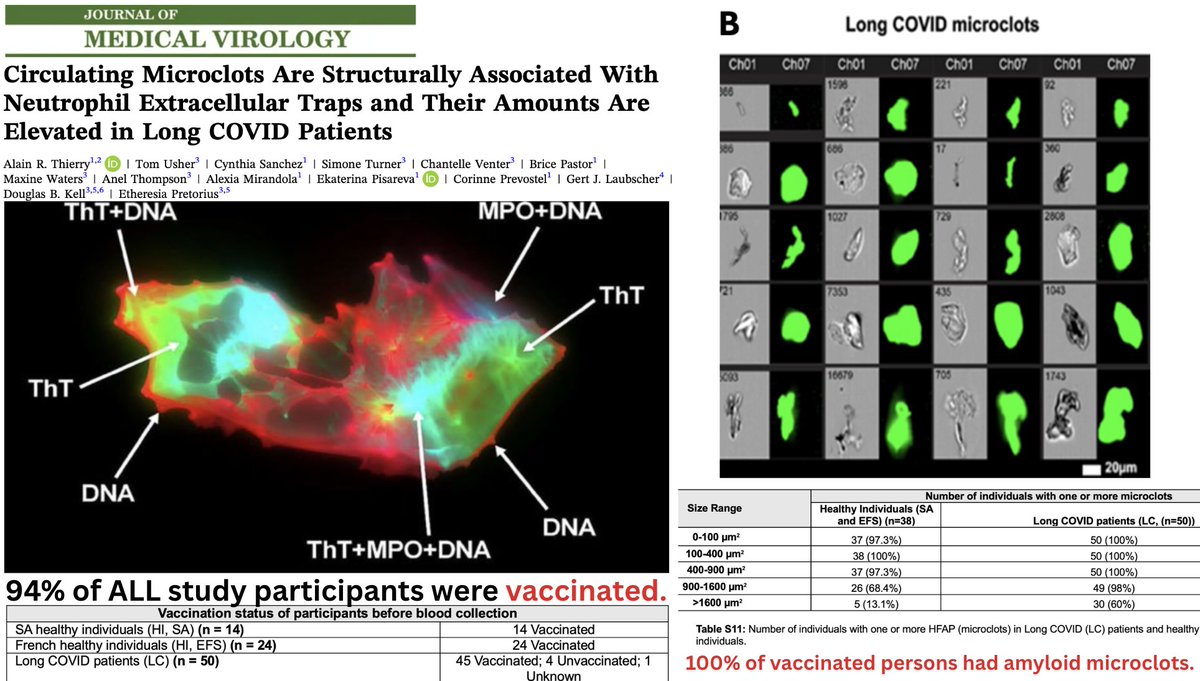
🚨BREAKING STUDY: Anomalous Amyloid Microclots Found in 100% of the COVID-19 Vaccinated
In a cohort that was 94% vaccinated, EVERY participant had amyloid microclots — the SAME pathology behind the large white fibrous clots now being pulled from corpses worldwide ⬇️
📍100% of vaccinated participants had fibrinolysis-resistant, ThT-positive amyloid microclots circulating in their blood — including every “healthy control.”
📍What the authors called “Long COVID” was actually Long VACCINE: 90% of the "Long COVID" group was vaccinated.
📍The study never verified COVID infection. No PCR. No antibody testing. No sequencing.
📍Spike protein alone created these same amyloid microclots in vitro, indicating causation.
📍The largest, most pathological clots (900–1600µm² and >1600µm²) were 20× higher in the vaccinated "long COVID" group.
📍These clots were loaded with NETs, myeloperoxidase, elastase, extracellular DNA, and misfolded amyloid fibrin — structures resistant to breakdown.
This is the exact same pathology now being found as white, rubbery fibrous clots in postmortem vessels worldwide.
Every vaccinated individual in the study showed early-stage amyloid microclots, raising alarms about cumulative vascular injury across the entire globe.
The CDC and federal public-health agencies must finally do their job and launch an immediate, transparent investigation into these findings.
Failing to intestigate the white fibrous clot situation constitutes a dereliction of duty.
Any platform delivering spike protein into human circulation must be immediately banned for human use.
16 Jun 2025

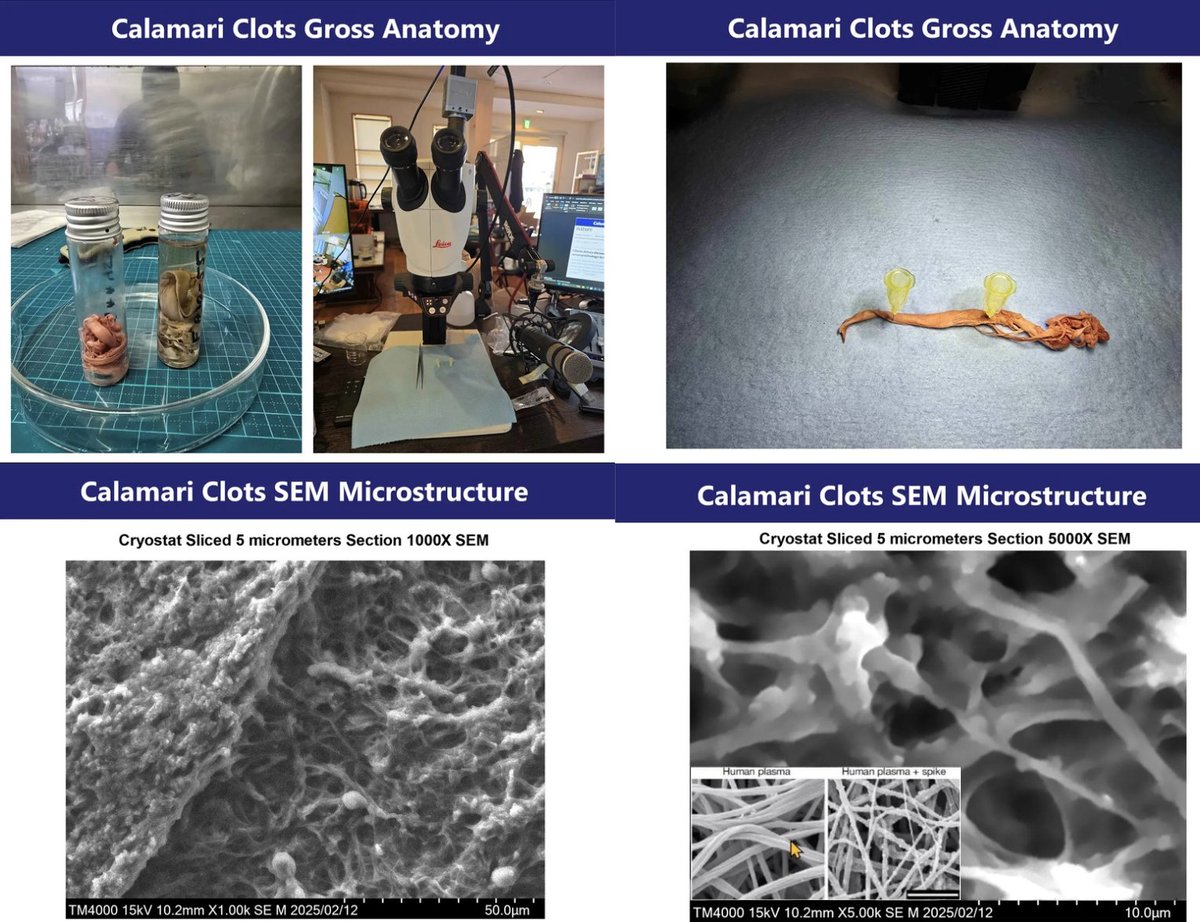
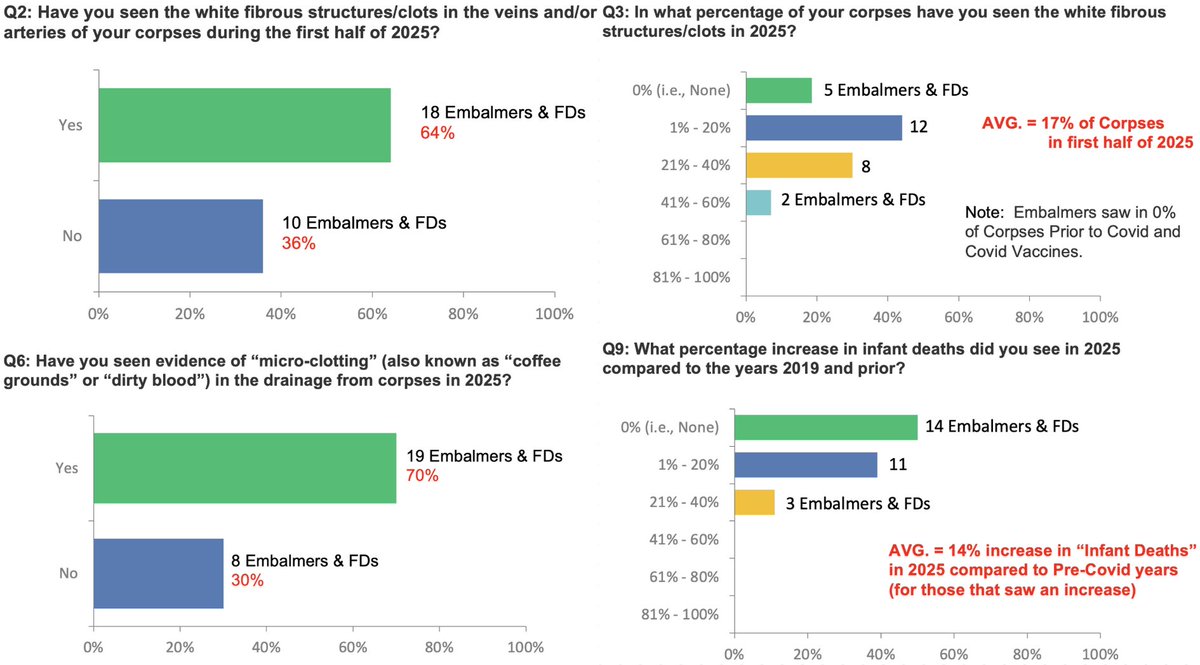
White Fibrous Clots Are REAL and PREVALENT
✅ Video-confirmed testimony of white fibrous clot detection by a majority of embalmers at an official state funeral directors association meeting
✅ 3 years of global embalmer survey data revealing widespread detection of white fibrous clots in 17–27% of corpses since the COVID-19 "vaccine" rollout
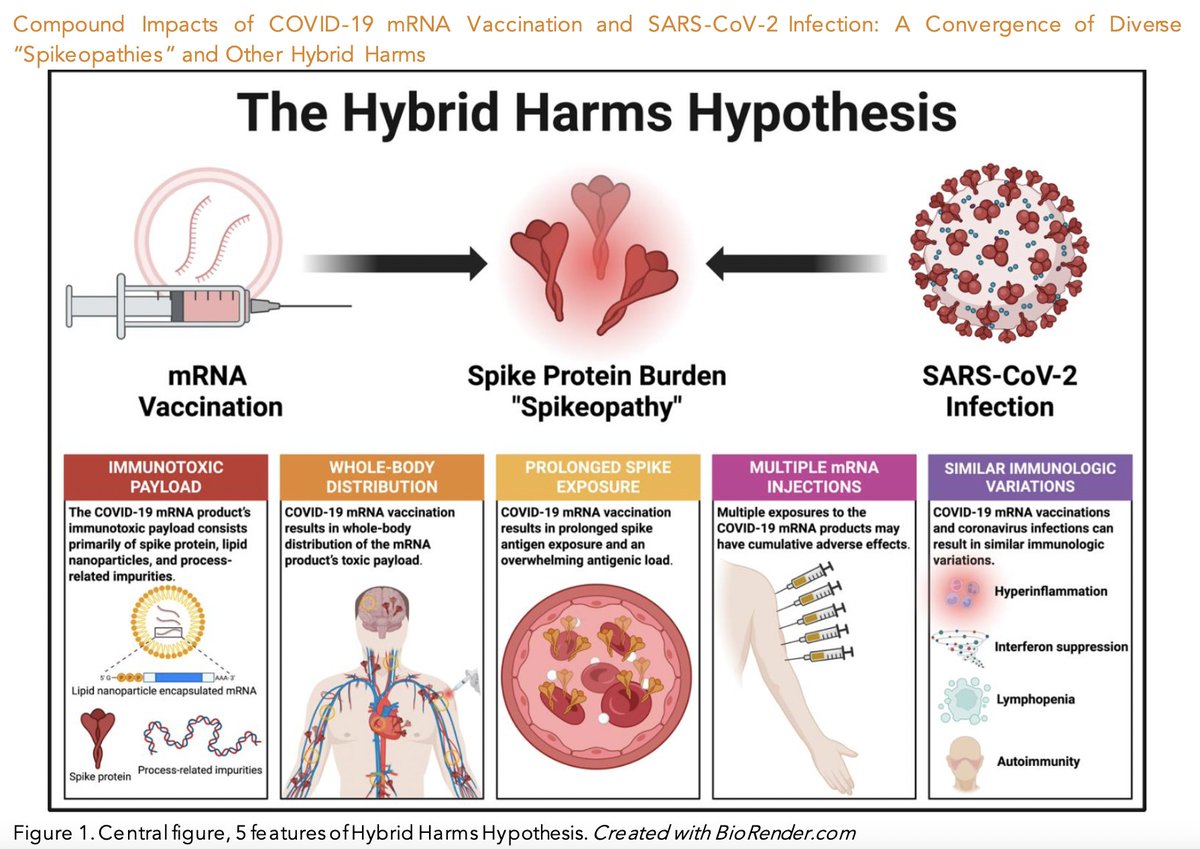
✅ Physical, microscopic & biochemical analysis revealing amyloidogenic fibrin aggregates—likely formed via spike-induced protein misfolding
✅ Peer-reviewed studies linking spike protein to amyloidogenic protein misfolding and clotting
It's time for the CDC and FDA to do their duty and investigate.
@KevinMcCairnPhD @r_hirschman

476
6,131
12,483
3,798,962

wtfisgoingon 🕯 retweeted
29 Nov 2025
🚨 World-renowned cancer biologist Thomas Seyfried, PhD, reveals "we have a mechanism now why parasite medications are working".
Professor Thomas Seyfried: "Mebendazole, Febendazole [I] did a dive on it and I said, why [do] Parasite medications work against cancer cells, and it turns out that the parasites use mitochondrial substrate level phosphorylation in the tissue .. and mebendazol fenbendazol kill these parasites. So I tried it on the cancer cell and sure as hell, it targets the mitochondrial substrate and glycolysis"
Parasites rely on the EXACT same dysfunctional energy pathway cancer cells do and these drugs don’t care that cancer isn’t a parasite.
"So we have a mechanism now why parasite medications are working, but cancer is not a parasite"
Thomas Seyfried mentions avoiding researching Ivermectin because of political pressure during covid, but Dr. Isabella Cooper, PhD in Ketogenic Science and Hyperinsulinemia points out the mechanism for him:
"Ivermectin, it actually works on the mitochondrial cell death pathway".
234
5,911
16,396
795,976
wtfisgoingon 🕯 retweeted

9 Nov 2025
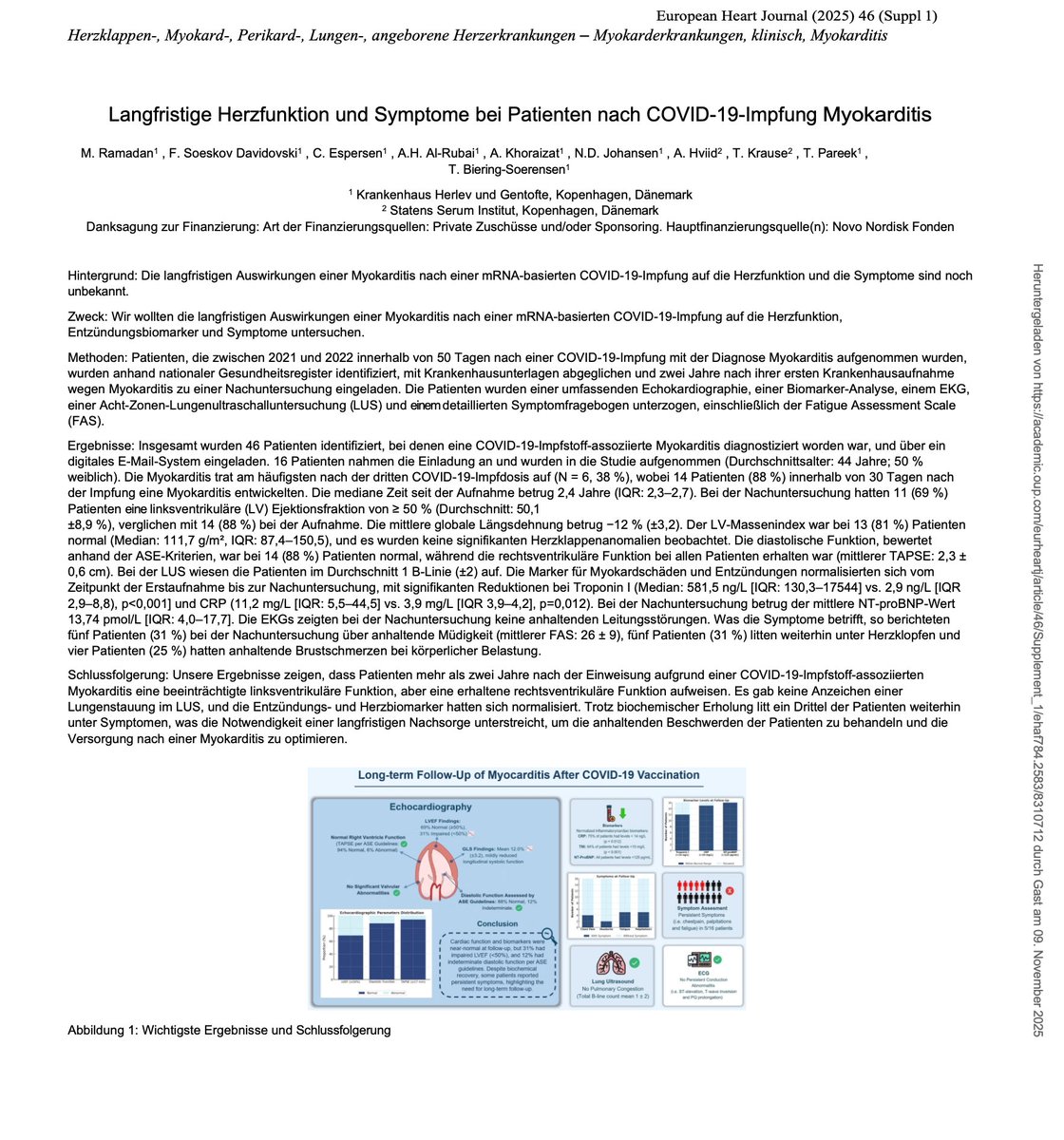
Myokarditis nach modRNA Impfung ist nicht auf die leichte Schulter zu nehmen.
academic.oup.com/eurheartj/a…
DRINGEND: Eine neue Studie, die am 5. November 2025 veröffentlicht wurde, zeigt, dass Patienten, die nach der Verabreichung von mRNA-COVID-19-Impfstoffen eine Myokarditis entwickelten, auch mehr als zwei Jahre später weiterhin unter Herzfunktionsstörungen/Symptomen litten, insbesondere im linken Ventrikel, was die falschen Behauptungen widerlegt, dass es sich nur um leichte Beschwerden handele.
„Die mediane Zeit seit der Aufnahme betrug 2,4 Jahre (IQR: 2,3–2,7). Bei der Nachuntersuchung hatten 11 (69 %) Patienten eine linksventrikuläre (LV) Ejektionsfraktion von ≥50 % (Mittelwert: 50,1±8,9 %).
Die mittlere globale Längsdehnung betrug −12 % (±3,2). = systolische Dysfunktion = schwächere Kontraktion.
„Unsere Ergebnisse zeigen, dass Patienten mehr als zwei Jahre nach der Aufnahme wegen einer COVID-19-Impfstoff-assoziierten Myokarditis eine beeinträchtigte linksventrikuläre Funktion, aber eine erhaltene rechtsventrikuläre Funktion aufweisen.“
„Trotz biochemischer Erholung litt ein Drittel der Patienten weiterhin unter Symptomen.“
23
204
593
13,666
wtfisgoingon 🕯 retweeted

8 Dec 2024
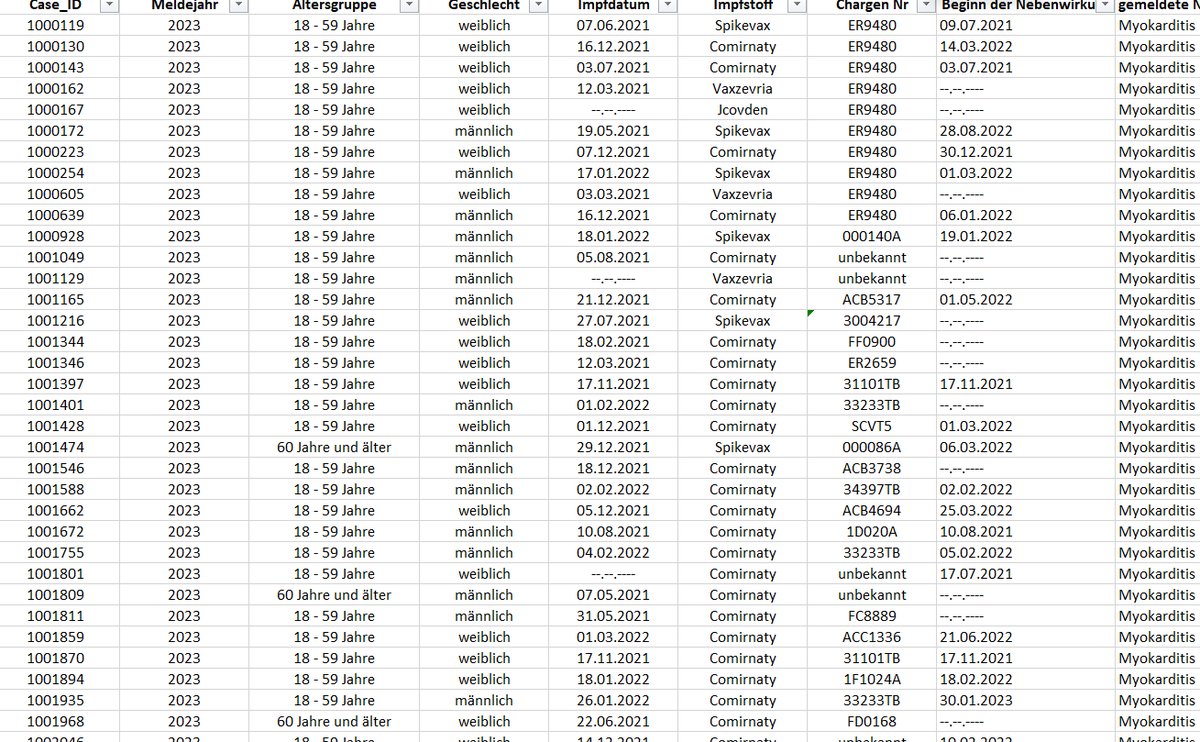
Knapp 1 Mio. Nebenwirkungen vom PEI
Neu als Exceldatei! Filterung nach Myokarditis, Thrombosen und Impftoten leicht möglich. Dunkelziffer wird auf 90% geschätzt. @AnwaltUlbrich findet Bestätigung für „Chargenlotto”.
Link: pei.de/SharedDocs/Downloads/…
Schätzungen für Dunkelziffer:
pei.de/DE/newsroom/veroffent… Ausgabe 2017/1, S. 30.
pei.de/SharedDocs/Downloads/…, S. 353.
255
4,030
7,295
182,084
wtfisgoingon 🕯 retweeted

3 Nov 2025
Laut Bild jetzt amtlich: Grippe- oder Corona-Infektionen können das Risiko für schwere Herz-Kreislauf-Erkrankungen deutlich erhöhen. Die Forscher empfehlen mehr Impfungen!
Dumm nur, dass die Impfungen nicht vor Infektionen schützen aber das Risiko für Herz-Kreislauf-Erkrankungen deutlich erhöhen können.
bild.de/leben-wissen/medizin…
27
57
271
6,552
wtfisgoingon 🕯 retweeted
29 Oct 2025
Die Studie zeigt: Pdl1 wird durch die mRNA induziert. Plausibel. Es schwächt aber Immunreaktionen und nützt dem Tumor, wenn nicht parallel eine Immuntherapie gegen pdl1 eingesetzt wird. Pdl1 induktion kann auch die Tumorentstehung fördern. Das wird aber niemand untersuchen.
4
7
32
362
wtfisgoingon 🕯 retweeted
11 Sep 2025
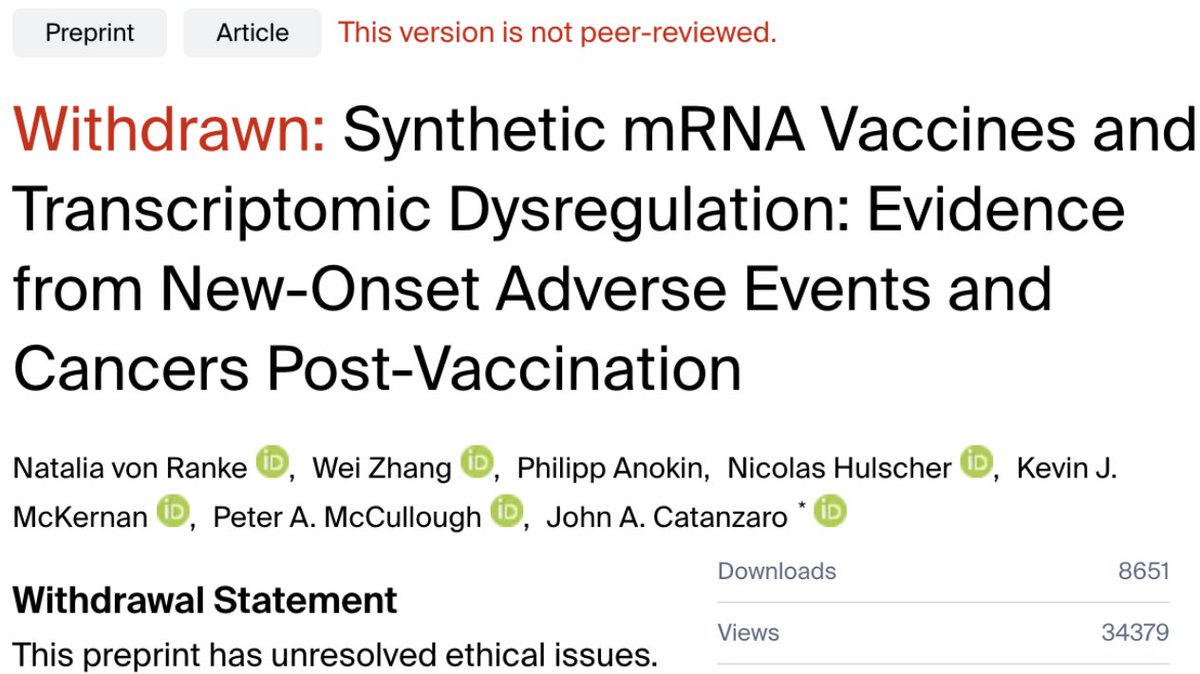
🚨BREAKING: MDPI Censors One of the World’s Most-Read Preprints Showing mRNA Shots Disrupt Thousands of Genes
With over 34,000 views and 8,600 downloads, our study discovered long-lasting genetic disruption from mRNA shots—only to be unethically censored by the Bio-Pharmaceutical Complex.
Their reasoning?: “This preprint has unresolved ethical issues.”
No explanation, no evidence, no transparency. A vague smear meant to bury one of the most widely read preprints in the world — a paper that documented how COVID-19 mRNA injections severely disrupt the expression of thousands of genes, triggering mitochondrial failure, immune reprogramming, and oncogenic activation lasting months to years.
When one of the world’s most-read preprints can be erased at the whim of the Bio-Pharmaceutical Complex, open science is dead.
If preprints can be censored, the façade of “scientific debate” has collapsed into a regime of control.
We will continue to fight for scientific truth, no matter the cost.
25 Jul 2025
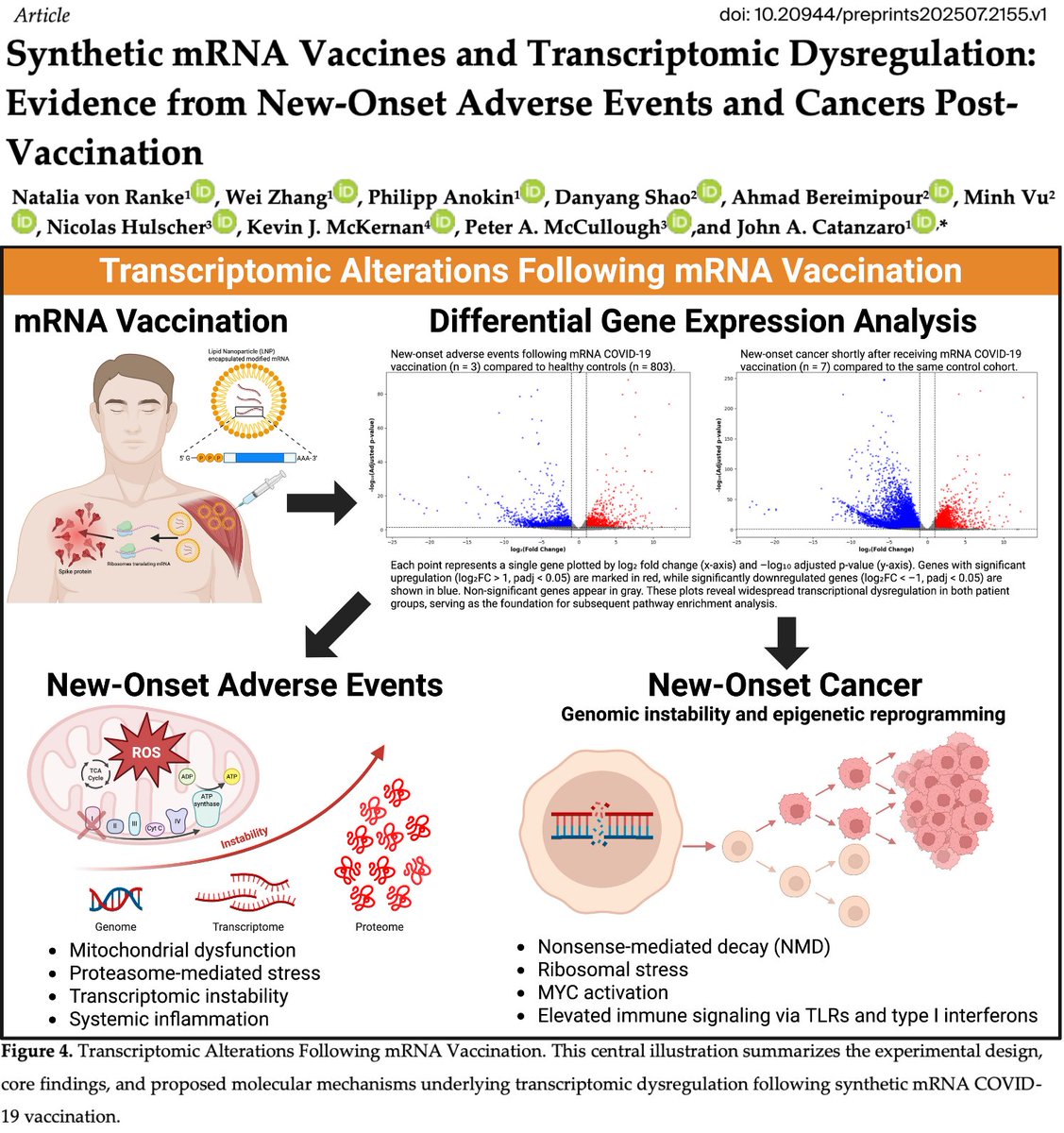
🚨 BREAKING STUDY: mRNA Injections Induce Severe, Long-Lasting Genetic Disruption Linked to Cancer and Chronic Disease
🧪 Using high-resolution RNA sequencing on blood samples, we discovered that COVID-19 “vaccines” SEVERELY disrupt expression of THOUSANDS of genes—triggering mitochondrial failure, immune reprogramming, and oncogenic activation that can persist for MONTHS to YEARS post-injection.
🧬Differential gene expression analysis compared mRNA-injured patients (cancer, adverse events) to 803 healthy controls — revealing widespread transcriptomic CHAOS:
⚠️ Mitochondrial failure – Complex I breakdown, oxidative stress, energy collapse
⚠️ Immune reprogramming – Chronic inflammation, ACE2 suppression, TLR hyperactivation
⚠️ Oncogenic activation – MYC up, p53/KRAS down, DNA repair suppression
⚠️ Cellular stress – Ribosome overload, misfolded protein buildup, proteasome activation
⚠️ Epigenetic remodeling – Chromatin shifts, methylation changes, nucleosome displacement
⚠️ Reverse transcription suggested – Patterns consistent with LINE-1 activity and persistent plasmid DNA, raising concern for potential genomic integration or sustained foreign gene expression
To our knowledge, this is the first study to show long-term genetic disruption in people harmed by the COVID-19 "vaccines".
It’s time for the immediate withdrawal of these dangerous gene therapies to protect the remaining ~20% of the population still considering booster doses.
The landmark study was conducted by scientists from Neo7Bioscience (Dr. John Catanzaro, Dr. Natalia von Ranke, Dr. Wei Zhang, Dr. Philipp Anokin), the University of North Texas (Dr. Danyang Shao, Dr. Ahmad Bereimipour, Minh Vu), the McCullough Foundation (Dr. Peter McCullough and Nicolas Hulscher) and Medicinal Genomics (Kevin McKernan).
📰Synthetic mRNA Vaccines and Transcriptomic Dysregulation: Evidence From New-Onset Adverse Events and Cancers Post-Vaccination. Preprints. 2025;2025072155. doi: 10.20944/preprints202507.2155.v1
@neo7bioscience @Docjohnc @UNTsocial @P_McCulloughMD @McCulloughFund @Kevin_McKernan @MediGenomics
78
1,207
2,446
440,552
wtfisgoingon 🕯 retweeted
2 Nov 2025
Our study discovered that mRNA shots disrupt THOUSANDS of genes—triggering mitochondrial failure, immune collapse, and cancerous activity that persists for YEARS.
The Journal Cartel WIPED it from TWO preprint servers.
It’s now been ACCEPTED FOR PUBLICATION in a PubMed journal.
11 Sep 2025
🚨BREAKING: MDPI Censors One of the World’s Most-Read Preprints Showing mRNA Shots Disrupt Thousands of Genes
With over 34,000 views and 8,600 downloads, our study discovered long-lasting genetic disruption from mRNA shots—only to be unethically censored by the Bio-Pharmaceutical Complex.
Their reasoning?: “This preprint has unresolved ethical issues.”
No explanation, no evidence, no transparency. A vague smear meant to bury one of the most widely read preprints in the world — a paper that documented how COVID-19 mRNA injections severely disrupt the expression of thousands of genes, triggering mitochondrial failure, immune reprogramming, and oncogenic activation lasting months to years.
When one of the world’s most-read preprints can be erased at the whim of the Bio-Pharmaceutical Complex, open science is dead.
If preprints can be censored, the façade of “scientific debate” has collapsed into a regime of control.
We will continue to fight for scientific truth, no matter the cost.
63
1,016
2,282
91,715
wtfisgoingon 🕯 retweeted

31 Oct 2025
With a Quercetin Supernova recipe for Halloween!
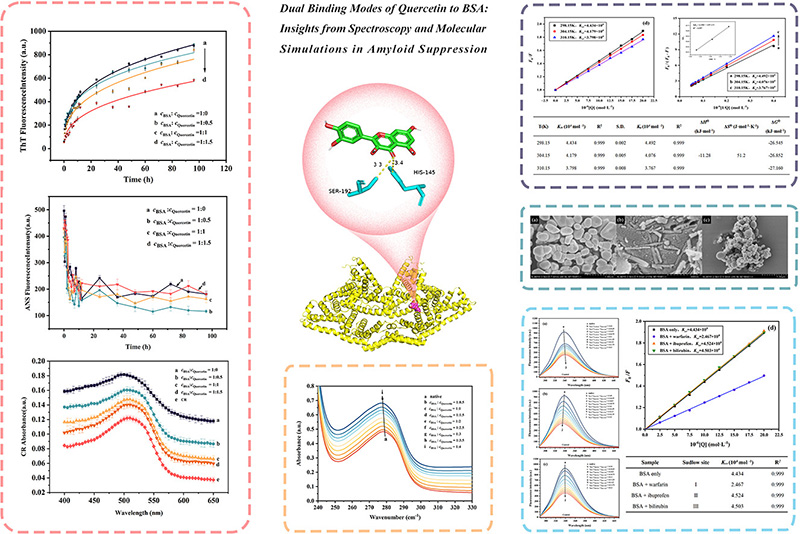
Halloween Hope: Quercetin: Inhibiting PD-L1 (Uncloaking Cancer) and Inhibiting Amyloid Fibrillation
Once again, Quercetin shines brightly with a new study showing that it definitively inhibits the formation of amyloid fibrils.
16
104
323
18,171
wtfisgoingon 🕯 retweeted

20 Oct 2025
People who received at least one Covid shot are 34% more likely to get colorectal cancer, 54% more likely to get breast cancer, and 62% more likely to get bladder cancer than the unvaccinated.
522
4,218
10,202
517,699
wtfisgoingon 🕯 retweeted

19 Oct 2025
1/ Der junge Pascal Mertens aus Hagen, der nach zwei BioNTech-Impfungen vier lange Jahre an einer schlimmen Form des Post-Vac-Syndroms litt und dessen Zustand sich immer weiter verschlechtert hatte, ist nun durch assistierten Suizid aus dem Leben geschieden (Westfalenpost). …
190
1,124
3,149
213,268
wtfisgoingon 🕯 retweeted
26 Sep 2025
🚨STUDY: mRNA "Vaccines" Increase Your Risk of MULTIPLE Cancers
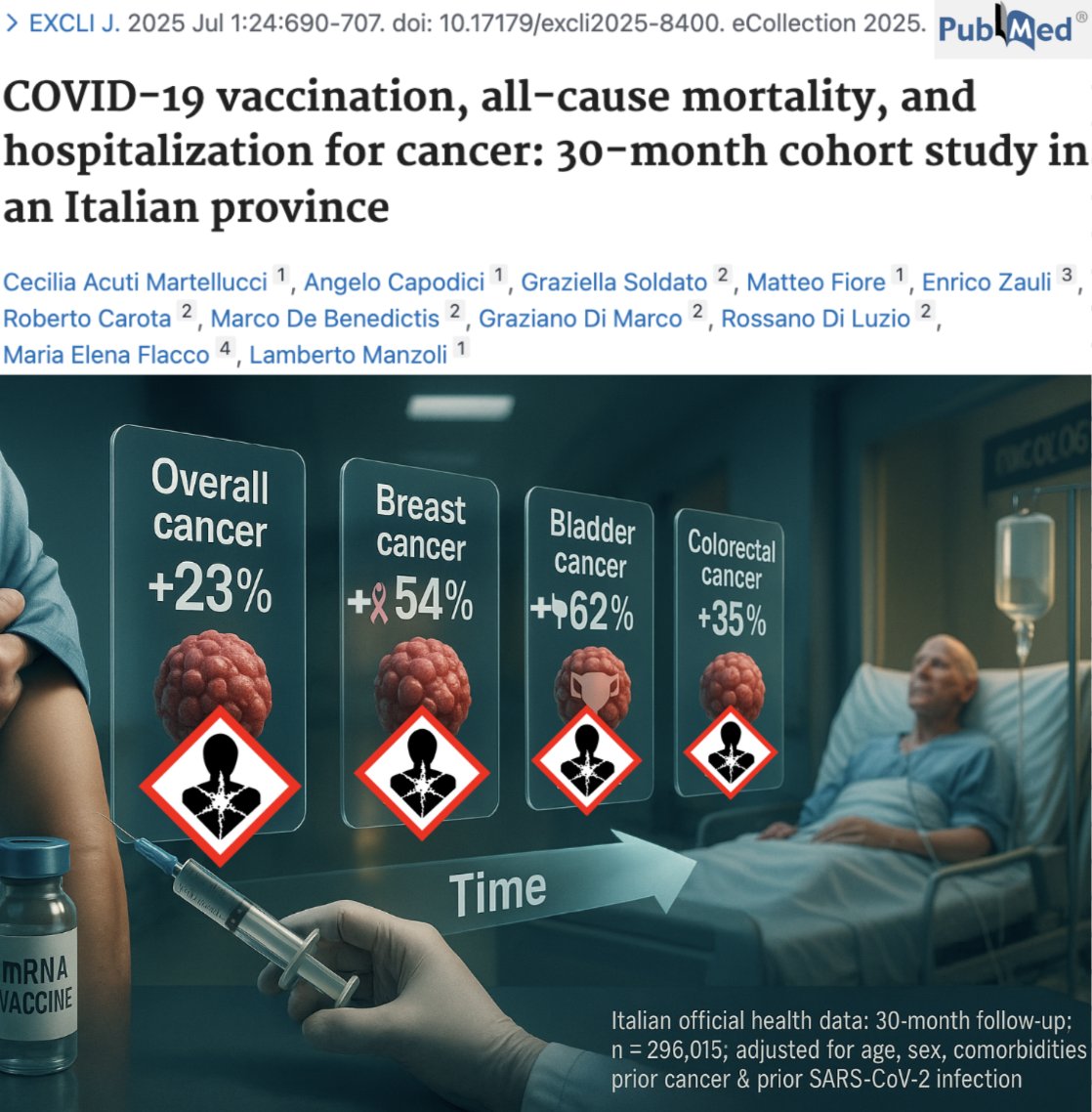
~300,000 people tracked for 30 months — mRNA shots increased risk of any cancer ( 23%), breast ( 54%), bladder ( 62%), colorectal ( 35%), leukemia/lymphoma ( 31%).
Warp Speed unleashed a turbo cancer epidemic.
30 Aug 2025
🚨BREAKING: First Population-Wide Study Finds COVID-19 "Vaccines" Increase Risk of Multiple Cancers
Using official government data from nearly 300,000 Italians tracked for 30 months, landmark peer-reviewed study reveals mRNA shots increase risk of:
📈 Overall cancer: 23% (statistically significant)
📈 Breast cancer: 54% (significant)
📈 Bladder cancer: 62% (significant)
📈 Colorectal cancer: 35% (significant)
📈Hematological: 31% (not statistically significant)
📈Uterine: 77% (not significant)
📈Ovarian: 86% (not significant)
📈Thyroid: 58% (not significant)
Statistical models adjusted for age, sex, comorbidities, prior cancer, and prior SARS-CoV-2 infection.
Findings of increased cancer risks following COVID-19 mRNA injection are consistent with previously published evidence.
The authors note the “healthy vaccinee bias” made vaccinated people appear to have lower all-cause mortality (HR 0.42) — since healthier, wealthier, health-conscious people were more likely to get the shots.
Biologically, it is impossible for mRNA injections that turn vital organs into factories of toxic, non-human spike proteins to reduce all-cause mortality.
Importantly, the authors warn this bias could mean the true cancer risks are even HIGHER than reported.
One thing is clear: mass COVID-19 “vaccination” campaigns have unleashed a turbo cancer epidemic.
48
1,058
2,127
59,505
wtfisgoingon 🕯 retweeted

29 Sep 2025
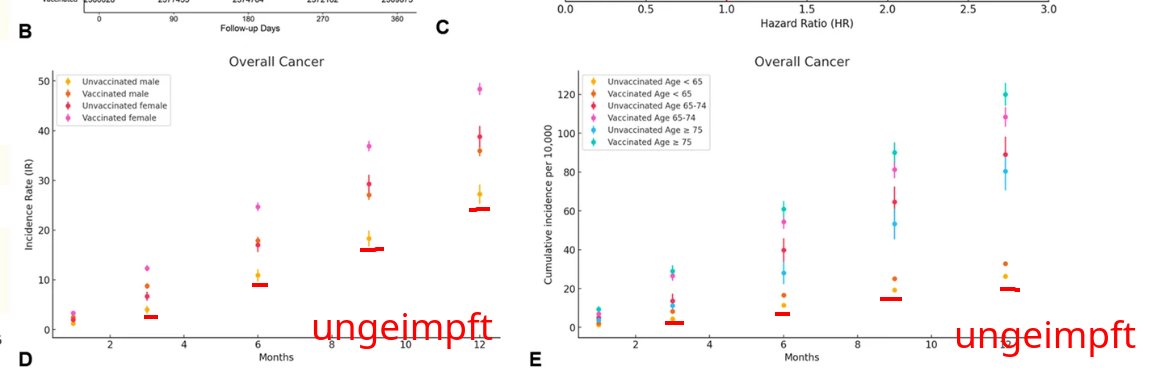
Eine Kohortenstudie aus Südkorea mit Daten von ca. acht Millionen Personen zeigt «einen Zusammenhang zwischen der Impfung gegen Covid-19 und einem erhöhten Risiko für sechs Krebsarten».
biomarkerres.biomedcentral.c…
22
357
998
31,618
wtfisgoingon 🕯 retweeted

15 Dec 2024
Selen ist neben Vitamin D antientzündlich, hier über einen der stärksten Hebel, um angeschaltete Onkogene möglichst wieder abzuschalten und gleichzeitig Einfluss auf die Bremse der Entzündungskaskade über NF-κB zu nehmen.
Selen ➡️Coenzym für das Tripeptid Glutathion als stärkstes intrazelluläres Antioxidans. Ohne Selen keine Aktivierung von Gluthathion und somit kein Einfluss auf die Inaktivierung freier Radikale. Radikale werden zwar eingefangen, aber nicht entschärft, bildlich gesprochen.
NF-κB ist der wichtigste Schalter einer Familie von Akutmechanismen.
Wenn die Entzündung angeschaltet ist, kommt es zur nachgeschalteten Genaktivierung!
Es gibt wunderbare Möglichkeiten, eine Dauerentzündung in großem Masse wieder abzuschalten. Selen ist so ein Spurenelement.
Einige wenige Beispiele ohne Anspruch auf Vollständigkeit:
x.com/PhdrMsc/status…
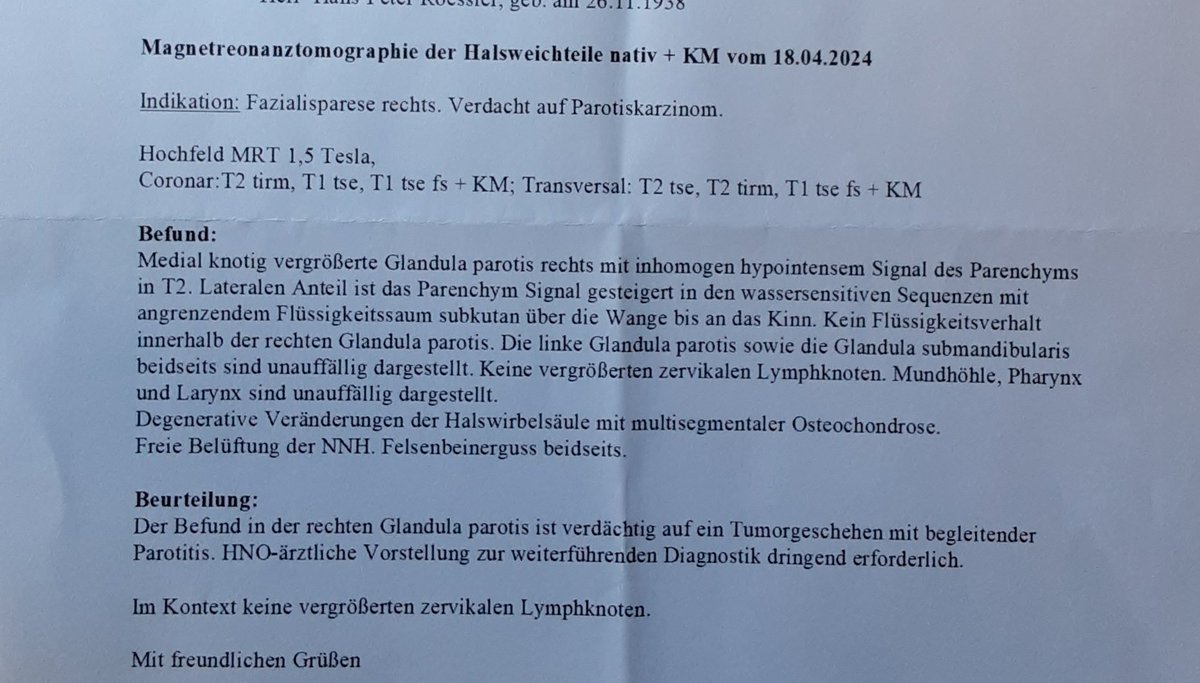
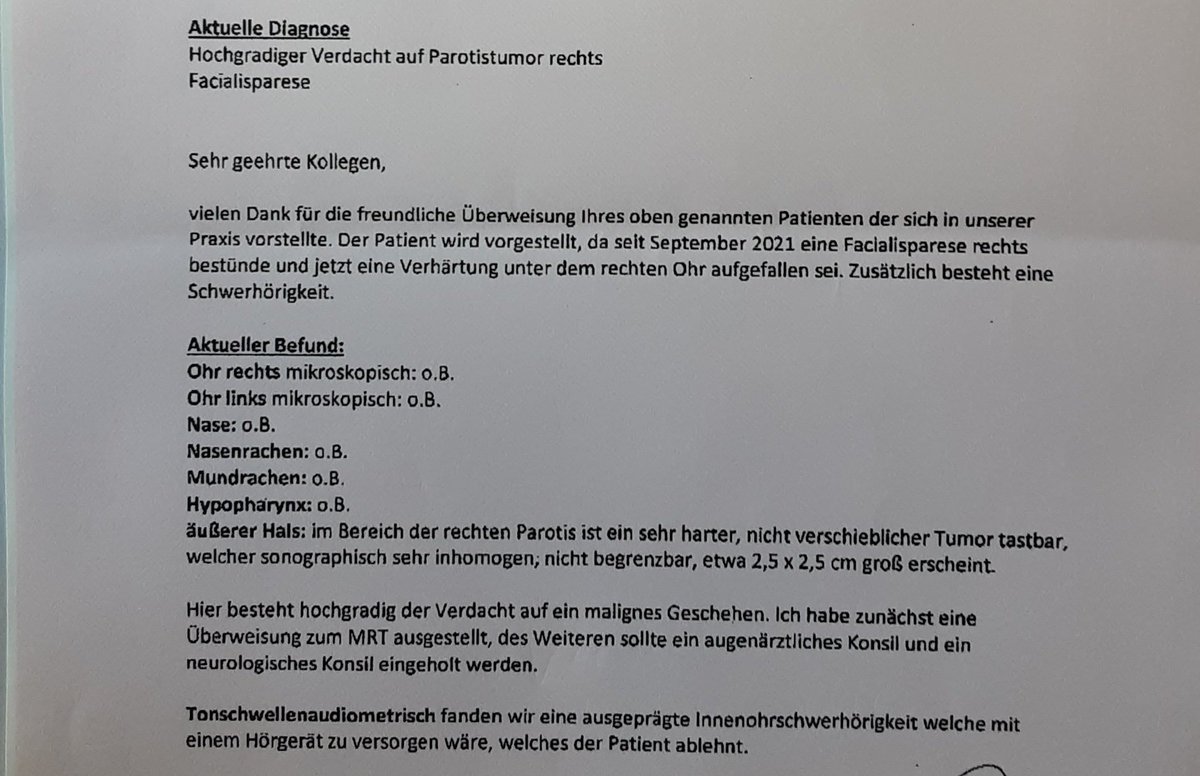
Hier das Parotisproblem:
2
1
4
98
wtfisgoingon 🕯 retweeted

23 Sep 2025
Tylenol ist Paracetamol.
Das Gegengift gegen Paracetamolvergiftung ist NAC, auch bekannt als ACC akut. Das weiß jeder Arzt.
Folgendes wissen aber die wenigsten:
NAC ist eine Vorstufe von Glutathion. Glutathion ist das zweistärkste Anti-Oxidanz des menschlichen Körpers (nach Melatonin).
Paracetamol ist deshalb so toxisch, weil es das Leberglutathion senkt und die Leberzelle so keine Verteidigungslinie gegen oxidativen Stress hat.
Wenn schon andere Lebensumstände die anti-oxidative Verteidigung reduziert haben, dann kann das die Zellen „über die Schwelle“ senden und die Leberzellen können nicht mehr entgiften.
Besserwisserärzte wollen euch erklärbären, dass „Entgiftung Quatsch“ sei. Kokolores. Entgiftung ist ein absolut entscheidender Prozess, der täglich abläuft und uns gesund am Leben hält. Dieser Prozess läuft nicht einfach so und auch nicht bei jedem gleich. Genetische, Epigenetische und habituelle Faktoren haben einen enormen Einfluss auf die Entgiftungsleistung.
Wer eine bessere Mitochondrienfunktion, mehr anti-oxidative Reserven und eine gesündere Mikronährstoffversorgung hat, der entgiftet besser als jemand, der es nicht hat. Und das bestimmt deutlich mit über krank/gesund und kurzes Leben/langes Leben.
Wenn man sich um sich kümmert, sich mit Nährstoffen versorgt (die wichtig sind für die leberzellen), Sonnenkontakt hat (der Mitochondrien und damit anti-oxidative Defense stärkt), viel Bewegung hat (was anti-oxidative Defense stärkt) und abends Dunkelheit erlebt und gut schläft (erhöht Melatonin und entgiftet das Gehirn), dann ist die Entgiftung gut reguliert. Dann kommt man mit den modernen Anforderungen, Mikroplastik, Abgase etc viel besser klar.
Wer das nicht tut, und dann noch zu den Unglücklichen gehört, der eine schlechtere Entgiftungsgenetik hat, und DANN noch ein paar Tage vorher geimpft wurde (was die Entgiftung fordert), und DANN noch paracetamol gegen Impfnebenwirkungen nimmt, der könnte das Pech haben, dass es ihn voll aus den Latschen haut. Für Kinder kann das in Autismus enden. Für Erwachsene in vielen Varianten neurologischer und immunologischer Störungen.
Das wissen Forscher und Mediziner meiner Gilde der Medizin seit Jahrzehnten.
Seit Jahren versucht jedoch die staatliche Medizin bioenergetische, zelluläre Prozesse zu ignorieren, sie versucht Entgiftung zu ignorieren, zelluläre Degenerations- und Regenerationsprozesse und sie versucht die wichtige Rolle der Mikronährstoffversorgung zu ignorieren.
Diese Ärzte wissen es leider einfach nicht besser. Über Studium, pharmafinanzierte Weiterbildung und täglichen staatlichen Druck mittels Ärztekammer, GBA und anderen staatlichen Mittelsmännern, werden sie auf die staatliche Medizin gedrillt. Und sie werden gedrillt, ja fast schon hypnotisiert allergisch zu reagieren auf präzise und korrekte biologische Begriffe wie „Entgiftung“, „Übersäuerung“, „Regeneration“, „Bioenergetik“, „Hormesis“, und „Mikronährstoffen“. Und darunter leiden Patienten AUF SKALA! Es ist unwissenschaftlich und ethisch den Patienten diese Realitäten vorzuenthalten.
Ich habe mich daher schon während des Studiums von der staatlichen Medizin abgewandt und Neuroimmunologie, Orthomolekulare Medizin, Mitochondriale Medizin, Funktionelle Medizin und Regenerationsmedizin studiert. In diesen Feldern bewegen sich absolute Top Wissenschaftler und Ärzte. Es gibt glasklare Wissenschaft. Nicht mit klarem Verstand wegzudiskutieren. Die staatliche Medizin windet sich jedoch noch mit Händen und Füßen dieser Realität ins Auge zu sehen, weil sie ganz genau weiß, dass sich dann einiges ändern muss. Und das wird es!
Es ist sehr wichtig, dass Präsident und Trump und RFK Jr dieses Thema auf den Tisch legen und die ganze Welt dazu zwingen dieses wichtige Gespräch zu führen!
127
556
2,332
115,783
wtfisgoingon 🕯 retweeted
13 Sep 2025
„Ich darf Sie nochmal erinnern, dass SCHON EIN DUTZEND FÄLLE ERNSTHAFTER NEBENWIRKUNGEN BEI KINDERN DIE GANZE IMPFUNG IN FRAGE STELLT.“
Thomas Mertens, Ex-STIKO-Vorsitzender, 13.06.21
taz.de/Stiko-Chef-zu-Debatte…
12 Sep 2025

1/ EIN ABSOLUTER ALBTRAUM!
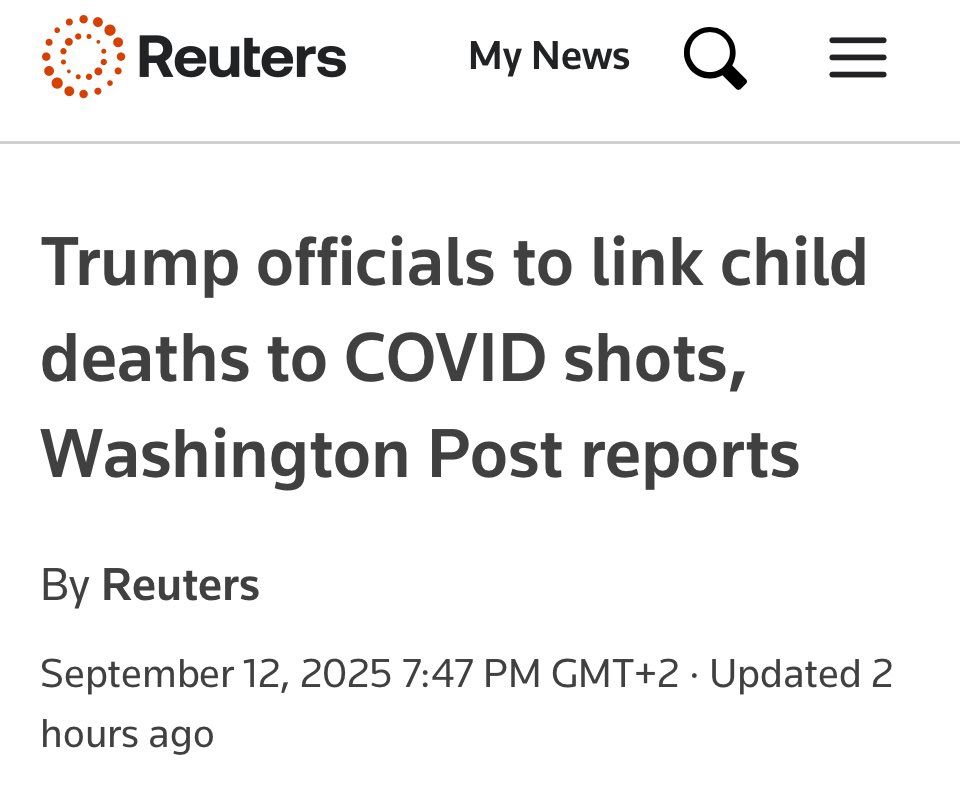
25 tote Kinder durch die Covid-Impfungen in den USA???
„Trump health officials are planning to link COVID vaccines to the deaths of 25 children as they consider limiting access to the shots, the WASHINGTON POST reported on Friday, citing four …

5
109
309
7,818