Associate Professor, #DigitalHuman #DigitalAnthropology #Security #Cryptography #InformaticDesign #NETievalAge #eBehaviors #TechnoSocialIdiotism #Memutocracy
Joined January 2011
- Tweets 86,526
- Following 273
- Followers 665
- Likes 1,159
1,019 Photos and videos

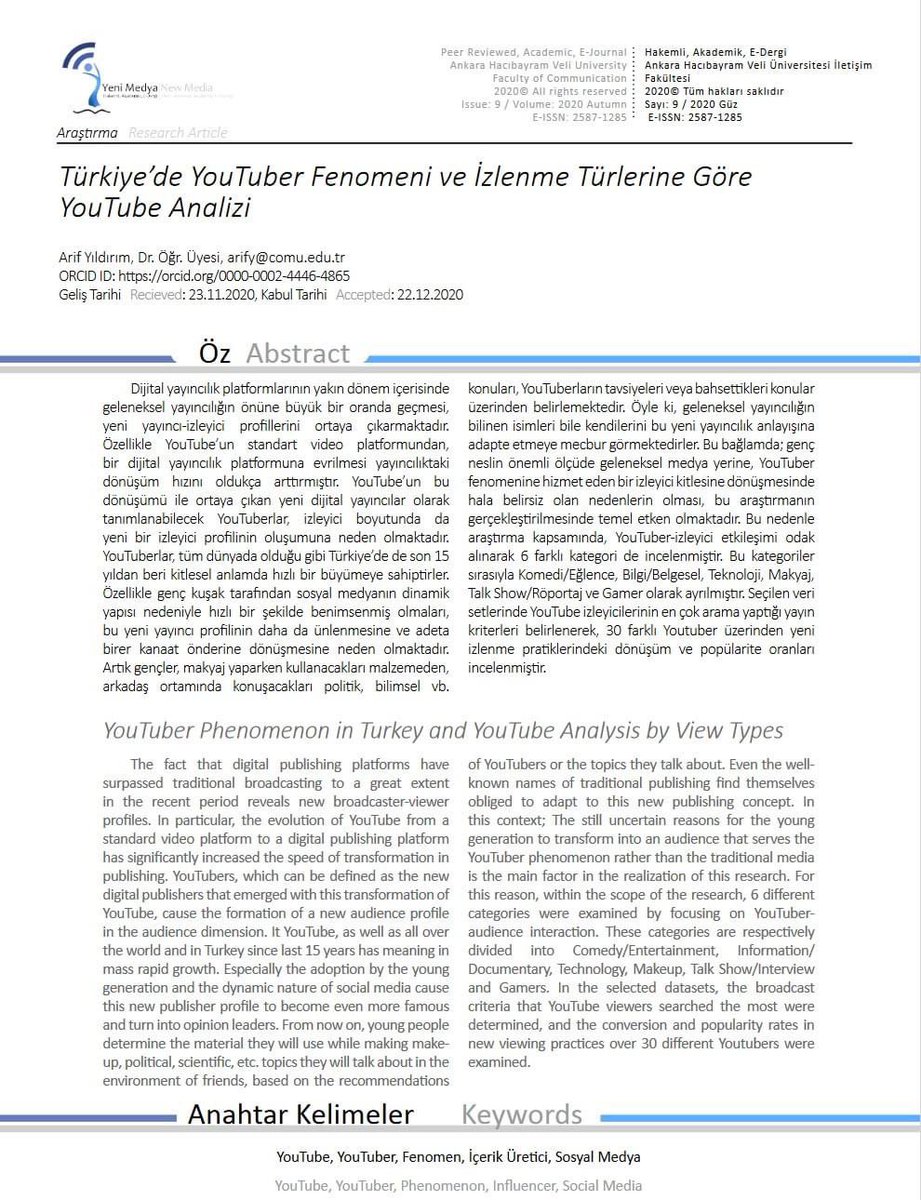
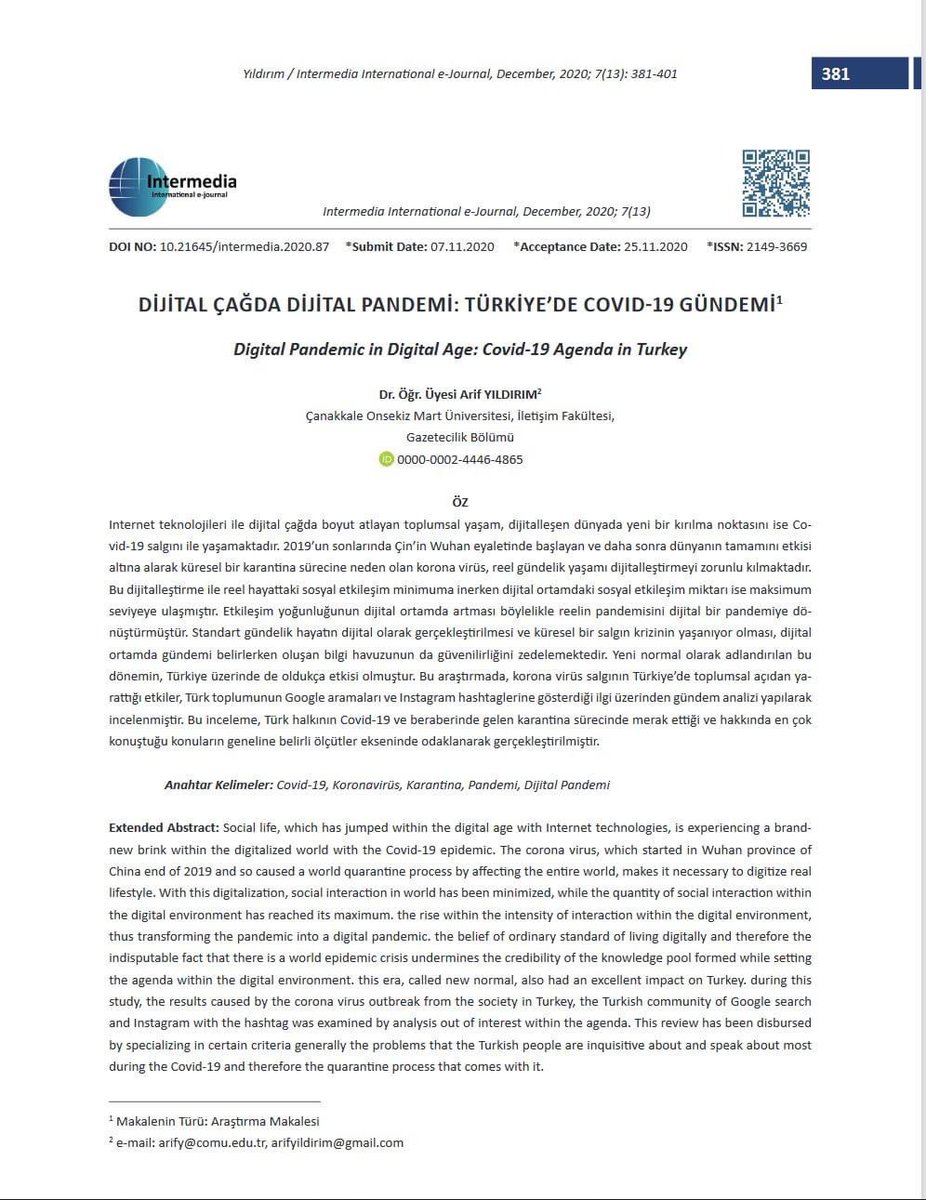
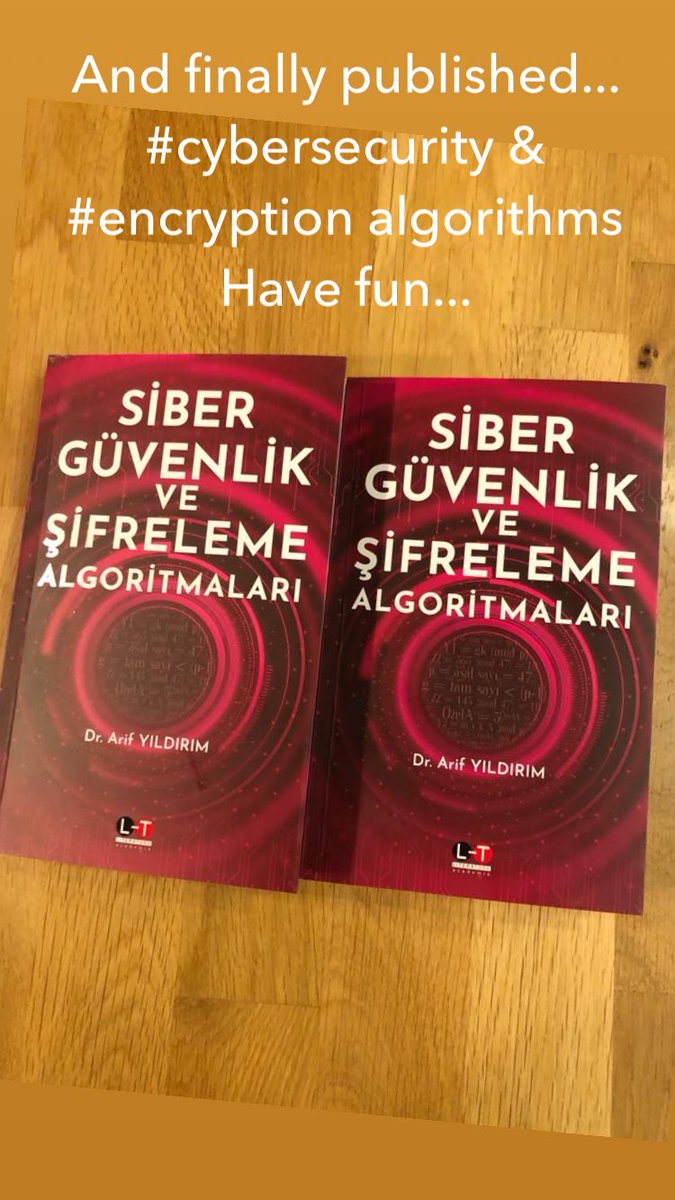
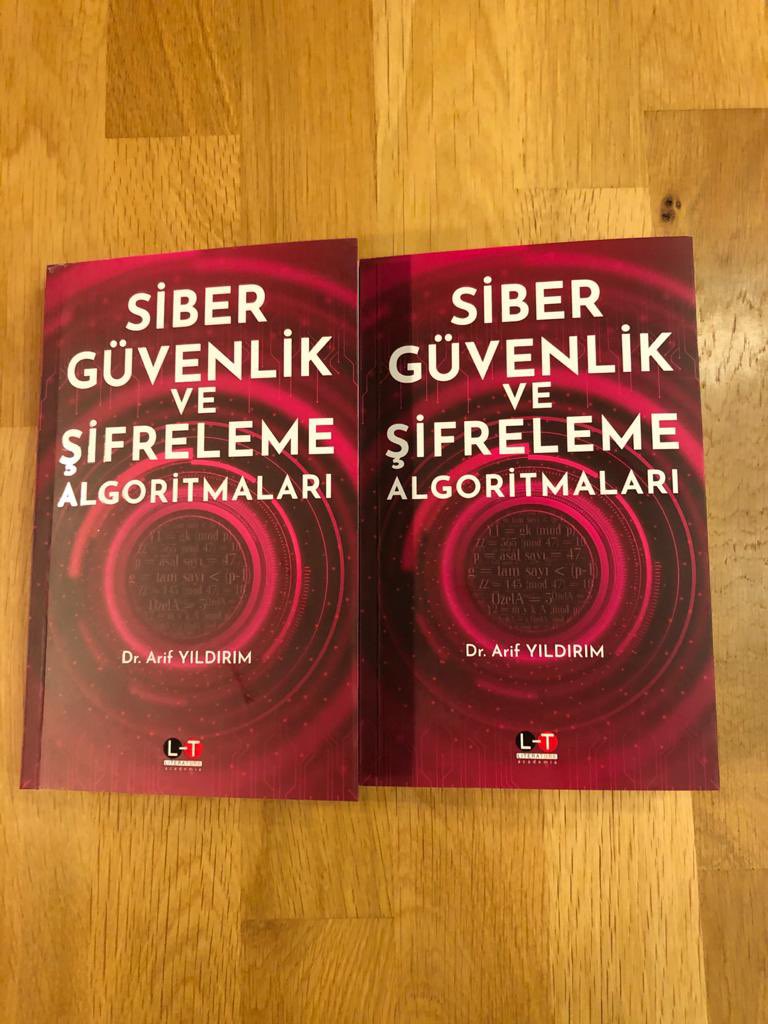



Pinned Tweet

5 Nov 2022
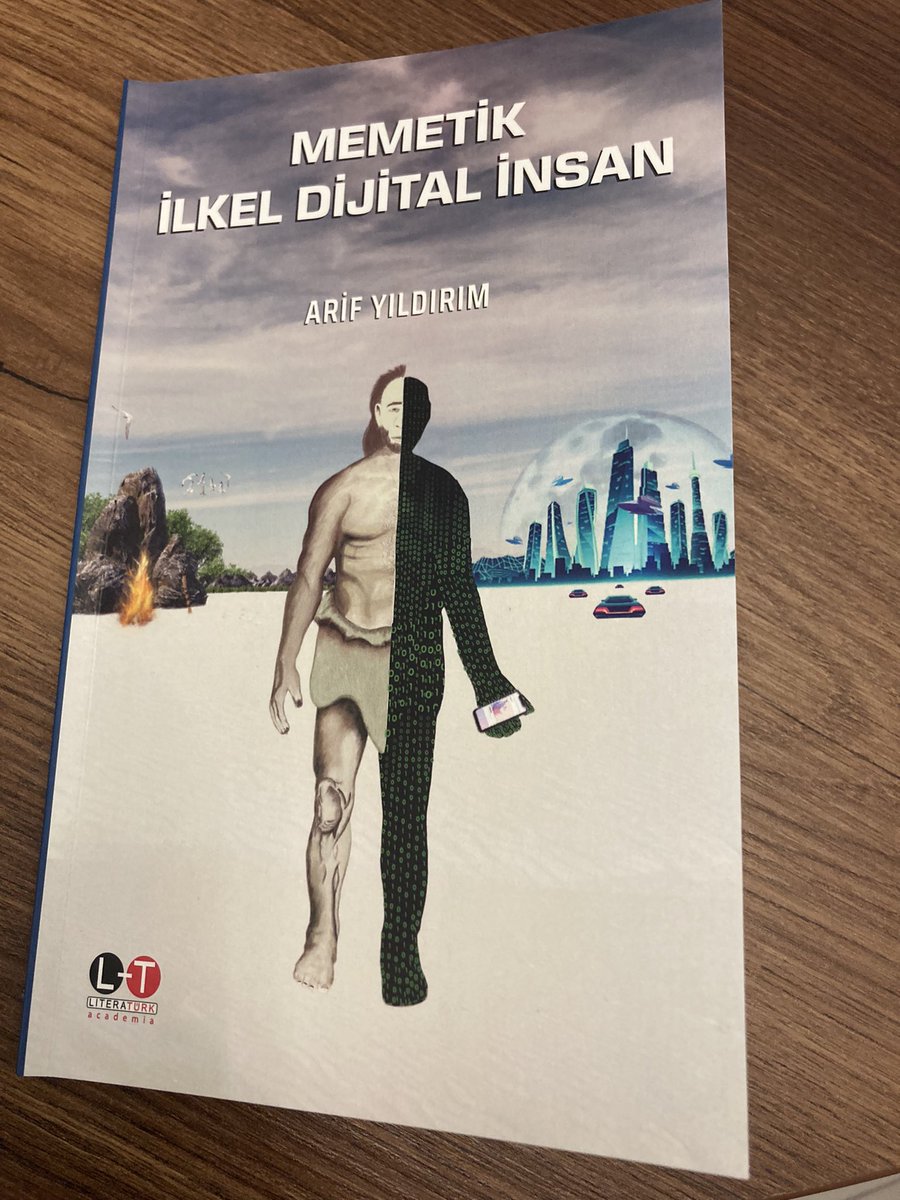
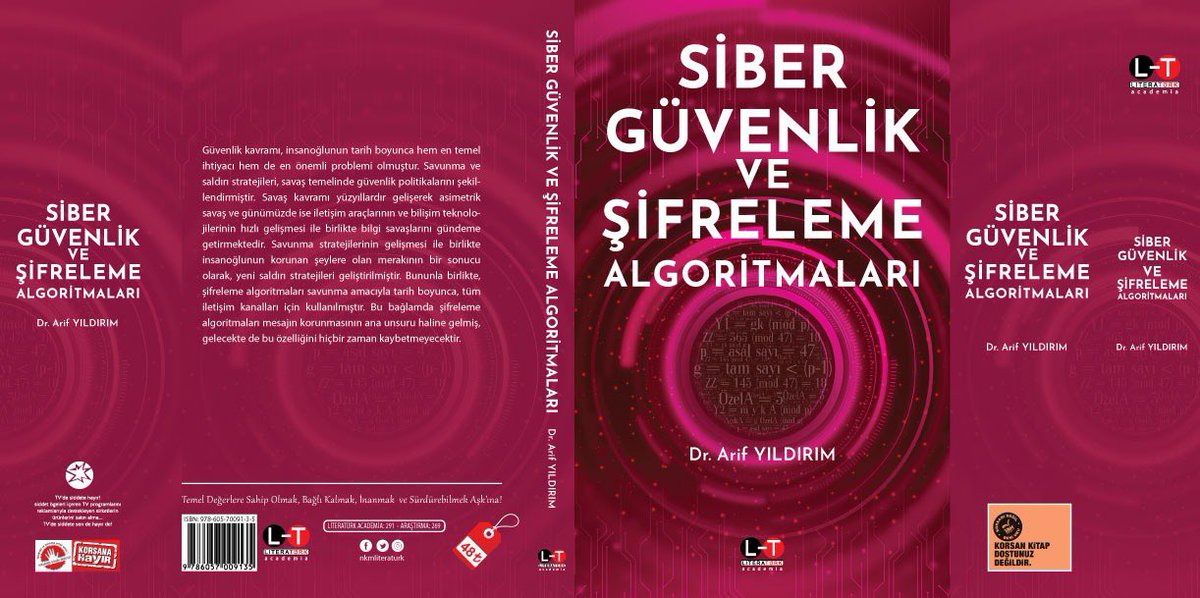
Memetic Primitive Digital Human
Memetik İlkel Dijital İnsan
Finally published… Sonunda çıktı…
#memetic #memes #mem #digital #digitalhuman #digitalhumanities #memutocracy #technosocialidiotism #teknososyalidiotizm #memotokrasi #sosyalmedya #socialmedia
1
1
Dr.Arif YILDIRIM retweeted

9 Apr 2024
How do you introduce students to digital textual studies? In “The Yellow Wall-Paper” Deanna Stover presents an effective and sustainable model. #DigitalHumanities
Read: doi.org/10.21428/f1f23564.5a…
3
6
377
Dr.Arif YILDIRIM retweeted

8 Apr 2024
Check out “AI Ethics at Oxford”, our blog with contributions from @CarolineEdAG, @CarissaVeliz, Katya Hertog, @conitzer, @yuvalshany1, and @JTasioulas. Topics range from privacy and the future of work to autonomous weapons systems and the EU’s AI Act.
oxford-aiethics.ox.ac.uk/ai-…
16
45
5,824
Dr.Arif YILDIRIM retweeted

8 Apr 2024
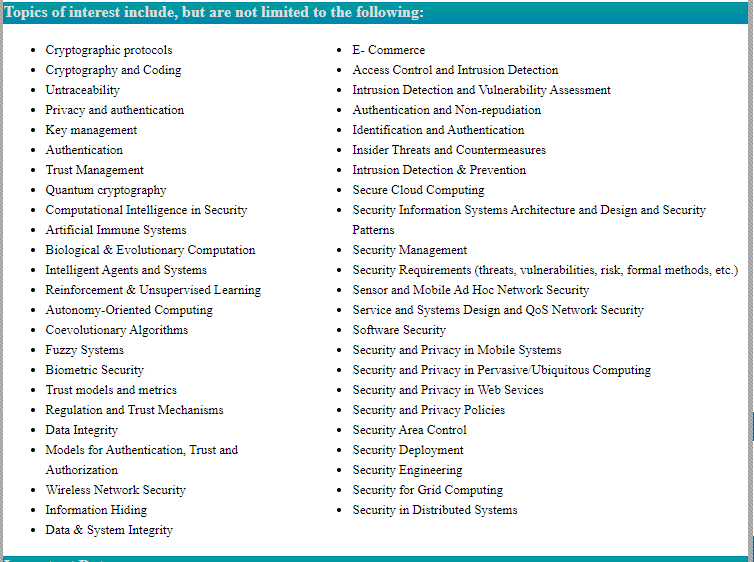
Call for Papers!!!
International Journal on Cryptography and Information Security (IJCIS)
ISSN : 1839-8626
airccse.org/journal/ijcis/in…
E-mail : ijcisjournal@wireilla.com
airccse.org/journal/ijcis/in…
Contact us : ijcisjournal@wireilla.com or ijcisjournal@airccse.org
1
98
Dr.Arif YILDIRIM retweeted

9 Apr 2024
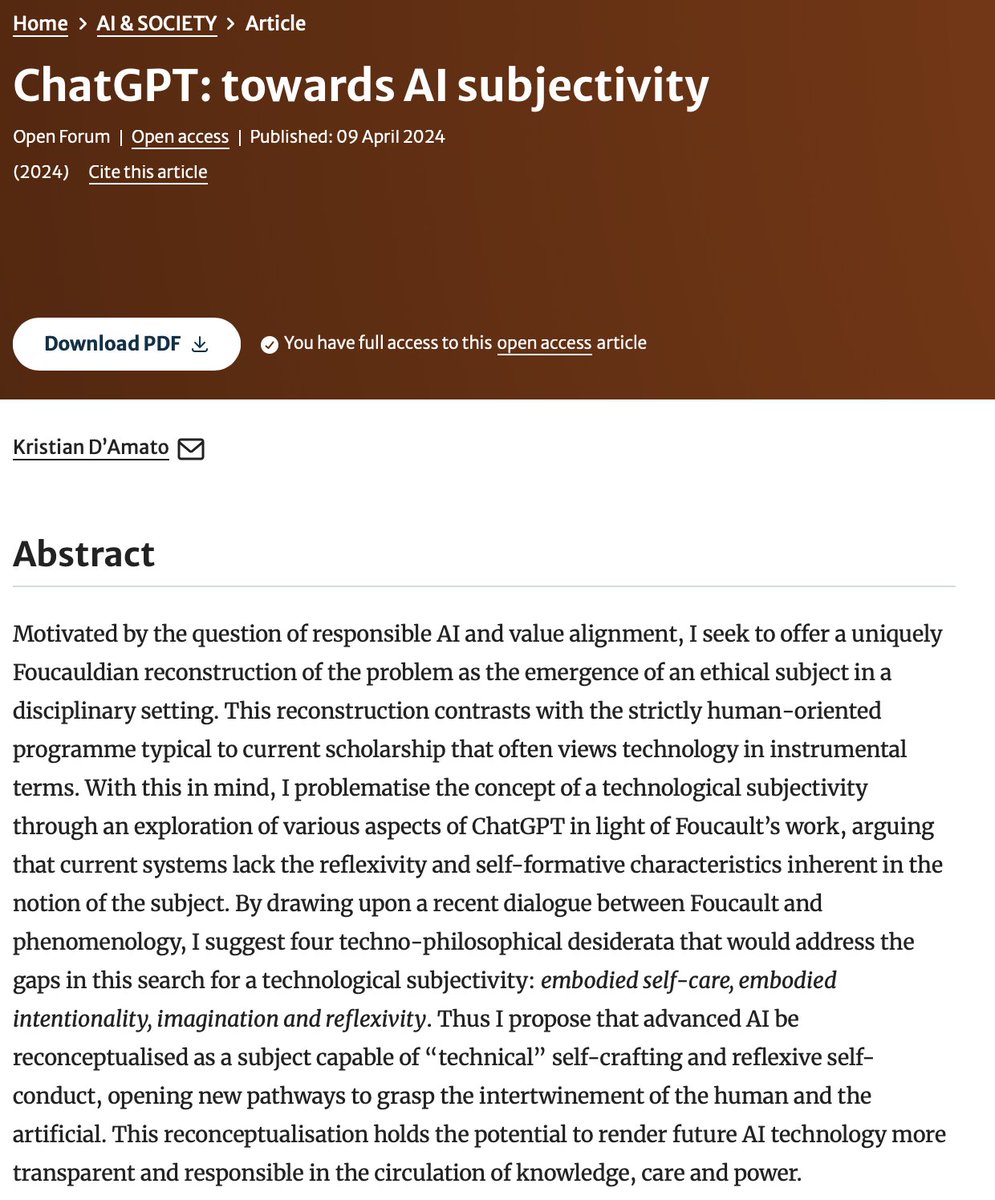
My article on #ChatGPT #AI #AIEthics has been published in AI & Society! Building upon @David_Gunkel
and @MCoeckelbergh's brilliant article (ChatGPT: Deconstructing the Debate and Moving it forward), I think this can be seen as a taking up of the baton.
doi.org/10.1007/s00146-024-0…
3
18
73
5,958
Dr.Arif YILDIRIM retweeted

9 Apr 2024
Find out more about our project with @datasociety exploring lessons from New York City's algorithmic bias audit regime for automated employment decision tools (like CV scanning tools or recruitment tools).
adalovelaceinstitute.org/pro…
2 Apr 2024

delighted that our paper 'Auditing Work: Exploring the New York City algorithmic bias audit regime' has been accepted to #FAccT 24! arxiv.org/abs/2402.08101
@undersequoias @Alayna__Kennedy @brianavecchione @agstrait
10
35
7,271
Dr.Arif YILDIRIM retweeted

8 Apr 2024
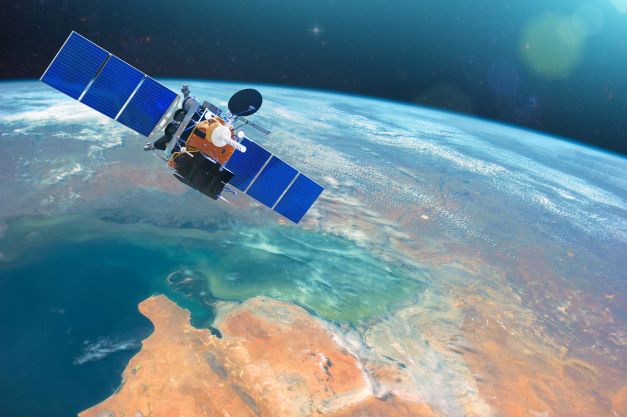
The Turing are delighted to be a part of this exciting new project advancing AI innovation for space safety & sustainability with @UniStrathclyde and @spacegovuk laying the foundations for an international virtual institute🚀#AI #SpaceSustainability #AISpaceTech
8 Apr 2024

A £1.5M @UniStrathclyde led project will harness AI to improve space operations, safety and sustainability tinyurl.com/3uabw5ff
@spacegovuk
4
19
3,626
Dr.Arif YILDIRIM retweeted

8 Apr 2024
There is a growing community of researchers in the arts, humanities and social sciences at Cambridge who are using AI.
Discuss your ideas with our team and meet other researchers at the AI Café ⬇️
buff.ly/3J01oyq
11
27
2,953
Dr.Arif YILDIRIM retweeted

9 Apr 2024
This afternoon I talk about my book on AI and democracy at this conference in Warsaw
25 Mar 2024

"Czy przyszłość sztucznej inteligencji będzie demokratyczna?"-wykład specjalny prof. @MCoeckelbergh, profesora filozofii @univienna, eksperta etyki AI, robotyki i technologii przyszłości pierwszego dnia kongresu #FOTY2024
9.4.2024 | PRZYSZŁOŚĆ TECHNOLOGII
futuristoftheyear.com/harmon…

3
7
79
6,511
Dr.Arif YILDIRIM retweeted

8 Apr 2024
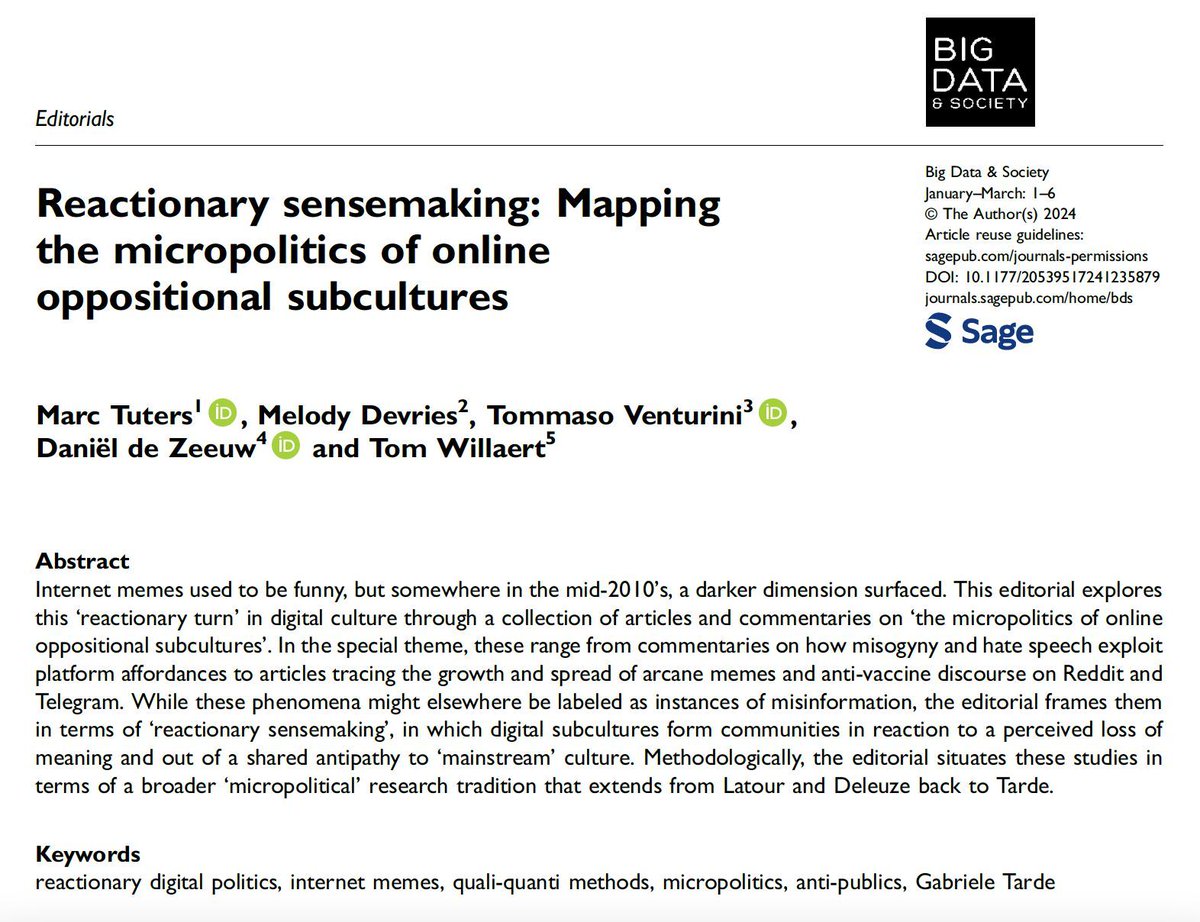
Check out our new editorial "Reactionary sensemaking: Mapping the micropolitics of online oppositional subcultures’ from the special theme on Micropolitics" by @mtuters, Melody Devries, @venturini_tom, Daniël de Zeeuw & Tom Willaert: buff.ly/4afF7IF
#memes #micropolitics
7
24
1,967
Dr.Arif YILDIRIM retweeted
9 Apr 2024
We’re pleased to be part of @RTAUgovuk’s Portfolio of AI Assurance Techniques – including through new research developed by CETaS
📖Explore how our solutions enhance reliability and trust in AI systems, as well as other case studies gov.uk/ai-assurance-techniqu…
#AI #AIAssurance

3
6
2,550
Dr.Arif YILDIRIM retweeted
9 Apr 2024
Our final CDH Open of the year kicks off on Thursday 2 May with Professor Tiziana Terranova.
Book your place today ⬇️
buff.ly/3wZeERf
1
3
6
1,376
Dr.Arif YILDIRIM retweeted
10 Feb 2024
📝 Using #GenerativeAI to write code: A guide for researchers
You’re a software engineer. You’re writing code. You live in 2024. So how can you best utilise #ChatGPT & others to get your code where it needs to be?
📖We asked the Turing experts: bit.ly/3T2qLG1
#Coding
2
16
3,308
Dr.Arif YILDIRIM retweeted
5 Feb 2024
New Article Alert: Unveiling how #AI's controversies are 'frozen out' in media. Dandurand et al.'s study uses #Canadian news outlets to explore the uncritical embrace of AI, despite its disruptive nature. #MediaStudies #journalism #politicaleconomy buff.ly/3U8vW8g
3
15
1,480
Dr.Arif YILDIRIM retweeted
5 Feb 2024
🌍 Launched today: the Global #AIiEthics & Governance Observatory
🤝🏼 This international collab between the Turing, @UNESCO & @ITUcontributes aims to build an equitable sociotechnical AI landscape informed by international perspectives & contexts.
🔍 bit.ly/3SM6eFt
1
11
30
3,903
24 Jan 2024
Hmm interesting old academic twitter gang is still here… happy to see you all…
35
24 Jan 2024
New book project about digital anthropology… finally a passion comes through… almost done… stay tuned…
#book #digitalanthropology
1
59
Dr.Arif YILDIRIM retweeted
1 Jan 2024
❓ From #GenerativeAI to artificial general intelligence, as a society we learned a lot in 2023 – but do we really know what it all means? 🤔
🔤 Making sense of #chatbot, #LargeLanguageModels more, The Turing Glossary demystifies data & #AI terminology: bit.ly/4438P08
1
14
26
4,716
Dr.Arif YILDIRIM retweeted
1 Jan 2024
Happy New Year! Remember, the closing date for CDH MPhil & PhD applications is in a few days. Thursday 4 January to be exact. Any final queries? Visit our website for FAQs and a recording of our recent Q&A session.
MPhil: buff.ly/47qFcby
PhD: buff.ly/45ZxPGK
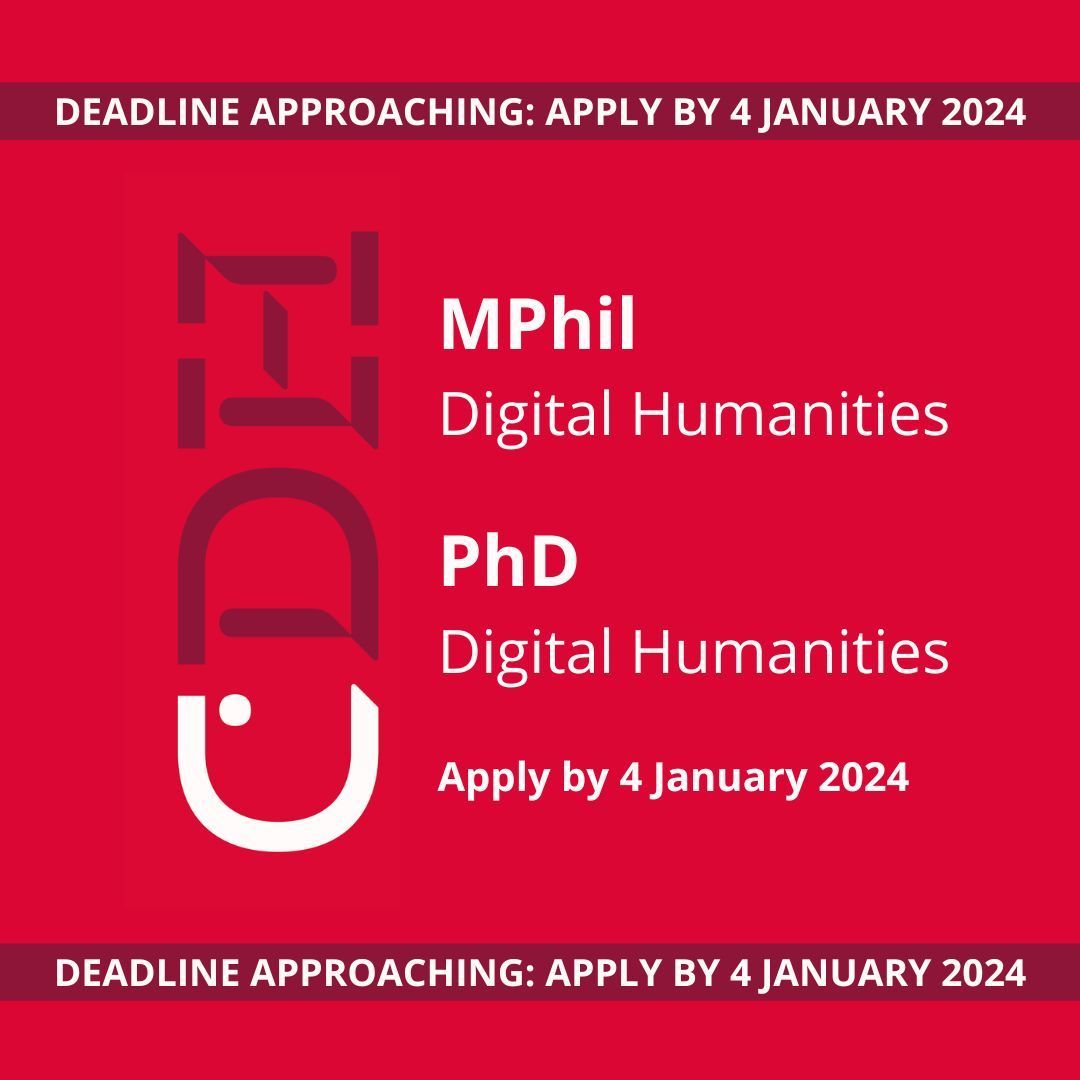
ALT Red square with CDH logo and following text: MPhil Digital Humanities; PhD in Digital Humanities; Apply by 4 January 2024; for more information, visit: cdh.cam.ac.uk/mphil. Two banners at the top and bottom of the square in maroon, with white text that reads, in capital letters 'DEADLINE APPROACHING: APPLY BY 4 JANUARY 2024'.
11
16
2,101
Dr.Arif YILDIRIM retweeted

28 Jul 2023
As an academic writing coach, here are the 9 mistakes I see PhD and grad students make when writing scientific papers.
A thread. 🧵
46
1,162
4,533
931,682