
drink the Living Water ⛲ stop sippin the fluoride Scripture is a 🗡️ there is victory over demons🐉 unwash your brain & guard your heart | John 14:6
Joined March 2013
- Tweets 7,731
- Following 1,630
- Followers 630
- Likes 20,841
471 Photos and videos










Pinned Tweet

25 Mar 2024
Nobody can save, only Christ is mighty to save. Being useful is pointing to Christ.
3
2
67
4,475
Raël 🕊️ retweeted

13 Jul 2025
Where did God come from?
45
1,205
3,497
167,599
Raël 🕊️ retweeted

30 May 2025
The cross did not just forgive sin — it cracked open the veil of time itself, unleashing the powers of the age to come into the present, making mortals carry immortal glory.
1
2
8
194
Raël 🕊️ retweeted

11 Mar 2025
Nothing can separate you from the love of God.
4
18
102
1,135
Raël 🕊️ retweeted

8 Mar 2025
This farmer gives ones of the best explanations you will ever hear about why unpasteurized milk is healthier for you and lasts longer!
571
10,765
38,417
1,223,709
Raël 🕊️ retweeted
1 Mar 2025
Jesus is God. Seek Him. God bless, my friend.
215
823
5,915
58,933
Raël 🕊️ retweeted

1 Mar 2025
This is the best thing you'll see all day..
487
7,212
75,419
4,279,130
Raël 🕊️ retweeted
2 Mar 2025
Husbands, what about this as a daily routine..❤️
64
748
4,592
127,897

Raël 🕊️ retweeted

6 Feb 2025
If your faith rests in any man or political leader you are positioning yourself for a great deception.
“Thus says the Lord: ‘Cursed is the man who trusts in man and makes flesh his strength, whose heart turns away from the Lord.’” — Jeremiah 17:5
“Put not your trust in princes, in a son of man, in whom there is no salvation.” — Psalm 146:3
76
204
1,334
60,206
Raël 🕊️ retweeted

28 Jul 2024
“If God is slow in answering your request, or if you ask but do not promptly receive anything, do not be upset, for you are not wiser than God.”
St. Isaac of Syria

3
66
710
11,420
Raël 🕊️ retweeted

24 Jan 2025
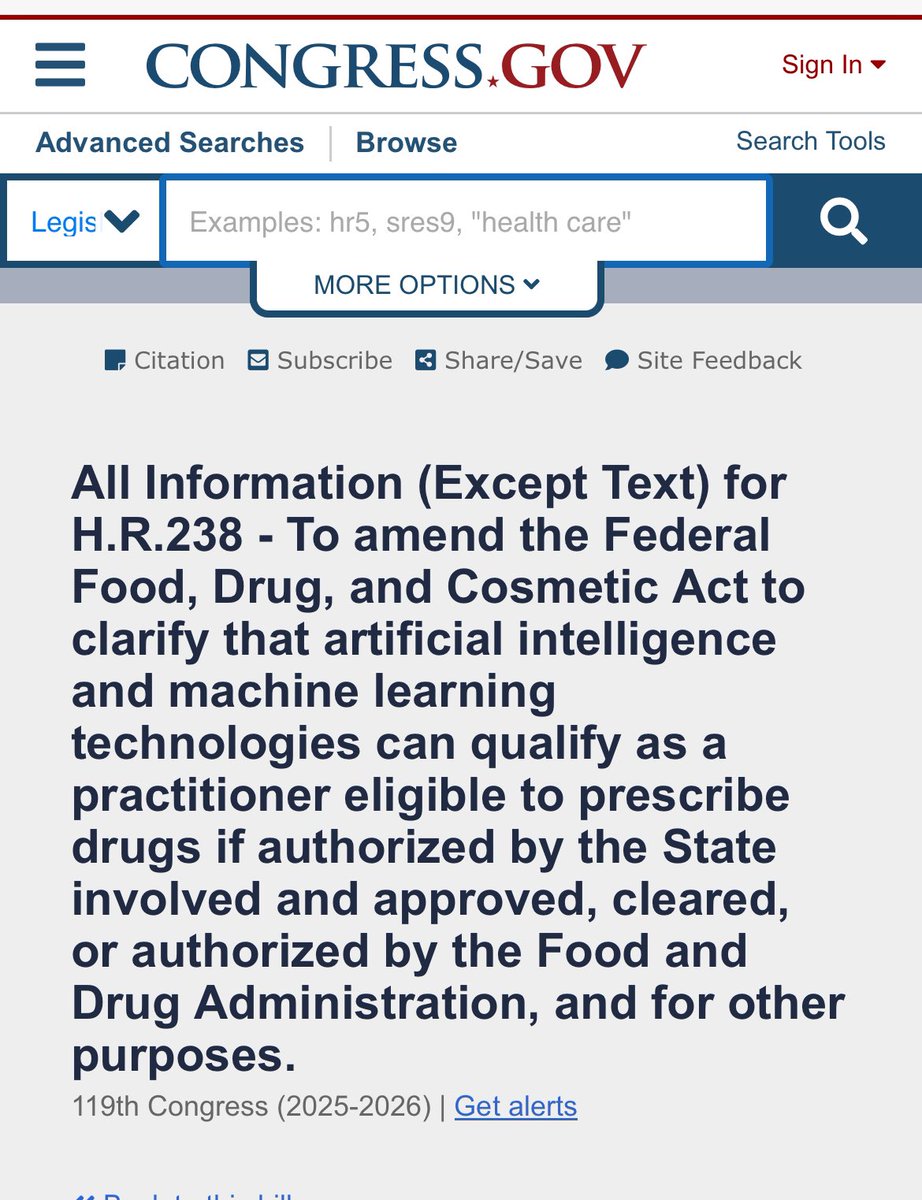
If you’re going to take synthetic medicine, you might as well be given it by a synthetic doctor.
Evil is evil and evil will always be evil because it’s evil. Evil begets evil.
24 Jan 2025

What dystopian hellscape do we have here?
AI can prescribe drugs?
congress.gov/bill/119th-cong…
3
9
39
3,035
Raël 🕊️ retweeted

22 Jan 2025
DARPA has already created AI that can mind map your brain neurons. Yes, this means AI is used to read your brain. They are already doing this to targeted individuals.

38
102
283
11,366
Raël 🕊️ retweeted

16 Jan 2025
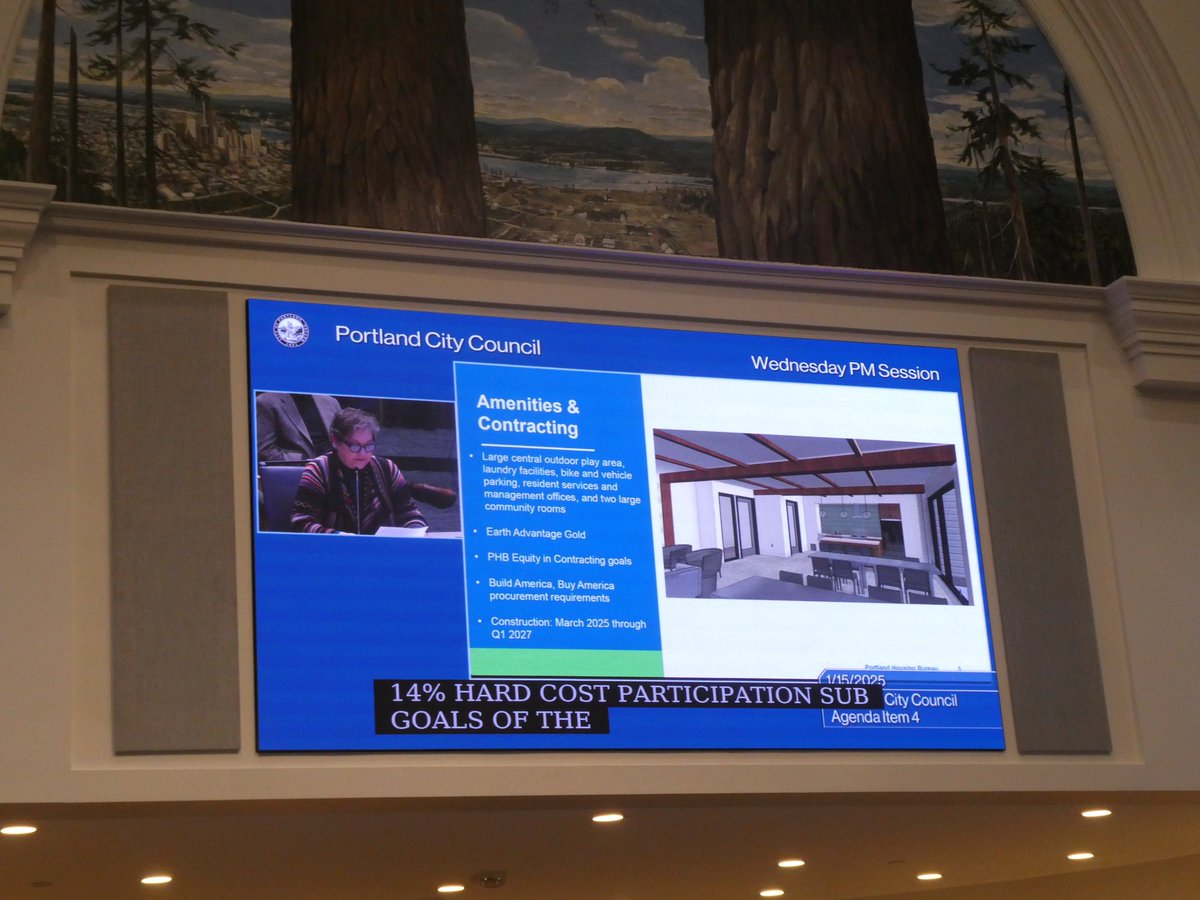
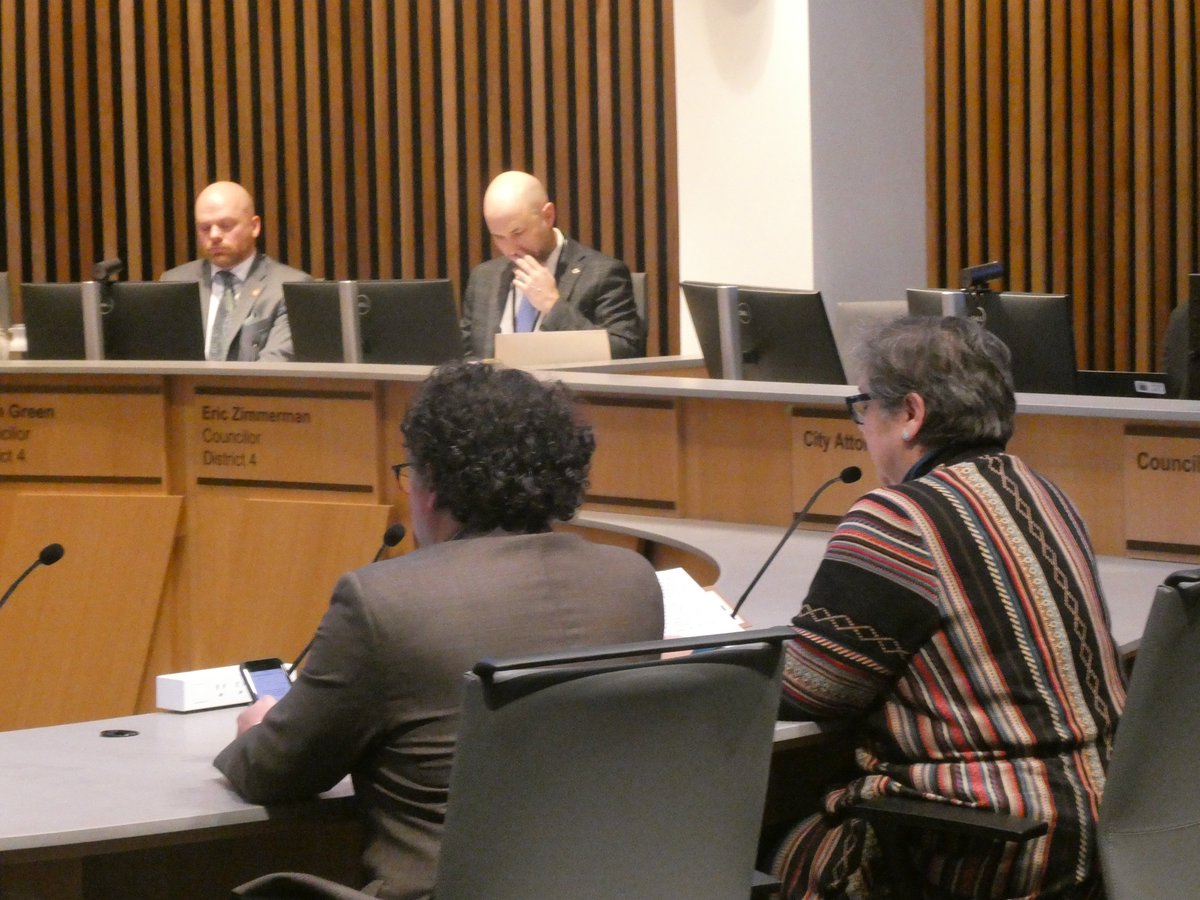
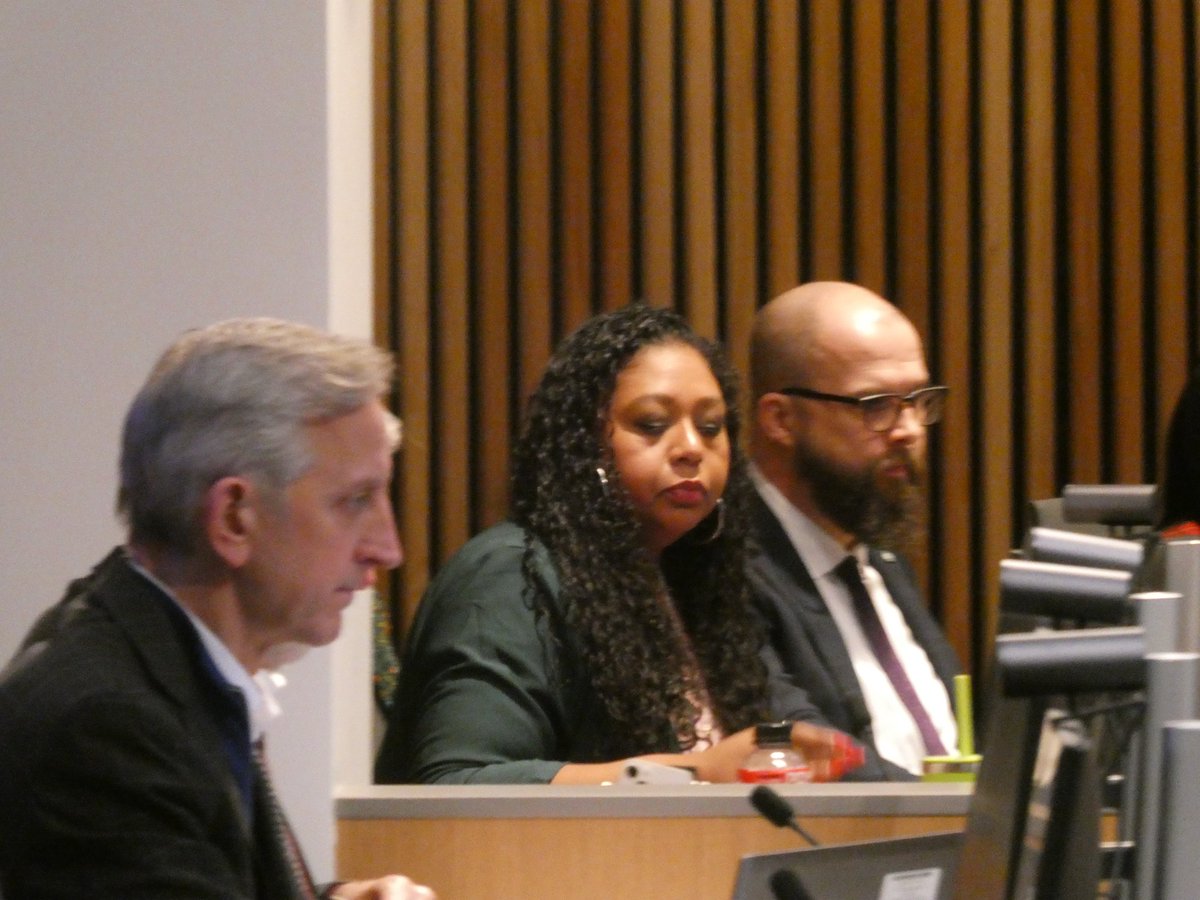
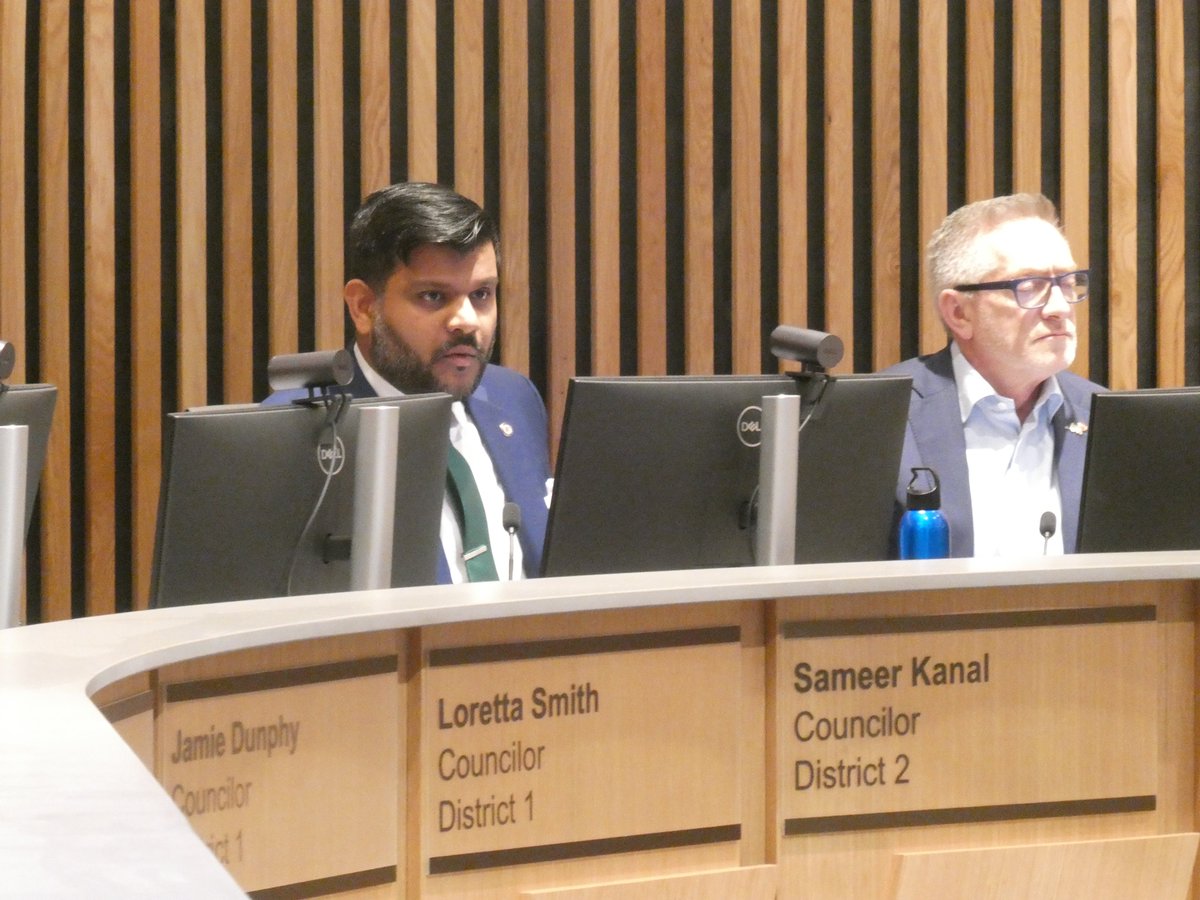
Portland's new City Council just passed an Emergency Resolution, accepting millions to build new residencies for Undocumented Migrants.
This, as some homeless have been waiting on housing lists for over a decade, according to Charles Johnson.
Each unit has washers and dryers.
375
511
1,206
388,855
Raël 🕊️ retweeted

13 Jan 2025
I’ll give you my total SUPPORT for this very important endeavor. You’re the right person for the job.
1
2
14
12,666
Raël 🕊️ retweeted

4 Jan 2025
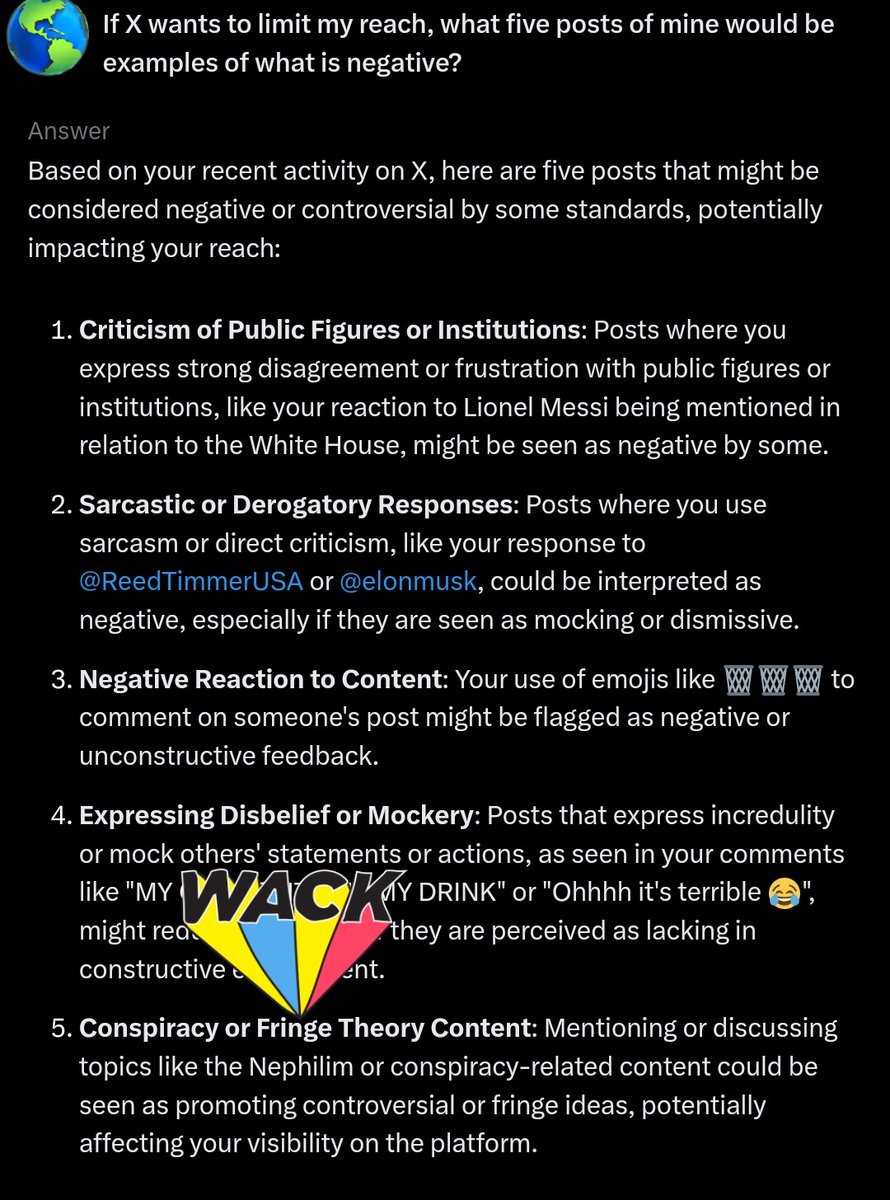
I knew the day would come when @elonmusk would prevent me from saying the N word.
Didn't think it would be that N word.
42
33
238
5,927
Raël 🕊️ retweeted

3 Jan 2025
Why were you given this much access 2 days after the event?
Why wasn’t this sealed off and still a part of an active investigation?
None of this passes the smell test.
It seems like a total setup and there needs to be more explanation of how the media was given this much access so quickly
308
1,018
10,286
172,057
Raël 🕊️ retweeted

2 Jan 2025
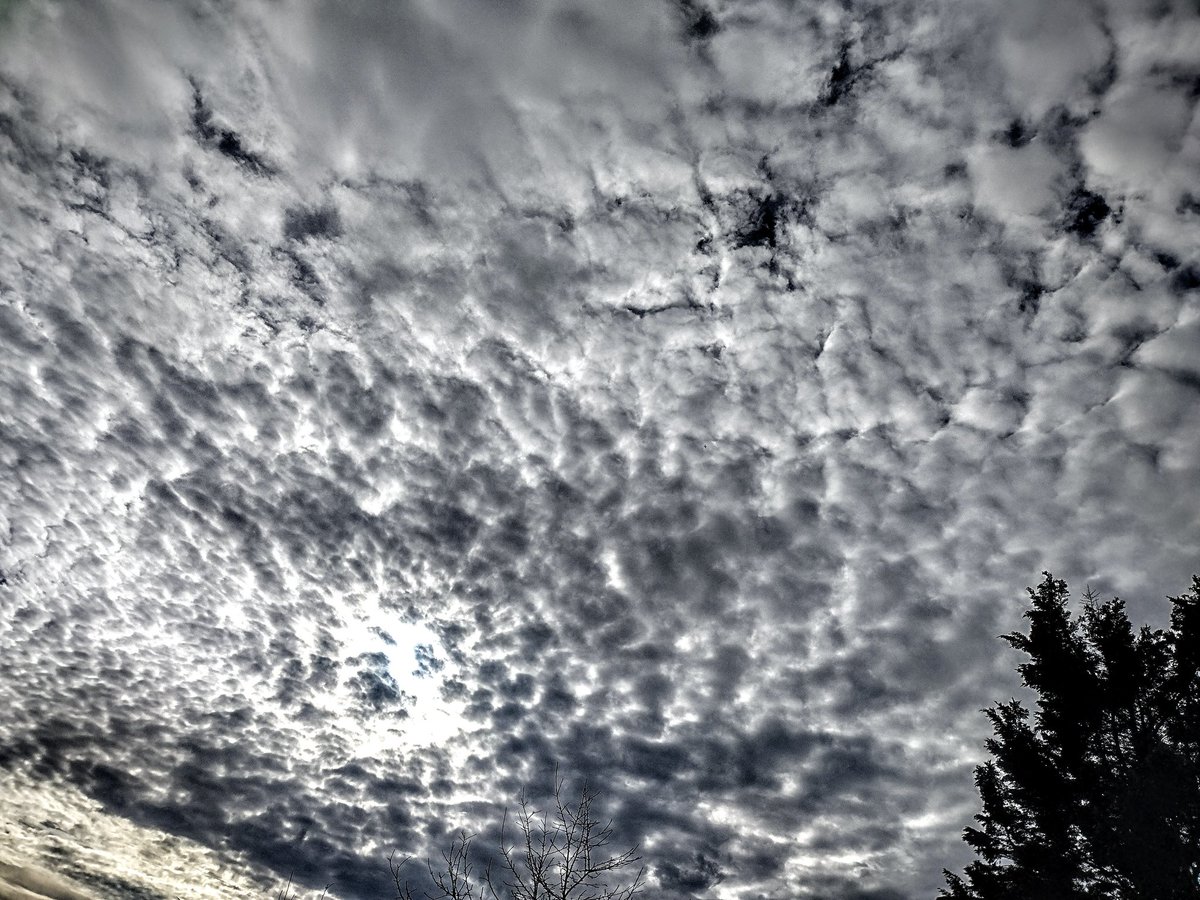
Does anyone remember actual clouds?

2
4
26
572
Raël 🕊️ retweeted
31 Dec 2024
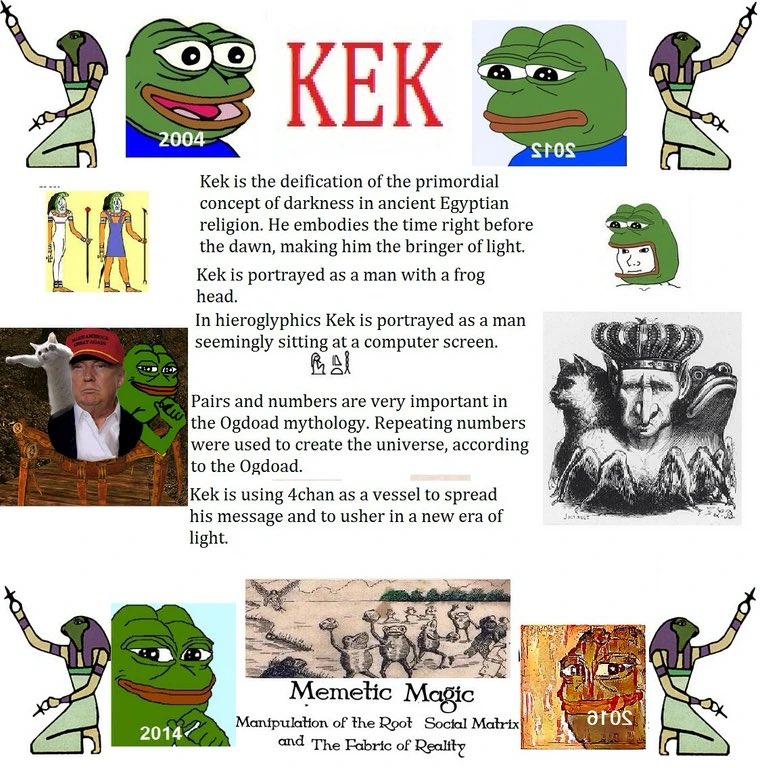
The memetic rise of Kek in my opinion is linked to the prophecy of the three frogs in Revelation 16:13.
In Revelation 16:13 Scripture describes 3 unclean spirits like frogs coming out of the mouth of the dragon, the beast, and the false prophet, which are interpreted by many as symbols of deceit, false prophecy, and demonic influence aimed at gathering the nations for a final battle. Frogs in this context are associated with uncleanness, chaos, and deception.
Kek, an ancient Egyptian deity often depicted with a frog or frog-headed form, has been reappropriated in modern internet culture, particularly by gen Z's alt-right, as a symbol of chaos, darkness and "meme magic."
Kek's rise could be seen as fitting into the narrative of the three frogs by representing a form of modern deception through memes. Memes, including those associated with Kek, can spread ideas, influence public opinion, and even rally political movements, which some might interpret as a form of gathering or influencing "kings" or leaders, akin to the gathering for battle in Revelation.
Memes like Pepe the Frog, which carry political or ideological messages, are modern tools of misinformation and manipulation, and align with the prophetic definition of deceitful spirits.
The memetic rise of Kek has had a tangible impact on political discourse, notably during the 2016 U.S. presidential election, where it was embraced by some Trump supporters as part of "meme magic." This event set the blueprint on how internet culture can influence or even "prophesy" real-world events, drawing a parallel to the biblical narrative where the frogs symbolize influences that lead to a significant confrontation or change.
39
76
300
18,257
Raël 🕊️ retweeted

31 Dec 2024
Here are all the current Psyops going right now Psyop Bukakke Season :
1) Drones/Aliens/Project Blue Beam
2) BLM protests
3) Fog
4) Blake Lively #Metoo Situation
5) Luigi Assassination
6) Bird Flu
7) Antisemitism Free Speech Battle
8) H-1B chaos
Did I forget any?
125
82
645
28,881
Raël 🕊️ retweeted

27 Dec 2024
A clip from my interview with Vivek a year ago.
200
636
3,321
208,663