
Innovation Coach | Venture Builder | Business Model Expert
Joined August 2015
- Tweets 1,517
- Following 458
- Followers 804
- Likes 3,583
247 Photos and videos
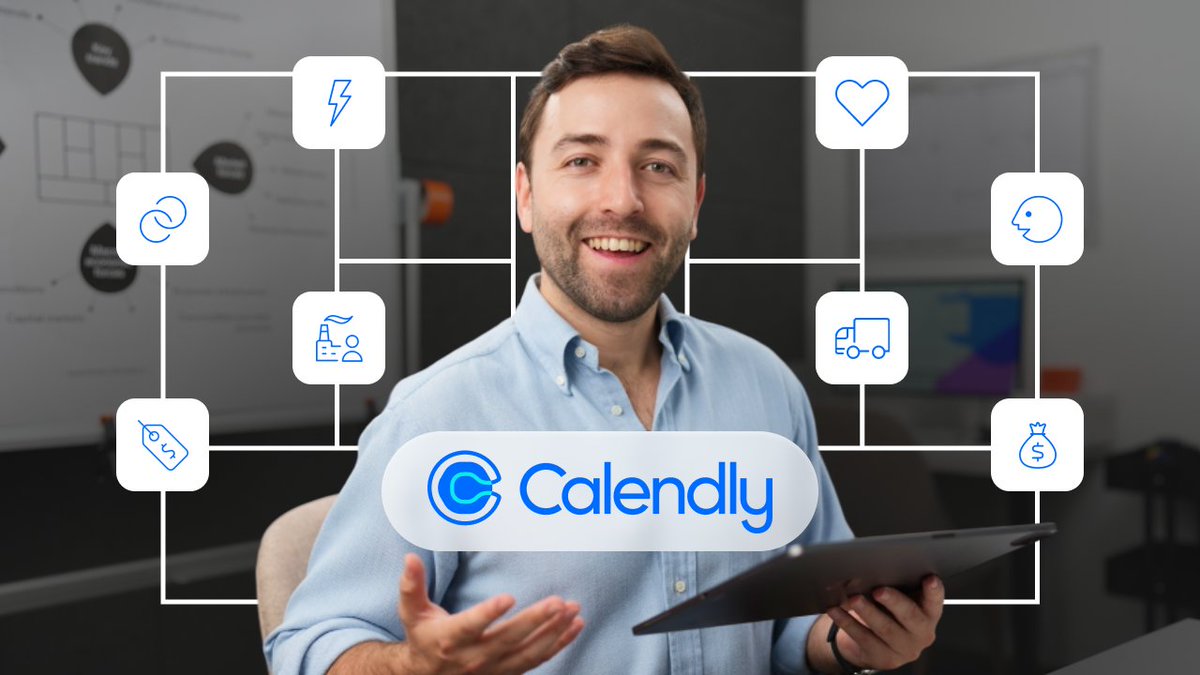
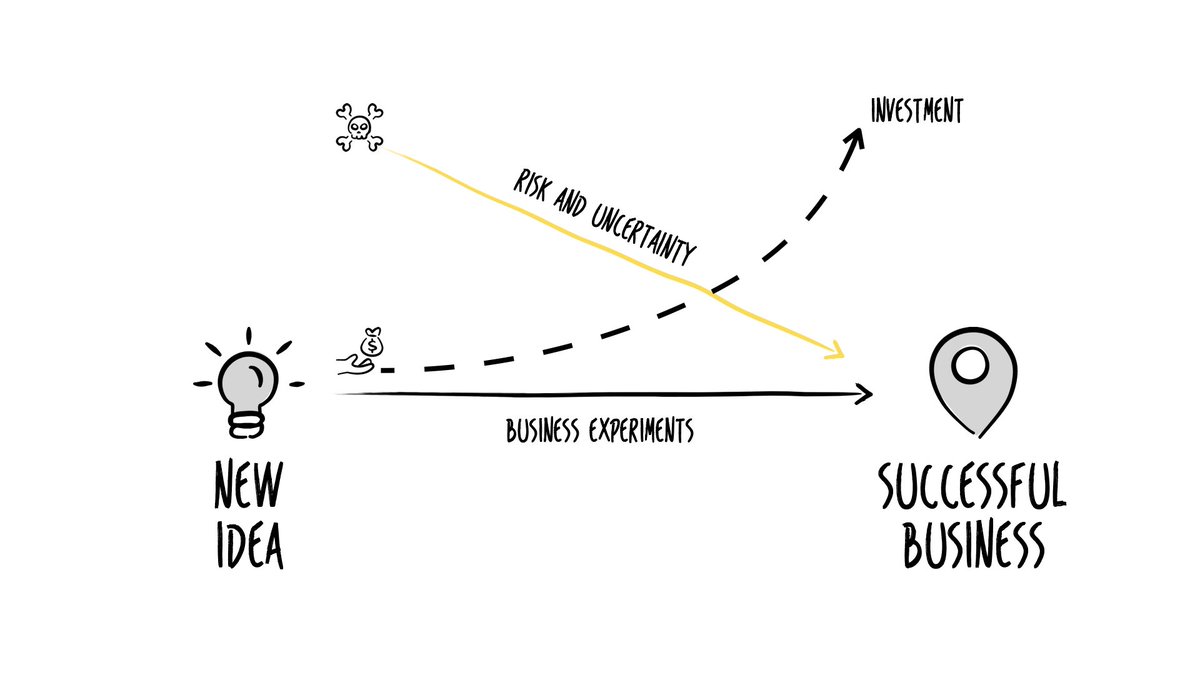


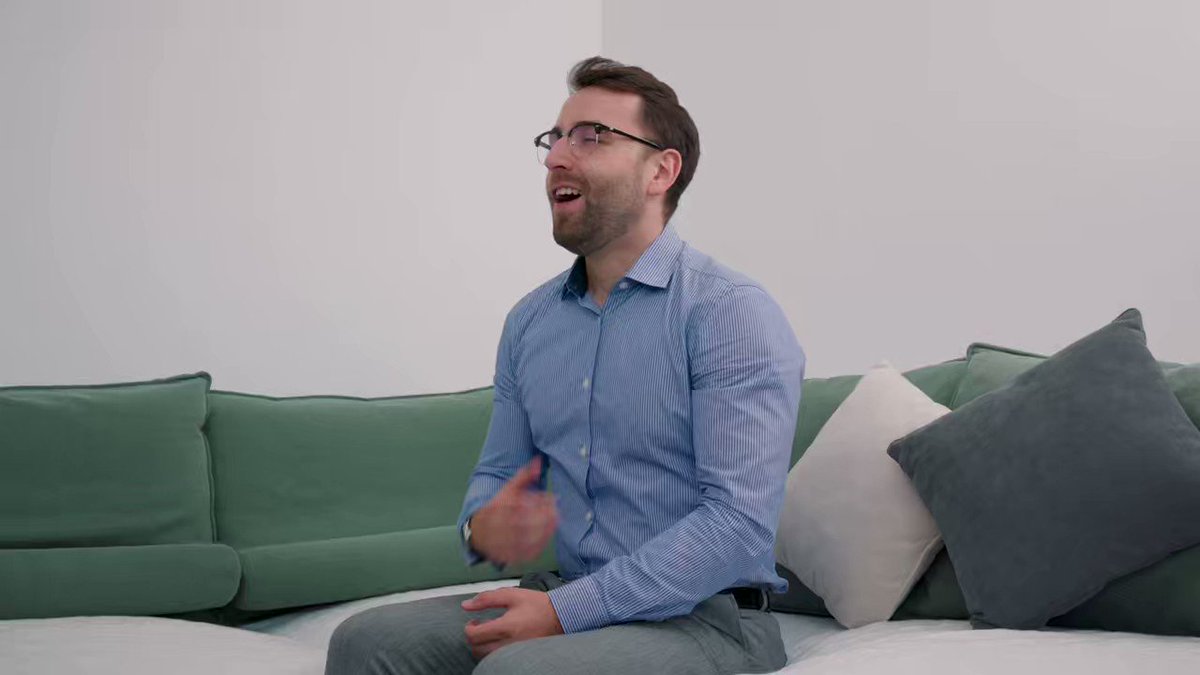
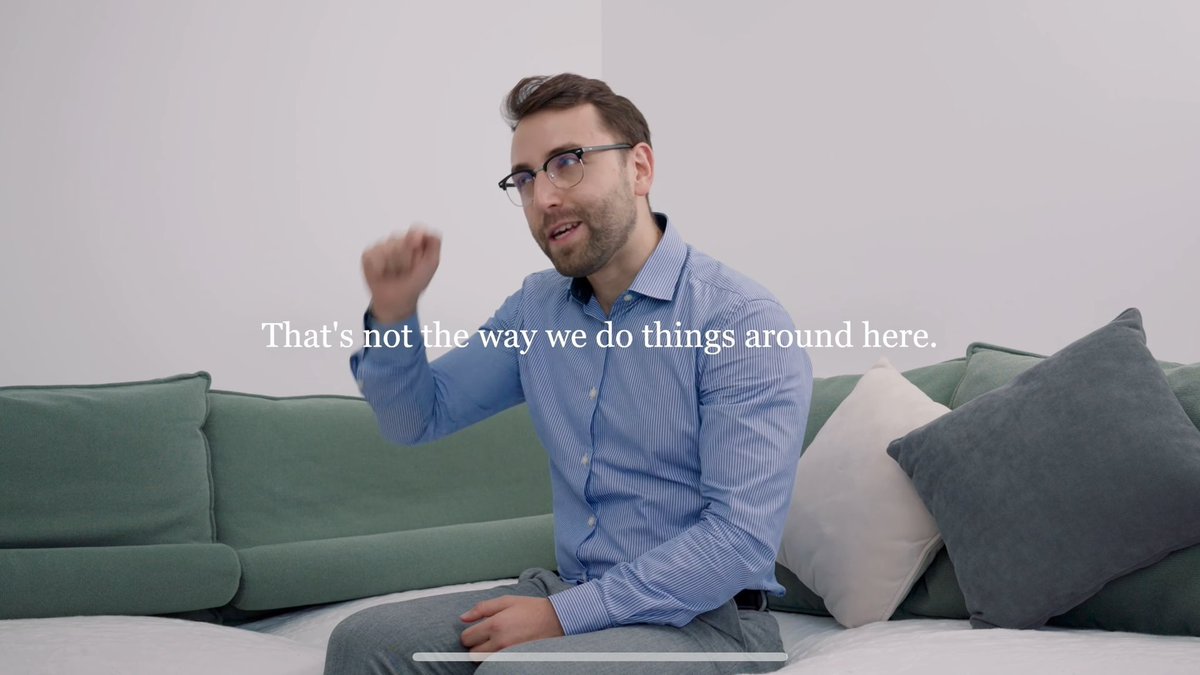


Here’s one for all the corporate innovators out there 🍿📺
Explaining my job to the CEO…
I didn’t expect that at all 😅👇
youtu.be/w1wTncclkNE
1
5
291
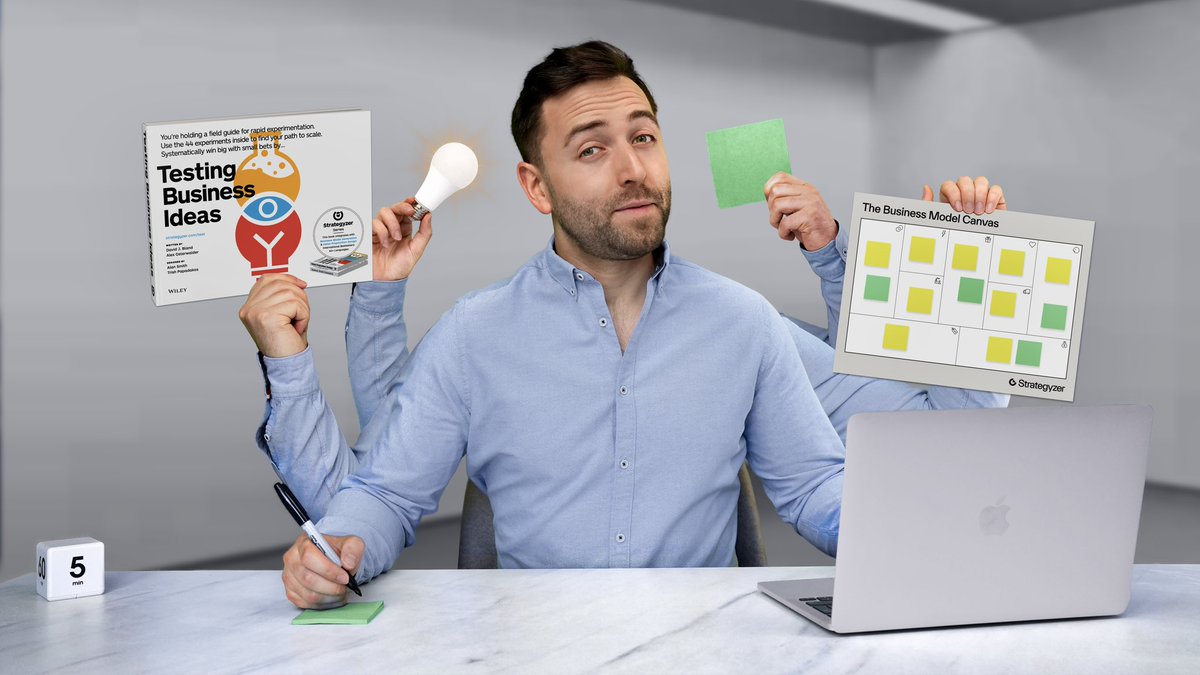
I spent 30 days studying Calendly's business model. Here's what I learnt. 👉 youtu.be/ApLju-ckrlw?si=8mPc…
48
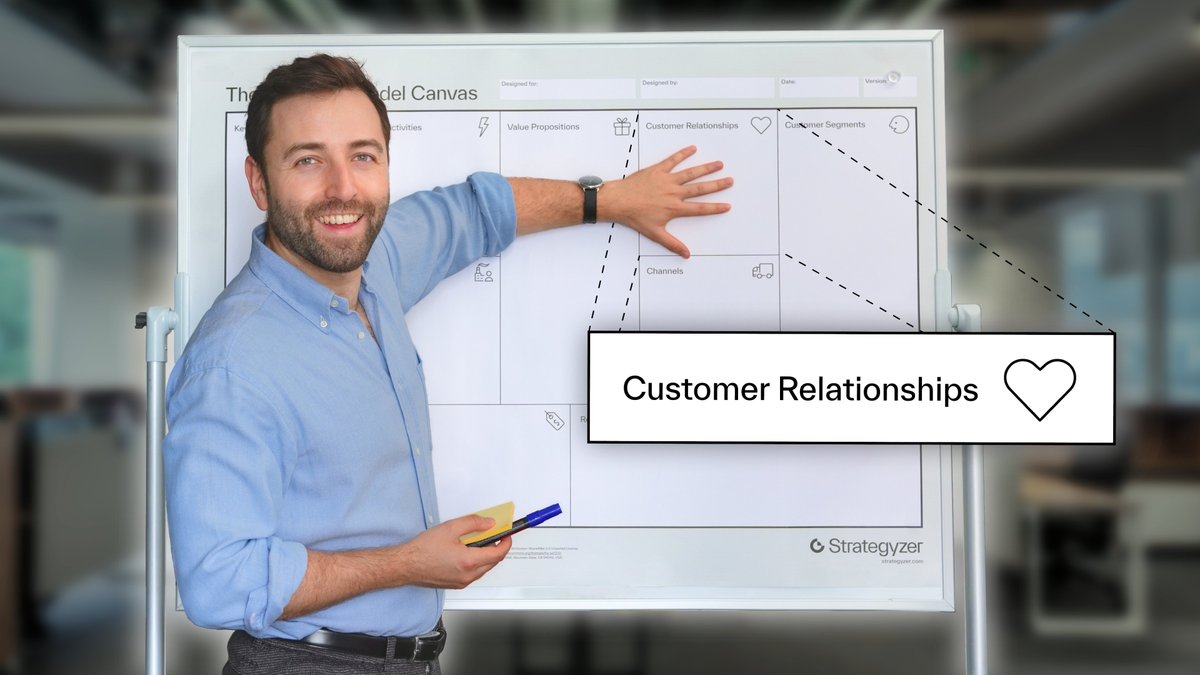
A lot of people struggle with the Customer Relationships building block of the Business Model Canvas.
It’s one of the most important parts of the canvas.
I made this video to help make it easier to fill it out. 👇youtu.be/CbGN8AtmvRA?si=0lVc…
4
330
Nick Himo retweeted

3 Mar 2024
Make things that the people you respect would respect.
20
4
104
8,375
Nick Himo retweeted

23 Feb 2024
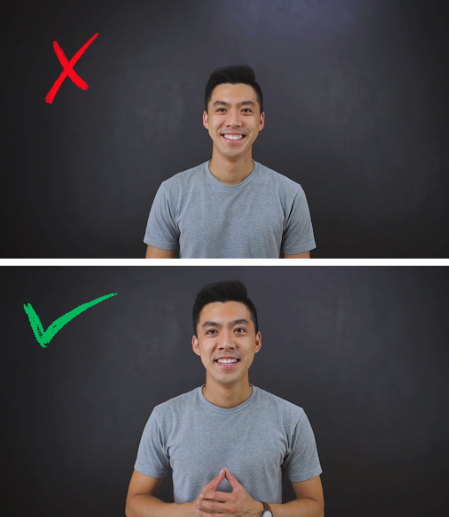
Another framing mistake that people make:
Putting your face in the middle of the shot.
Don’t do this!
Remember, a person also has a body.
Balance the frame out by positioning the head a little higher and aim for 2-6 inches of headroom.
2
1
33
2,088
Nick Himo retweeted
21 Feb 2024
The Home Studio formula:
- 40% is Lighting
- 30% is the design of your space
- 20% is the lens & camera
- 10% is audio
Works every time.
4
1
26
1,970
Nick Himo retweeted

18 Feb 2024
ChatGPT is my "idea generation" intern:
I feed it a topic I want to explore.
And it generates 2 lists for me:
1. A list of "actions" someone interested in the topic might have questions about
2. A list of questions
Then I sit down and just answer the questions.
Easy!
25
16
216
36,696
Nick Himo retweeted

16 Feb 2024
How to build a $1,300/month side business for $19.
Here's the entire 16-step business plan for you:
1. Clean up your profile to reflect what you do for people.
2. Create content that talks about a challenge you solve.
3. When people ask questions, DM them.
4. Tell them you'll help solve their problem for free.
5. In return, as for 30 minutes to ask questions.
6. Do 15 calls to understand how to solve the problem.
7. Create a solution process that takes 60 minutes.
8. Build a simple Carrd website for $19.
9. Add a Stripe widget for a paid service
10. Title the service "From X to Y in 60 minutes"
"From clueless to writing lines of code in 60 minutes"
11. Open up a few slots outside of your 9 to 5.
12. After payment, redirect to a Calendly account.
13. Set up a form to collect important info.
14. Add your website to your X and LinkedIn profiles.
15. Continue creating great content each day.
16. When people ask questions, direct them to your site.
If you can book:
2 calls per week at $150 an hour: $1,300 per month
3 calls per week at $150 an hour: $1,950 per month
3 calls per week at $250 an hour: $3,250 per month
The possibilities are endless.
Listen, this is certainly not perfect. There are a million nuances I didn't mention.
But know that getting started is the hardest part.
So, try the above plan for 6 months
Tinker around with it, listen to your customers, experiment, & make changes.
I hope this helps.
90
89
970
149,026
Nick Himo retweeted
11 Feb 2024
Courses don't bother you. Unqualified teachers bother you.
Courses are a medium for a message, like books. Bad course creators and bad authors are the same.
We've just romanticized books and hold authors in high regard even though they're often grifters on a national scale.
2
1
19
3,110
Nick Himo retweeted

8 Feb 2024
A few months ago, I went to a $15 open mic in Austin.
Dude gets on stage. The crowd goes bonkers. It's Shane Gillis, one of the most popular comedians in the world.
He pulls out a notebook and a pen, grabs the mic, and starts telling jokes.
When the crowd gives one of those loud, genuine laughs, he jots down a note. When the crowd looks at each other, confused, he jots down a note. When the crowd stares at him, expecting more, he jots down a note. When the crowd gives that knowing chuckle, he jots down a note.
You get the idea. He's testing jokes. Making a note of what's connecting and, even more importantly, what's not.
Then, I imagine, he cuts or changes the parts that don't connect. Tests them again at another open mic. And repeats the process until the joke, his story, is tight and compelling throughout.
He made me realize:
This is how you can treat Storytelling, too.
Your story is flexible. You can constantly test, get feedback, improve, repeat. Like Shane, what you're looking for is moments of connection:
• Your boss starts nodding along.
• Someone leans forward in their chair.
• There's a spark of interest in your partner's eye.
You get the idea. You're searching for that visceral reaction in your audience.
When you see it, double down. Iterate until you get there.
63
128
1,686
618,913
Nick Himo retweeted
4 Feb 2024
My challenge to you:
Choose ONE metric in your business:
• Revenue for ONE product
• Email subscribers
• Followers on ONE platform
Anything – whatever metric is important to you.
Design an experiment to try and improve that ONE metric. If it's revenue, you could try and increase visitors to the sales page or conversion from visitors to customers.
One metric, one experiment, and run it for one month.
This one thing, if done consistently, will make a massive difference by the end of the year.
15
3
68
8,290
Nick Himo retweeted
2 Feb 2024
3. Design matters a lot. EVERYTHING is designed – and people associate good design with being trustworthy.
4. Distribution matters as much as (or more than) the product.
5. Great marketing or distribution can't save a BAD product
1
4
25
2,932
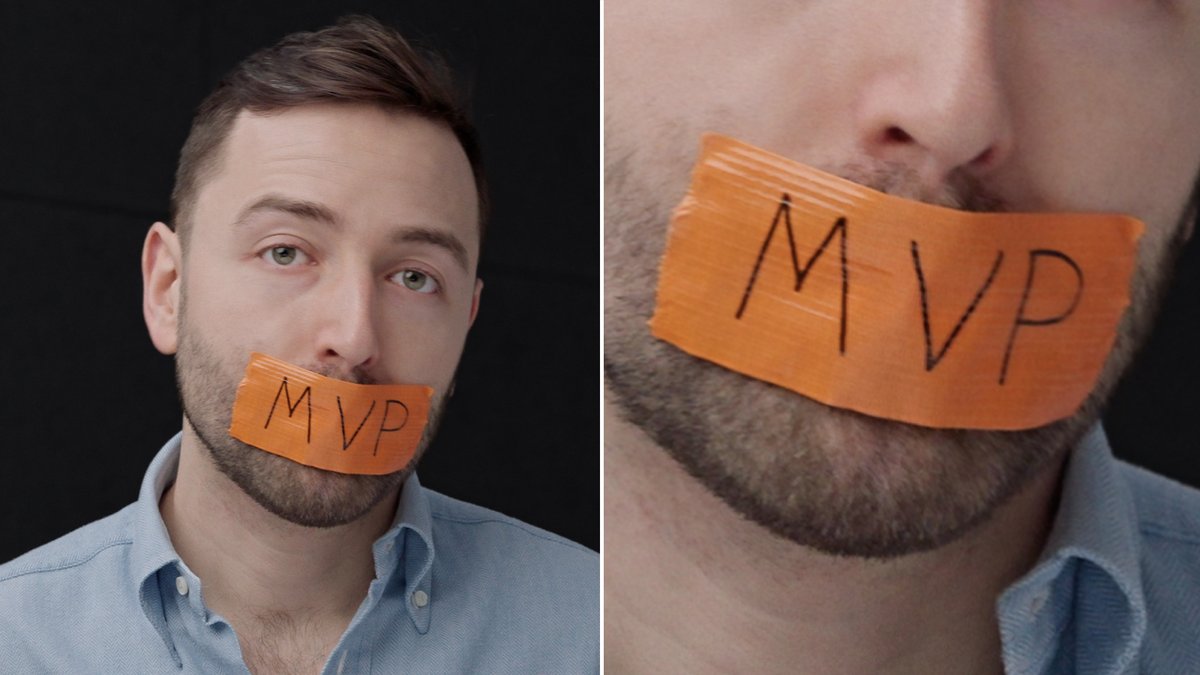
😅 This might be controversial, but hear me out on this
We need to stop saying Minimum Viable Product or MVP
youtu.be/dMsDwyBC9pI?si=m0xC…
2
79
Nick Himo retweeted

14 Jan 2024
“I’m 30k in debt & spending every dollar I make to go big on YouTube”
A 20-year old creator said this to me recently.
The most worrying thing? This was a creator making $50k/month… with a team.
The “all in” mentality is a terrible idea for 99% of creators.
You need margin.
I’d recommend at least 40% profit margins for any creator making under $1m a year.
“But MrBeast reinvests every cent he makes”
You’re probably not MrBeast. He’s an outlier among outliers.
Most creators should focus on steady growth, decent margins and stack up a 12 month saving fund of living expenses.
Retweet to save a starving YouTuber.
32
52
477
104,286
Here’s the link
How to pivot your business (when things aren’t working)
youtu.be/ntI--vgMDTY
40
Nick Himo retweeted

5 Jan 2024
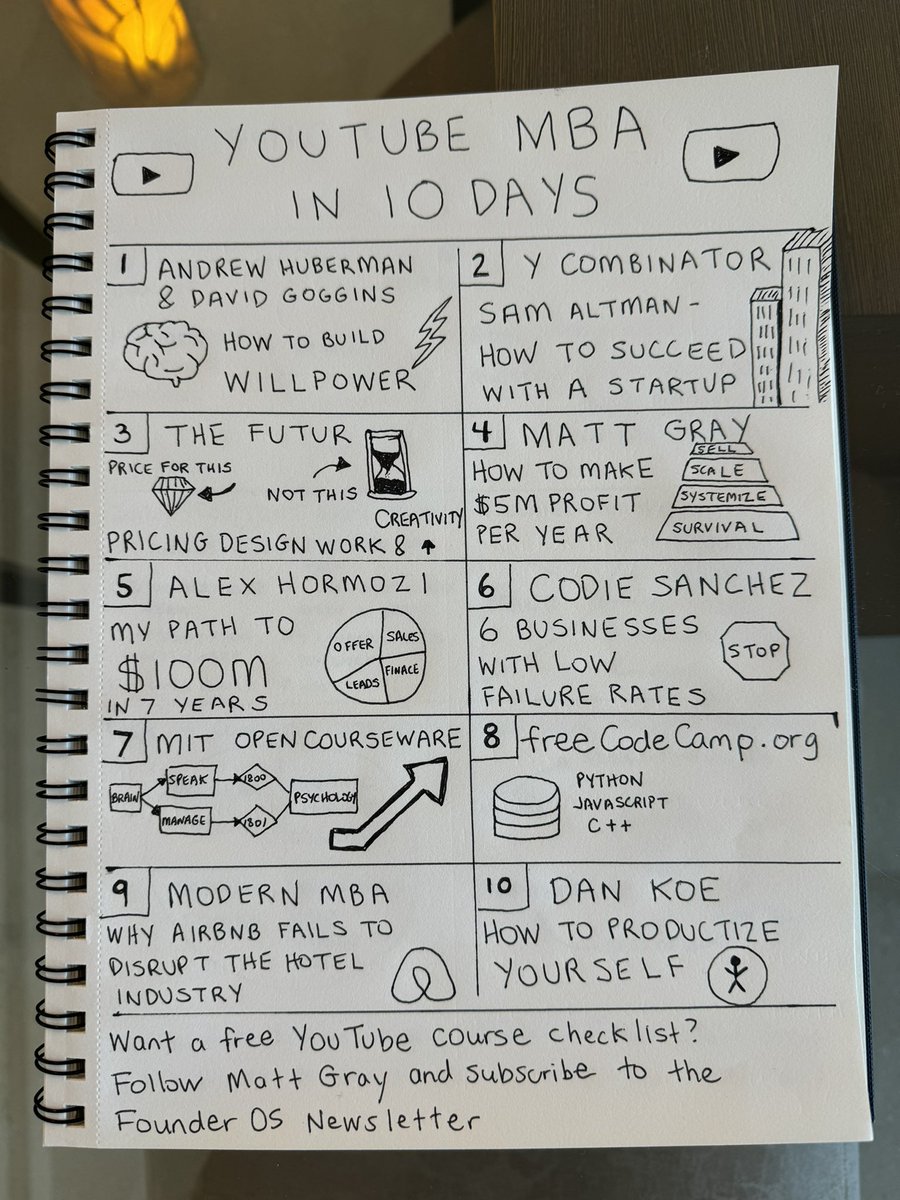
How to get a free MBA on YouTube in 10 days:
136
2,335
16,215
1,948,717
Nick Himo retweeted
3 Jan 2024
Email should be part of every creator's strategy.
But that does not mean you need to write a newsletter every week/month/etc.
You can build your email list by creating a:
• Free email-based course
• Evergreen newsletter
Email-based courses teach the reader something by sending one email at a time over days or weeks.
These are great because they:
1. Position you as an authority
2. Demonstrate your teaching ability
3. Build a relationship with the reader
4. Build a relationship with their inbox
Evergreen newsletters feel like newsletters to the reader, but aren't written as one-off broadcasts.
Instead, they are your BEST writing, intentionally ordered, and sent as an automated sequence.
Every reader gets the same series of emails in the same order.
With either of these strategies, your writing becomes a long-term, enduring asset. Everything you write can be added to the sequence later and make it longer and longer.
You can update these sequences over time to optimize for open rates and click rates.
You can even tie BOTH strategies together to utilize your email-based course as a lead magnet that then feeds into the newsletter (or encourage newsletter subscribers to opt into the course).
Complications:
1. Ad delivery
2. Content timeliness
AD DELIVERY
If you want to sell ads in your newsletter, you typically promise a certain # of impressions/opens. This is harder when you aren't sending one-off broadcasts.
Not impossible, but harder.
CONTENT TIMELINESS
If your newsletter is truly sharing news, then timeliness is important. Sharing current events is important.
That's harder to automate.
You could essentially create a "current events" section of the evergreen newsletter that references a content snippet that you update regularly (this is similar to how I'd handle the ad delivery problem).
But both of these strategies are criminally underutilized.
They provide a fantastic experience for the consumer and once they're written, allow YOU to focus the bulk of your content creation on some other discovery platform (social media, YouTube, etc).
37
17
177
22,316
Nick Himo retweeted

3 Jan 2024
Despite doing $1.15 million in design work in 2023, I didn’t once:
- wireframe
- prototype
- Zoom or Slack a client
- whiteboard
- mood-board
- interview users
- etc.
And I survived.
This is the way.
93
23
975
156,044
Nick Himo retweeted
2 Jan 2024
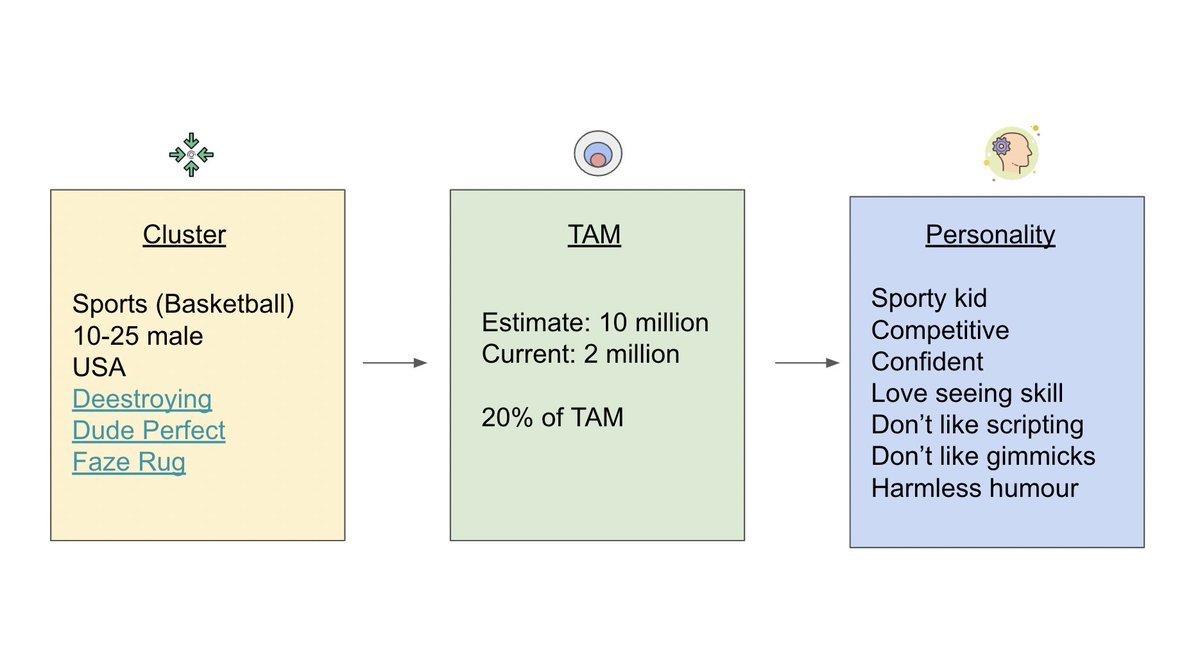
1. Get really clear on audience this January
I like using a simple one pager like this.
Cluster = Similar channels
TAM = View ceiling
Personality = Kind of person your viewer is and isn't
Stupidly simple, but most channels don't give it this thought.
6
4
191
21,746