Tech, Business & everything in-between. Views are my own
Joined August 2011
- Tweets 5,434
- Following 1,350
- Followers 1,562
- Likes 11,618
1,500 Photos and videos







NigelRTG retweeted

Apr 26
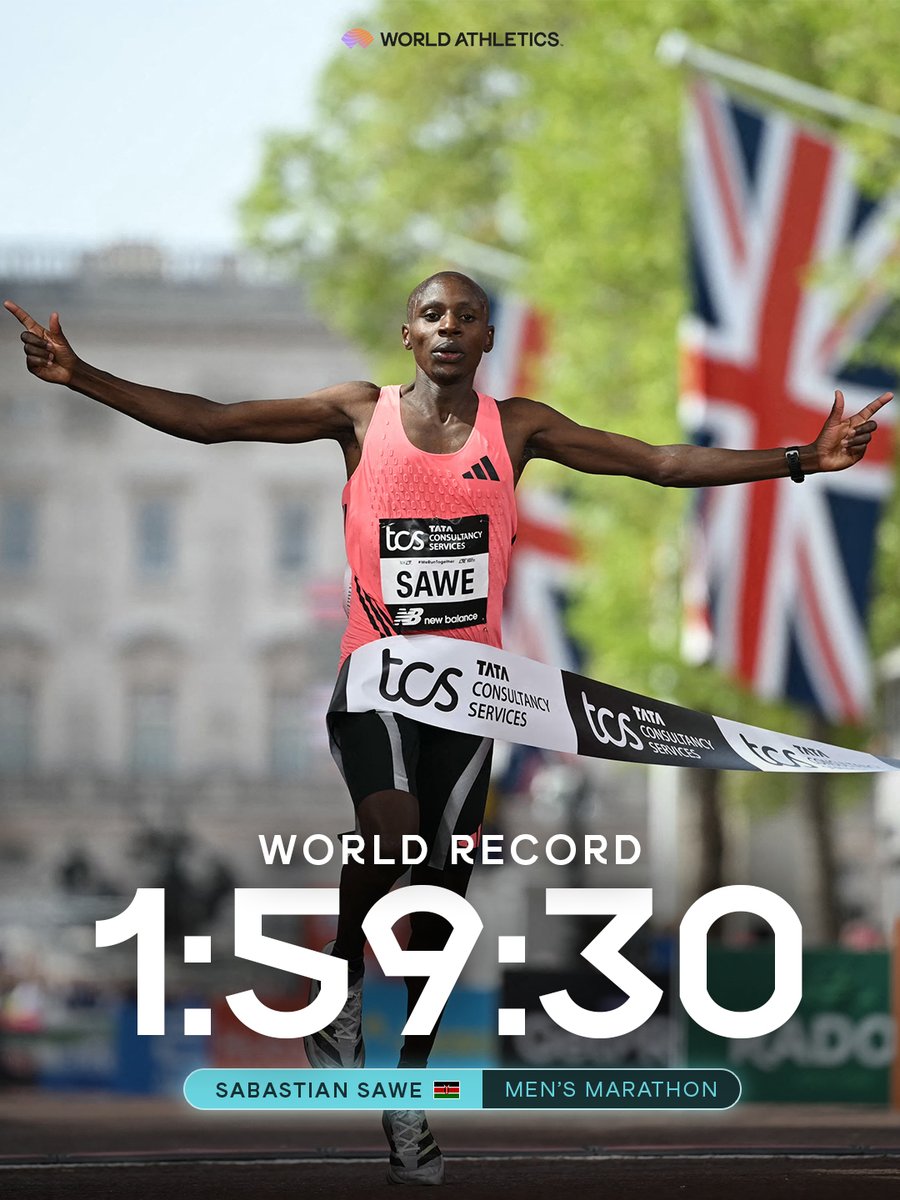
HISTORY HAS BEEN MADE 🫨
Sabastian Sawe becomes the first person ever to break the 2-hour barrier in official race conditions, storming to a historic 1:59:30‼️
@KejelchaYomif, on his marathon debut, also breaks 2 hours with a stunning 1:59:41 and @jacobkiplimo2 clocks 2:00:28, also faster than the previous world record 😤
350
9,169
25,044
1,281,487
NigelRTG retweeted

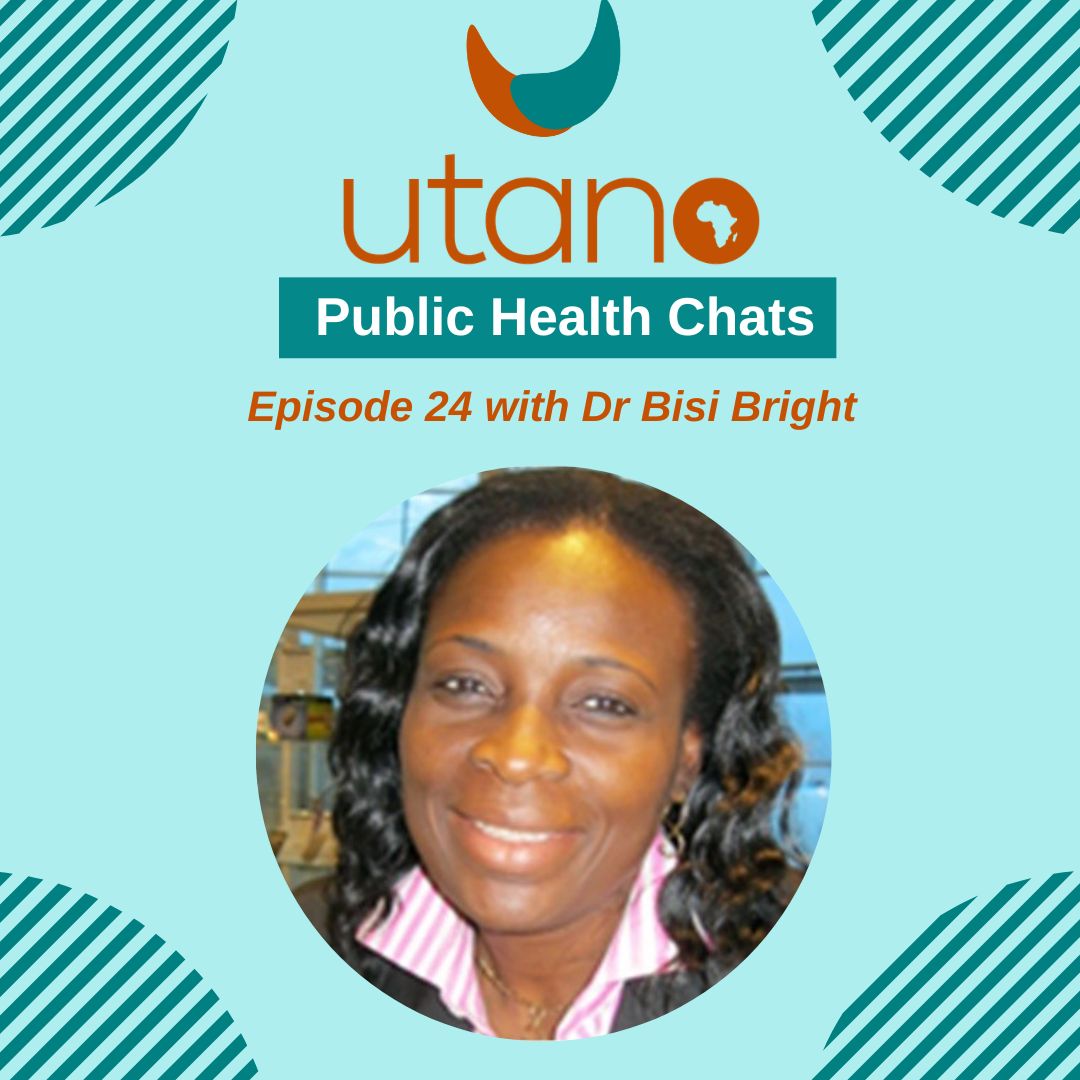
New episode coming out this week!
Be on the look out for our episode with Dr.Bisi Bright from Nigeria.
Dr Bisi is a Global Public Health Enthusiast, Social Entrepreneur, Health Systems Researcher, Adjunct Lecturer, Consultant Clinical Pharmacist, and Public Health Practitioner.
1
2
1
73
NigelRTG retweeted

Attention : Youth(ies) and Young Adults
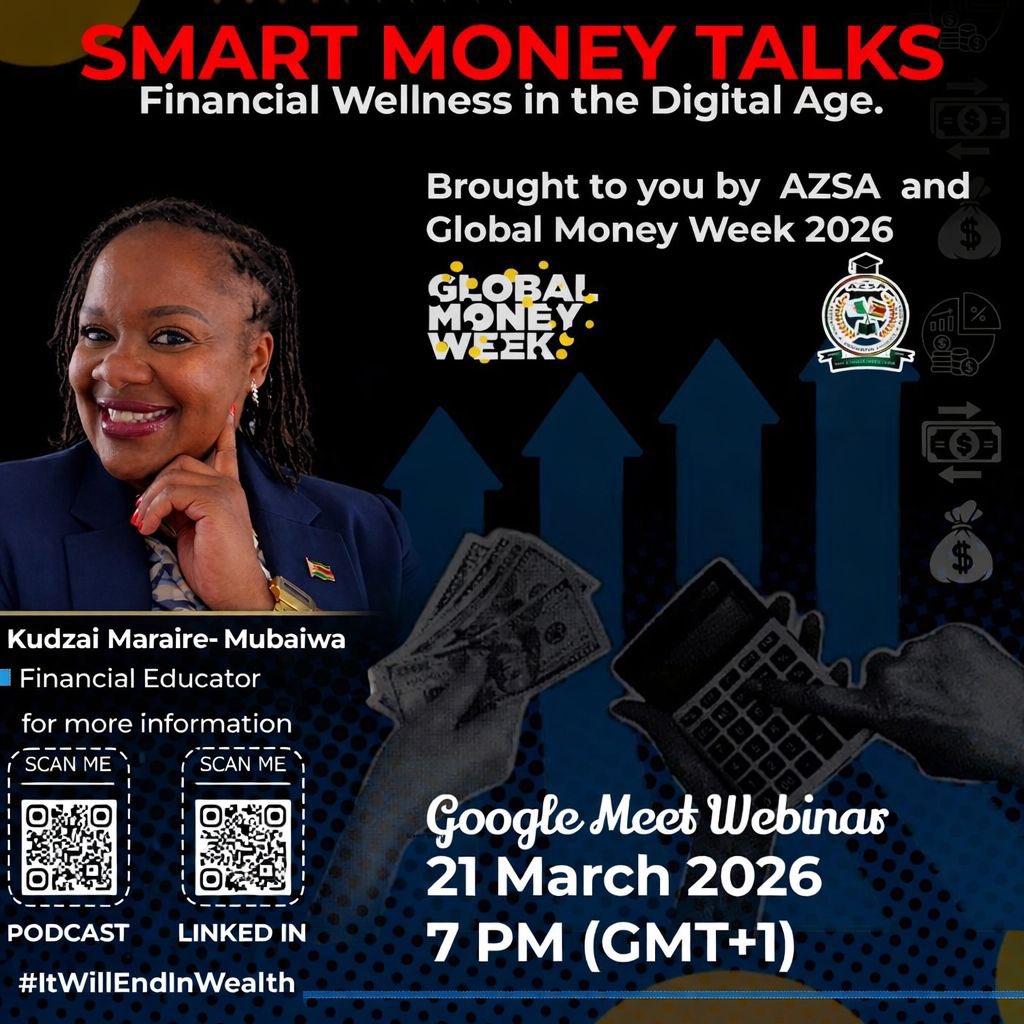
I’ll be speaking to this community of Zim college students in Algeria and you too can join.
AZSA is inviting you to the Global Money Week 2026 Webinar titled SMART MONEY TALKS with the KashKween on Saturday, March 21 · 7:00 – 8:30pm
Time zone: Africa/Algiers
(This is 8pm Harare time)
Google Meet joining info
Video call link: meet.google.com/nxs-crui-ehs
Or dial: (ZA) 27 10 823 0766 PIN: 155 375 299#
In this webinar for young adults, the Master of Coin will guide participants through a brief presentation on the mindset, toolset and skillset required to be financially well in the digital age, then treat as many questions as possible in an Open Mic Session.
#itwillendinwealth

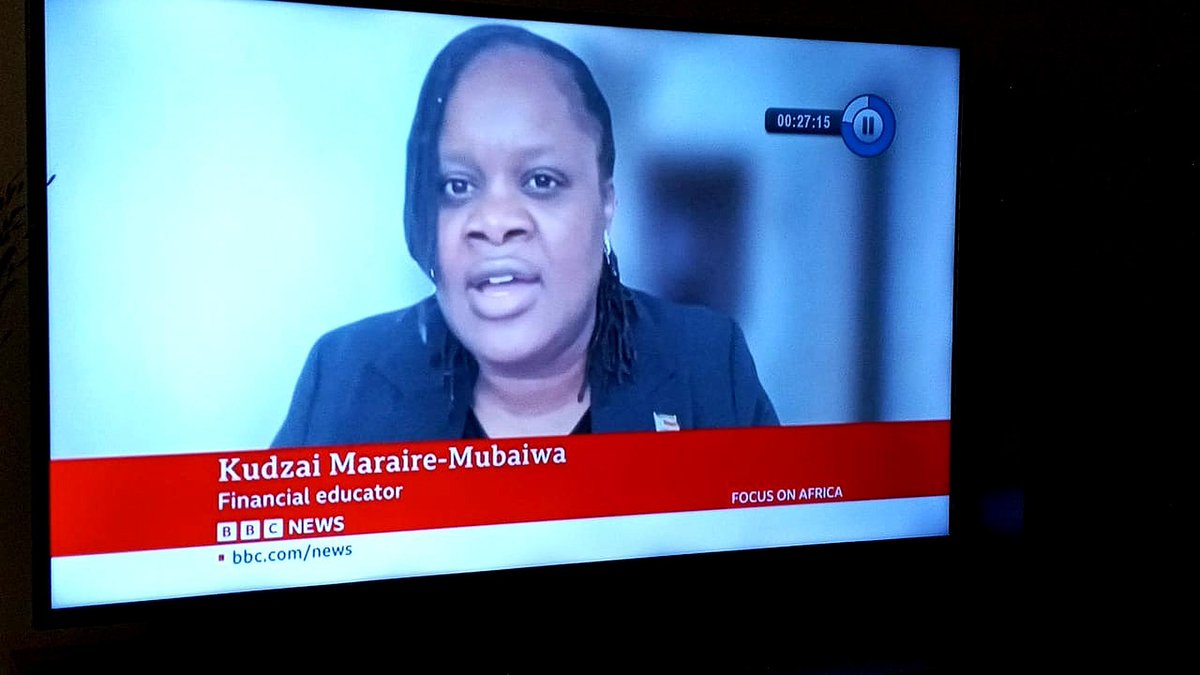
It’s #GlobalMoneyWeek
With only two weeks to the completion of the quarter, this is the time to reflect and restart on new and correct money habits.
Smart Money Talks are ongoing.
Join us here: whatsapp.com/channel/0029VaH…
1
21
44
2,502
NigelRTG retweeted

25 Dec 2025
One of the best gifts I was ever given.
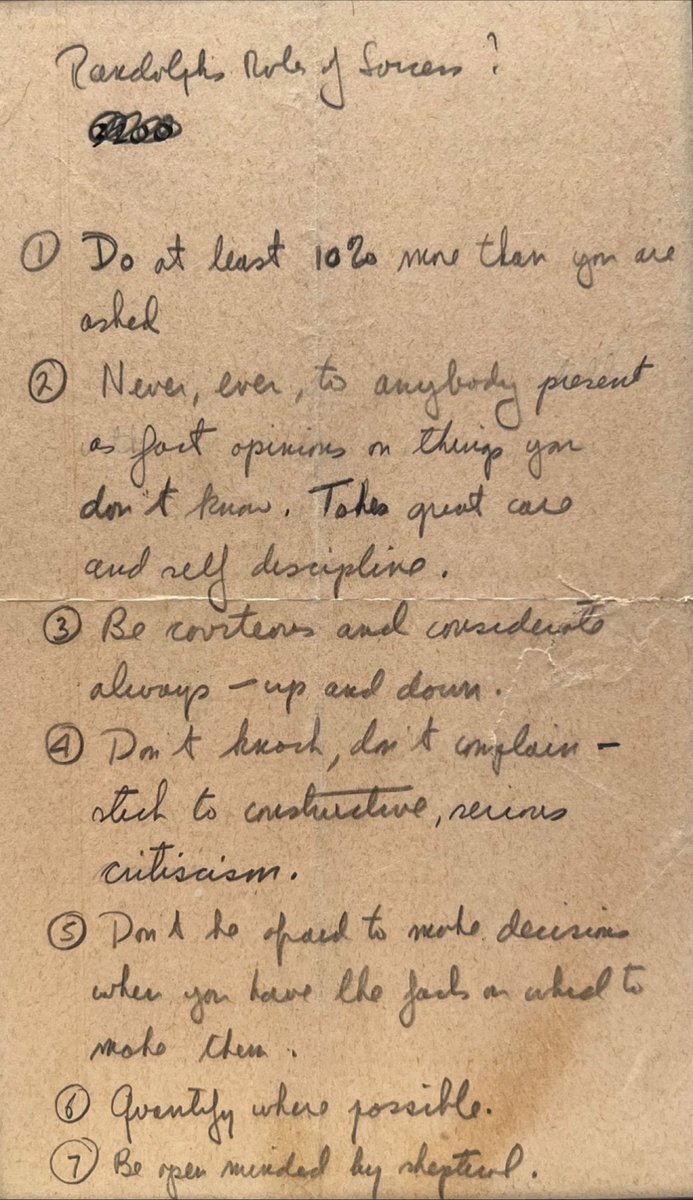
When I was twenty-one years old, fresh out of college and about to start my first job, my father gave me a handwritten list of instructions.
Here are my dad’s rules for success:
> Do at least 10% more than you are asked.
> Never, ever, to anybody, present as fact, opinions on things you don’t know. Take great care and discipline.
> Be courteous and considerate always— up and down.
> Don’t knock, don’t complain—stick to constructive, serious criticism.
> Don’t be afraid to make decisions when you have the facts on which to make them.
> Quantify where possible.
> Be open-minded but skeptical.
> Be prompt.
I’ve passed these same rules on to my own children and the original copy hangs next to my bathroom mirror.
54
401
3,774
265,652

NigelRTG retweeted

28 Nov 2025
I was surprised with a video of American RnB legend @JoeThomas4real vibing to my song #Huya. I’m absolutely humbled. 🖤✨🌴
New music dropping on the 9th of December ⏳
28
124
898
126,048
NigelRTG retweeted

19 Nov 2025
Historic Moment: The Inspiring Installation of Dr. Tsitsi Masiyiwa as Chancellor of Amref International University!
33
125
491
58,259
NigelRTG retweeted
14 November 1997.
Its been 24 years, where were you?
I was in form 3 at Bonda. Lets just say my tuck changed the next term in 1998.
My warvet uncles purchased a red BMW & a Kuwadzana house respectively. Both are now late, the one with the house - his family still lives in it

47
16
79
NigelRTG retweeted

27 Oct 2025
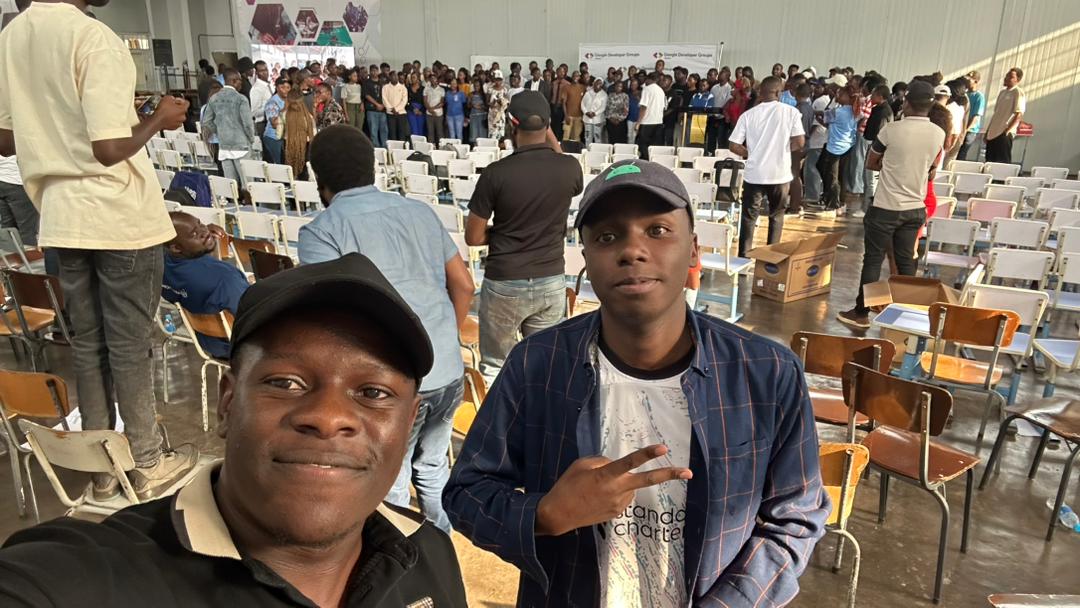
DevFest 2024: Won $1,000
DevFest 2025: Got a job offer
Networking works
80
206
4,202
78,876
NigelRTG retweeted
24 Oct 2025
It's hard being a leader.
Especially in an early stage company, where leadership often requires that every few weeks you have to make a pivotal, game-changing decision based on incomplete, inconclusive, or ambiguous information.
In my book That Will Never Work, I write about the brutal decision we made early on at Netflix to stop selling DVDs, which at the time accounted for 95% of our revenue, and focus entirely on making our nascent rental business successful.
I leave one important detail out: the name of my mentor, a deeply experienced leader who provided indispensable advice and gave me the confidence to move forward with a non-intuitive decision. Alright. I'll tell you. It was Ernest Shackleton.
The British polar explorer got trapped in Antarctic pack ice in 1915, and faced an impossible choice on his ice floe "Ocean Camp": stay comfortable until the inevitable happened and the floe broke apart, or abandon it while his men were still strong and attempt a desperate 800-mile journey across stormy Antarctic seas in open lifeboats.
Seventy-five years later, just one year into the Netflix experiment, we faced a similar choice: Should we keep selling DVDs until Amazon got into the game, and that comfortable existence slowly but surely disappeared?
Or abandon our comfortable perch and invest all our efforts in rental, a completely unproven market?
As I wrestled with how the company should proceed, I thought back to Shackleton on the ice floe.
The great explorer eventually decided that his best opportunity to save his crew was to take the chance, no matter how slim the odds. In April of 1916, he and his men finally left Ocean Camp behind, setting off on one of the most remarkable stories of survival and leadership ever. Netflix, too, piled everything into open boats, abandoned the deceptively comfortable business of selling DVDs, and bet everything on rental.
Shackleton's lesson to me was as a simple one—and something that I have taken to heart ever since.
It's far better to take the long shot at uncertain but momentous success, than to take the sure shot at mediocrity.
Or to put it somewhat differently, it's when you're most comfortable that you're most vulnerable.
Shackleton ended up coming ashore in hurricane-force winds, thirty-two miles from the whaling station where he'd find respite and rescue.
He and his men traveled the last leg of the journey over mountainous Antarctic terrain, armed only with a carpenter's adze and fifty feet of rope.
But they made it. And although no one at Netflix had to pick up an oar, chop through ice, or hammer nails into the bottoms of their shoes to grip the terrain of the South Pole, I like to think that we did, too.
16
16
179
17,140


NigelRTG retweeted

23 Oct 2025
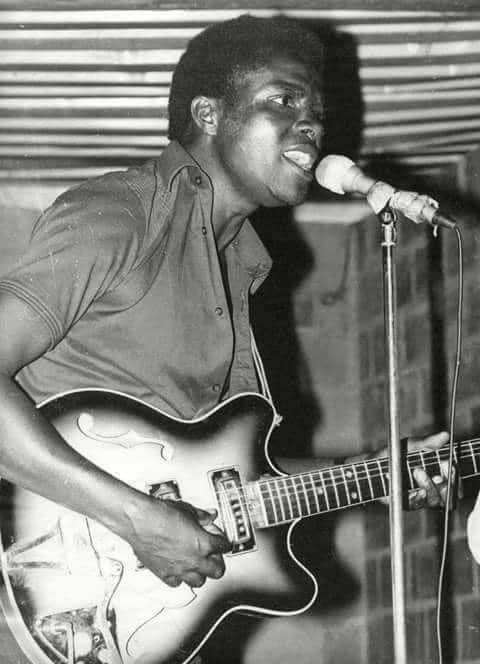
Sinyoro or Bindura as we called James Chimombe left the Earth on this day in 1990. What a musician! He was one of the finest to ever do it. My guy also lectured at the Zimbabwe College of Music. Its a good day to listen to his hits
Siya waoneka
Kudakwashe
Muchiti mugere
Munakandafa
Jemedza
Zviro zviedzwa
Mukwasha
Jikinya
Masutu
22
14
84
9,488
NigelRTG retweeted

19 Oct 2025
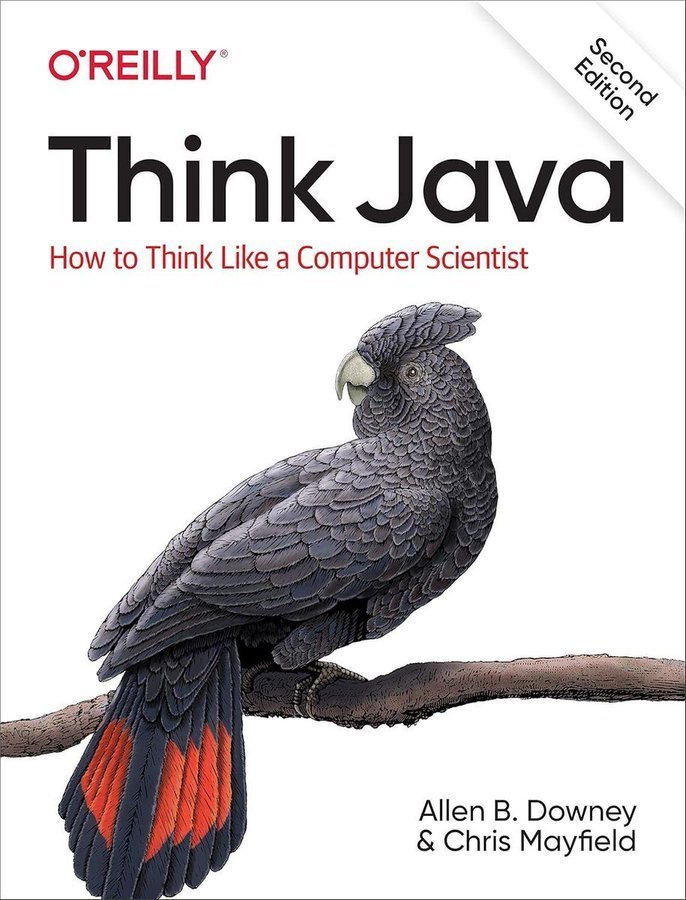
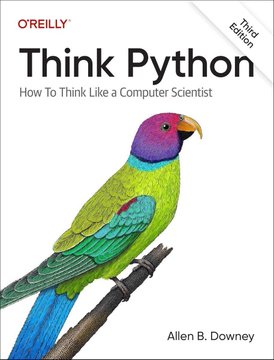
"Think Python" "Think Java"
- FREE from O'Reilly
BEST Python & Java book for absolute beginners.
To Get it:
1. Follow me (so that i can DM you
2. Repost
3. Comment "MIT"
530
466
2,109
176,456
NigelRTG retweeted
4 Oct 2025
FYI. Voice memos drive me crazy. They shift all the work from sender to receiver.
You hit record and ramble for 3 minutes while I’m stuck listening with no way to skim.
You’re trading YOUR efficiency for MY time, and if you keep choosing your convenience over mine, don’t be surprised when I stop opening your messages altogether.
1,010
945
12,113
1,432,307
NigelRTG retweeted

10 Sep 2025
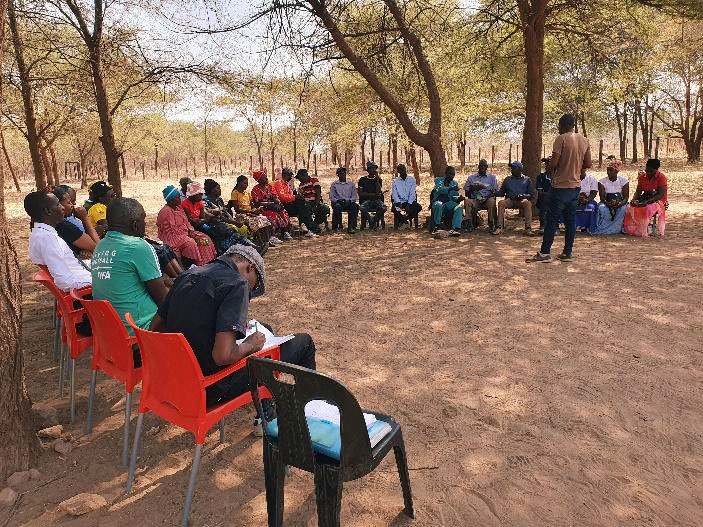
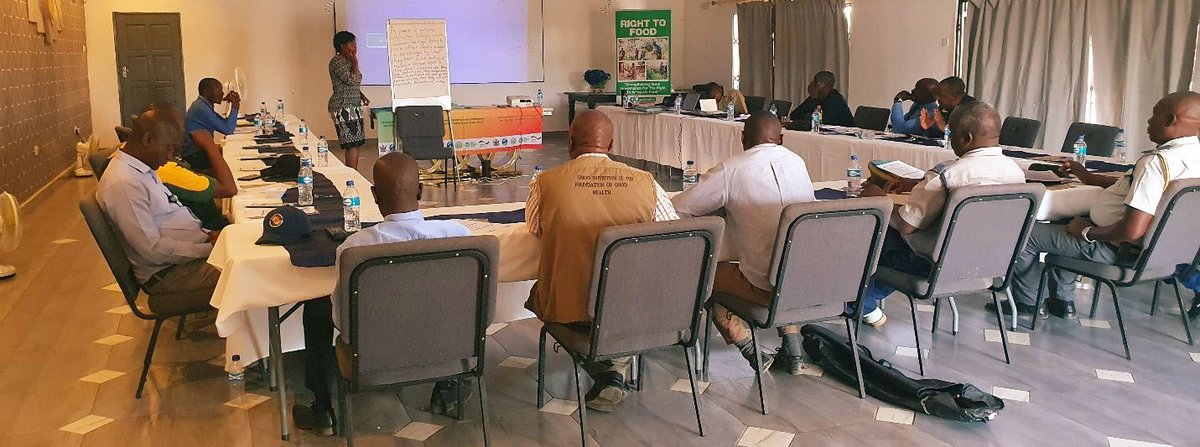
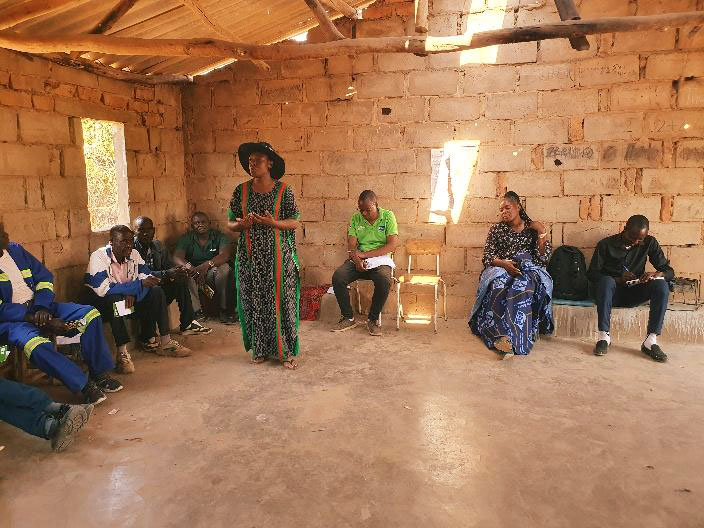
We recently partnered @CCMTZimbabwe & @CtdtZimbabwe in Gokwe South to help the government set up dialogue platforms on food security & the #RightToFood. These inclusive spaces connect communities & duty bearers, advancing 🇿🇼’s path to #ZeroHunger & national development.
1
5
161

RT @publichealthbae: My PhD is on pregnancy induced hypertension and hypertensive disorders of pregnancis in general.
I stay reading day i…
59
NigelRTG retweeted

31 Jul 2025
Worship God not because you feel like it, but because He’s worthy—always. In every season, your worship invites His presence, releases His blessing, and brings your life under His rulership.
Watch sermon on YouTube: youtu.be/MDTRQlyAl_Y
#bishoptudorbismark #SystemsOfMinistry
1
24
152
3,402
NigelRTG retweeted
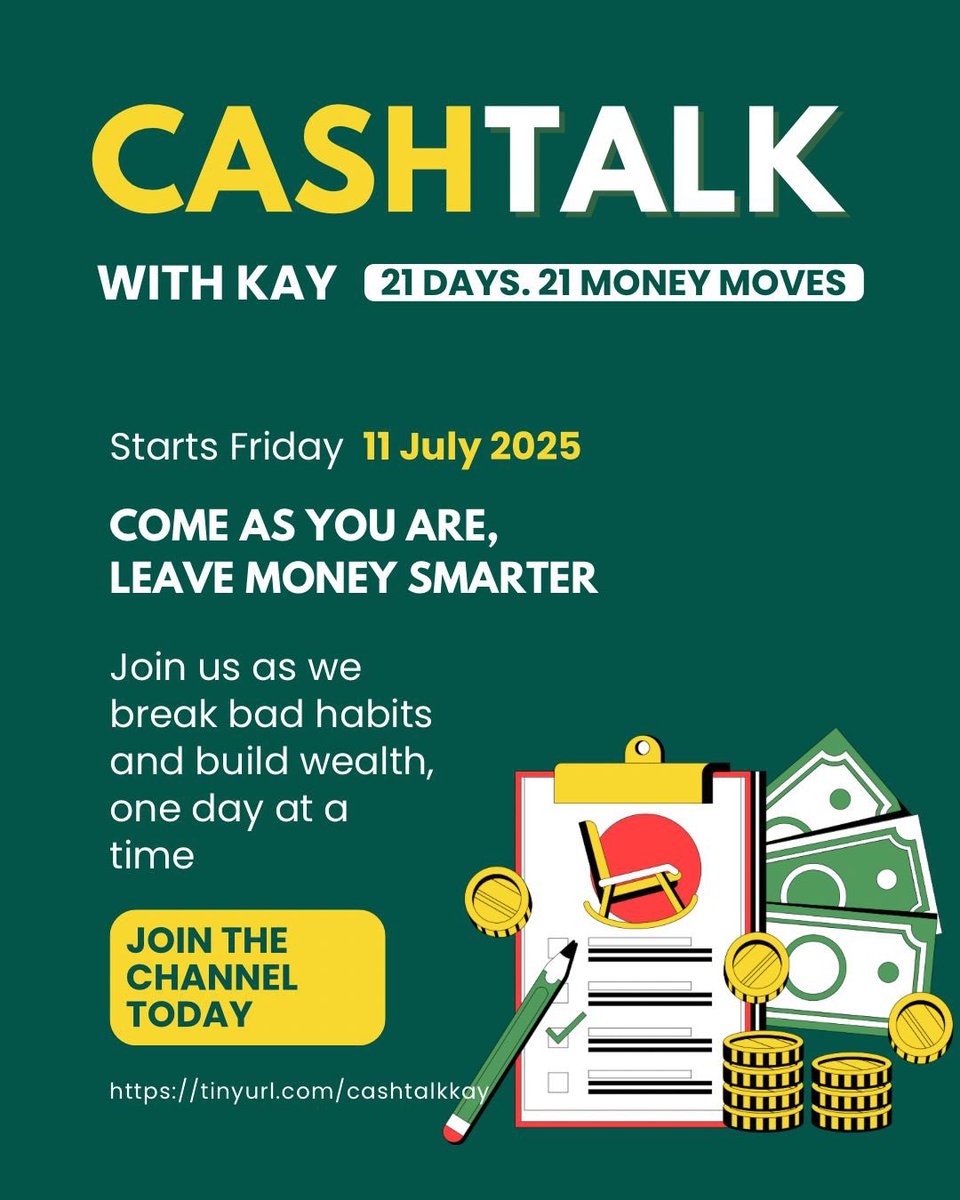
💸 Want to get smarter with your money in 21 days?
#CashtalkWithKay drops daily tips, tools & reflections - we are almost one week in, and it’s not too late to join here: tinyurl.com/cashtalkkay
It’s fast, fun & financial, under 30 mins a day.
#itwillendinwealth
7
13
4,356
NigelRTG retweeted

7 Jul 2025
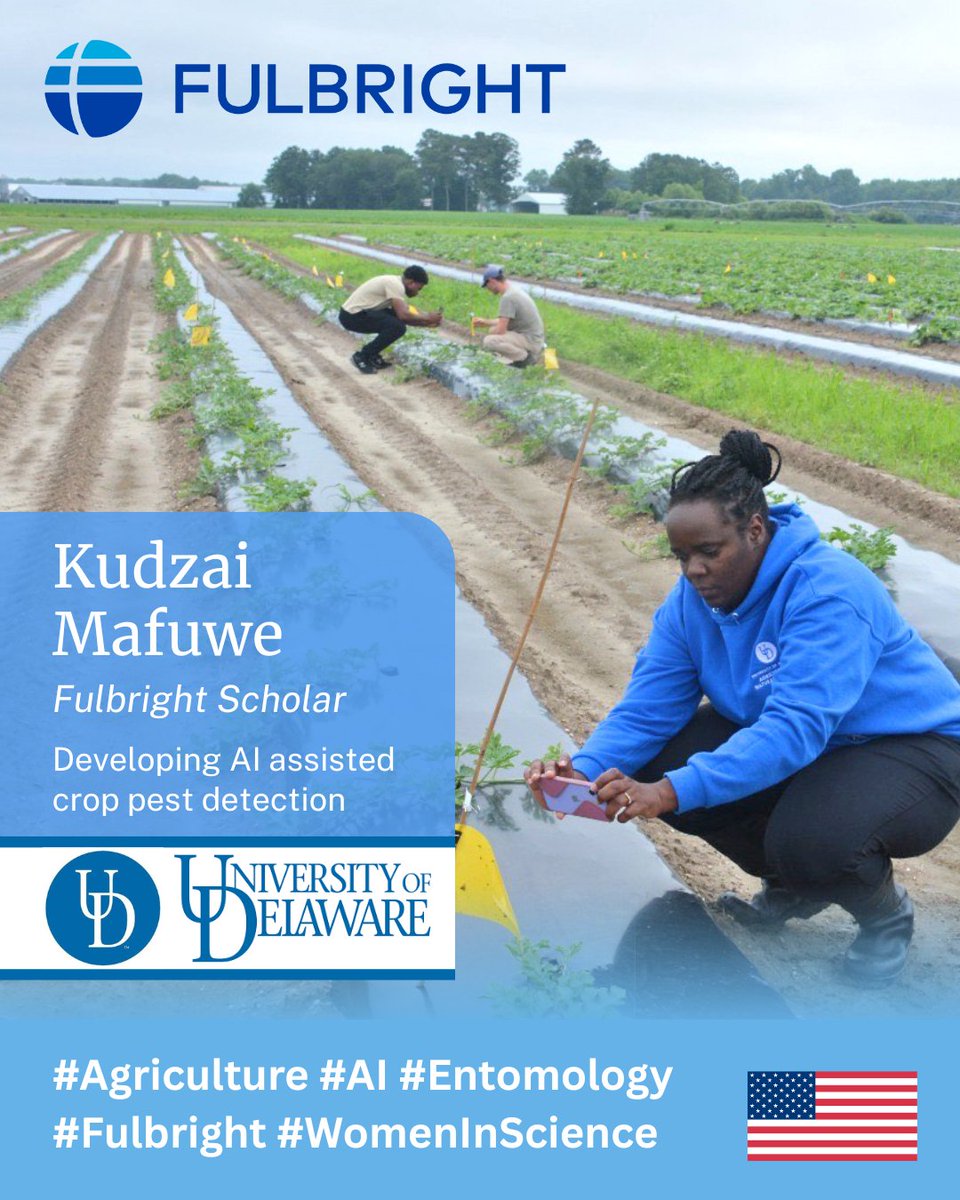
Meet Kudzai Mafuwe, a Ph.D. student at the University of Delaware, using AI to revolutionize agricultural pest management! 🌾🦟 She spent 2 years training her AI model to detect pests in crops, easing the burden on crop-scouts. Inspired by her work at the Natural History Museum in #Zimbabwe, she saw the potential to digitize collections for farmers. As a Fulbright Scholar, Kudzai plans to share her knowledge and mentor Zimbabweans in agriculture and entomology. 🌍👩🔬
@UDelaware
11
57
221
12,519
NigelRTG retweeted
15 Jun 2025
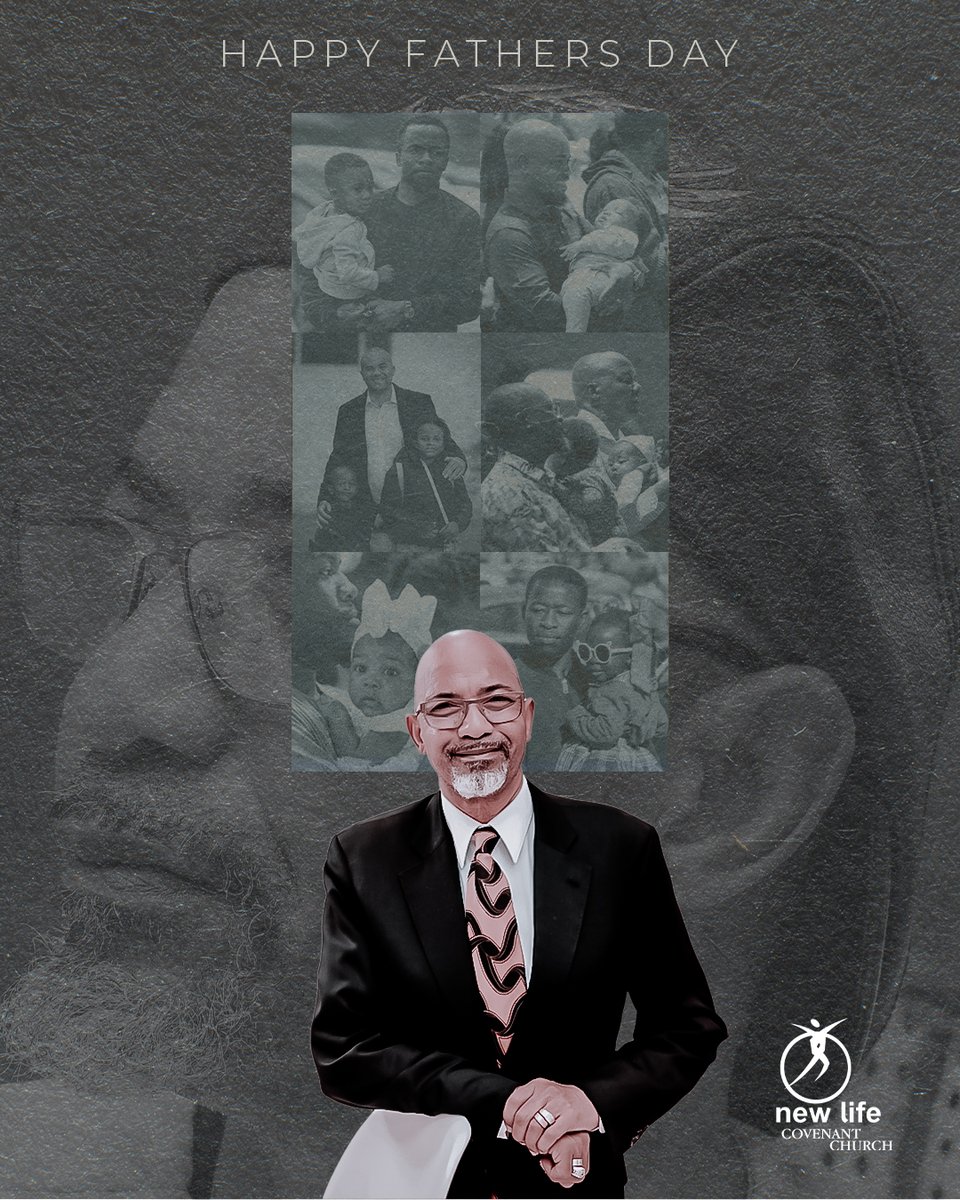
To dads who:
💪 Stand firm in storms
🙏 Pray through pain
🛡️ Protect despite their own wounds
❤️ Love unconditionally
Your strength inspires us!
Special blessing to our covering, Bishop Tudor Bismark—thank you for your spiritual fatherhood!
#HappyFathersDay #BishopTudorBismark
3
13
120
3,229