
Joined February 2009
- Tweets 2,617
- Following 428
- Followers 457
- Likes 6,359
295 Photos and videos

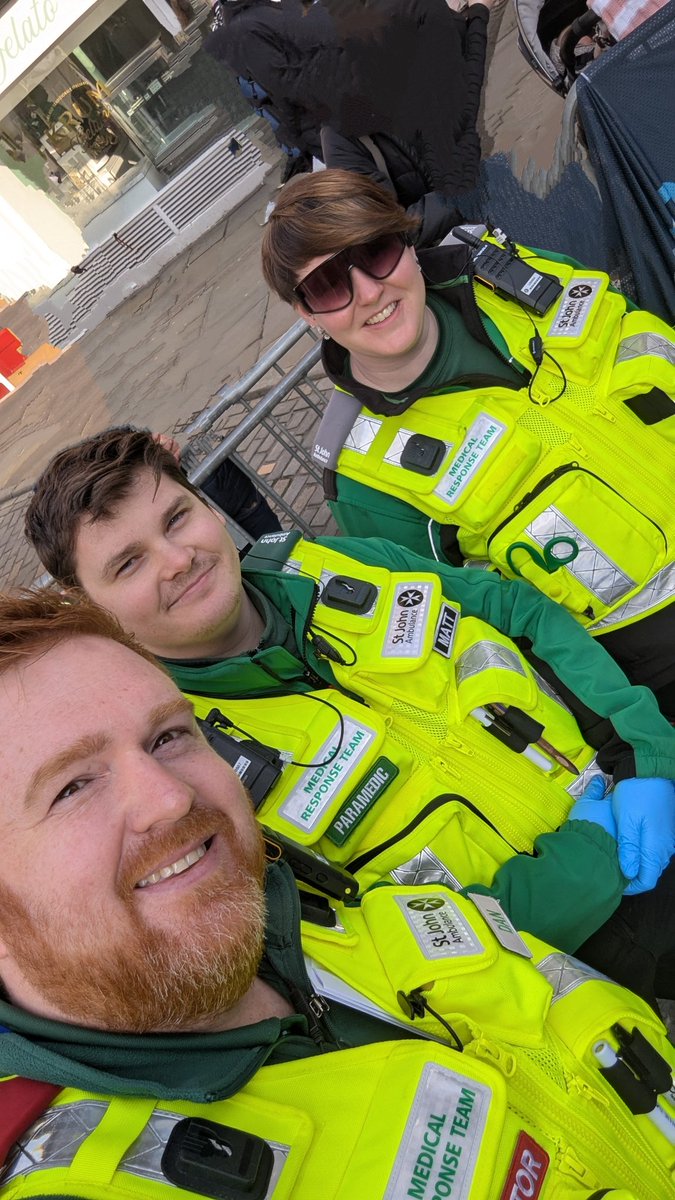

Daniel Last 🤨 retweeted

May 31
What on earth am I supposed to do with a QR code that is posted online or emailed me? Scan it with my second phone? Just share the link!
134
1,415
8,378
490,767

May 25
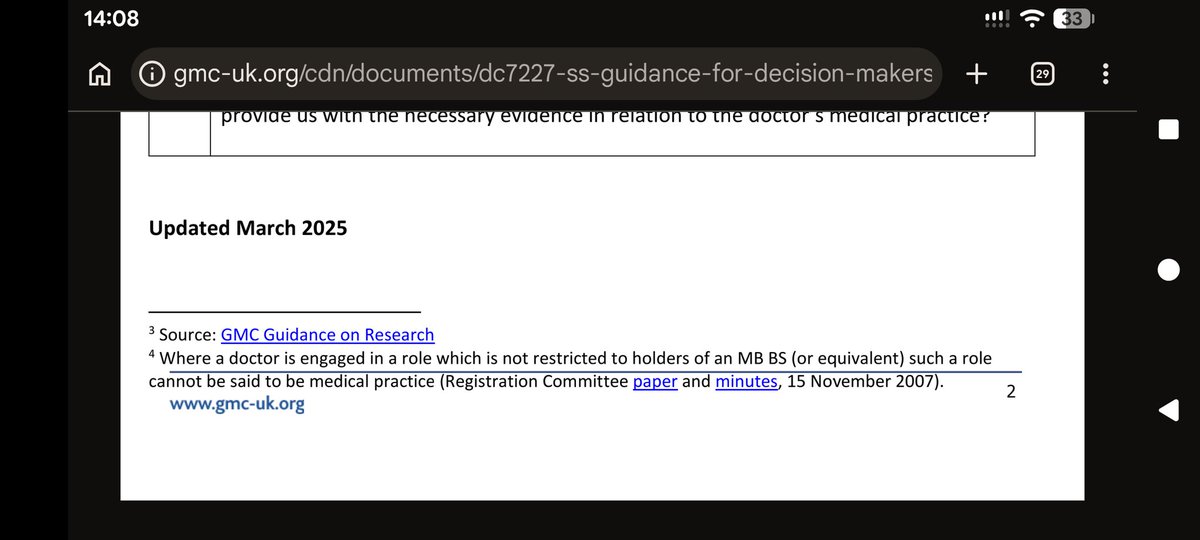
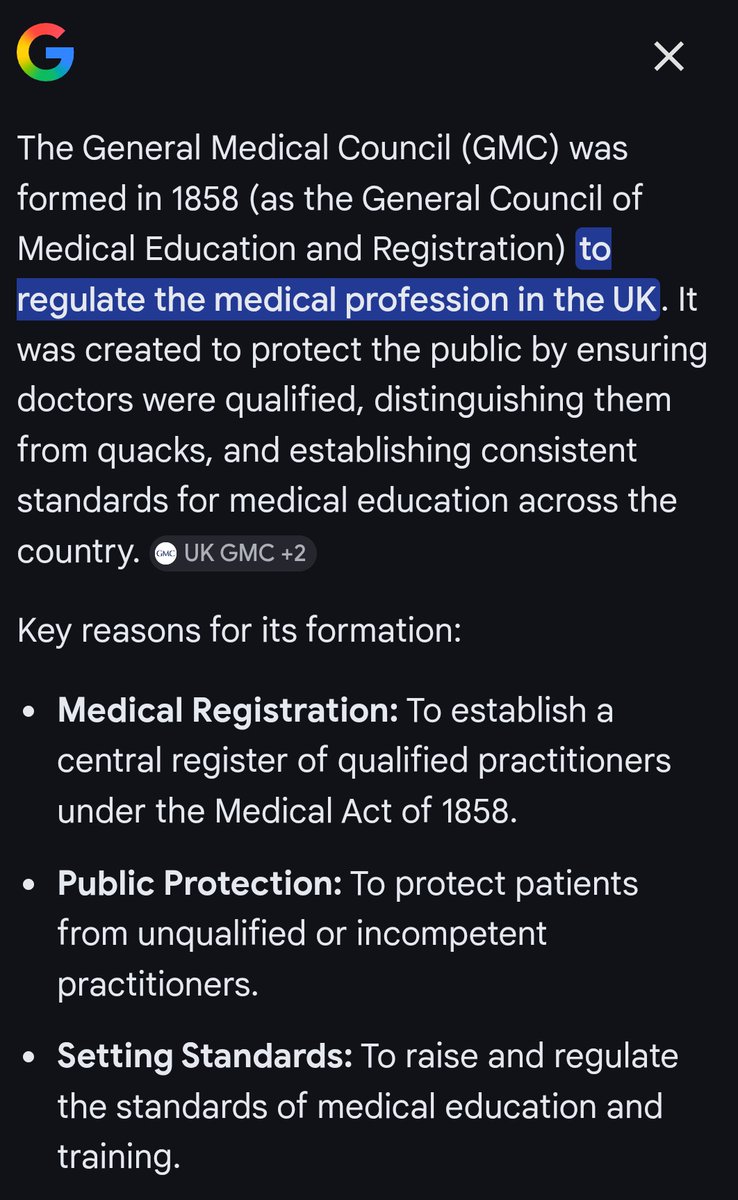
gmc-uk.org/-/media/documents…
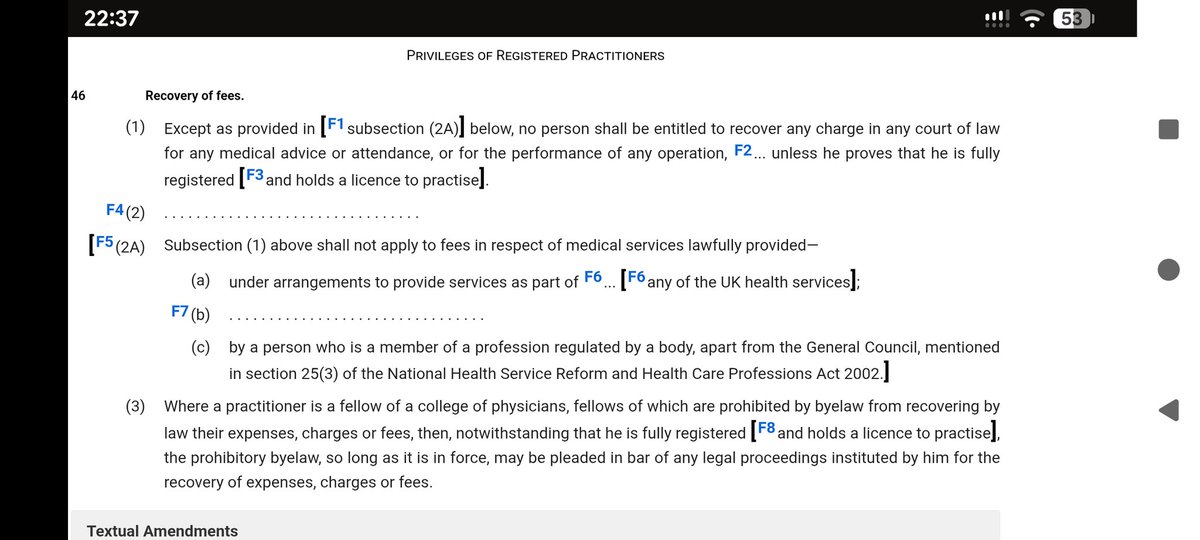
'Medical practice' is now a couple form signings and some MH assessments?
3
7
1,111
Daniel Last 🤨 retweeted

May 11
Me in full flight.
Talking about Acute and Emergency Medicine in the UK. And why it is a total mess. At the recent GoodEM Conference on flow in Sydney.
vimeo.com/1182168439
14
45
100
63,391
Laughs in northern.
May 3

🚨 NEW: Pint prices have hit £10 for the first time in London
[@Telegraph]
1
103
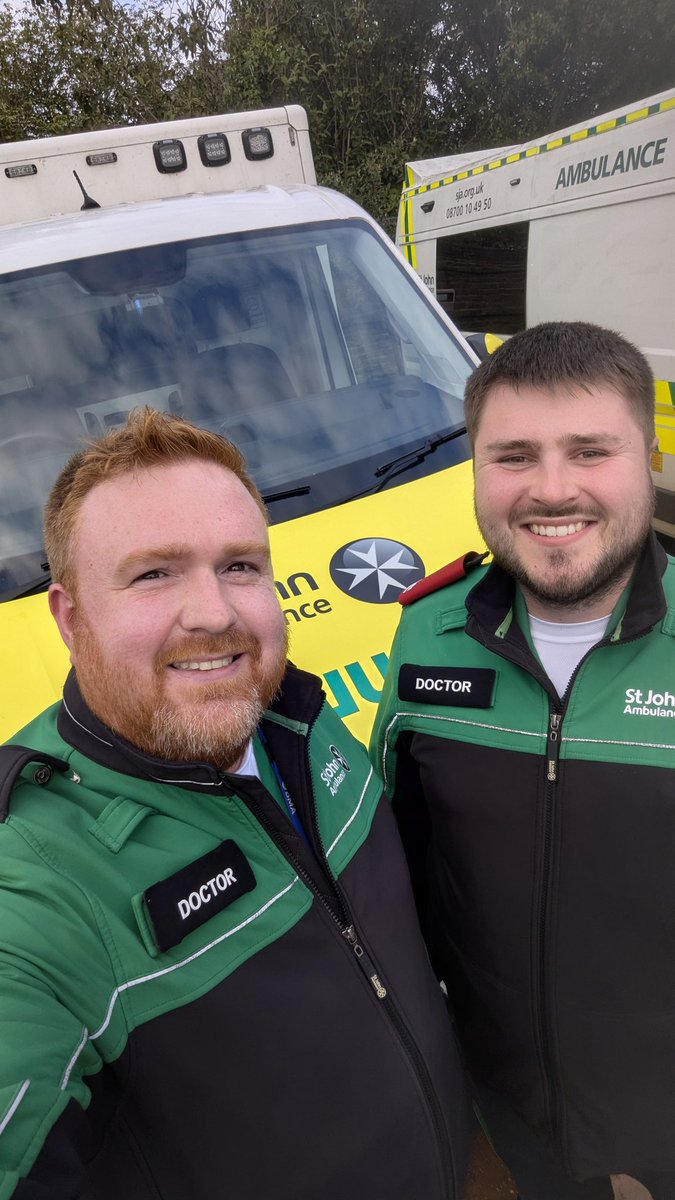
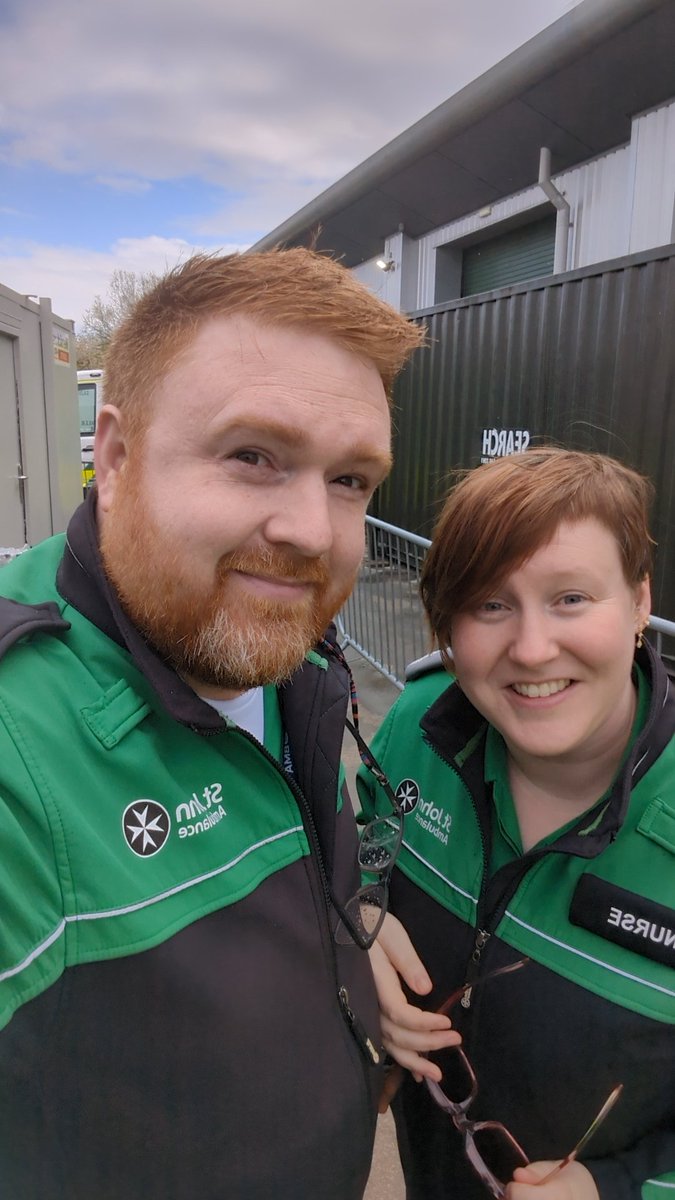
... Aland that's the end of a Double Doctor DCA Day with @JamesDud789 for @stjohnambulance
1
3
16
727
Apr 26
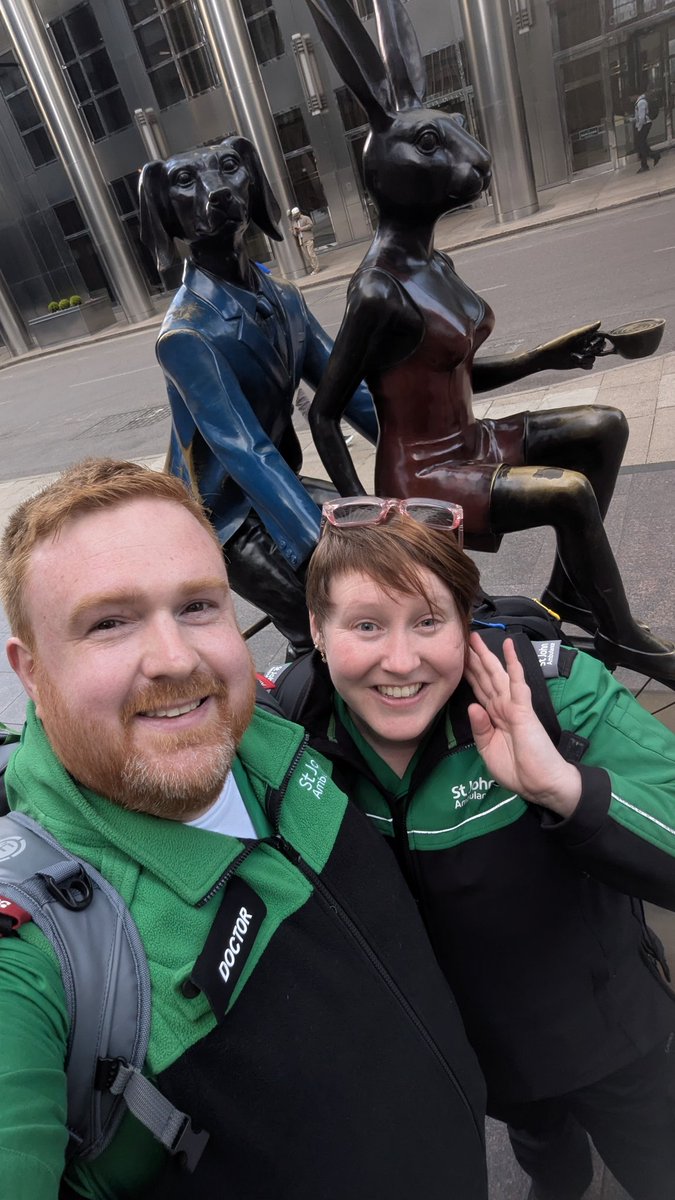
And that's it from the London Marathon this year.
Great day working with colleagues from London, Wales and Northern Ireland.
1
1
6
245
Apr 18
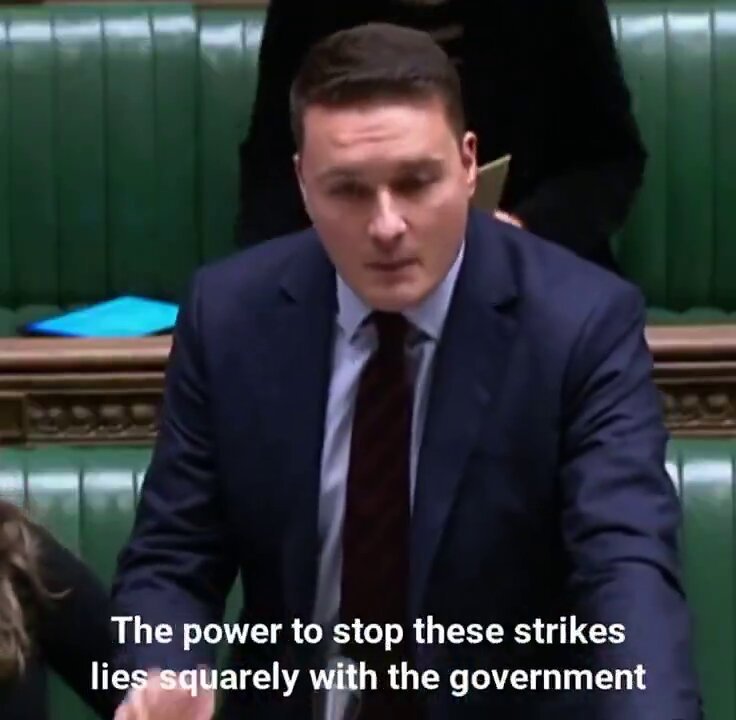
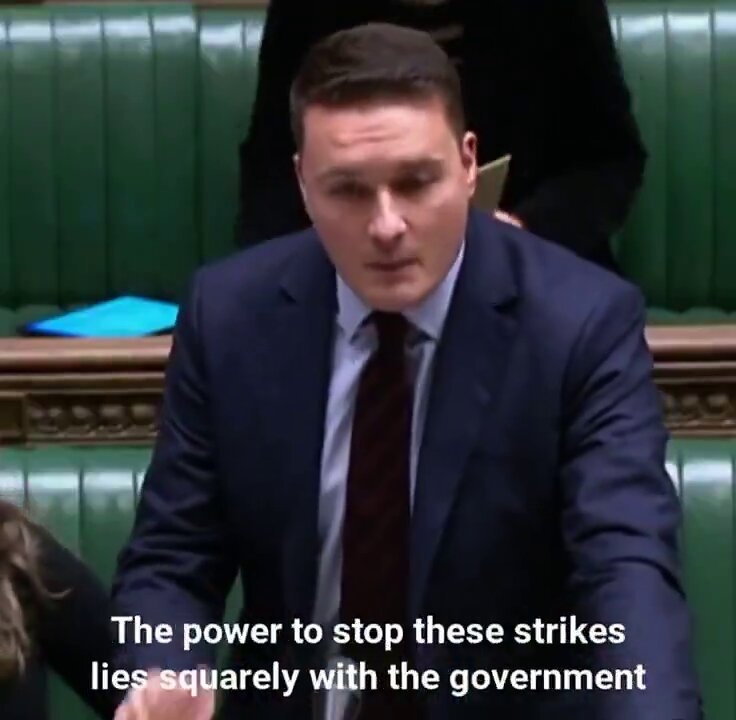
Streeting: "I want more working class doctors"
Public "you will make more jobs then?"
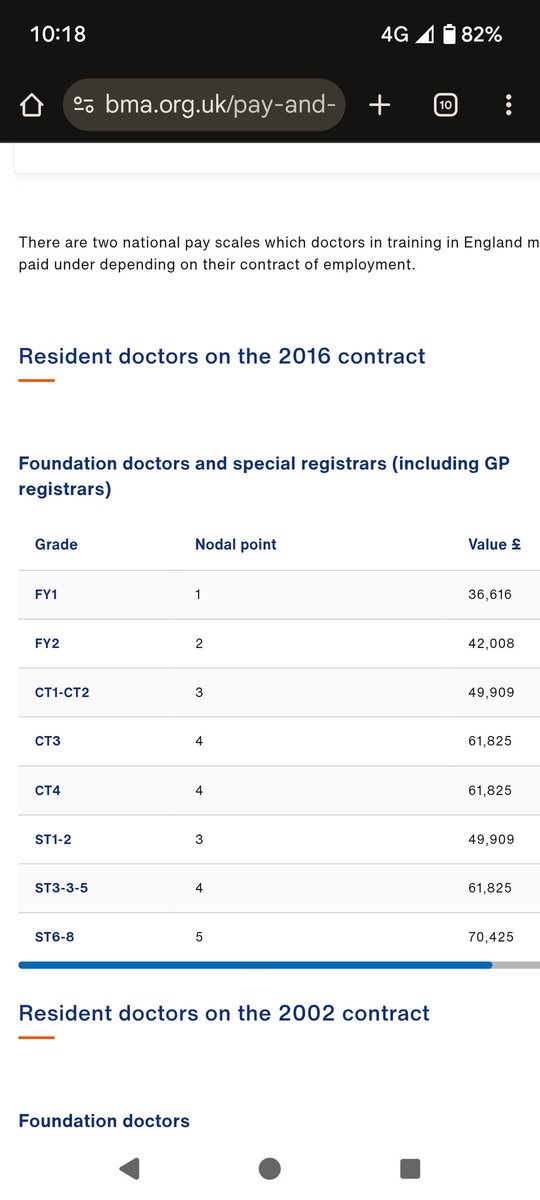
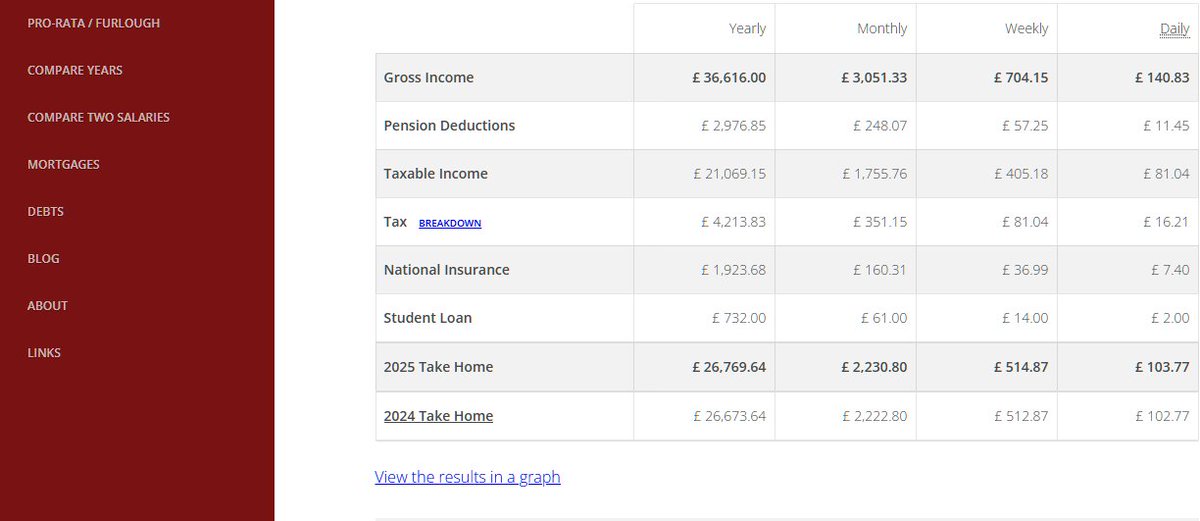
Streeting "no, I mean I want to pay doctors so.poorly that they can't claim to be middle class anymore"
1
67
Apr 10
A doctor and an ACP go out to an event...
Lovely day out yesterday with colleagues from @sjamerseyside and further afield providing event healthcare at the Grand National
1
4
221
It's only medical practice if it comes from the GMC registered doctor region, otherwise it's just sparkling *healthcare*
84

Daniel Last 🤨 retweeted

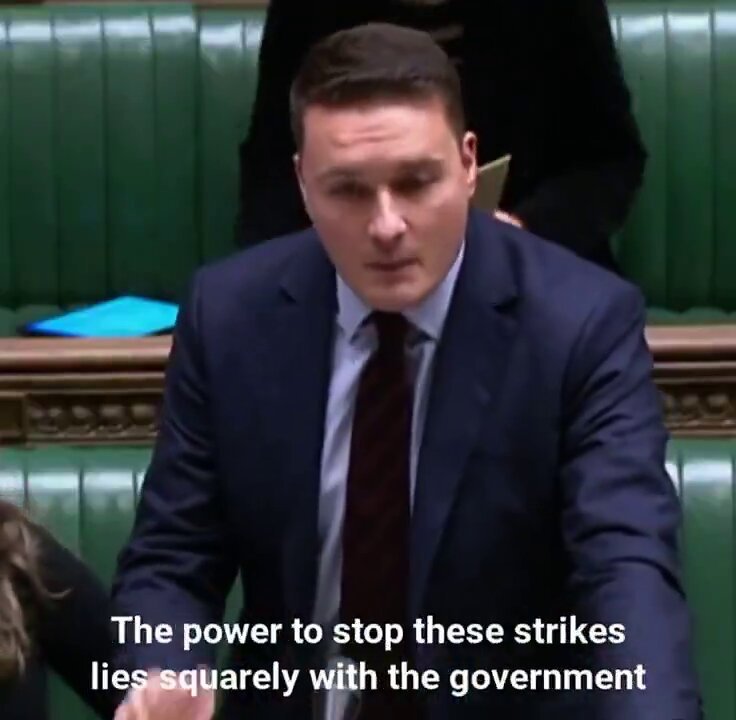
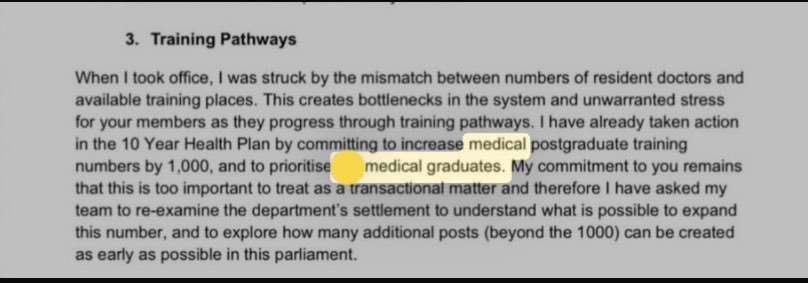
You lied @wesstreeting
‘When I took office I was struck by the mismatch between the numbers of resident Drs & available training places. My commitment to you remains that this is too important to treat as a transactional matter.’
3
19
49
485
Mar 27
Nice lil email from Wes hitting the inboxes.... Be interested to hear the BMA's side of things...
1
75
Daniel Last 🤨 retweeted

The draft GMC Order 2026 consultation just dropped. Buried in it is a fundamental change to who can be awarded a Certificate of Completion of Training (CCT).
This matters enormously. Let me explain why.
Mar 26

The new GMC Order is undergoing consultation.
The GMC is seeking to remove the speciality register and decide by themselves who should be issued a CCT. This right is currently protected in law.
This is the last hurdle before the GMC will be able to issue CCTs to PAs.

34
347
568
171,118
Feb 27
BMA sending out "can we check your details" emails.
I assume the talks aren't going well then?
101
Daniel Last 🤨 retweeted

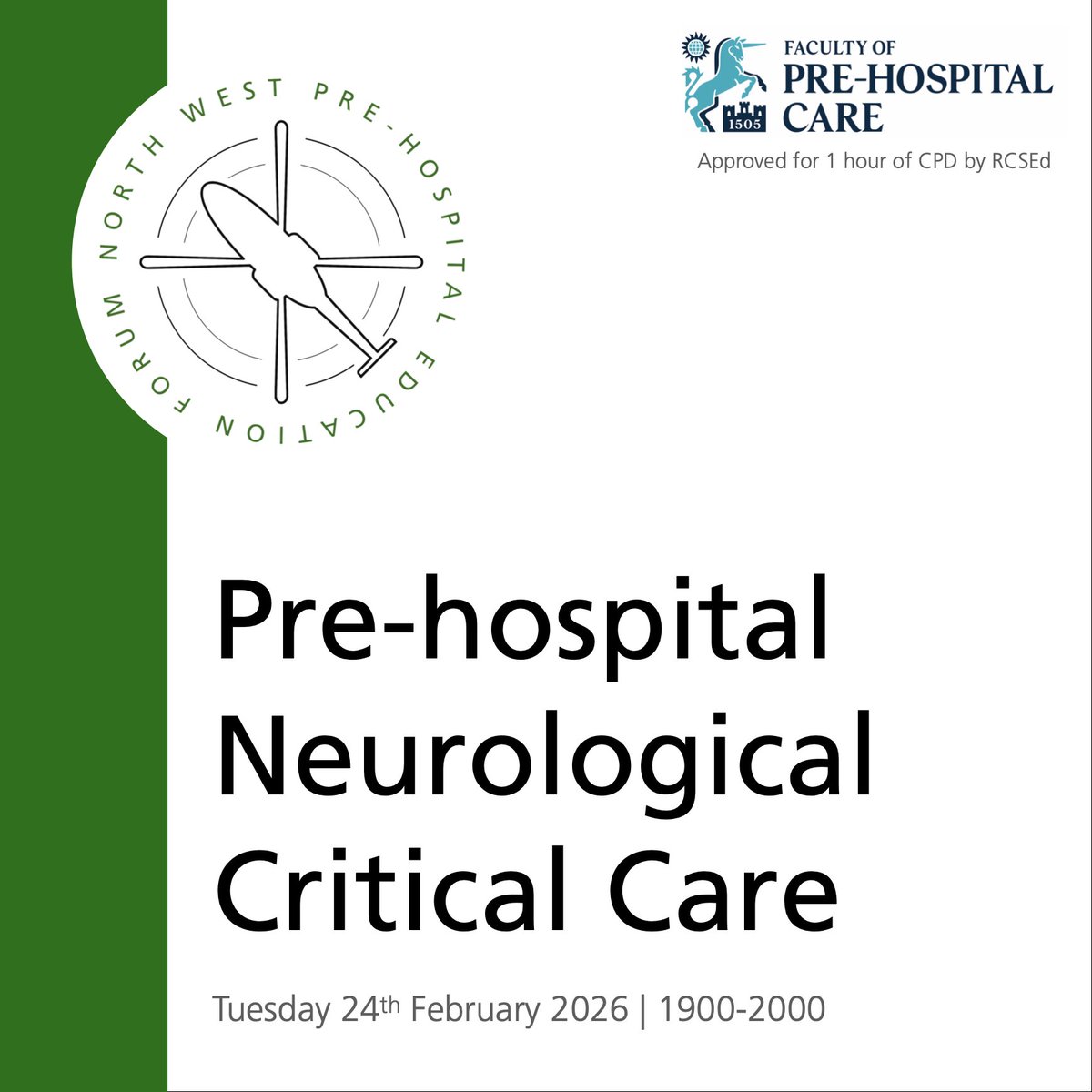
Have you registered for our next webinar?
🧠 Webinar: Pre-hospital Neurological Critical Care
🗓 Date: Tuesday 24th February 2026 19:00–20:00
🎙 Speaker: Prof Simon Carley - EM, PHEM and Major Trauma Consultant
🔗Registration: forms.gle/KnK45hesuyXB3tCg7
1
2
7
1,235
Daniel Last 🤨 retweeted

22 Dec 2025
I want to explain to constituents why I’m supporting resident doctors who are taking strike action.
I know strikes are unpopular with many people. I understand that. When doctors strike, it can feel worrying or frustrating, especially when it affects patients and their families. No one takes that lightly, least of all doctors themselves.
But if we care about the NHS and want it to survive and improve in the long term, we have to understand why this is happening.
Resident doctors are fully qualified doctors. They do much of the day-to-day work in our hospitals. They diagnose illness, treat patients, work nights and weekends, and keep services running. From the moment they enter medical school to becoming fully qualified specialists, they train for around 10 to 15 years.
Most leave university with £70,000 to £100,000 or more in student loan debt. That debt builds interest and, for many, follows them for much of their working lives. We are asking people to take on enormous personal financial risk in order to serve the public in one of the most demanding professions there is. That should give us pause.
For the past 15 years or so, resident doctors’ pay has fallen sharply in real terms (see the attached graph), while workloads and pressures have increased. This is not disputed. Many are exhausted, burnt out, and struggling with housing and childcare costs. Unsurprisingly, growing numbers are leaving hospital medicine, moving abroad, or leaving the profession altogether.
That is not just a problem for doctors. It is a problem for patients.
When doctors are overstretched and exhausted, risks increase. When doctors leave the NHS, waiting times lengthen. When staff turnover is high, continuity of care breaks down and trust suffers. And when training becomes unattractive, we end up with fewer experienced doctors in the years ahead.
In other words, doctors’ working conditions shape patients’ care.
Doctors do not strike lightly. They would far rather be caring for patients. But many feel this is the only remaining way to protect the future of the NHS and prevent it being hollowed out by burnout and staff shortages.
Supporting resident doctors is not about taking sides. It is about recognising that a safe, publicly run health service depends on valuing the people who keep it going. That means doctors, nurses, cleaners, porters, anaesthetists, and administrative staff alike.
But this dispute also reflects something bigger.
Since the 2008 financial crash, many working people have seen real-terms pay cuts while public services were brutally underfunded or completely cut. The public paid the price for a crisis they did not cause, while the rewards at the top recovered far more quickly. It is not unreasonable for people to question whether that settlement is fair or sustainable.
Rather than seeing this strike as an inconvenience, we might see it as something to reflect on. When working people organise to demand fair treatment, it forces politics to confront how our economy works and who it works for.
Because right now, workers, small businesses, sole traders and many others are not getting their fair share of the nation’s considerable wealth, while large corporations, banks and those who already hold assets take far more than their share. That is not the politics of envy. It is simply a statement of reality. And crucially, it is not inevitable. It is the result of political choices, and different choices are possible. This ultimately is what 'change' should mean when it's promised by a Labour government.
Thus, backing resident doctors is about protecting the NHS for the long term. It is also a reminder that if we want a fairer and healthier society, we need an economy that properly values the people who hold it together.
And that's, you.
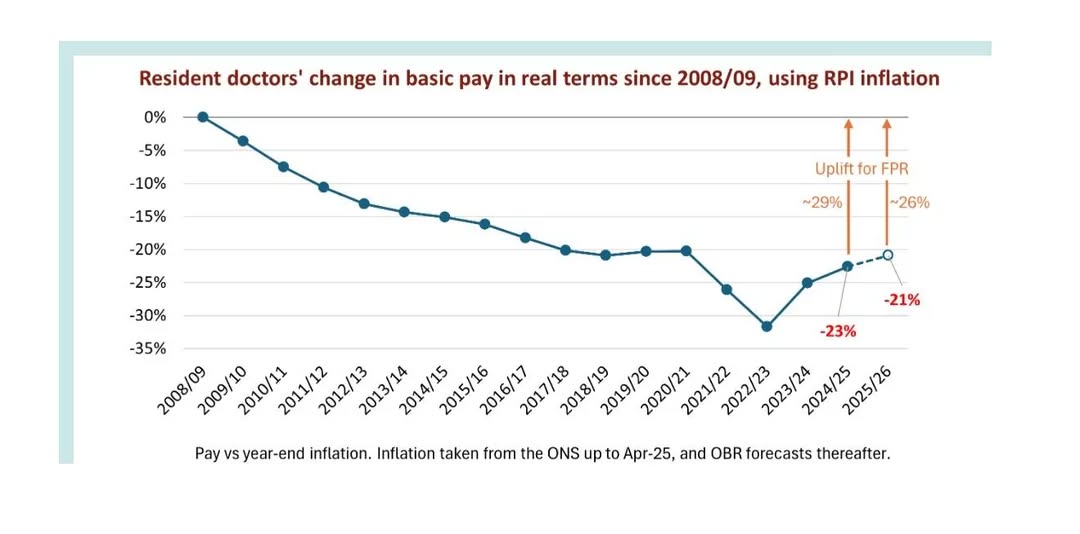
ALT Graph showing resident doctors' change in basic pay in real terms since 2008/09
262
467
1,337
76,943
Daniel Last 🤨 retweeted

12 Dec 2025
The more and more people like you pipe up with comments like this, the clearer it is that many people have zero idea about the reality Resident Doctors face, but insist that your misinformed and pointless opinion should be taken seriously
It just aggravates the situation further
4
17
198
Daniel Last 🤨 retweeted

11 Dec 2025
Brought to you by the Secretary of State that just called us “juvenile delinquents”
🤷♂️
11 Dec 2025

You’re led by someone who thinks breast enlargement can be delivered with the power of his mind.
Wind your necks in.
12
63
501
24,738
11 Dec 2025
Awful offer.
Easy no from me.
Not really sure why it was even taken to membership.
Can BMA leadership please toughen up a bit.
32