
715 Photos and videos


Nitin Prajapati retweeted

Congratulations Sir late Joined your club last year in Aug but never the Late ....
Your Key inputs on Index and Stocks really changed my Trading Style....
ALL THE best for Future 👍
3
3
2,545
Nitin Prajapati retweeted

Jun 14
STOP CHASING TIPS | MASTER THE STRIKE SYSTEM | LIVE WEBINAR WITH VARUN SHETTY x.com/i/broadcasts/1DxLddVvo…
1
8
24
7,566

Apr 30
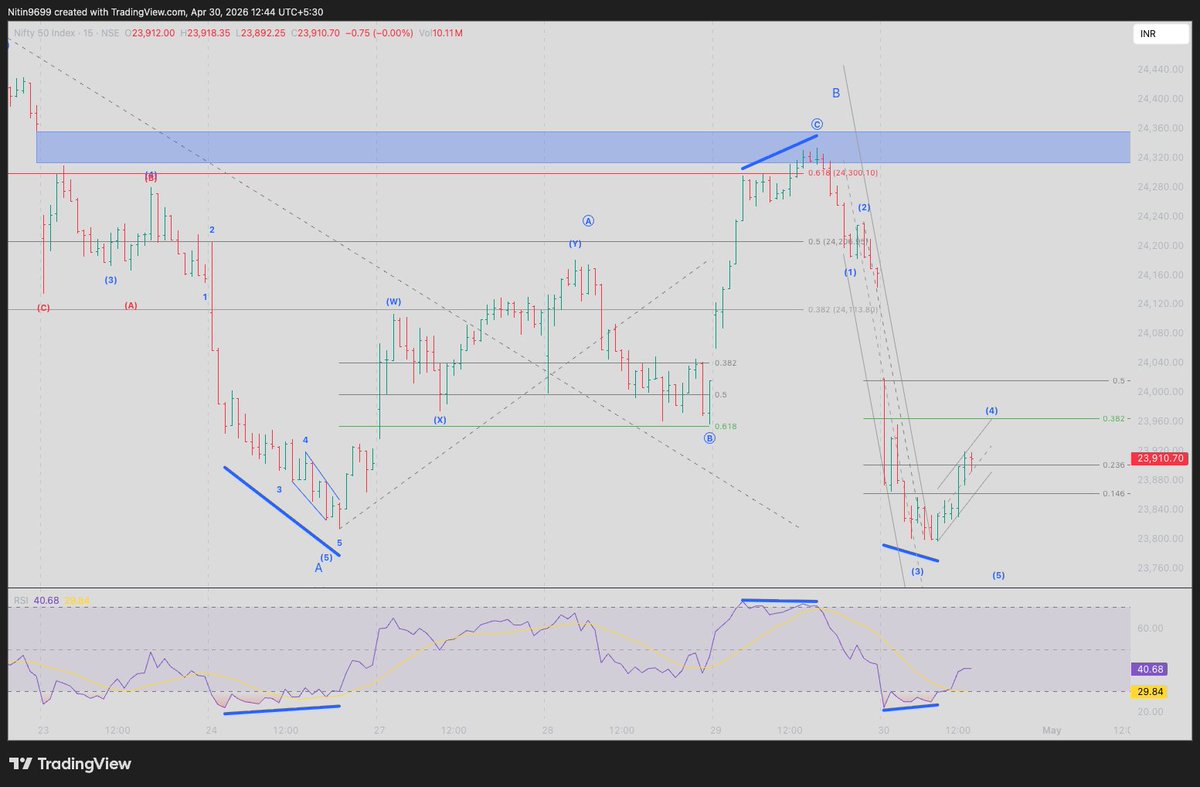
#ElectionResults on 4th May and markets being close tomorrow on 1st May.
24000 CE weekly expiry and
24600 CE monthly expiry
should be considered ?
1
2
78
Apr 21
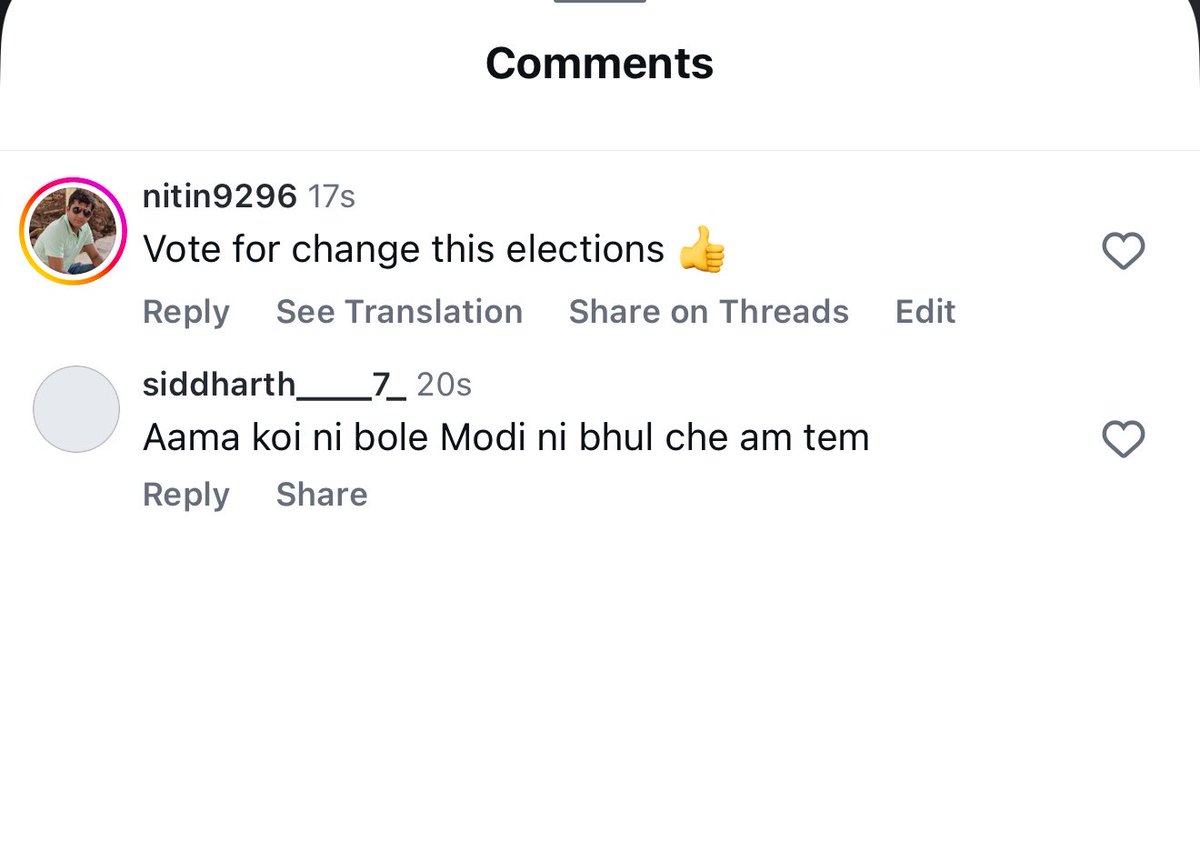
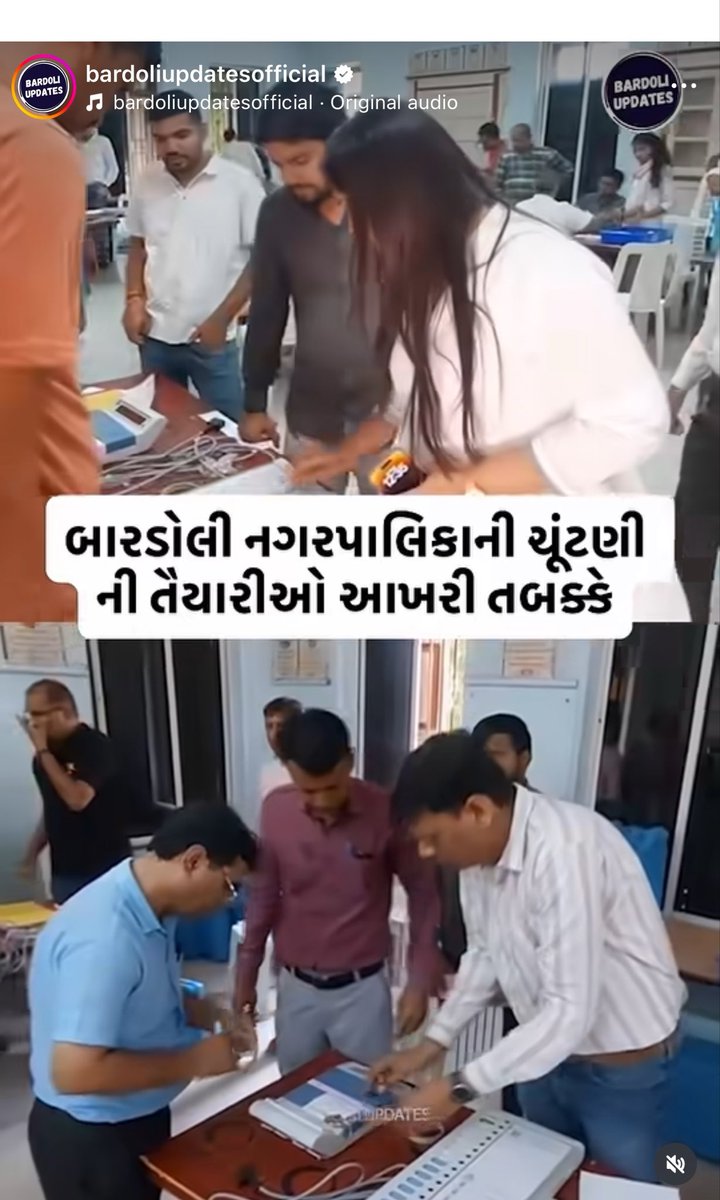
Let’s vote for a change; we can’t let the win for one more time in the name of respected PM NaMo
#GujaratiNews #LocalBodyElections #Bardoli #
48
Apr 10
I’m going to @indiacharts’s upcoming Space. Will you join too? x.com/i/spaces/1vJpPrllZgdJE
Expert speaker @indiacharts
2
2
5,509
Nitin Prajapati retweeted

Mar 31
🚨BIG BREAKING
Ethanol Producers have urged the govt. to increase ethanol blending from E20 to E30 !
Government~ Nitin Gadkari
Ethanol Producer~ Nikhil Gadkari
We all know who is going to benefit after this..Show more
20
184
853
28,655
Nitin Prajapati retweeted
Mar 26
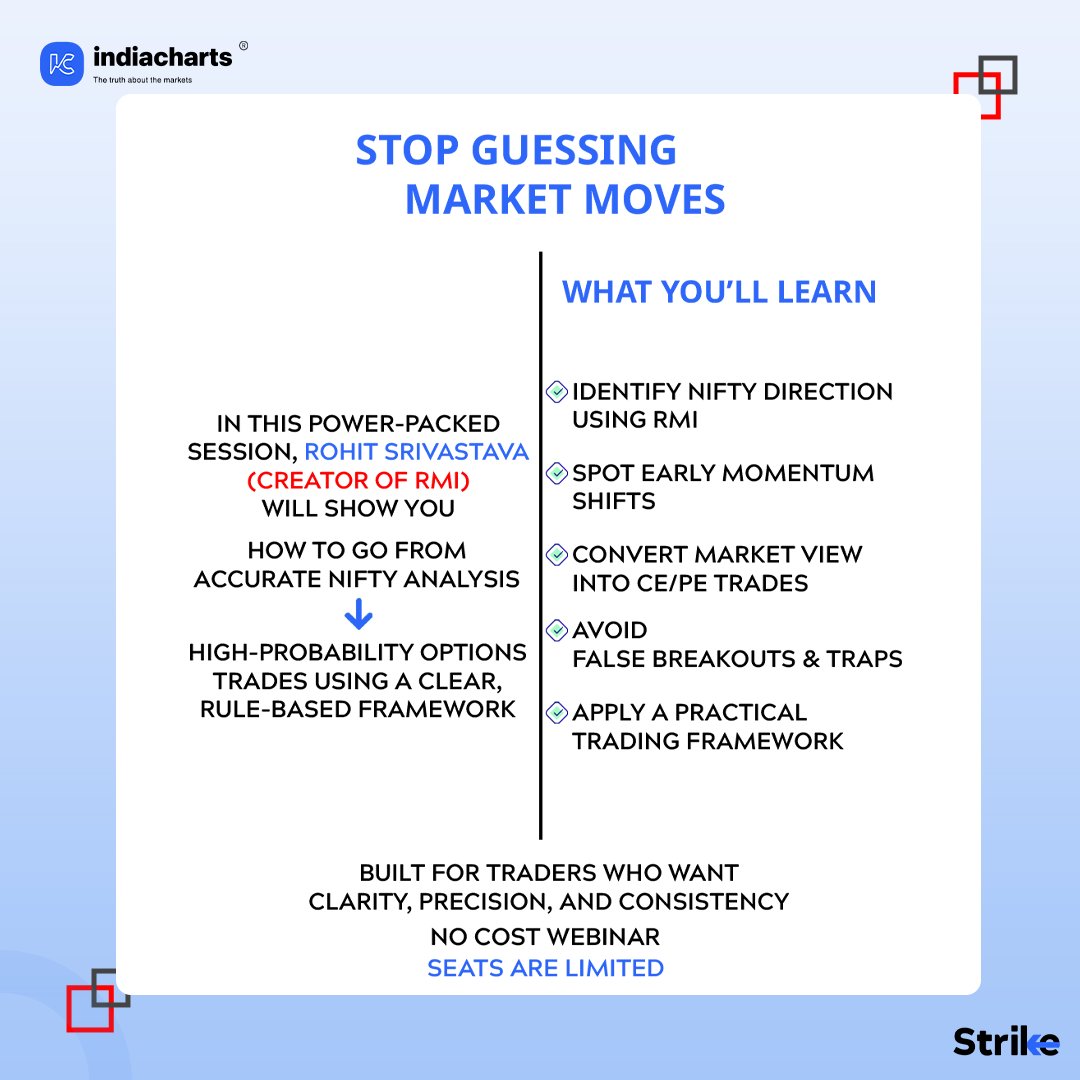
🚨 WEBINAR ALERT 🚨
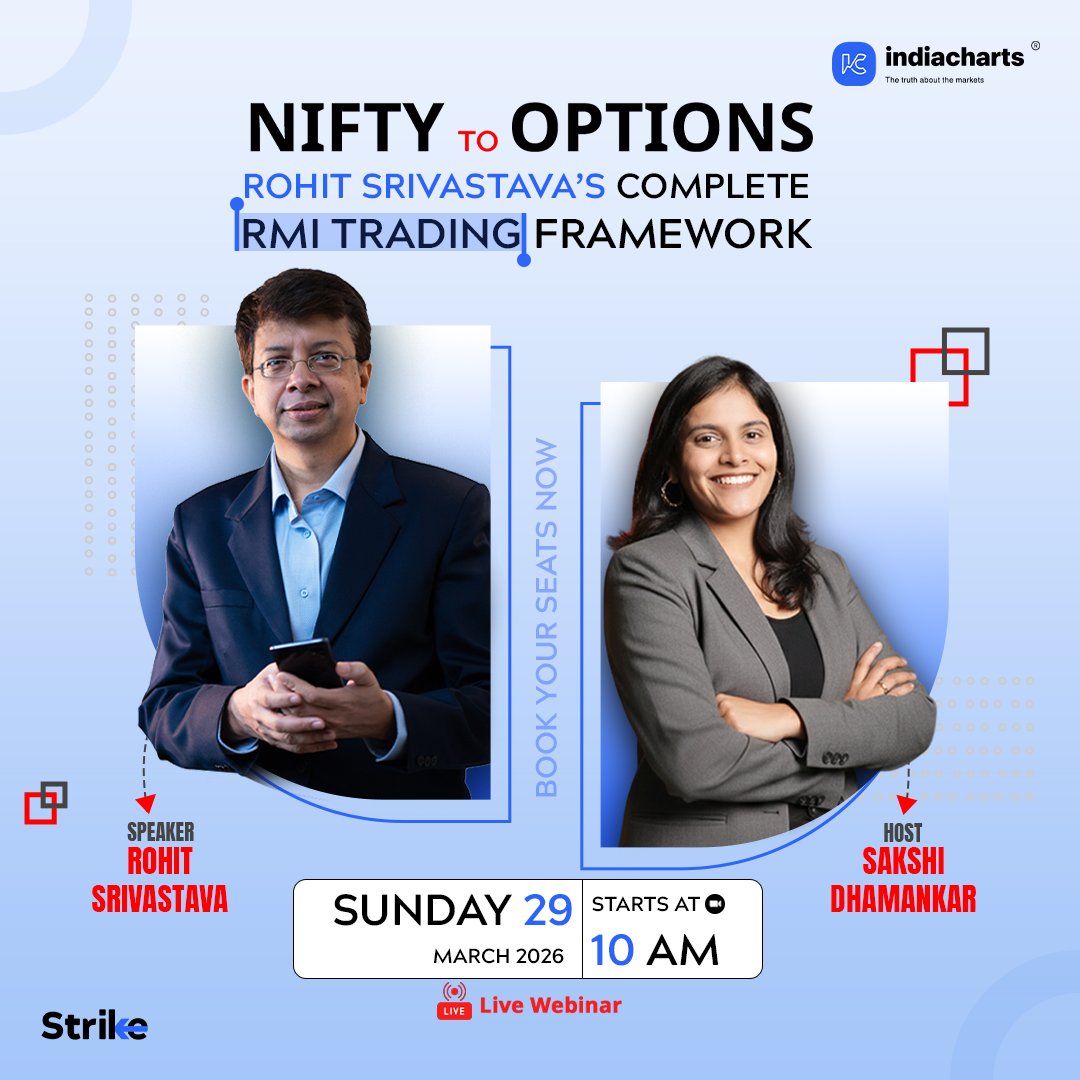
Nifty To Options: Rohit Srivastava’s Complete RMI Trading Framework
Stop Guessing Market Moves.
In this power-packed session, Rohit Srivastava (Creator of RMI) will show you how to go from accurate Nifty Analysis → High-probability options trades using a clear, rule-based framework.
🔍 In This Exclusive Live Webinar, What You’ll Learn :
✔ Identify Nifty direction using RMI
✔ Spot early momentum shifts
✔ Convert market view into CE/PE trades
✔ Avoid false breakouts & traps
✔ Apply a practical trading framework
If you trade Nifty options, you cannot afford to miss this.
📅 Sunday | 29th March
⏰ 10 AM
🎯 Live Webinar
👉 Register Here: us06web.zoom.us/meeting/regi…
#StockMarketIndia #Nifty #BankNifty #TradingTips #RMIIndicator #MarketUpdates #PriceAction #RohitSrivastava #Indiacharts #StrikeMoney #TradingWebinar #MarketAnalysis #InvestingEducation
1
7
36
18,890
Nitin Prajapati retweeted

Mar 3
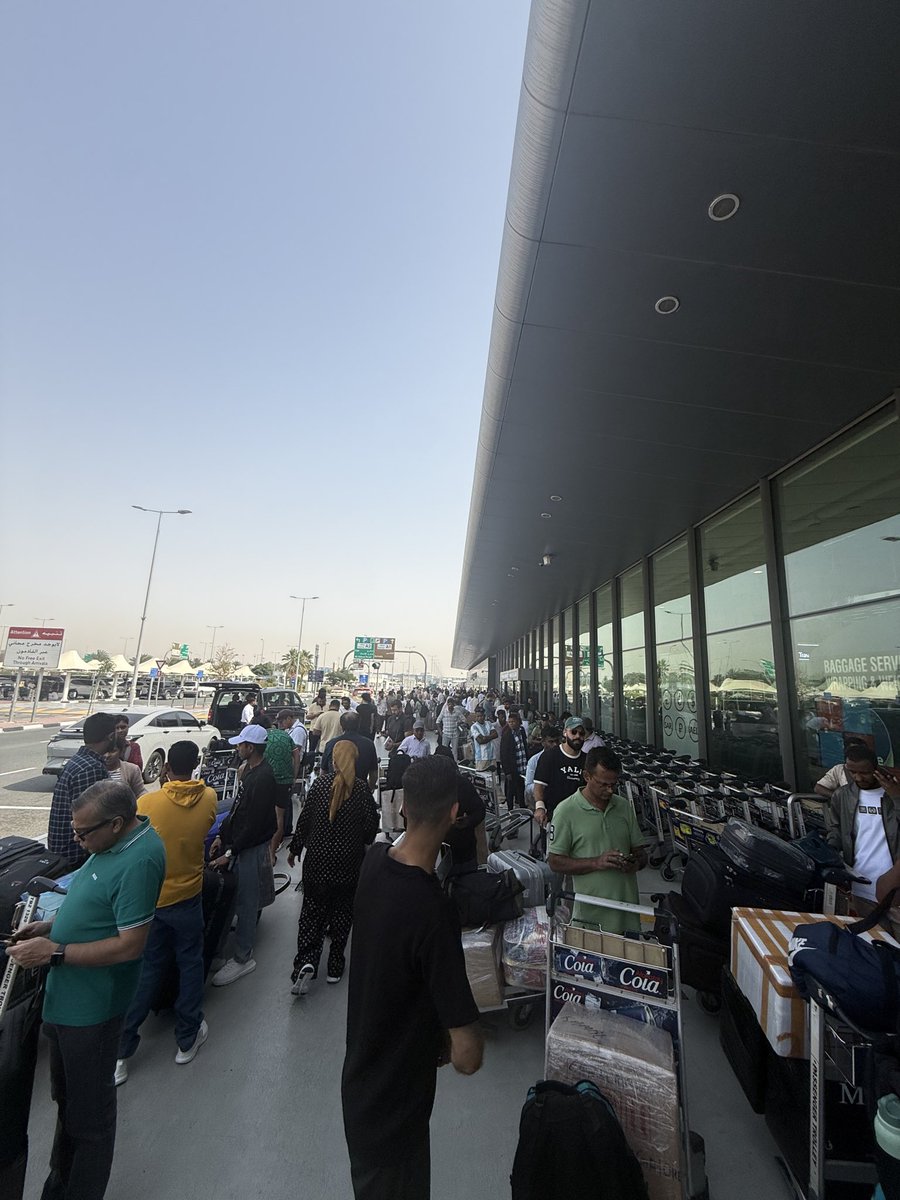
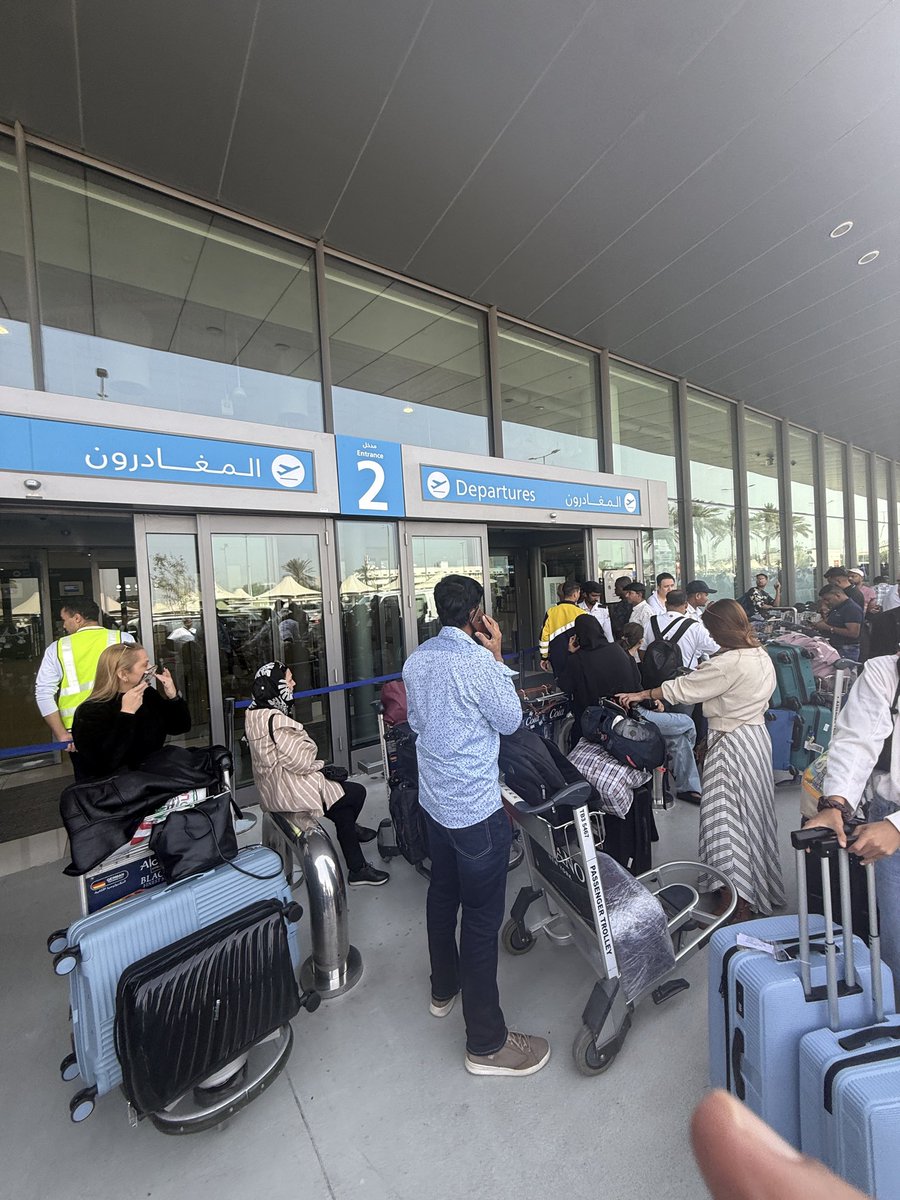
#IndiGo, #SpiceJet mount special flights to bring back stranded Indians amid #WestAsia airspace crisis
@shivanibazaz #IsraelIranWar
cnbctv18.com/travel/iran-isr…
1
1
12
4,823
Nitin Prajapati retweeted
Mar 3
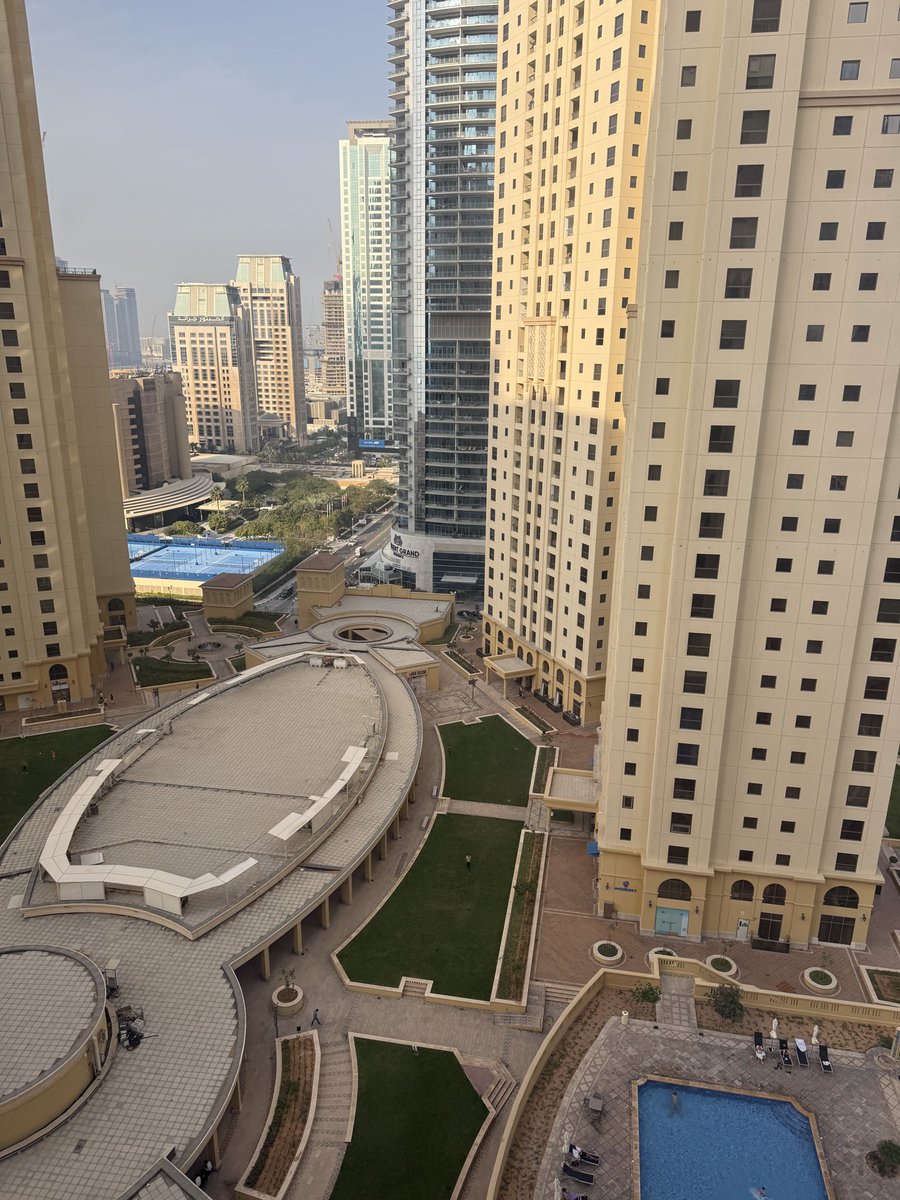
If US is vacating Americans from the Middle East, India needs to send planes for Indians too
This is the Gulf war all over again, and worse.
24
11
158
21,478
Nitin Prajapati retweeted

Mar 1
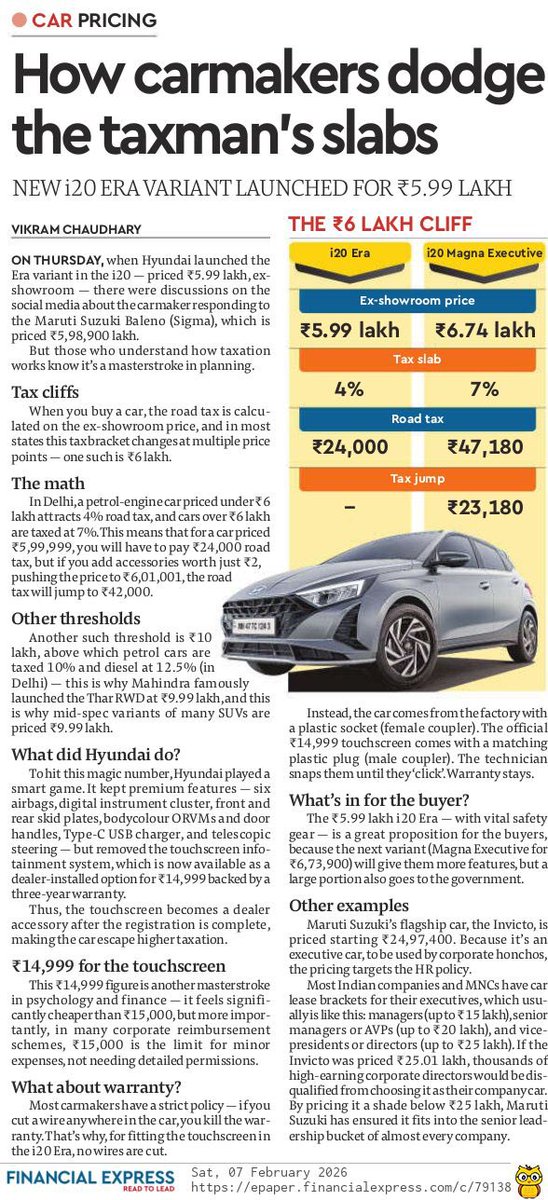
Why Hyundai priced the i20 at ₹5.99 lakh. A small story about Indian taxes.
When Hyundai was finalising the new i20 Era variant, it wanted to achieve one number: ₹6 lakh.
Because in India, crossing certain price points changes everything.
Cars priced below ₹6 lakh attract about 4% road tax. The moment the price becomes ₹6 lakh or more, tax jumps to 7%.
So a car costing ₹5,99,999 pays around ₹24,000 road tax. Increase the price by just ₹2,000 and suddenly the buyer pays nearly ₹42,000.
Same car. Same engine. Different tax universe.
Hyundai understood something important: If the car crossed ₹6 lakh, buyers wouldn’t blame the tax system. They would simply say, “i20 is expensive.”
So Hyundai made a clever move.
They kept the ex-showroom price at ₹5.99 lakh by removing the touchscreen from the factory package. Instead, the screen is offered as a dealer-installed accessory after registration.
The buyer still gets the feature. The car stays in the lower tax slab. The on-road price looks attractive.
Nothing illegal. Just smart pricing inside a complicated tax structure.
45
287
2,815
253,422
Nitin Prajapati retweeted

Mar 1
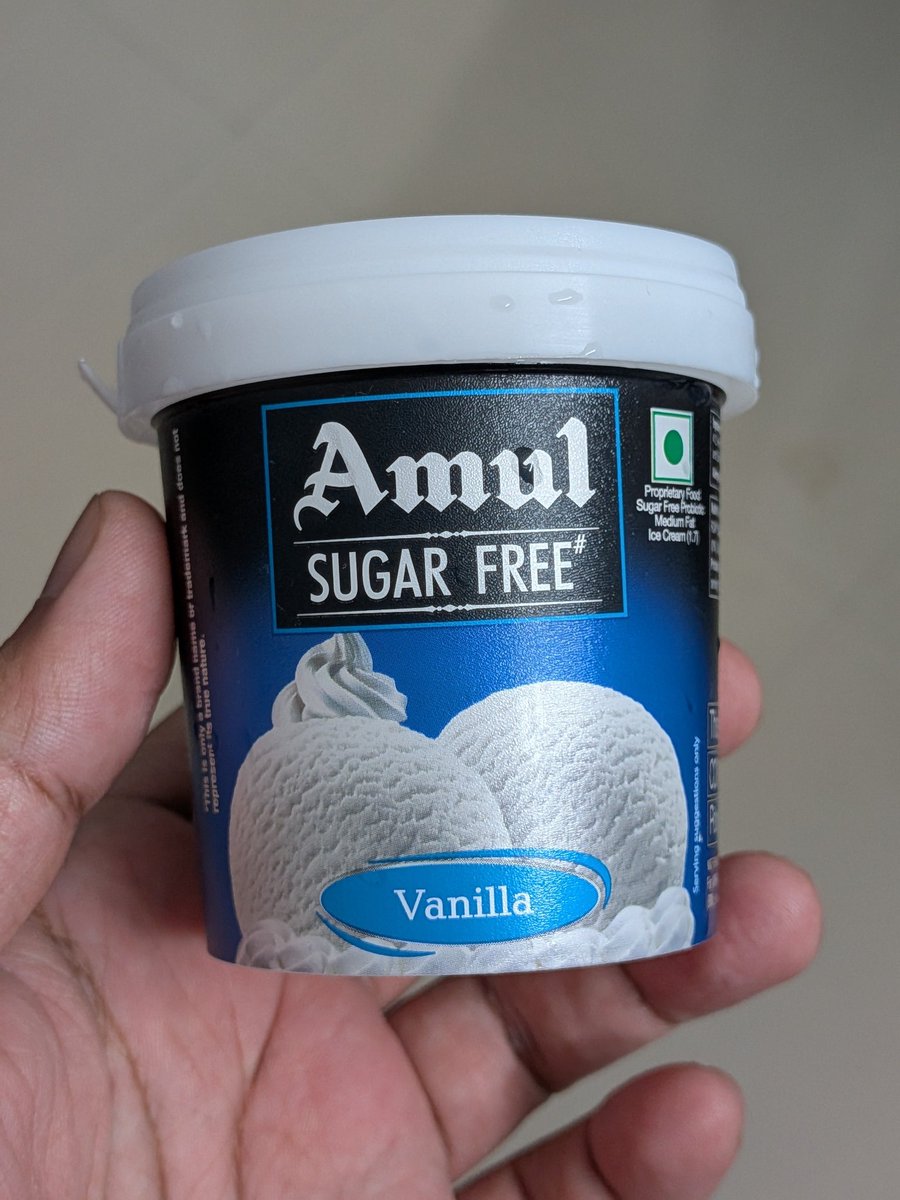
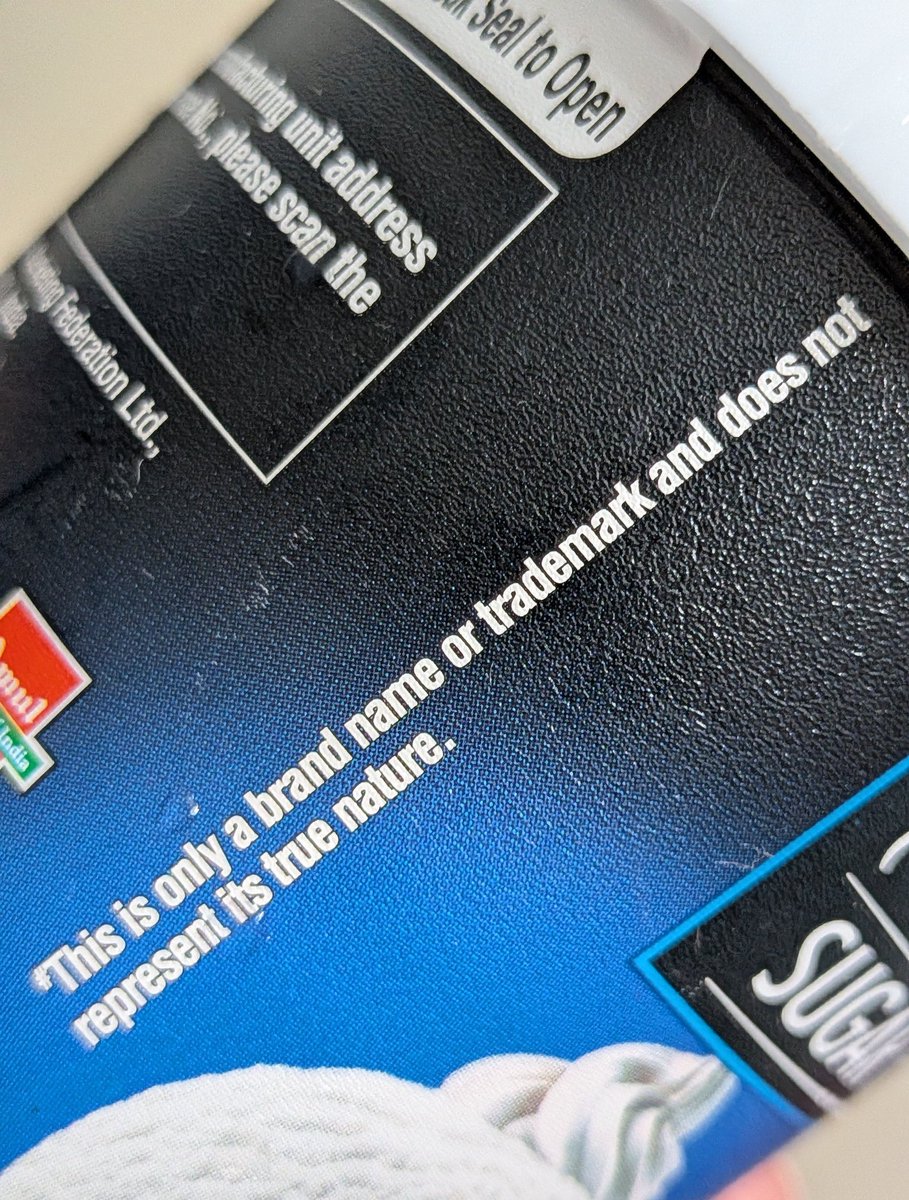
Everything is a joke in india
136
898
6,901
317,117
Nitin Prajapati retweeted

Feb 17
The Delhi-Mumbai Expressway is perhaps the most expensive -worst built/managed highway in India. Travelled on it to reach Niwai. Absolutely no discipline or monitoring. (1) Sand mafia owned dumpers drive in the overtaking lane to escape non-existent cops. (2) Most have no/hidden Registration plates. So if they hit someone they can’t be tracked (3) no cops as netas & babus head sand/stone mafia or own the trucks
(4) Trucks drive faster than speed limit. Most speed monitor posts not working. Keep sleeping @NHAI_Official
266
1,057
3,722
313,349
Nitin Prajapati retweeted

29 Dec 2025
Example Starts from
1) Levis Belts US version vs Indian Version
2) Coke/Fanta etc US/Europe version vs Indian Version
3) Oils, Veggies, Fruits
4) Milk & Milk Products
5) Chocolates, Dairy Milk brands etc
And these are not even Counterfeit Products. Companies taking undue advantages as no Rules/Regulations exists.
Imagine whats the scenario with Fake products.
This country is beyond repair
Source : Insta - SanjayArora
361
6,066
18,146
996,796