
Building @cards_uni ! Serial Entreprenur (Ola financial services, PayU India, Khojguru), Dad to twin boys, Foodie
Joined May 2011
- Tweets 2,706
- Following 474
- Followers 2,227
- Likes 11,977
8 Photos and videos

Nitin Gupta retweeted
What a day for Bharat! 🚀🔥
- We just broke into the Top 5 global manufacturers $473B output and climbing fast! 📈
- Merchandise exports surged 18% YoY to a record $45.2 billion in May 2026. 🚢
- Sarvam AI hits unicorn status with major funding, sovereign AI dreams accelerating. 🦄
- Adani Jabil announce GW-scale AI data centre hardware manufacturing platform in India for global exports. 🥰
- Gujarat launches Industrial Policy 2026 - massive push for semiconductors, EVs, green tech & mega investments. 🚛
The future’s so bright, we gotta wear shades 😎
Keep building!
This is our decade. 🇮🇳♥️
14
73
423
7,356
Nitin Gupta retweeted

Jun 14
This criticism misses the point entirely.
When Prime Minister Modi engages with the Indian diaspora abroad, he is not addressing a “troupe”; he is engaging one of India’s greatest strategic assets. The Indian diaspora serves as a bridge between nations, strengthens economic and cultural ties, influences public opinion, and amplifies India’s interests across the world.
Showcasing India’s rich and diverse cultural heritage is not a distraction from diplomacy, it is diplomacy. Every major power invests in soft power because influence is built not only through negotiations behind closed doors but also through ideas, culture, identity, and people-to-people connections.
The results are visible. Indians today enjoy unprecedented visibility, respect, and stature globally. The diaspora has become a force multiplier for India’s economic, technological, academic, and geopolitical influence. From boardrooms and universities to legislatures and innovation hubs, people of Indian origin are shaping global conversations while strengthening India’s standing.
As for substantive engagement, Prime Minister Modi’s foreign visits routinely deliver outcomes on trade, technology, defence, energy, critical minerals, mobility, and strategic partnerships. Those agreements are negotiated and announced through official channels. Public outreach and diaspora engagement complement those efforts; they do not replace them.
Critics would do well to stop whining endlessly about optics and start engaging with outcomes. If there is substantive criticism to be made, make it. Dismissing cultural outreach and diaspora engagement merely reveals a poor understanding of how modern diplomacy and global influence actually work.
Jun 14

MEA needs a less clichéd and more serious script for the PM's visits abroad, one where he engages with his hosts on substantive issues, rather than his own accompanying troupe and Indians settled abroad.
203
272
968
75,932
Nitin Gupta retweeted

Jun 14
Days shut in a year:
Hospital: 0
Border post: 0
Police station: 0
High court: 155
Supreme court: 159
711
9,954
41,154
490,840
Nitin Gupta retweeted

Jun 13
Looking for a team of 10-12 cracked researchers & engineers to build a new AI Lab in India.
Funding and compute secured.
DMs open.
318
441
4,041
252,249
Nitin Gupta retweeted

Jun 12
Spoke to US Secretary of State Marco Rubio this evening. I reiterated India’s strong protest at the attacks by the US Navy in the Gulf that killed three Indian mariners. Such lethal actions against commercial shipping are not justified.
5,011
9,180
46,576
3,012,513
Nitin Gupta retweeted

This gets worse.
So not only did the US Navy fire two missiles and kill three Indian sailors they refused to rescue the 24 Indian crew despite saying they are on fire, the vessel is sinking and that they are an all Indian crew.
The Omanis rescued them.
467
9,275
22,168
624,319
Nitin Gupta retweeted

Jun 11
A PROMISING INDIAN FUTURE CUT DOWN BY AN ILLEGAL BLOCKADE IN AN ILLEGAL WAR SPARKED BY TRUMP'S HUBRIS.
This is 23 year old ADITYA SHARMA a young man earning a honest living to support his family and secure his future. His father RAJESH SHARMA spoke to CNN NEWS 18: "i spoke to him on phone last sunday. In evening i was in jalandhar when i came to know of this news. On 27th novemebr my son left for china from dubai via singapore. Last month he told me he is going to OMAN. He told me a day later that the captain is planning to enter gulf so i got anxious and now my worst fears have come true."

221
1,174
4,225
164,219
Nitin Gupta retweeted

Jun 11
1. Chief Engineer Patnala Suresh
2. Deck cadet Aditya Sharma
3. Engine fitter Shivanand Chaurasiya
3 Indian sailors killed in U.S. attack on ship off Oman coast, statement awaited from U.S. Embassy ndtv.com/india-news/3-indian…
493
2,319
7,633
532,042
Nitin Gupta retweeted

Jun 11
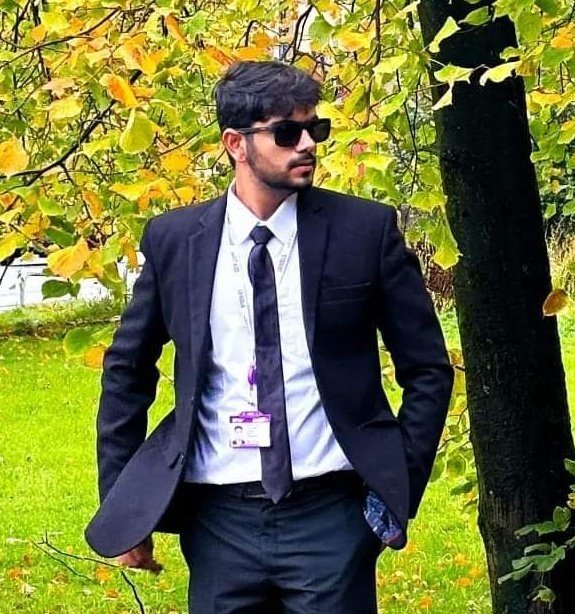
📸 23-year-old Aditya Sharma from 🇮🇳 Himachal Pradesh was among the Indian sailors killed after a commercial vessel was struck in a 🇺🇸 US military attack off the coast of Oman.
The two deceased have been identified as:
• Aditya Sharma - Deck Cadet
• Shivanand Chaurasiya - Engine Fitter
Chief Engineer Patnala Suresh remains missing. 🙏


Jun 11

US strike on Palau-flagged tanker in Gulf of Oman kills 2 Indian sailors, 1 missing.
16
76
462
26,907

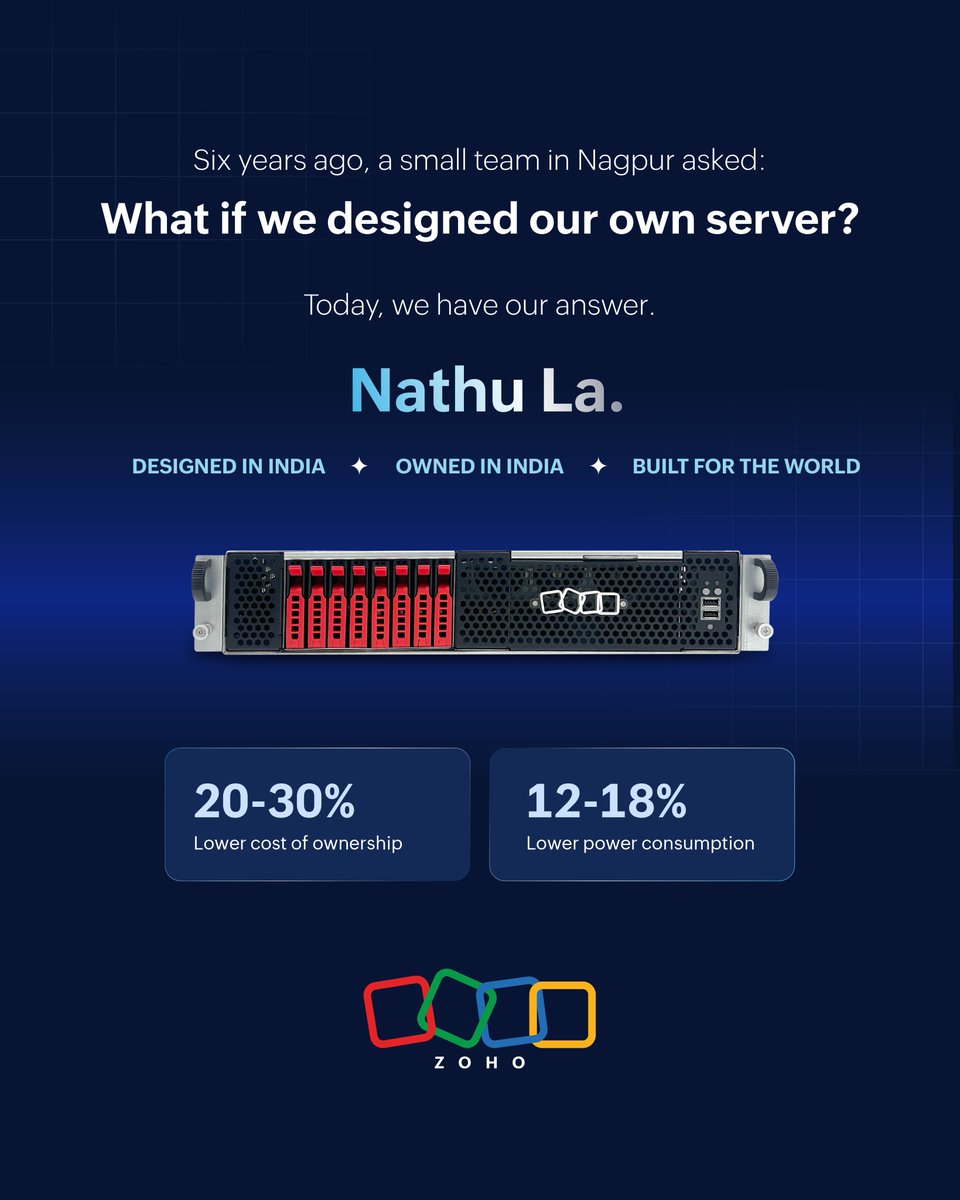
We just launched something we've been quietly working on—Nathu La, our very own indigenously designed server, with every bit of intellectual property owned right here in India. 🚀
Built by our engineers in Nagpur, optimized for AI inference, and designed to power Zoho's own applications, Nathu La is our most tangible step yet toward owning our technology stack end to end in ways that directly benefit our customers.
Read the full story here 👉 zurl.co/fjCv3
59
382
1,483
282,682
Nitin Gupta retweeted

Jun 8
India's biggest development challenge was never a lack of ambition. It was the politics of delay, disruption, and opposition.
▶️ The 𝐒𝐭𝐞𝐫𝐥𝐢𝐭𝐞 𝐂𝐨𝐩𝐩𝐞𝐫 𝐏𝐥𝐚𝐧𝐭, which once produced nearly 40% of India's refined copper, was shut down after sustained protests, turning India from a net exporter into a net importer of copper.
▶️ The 𝐒𝐚𝐫𝐝𝐚𝐫 𝐒𝐚𝐫𝐨𝐯𝐚𝐫 𝐃𝐚𝐦 faced decades of resistance before finally delivering water security, irrigation, electricity, and economic transformation across large parts of western India.
▶️ Today, the 𝐆𝐫𝐞𝐚𝐭 𝐍𝐢𝐜𝐨𝐛𝐚𝐫 𝐏𝐫𝐨𝐣𝐞𝐜𝐭 faces similar opposition, despite its potential to strengthen trade, connectivity, and India's strategic presence near the Malacca Strait.
Watch how the stories of Sterlite, Narmada, and Great Nicobar reveal a recurring pattern: when critical infrastructure projects are stalled, the cost is borne by India's growth, self-reliance, and strategic interests. The real question is whether transformational projects will move forward — or remain trapped in a cycle of politics and obstruction. 👉
95
1,190
3,258
69,005
Nitin Gupta retweeted

Jun 6
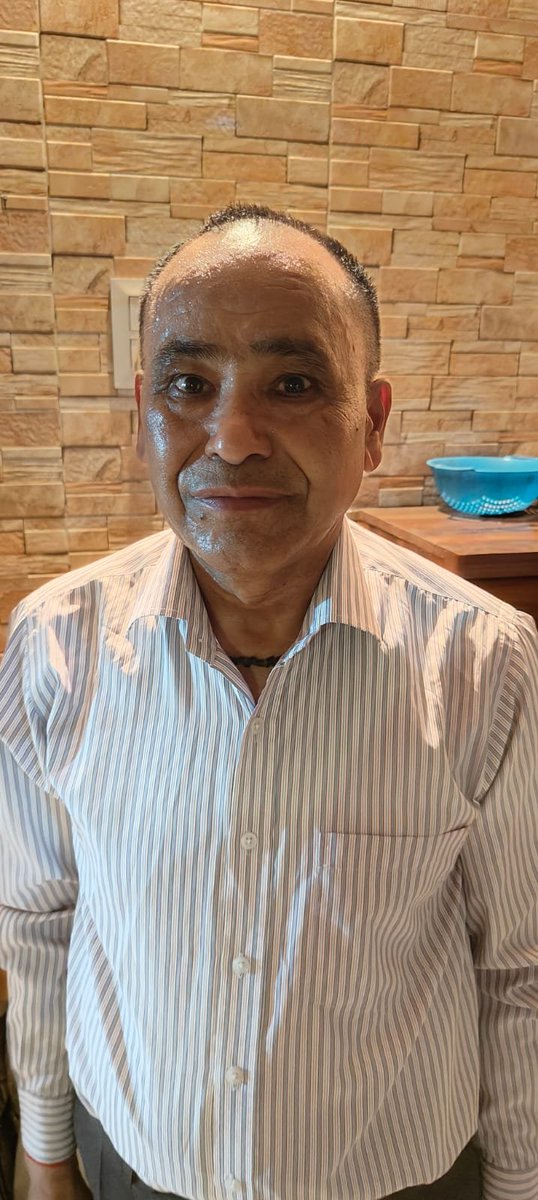
Now that Delhi Police has arrested the cook, they should also arrest the sweeper, the security guard, the receptionist and the liftman.
Arrest everyone but the corrupt MCD engineers, the inept fire dept officials and the extortionist local police personnel.

3rd June Malviya Nagar fire tragedy | Delhi Police arrested one more accused - a cook of the hotel. Investigation revealed negligence by the cook to also be a cause of the fire. A few others have also been detained by the Police and are being questioned: Delhi Police
(Pic: Delhi Police)
75
1,385
4,608
109,135


Nitin Gupta retweeted

Jun 4
As the fire was raging, people were ready to jump to escape the fire. This mattress shop guy, pulled out 20-22 new mattresses from his shop. Laid out on the road. And saved lives of absolute strangers. He knew nobody would pay him. Govt should compensate!
138
1,203
10,247
282,001
Nitin Gupta retweeted

Jun 3
Client wanted to localize an imported plastic steel lunchbox.
For over a year, he's faced nightmares:
-Endless factory delays
-Horrible product finishing
-Sky-high local quotes
-Scrapped injection moulds
-Suppliers ghosting him
He was completely stuck.
I told him to send me clear photos, videos, and exact dimensions.
The moment I saw the design, I could tell the moulds had to be engineered in China.
There was no other way.
I immediately leveraged my China network and located the exact factory manufacturing this specific line.
I negotiated with them to produce the custom moulds for us and supply the internal components.
Quotations were shared.
The buyer confirmed: “Project is feasible.”
Samples are already on their way to India.
All this in just 48 hours.
That’s my superpower.
That’s the Swadeshify moat. 🇮🇳💪


39
57
578
18,197
Nitin Gupta retweeted

Jun 2
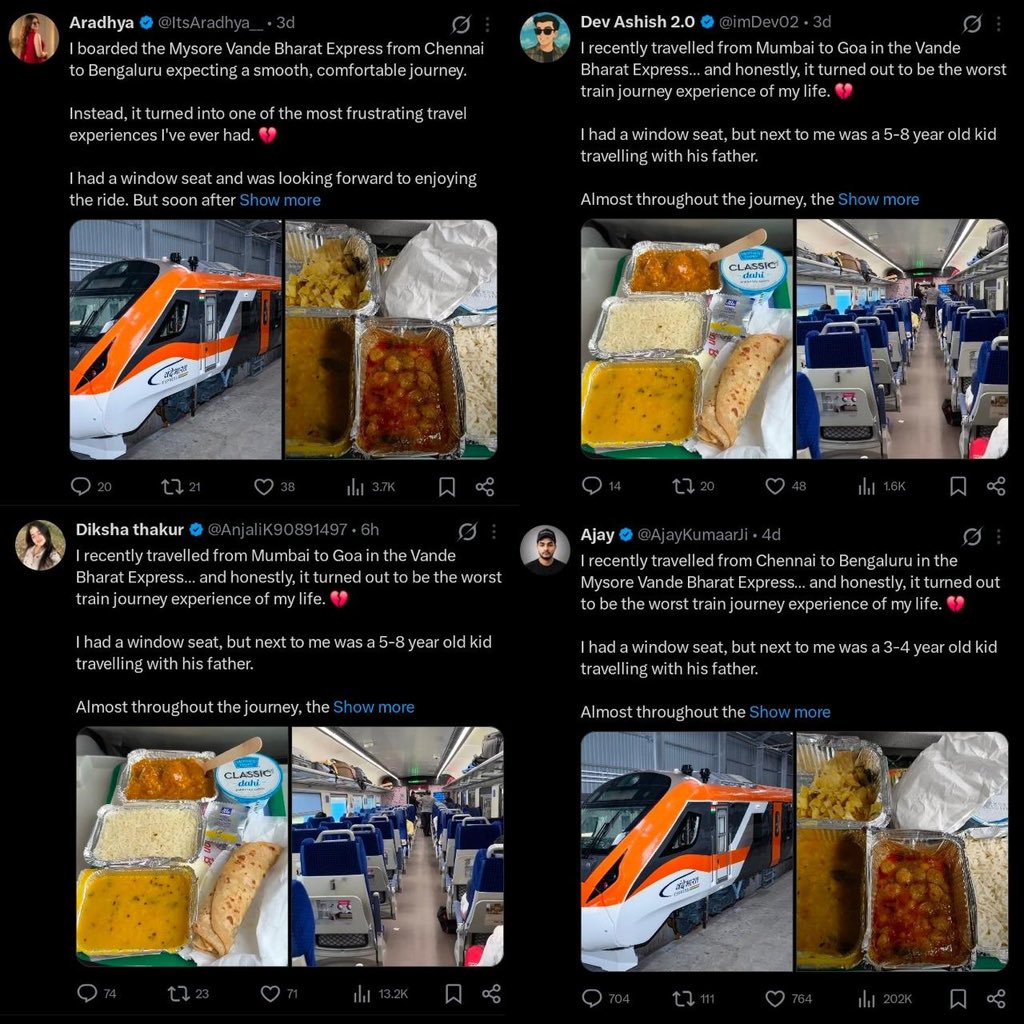
What a coincidence!
4 people travelling in different parts of country on different dates, all had worst experience and clicked the same pic
But if someone exposes their toolkit they will be labeled as Bhakts.
They just hate how railways keeps adding new Vande Bharats
412
4,905
11,516
165,508
Nitin Gupta retweeted

Jun 2
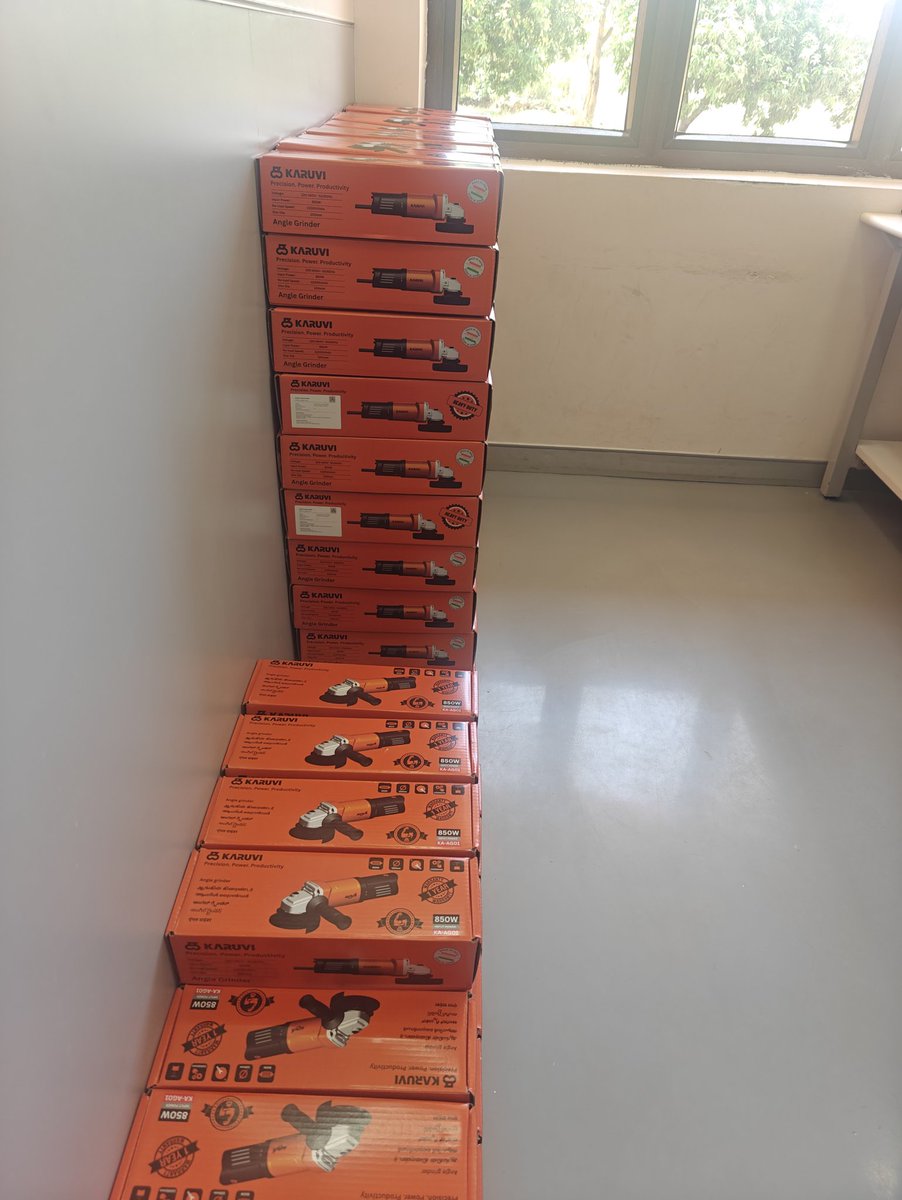
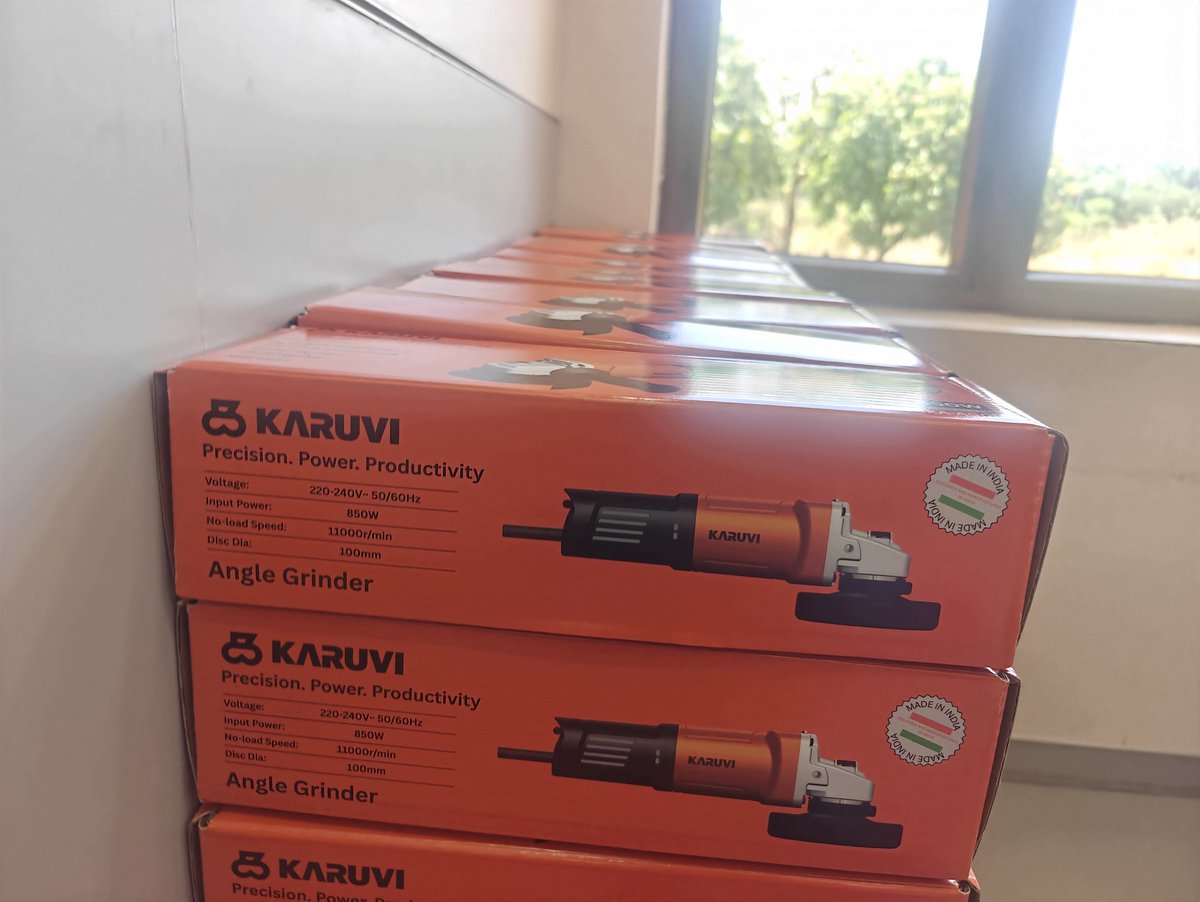
Karuvi update: these are the major issues that come up in power tools design. At 11000 rpm, does it overheat, does it vibrate too much and does it produce too much noise?
We have to find parts that work well and are also price competitive. Low end Chinese power tools won't pass all the tests but they are very cheap. We decided we have to pass all the tests the Japanese and German tools would pass.
Finally we have the product that meets that quality bar shipping to trial customers locally.
Tooling costs are another major issue. We are planning a tool room.
All this has taught us a lot of lessons. We will roll out a full line of tools later this year.
To build anything that truly lasts, it takes time!
368
1,308
8,190
454,740
Nitin Gupta retweeted

Dharmendra Pradhan should go.
Javadekar, and Nishank were removed from the Education Ministry for far less than what has unfolded under Pradhan's tenure.
The govt should not worry about whether Congress will portray his removal as a political victory. Let them. They are irrelevant. The govt is answerable to students and parents, and they are increasingly disillusioned by repeated paper leak controversies, CBSE evaluation discrepancies, contentious UGC regulations, and a series of avoidable crises. In recent years, there has rarely been this level of public anger directed at the Education Ministry.
Pradhan's removal should be followed by an independent probe to determine whether tender rules were altered or interpreted in a manner that favoured Coempt Edutech, and whether any conflict of interest exists between the company and anyone associated with the Education Ministry. Public confidence in the education system must be restored.
387
3,230
14,113
282,733
Nitin Gupta retweeted
Jun 1
Traffic. Roads. Garbage. Water. Corruption. Bureaucracy. Apathy.
With Bengaluru’s most powerful citizen voices, we hopped onto a bus through a BEAUTIFUL city that needs help.
Can CM @DKShivakumar deliver?
5PM, @NDTV
61
157
1,548
52,483
Nitin Gupta retweeted

May 31
Dear Ministry of Culture,
To whoever wrote this paragraph:
“Civilizational inheritance is not just about geography or ruins; it is defined by living customs, symbols, rituals, and an unbroken cultural consciousness. India is the enduring living continuity of the Indus-Saraswati Civilization.”
Take a bow! 👏
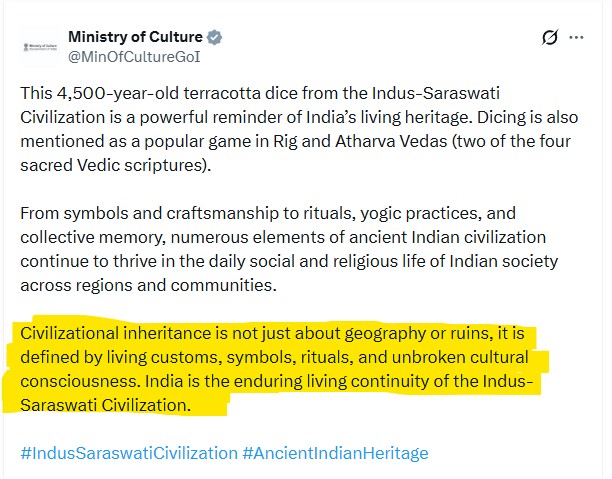

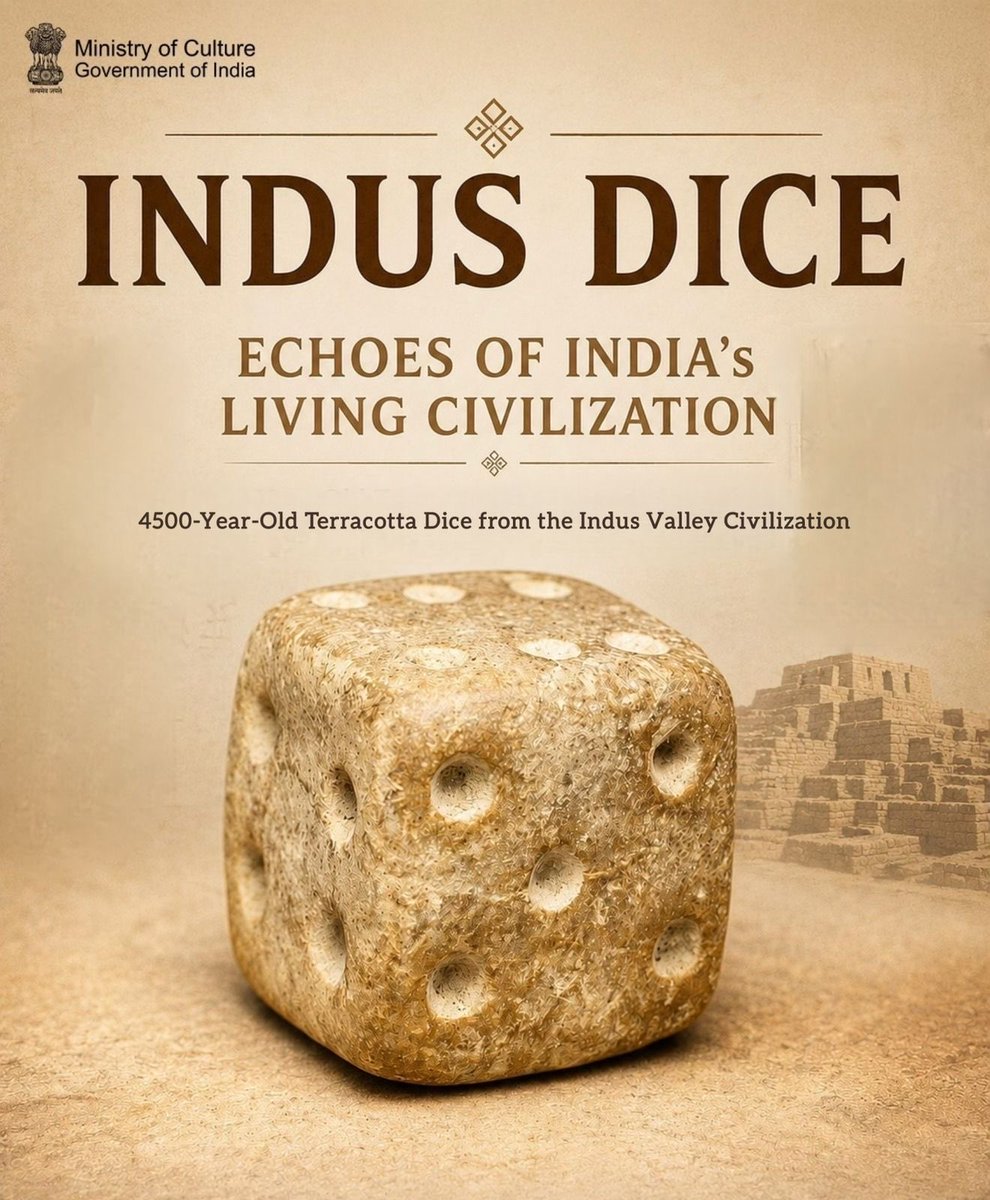
This 4,500-year-old terracotta dice from the Indus-Saraswati Civilization is a powerful reminder of India’s living heritage. Dicing is also mentioned as a popular game in Rig and Atharva Vedas (two of the four sacred Vedic scriptures).
From symbols and craftsmanship to rituals, yogic practices, and collective memory, numerous elements of ancient Indian civilization continue to thrive in the daily social and religious life of Indian society across regions and communities.
Civilizational inheritance is not just about geography or ruins, it is defined by living customs, symbols, rituals, and unbroken cultural consciousness. India is the enduring living continuity of the Indus-Saraswati Civilization.
#IndusSaraswatiCivilization #AncientIndianHeritage
37
1,344
6,517
116,264