
Joined April 2009
- Tweets 8,613
- Following 1,277
- Followers 1,126
- Likes 2,608
89 Photos and videos









Pinned Tweet

14 Mar 2024
Help me fund my work as a #Drupal core committer and get issue credit in return: tresbien.tech/drupal-contrib…
12
11
1,727
Théodore Biadala retweeted

Badger Badger Badger, also known as “The Badger Song,” is a viral internet meme and classic Flash animation from 2003 by Jonti Picking.
The looping animation featured dancing badgers, mushrooms, and a snake, paired with a catchy repetitive song that became one of the most iconic viral videos of the early internet era.
#InternetHistory
20
85
507
31,405
May 25
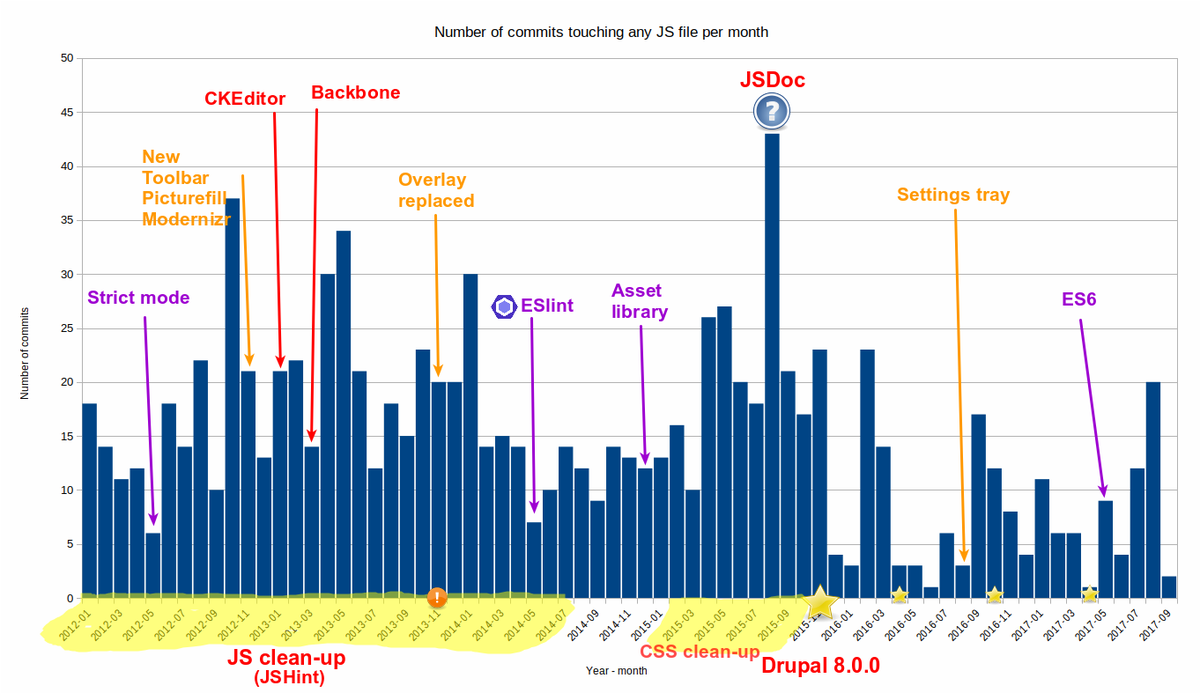
Curious to see how many changes there are in each release of #Drupal core? a few data points here:
tresbien.tech/blog/visualiza…
67

Apr 10
Turns out I wasn't done with Claude code:
tresbien.tech/blog/my-upstai…
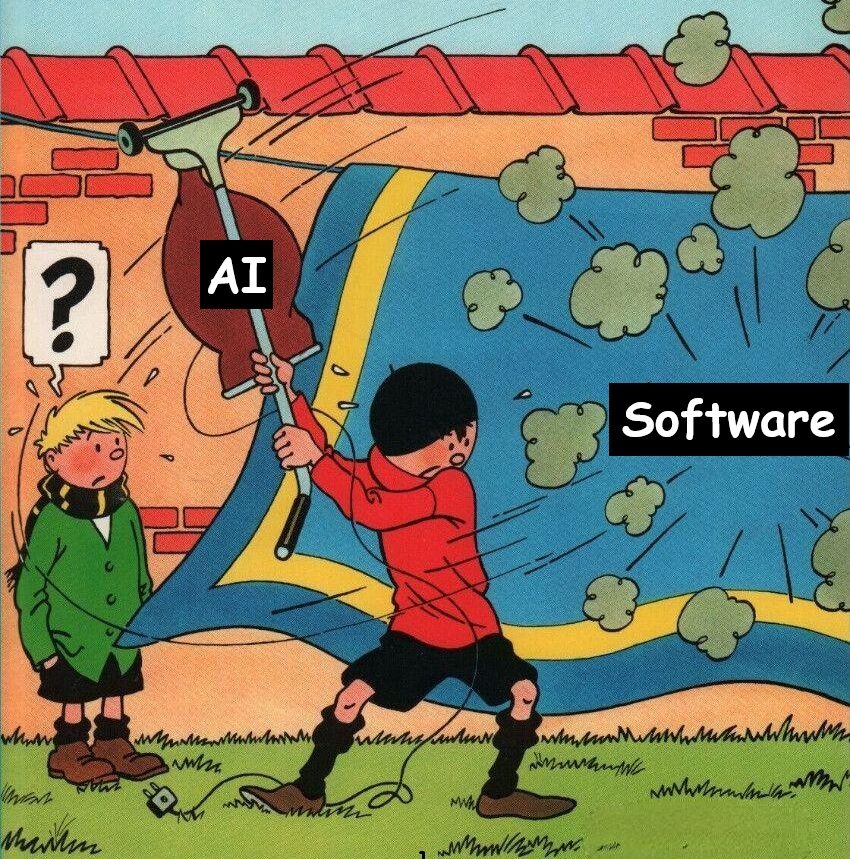
ALT cover of the "vive le progrès" quick & flupke album by hergé
55
Mar 9
Engineering managers are likely the most impacted by coding LLMs, they already have little to no control over the code output, human or machine doesn't matter. They're evaluated on output. I bet the more excited they are, the less they like the "managing" part of their job
1
56
Théodore Biadala retweeted

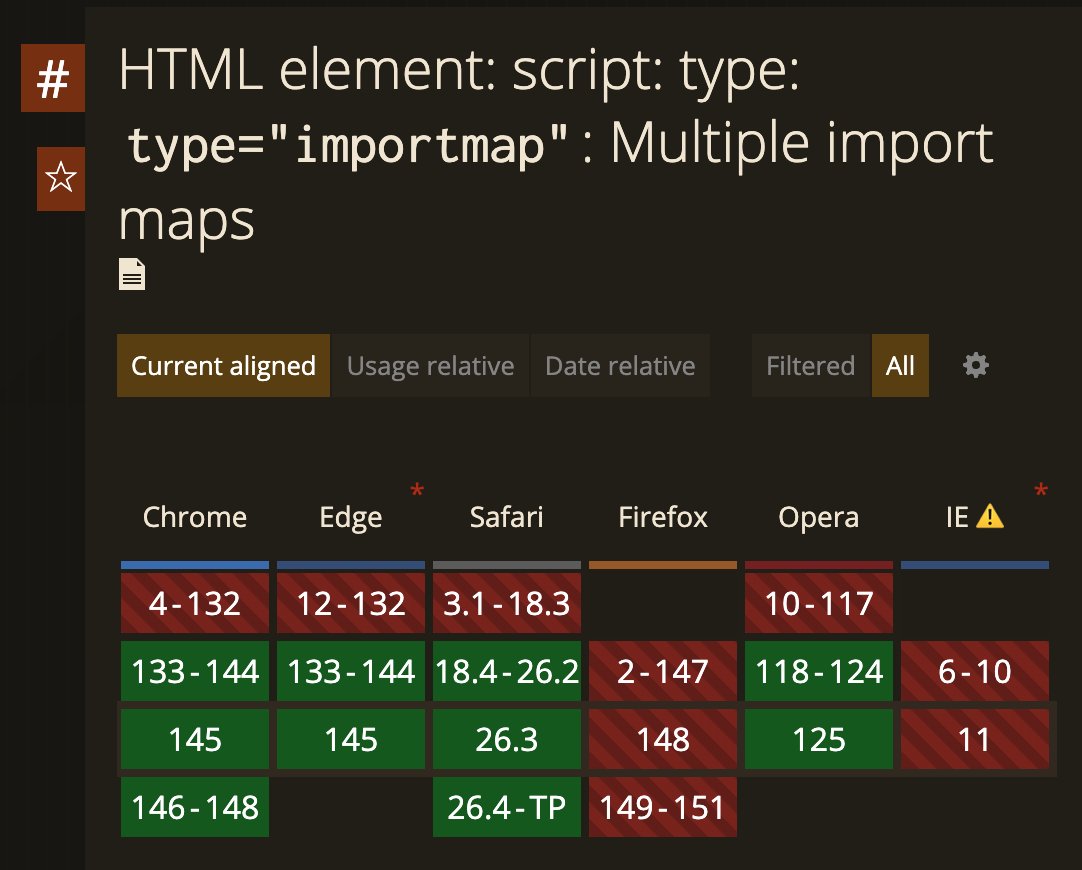
Soon, all browsers will support "multiple import maps"
Coming with Firefox 150
This unlocks more pragmatic usage of native import maps, and probably we'll see more frameworks that work without bundling
x.com/sebastienlorber/status…
30 Jul 2025

2
4
53
8,489
Théodore Biadala retweeted

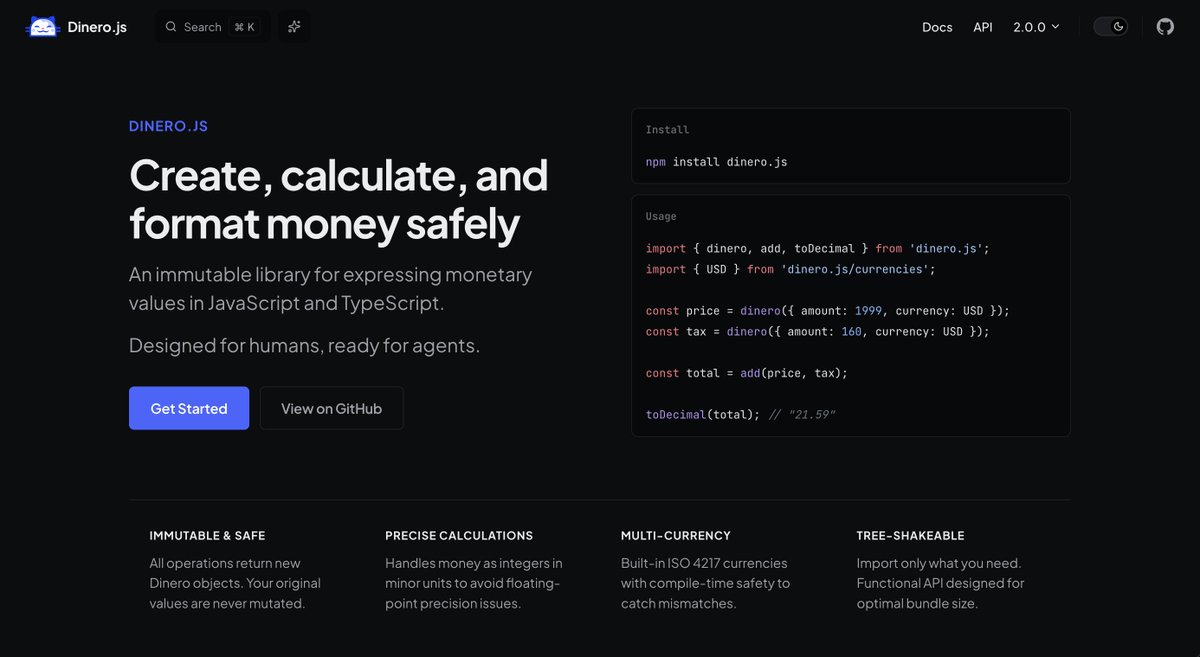
Dinero.js v2.0.0 is out! 🚀
This is a complete rewrite: TypeScript native, tree-shakeable functions, compile-time currency safety, BigInt support, non-decimal currencies, and still zero dependencies.
sarahdayan.com/blog/dinerojs…
5
47
593
29,052
Feb 5
Turns out LLM have a bias against Drupal contribution credit guidelines. When a lot of your training comes from GitHub repos hard to see contribution as something else than code. tresbien.tech/blog/algorithm…
2
101
Théodore Biadala retweeted

Jan 26
Stop using chat bots

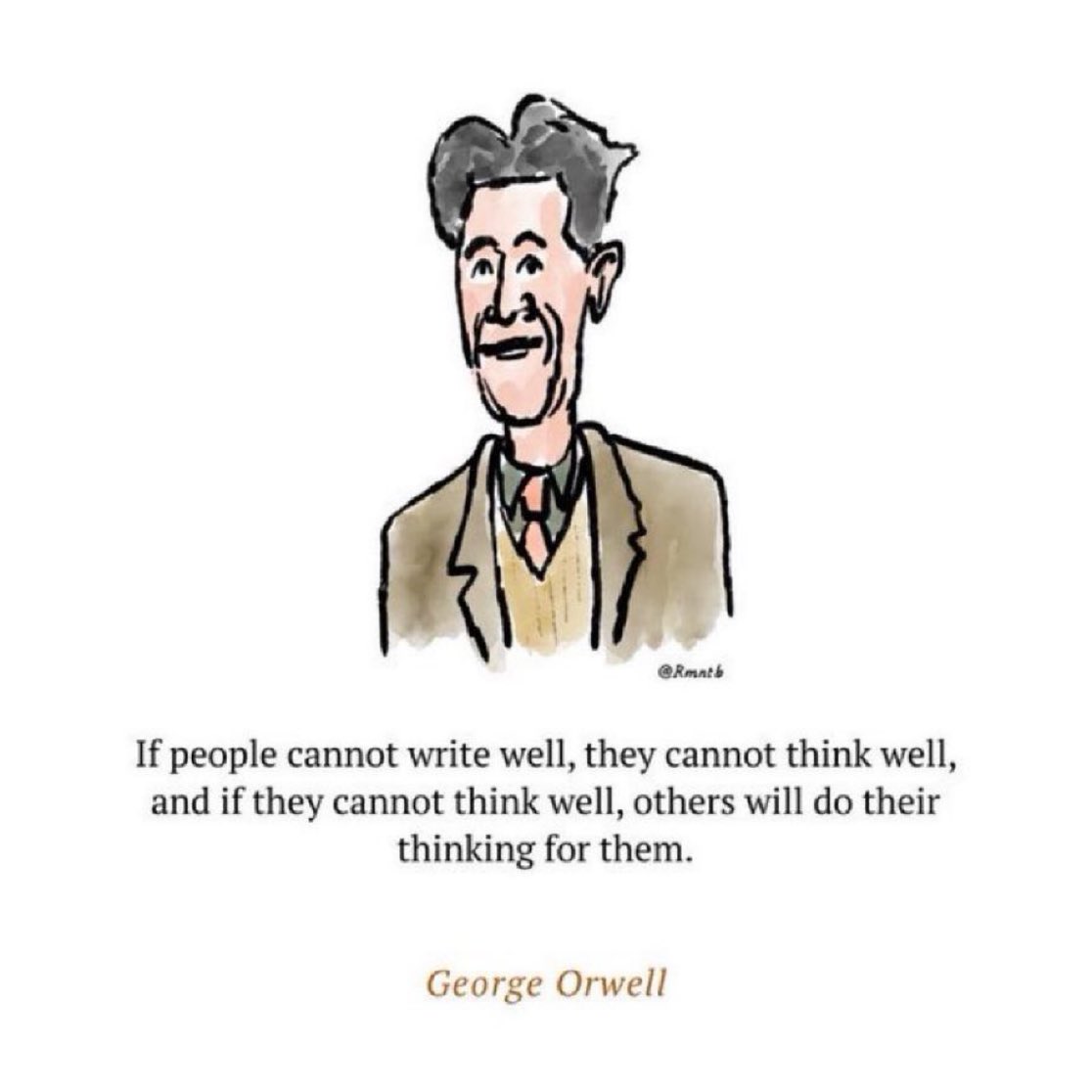
1
1
8
609
Théodore Biadala retweeted

Jan 24
Incredible time to be an online scam artist.

It's happening.
AI is enabling creatives everywhere. 🤯
Creators are dropping mind blowing videos with Kling, Hailuo, Veo…
10 wild examples👇
1. Be any superhero...
53
99
2,362
82,227
Jan 22
I tried Claude Code for a month. It was really fun, even when it wasted my time.
tresbien.tech/blog/i-tried-c…
80
Théodore Biadala retweeted

Jan 21
Do yourself a favor and drop wherever you’re doing and devour every single word of this.
Study it like you’re going to have an exam on it tomorrow.
I’m serious. This is pure gold.
Thanks @addyosmani for so eloquently explaining what I’m fed up trying to explain one on one to people. Please also post it somewhere else so I can send it to non-X folks as well? 🙏🏼
29 Dec 2025

Every time we've made it easier to write software, we've ended up writing exponentially more of it.
When high-level languages replaced assembly, programmers didn't write less code - they wrote orders of magnitude more, tackling problems that would have been economically impossible before. When frameworks abstracted away the plumbing, we didn't reduce our output - we built more ambitious applications. When cloud platforms eliminated infrastructure management, we didn't scale back - we spun up services for use cases that never would have justified a server room.
@levie recently articulated why this pattern is about to repeat itself at a scale we haven't seen before, using Jevons Paradox as the frame. The argument resonates because it's playing out in real-time in our developer tools. The initial question everyone asks is "will this replace developers?" but just watch what actually happens. Teams that adopt these tools don't always shrink their engineering headcount - they expand their product surface area. The three-person startup that could only maintain one product now maintains four. The enterprise team that could only experiment with two approaches now tries seven.
The constraint being removed isn't competence but it's the activation energy required to start something new. Think about that internal tool you've been putting off because "it would take someone two weeks and we can't spare anyone"? Now it takes three hours. That refactoring you've been deferring because the risk/reward math didn't work? The math just changed.
This matters because software engineers are uniquely positioned to understand what's coming. We've seen this movie before, just in smaller domains. Every abstraction layer - from assembly to C to Python to frameworks to low-code - followed the same pattern. Each one was supposed to mean we'd need fewer developers. Each one instead enabled us to build more software.
Here's the part that deserves more attention imo: the barrier being lowered isn't just about writing code faster. It's about the types of problems that become economically viable to solve with software. Think about all the internal tools that don't exist at your company. Not because no one thought of them, but because the ROI calculation never cleared the bar. The custom dashboard that would make one team 10% more efficient but would take a week to build. The data pipeline that would unlock insights but requires specialized knowledge. The integration that would smooth a workflow but touches three different systems.
These aren't failing the cost-benefit analysis because the benefit is low - they're failing because the cost is high. Lower that cost by "10x", and suddenly you have an explosion of viable projects. This is exactly what's happening with AI-assisted development, and it's going to be more dramatic than previous transitions because we're making previously "impossible" work possible.
The second-order effects get really interesting when you consider that every new tool creates demand for more tools. When we made it easier to build web applications, we didn't just get more web applications - we got an entire ecosystem of monitoring tools, deployment platforms, debugging tools, and testing frameworks. Each of these spawned their own ecosystems. The compounding effect is nonlinear.
Now apply this logic to every domain where we're lowering the barrier to entry. Every new capability unlocked creates demand for supporting capabilities. Every workflow that becomes tractable creates demand for adjacent workflows. The surface area of what's economically viable expands in all directions.
For engineers specifically, this changes the calculus of what we choose to work on. Right now, we're trained to be incredibly selective about what we build because our time is the scarce resource. But when the cost of building drops dramatically, the limiting factor becomes imagination, "taste" and judgment, not implementation capacity. The skill shifts from "what can I build given my constraints?" to "what should we build given that constraints have in some ways been evaporated?"
The meta-point here is that we keep making the same prediction error. Every time we make something more efficient, we predict it will mean less of that thing. But efficiency improvements don't reduce demand - they reveal latent demand that was previously uneconomic to address. Coal. Computing. Cloud infrastructure. And now, knowledge work.
The pattern is so consistent that the burden of proof should shift. Instead of asking "will AI agents reduce the need for human knowledge workers?" we should be asking "what orders of magnitude increase in knowledge work output are we about to see?"
For software engineers it's the same transition we've navigated successfully several times already. The developers who thrived weren't the ones who resisted higher-level abstractions; they were the ones who used those abstractions to build more ambitious systems. The same logic applies now, just at a larger scale.
The real question is whether we're prepared for a world where the bottleneck shifts from "can we build this?" to "should we build this?" That's a fundamentally different problem space, and it requires fundamentally different skills.
We're about to find out what happens when the cost of knowledge work drops by an order of magnitude. History suggests we (perhaps) won't do less work - we'll discover we've been massively under-investing in knowledge work because it was too expensive to do all the things that were actually worth doing.
The paradox isn't that efficiency creates abundance. The paradox is that we keep being surprised by it.
5
11
112
26,147
Jan 19
AI bringing defragmenting back

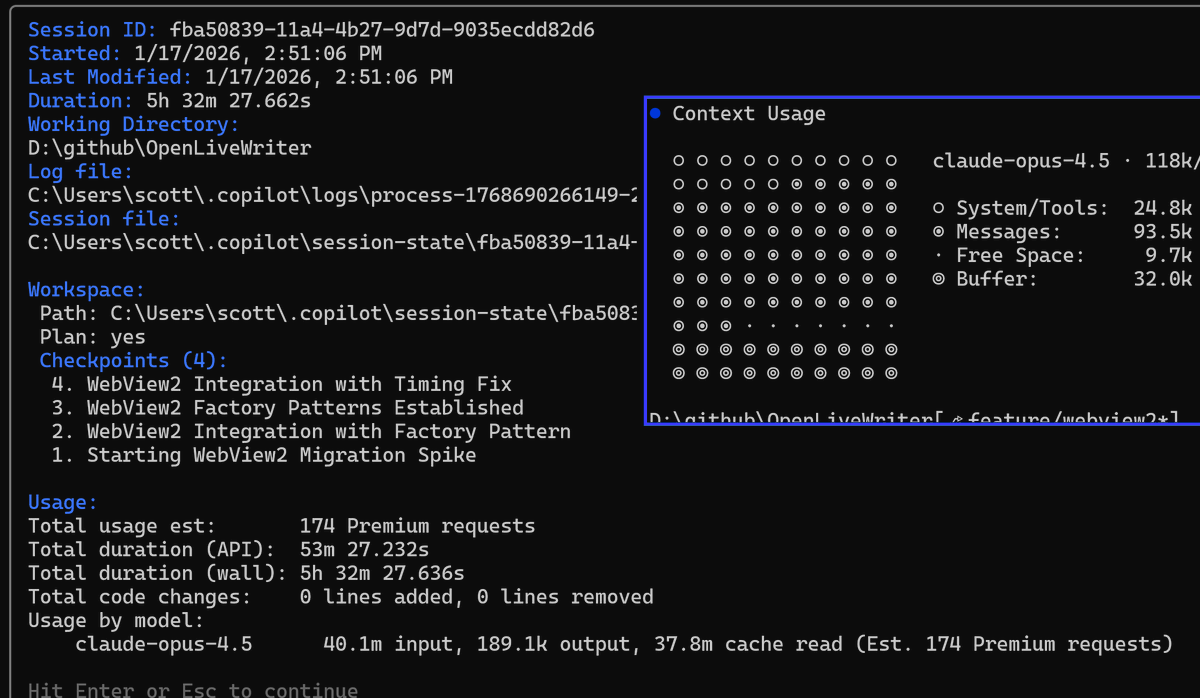
30
Jan 9
I can let Claude Code run in the backgroud, that way I have enough time to monitor my usage limit!
52
Théodore Biadala retweeted
Jan 7
🔥 New blog post: Web dependencies are broken. Can we fix them?
lea.verou.me/blog/2026/web-d…
“Dear JS ecosystem, I love you, but you have a dependency management problem when it comes to the Web, and the time has come for an intervention.
Abstraction is the cornerstone of modern software engineering.
Reusing logic and building higher-level solutions from lower-level building blocks is what makes all the technological wonders around us possible.
Imagine if every time anyone wrote a calculator they also had to reinvent floating-point arithmetic and string encoding!
And yet, the web platform has outsourced this fundamental functionality to third-party tooling.
As a result, code reuse has become a balancing of tradeoffs that should never have existed […]”
Read more: lea.verou.me/blog/2026/web-d…
5
12
33
4,808
Théodore Biadala retweeted

23 Nov 2025
🧟♀️ After days and nights of toil: FrankenPHP 1.10 is alive! 🧟♂️
The creature is awake and brings unprecedented power to your #PHP applications:
🐘 PHP 8.5 support
🪽 New mercure_publish() function for easy real-time broadcasting with @MercureRealTime
⚙️ Enhanced extensions & custom workers (hello high-performance gRPC and WebSockets servers!)
Downloads and changelog, right from our laboratory: github.com/php/frankenphp/re…
7
38
236
11,657