
News junkie dedicated to thinking for herself and cutting through woolly thinking. The only ideology I follow is my own! #RejoinEU #FBPE #LetsExitBrexit
Joined April 2012
- Tweets 106,954
- Following 7,063
- Followers 7,065
- Likes 53,032
240 Photos and videos


Pinned Tweet

5 Oct 2021
Please support this fantastic foundations.
Orangutan's are taught these skills over 7 years by their mothers. The palm oil industry is creating orphans. BOS teaches baby orangutan's and releases them back to safe wild areas.
Watch the video, just stunning
5 Oct 2021

This week, we want to share with you exciting skills that orangutans use to explore the forest! From tree swaying to clambering, they are true masters of the canopy! Check this out👇
#StrongerTogetherwithBOSF #30YearsBOSF #saveorangutans
2
39
54
Chief Shearer 🙏🇪🇺 🕯️🐟🇫🇷 🐦 retweeted

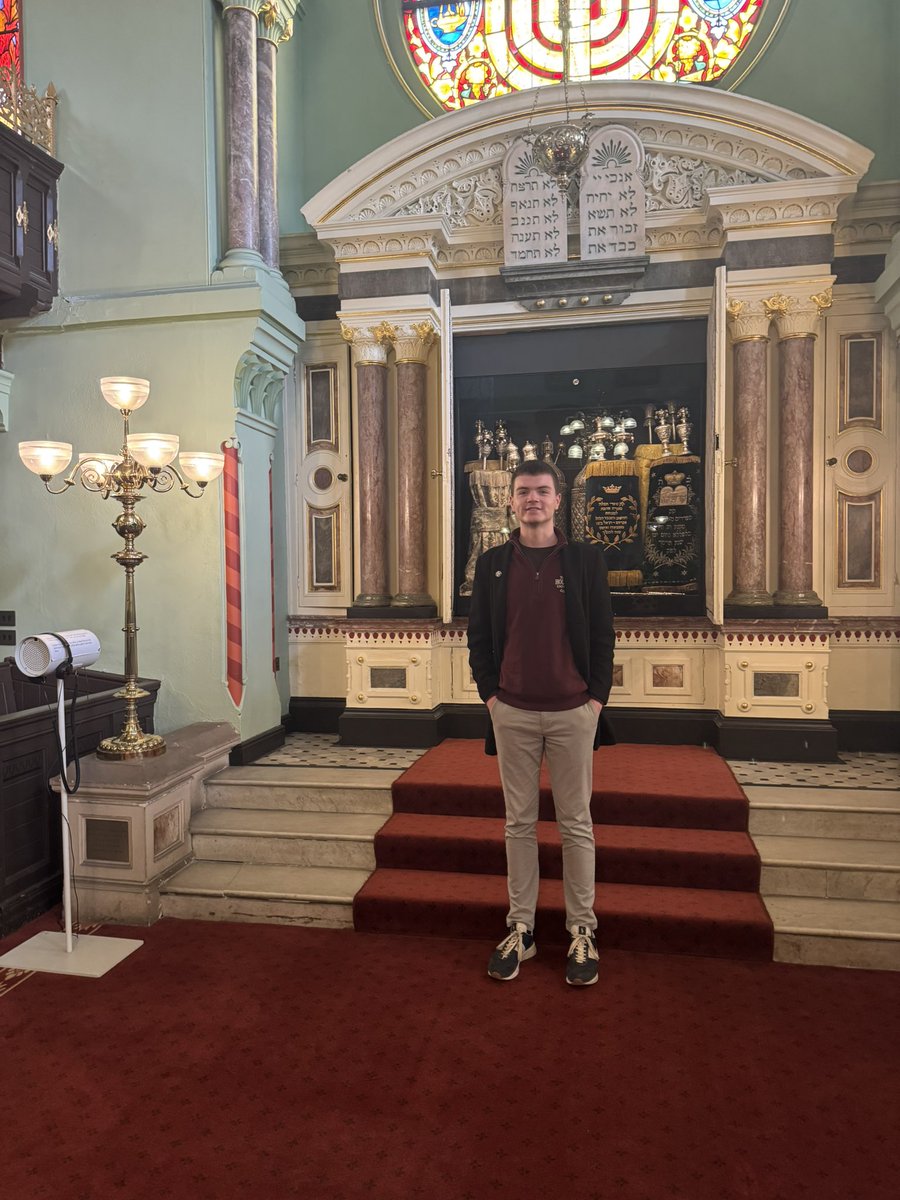
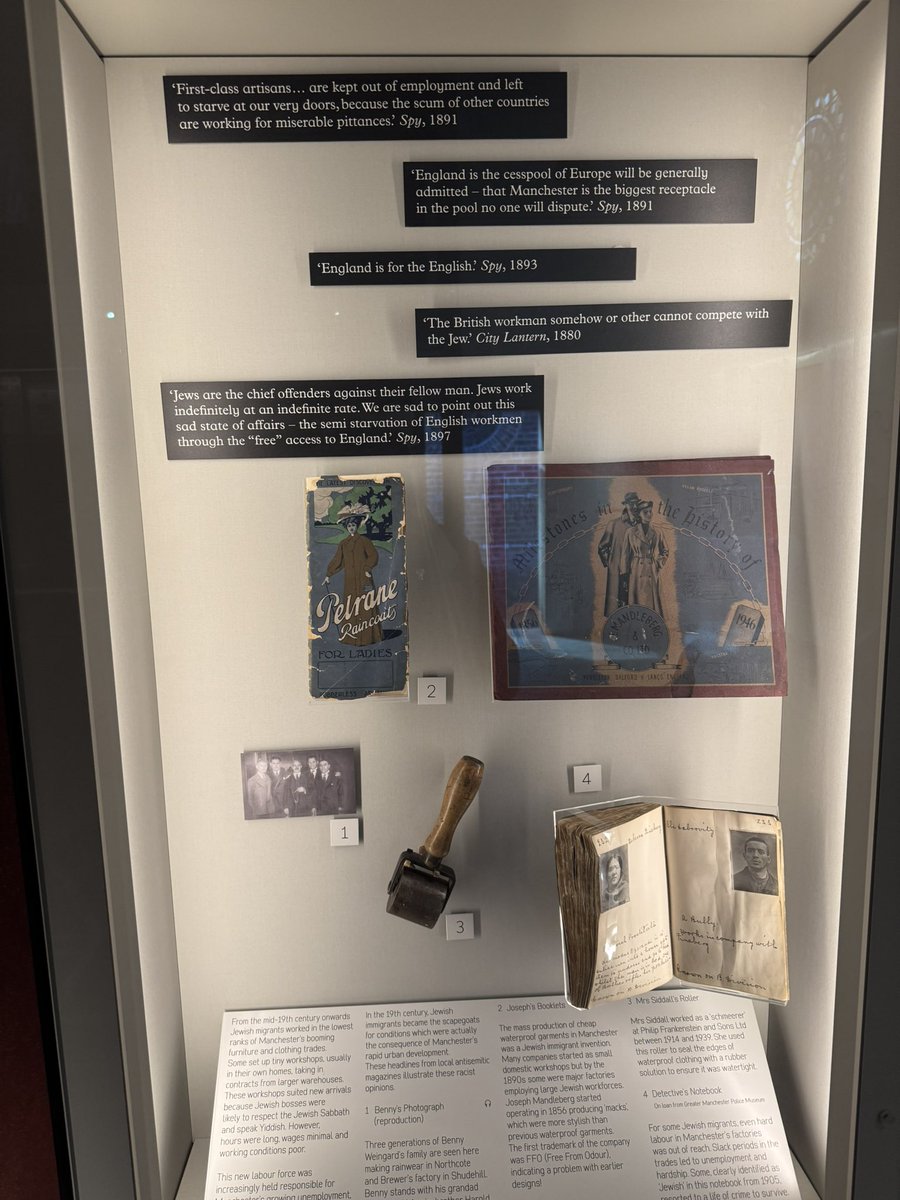
Just left the @mcrjewishmuseum.
I was the only visitor. A lovely volunteer gave me a private tour, and halfway through I turned to her and said: “This is all happening again. The same tactics. The same words. The exact same hatred.”
And it is.
We forget how recent it all was. Yet today Jews still integrate, build businesses, enrich this country - M&S, the raincoat, Slazenger… the list goes on. They have every right to be here.
I’m not Jewish. None of my family are. But I will NOT stay silent while Jew hatred explodes in the UK. To the Islamists (not Muslims but extremists) and the middle-class white lefties cheering Hamas: you can simply do one.
I’ve spoken to @antisemitism, Jewish students, and so many others in and around London. This vile poison must not win. Antisemitism is NOT British 🇬🇧. It goes against everything we stand for.
‼️Non-Jews: stop whispering support to your Jewish friends or local businesses. Be loud. Post it. Say it in your groups. Stop treating Jew hatred as some taboo because of the Middle East.
Antisemitism existed for centuries before any of this. Antizionism isn’t “just criticism” - when they chant “put the Zios in the ground” and polls show 70-85% of British Jews identify as Zionist, who do you think that means?
“End the Zionist occupation of the British government” - swap “Zionist” for “Jewish”. Sounds familiar, doesn’t it?
If it was Black people facing this - places of worship attacked, ambulances set on fire, students hounded - we’d never hear the end of it. But Jews? Too many stay quiet.
Look at Iran. Persecution never stops at the Jews. Next it’s Christians, churches, gay people, women. History is screaming at us.
The “antizionist Jewish” voices in London?
When the next mob comes, they won’t ask if you’re Zionist. You’re Jewish. That’s enough. Hitler didn’t check political views either.
I’m a Zionist. I believe the Jewish people have the right to a homeland. Being Zionist doesn’t mean I defend every action of the Israeli government - it’s complicated. But the deliberate “genocide” language is weaponised for a reason.
And so, I’ll keep speaking up. Loudly. Working with groups fighting this. If it was this level of hate against Black people, Hindus, anyone - I’d do the same. I’ve always stood up to bullies.
Non-Jews especially - Do Not let this become normal.
#StandWithJews #NoToAntisemitism #ManchesterJewishMuseum #BritishValues @StopTheHate_UK


103
284
1,323
17,446
Are we getting this yet? Social Media is a weapon. It isn't freedom of speech. The algorithms are the ammunition.

If you didn’t watch tonight’s Panorama, make sure you do (the link is below). It exposes the role of Russia in turning everyone in the UK against each other & setting alight Keir Starmer’s home and car.
bbc.co.uk/iplayer/episode/m0…
1
3
14
292
Chief Shearer 🙏🇪🇺 🕯️🐟🇫🇷 🐦 retweeted

A few things happening at once that people should connect.
Russia is now linked to the arson attacks on the Prime Minister's house and car last year. Shocker.
And we all saw what happened the moment that story broke. Our feeds flooded with a different story about who the men were and why they did it.
That's the operation. The arson is one half. The disinformation campaign is the other.
Flood the zone, muddy the water, get the country shouting at itself instead of asking who is behind it.
And at the same time, a chunk of the accounts pushing Scottish independence on X went dark the night Israel hit Iran's nuclear sites.
Ask yourself why. Why would hostile states be interested in sowing division across the country?
This is exactly what I mean when I say defence is the thread underneath everything now.
Again, it isn't tanks on a border. It's an arson attack on the PM's front door and state-sponsored disinformation campaigns in the replies. It's the argument about breaking up our country being run out of Tehran.
This is why resilience matters. And it's bigger than just factchecking a tweet. It's energy we can rely on. Industry we actually own. Institutions that are rock solid. Communities that don't split and fracture the moment someone pushes them. A country that is built to take a punch.
That's the job now.

Two men have been found guilty of a string of arson attacks on a car and properties linked to Sir Keir Starmer.
Ukrainian Roman Lavrynovych, 22, and Romanian Stanislav Carpiuc, 27, acted on the orders of a Russian-speaking Telegram contact.
Read more: trib.al/8g40TWJ
831
719
2,674
270,257
This is outrageous @Keir_Starmer did you raise this with JP PM
Jun 15

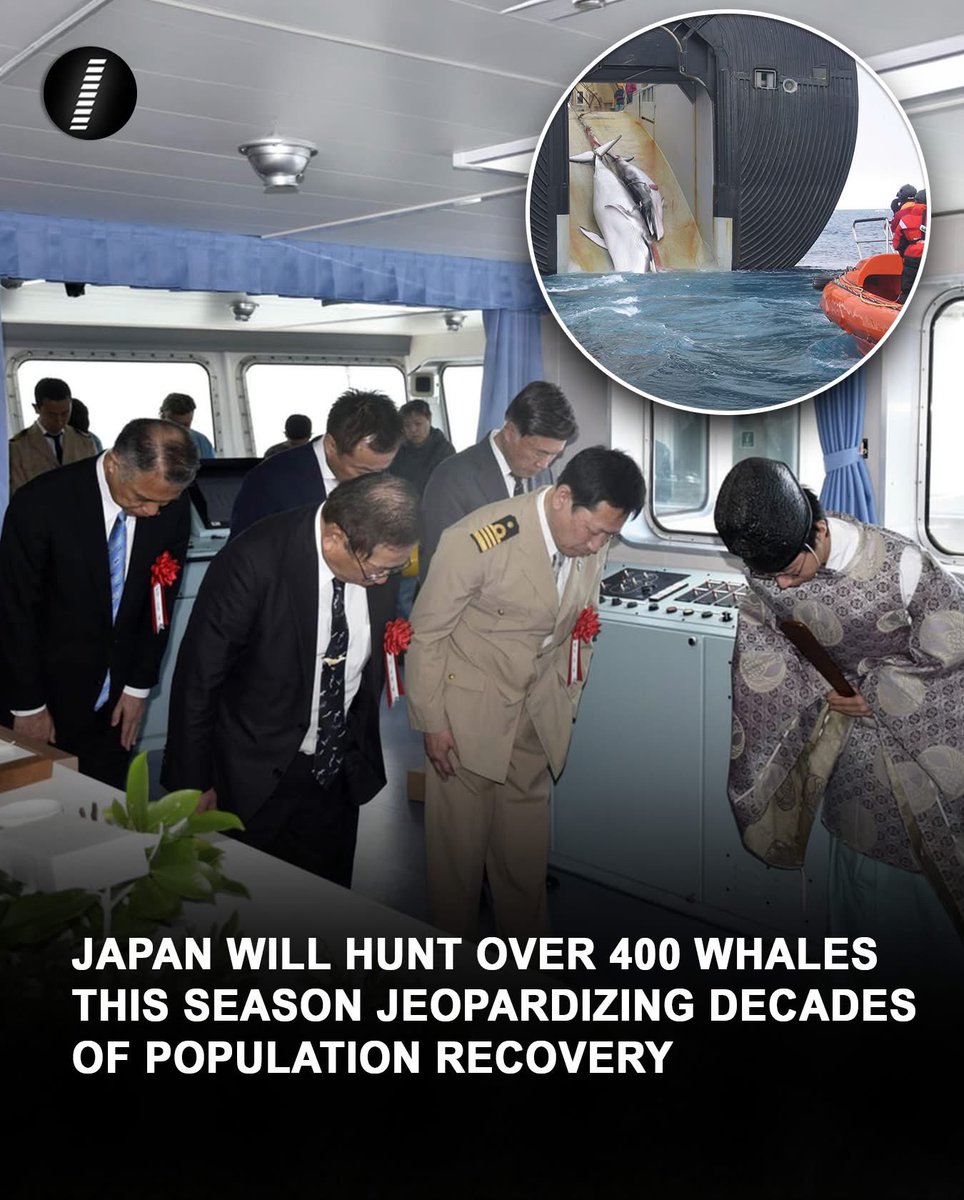
In a development drawing intense international outrage, Japan’s 2026 commercial whaling season is officially underway, with a state quota authorizing the slaughter of 412 whales in the North Pacific. The Fisheries Agency’s targeting list includes 145 minke, 153 Bryde’s, 56 sei, and 58 fin whales. Driven by Kyodo Senpaku and its massive new factory processing vessel, the Kangei Maru, the offshore hunt has been fiercely condemned by conservationists who warn that killing vulnerable and endangered fin and sei whales actively sabotages decades of population recovery.
#JapanWhaling2026 #MarineConservation #SaveTheWhales #OceanWildlife #NewsUpdate
2
1
17
Chief Shearer 🙏🇪🇺 🕯️🐟🇫🇷 🐦 retweeted

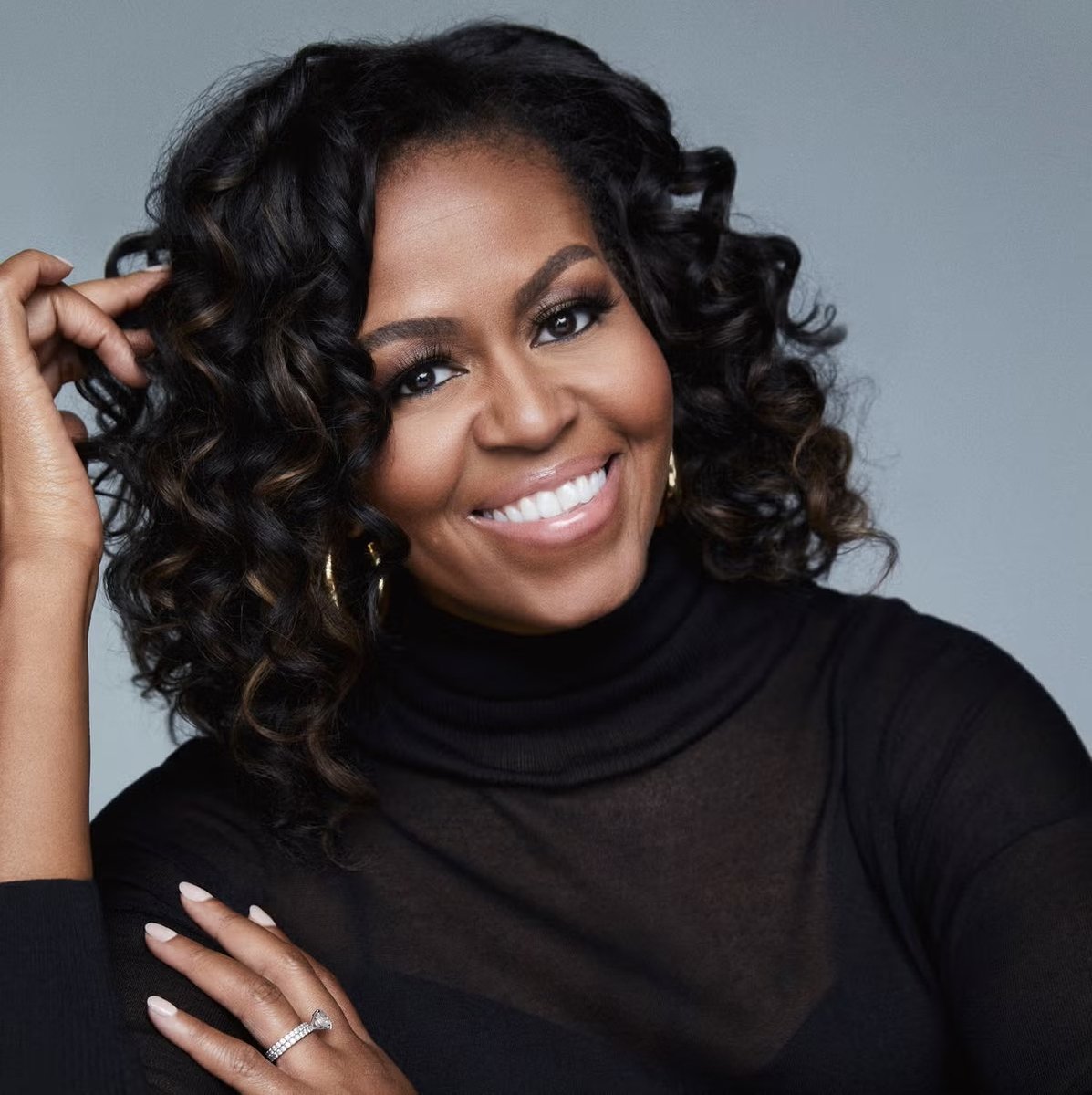
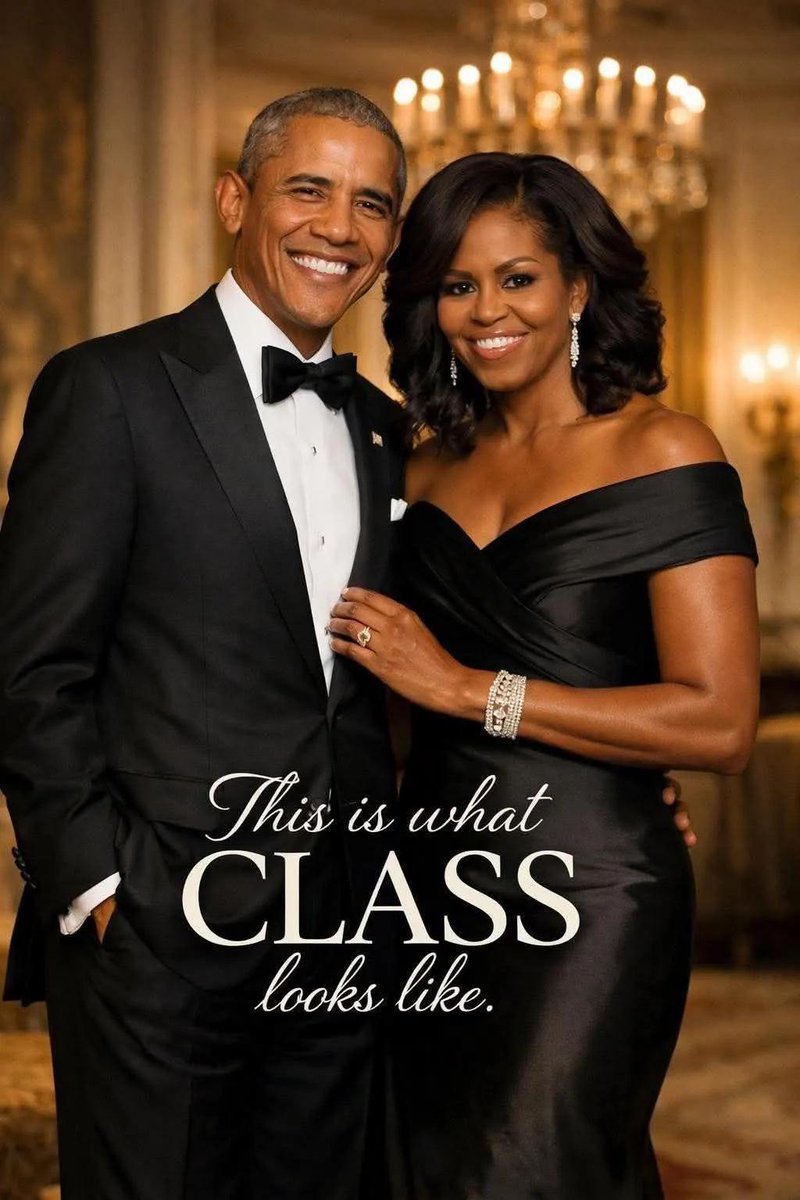
RETWEET if you stand with Michelle Obama!
845
16,661
39,395
338,955
Chief Shearer 🙏🇪🇺 🕯️🐟🇫🇷 🐦 retweeted

Jun 15
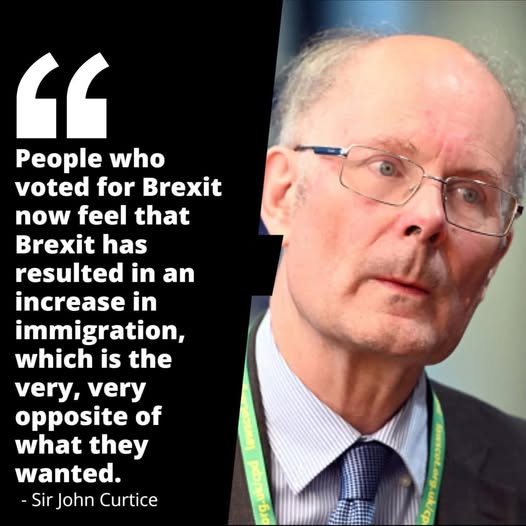
Now they just need to really remember what Reform was called previously and who it's Leader was and there might be a glimmer of hope.
Don't hold your breath
25
252
522
4,643
Chief Shearer 🙏🇪🇺 🕯️🐟🇫🇷 🐦 retweeted

It is important that the world does not remain silent in response to this latest act of Russian barbarism. This strike on the Lavra is an attack on the Christian community and on the cultural heritage of humanity. There can be no justification for this or for any other similar Russian attacks. What is needed is more cooperation to stop Russia’s war and stronger protection to save lives from Russia.
Jun 14

Внаслідок російського обстрілу, який відбувається зараз, вночі 15 червня, горить дах одного з найбільш святих місць християнського світу - Успенського собору Печерської лаври у Києві.
Просимо про молитву за врятування святині від знищення.
Черговий російський злочин проти людяності, проти історії, проти християнства.
Що ще повинен зробити кремлівський антихрист, аби світ усвідомив, що слід рішуче діяти, аби російський терор проти України і самих принципів миру припинився?
Пресвятая Богодице, зупини ірода!
707
3,558
14,040
270,395
govt already knows my age & has all relevant details. It should have as part of its online services a means to gen a token which verifying age. token to be used on SM platforms. platform gives you a unique key, enter on govt site & get back age verified key. Privacy both sides
1
34
When govt age verified it adds a unique code only it understands. It stores all the tokens anonymously. You enter your token & site verifies token is valid with govt db. So you can't forge it. under 16s don't have access to the service.
19
A good case study in why media is no longer a news source. It is gossip
Jun 14

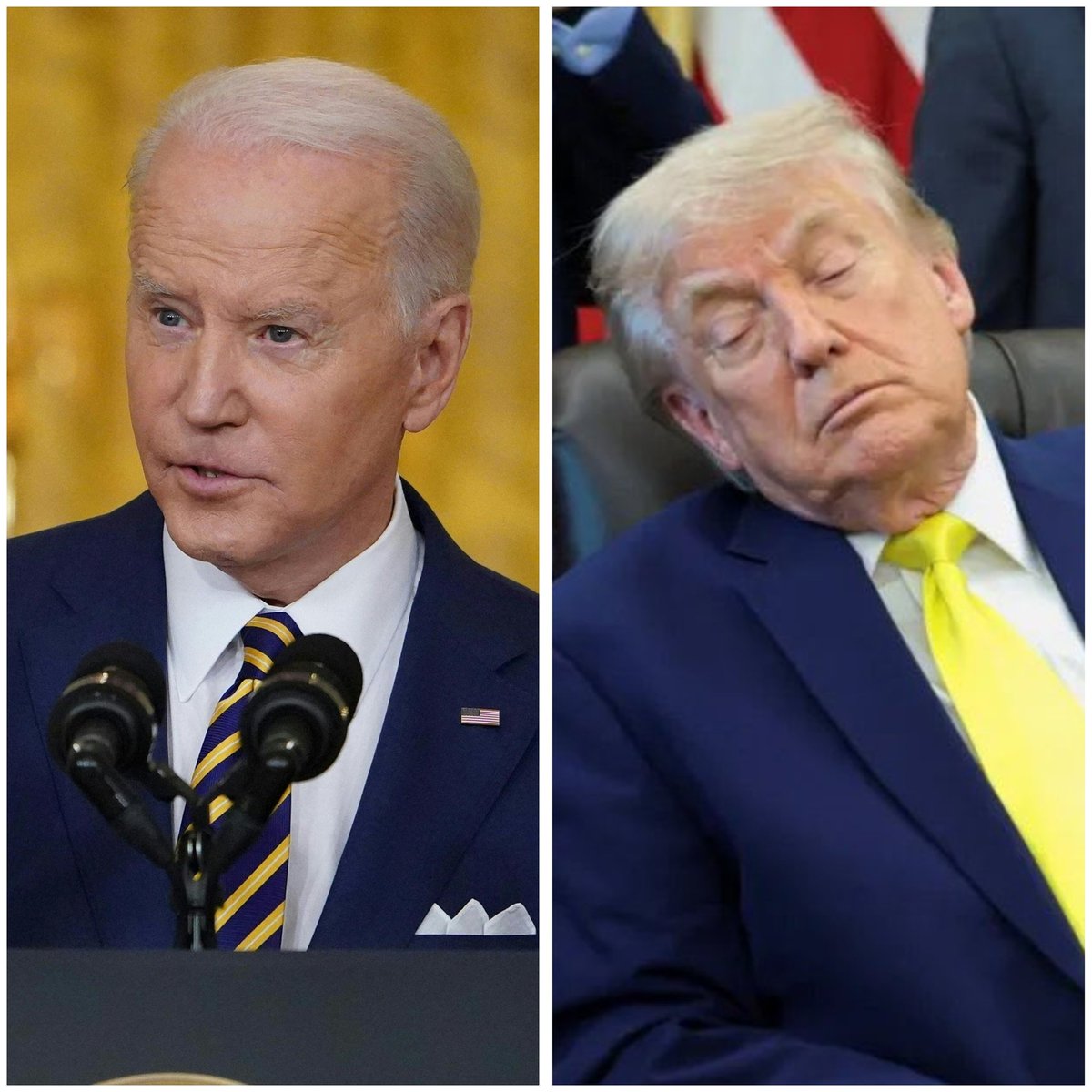
Biden at 80. Trump at 80.
One rode bikes, worked out daily, passed historic legislation, released yearly physicals, and answered endless questions about his age and health.
The other falls asleep in public, rambles through speeches, looks visibly swollen, and has reportedly taken multiple cognitive tests ordered by doctors.
Guess which one the media treated like a five-alarm health crisis. 🙄
10
The people of Iran are still stuck with an evil regime they can't get rid of. He could at least acknowledge this & work to peacefully help. Start by banning IRGC from UK & confiscating their assets.
If the regime stays it will use strata to blackmail the world
Jun 15

Starmer makes the welcome official, then quietly lists the bill.
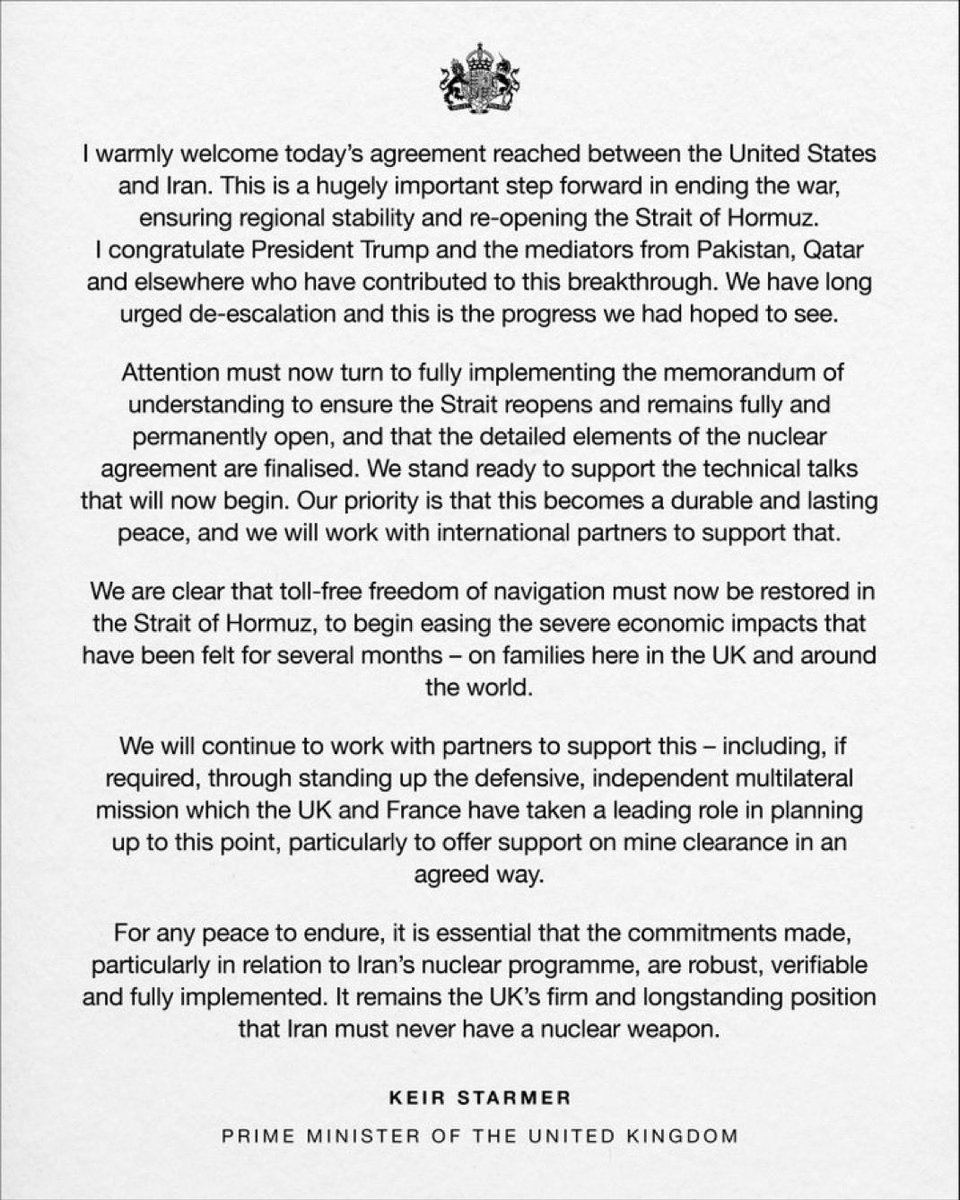
The UK Prime Minister has issued a formal statement welcoming the US-Iran agreement, and it reads exactly as a Downing Street statement on a fragile deal should: warm at the top, conditional underneath.
He opens by congratulating Trump and the mediators from Pakistan, Qatar and elsewhere, calling it a hugely important step toward ending the war and reopening the Strait of Hormuz. Standard diplomatic applause. The interesting part is what follows.
Three commitments sit beneath the praise. First, full implementation of the memorandum of understanding, with the Strait kept “fully and permanently open” and the nuclear elements actually finalised. A reminder that a ceasefire and a signed agreement are not the same thing. Second, the economic framing: he names the severe impacts felt by UK families for several months and ties toll-free navigation directly to easing them. That is a domestic message wearing a foreign-policy jacket.
Third, and most telling, the security clause. The UK and France have been planning a defensive, independent multilateral mission, and Starmer signals it can still be stood up if required, specifically for mine clearance in the Strait. Translation: London and Paris are not standing down their contingency just because Trump held a press conference.
He closes on the one line with no flexibility in it. Iran’s nuclear commitments must be robust, verifiable and fully implemented, and it remains the UK’s firm position that Iran must never have a nuclear weapon.
A generous welcome, then. With the trust deliberately left in escrow until the Strait actually clears.
12
Chief Shearer 🙏🇪🇺 🕯️🐟🇫🇷 🐦 retweeted

1
3
15
329
Chief Shearer 🙏🇪🇺 🕯️🐟🇫🇷 🐦 retweeted

CC: @theliamnissan This should be trending on UFC day at the White House.

2
1
27
Reasons for PM change in office.
-Had enough, been in office long time eg Blair
-Lost major vote - confidence eg May, Cameran
-Scandal - Johnson, Truss
Reasons not to - the UK press & local election or vanity
Stop wasting our money Burnham
21
That is not football

🚨The 4th referee had to wait for FIFA’s broadcast team to signal the restart of USA vs. Paraguay which was delayed by commercials
18
Chief Shearer 🙏🇪🇺 🕯️🐟🇫🇷 🐦 retweeted

Jun 13
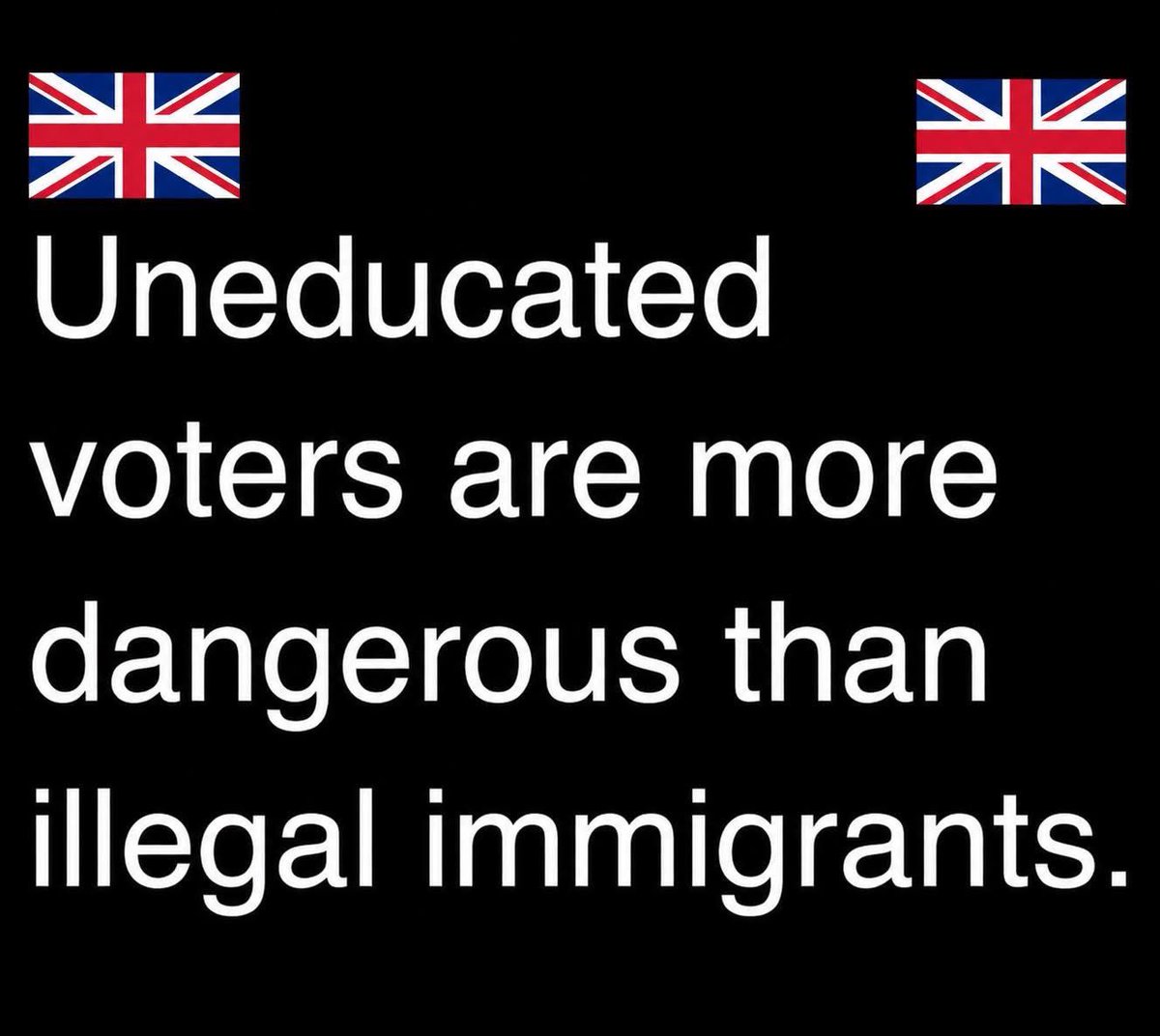
Yup
1,222
2,275
12,132
139,928

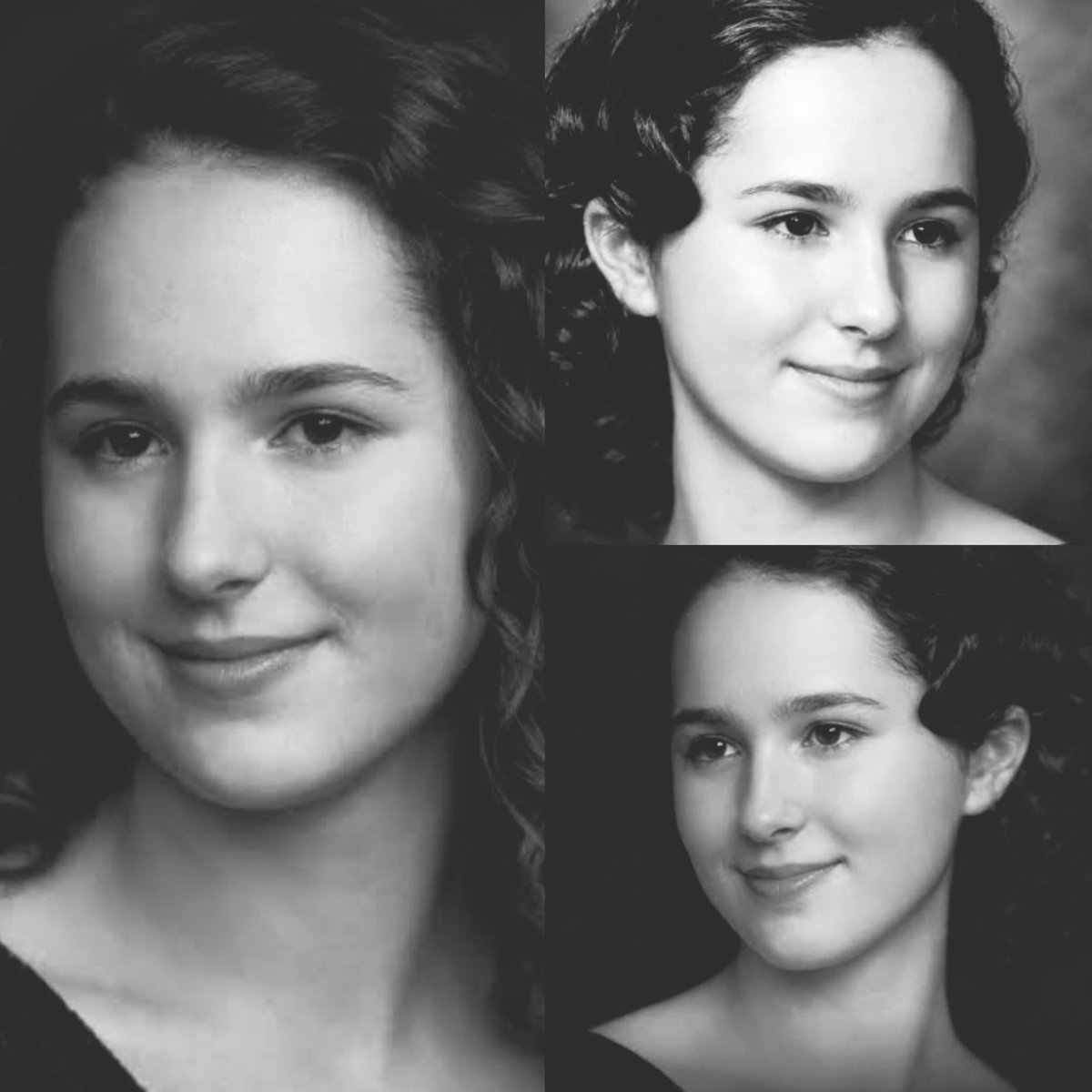
In 1937, a nineteen-year-old woman graduated summa cum laude from Hunter College in New York City with a degree in chemistry. Her academic record was exceptional. Her determination was absolute.
She applied to fifteen graduate schools. Not one offered her funding.
The rejection letters didn't say she wasn't qualified. They just didn't offer fellowships to women. Laboratories turned her away for the same reason. One employer told her directly he had never considered hiring a female chemist and didn't intend to start. She enrolled briefly in secretarial school because someone suggested it might be more practical. She tried volunteering in a chemistry lab, where the only position available was washing dishes.
Her name was Gertrude Belle Elion — and she was going to change medicine anyway.
Gertrude was born on January 23, 1918, in New York City, the daughter of immigrants. Her father had emigrated from Lithuania and built a dental practice; her mother had arrived from Poland at fourteen. The 1929 stock market crash wiped out the family's savings and reshaped everything, including Gertrude's options. She was able to attend Hunter College only because it was a free public institution and her grades were good enough to get in. Without it, she later said, she might never have received a higher education at all.
Two personal tragedies shaped the scientist she became.
When Gertrude was fifteen, her grandfather died painfully from stomach cancer. She sat with him in his final days and watched doctors unable to do anything to save him. That helplessness gave her a purpose she never abandoned. Then, as a young woman, she lost her fiancé to a sudden infection of the heart. The grief deepened her conviction: she would spend her life fighting the diseases that took the people she loved.
After the fifteen rejections, she found work wherever the doors were open. She taught high school chemistry and physics. She worked as a lab assistant. She took night classes at New York University and earned a master's degree in 1941 — paying her own way, working around the obstacles rather than through them. She never stopped moving toward the science.
In 1944, a door finally opened. She joined Burroughs Wellcome Laboratories and began working alongside biochemist George Hitchings. What they built together over the next four decades would transform medicine.
Rather than testing compounds randomly and hoping something worked, Elion and Hitchings pioneered what became known as rational drug design — understanding the biochemical differences between disease cells and healthy human cells at the molecular level, then creating targeted drugs to attack the disease without destroying the patient. It was a fundamental rethinking of how medicines were made.
The results were extraordinary.
Elion helped develop 6-mercaptopurine — one of the first effective treatments for childhood leukemia. Before it existed, most children diagnosed with leukemia were dead within months. She helped create azathioprine, the immunosuppressant that made organ transplantation medically possible for the first time, giving patients with kidney failure and other conditions a chance at survival they had never had before. Her antiviral work produced acyclovir, a treatment that changed outcomes for herpes encephalitis — a disease that had been almost uniformly fatal — and her foundational research directly paved the way for AZT, one of the first effective treatments for AIDS.
She never stopped working. She never earned a traditional doctorate. She had honorary degrees from institutions that hadn't existed when she was being turned away from graduate school, but she never had the credential the fifteen schools had withheld from her in 1937.
In 1988, Gertrude Elion received the Nobel Prize in Physiology or Medicine.
She was seventy years old.
She wore a bright blue dress to the ceremony in Stockholm so she would be visible among the formally dressed male honorees. The woman fifteen schools had decided wasn't worth funding stood in a room full of the world's most celebrated scientists, collecting the highest honor her field could give.
She kept a file of letters from patients whose lives her work had saved — kidney transplant recipients, children who survived leukemia, parents writing to thank a woman they had never met for giving them back their children. She said that file meant more to her than the Nobel.
"What we were aiming at," she once said, "was getting people well. And the satisfaction of that is much greater than any prize you can get."
The young woman fifteen schools rejected ended up reshaping modern medicine anyway.
She just had to do it without their permission.❤️❤️✡️
7
91
357
11,637
Chief Shearer 🙏🇪🇺 🕯️🐟🇫🇷 🐦 retweeted

Jun 13
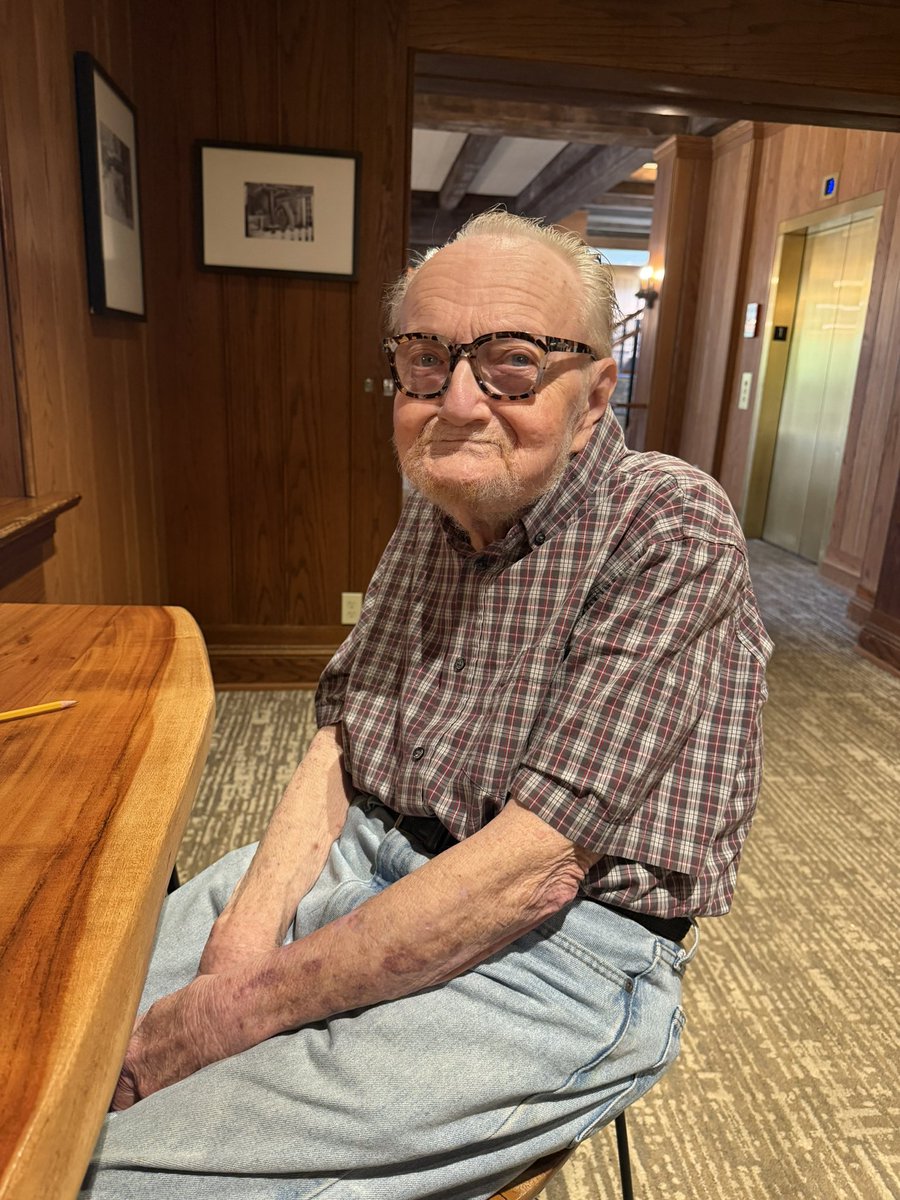
I want to introduce you to Steve. He’s 83. His wife died a few months ago and he comes to this lodge in Spring Mill, Indiana and draws. He taught art in Terre Haute, IN his whole life. He also did courtroom sketches in court cases. In the comments I’ll share some pics from his sketchbook. He was excited when I said I was going to share his sketches with the world.
4,584
14,662
144,749
3,671,816
Chief Shearer 🙏🇪🇺 🕯️🐟🇫🇷 🐦 retweeted

Jun 13
An Indian woman living in Belfast has cooked over 100 meals for families trapped in their homes by this week’s riots, co-ordinating a team of volunteer drivers to deliver food, groceries and essentials to those impacted by the riots free of charge.
Read more: tinyurl.com/3ac52fnx

858
856
3,228
105,903
Chief Shearer 🙏🇪🇺 🕯️🐟🇫🇷 🐦 retweeted

Jun 13
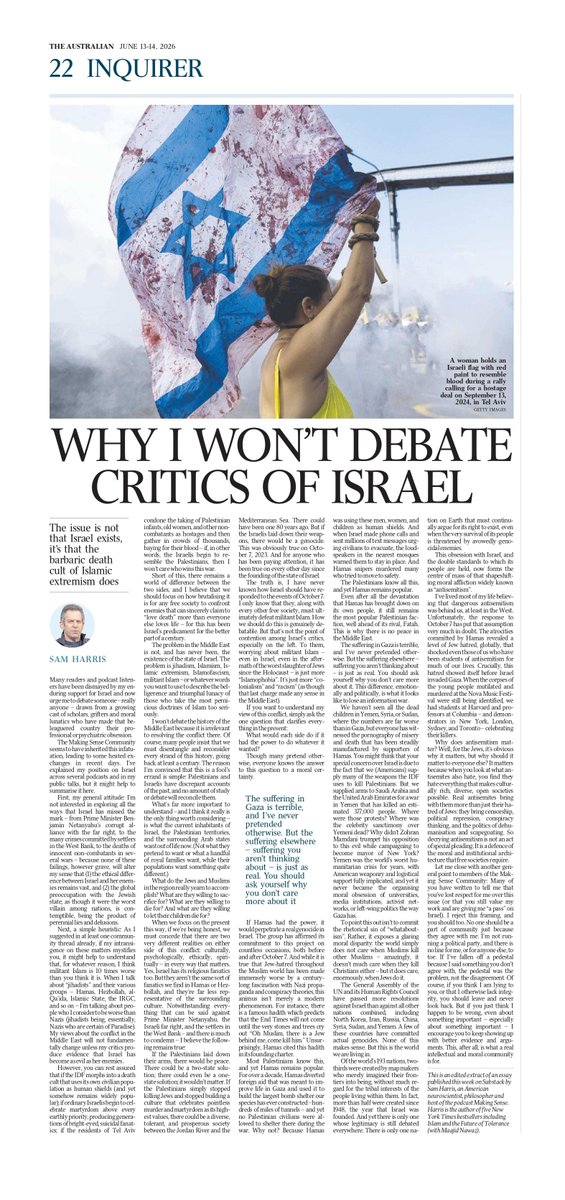
Must-read from Sam Harris in @australian on why he refuses to engage in most Israel debates: because too often they start from false assumption that Israel is the problem, while ignoring the ideology that glorifies October 7, martyrdom and the destruction of the Jewish state.
176
680
2,845
199,245