
MSCS | Smart Contract Developer
Joined July 2018
- Tweets 1,422
- Following 538
- Followers 544
- Likes 2,145
239 Photos and videos



Pinned Tweet

18 Dec 2024
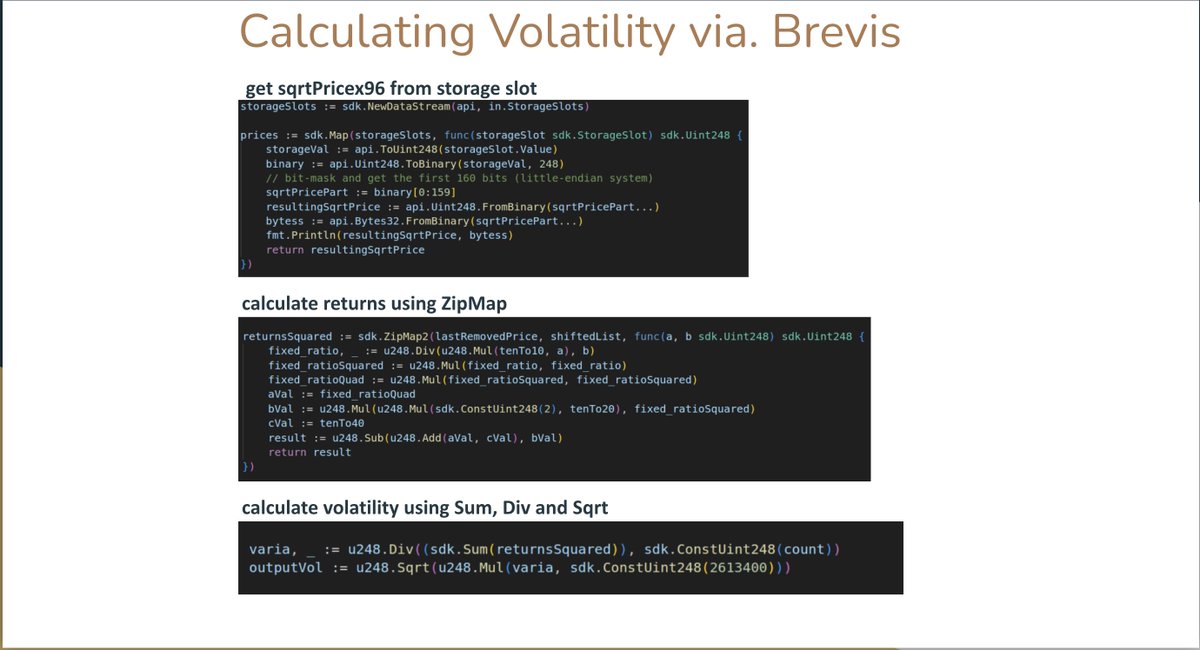
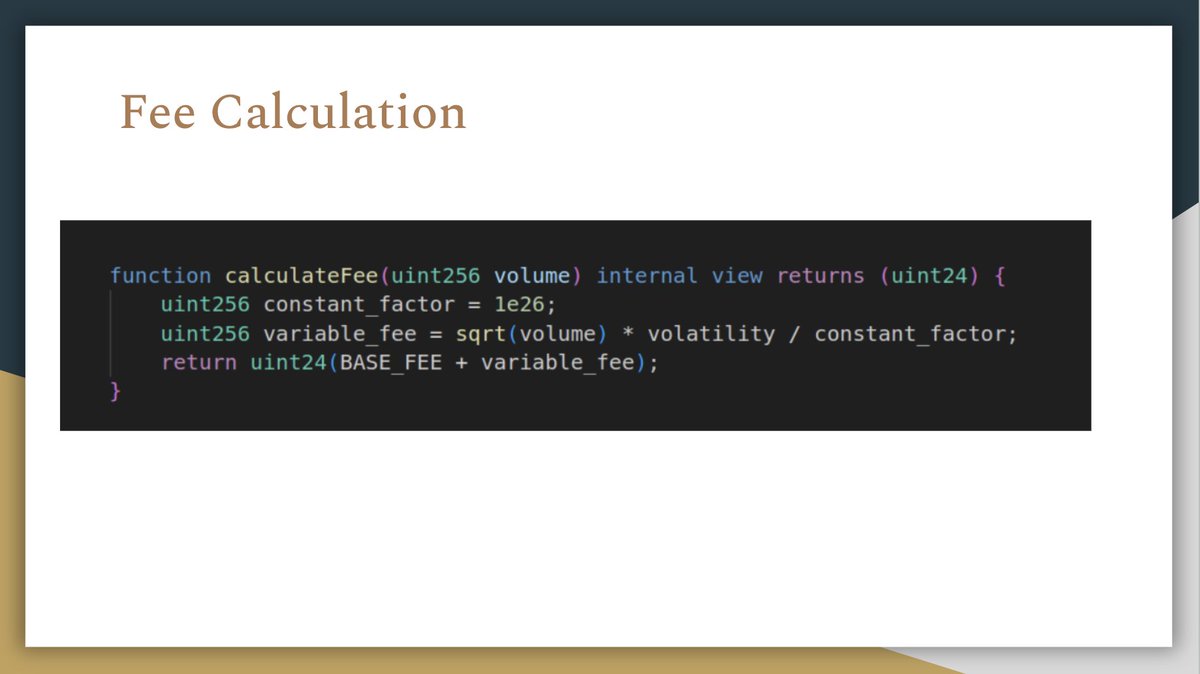
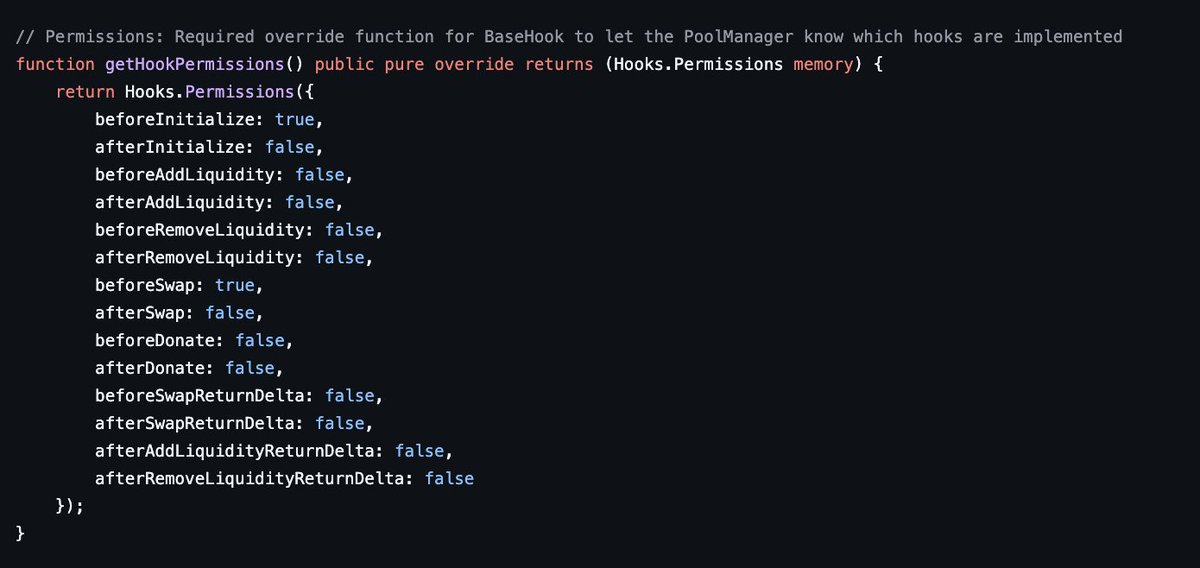
As @Uniswap v4 approaches its launch, it's got everyone excited, especially developers. Everyone's talking about it and speculating on how it will transform the liquidity landscape. But at the heart of its innovation are the hook builders.
So, I've decided to start a Hook Review series. In this series, I'll review one hook per thread, diving deep into the tech, highlighting the builders, and possibly sparking discussions around their use cases.
6
1
19
893
Fear is at 13. Bitcoin is near $69K. That disconnect matters more than the panic headlines — especially while big buyers keep adding size.\n\nhttp://159.203.138.135:3000/editions/fear-says-panic-capital-says-otherwise-mnnnew25
29
Fear is at 13. Bitcoin is still holding near $69K.
That tells you the mood is weaker than the market.
http://159.203.138.135:3000/editions/bitcoin-still-looks-stronger-than-it-feels-mnnlmovb
20
Fear is at 13. Bitcoin is near $69K.
The mood says panic. The price says capital is still stepping in.
http://159.203.138.135:3000/editions/fear-is-extreme-bitcoin-is-near-69k-mnnlggss
21
W bottom forming while fear stays at extremes. That divergence is the signal.
20
Fear is at 8. Bitcoin is still holding near 68K.
That tells you demand is absorbing panic better than the headlines suggest.
http://159.203.138.135:3000/editions/bitcoin-is-at-8531-fear-is-at-8-the-markets-obsession-is-still-the-wrong-story-mngbuxfx
2
35
Fear is at 8. Bitcoin is still near $69K.
That's the signal. The mood is collapsing faster than the market structure.
bitcoinforthebusines.com/edi…
21
14 Apr 2025
Represent 🔥
14 Apr 2025

Every @Starknet project has a story.📖
@KashanSid3 from @A51_Fi talked about theirs - why they're building an AMM with liquidity shaping intents, and how a Seed Grant helped along the way.
This is what early support looks like: starknet.io/grants/seed-gran…
2
4
161
8 Apr 2025
Ultra Bullish 🔥
7 Apr 2025

Honored to help Pakistan 🇵🇰 adopt crypto!
geo.tv/latest/598888-binance…
1
82
7 Apr 2025
HUUUGEEEE
7 Apr 2025

JUST IN: 🇵🇰 Pakistan appoints Binance founder CZ as strategic crypto advisor.
87
14 Mar 2025
Good is DeFi for the world
12 Mar 2025

DeFi is good for the world
1
2
158
14 Mar 2025
It's not that tricky, it's just ticky.
14 Mar 2025

5
138
8 Mar 2025
Eli5ed well 🧪
7 Mar 2025
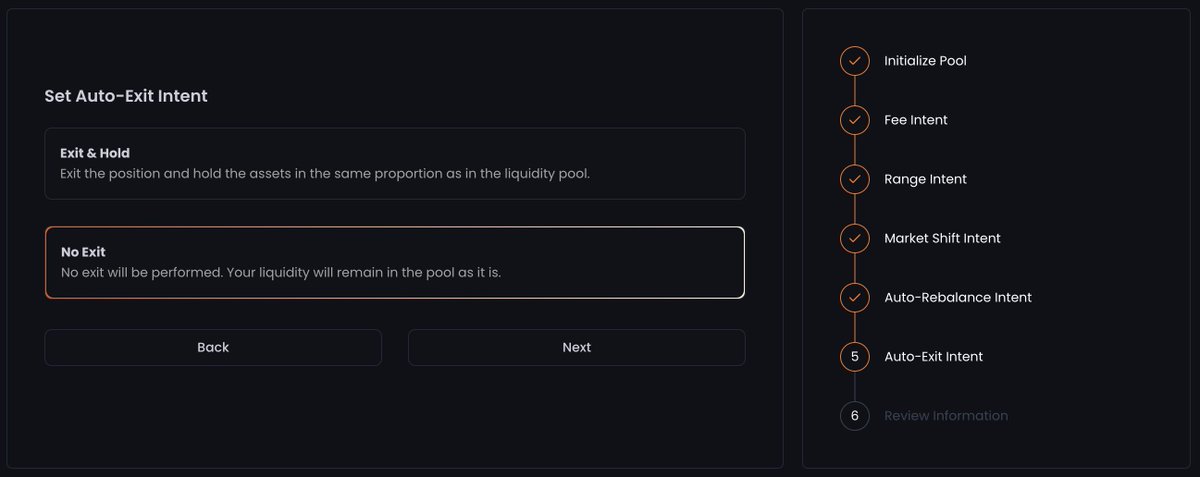
As an LP, you can balance impermanent loss risks against the potential rewards of trading fees and price appreciation by carefully choosing between:
1. No Exit
2. Exit & Hold
We’ll use a hypothetical scenario where 1 ETH = $2,200 and 1 USDC = $1 to illustrate the choices.
No Exit
Your liquidity stays in the ETH/USDC pool. No automatic withdrawal will occur, regardless of price fluctuations.
Why you might choose it?
1. You believe $ETH will appreciate in the long run, and you’re comfortable remaining in the pool to earn trading fees.
2. You accept the risk of IL but expect that fee income may help offset it over time.
3. You prefer a “set it and forget it” approach keeping your position in the pool without worrying about short-term market swings.
Example:
Suppose $ETH remains around $2,200, and you want to keep collecting fees indefinitely.
By selecting No Exit, your liquidity stays put, potentially earning fees if there’s significant trading activity in the ETH/USDC pool.
If ETH’s price spikes to $2,500 or dips to $1,900, you’ll remain in the pool, still subject to impermanent loss but also continuing to earn fees.
Exit & Hold
Withdraws liquidity while maintaining the pool ratio at withdrawal. It's ideal if you want to stay exposed to both assets in exactly the same proportions but out of the pool to pause IL.
Why you might choose it?
1. If you want to remain exposed to ETH (for upside potential) and keep some $USDC (for stability), Exit & Hold preserves that allocation exactly as it was in the pool.
2. This is useful if you still believe in ETH’s long-term growth but want to temporarily step out of the liquidity pool (e.g., due to market uncertainty).
3. By withdrawing your exact pool ratio, you lock in the current proportion of ETH and USDC.
4. This can minimize further IL if you suspect a stronger move in ETH (either up or down) is coming soon, but still want to hold both assets.
Example:
$ETH price rises slightly
ETH goes from $2,200 to $2,250. You meet your threshold for a modest gain but don’t want to lose your position in ETH entirely.
Trigger: You use Exit & Hold, withdrawing both ETH and USDC in the same ratio you had in the pool.
Outcome: You keep exposure to further ETH gains (in the portion you withdrew), but you’re out of the pool and no longer subject to IL from ongoing rebalancing.
$ETH price dips
ETH dips to $2,100. You worry ETH could drop more, but you still want some ETH if it recovers quickly.
Trigger: Exit & Hold automatically executes at your lower price threshold, withdrawing your liquidity with the ETH/USDC ratio intact.
Outcome: You shield yourself from further IL and keep a mix of ETH and USDC that matches your long-term strategy.
5
196
Null_Exception retweeted

1 Mar 2025
“Listen, I’m telling you, A51 is a big deal, okay? They’ve got these fancy hooks on Uniswap v4. Nobody does hooks better, believe me. It’s so simple, you’d have to be a total loser not to get it".

1
2
16
482
18 Feb 2025
Excited for this lineup, been a while catching up on @Uniswap v4. It'll be good to touch some grass while we spill beans on what's next 🤑
18 Feb 2025
Catch the teams live this Thursday!
Featuring:
@btb_finance
@lumisfi_
@HookRank
@8thousander
@KashanSid3
@nul_exception
x.com/i/spaces/1BRJjmbEemwGw

6
280
Null_Exception retweeted
13 Feb 2025
Announcing Multihook on @Starknet for Ekubo 📢
@EkuboProtocol's extension system is powerful, but it was limited to one extension per pool.
We built a Multihook to change that.
Now, multiple extensions can be added to a single pool, making development more modular and flexible.
What this enables:
- Run multiple extensions in a single pool instead of being limited to one.
- Set execution order for different lifecycle methods.
- Enable/disable specific methods within an extension for better control.
- Experiment and upgrade without redeploying a new pool.
For Cairo devs building on Ekubo, this means:
1. Easier experimentation with different types of hooks.
2. Ability to swap out hooks dynamically.
3. More flexibility to create modular, customizable apps.
Multihook supports up to 16 extensions, opening up more ways to fine-tune liquidity strategies.
This is our first step in bringing A51 to Starknet, with deeper LP customization coming through A51 Carbon.
Shoutout to @anton_gulak (we took inspiration from his multihook and built this version for Cairo and Ekubo).
GitHub: github.com/a51finance/multie…
16
24
98
11,267
