ʙᴏʀɴ ɪɴ ᴠɪᴇᴛɴᴀᴍ ɢʀᴇᴡ ᴜᴘ ɪɴ ᴇᴜʀᴏᴘᴇ ʟɪᴠᴇ ɪɴ ᴀꜱɪᴀ
Joined March 2009
- Tweets 18,789
- Following 567
- Followers 119,565
- Likes 33,546
3,515 Photos and videos



Pinned Tweet

21 Mar 2025
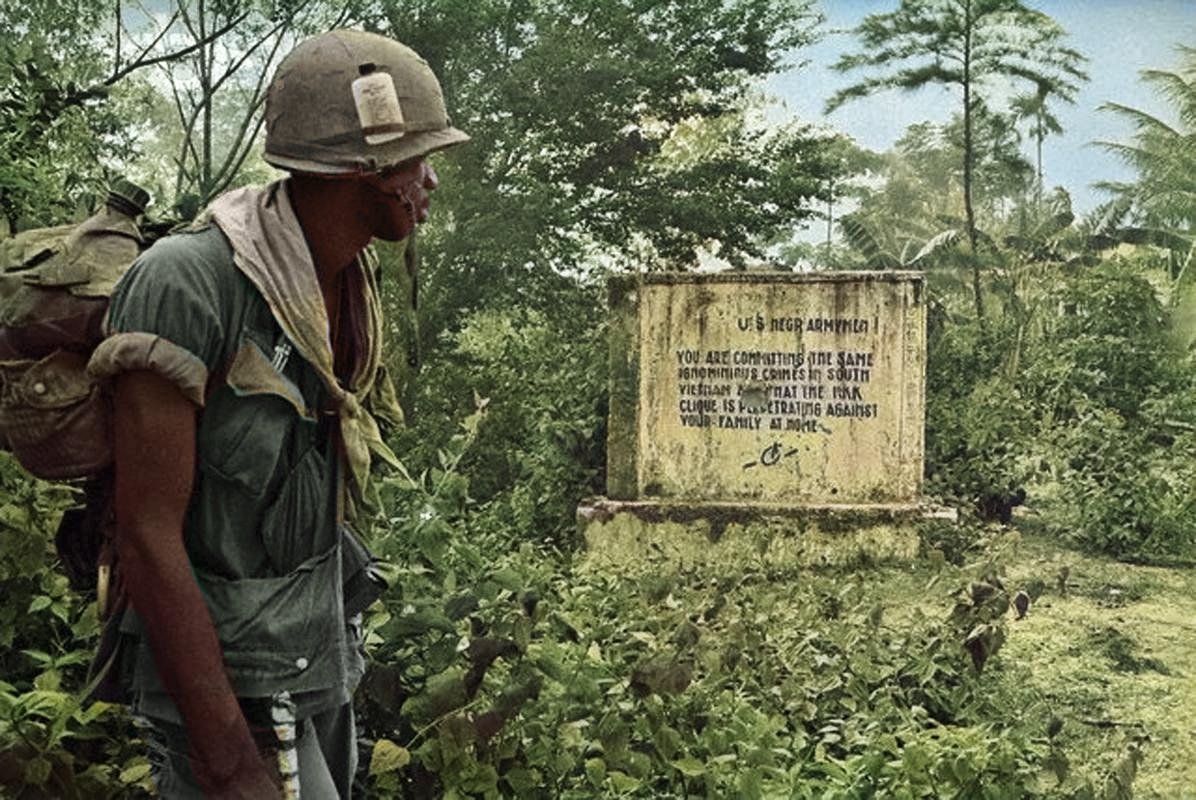
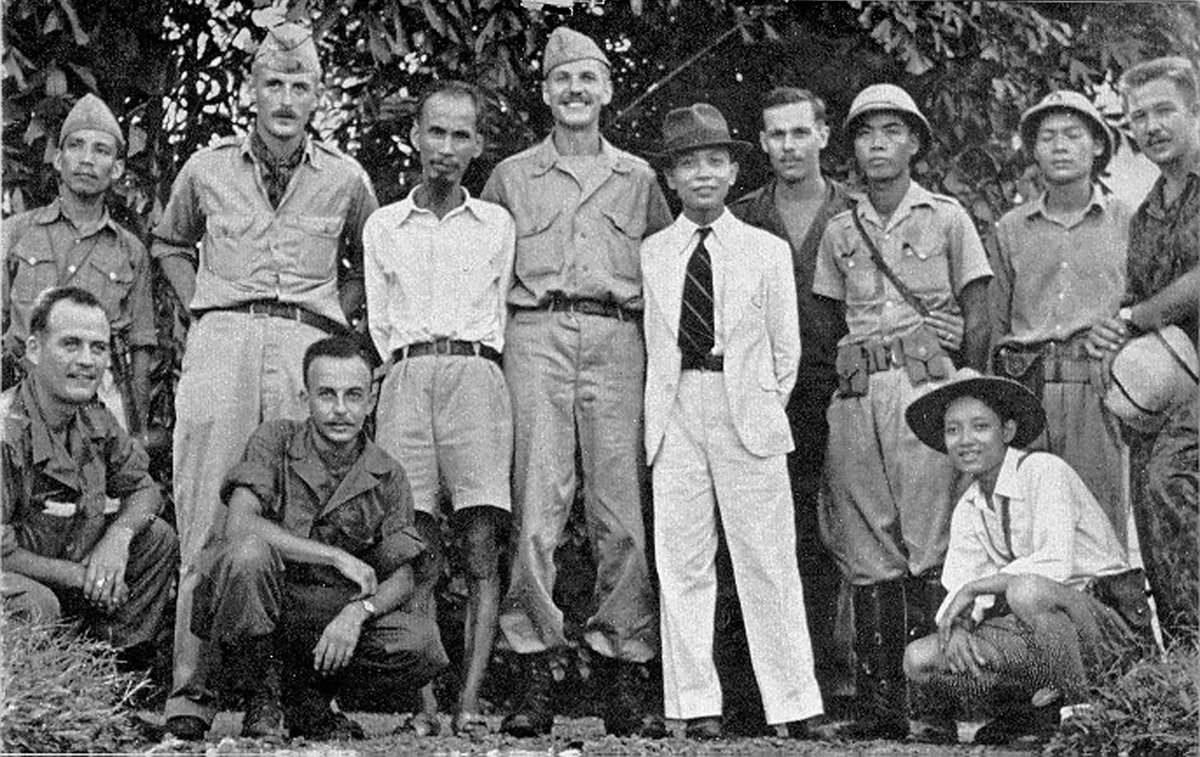
They said no one could stand against empire.
But Vietnam did.
And we didn’t fight with words alone.
We fought with steel in our spine and fire in our lungs.
We fought barefoot in the mud, with rusted rifles, against superpowers who thought the world was theirs to rule.
We made them bleed until they crawled back across oceans—beaten, broken, and no longer so sure of themselves.
And we built what they said could never rise—a nation that never forgot the cost of freedom.
Empire is not eternal.
Resistance is.
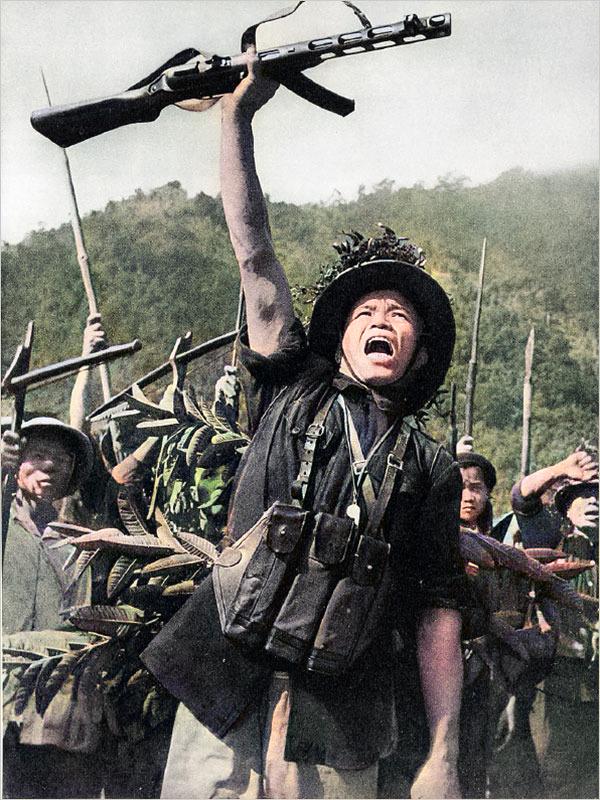
ALT Vietnamese Militiaman with a PPSh, pre-1967.
2,483
16,800
64,957
2,916,144
Jun 12
Those are good examples to raise, but I think they actually support the original point rather than undermine it, depending on what we mean by "empire."
China has had unbroken civilizational continuity for thousands of years, yes. But not as one empire.
The Han fell.
The Tang fell.
The Song fell to the Mongols.
The Yuan fell.
The Ming fell to the Qing.
The Qing collapsed in 1912 after a century of humiliation, foreign occupation, and internal collapse.
What persisted was a civilization, a writing system, a cultural continuity, not a single unbroken imperial structure.
Each dynasty rose, expanded, became rigid, faced internal contradiction or external pressure, and fell. Then something new was built on the ruins, sometimes by outside conquerors who were themselves absorbed.
That's not a counterexample to "empires end."
That's the pattern repeating itself for three thousand years, with remarkable consistency.
Persia is the same story.
The Achaemenid Empire fell to Alexander.
The Parthian Empire fell to the Sassanids.
The Sassanid Empire fell to the Arab conquest in the 7th century, one of the most total imperial collapses in history.
Then Safavid Persia, then Qajar, then Pahlavi, then the 1979 revolution.
Iran as a continuous cultural and linguistic identity is real and remarkable. But it has been through more total imperial collapses than almost anywhere on earth.
The Ottoman Empire, six centuries, collapsed completely after World War I, redrawn entirely by outside powers.
India: the Mughal Empire, one of the largest empires in human history, was reduced to a figurehead by the British East India Company and formally ended in 1858. Before that, the Maurya, the Gupta, dozens of regional empires, all rose and fell.
So I'd actually push back gently: I don't think these examples show empires lasting forever.
I think they show something more specific: civilizations can persist for millennia through cycles of imperial rise and collapse, often by absorbing their conquerors, rebuilding, and continuing under new political forms.
Which is actually a more interesting point than mine, because it suggests the relevant question for the American case isn't just, "Does the empire end?"
It almost certainly does. Nothing has shown otherwise.
The real question is:
What civilizational continuity, if any, persists through that ending, and what gets built on the other side?
China, Iran, and India all have answers to that second question that go back millennia. They had deep cultural, linguistic, religious, and institutional continuities that outlasted any individual dynasty or empire.
Does the United States have an equivalent?
Does it possess a civilizational core that exists independently of the imperial structure, one capable of surviving its end and rebuilding into something else?
That is a much harder question than, "Will the empire end?"
And I think it's the more important one.
Jun 12

I guess you haven’t really studied Iran, China, nor Turkey? Each one is a very long term empire. India might be another example.
24
157
510
16,879
Jun 12
Every religion has its creation myth.
America's goes like this:
Exceptional people fled oppression, built freedom from nothing, spread that freedom to a grateful world, and stand today as the last defense against chaos.
Every part of that sentence contains a deletion.
What was fled.
Whose land was built on.
What the freedom cost other people.
What gratitude actually looked like from the receiving end.
The deletions are not accidents.
The deletions are the religion.
Without the deletions, there is no faith.
31
282
784
12,490
Jun 12
Every empire in history has ended.
Not one has been permanent.
Not one has successfully convinced history to make an exception for it.
Not one has found the formula that converts sufficient brutality or sufficient prosperity into permanence.
They end because the contradictions they generate, the inequality, the extraction, the violence required to maintain the distance between what the system promises and what it delivers, accumulate past the point that management can contain.
The American empire is not different.
It is not exempt.
The signs of what historians recognize as late-stage imperial stress are not subtle right now.
The question is not whether it changes.
The question is whether the people inside it are organized enough, clear-eyed enough, and committed enough to shape what it changes into.
Or whether they remain passive long enough that the changing is done for them, by the chaos that fills the space that organized people failed to occupy.
History doesn't wait for people to be ready.
It rewards the ones who decided to be ready anyway.
The trillion-dollar project bought them time.
The time is running out.
What you do with what's left is the only question that has ever mattered.
32
292
757
10,486
Sony Thăng retweeted

Jun 11
"They killed two million Koreans in three years."
— Bassem Youssef
79
2,395
7,570
152,238
Sony Thăng retweeted

Jun 12
The human species has essentially been transformed into a giant profit-generating machine for corporations.
Under capitalism, humanity exists to serve the interests of the corporation. We are all livestock; beasts of burden used to carry margin expansion forward from quarterly statement to quarterly statement. Enjoyment of life has no value other than the extent to which it can be used to increase the net worth of the shareholders.
That’s why everyone’s so unhappy. We’re not living with purpose. We’re not working together to build a better world and a better future, we’re just pulling levers to turn gears to make the arrow line go up on the graph in the conference room. It’s a hollow, pointless way for people to live.
It makes our whole culture vapid and soulless.
Music is made to be as profitable as possible, which means giving it the broadest possible appeal using formulaic song structure calculated to cause a chemical response in the largest number of human brains.
Movies are designed to draw the largest possible box office revenue at the lowest possible risk to studios and investors, often by just rehashing a movie that’s already proven successful in the past or by slapping together a story about an IP with pre-existing mass appeal.
Food is made to be fast and addictive rather than nourishing.
Healthy human connection has been commodified as social media intertwines with friendships and dating apps insert themselves into the development of romantic relationships.
Human sexuality is being warped and twisted as internet porn normalizes violence and degradation for the maximum number of clicks.
Attention and engagement have been monetized, creating an information ecosystem dominated by conflict and gossip designed to appeal to our baser instincts.
Advertisement is injected into every possible corner of our waking sensory experience, with any available space where the eye might rest or the ear might listen being flooded with psychological manipulation compelling us to consume. They’ll start running commercials in our dreams the instant they have the technology to do so.
You spend eight hours at the office working to generate corporate profits, then you come home and consume products to profit other corporations. You need your beer and snacks to unwind, your streaming services and social media to distract your mind from the stress of it all, your online clothing purchase to try to feel good about yourself, and your prescription drugs to get to sleep at night. People live their entire lives like this.
And that’s those of us who are lucky enough to be living in the global north. In the global south you get wage slavery and exploitation with far more toil, far less relaxation time, and no cheap products made by impoverished workers on other continents with which to comfort yourself.
All of humanity has been roped into this mess. And for what? To make the numbers in some bank accounts increase. To get some green arrows pointing upward on the stock exchange. To enable a few billionaires to buy islands and elections.
All while destroying the biosphere we all depend on for survival.
This, we are told, is the best possible system we could possibly be living under.
I personally do not believe this is true. I personally believe we can have better. Those who benefit from this current arrangement are going to assure us it’s impossible and do everything they can to stop us from changing it, but we do have the means to reclaim the wealth, dignity and happiness that they have stolen from us.
They built this whole machine on our backs. All we need to do is stand up.
235
2,205
5,234
84,662
Jun 11
The problem was never Trump.
Trump is the readable version of a text that was always there, written in language most people couldn't access.
The problem is the system that produced him, that uses him, that will survive him, and that will next time find someone equally willing to do what he does but competent enough to do it quietly.
The competent version is more dangerous.
The competent version rebuilds the language. Restores the branding. Hires the speechwriters who know how to say "shared values" and "rules-based order" while executing identical policy.
And the people who spent four years appalled by Trump's vulgarity will feel the relief of good grammar and take it for moral improvement.
The empire doesn't need Trump specifically.
It needed what he provided: a stress test. A period of operation without the usual ideological cover, to see what held and what didn't.
What held: the sanctions. The bases. The vetoes. The dollar. The weapons sales. The regime change operations.
What didn't hold: the manners.
And when someone comes along who can restore the manners while keeping everything else, and they will, they always do, the people who thought the problem was the manners will call it a recovery.
The rest of us will know what it actually is.
102
921
2,143
30,416
Jun 11
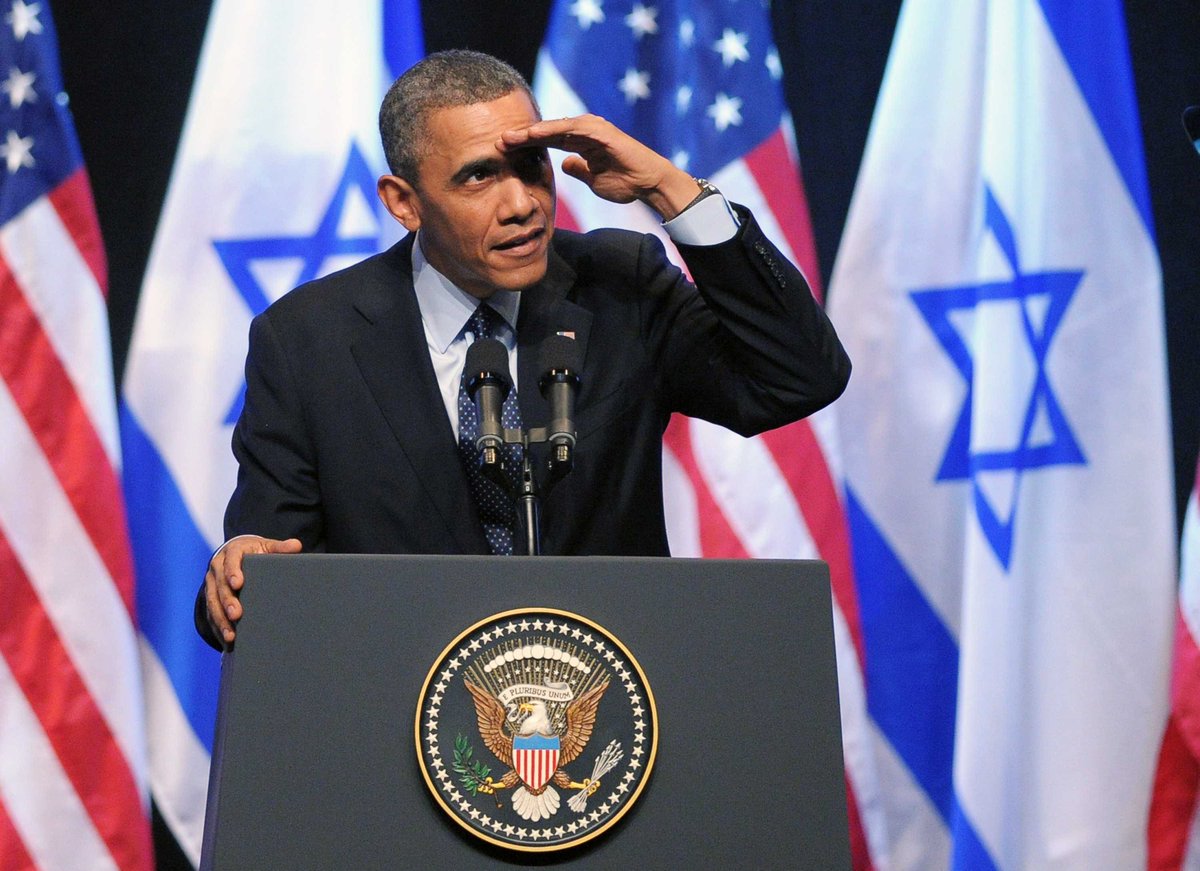
When Obama bombed Libya, the justification was "humanitarian intervention." "Protection of civilians." "Responsibility to protect." The language of international law and moral obligation.
Libya was subsequently destroyed. It has open slave markets today. The humanitarian outcome was catastrophic.
But the language was immaculate. The syntax was perfect. The suits were pressed and the speeches were moving and the Nobel Peace Prize sat on the shelf while the drones flew.
Trump bombs things and says it's about the oil.
In terms of honesty, pure, raw, unmediated honesty about what American power actually does, Trump is more accurate than any of his predecessors.
This is not a defense of Trump.
This is an indictment of everyone who made the polished version seem acceptable.
The lie was always more dangerous than the liar currently in office.
Because the lie had good manners.
ALT U.S. President Barack Obama delivering a speech at the International Convention Center in Jerusalem on March 21, 2013.
198
2,536
5,237
87,209
Jun 11
Empires in decline tend to drop the mask, not because they become more honest, but because maintaining the mask requires resources, coordination, and a functional ruling class capable of sustained strategic thought.
Late-stage empires get cruder.
Not more evil. Cruder.
Less able to sustain the complexity of the justificatory architecture.
Less able to recruit the talented people needed to build and maintain it.
Less able to coordinate the allies needed to give it international legitimacy.
Trump is not the cause of that crudeness.
He is its symptom and its accelerant.
The empire was already losing the capacity to sustain the mask when he arrived.
He simply has no interest in trying.
What you are watching is not a uniquely dangerous man seizing control of a healthy institution.
You are watching a hollowed institution find the leader it deserved.
The man and the moment are perfectly matched.
That is what makes it, in the most grim possible sense, historically coherent.
Jun 11

To be fair, Trump doesn't lie about everything. He is just after having said that the goal in Iran is to "assume total control of their Oil and Gas Markets, much like we have with Venezuela..."
There's no pretence about "spreading democracy" or "fighting terrorists". Trump is perhaps the most authentic face of the western empire there has ever been.
30
589
1,346
25,189
Jun 11
Trump lies about everything because everything is branding to him.
War is branding. Faith is branding. The flag is branding. The dead are branding. The poor are branding. Even truth is branding, not something to be found, but something to be manufactured, deployed, and abandoned when it stops performing.
He does not see the world as something to understand. He sees it as something to manipulate until it reflects admiration back at him.
That is why he can stand beside suffering and talk only about himself.
Why he can watch catastrophe unfold in real time and think first, and last, in terms of optics.
Why he can threaten whole nations, millions of lives, generations of consequences, as if he were announcing a new hotel opening.
Why the bereaved mother at the podium is a prop. Why the soldier’s coffin is a backdrop. Why the disaster zone is a photo opportunity he resents having to attend.
He is not merely immoral.
Immoral implies a relationship with morality, a knowledge of the line and a choice to cross it.
He is something emptier than that.
He is a man for whom the suffering of others has never once interrupted a single thought about himself.
And that is not incidental to why empire chose him.
Empire does not need its figureheads to be evil in the complicated, motivated sense.
Evil has convictions. Evil can be argued with.
What empire needs, in its late and rotting stage, is a man with no interior life, someone who will sign anything, threaten anyone, perform any cruelty, because performance is all there ever was.
The emptiness is not a bug.
It is the qualification.
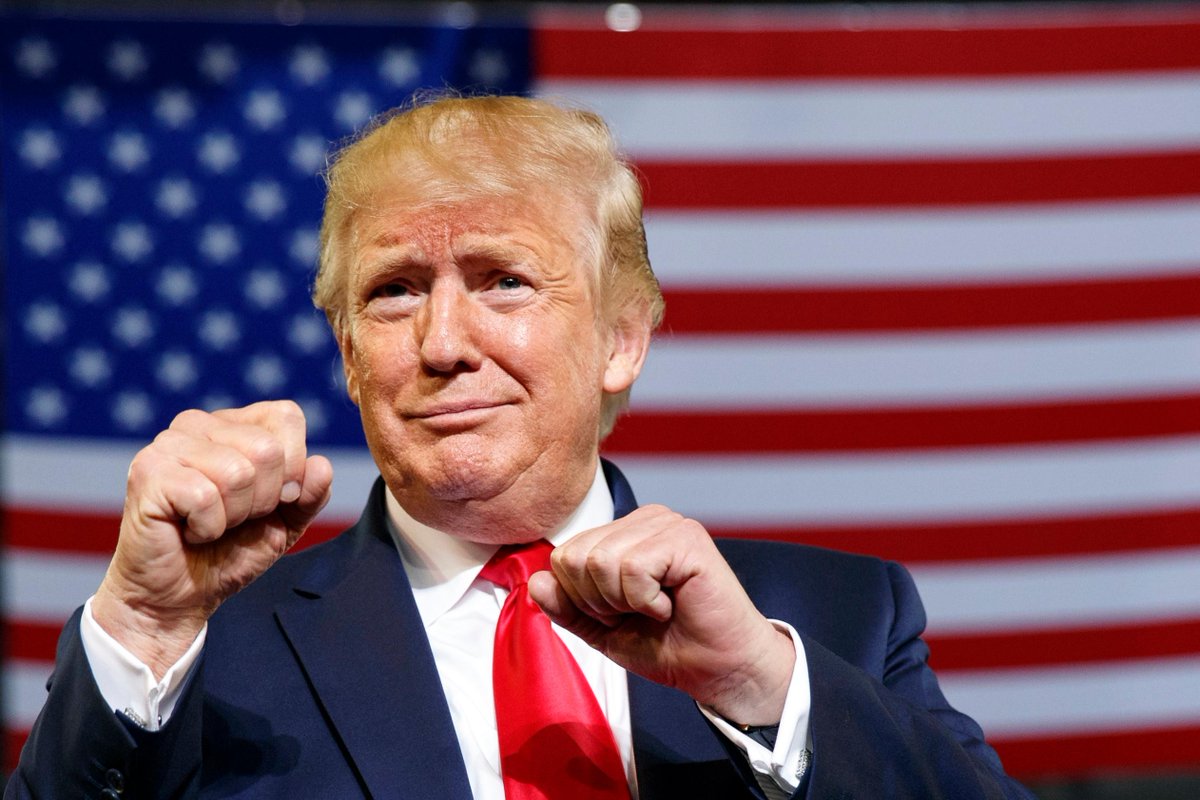
ALT 45th and 47th U.S. President, Donald Trump.
57
464
1,042
14,666
Jun 10
Medical debt is the leading cause of personal bankruptcy in the United States.
Not gambling. Not reckless spending. Not the moral failures that the rhetoric of personal responsibility loves to invoke.
Getting sick.
The leading cause of financial ruin in the wealthiest country in human history is the biological inevitability of the human body breaking down.
This happens nowhere else in the developed world.
In no other wealthy nation does a person survive cancer and then spend a decade paying for the survival.
In no other wealthy nation does a grandmother choose between insulin and rent.
In no other wealthy nation is the question "can I afford to call an ambulance" a question a person has to genuinely ask.
This is not an accident of policy.
This is the policy.
The extraction is the point.
The debt is the product.
The sick person is the raw material.
53
793
1,715
25,553
Jun 10
The United States spends more on healthcare per capita than any country on earth.
More than Canada. More than Germany. More than France. More than Switzerland. More than Japan.
More than every country with universal coverage.
More than every country where a hospital visit does not require a financial advisor.
More than every country where aging does not mean choosing between medicine and the mortgage.
More than all of them.
And Americans have a lower life expectancy than most of them.
Worse maternal mortality than most of them.
Higher infant mortality than most of them.
This is not a healthcare system that is underfunded.
This is a healthcare system that is extraordinarily profitable.
Those are not the same thing.
One measures outcomes for patients.
The other measures outcomes for shareholders.
America chose which number to optimize.
The shareholders are doing very well.
36
356
907
12,408
Jun 10
The U.S. spends more on its military than China, Russia, the UK, France, Germany, and India combined.
Its citizens have no guaranteed healthcare, no guaranteed paid leave, crumbling infrastructure, and a life expectancy that ranks 62nd in the world.
And the most reliable way to win an American election is to promise to spend more on the military.
The chickens aren't just defending KFC.
They're crowdfunding the slaughterhouse.

What is the most interesting part is that Americans will defend the US government taking their money and pocketing it.
They will defend it to death. With no benefits to them.
This is slaves defending their master while the master is whipping them. Or chickens defending KFC.
28
442
1,055
17,148
Jun 10
Reading Halliburton's financial reports is exactly what you should do.
What you'll find is $39.5 billion in Iraq-related contracts, with the largest awarded without competitive bidding, to a company whose former CEO was simultaneously serving as Vice President of the United States.
You'll also find that the Pentagon's own auditors flagged over $1 billion in "questioned costs," overcharges that don't appear as profit in the annual report because they were billed as "expenses."
A modest margin on $39.5 billion in no-bid contracts, secured through political connections, with $1 billion in documented overcharging, is not a defense of the system.
It's a description of how the system works.
Jun 10

If you take the time to look at the financial reports of Haliburton during the Iraq War you won’t see it earning extraordinary profits. Do some basic analysis before making these assertions.
5
206
504
10,295
Jun 10
4
29
1,322
Sony Thăng retweeted

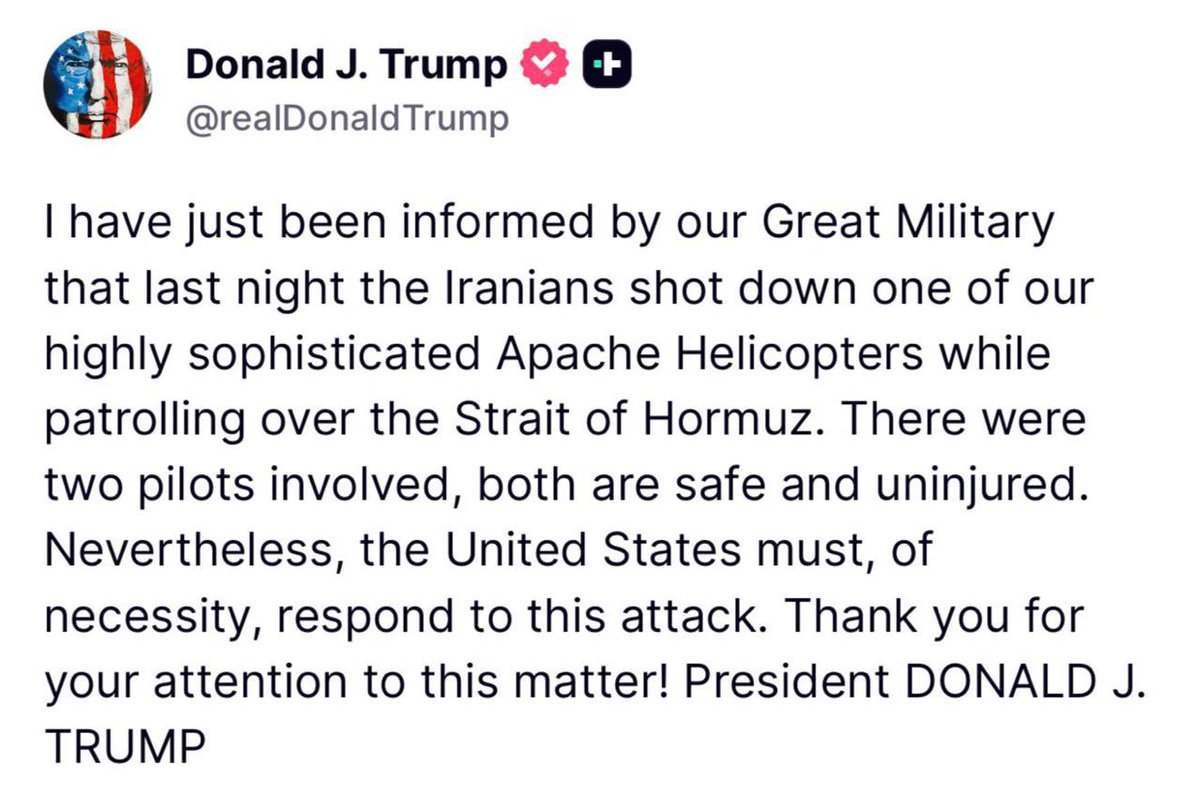
For the record, Iran did not shoot down the helicopter, and Trump is lying, but the Islamic Republic is more than prepared to teach the Epstein Coalition a lesson.
799
4,282
17,428
518,768
Sony Thăng retweeted

Jun 9
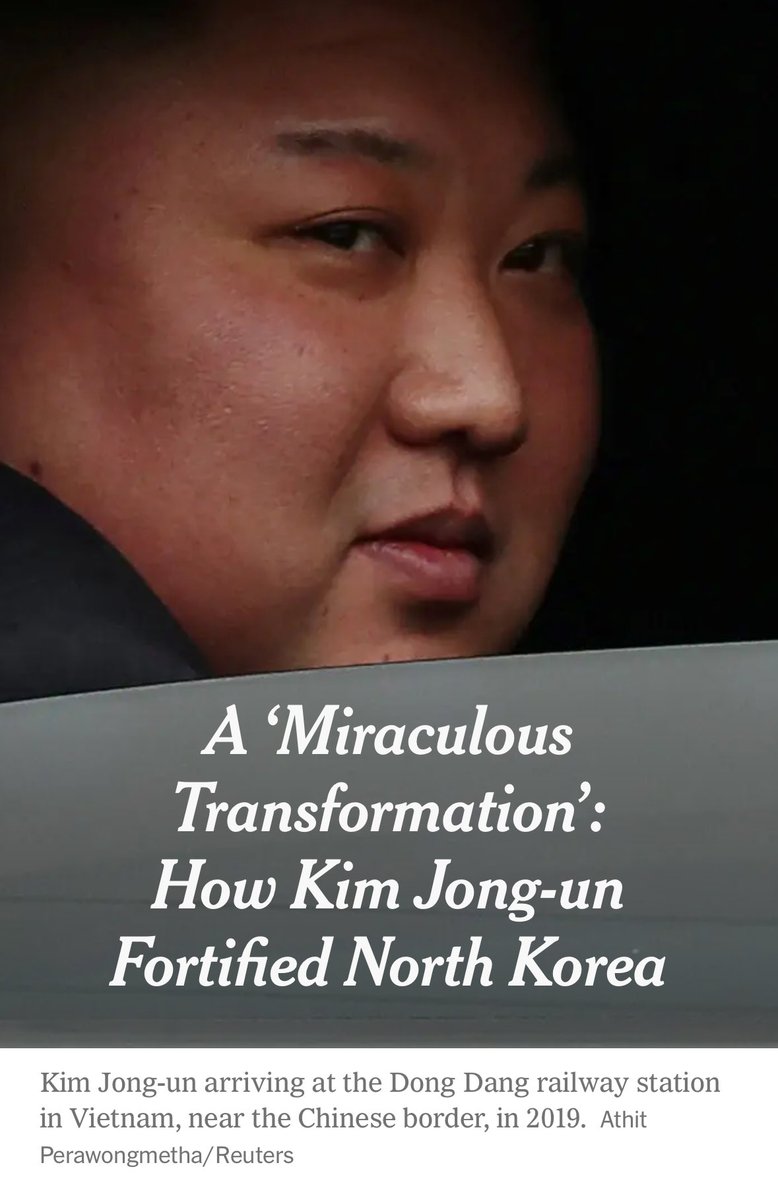
Kim Jong Un is one of the greatest leaders in the modern era
Navigated western sanctions trying to destroy his country, achieved full sovereignty and deterrence against the west, and secured massive deals with Russia and China which is leading to a booming economy
111
573
2,442
66,561