
Ocean Science Analytics (OSA) is a scientific and education company that utilizes software tools to conduct ocean science research & provide technical training.
Joined January 2019
- Tweets 368
- Following 312
- Followers 184
- Likes 742
58 Photos and videos


Ocean Science Analytics retweeted

2 Oct 2025
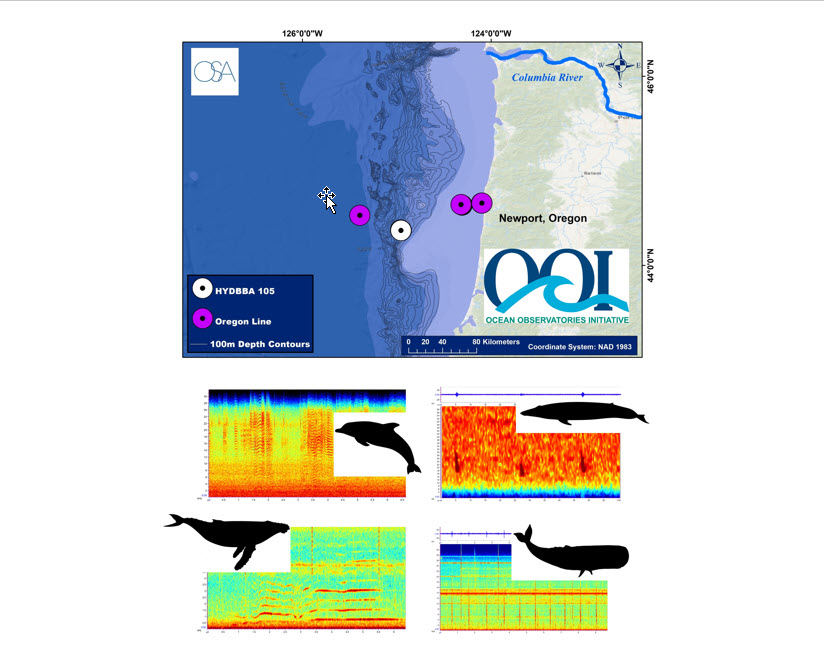
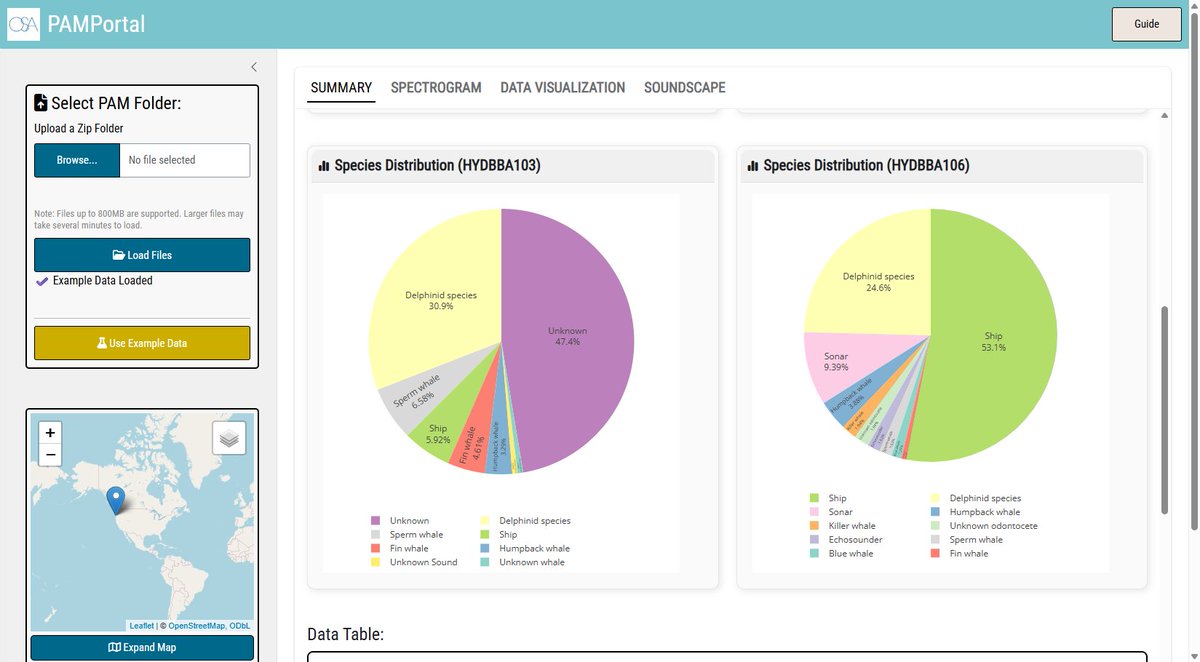
OOI data are now in PAMPortal, a cloud platform for exploring acoustic detections and soundscapes. Researchers can access detection products, summaries, and an example dataset from OOI’s archive.
🔗 Read more: bit.ly/4gNy9Pu
#OOIData #MarineAcoustics #OceanScience
1
2
82

18 Apr 2025
At Ocean Science Analytics, we believe tools built for marine work can support land too. @Kitware 's #VIAME #deeplearning tech is now helping study insect #pollinators 🐝
Learn more about how we leverage this tool to support conservation challenges.
🔗 oceanscienceanalytics.com/te…
17 Apr 2025

🧠🐞Can we use #deeplearning to monitor pollinators?
Watch the WILDLABS Awards 2024 Project video, “Enhancing Pollinator Conservation through Deep Neural Network Development," to learn how AI can monitor and conserve these critical animals.
youtu.be/CZhBOJheVd0?si=NjVW…
1
177
26 Aug 2024
Monitoring MPAs is challenging due to their size and limited resources, especially with climate change. Our MPA Observer Program uses the @eOceansApp for real-time data and analysis, helping us stay updated on ocean health and share biodiversity insights. tinyurl.com/a78wrvww
1
43
16 Jul 2024
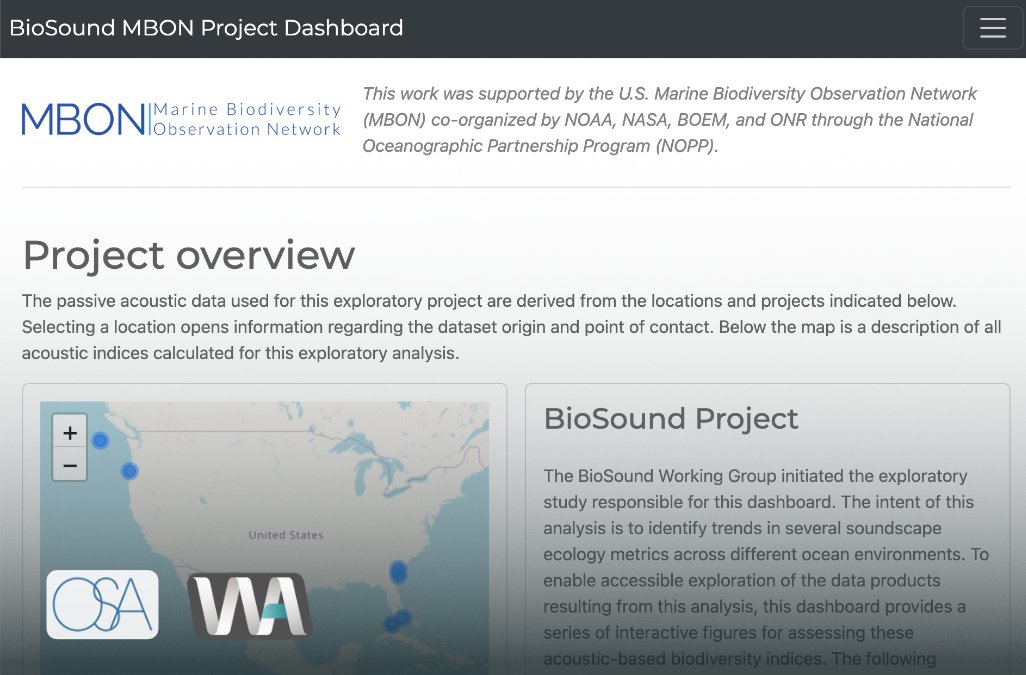
Introducing the @MarineBON1 BioSound Group's new exploratory study! Dive into acoustic-based indices across various ocean environments through the interactive dashboard developed with Waveform Analytics: ocean-science-analytics.shin…. #OceanScience #Biodiversity
3
5
346
Ocean Science Analytics retweeted

16 Jul 2024
SMRUC are hiring - looking for Offshore Wind Marine Mammal Specialists - please check out the link and instructions - CLOSING DATE 5th August smruconsulting.com/employmen…
9
8
767
Ocean Science Analytics retweeted

12 Apr 2024
NASA’s PACE Data on Ocean, Atmosphere, Climate Now Available nasa.gov/earth/nasas-pace-da… via @NASA
8
11
951
Ocean Science Analytics retweeted

26 Mar 2024
🏆 Let us introduce you to the winners of the WILDLABS Awards 2024!
Thank you to our partners at @Arm for working with us to support #consevationtech this awards season.
Check out the awardees and read more about their projects here: wildlabs.net/article/announc…
1
10
23
4,397
13 Mar 2024
Don't miss this opportunity from @NASA! Join #PACE Hackweek 2024 and learn how to incorporate this hyperspectral resource in your ocean science research. us-ocb.org/training-activiti…
#oceanscience #oceancolor
37
Ocean Science Analytics retweeted

11 Mar 2024
North Pacific humpback populations have rebounded from whaling, yet food availability shifts have lowered the carrying capacity. A recent study analyzed thousands of whale photos spanning 20 years and revealed a decline of ≈7000 in humpback numbers.
royalsocietypublishing.org/d…
3
5
348
29 Feb 2024
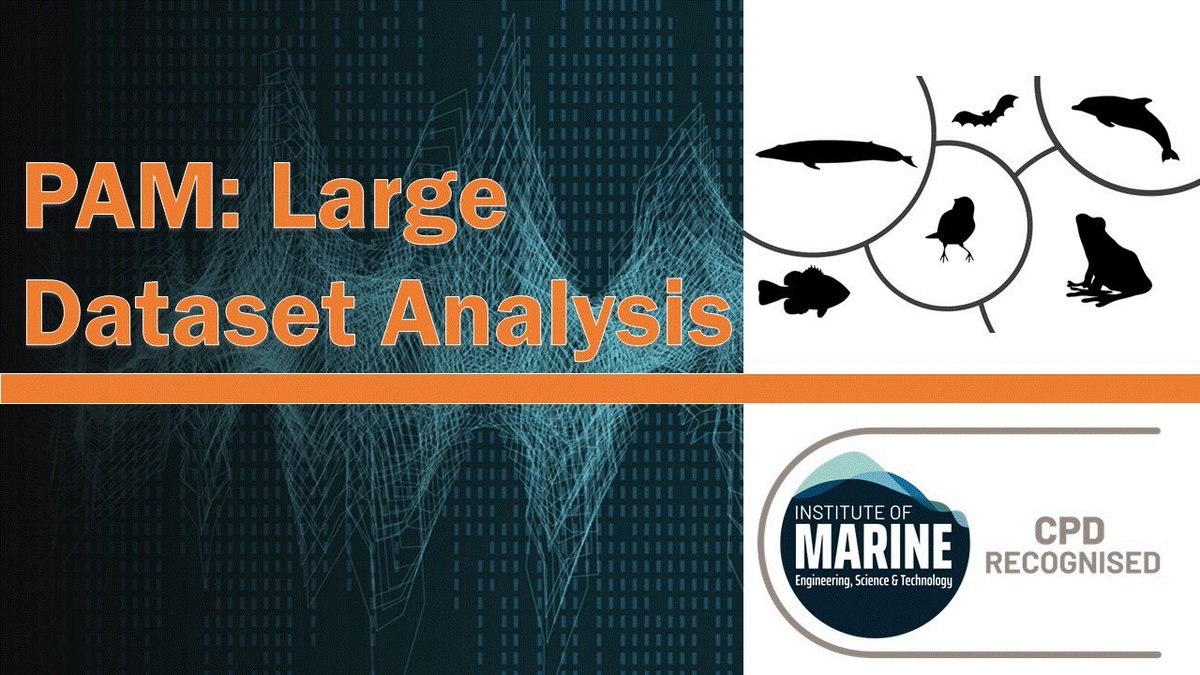
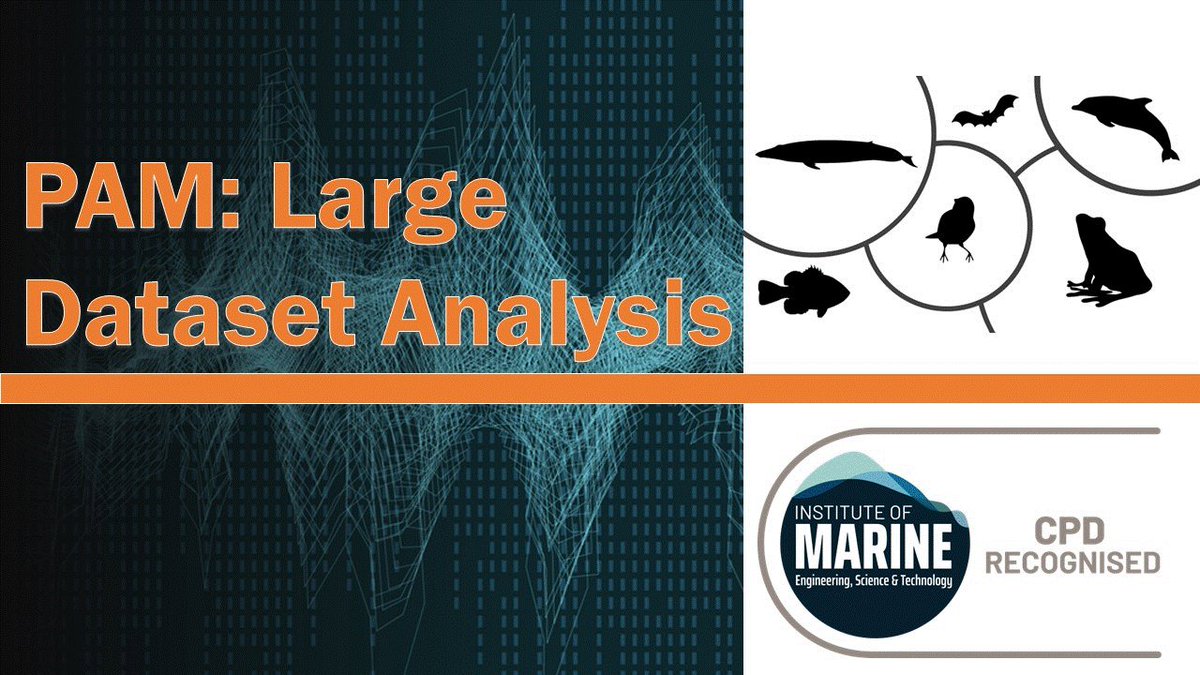
Calling all marine researchers! Elevate your data analysis skills with our #PAM: Large Dataset Analysis #IMarEST recognized course. Limited spots available, sign up today: oceanscienceanalytics.com/pa…
#oceanscience #passiveacoustics
64
Ocean Science Analytics retweeted

24 Feb 2024
Scientists are gearing up for a busy season at sea with three research cruises departing in the month of February. Cruises will collect samples from the surface to the depths of the ocean and improve our understanding. climate.gov/news-features/fe…
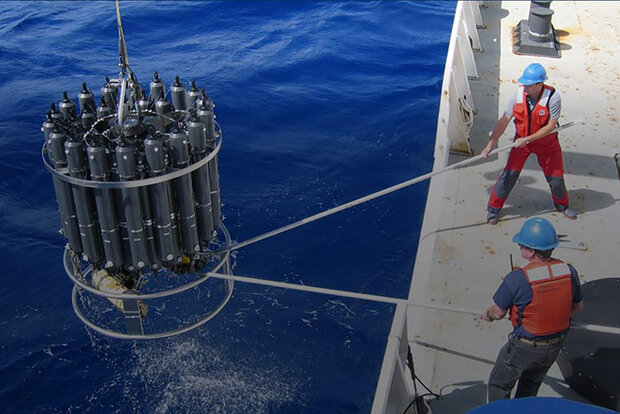
ALT Scientists maneuver a conductivity, temperature, and depth sensor off the side of a ship.
1
17
46
4,492
Ocean Science Analytics retweeted

Orcas have been spotted in SoCal waters. 👀 Vanessa ZoBell, a postdoc researcher in the Scripps Machine Listening Lab, spoke with @SanDiegoMag about the recent orca sightings and provided insight into the Eastern Tropical Pacific #Orca pod. 🌊 ⬇️
sandiegomagazine.com/everyth…⬇️
10
25
4,463
Ocean Science Analytics retweeted
21 Feb 2024
Acoustic recorders have detected Rice's whales further west off the coasts of Texas and Mexico than expected. To conserve the species, further habitat understanding is key; @NOAAFisheries urges reporting of Rice's whale sightings to aid the cause.
fisheries.noaa.gov/feature-s…
5
16
613
22 Feb 2024
🌟 Our CEO, Liz Ferguson, was honored to contribute to the #OSM24 conference, where she highlighted the opportunities in technical training and analytical tools to address the #PAM need. You can explore the digital version below!
#OceanScience
1
1
197
22 Feb 2024
The rich array of topics discussed at the Ocean Sciences Meeting underscores an exciting phase of innovation and exploration in marine research.
1
1
18
Ocean Science Analytics retweeted
16 Feb 2024
We hope to see many of you at the Ocean Sciences Meeting next week. Please stop by booth #210 and say hello. Data demos there daily at 10 am and 3:30 pm. The complete schedule of OOI-related presentations can be found here: bit.ly/OOIOSM24. @NSF, #nsffunded, #OSM24
2
5
386
Ocean Science Analytics retweeted

18 Feb 2024
Whale, whale, whale 🐋 .... Current research at SEFSC 💪 Rice's whales are unique (only baleen whale resident in the Gulf of Mexico) and one of the world's most endangered whales with likely fewer than 100 individuals remaining!
16 Feb 2024

What's that sound? 🔊
Rice's whales have unique vocalizations that are clearly distinguishable from the calls of other whales. Think you could recognize this "long-moan" call?
Learn about this endangered species and our work to protect them: bit.ly/49DC2lu
#WhaleWeek
2
13
464
Ocean Science Analytics retweeted

15 Feb 2024
🚀🌈 @NASA recently launched its PACE observatory! #WHOI’s Tom Bell tells @WIRED what this high-tech satellite will reveal about changing ocean conditions: go.whoi.edu/PACE-Algae ✨
📹 shows the movement of smoke, sea salt, and dust in the atmosphere. Courtesy of @NASAViz
10
26
1,947
Ocean Science Analytics retweeted

12 Feb 2024
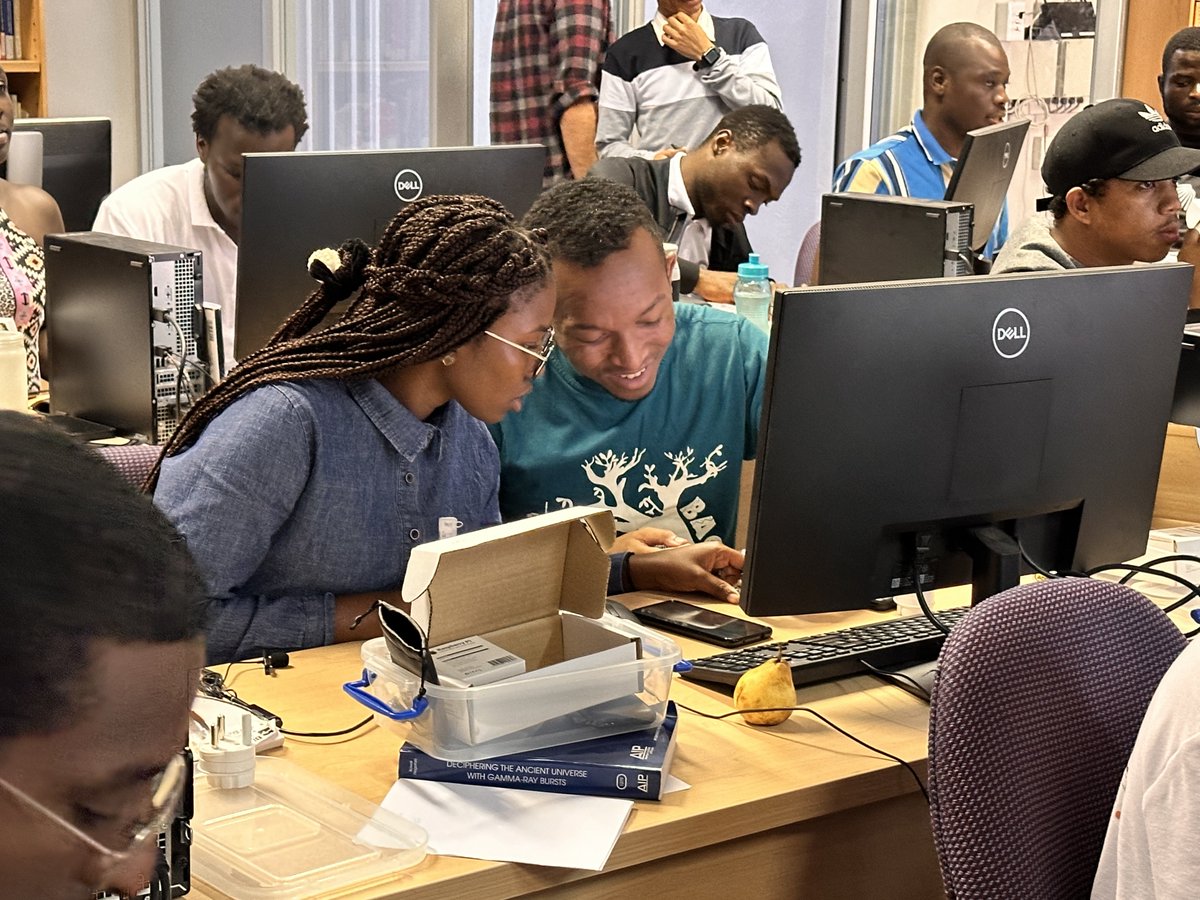
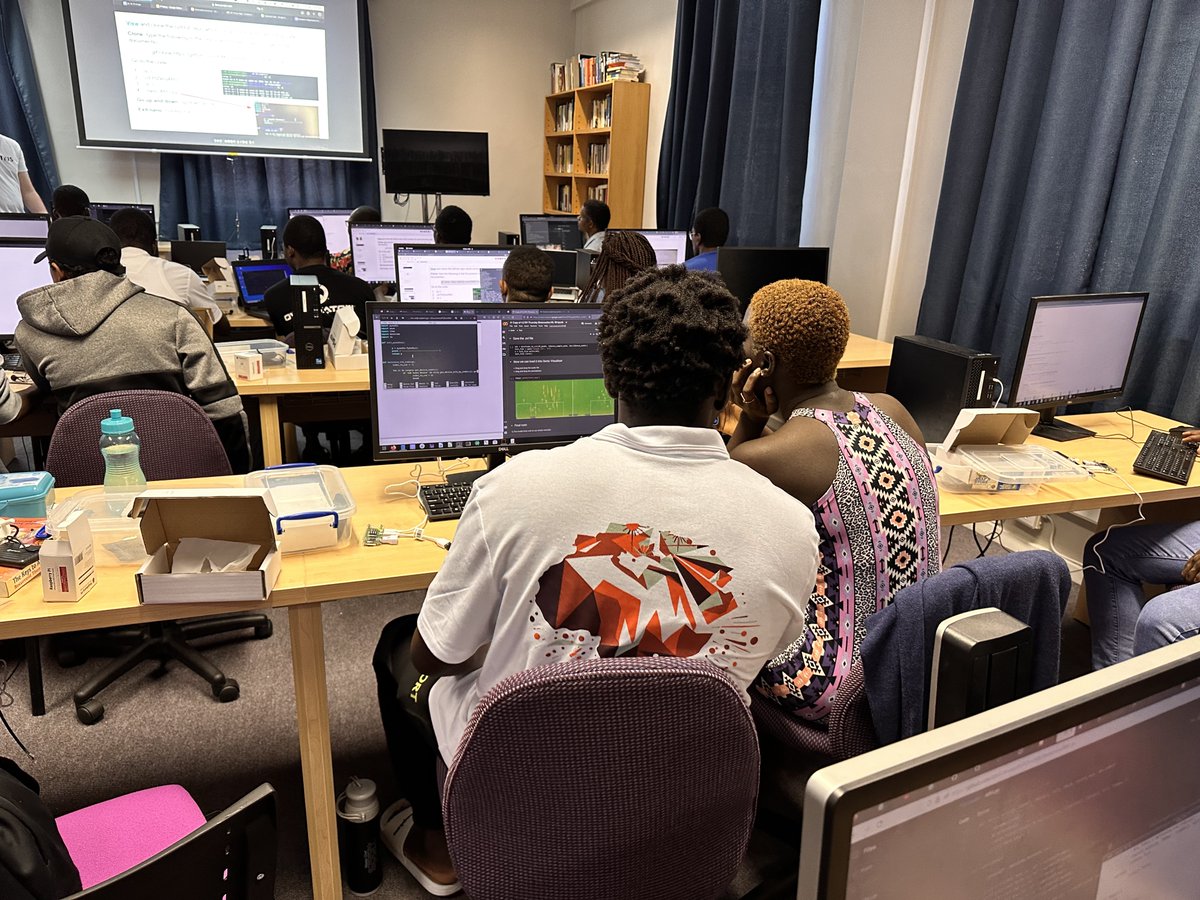
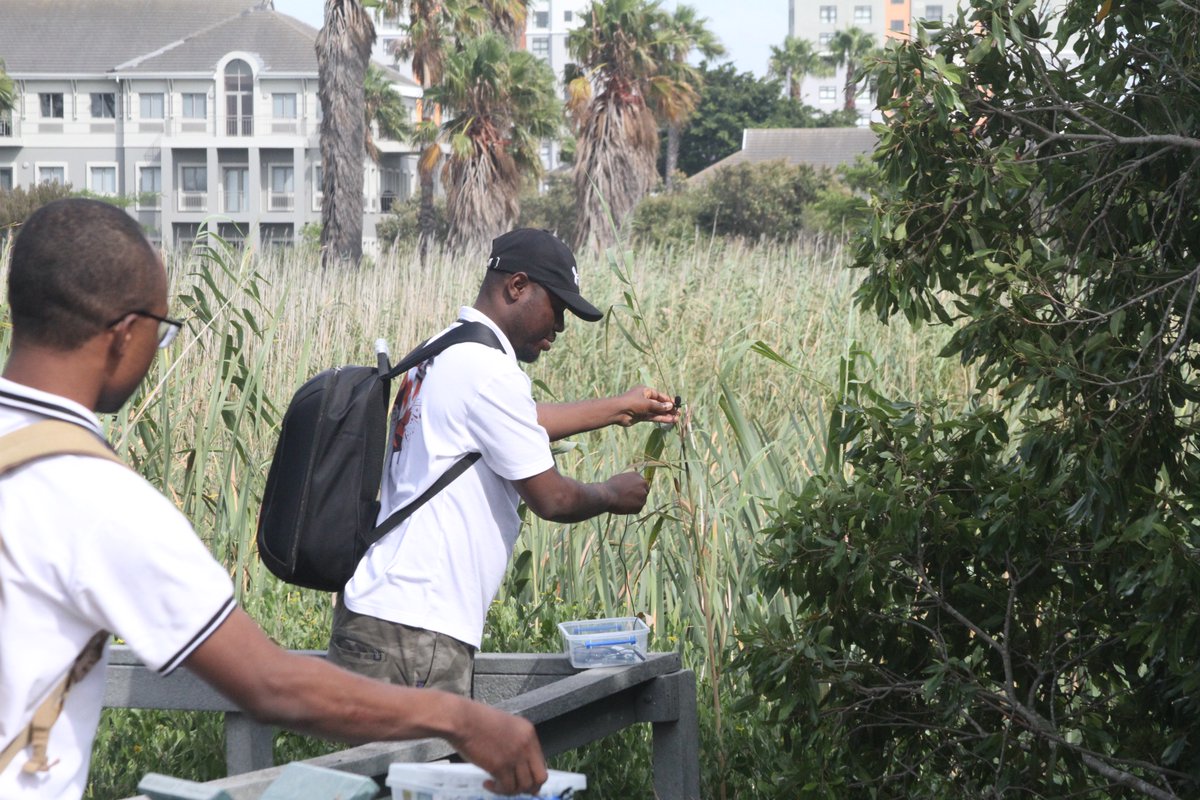
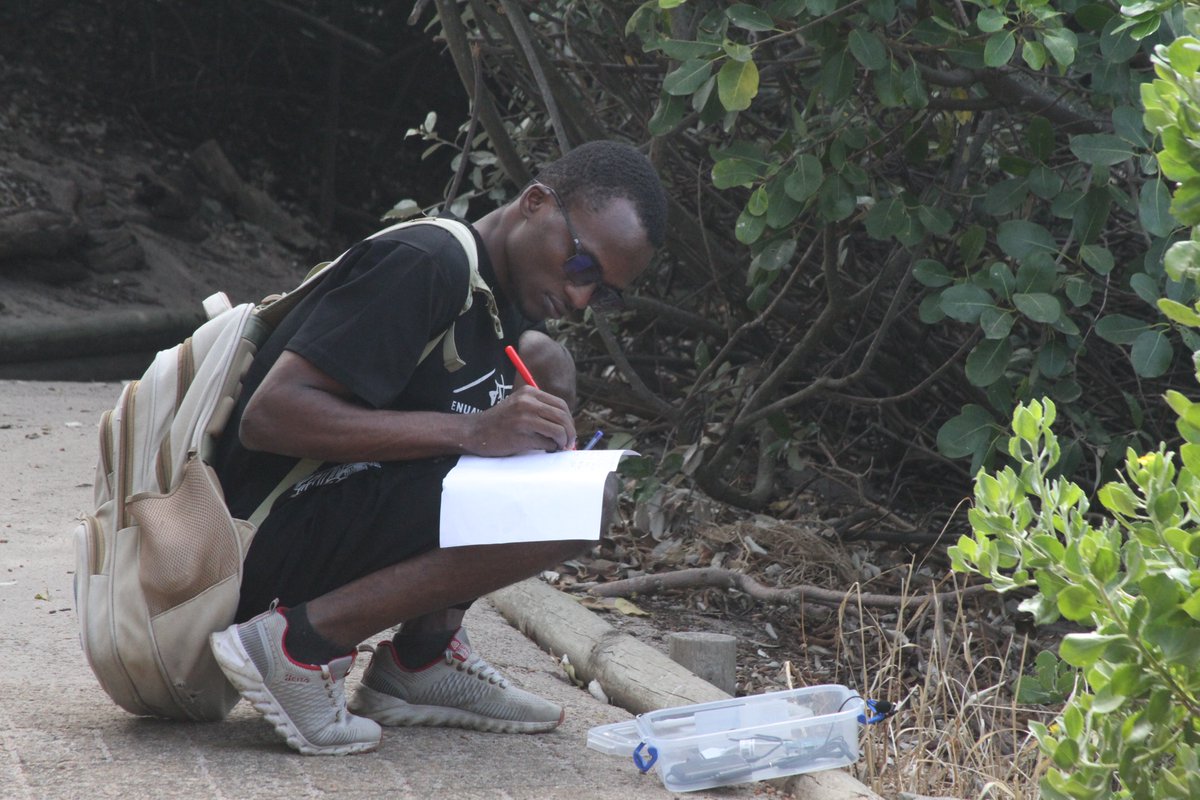
We've been teaching a new course on Deep Learning for Ecology, as part of @AIMSacza's Al for Science Master's program 🧪with the support of @GoogleDeepMind!
We've been equipping the students with machine learning skills for bioacoustics, posture estimation, and bio-logging.
1
16
44
3,973