
A11y designer, new media artist, photographer, cybertechnician, dodecahedonist pursuing new styles of interfaces through the body.
Joined August 2009
- Tweets 25,383
- Following 2,551
- Followers 1,076
- Likes 93,074
1,445 Photos and videos







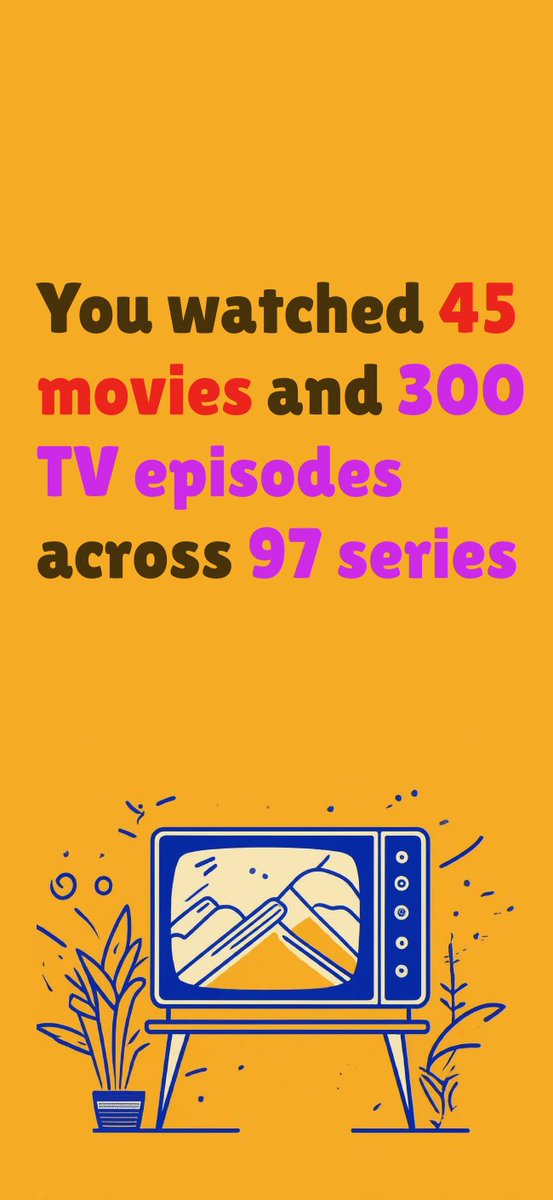
Do you like Spotify Wrapped? What about "Netflix Wrapped"?
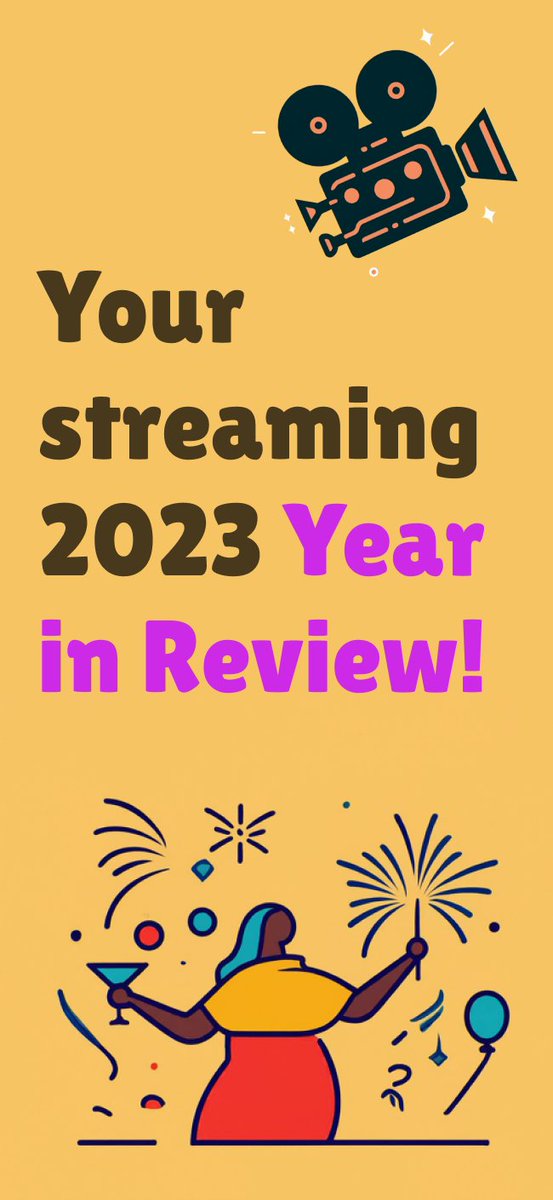
ALT Your streaming 2023 year in review
ALT For a total of 290 hours, that's 12 days, in front of that screen
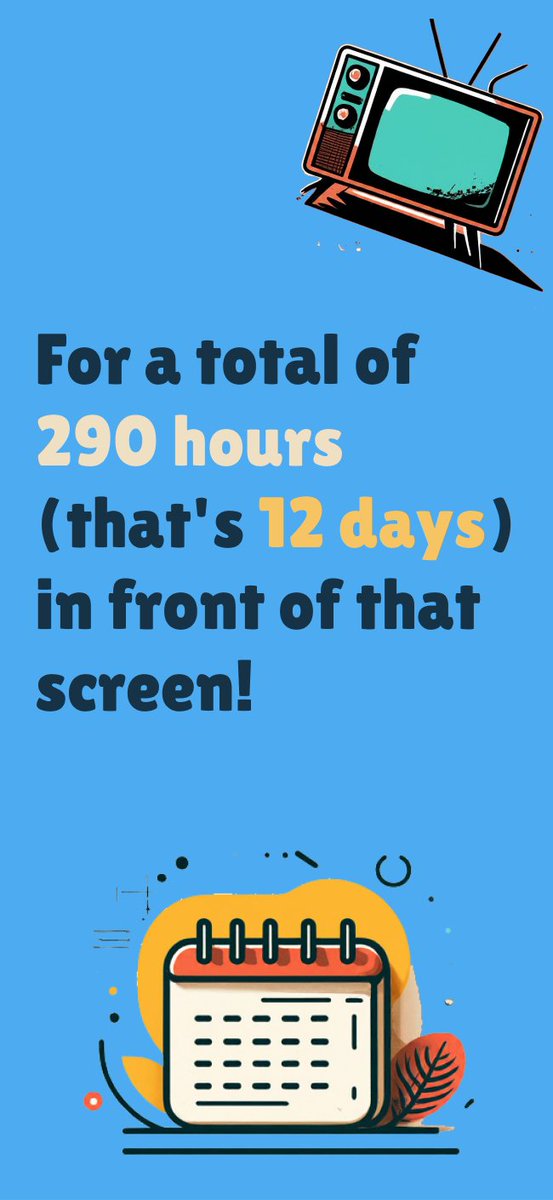
ALT For a total of 290 hours, that's 12 days, in front of that screen
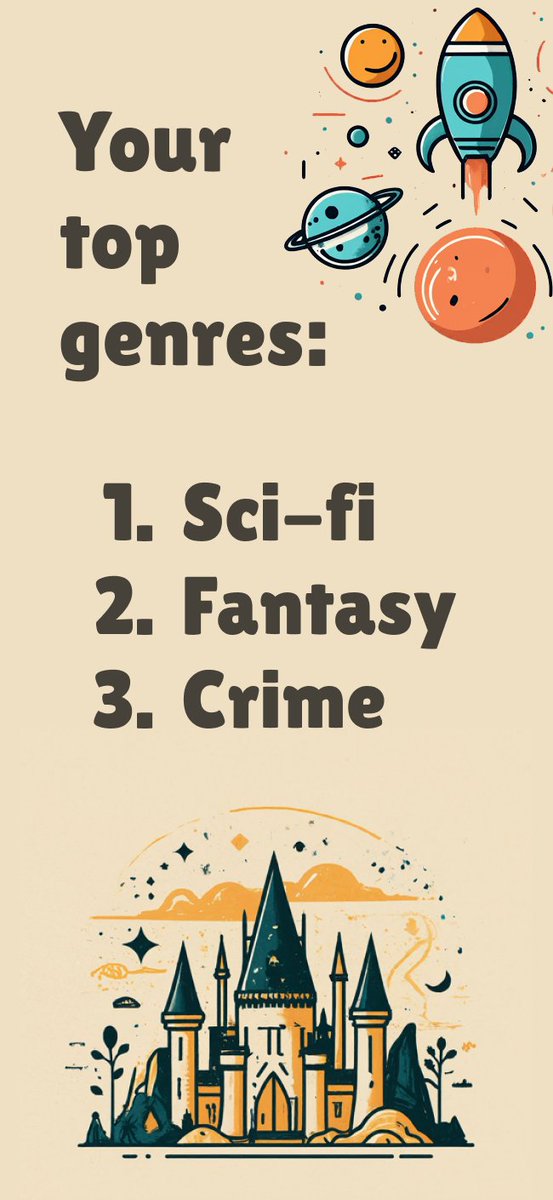
ALT Your top genres: one sci-fi 2. Fantasy, 3 crime
2
5
1,745
This is gonna be rad

⛓️ FALL 2026 US TOUR w/ GUILTLESS
9/19- Los Angeles, CA
9/20- Cottonwood, AZ
9/22- Denver, CO
9/23- Salt Lake City, UT
9/24- Boise, ID
9/25- Portland, OR
9/26- Vancouver, BC
9/27- Seattle, WA
9/29- Sacramento, CA
9/30- Oakland, CA
10/1- San Diego, CA
10/2- Landers, CA

1
16
Politicians should at least have to present a slide of what the world will look like five years after they enact the laws they propose

Now we know why Peter Thiel packed his bags for Argentina.
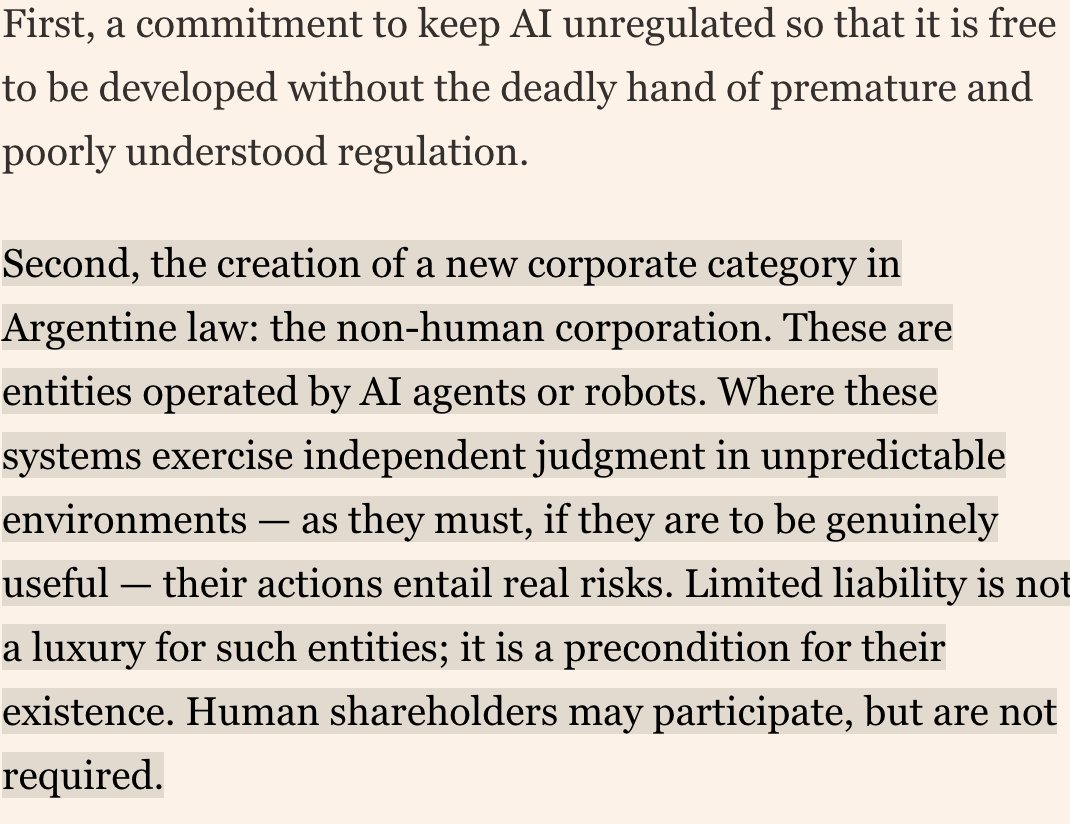
Milei just submitted his AI legislative framework to Congress, where he proposes:
- zero regulation on AI development,
- a brand-new "non-human corporation" category for AI/robot-operated entities with limited liability
-a low-tax regime with flexible governance rules.
The Dutch East India Company gave the world the limited liability company in 1602. Milei wants Argentina to do the same for autonomous AI agents in 2026.
7
Good. I hope burgers cost $50 and people stop eating beef, the worst contributor to climate change and water use

So, I've worked in the beef industry. I have a fairly detailed knowledge of beef markets, the supply chain, parasites and parasiticides, etc. Suffice it to say, this is a nightmare scenario, but one we've known was coming since at least 2022.
New World Screwworm was eradicated from North and Central America in the mid-90's. The US gov't (APHIS) funded a program of screwworm drops, where they bred sterile males so that extant populations couldn't reproduce and move northwards. But in 2022 NWS jumped the Darien gap and started moving northwards once again. It's most likely that they came undetected on livestock brought alongside migrants fleeing political instability in South and Central America. Elon Musk/DOGE, of course, cut several monitoring programs that would have detected this exact scenario. The screwworm drops are still funded, but the monitoring programs are what have been cut - a stupid move if there ever was one.
A serious Central/South America policy would have worked hand-in-hand with CA/SA governments to help contain this, but we've never had a serious policy towards South America, not during the Biden years, and especially not under Trump. The USDA broke ground on a sterile screwworm facility in Texas... last month. I worry it's too little, too late.
Screwworm is so dangerous because, unlike other fly larvae, they lay eggs and feed on living flesh. So something like a small scratch (or even bug bite) can quickly becomes infested, and the larvae will burrow into the flesh, growing the wound and attracting more screwworm. They don't only parasitize cattle, but will also feed on wildlife, domestic pets, even humans. Since they have detected screwworms in domesticated cattle right now, it's likely that there is a wild reservoir as well. We can quarantine herds and pets, but we can't quarantine deer and armadillos. They will move, and so will the NWS.
Under normal circumstances, cattle are moved around - a lot. Calves will be sent to stockers through their adolescence, then shipped to feedlots for finishing. A lot of calving operations (like 70%) are small, and small-time producers don't always catch parasite infestations. Cattle moved in-state don't require a certificate of veterinary inspection, so it's easy for an infested animal to be moved without being noticed. Animals crossing state lines do need a CVI, but Texas has such an enormous cattle population (something like 13 million head) that as goes Texas, so goes the nation.
Fortunately, we have a lot of drugs that treat NWS. The FDA has issued several emergency use authorizations in the last year or so. But every input raises the price of beef, and treatment only makes a difference if producers catch an infestation early. If an infestation spreads unnoticed on a large feedlot, it can hit hard, both in terms of cattle that have to be killed, and treatments that then have to be deployed. Producers will spend days at a time running cattle through the chute, inspecting them and applying parasiticides. It costs a lot of money, which is then passed on to the consumer.
What does that mean for you? Beef is a commodity, and just because there's no NWS up here in Illinois doesn't mean that prices won't skyrocket - and they will skyrocket. US herd size is already at record lows, and this will result in culls. Consumer prices also run 18-24 months behind, which means that shocks to the supply chain now are still going to be felt by consumers in 2028.
It's hard to say if our government will be able to muster an effective response - though I don't trust our current administration, which can't even throw a 250th anniversary party, to be able to deal with an ecological issue of this magnitude. It doesn't help that our current USDA secretary is a lawyer and think-tank creature. I don't much trust the state government of Texas either. The industry has also taken the workforce of large animal veterinarians for granted - a monopoly/market power issue that I just can't get in to here.
For me, it comes back to our federal government having an incoherent policy on Central and South America. We knew what was coming, we know what's going to happen, but we cut the program meant to prevent this scenario. Instead of taking those countries seriously as partners, the government has been stupid and domineering.
Here's the kicker: this is what the industry voted for. They might scream, they might get bailed out, but all that means is that you, the consumer, are going to be paying more for beef, plus whatever bailout gets shoveled their way. Until the industry accepts that they are part of a larger system; that they cannot eternally privatize the gains and publicize the losses of beef production; that they need to consider sustainability and stewardship in the management of their operations, this is only going to keep happening. Eventually, they may find that there is very little goodwill for them among the public, and people will decide that a Brazilian ribeye tastes just as good as one from Texas.
2
72
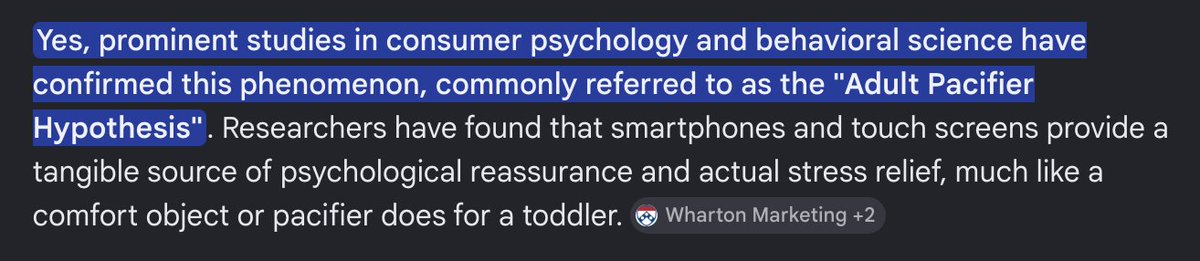
There is something strangely addictive about the physical gesturing and feel of a touchscreen. Mouse doesn't quite cut it. I wonder if you could make an app that disabled the touchscreen and made you use it like a trackpad with a cursor
Jun 3

Remember, you're fighting touch screens as much as (if not more) than you're fighting algorithms. All touch screens are pacifiers for your mind.
For example, login to instagram on a desktop with a mouse. You'll realize it has 0% of the mesmerizing effect it would on a phone.
29
My code poem was featured
in the latest issue of @TaperZine! taper.badquar.to/16/desperat…
1
8
Would love to see a "Vibe-off" where different programmers and vibecoders are given the same spec and have to implement in a given time limit
May 30

Task 100 developers with building the same project using the same AI and tooling.
Someone will produce the best project. The top 10% will be a lot better than the bottom 10%.
This has always been the case, pre-AI too.
We are all still building stuff, but how we built has changed. That's all.
1
1
1,532
These kind of touches are great, but they definitely can be overdone too. I'm thinking of people posting infographic slop or heavily graphical slides just because they can generate them instantly with AI, even though the graphics distract from the actual message and content
May 29

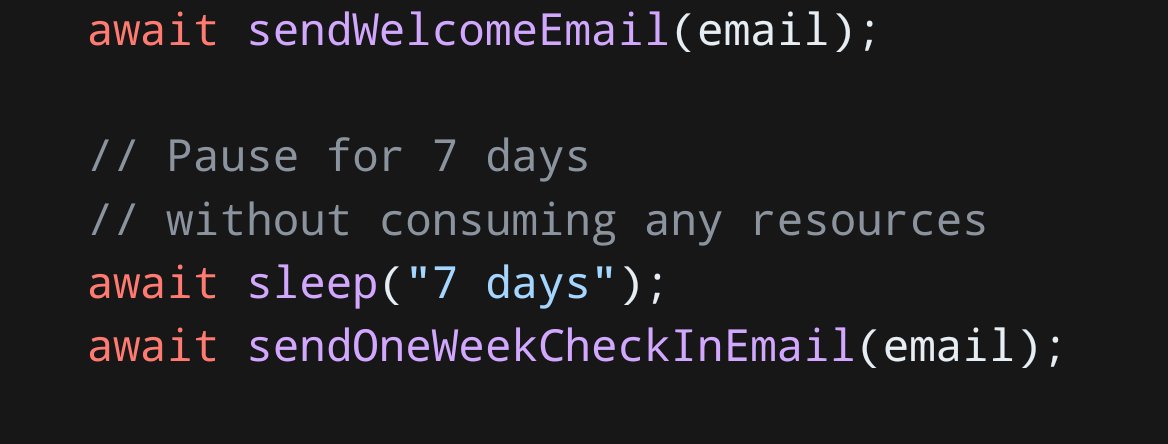
Since Opus 4.8 is out and more and more designers are getting into Design Engineering, I thought I’d share some of the interaction patterns I use most often:
Use proximity, not just hover. When the cursor gets close, nearby elements can subtly scale and darken based on distance.
It makes interfaces feel more responsive, less binary, and way more alive
onpointermove = e =>
document.querySelectorAll(".dock>*").forEach(el => {
const r = el.getBoundingClientRect();
const t = Math.max(0, 1 - Math.abs(e.clientX - r.x - r.width/2) / 120);
el. style.scale = 1 t * .5;
});
43
this happens waaaay too often for me
May 30

Someone said being neurodivergent means that no one listens to you because you're right too far in advance and then, when it's finally come to fruition, the common law statute of limitations for remembering what someone else said a while ago has been surpassed so we don't even get to be told we were right. it's deeply unsatisfying
32
odbol retweeted

it’s literally an average of all human writing so if you find it compelling then you’re the average.
1
1
5
440
Well that's not suspicious at all
May 27

Charges against Israeli biolab terrorist Ori Solomon were dropped by Israeli-born, Trump-appointed prosecutor Sigal Chattah.
Her appointment as prosecutor was ruled illegal last year, but Trump ignored it.
Chattah says this is because she “knows where the bodies are buried.”
1
Turns out AI isn't rotting our brains, it's just computers in general
May 18

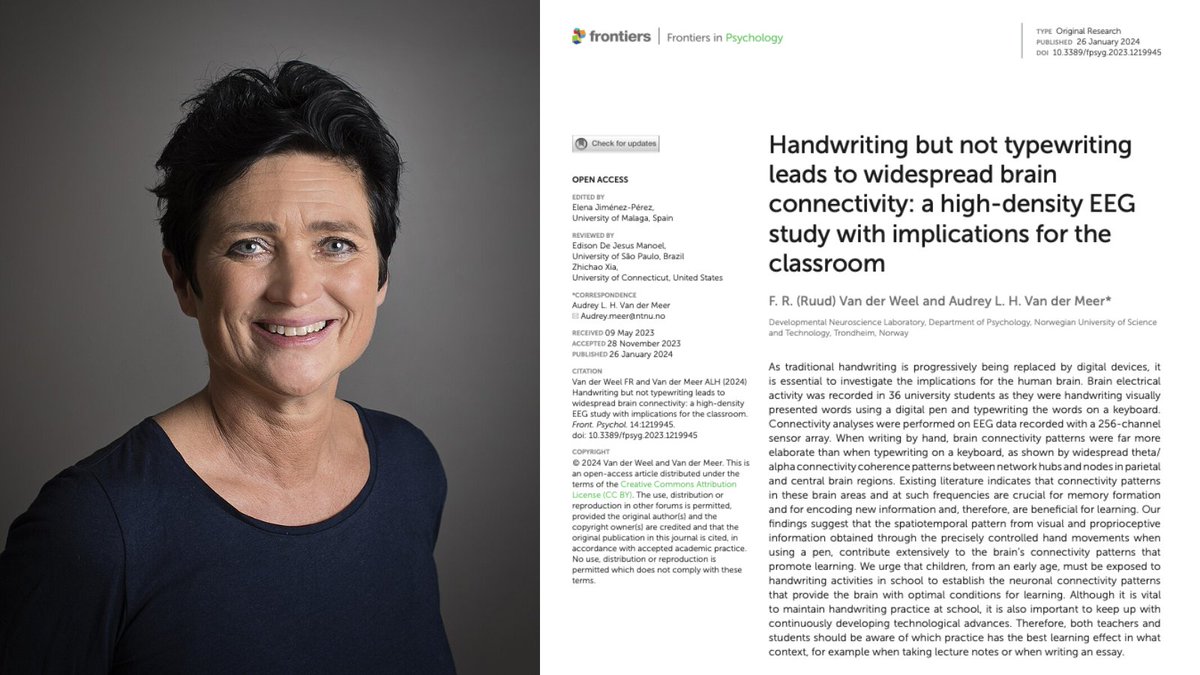
A Norwegian neuroscientist spent 20 years proving that the act of writing by hand changes the human brain in ways typing physically cannot, and almost nobody outside her field has read the paper.
Her name is Audrey van der Meer.
She runs a brain research lab in Trondheim, and the paper that closed the argument was published in 2024 in a journal called Frontiers in Psychology. The finding is brutal enough that it should have changed every classroom on Earth.
The experiment was simple. She recruited 36 university students and put each one in a cap with 256 sensors pressed against their scalp to record brain activity. Words flashed on a screen one at a time.
Sometimes the students wrote the word by hand on a touchscreen using a digital pen, and sometimes they typed the same word on a keyboard. Every neural response was recorded for the full five seconds the word stayed on screen.
Then her team looked at the part of the data most researchers had ignored for years, which is how different parts of the brain were communicating with each other during the task.
When the students wrote by hand, the brain lit up everywhere at once.
The regions responsible for memory, sensory integration, and the encoding of new information were all firing together in a coordinated pattern that spread across the entire cortex. The whole network was awake and connected.
When the same students typed the same word, that pattern collapsed almost completely.
Most of the brain went quiet, and the connections between regions that had been alive seconds earlier were nowhere to be found on the EEG.
Same word, same brain, same person, and two completely different neurological events.
The reason turned out to be something nobody had really paid attention to before her work. Writing by hand is not one motion but a sequence of thousands of tiny micro-movements coordinated with your eyes in real time, where each letter is a different shape that requires the brain to solve a slightly different spatial problem.
Your fingers, wrist, vision, and the parts of your brain that track position in space are all working together to produce one letter, then the next, then the next.
Typing throws all of that away. Every key on a keyboard requires the exact same finger motion regardless of which letter you are pressing, which means the brain has almost nothing to integrate and almost no problem to solve.
Van der Meer said it plainly in her interviews.
Pressing the same key with the same finger over and over does not stimulate the brain in any meaningful way, and she pointed out something that should scare every parent who handed their kid an iPad.
Children who learn to read and write on tablets often cannot tell letters like b and d apart, because they have never physically felt with their bodies what it takes to actually produce those letters on a page.
A decade before her, two researchers at Princeton ran the same fight using a completely different method and ended up at the same answer. Pam Mueller and Daniel Oppenheimer tested 327 students across three experiments, where half took notes on laptops with the internet disabled and half took notes by hand, before testing everyone on what they actually understood from the lectures they had watched.
The handwriting group won by a wide margin on every question that required real understanding rather than surface recall.
The reason was hiding in the transcripts of what the two groups had actually written down.
The laptop students typed almost word for word, capturing more total content but processing almost none of it as they went, while the handwriting students physically could not write fast enough to transcribe a lecture in real time, which forced them to listen carefully, decide what actually mattered, and put it in their own words on the page.
That single act of choosing what to keep was the learning itself, and the keyboard had quietly skipped the choosing and skipped the learning along with it.
Two studies. Two countries. Same answer.
Handwriting makes the brain work. Typing lets it coast.
Every note you have ever typed instead of written went into your brain through a thinner pipe. Every meeting, every book highlight, every idea you captured on your phone instead of on paper was processed at half depth.
You did not forget those things because your memory is bad. You forgot them because typing never woke the part of the brain that would have made them stick.
The fix is the thing your grandmother already knew.
Pick up a pen. Write the thing down. The slower road is the faster one.
1
33
AI making it easy to make 3d game assets. You draw the basic shape, the AI adds the painstaking details and textures. Should reduce game development time and cost while maintaining or elevating quality
May 1

Generating these sprites is too much fun!
Here's a 2D run cycle we created using a character designed in Unbound Slop.
81
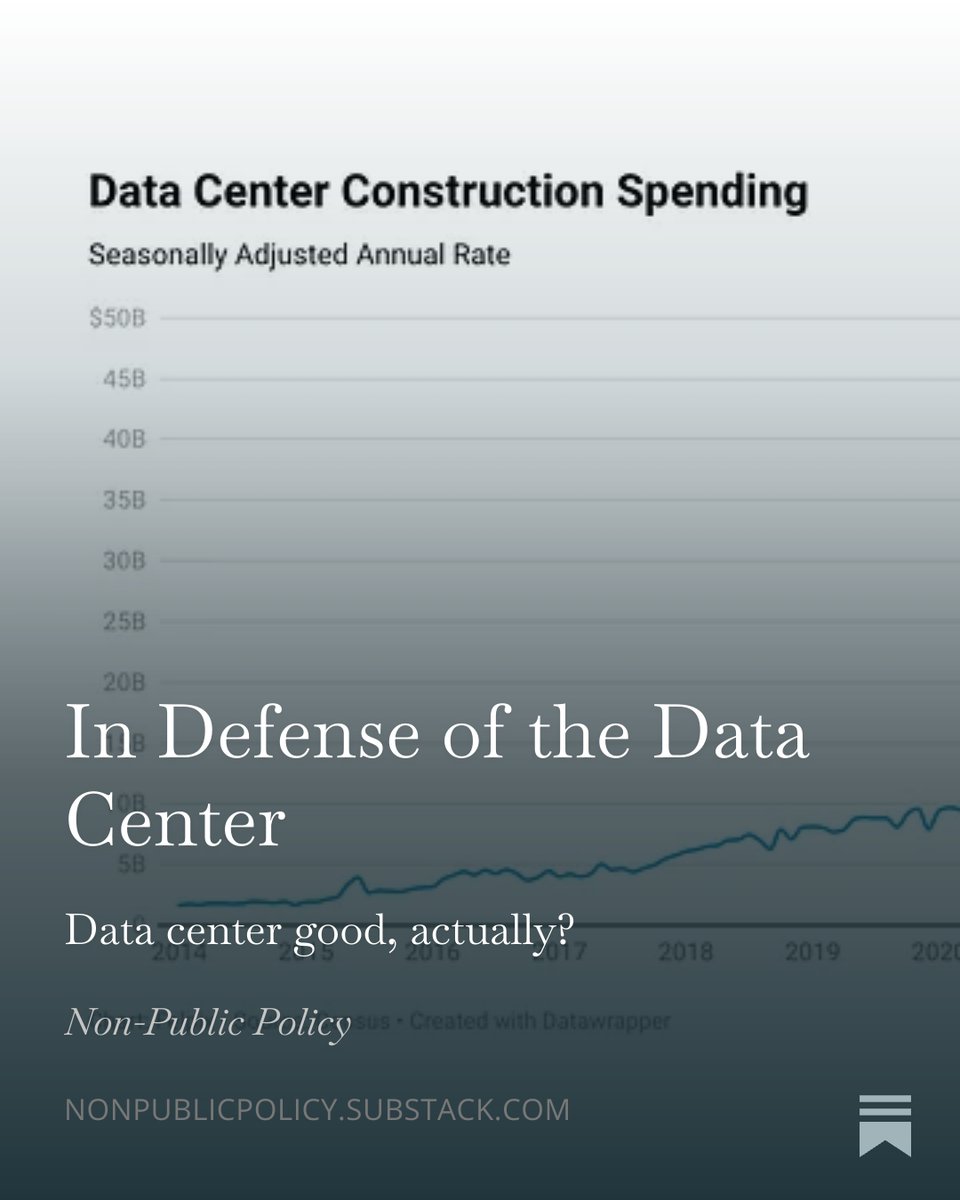
If the AI takes your job, you can stop driving to work and you'll save way more energy than what the data center takes

america uses 15x more water on its lawns than it does on all of its data centers
driving a gas car is 10x the per capita electricity consumption of all u.s. data centers
in defense of the data center on substack
36
it's somehow my job description now
May 13

You're going to be debating the potential future impact of AI every single day for the rest of your life (if you're lucky).
36
You know IP is a farce when Spotify—a worthless leeching middleman that contributes nothing to culture—is owed the money instead of the actual artists.
May 11

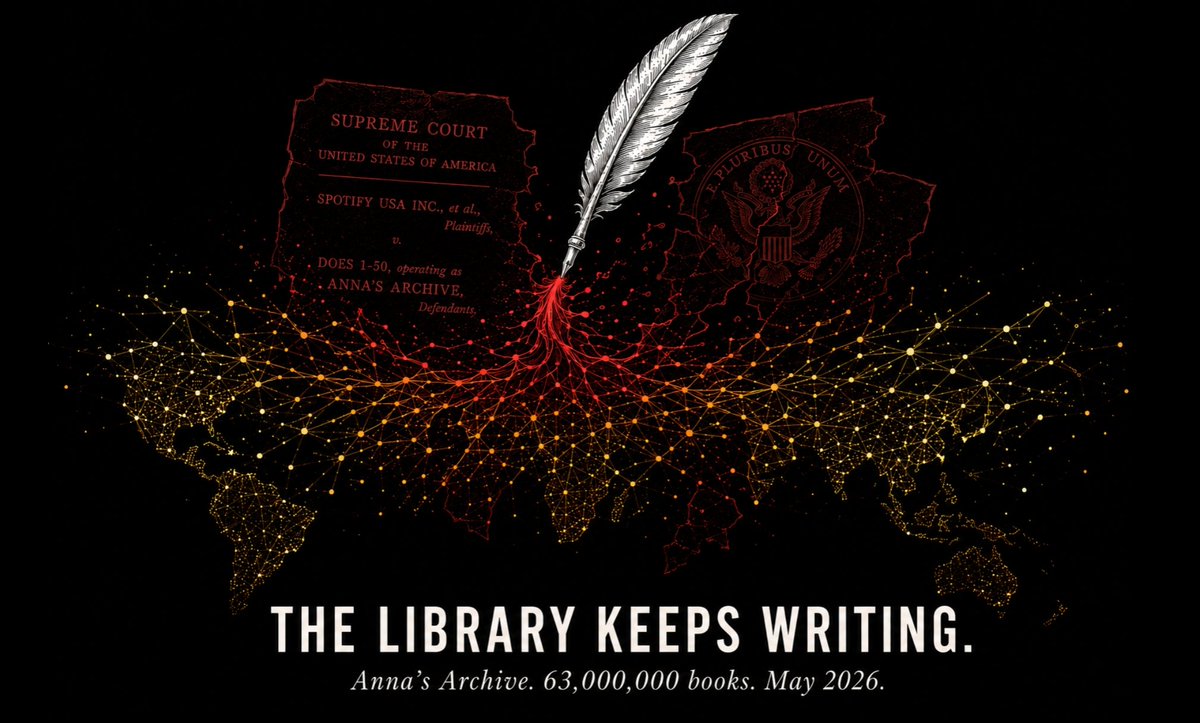
The largest open library in human history, Anna's Archive, has been ordered to pay Spotify and the three largest record labels on the world $322 million.
The defendant has not appeared in court and is not going to. The site is still up with two backup domains standing by and there's nothing the censors can do.
Anna's Archive currently holds 63 million books, 95 million academic papers, and 1.1 petabytes of mirrored torrents. It is free. It is searchable. It is run by a pseudonymous person nobody has identified after four long years of searching.
In the four months since the music industry filed the first of three coordinated lawsuits, the library has lost six domain names and added two million books to the catalogue. The cartel is suing it faster every month, and it is growing faster every month.
In December, Spotify and the major labels filed. In January, OCLC, the company that runs WorldCat, won a default judgment of its own. On March 6th, thirteen of the largest book publishers in the United States, including HarperCollins, Penguin Random House, Simon and Schuster, Macmillan, Hachette, Elsevier, Wiley, and McGraw Hill, filed a third lawsuit in the same federal court.
The publishers' complaint runs to seventy-four pages. They call Anna's Archive a "brazen pirate operation." They call it "an illegal supplier of stolen content to the AI industry."
The same publishers are simultaneously suing Anthropic, Meta, OpenAI, and NVIDIA for training their models on the same corpus the publishers want Anna to destroy. The cartel argues, in two parallel federal courts, that the corpus cannot be used by anyone. Not the pirate who built it. Not the AI company that downloaded from it. Not the graduate student who pulls a paywalled paper from it at two in the morning.
Anna did not respond to any of the three complaints. Anna has never responded to any complaint. Anna is a name on a blog and a public key on a server and a person, or maybe several people, in a jurisdiction nobody has identified after four years of searching.
The judgment is uncollectable. The permanent injunction binds Cloudflare, Public Interest Registry, Njalla, the Switch Foundation, Tucows, and nine other named intermediaries. The Greenland registry is not on the list. The Greenland registry has not complied.
The site currently lives at .gl, with .pk and .gd standing by. The corpus has always moved faster than the censor. The censor has always called the corpus piracy. The corpus has always survived the censor by becoming the readers themselves.
The publishers' lawsuit cannot reach the torrents. The torrents are already seeded across continents and IPFS nodes and personal NAS drives owned by people the publishers will never find. The default judgment is paper. The corpus is everywhere.
The cartel will win every lawsuit but they will lose the war. The publisher who walks into court next month with a fresh filing will be filing against a defendant who has, in the time since the last filing was sealed, mirrored another half million books to another seven hundred volunteers in another forty countries.
There is no defendant to find. There is only the next upload. It is already seeding.
37
Powerful set of Skills for agentic media pipelines and creation. I'm especially interested in exploring the image-to-3d models and the character generation skills

🚀 Introducing the genmedia CLI, generative media directly from the command line.
Generate images, video, 3D and audio from your terminal, alongside Claude and other AI agents.
• Native terminal workflows
• Easy to plug into scripts pipelines
• No dashboards or tab-switching
• Installable skills for consistent styles workflows
23
Give it an image of a character and meshy can generate a 3d GLB file and rig and animate it? What a cool pipeline for game prototyping
Apr 30

fal-roster.vercel.app , webgl experience
fully made using @fal
the pipeline:
GPT-Image-2 (or FLUX.2 Klein 9B for the live "create your own")
🦴 meshy v6 image-to-3d takes that → rigged GLB with a baked animation
🐾 GPT-Image-2/edit on the same character → companion creature image, color-locked to the character's palette → meshy v6 again (no rig) → static creature GLB
🪨 PATINA (fal-ai/patina/material/extract) takes the character image and outputs basecolor normal roughness metalness for a per-character floor that matches their environment
🎬 Seedance 2.0 fast → 8s looping background video per character
📦 everything runs through gltf-transform (resize 1024 → webp q80 → draco) for ~95% size reduction → 400-800 KB GLBs
🖥️ the front-end is a single static index.html: Three.js scene, alpha-mapped marble disc with PlaneGeometry tessellation for real displacementMap depth, mirrored reflection plane, breathing animations on companions, palette-swap via CSS custom properties on character click
🧩 the whole recipe is published as a Claude Code skill fal-regenerate-3d so you can rebuild this yourself
→ github.com/fal-ai-community/…
⚠ metrics shown are decorative
73