
PhD student in psychology at the University of California, Berkeley
Joined October 2021
- Tweets 26
- Following 442
- Followers 138
- Likes 3,608
3 Photos and videos
Oded Ritov retweeted

12 Dec 2024
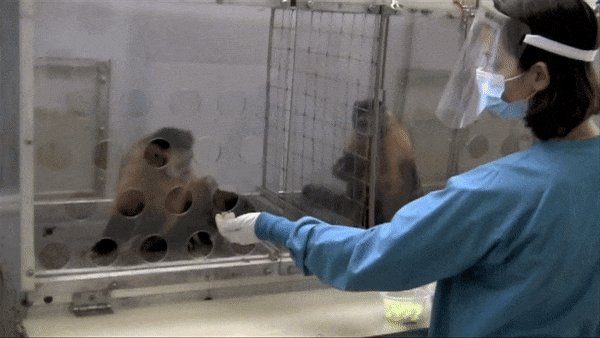
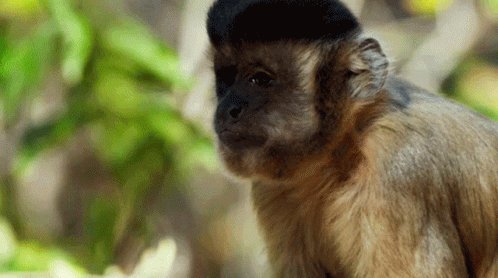
Do animals get jealous like people? New @BerkeleyPsych research looks at years of studies into whether non-human animals have a similar sense of fairness. The answer is more nuanced than it may seem. news.berkeley.edu/2024/12/12…
2
7
15
3,158

2 Dec 2024
Very excited to have this published! No evidence for inequity aversion in nonhuman animals: a meta-analysis of accept/reject paradigms, w/ Christoph Völter, @nicholaraihani , & @JanEngelmann5 : royalsocietypublishing.org/d…
2
16
36
2,275
2 Dec 2024
See my thread on the pre-print with a summary of the results and our interpretation: x.com/oded_ritov/status/1617…
24 Jan 2023

Do animals care about fairness? Our new meta-analysis suggests they don't: "Are Nonhuman Animals Inequity Averse? A Meta-Analysis", w\ @cvoelter, @nicholaraihani, and @JanEngelmann5, out now as a pre-print: psyarxiv.com/86vkf/ 1/11
1
349
Oded Ritov retweeted

31 Aug 2023
We often blame people for the beliefs they hold.
Does this mean we think people can choose their beliefs, like they can choose their actions?
We find children and adults generally think we can select our beliefs, but think we are restricted by evidence and morality.
Out now!
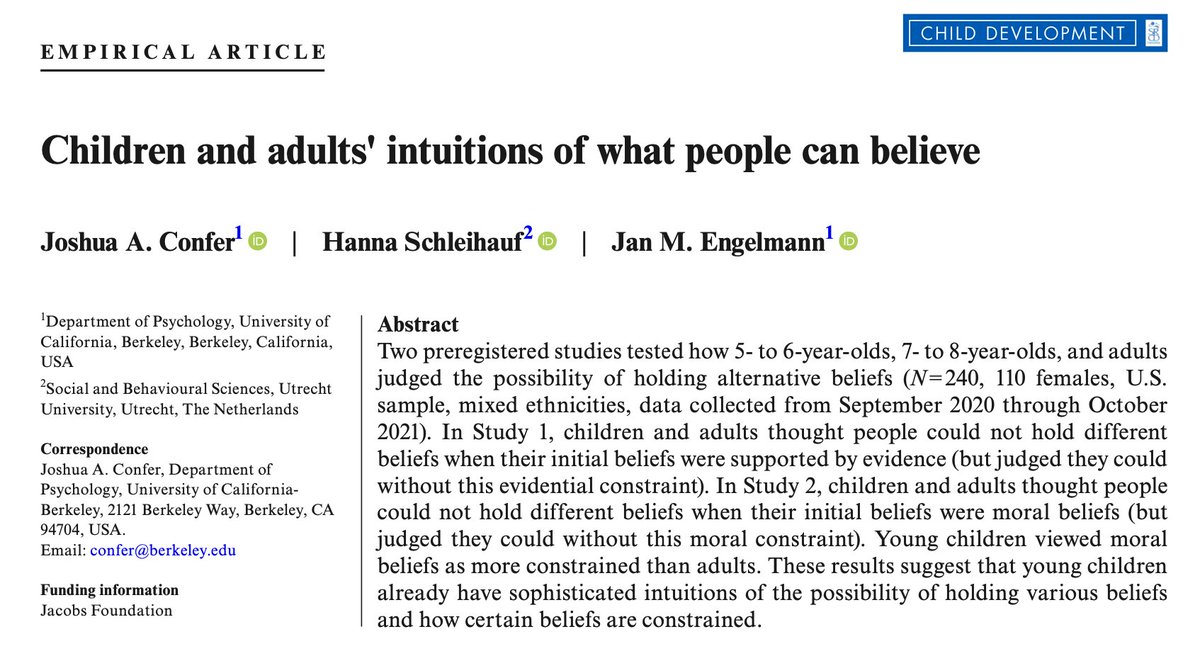
ALT http://doi.org/10.1111/cdev.13988
1
21
72
15,745

New paper @CollabraOA @ucpress
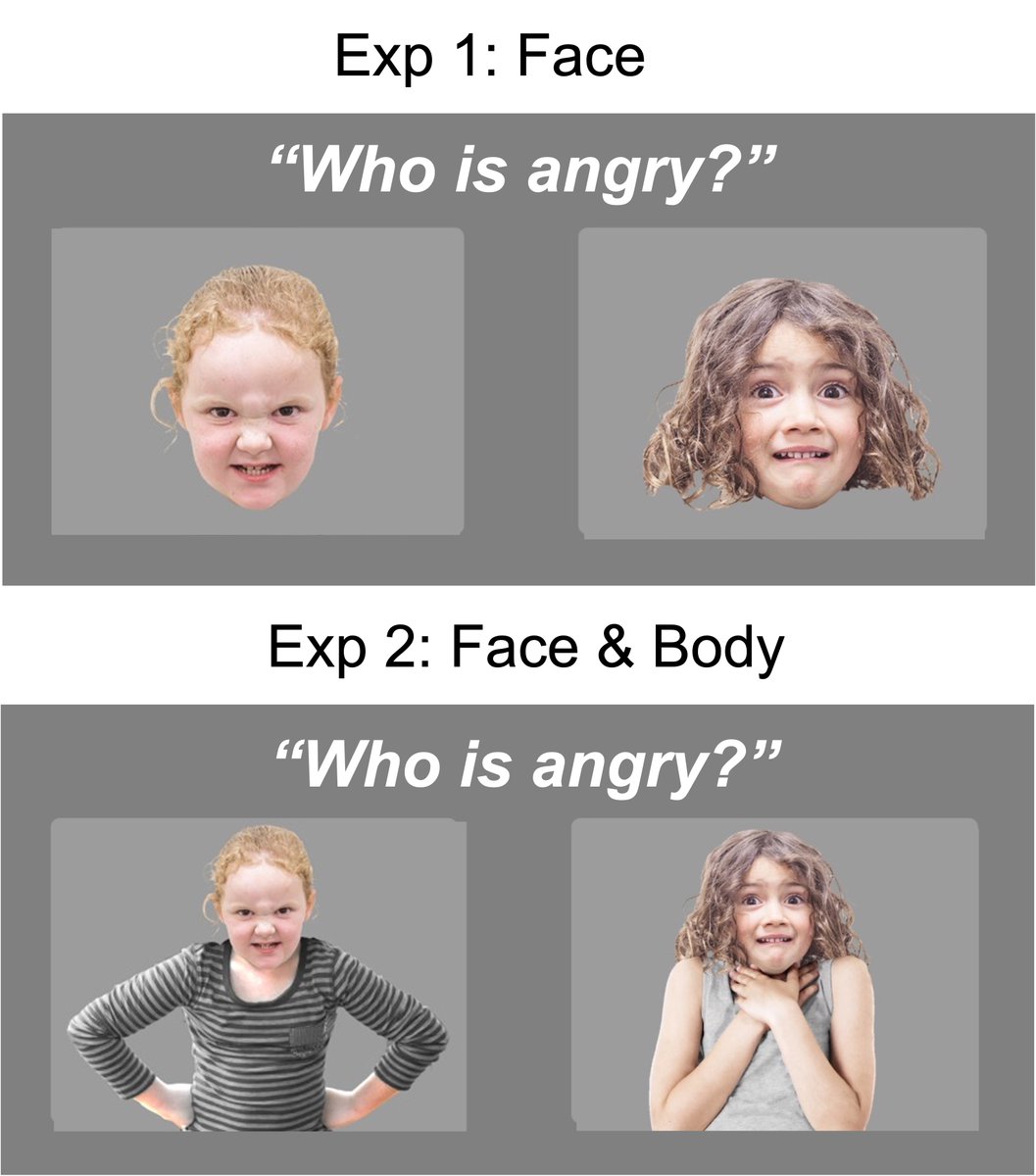
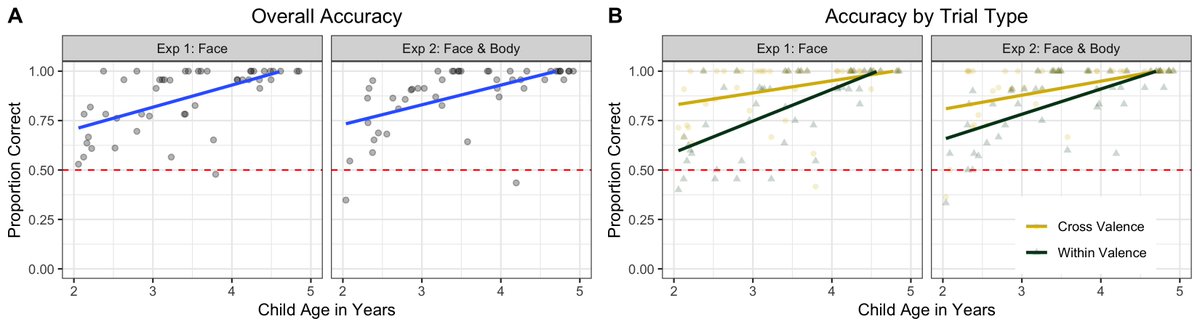
In two online, child-friendly Exps, 2-year-olds mapped emotion words to face & body cues within valence. Mask exposure didn't correlate with performance. The results suggest an early ability to comprehend emotion words! doi.org/10.1525/collabra.743…
1
11
44
10,031
24 Jan 2023
Do animals care about fairness? Our new meta-analysis suggests they don't: "Are Nonhuman Animals Inequity Averse? A Meta-Analysis", w\ @cvoelter, @nicholaraihani, and @JanEngelmann5, out now as a pre-print: psyarxiv.com/86vkf/ 1/11
3
64
168
109,416
24 Jan 2023
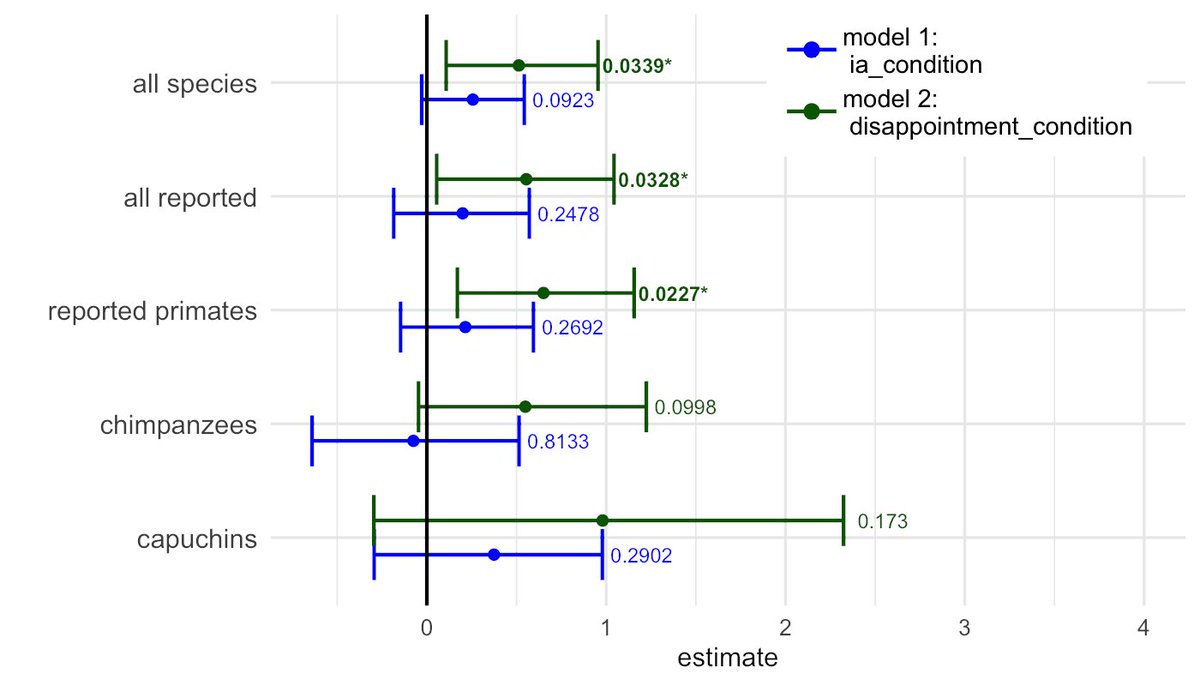
This figure represents the output of the models testing the inequity aversion and disappointment hypotheses. Bars = 95% CI, wherever 0 is included the result is nonsignificant. "Reported" on y-axis refers to species for which inequity aversion was previously reported 10/11
1
1
10
1,443
24 Jan 2023
Overall, our meta-analysis finds no evidence that inequity aversion, a hypothesized building block of fairness, is shared with other species - suggesting that a sense of fairness is uniquely human! 11/11
9
4
23
1,884