Asst. Professor of Psychology @UCBerkeley.
Joined June 2018
- Tweets 271
- Following 326
- Followers 1,125
- Likes 754
14 Photos and videos
Pinned Tweet

24 Jan 2023
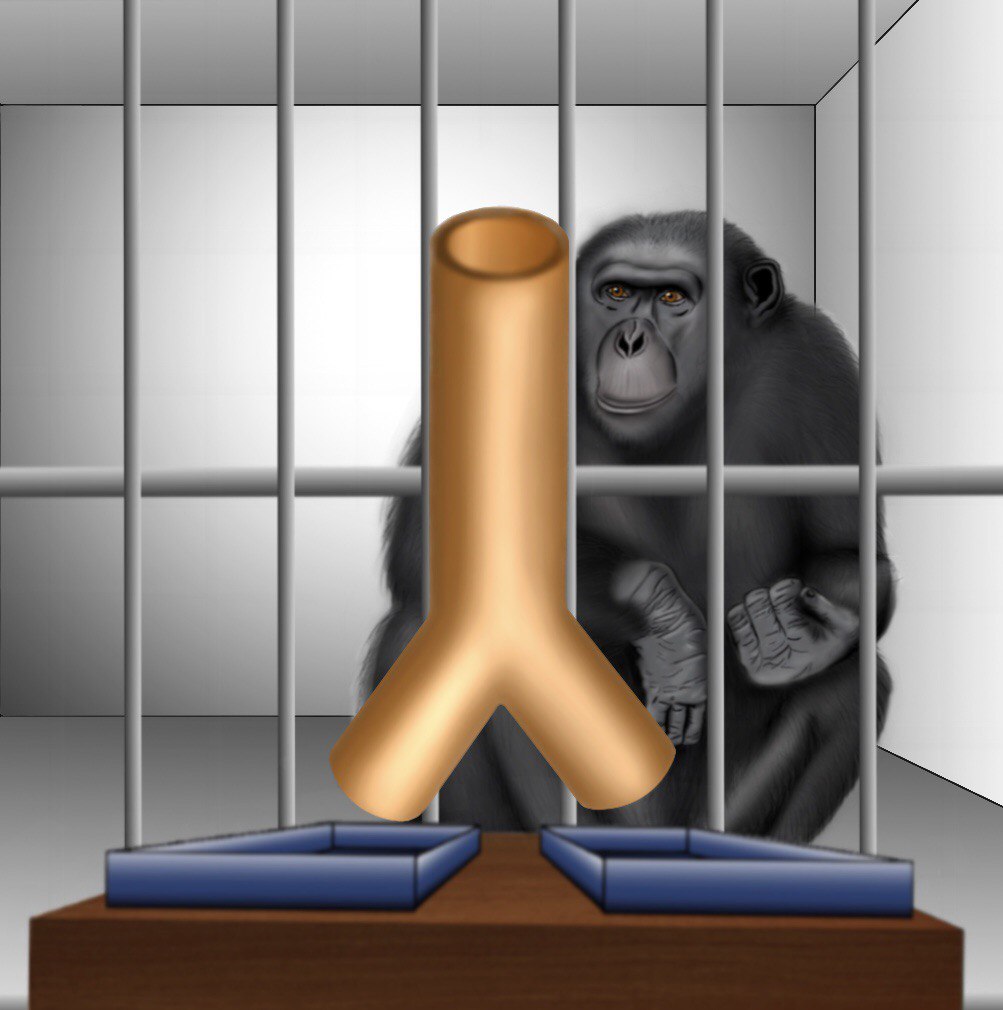
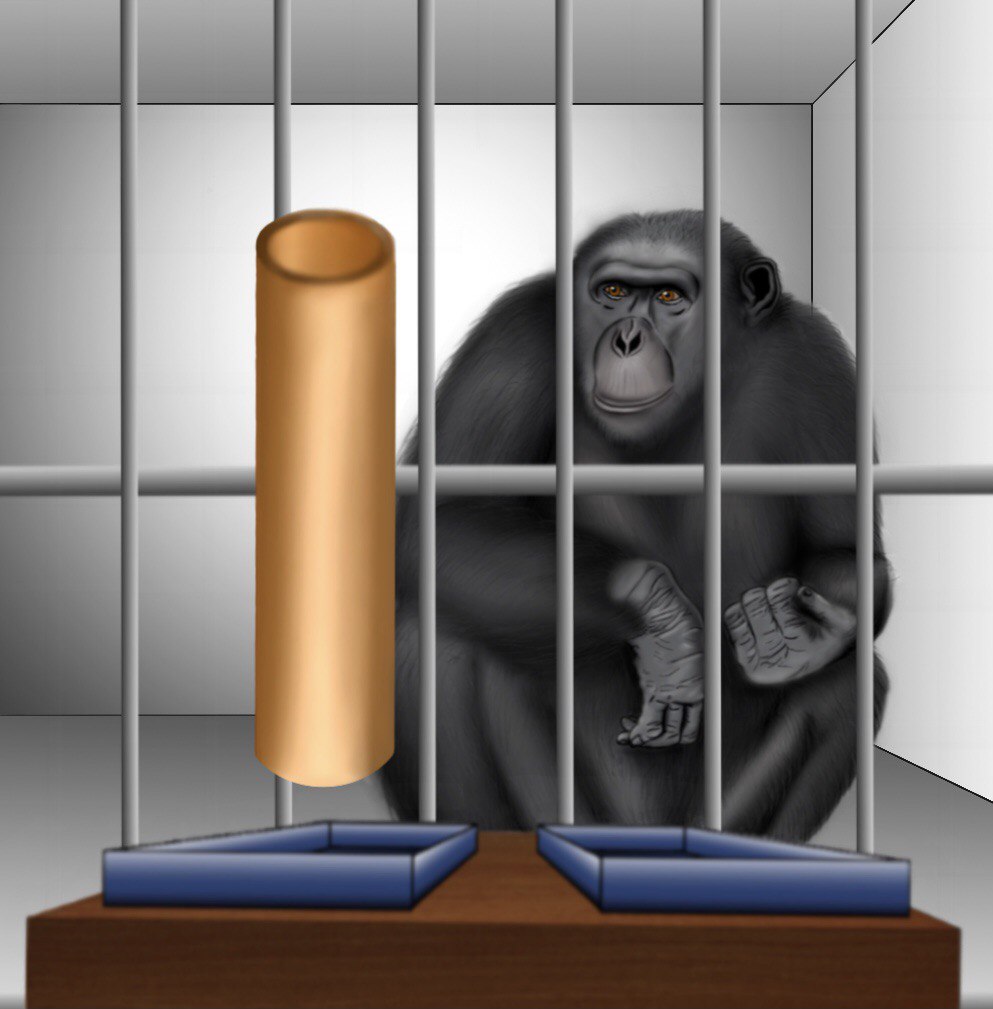
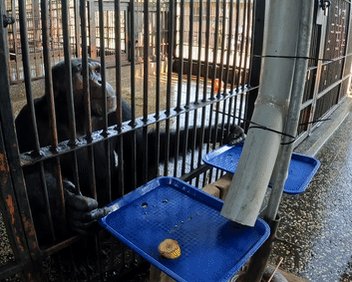
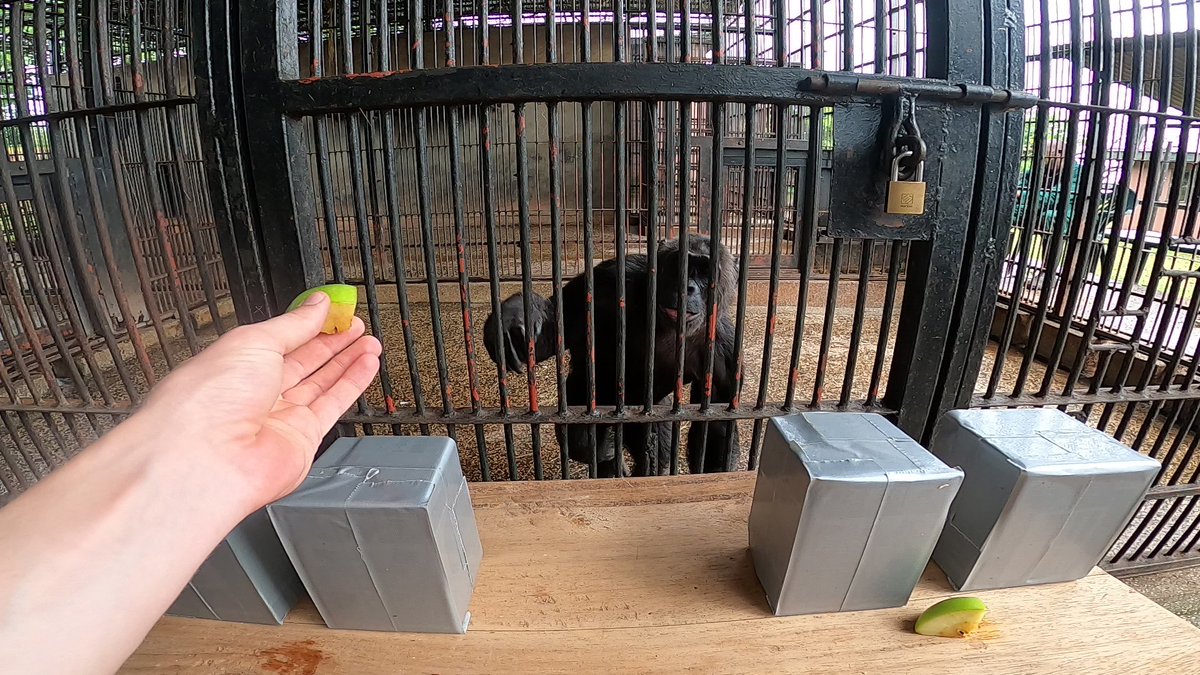
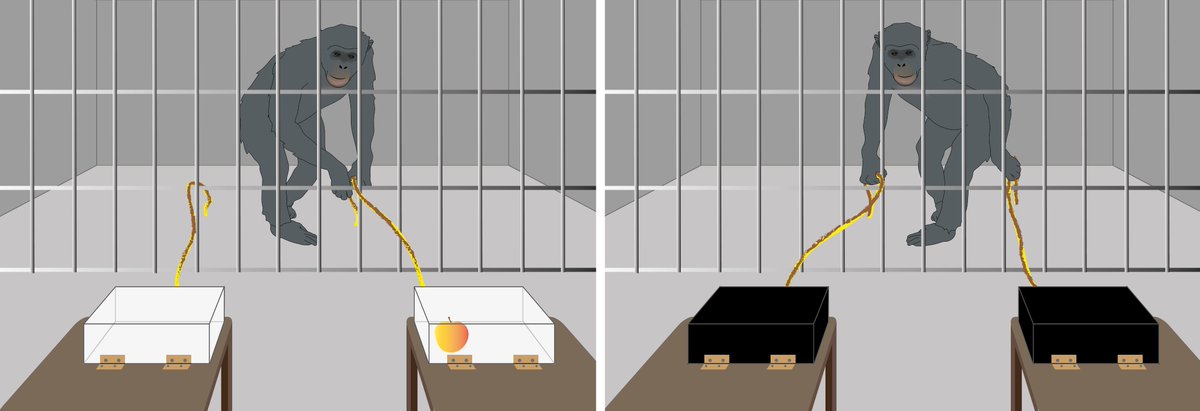
Do animals care about fairness? Our new, preregistered meta-analysis - using data from 23 papers (thanks to all authors for sharing!) - finds no evidence for a sense of justice in nonhuman animals. Check out @oded_ritov's thread below
24 Jan 2023

Do animals care about fairness? Our new meta-analysis suggests they don't: "Are Nonhuman Animals Inequity Averse? A Meta-Analysis", w\ @cvoelter, @nicholaraihani, and @JanEngelmann5, out now as a pre-print: psyarxiv.com/86vkf/ 1/11
8
43
178
63,787
Jan Engelmann retweeted

3 Feb 2025
Are humans the only species that communicates when a collaborator is missing information?
@TownrowLuke and I show that our closest relatives, bonobos, can track when a partner is knowledgeable or ignorant, and tailor communication accordingly @PNASNews
pnas.org/doi/10.1073/pnas.24…
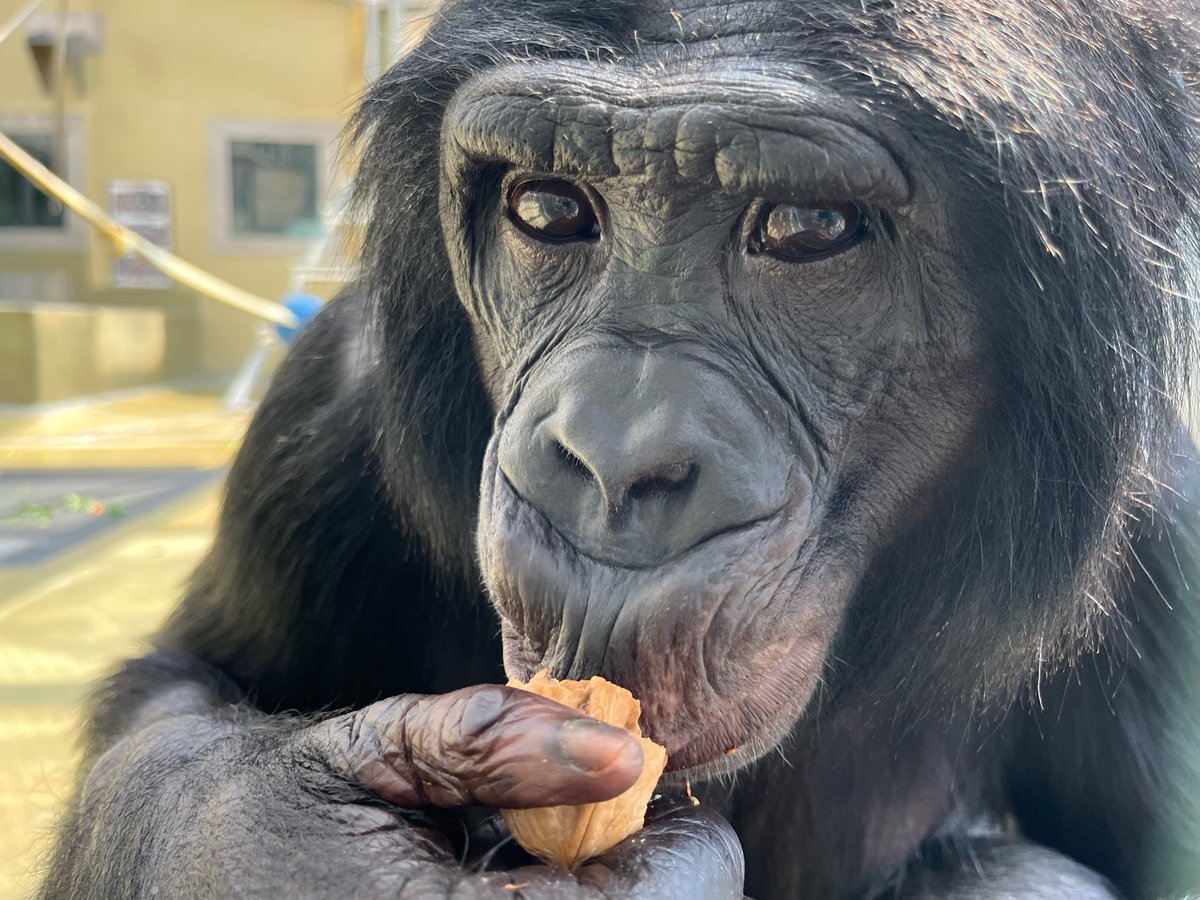
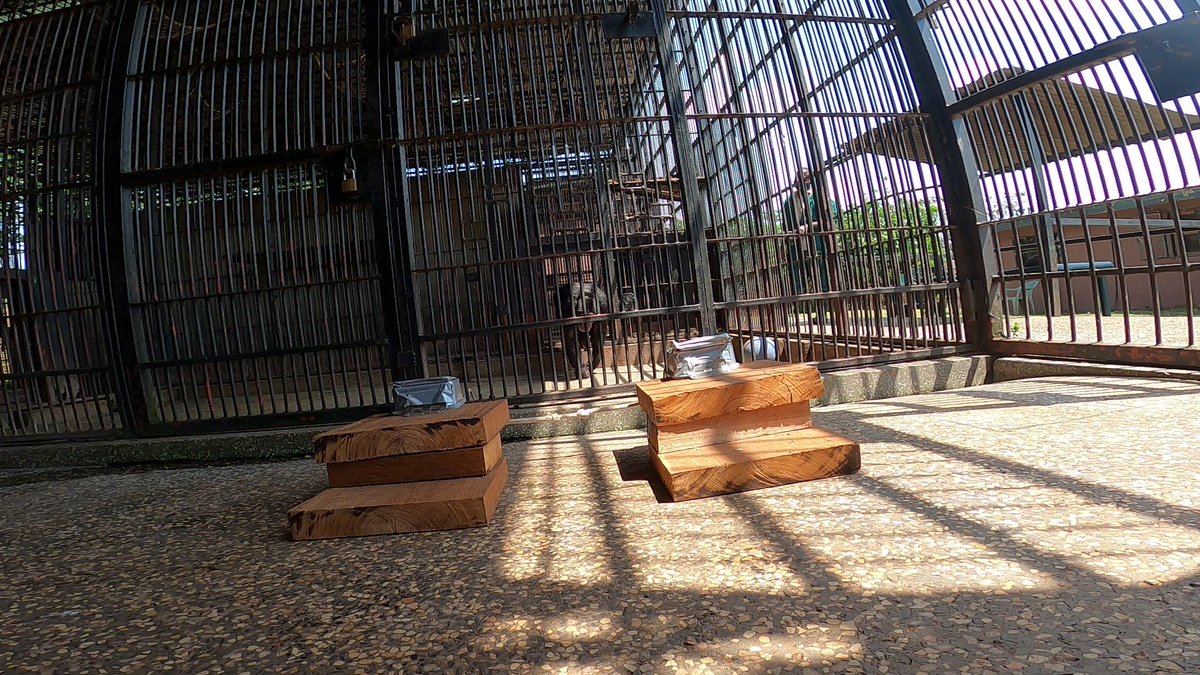
ALT Bonobo, Nyota, at Ape Initiative, a science and education nonprofit
2
56
176
16,563
Jan Engelmann retweeted

12 Dec 2024
Do animals get jealous like people? New @BerkeleyPsych research looks at years of studies into whether non-human animals have a similar sense of fairness. The answer is more nuanced than it may seem. news.berkeley.edu/2024/12/12…
2
7
15
3,158
Jan Engelmann retweeted

2 Dec 2024
Very excited to have this published! No evidence for inequity aversion in nonhuman animals: a meta-analysis of accept/reject paradigms, w/ Christoph Völter, @nicholaraihani , & @JanEngelmann5 : royalsocietypublishing.org/d…
2
16
36
2,275
Jan Engelmann retweeted

27 Nov 2024
So pleased to finally see this paper in print. In what we think is one of the largest meta-analyses of animal behaviour, we find no evidence for inequity aversion in nonhumans (in accept/reject paradigms). Led by @oded_ritov & with @JanEngelmann5 & Christoph Völter. 👇
1
26
74
23,164
Jan Engelmann retweeted

15 Oct 2024
🚨Call for abstracts🚨 CO3 is in Albuquerque, New Mexico, USA, March 26-29th 2025, and features 5- and 10-min talks, posters, the Early Career Award talk, and a Master Lecture by Professor Suzanne MacDonald. Don't miss it! Deadline: December 13, 2024.
1
20
40
7,507
Jan Engelmann retweeted

17 Oct 2024
Dorsa is brilliant, kind, and fundamentally *curious* about the world and humanity.
I love the way she thinks, and her lab will undoubtably become an intellectual powerhouse!
2
32
7,536
Jan Engelmann retweeted
14 Oct 2024
📢 PhD position in human, ape, or dog cognition @JohnsHopkins - please RT!
We study how animals think, & what makes the human mind unique
Deadline: Dec 1
Learn more here: social-cognitive-origins.com
And here: social-cognitive-origins.com…
And in QT'd thread
12 Sep 2021

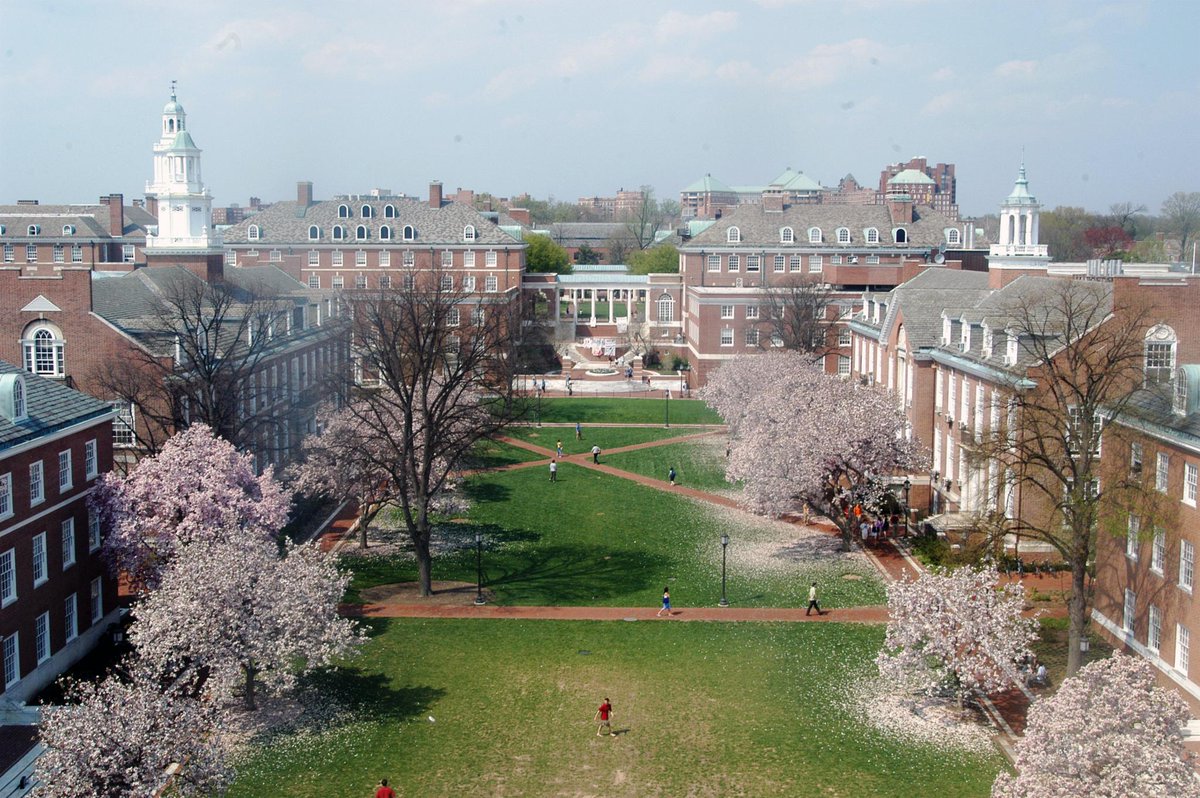
🚨 PhD position(s) in human, nohuman primate, and dog cognition!
I am thrilled to be recruiting one or more PhD students to join the new Comparative Social Cognition research group, launching next summer at @JohnsHopkins @JHUArtsSciences. 1/
106
143
34,758
Jan Engelmann retweeted

29 Jul 2024
Our attention waxes and wanes over time. How does this influence the way our memories are organized?
Pupil size at encoding, an index of attention, predicts the temporal structure of subsequent memory
Super proud of @manasijkumar for this work! 👀
osf.io/preprints/psyarxiv/bz…
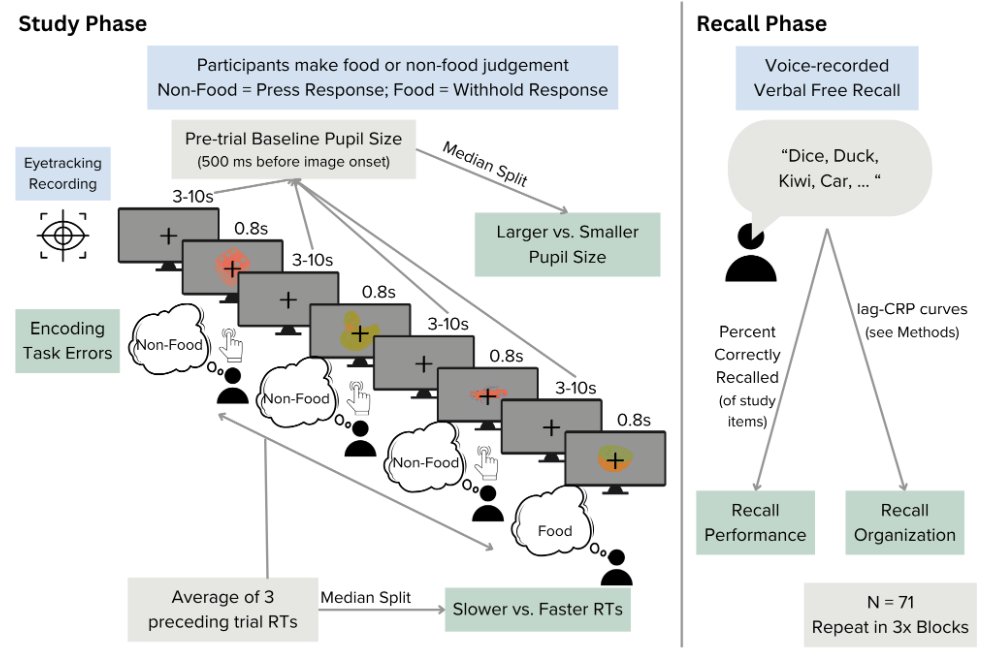
ALT Schematic of the experimental design and task measures. Participants encoded object images and make a judgment on each, while pupil diameter was monitored. After a distractor task, they recalled the objects in any order they choice.
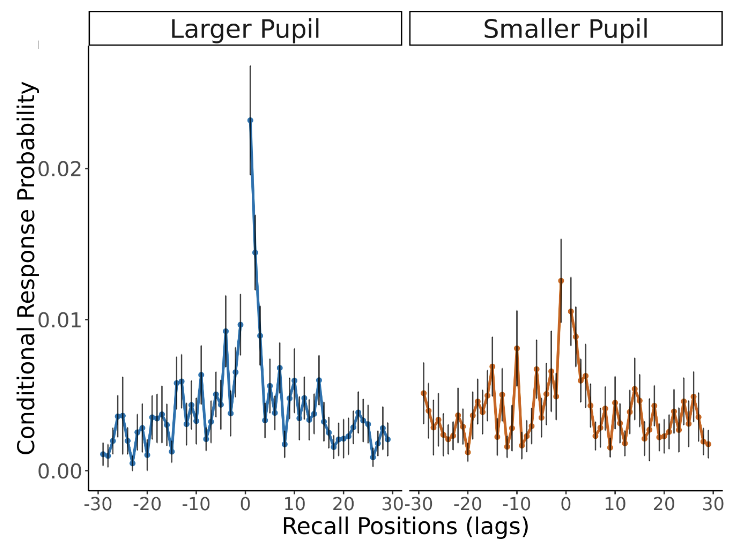
ALT Plots showing recall (y-axis) as a function of the distance between objects at encoding (x-axis). Recall was more temporally organized when pupil sizes were larger (vs. smaller) at encoding. This is reflected in greater temporal contiguity and forward asymmetry effects (see paper for detail).
41
200
17,118
Jan Engelmann retweeted

22 Jul 2024
We are looking for two PhD students interested in cumulative culture in great apes. By using observational, experimental and computational methods, we aim to test whether precursors of human culture are present in chimpanzees and bonobos.
uu.nl/en/organisation/workin…
2
100
131
23,289
Jan Engelmann retweeted

3 Jun 2024
📢The DISC Lab is hiring a lab manager (flex start day)!
More research info here: ashleyelizajordan.com
Min salary = $44,550 w/ generous benefits: hr.wisc.edu/benefits/new-emp…
Apply here by 6/17: jobs.wisc.edu/jobs/research-…
👉🏾Please share widely!
2
33
35
10,862
Jan Engelmann retweeted

29 May 2024
Important read @ScienceMagazine
science.org/doi/10.1126/scie…
‘The constraints imposed by fieldwork are often incompatible with high publication rates, journal impact factors, and citation count’
42
101
9,338
Jan Engelmann retweeted

21 May 2024
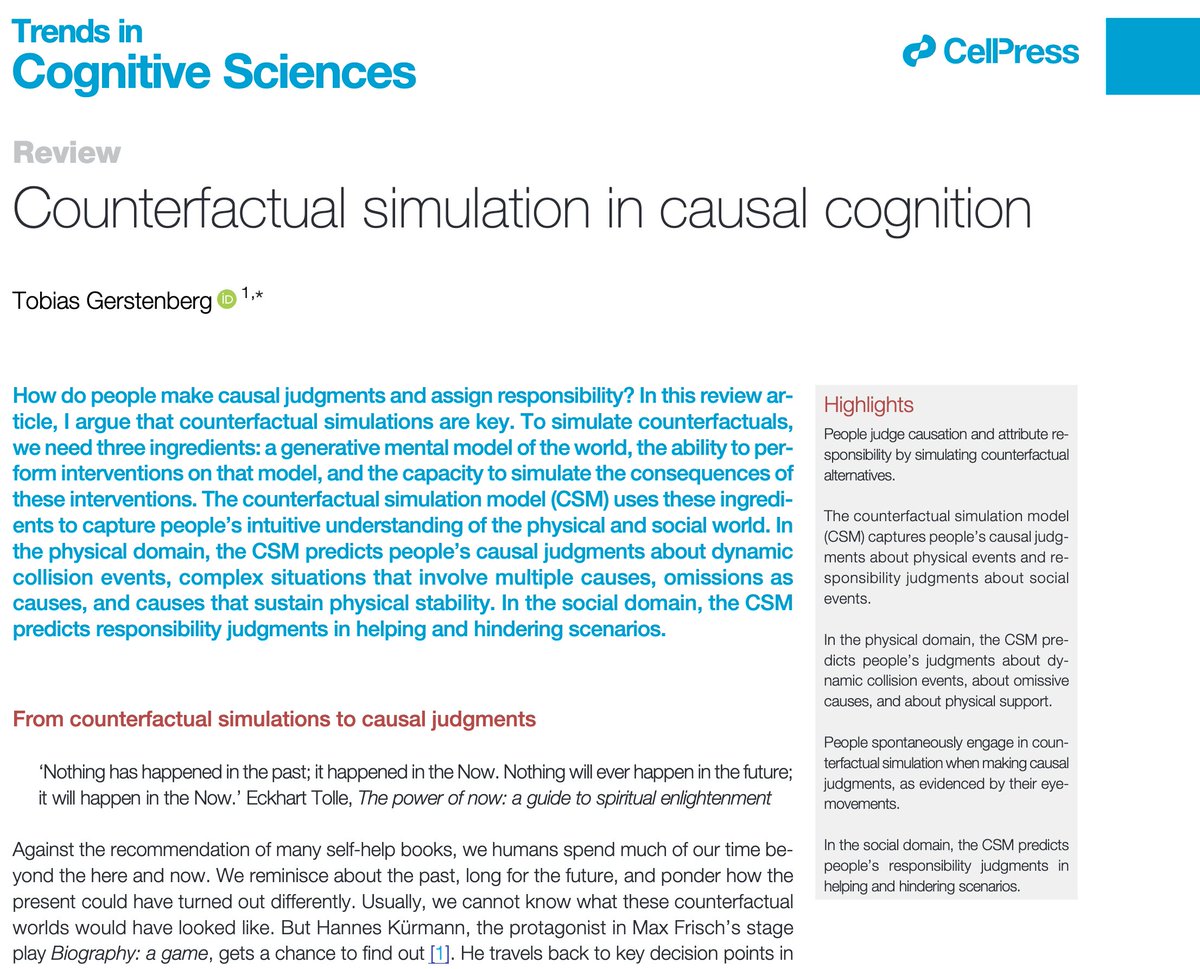
Now out in Trends in Cognitive Sciences!
22 Jan 2024

🚨 New preprint 🚨
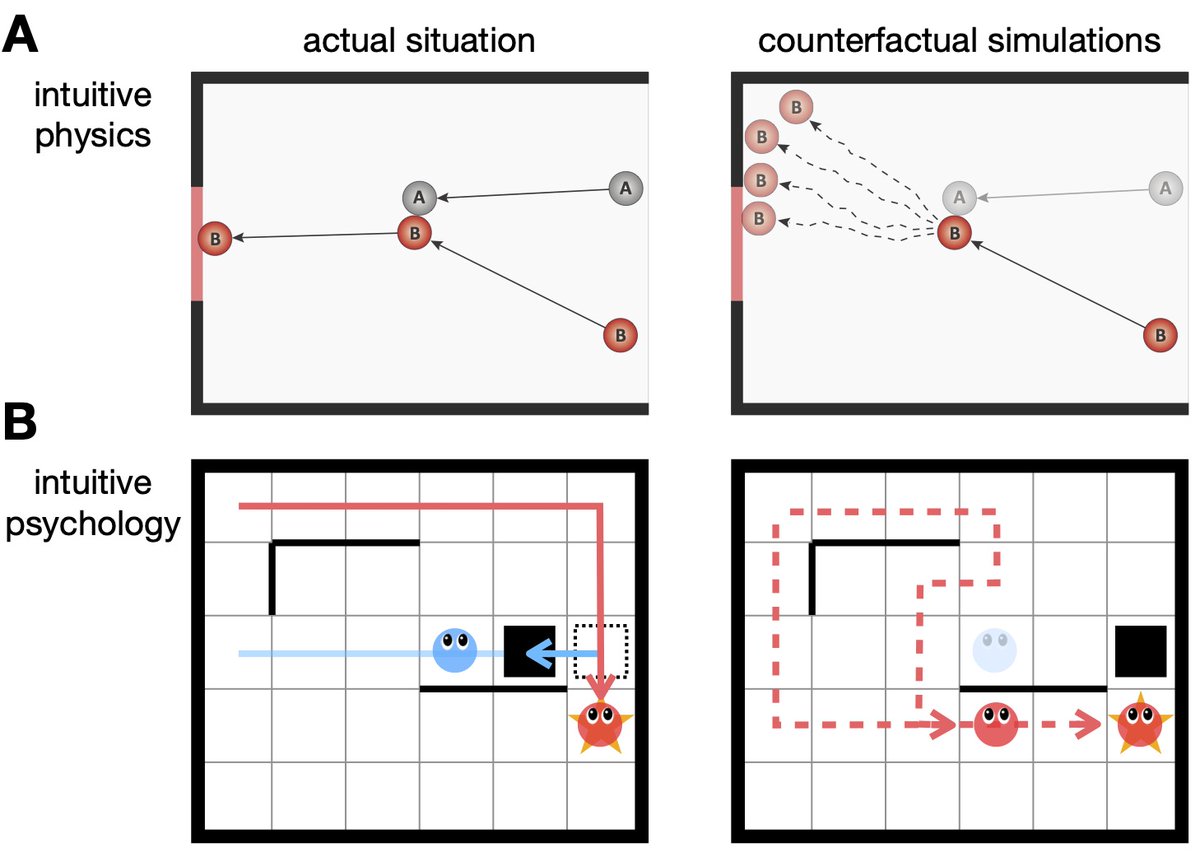
In "Beyond the here and now: Counterfactual simulation in causal cognition", I discuss what role counterfactual simulation plays for how people judge causation and assign responsibility.
📰 osf.io/preprints/psyarxiv/72…
2
59
272
41,554
Jan Engelmann retweeted

14 May 2024
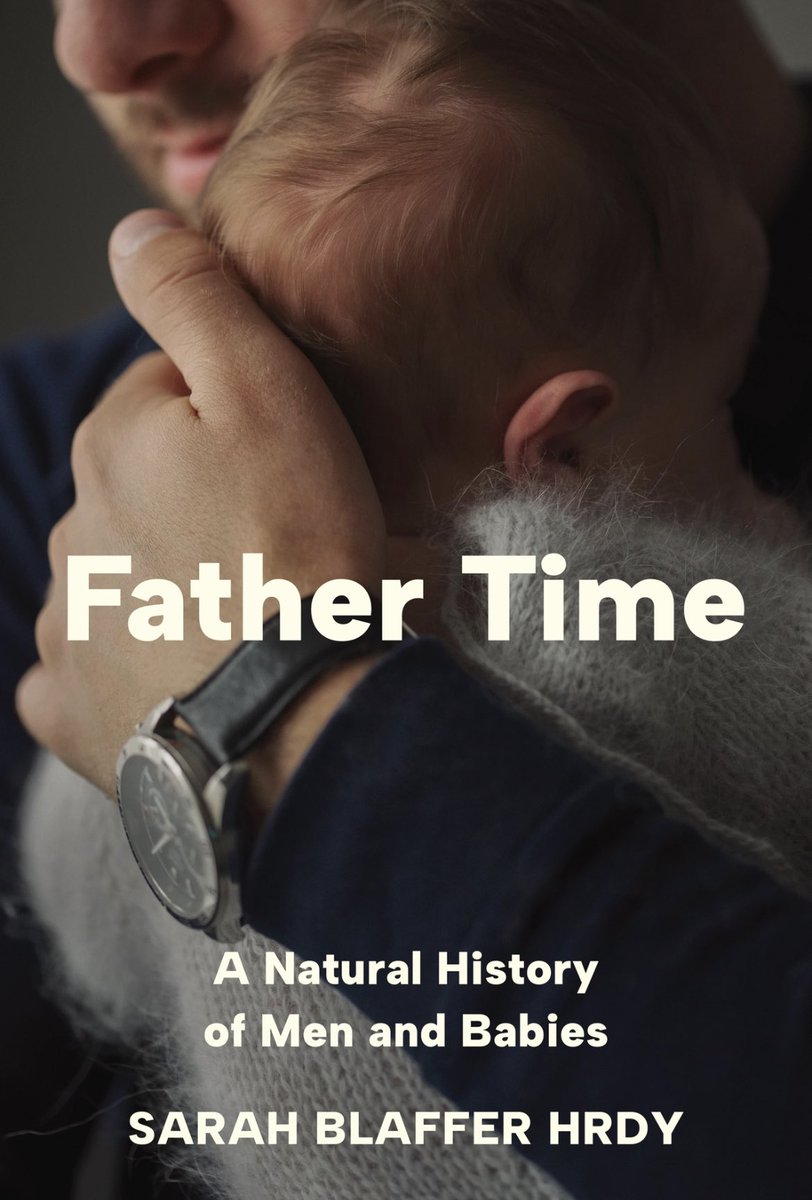
Sarah Hrdy’s ‘Father Time: A Natural History of Men and Babies’ just arrived on my kindle 😊 If you’ve not read any of Hrdy’s books, then start today
7
20
103
7,008
Jan Engelmann retweeted

27 Apr 2024
New paper alert! 🚨
Late to sharing this, but here's a short review of a decade of work with @GCsibra on how infants represent giving, and why it matters (for event cognition and the origins of the relational mind).
Thread below! 🧵👇
t.ly/S6cLw
1/15
1
18
56
9,736
Jan Engelmann retweeted

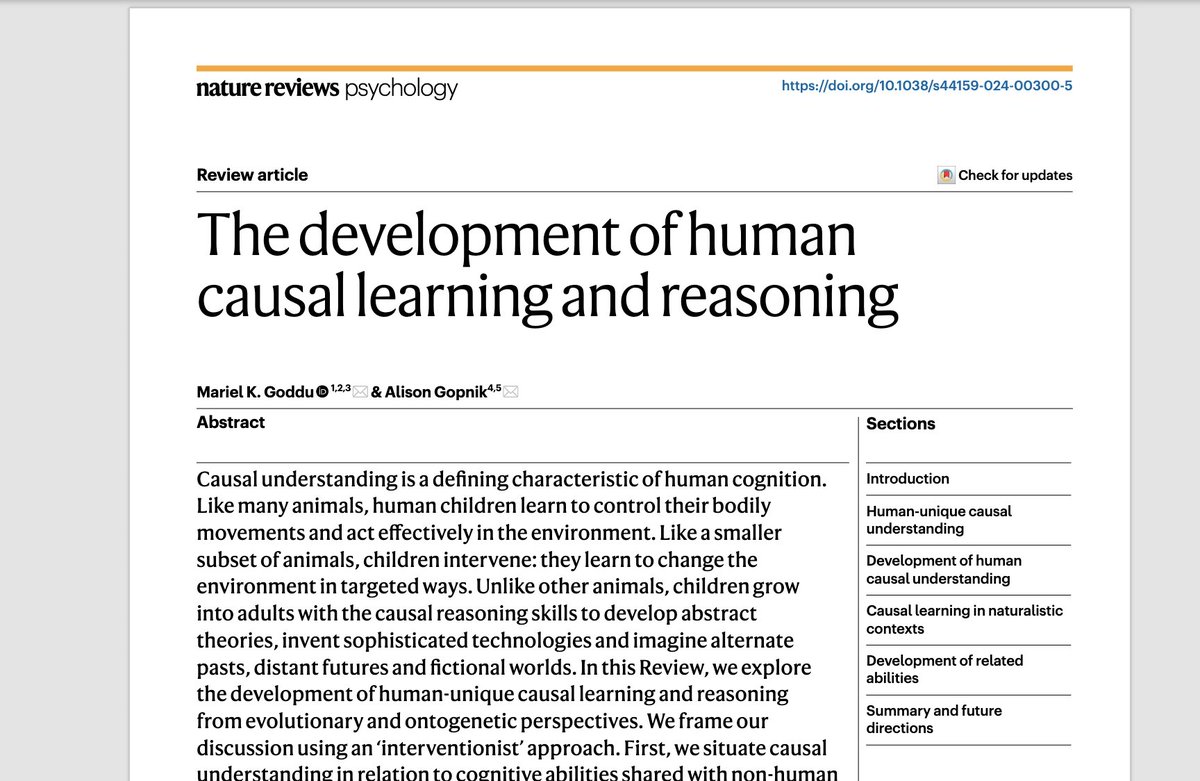
Proud of this review with @AlisonGopnik ! -
'The development of human causal learning and reasoning'
- now available here: rdcu.be/dFToV @NatRevPsych
We review the development of human-unique causal understanding from an 'interventionist' perspective, outlining
12
87
322
40,380
Jan Engelmann retweeted

29 Apr 2024
Great psychologist turned philosopher @marielgoddu and I wrote this review of the development of human causal learning, 20 years worth of comparative, developmental, philosophical and computational work. Empowerment included. Free to read at this link. nature.com/articles/s44159-0…
3
27
94
17,181
Jan Engelmann retweeted

5 Apr 2024
It is happening again!
Join our workshop
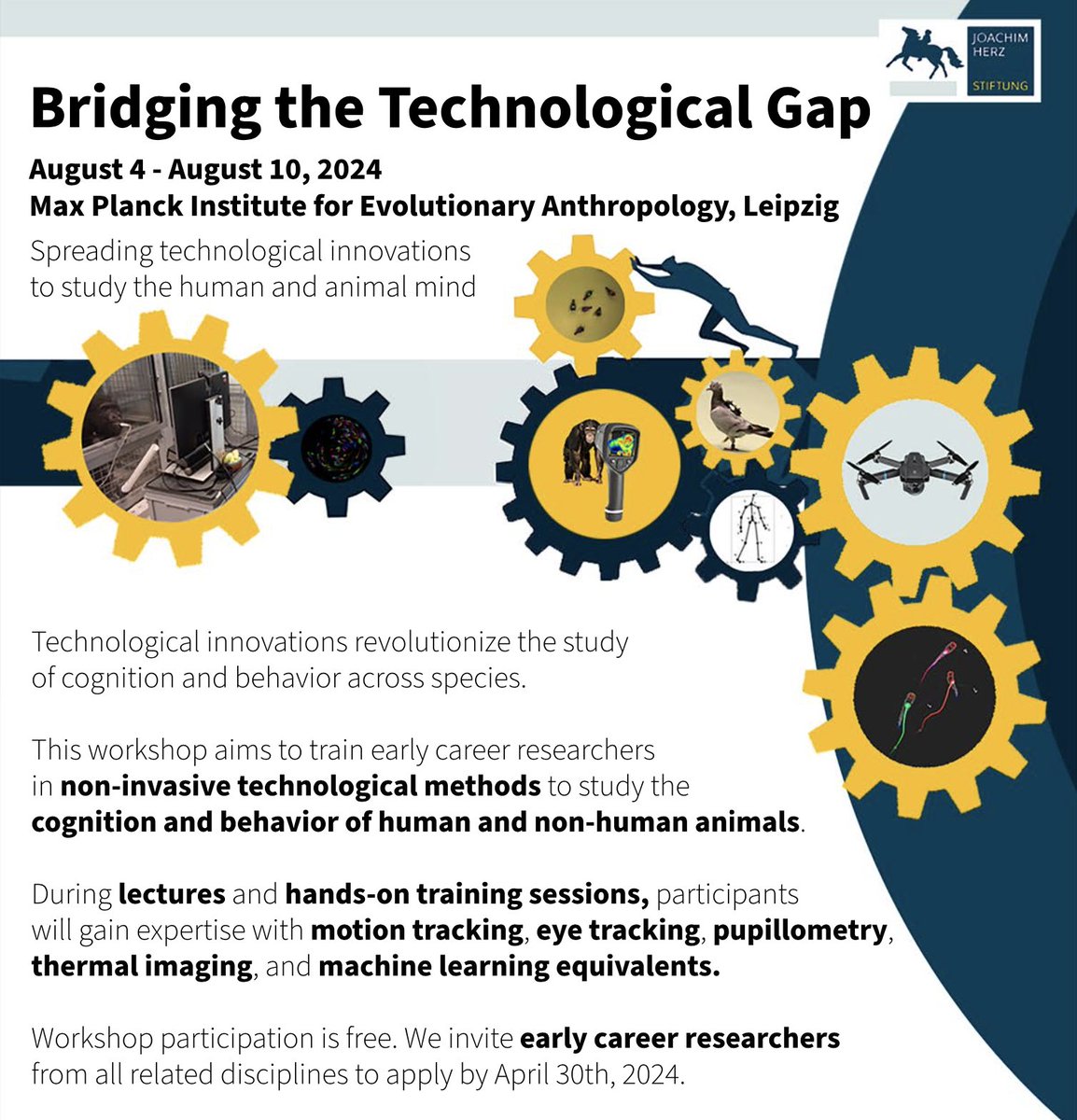
✨BRIDGING THE TECHNOLOGICAL GAP✨
to learn about technological innovations to study the human and animal mind.
Apply here: https:/www.eva.mpg.de/comparative-cultural-psychology/events/2024-btg2/
1
22
37
9,998
26 Mar 2024
Congratulations, Dorsa!!! So well-deserved. We will miss you
14
1,157
Jan Engelmann retweeted

19 Mar 2024
I'll be looking for a post-doc to join the lab in 2025! If you might be interested, reach out (DM/ email)n so that we can chat at #CDS2024!
3
24
65
19,353
Jan Engelmann retweeted

17 Mar 2024
I was so sad to learn that Frans de Waal has died. He put so many bold ideas out there and influenced the careers of countless scholars across biology, anthropology and psychology. Here's a lovely piece that Emory produced: news.emory.edu/features/2024…
7
36
2,242