
Crypto | Web3 | TA | Anti-ho3 | Autistic . Demotivational Speaker PHD in shitposting.
Joined October 2023
- Tweets 2,321
- Following 276
- Followers 719
- Likes 4,111
661 Photos and videos









Pinned Tweet

29 Oct 2025
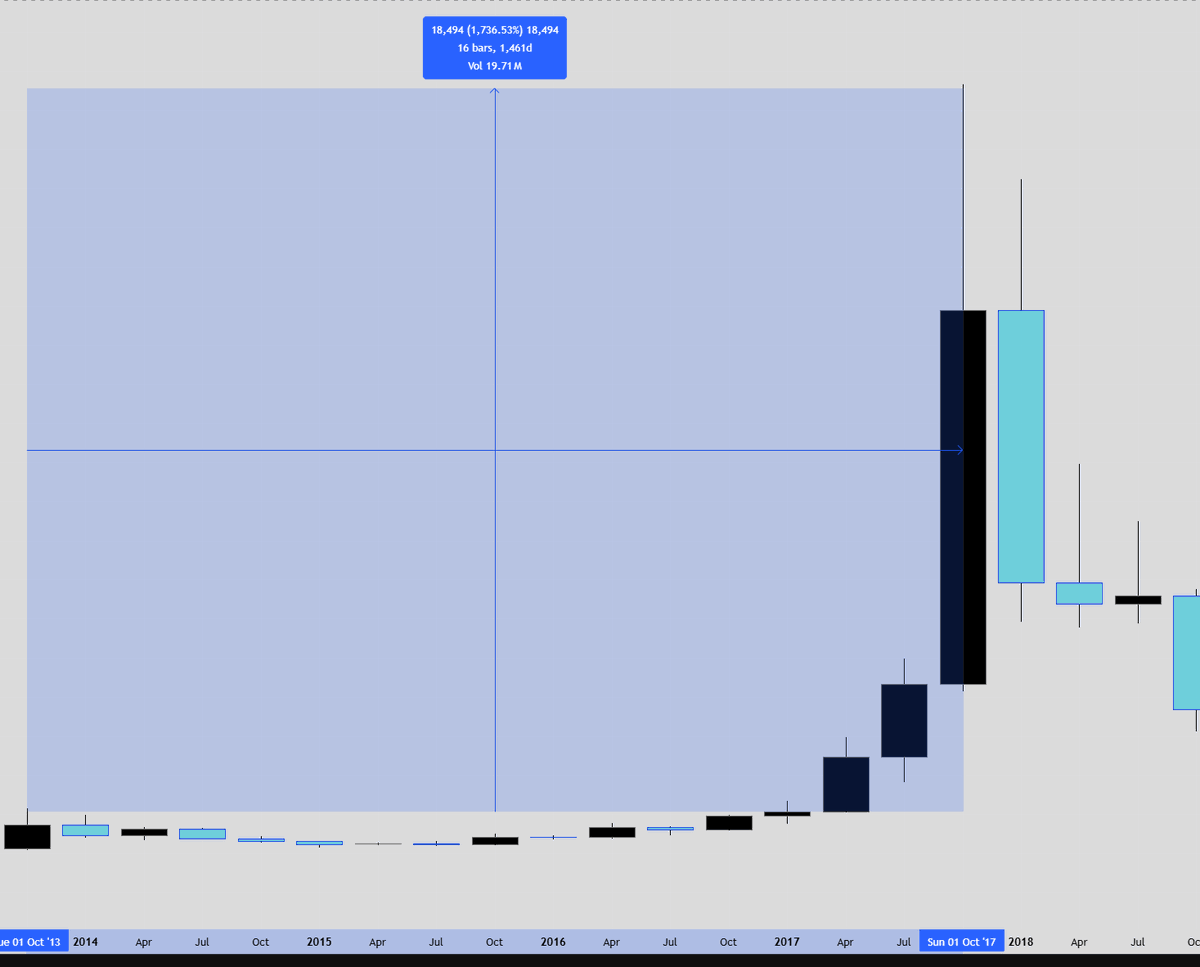
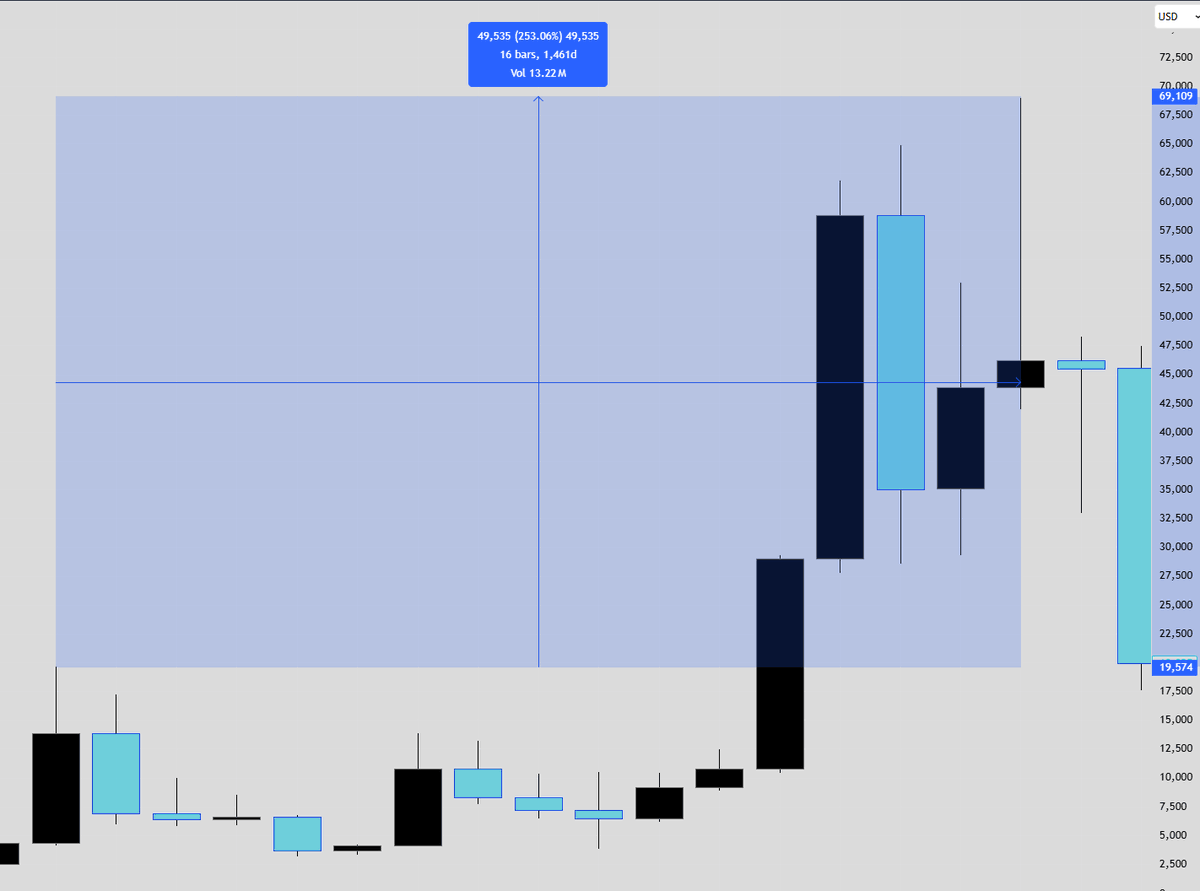
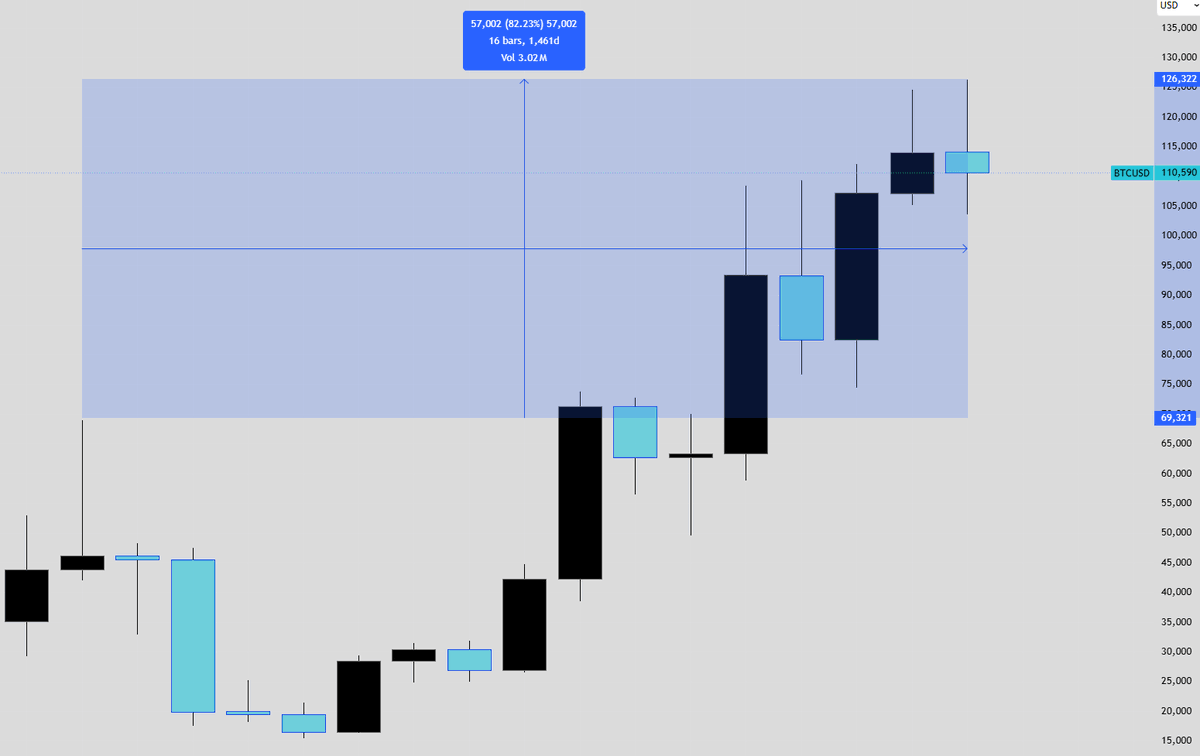
Why do I think the cycle is over or near over?
First, I am retarded and I like to make things simpler for me so I look for the data we have available and don't brainwash myself with the "this time is different" BS.
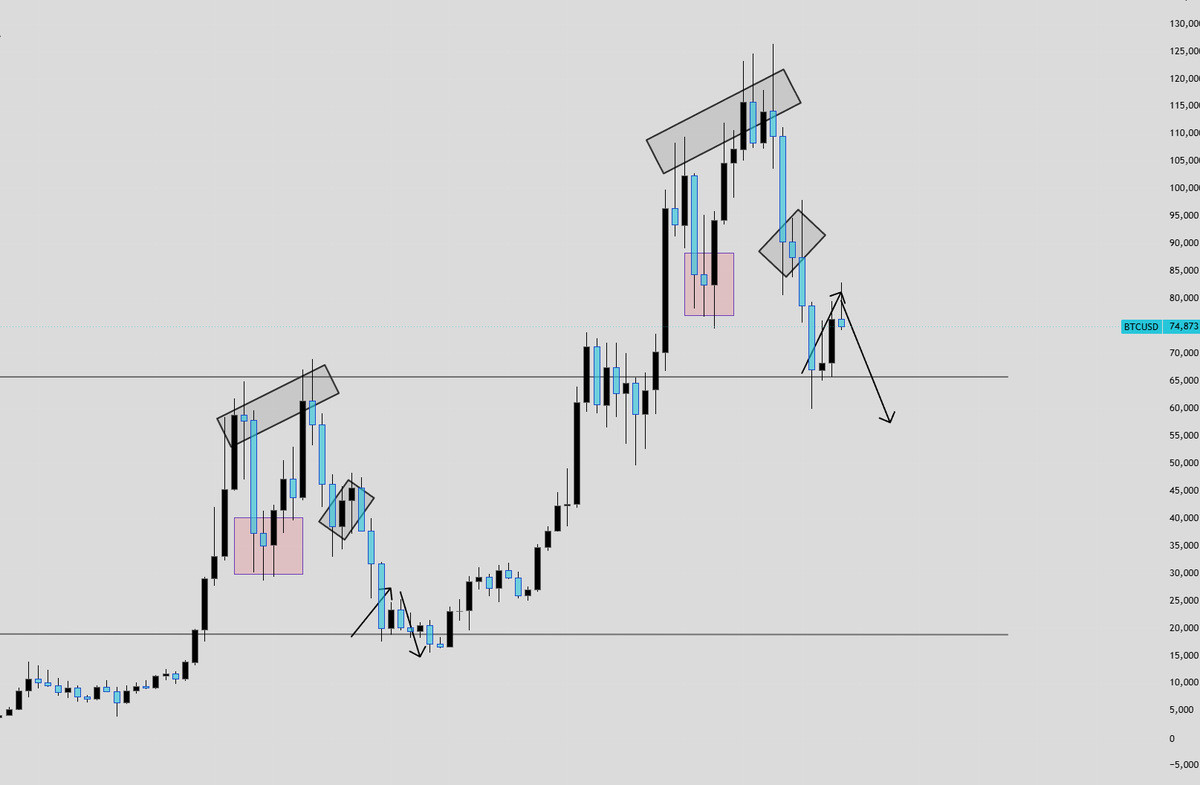
Compare each cycle top to the one before, and they are equivalent to 1461 days from top to top?
Those are 16 three-month candles.
This quarter historically should be the final bullish quarter and should be the end of the bull-cycle.
Realize some gains or cry later.
NFA am just an ape.
3
1
5
1,505
Jun 13
$SPCX is like 2 trillion dollar worth, the entirety of crypto is exactly 2 trillion dollars.
It is either that we are very early, or we are actually very cooked.
2
3
93
Kuba_Crypto retweeted

Jun 11
Hard to believe it’s been 5 years
166
227
2,633
198,683
Jun 5
This was October last year, people were laughing at 60$ per solana:So11111111111111111111111111111111111111112 😂😂
Bounce is very close tho, sentiment is horror. shoutout to @CrypSai also.
3
2
135
Jun 3
Unfortunately, as someone who has spent years moving funds across different chains, I made a mistake I never thought I would: trusting a CEX.
My experience with MEXC was flawless until it suddenly wasn't.
I've used the exchange for years without a single issue. My deposits and withdrawals were completely normal, with nothing suspicious or unusual. It was fast, convenient, and made it easy to move assets between chains without relying on questionable bridges or connecting my wallet to unknown protocols.
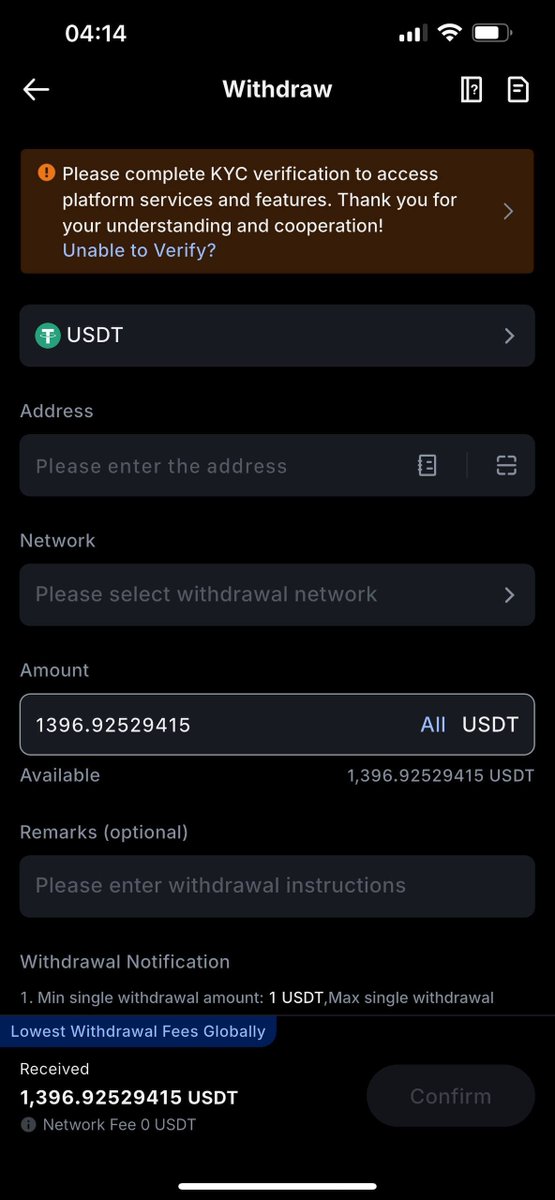
Then, when I tried to withdraw some USDT, my funds were frozen and I was told I needed to complete KYC and provide additional documents. Anyone familiar with crypto knows why that immediately raises concerns.
After years of using the platform without problems, having access to my own funds restricted without warning was the last thing I expected.
Dealing with that situation made me think about how this problem could actually be solved. Ironically, that experience became one of the reasons I built @ComPairSwap , which, funnily enough, utilizes @splitnow 's infrastructure in a part of it's operation (wallet splitting). The goal was simple: make moving assets across chains easier while reducing reliance on centralized intermediaries that can suddenly become a point of failure. 1400$ USDT is not a lot of money but i don't think there was a valid reason to freeze it

Most privacy exchanges have a dirty secret:
When your funds get frozen, they often profit.
We're done watching users get robbed.
Today we're launching a $5,000 AML Relief Fund.
If you've had funds frozen by another privacy swap service and never got them back, post proof. We'll review submissions and may refund the full amount lost, up to $5,000 total.
At SplitNOW, frozen funds are never revenue. We guarantee 100% refunds within 24 hours or double your money back

12
7
21
1,020
Jun 3
1
4
159
Jun 2
Its one of those instances when you are right about bitcoin:native but you wish you were wrong.
Apr 21

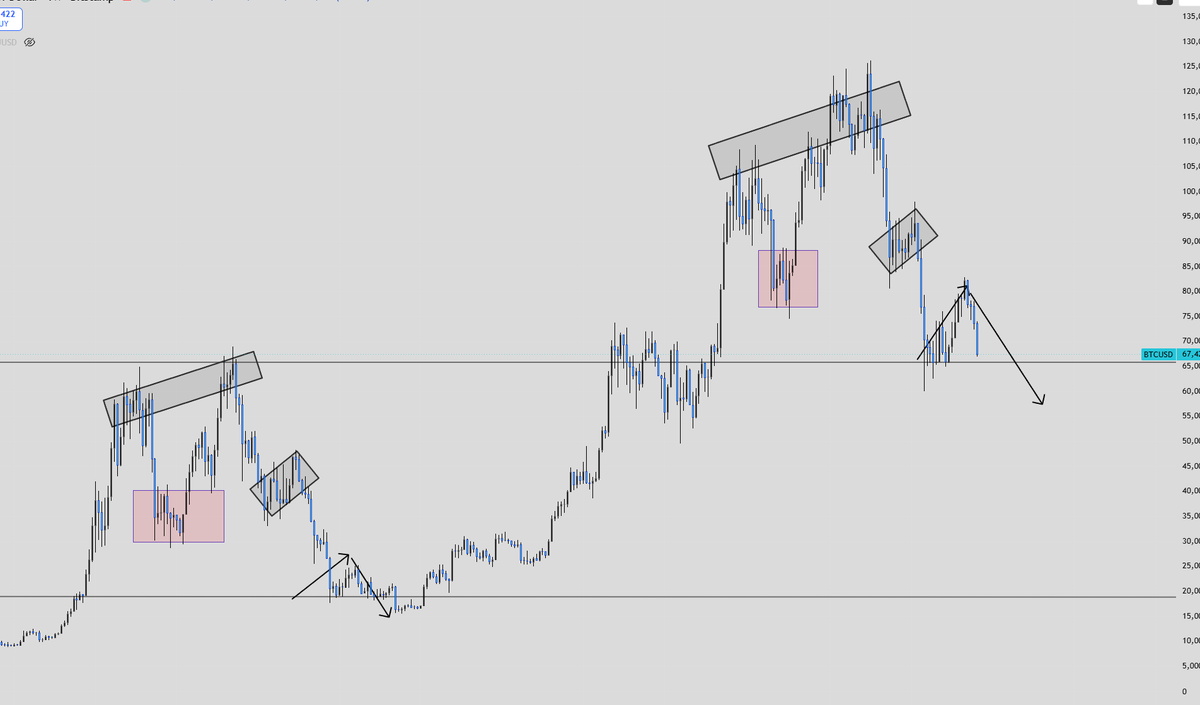
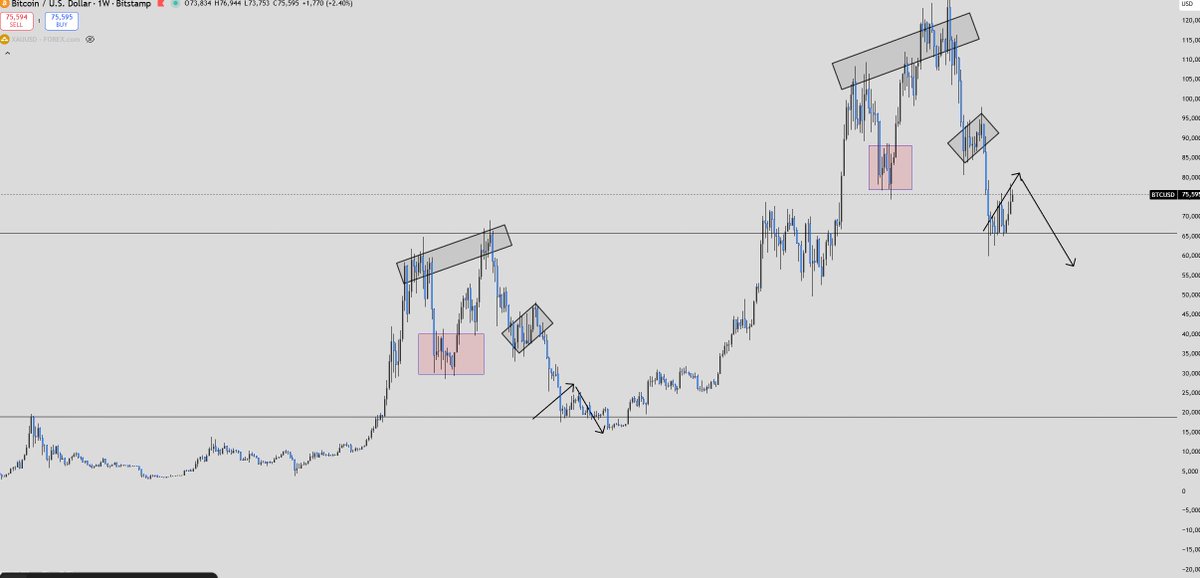
As much as am happy printing on $ETH i remain highly skeptical of the market because at this moment it is looking like an exact copy of the previous bear market.
Double top 2 with a range in between them.
Bear flag that leads towards the previous cycle's ATH, followed by a bounce off that ATH and 1 final crazy crash to take people out.
What could trigger that?
1- DeFi current state, AAVE and those protocols.
2- WLFI?
3- Geopolitical news?
All this is highly speculative but the similarities are scary, but check the chart and lmk what you think.
1
2
85
May 28
For all the wonderful ladies i know in the space, its never too late to start an OF when the market is bad.
1
1
71
May 28
In my humble opinion: starting construction work at 7 am should be considered an act of terrorism.
Absolute horror.
2
2
137
May 27
Update on my low-budget analysis, $BTC moving as predicted a month ago.
Apr 21
As much as am happy printing on $ETH i remain highly skeptical of the market because at this moment it is looking like an exact copy of the previous bear market.
Double top 2 with a range in between them.
Bear flag that leads towards the previous cycle's ATH, followed by a bounce off that ATH and 1 final crazy crash to take people out.
What could trigger that?
1- DeFi current state, AAVE and those protocols.
2- WLFI?
3- Geopolitical news?
All this is highly speculative but the similarities are scary, but check the chart and lmk what you think.
2
3
184
May 14
People talking about resistance in a chart at 20k market cap. Bro the only resistance you know is insulin resistance you fat prick.
2
1
120
May 7
I just sent money to a shitcoin CA, this rookie mistake is probably the worst thing a man can do.
1
2
116

Crypto made me a lot of money
and it ruined my life.
I've been in crypto since 2019.
I saw the beginning of the memecoin cycle.
I entered early. And made a lot of money.
Not (( nice profits )).
Money that changes lives.
I never took profits.
Never.
I watched years of salary disappear in just few minutes.
More than once. And i still stayed.
Little by little, i isolated myself.
I stopped seeing my friends.
I stopped answering my family.
I was locked in my room, glued to charts, completely disconnected from real life.
Crypto didn't just change my relationship with money.
It changed how i think.
How i feel.
How i see everything.
Emotionally and mentally, I became someone else. And for a long time, I hit rock bottom.
Im not here to say I (( made it )).
I'm still rebuilding.
Today, I do things differently.
Cashflow outside crypto.
Discipline.
Health.
Family.
Crypto is a brutal world.
Without discipline, it destroys you.
But if you survive long enough,
and stop sabotaging yourself,
your time eventually comes.
If this tweet speaks to you,
it's not by accident.
86
36
523
31,807
Apr 23
Been top blasting like a baboon.
Getting rekt in some, but overall great results, 100% recommended
1
2
101