
Builder. Making things happen.
Joined July 2009
- Tweets 3,820
- Following 290
- Followers 207
- Likes 4,636
81 Photos and videos

Andrei Oros retweeted

Jun 12
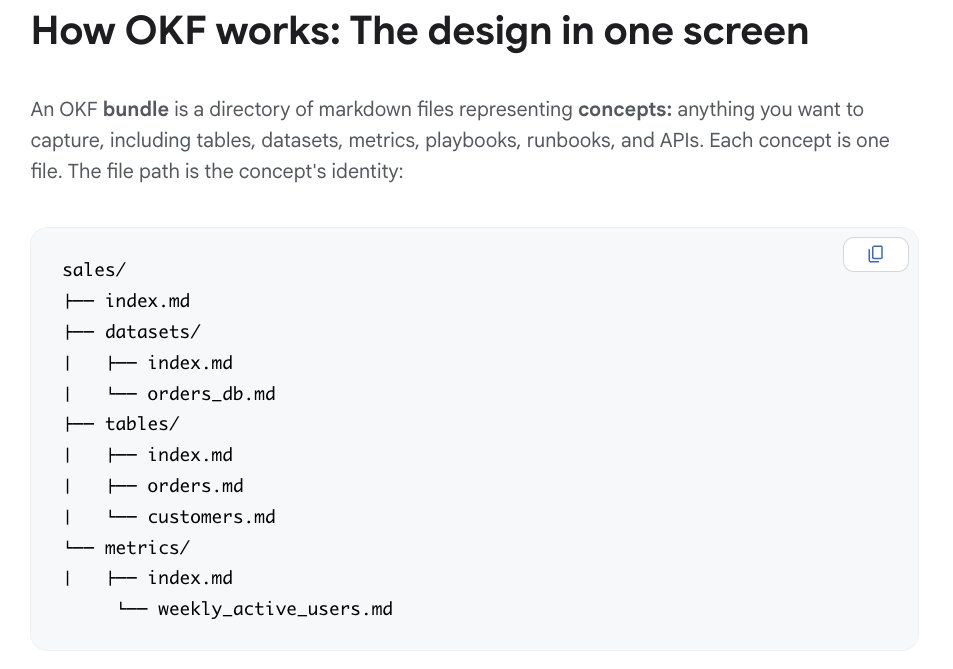
This is really big news. Google introduced the Open Knowledge Format (OKF) - a standardized way to store information in a directory of markdown files. Makes it really easy to make a digital brain that agents can use.
These files can serve as a living wiki. You can give agents the ability to query them or edit them. They can interlink.
Seems to me this could replace Notion or Obsidian. I can think of so many uses for this.
Google's blog post: cloud.google.com/blog/produc…
An easier to understand explanation is the SPEC.md file:
github.com/GoogleCloudPlatfo…
I gave those two links to Antigravity and asked how we could use it for any of the projects we're working on. It came up with so many ideas. I would imagine Claude Fable 5 would whip up some pretty amazing things based on this system.
Currently creating an OKF library of our pepper garden. It's going to be a fun weekend.
167
819
6,718
986,104
Andrei Oros retweeted

Jun 12
"... the political left has long had a remarkable lack of interest in how wealth is created. As far as they are concerned, wealth exists somehow and the only interesting question is how to redistribute it."
— Thomas Sowell
259
923
9,941
344,528
Andrei Oros retweeted

Jun 12
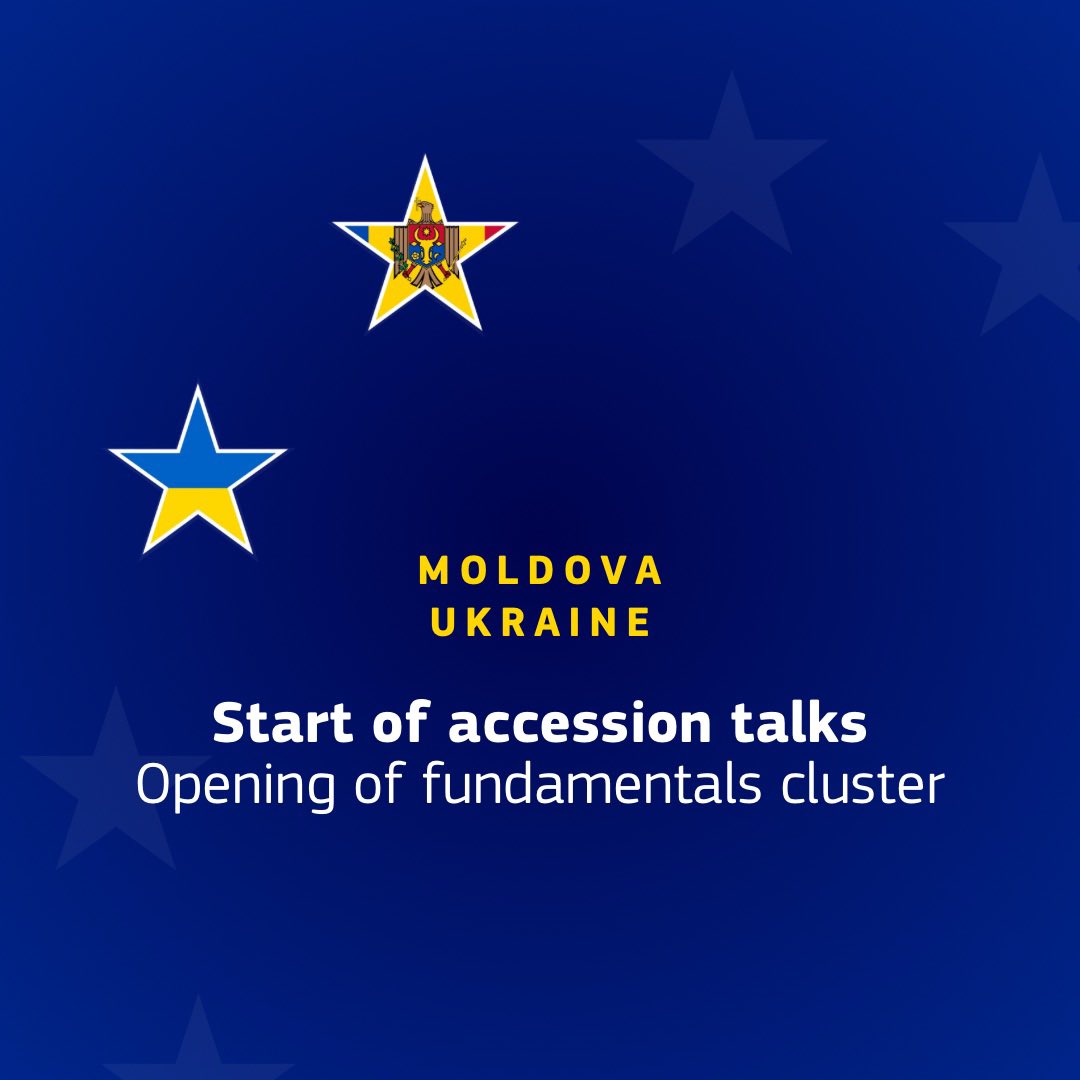
Today, the European Union took a major step forward.
All Member States agreed to open the first accession negotiations cluster with Ukraine and Moldova.
At the first Intergovernmental Conference on Monday, we will open the cluster on fundamentals; the backbone of the accession process.
It covers the core values and principles on which the EU is built, from the rule of law to strong democratic institutions.
This is a recognition of the determination, courage and hard work shown by both countries in advancing reforms, even in the face of immense challenges.
And a signal that the EU’s offer of peace, stability and opportunity is unmatchable.
Enlargement is a strategic choice.
By bringing our nations closer together, we strengthen peace, security and prosperity across our continent.
In a world marked by growing uncertainty, a larger European Union is in our common interest.
Enlargement remains one of the EU’s greatest success stories and our best investment in our shared future.
3,877
4,082
18,894
1,206,820
Andrei Oros retweeted

Jun 10
A new CRISPR-based approach can selectively destroy cancer cells, according to a recent UC Berkeley-coauthored study. The technique opens a new frontier for treating the mutations found in nearly half of all cancers—including some of the most difficult types.
bit.ly/4e2x5aQ
3
137
503
143,277
Andrei Oros retweeted

Jun 5
Chat-first work tools are not the answer. The flaws are baked into the system, you can't undo them. It would be like asking a kangaroo to fly. It can get off the ground, and look like flight for a moment, but it comes crashing right down.
Here's why:
37signals.com/group-chat-pro…
Jun 4

I wish Slack was:
- Agent-first
- Beautiful to use
- Integrated with agents natively so your Hermes or OpenClaw lives inside it
- Huddles worked seamlessly and were fun
- Built for teams of 1-3, not just teams of 300
- Truly a second brain similar to Obsidian
- Searchable without wanting to throw your laptop
- Designed around async, not constant interruption
- Voice first for mobile
- A place where I could see who's working on what right now without asking anyone
- Smart enough to know the difference between "I need you right now" and "whenever you get to this"
- A workspace where my agent could tap someone else's agent on the shoulder and coordinate without involving either human
- Designed so the new hire on day 1 has the same context as the person who's been there 3 years
-Something that felt like walking into a room of people building, not walking into a room of people typing
- A place where decisions are first-class objects
- Able to auto generate SOPs, skills, agents etc from conversation history
- Something that rewards deep work instead of punishing it with 47 unread notifications
33
30
355
102,392
Andrei Oros retweeted

Jun 2
Today a crazy quantum story just got wilder.
On March 31, the Google Quantum AI team published a landmark result on Shor's algorithm for elliptic curve cryptography. Technically, the paper was a bombshell: a dramatic 10x improvement over the state-of-the-art. As a stunt and wakeup call to the blockchain space, those optimisations were illustrated on secp256k1, the elliptic curve underlying Bitcoin and Ethereum signatures.
But perhaps the most striking part of the paper was sociological, not technical. Instead of following standard academic process, the optimisations were kept secret, hidden behind a zero-knowledge (ZK) proof. Google's accompanying blog post mentions they "engaged with the U.S. government". The ZK proof demonstrates the existence of algorithmic improvements without leaking details. Academic censorship with ZK, a historic first!
As a co-author of the Google paper I witnessed some of the context surrounding this censorship. To be honest, multiple aspects of that context don't sit well with me. As much as I believe the general public ought to know more, I am limited in my ability to whistleblow. Though let me be clear about one thing: the Google team's professionalism has been absolutely exemplary, and they deserve nothing but praise.
Censorship has a way of backfiring. The Streisand effect, where an attempt to bury something only draws more attention to it, is exactly what's unfolding today. First, Google's key optimisation has been rediscovered by the French. And in a thrilling turn of events, a collaborative Shor-at-home challenge just launched. The initiative, available at ecdsa[.]fail, breached a new Shor world record in a matter of hours.
Let's start with the rediscovery. Just two months after Google's paper, French quantum expert André Schrottenloher cracks the main secret optimisation. His paper, titled "Optimized Point Addition Circuits for Elliptic Curve Discrete Logarithms", landed on the arXiv today. Big congrats to André, who beat several other nerdsnipped experts to it. In a blog post also published today, Craig Gidney, the world expert on Shor optimisations, revealed that he'd been sitting on this very optimisation for a whole year under censorship pressure.
Interestingly, André missed a handful of minor optimisations, both from Google's original publication and from improvements found since. It's plausible there's still plenty of juice left to squeeze out of Shor, and this is exactly what the ecdsa[.]fail challenge is about. The verifier program developed for the ZK proof does double duty, automatically filtering for valid submissions. Dozens of compounding small and micro improvements are rolling in. As of the time of writing there's an 8.4% improvement to Google's circuit, as measured by the product of logical qubit count and Toffoli gate count. Nice!
The nerdsnipping ran deeper than anyone expected. Over the last few weeks it became clear it extended well beyond André and other quantum experts. Behind the scenes, a small army of amateurs quietly got to work. Inspired by Karpathy-style autoresearch, they turned AI on Shor. Ironically, the verifier program for the ZK proof makes an ideal reward function for AIs. The barrier to entry for this modern style of research is refreshingly low, with several non-experts, even a teenager, finding nice optimisations. Get in touch if you'd like to join a Telegram group with fellow autoresearchers :)
Part 2: neutral atoms and qday
The story doesn't end with Google. On the same day Google went public, a stealthy startup called Oratomic published its own Shor paper in a coordinated release. It made a splash, ultimately becoming the most upvoted paper on scirate[.]com, a website ranking arXiv papers.
Oratomic's claim was wild. By building on Google's logical optimisations and applying custom physical optimisations for neutral atoms, they claimed just 10K physical qubits were sufficient to run Shor's algorithm on secp256k1. That number is mind-bogglingly low.
Knowing essentially nothing about neutral atoms when Oratomic's paper landed, I was intrigued and decided to learn more about the tech. I fell straight down the rabbit hole and spent a couple hundred hours on the topic. I got a little obsessed and watched every YouTube video I could find and spoke to a bunch of experts.
My conclusion? The tech is real, very real. Even Google recently decided to start a neutral atom lab, a notable pivot from their sole focus on superconducting qubits. If you care about qday, i.e. the day a quantum computer will break the first piece of cryptography in production, neutral atoms demand your attention. I shared some of my learnings on Shor and neutral atoms in a 30min talk at the ZKProof cryptography conference. You can find it on YouTube by searching "zkproof neutral atom".
Here's an interesting observation about this duo of breakthrough papers: neither Google nor Oratomic say a word about what their results mean for qday. No timelines. Zero. Nada. That is especially baffling given that the whole point of whitehat quantum cryptanalysis is to inform qday estimations and help the general public make good decisions.
So let me attempt to partially fill the silence, similarly to what Scott Aaronson did in his April 29 post. Given everything I know, including scary non-public information, I now put the odds of qday by 2032 at 50%. 10% by 2030.
Anecdotally, the US government has its own date: 2035. Originating at the NSA and later adopted by NIST, it's when branches of the US government will be disallowed from using quantum-vulnerable cryptography. In plain language: with hindsight, that date is a joke and should be discounted entirely. I don't see how NIST avoids being forced to pull it forward by years.
Part 3: post-quantum cryptography
There are good reasons to sound the alarm today, but please do not panic. Rushing carelessly towards immature post-quantum cryptography is a recipe for disaster. IMO a good target date for migration is 2029, roughly 3.5 years out. 2029 happens to be the date selected by Google, Cloudflare, and the Ethereum Foundation.
These days most of my time goes to safely migrating Ethereum towards post-quantum cryptography as part of the broader lean Ethereum effort. There's a lot to do. We need to rip out and replace BLS signatures at the consensus layer, KZG commitments at the data layer, and ECDSA signatures at the execution layer.
The plan to get there is compelling, and is based on hash-based cryptography. Within the Ethereum Foundation we've developed a Swiss army knife called leanVM (github[.]com/leanEthereum/leanVM) powered by the magic of hash-based SNARKs. Thanks to truly exceptional work by Emile, Thomas, and others, its performance is derisked. Regarding security, leanVM is a jewel, a minimal zkVM crafted for end-to-end formal verification and maximum security.
Want to help? There are two $1M initiatives. First, the Proximity Prize (proximityprize[.]org). Solve a long-standing mathematical conjecture in coding theory, improve hash-based SNARKs, and go home a millionaire. Second, the Poseidon Initiative (poseidon-initiative[.]info), offers $1M for breaking Poseidon, the SNARK-friendly hash function.
411
1,129
6,258
3,712,201

You can’t outwork the whole world. There’s always going to be someone somewhere willing to work as hard as you. Someone just as hungry. Or hungrier.
Assuming you can work harder and longer than someone else is giving yourself too much credit for your effort and not enough for theirs. Putting in 1,001 hours to someone else’s 1,000 isn’t going to tip the scale in your favor.
What’s worse is when management holds up certain people as having a great “work ethic” because they’re always around, always available, always working. That’s a terrible example of a work ethic and a great example of someone who’s overworked.
A great work ethic isn’t about working whenever you’re called upon. It’s about doing what you say you’re going to do, putting in a fair day’s work, respecting the work, respecting the customer, respecting coworkers, not wasting time, not creating unnecessary work for other people, and not being a bottleneck. Work ethic is about being a fundamentally good person that others can count on and enjoy working with.
So how do people get ahead if it’s not about outworking everyone else?
People make it because they’re talented, they’re lucky, they’re in the right place at the right time, they know how to work with other people, they know how to sell an idea, they know what moves people, they can tell a story, they know which details matter and which don’t, they can see the big and small pictures in every situation, and they know how to do something with an opportunity. And for so many other reasons.
So get the outwork myth out of your head. Stop equating work ethic with excessive work hours. Neither is going to get you ahead or help you find calm.
[The Outwork Myth — It Doesn't Have To Be Crazy At Work, 2018]
179
657
6,615
420,501
Andrei Oros retweeted

May 30
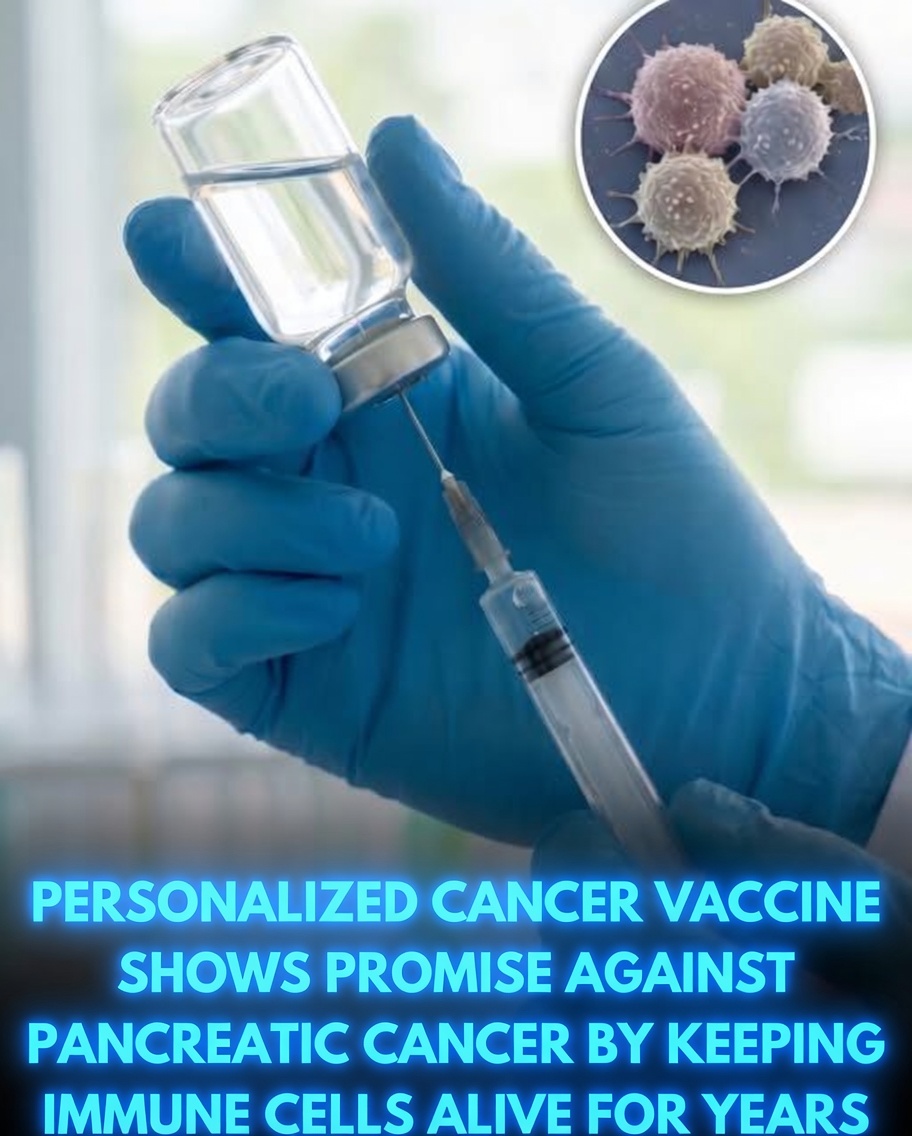
A personalized mRNA vaccine has achieved remarkable long-term survival results in patients with pancreatic cancer.
Oncologists at Memorial Sloan Kettering Cancer Center have reported a major breakthrough with a custom-designed mRNA neoantigen vaccine that trains the immune system to recognize and attack pancreatic ductal adenocarcinoma (PDAC), one of the most aggressive forms of cancer.
In a landmark phase I clinical trial, 16 patients who had undergone surgery received individualized vaccines based on the unique genetic mutations identified in their own tumors. The vaccine stimulates the production of powerful CD8 cytotoxic T cells specifically targeting those neoantigens, enabling the immune system to hunt down and destroy any remaining microscopic cancer cells.
The results were striking: 8 of the 16 patients developed strong vaccine-induced T-cell responses. Of these responders, 7 remained completely cancer-free for four to six years after surgery. In contrast, among the 8 patients who did not mount a significant immune response, only 2 survived, with a median survival of just 3.4 years.
These outcomes represent a dramatic improvement for a cancer that typically has a five-year survival rate of only about 13%. While the results are highly encouraging, experts note that the approach is still in early development. Creating each personalized vaccine requires rapid tumor sequencing and specialized manufacturing, which adds complexity and time before patients can begin combined chemotherapy and immunotherapy.
[Sethna, Z., Rojas, L. A., Ostendorf, B. N., Lihm, J., Allen, P., Balachandran, V. P., & Greenbaum, B. D. (2025). RNA neoantigen vaccines prime long-lived CD8 T cells in pancreatic cancer. Nature. DOI: 10.1038/s41586-024-08508-4]
20
53
181
30,184
Andrei Oros retweeted

May 25
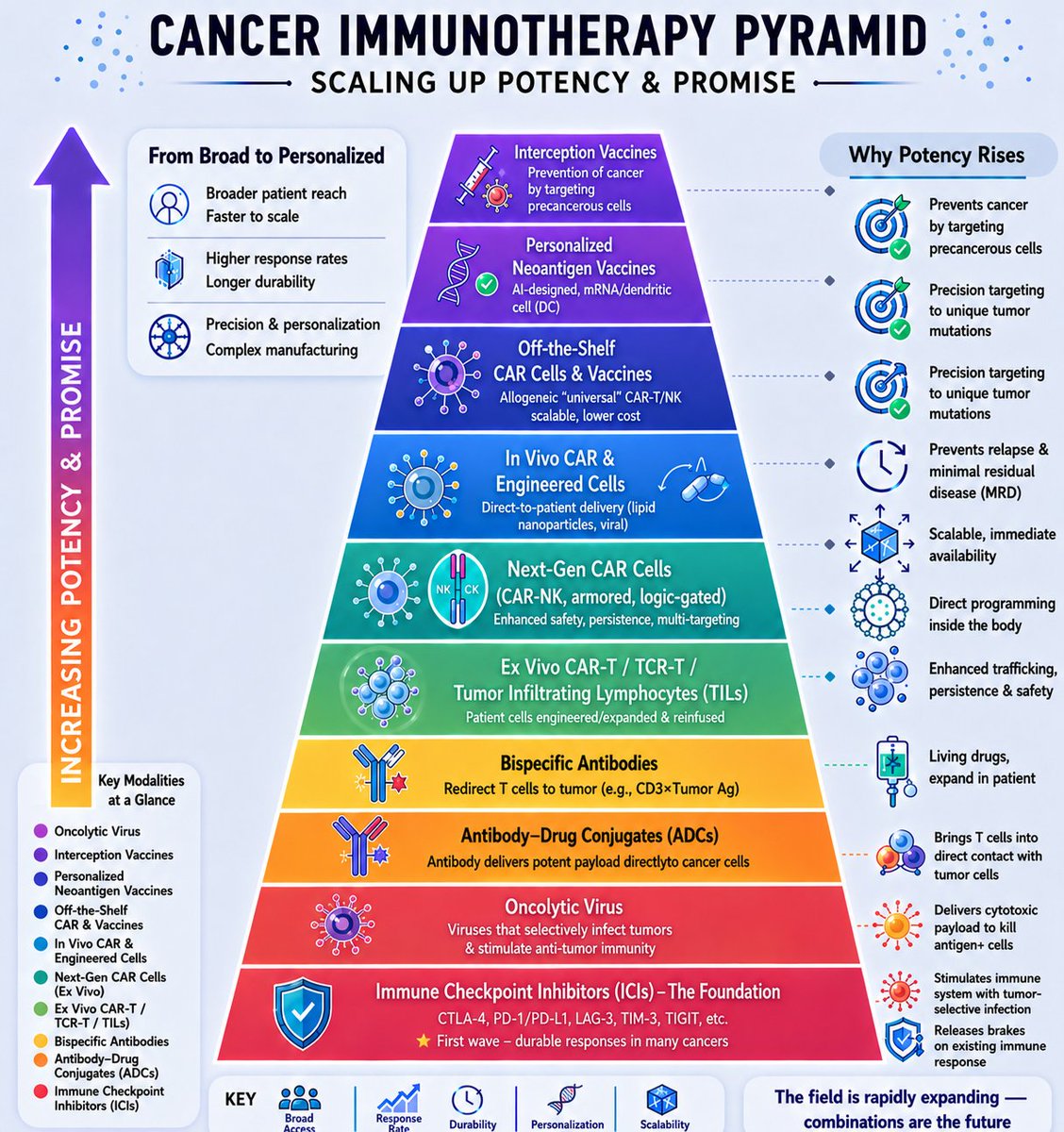
The ramp up of cancer immunotherapy is remarkable. Now we're seeing vaccines achieve some cures or remissions in the most refractory cancers: pancreatic, melanoma, glioblastoma, renal, triple-negative breast cancer.
✓ out the new Ground Truths (link in profile)
65
757
2,571
707,520
Andrei Oros retweeted

May 28
Claude Opus 4.8 is out today. It's our strongest coding model yet: up on SWE-bench Pro (from 64.3 to 69.2) and noticeably more honest about its own work. It tells you when it's unsure and catches its own bugs instead of declaring victory early. Same price as 4.7.

Introducing Claude Opus 4.8: it builds on Opus 4.7 with sharper judgment, more honesty about its own progress, and the ability to work independently for longer than its predecessors.
Available today at the same price.
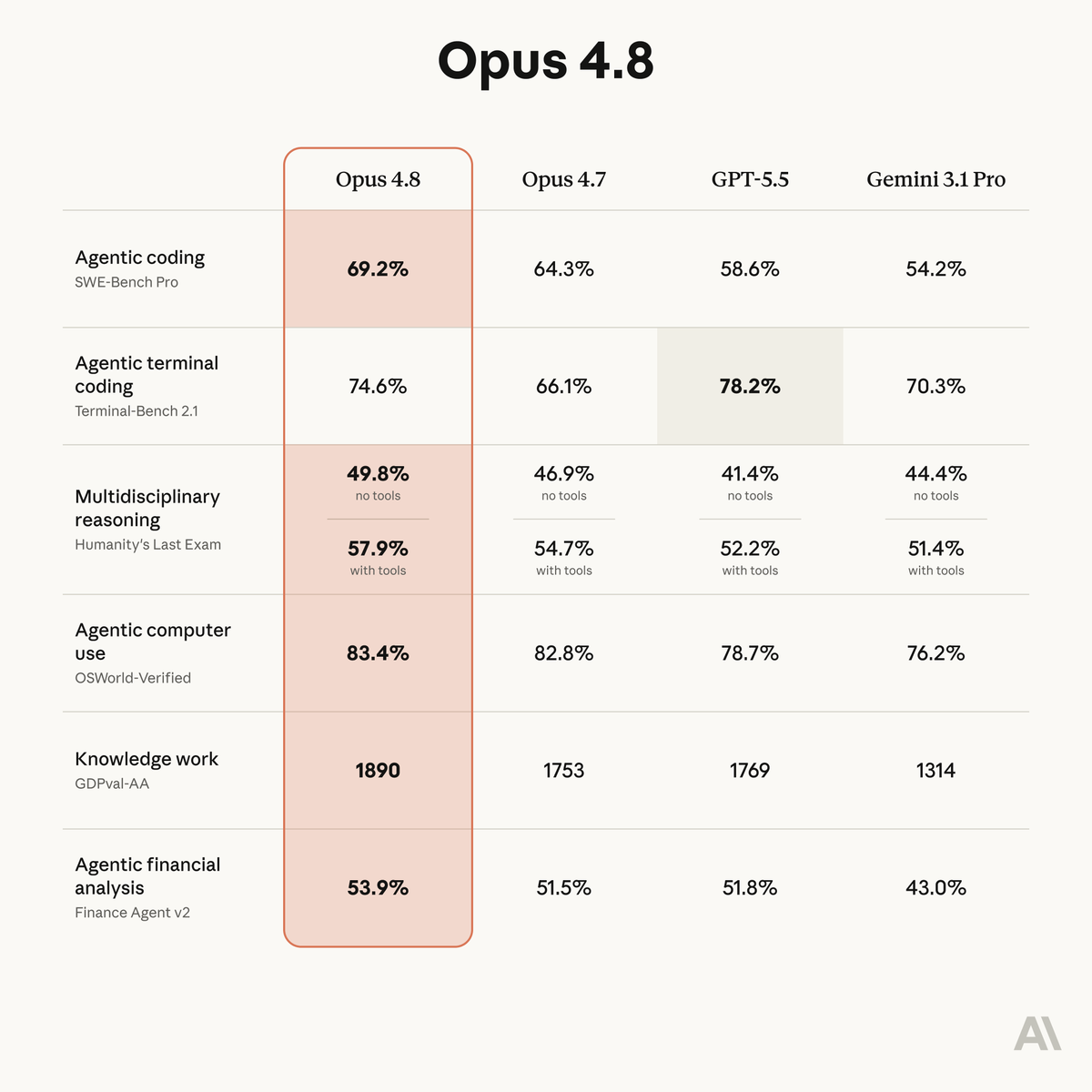
ALT Benchmark table showing how Claude Opus 4.8 compares to its predecessor and to other models on tests of coding, agentic skills, reasoning, and practical knowledge work tasks.
432
344
5,700
345,456
Andrei Oros retweeted

May 27
Why is the creator of OpenCode pretty skeptical about AI productivity gains, and the hype around AI? A very conversation @thdxr (and lots of truth bombs:)
Timestamps:
00:00 Intro
07:03 Dax’s path into tech
09:04 Early startup experience
13:16 Getting involved with open source
16:13 OpenCode
23:17 Anthropic banning OpenCode
30:34 From terminal to GUI
32:34 OpenCode’s business model
36:33 Why inference is profitable
39:11 GPU bottlenecks
40:54 AI hype
45:50 AI spending
48:47 Dax’s memo
55:41 Dax’s skepticism of predictions
58:58 Engineering culture at OpenCode
1:02:38 How building works at OpenCode
1:05:36 Taste and quality
1:11:32 Dax’s work setup
1:12:35 The role of engineers and EMs
1:15:50 Advice for engineers
1:18:12 Book recommendation
Brought to you by:
• @AntithesisHQ – verify your system’s correctness without human review or traditional integration tests – and avoid bugs or outages antithesis.com/pragmatic
• @WorkOS – everything you need to make your app enterprise ready workos.com/
• @turbopuffer – a vector and full-text search engine built on object storage. It’s fast, cheap, and extremely scalable turbopuffer.com/pragmatic
Three interesting thoughts from Dax:
1. No AI-native coding agent company is “winning” by being better with AI.
Dax says that none of OpenCode’s competitors are crushing them, and that nobody is using AI so well that others cannot compete.
2. Most software engineers profit from AI as time gained, not increased output — unless you change incentives!
Dax says the natural way for software engineers to “cash out” their AI tooling gains is with time savings, by doing the same work as before, but faster. Until compensation and motivation structures change, most teams should expect output to stay flat while engineers go home earlier. There’s nothing wrong with this, but AI vendors sell a different outcome to CFOs: increased output.
3. AI code generation mutes the “guilt” of doing the wrong thing, but this builds up tech debt.
Pre-AI, writing a hack felt bad, the second time it felt really bad, and by the third time you’d often just refactor in order to fix up the code. Now, the agent hides the hack, which skews devs’ judgment and results in less tech debt being cleaned up.
53
171
2,220
229,024
Andrei Oros retweeted

May 17
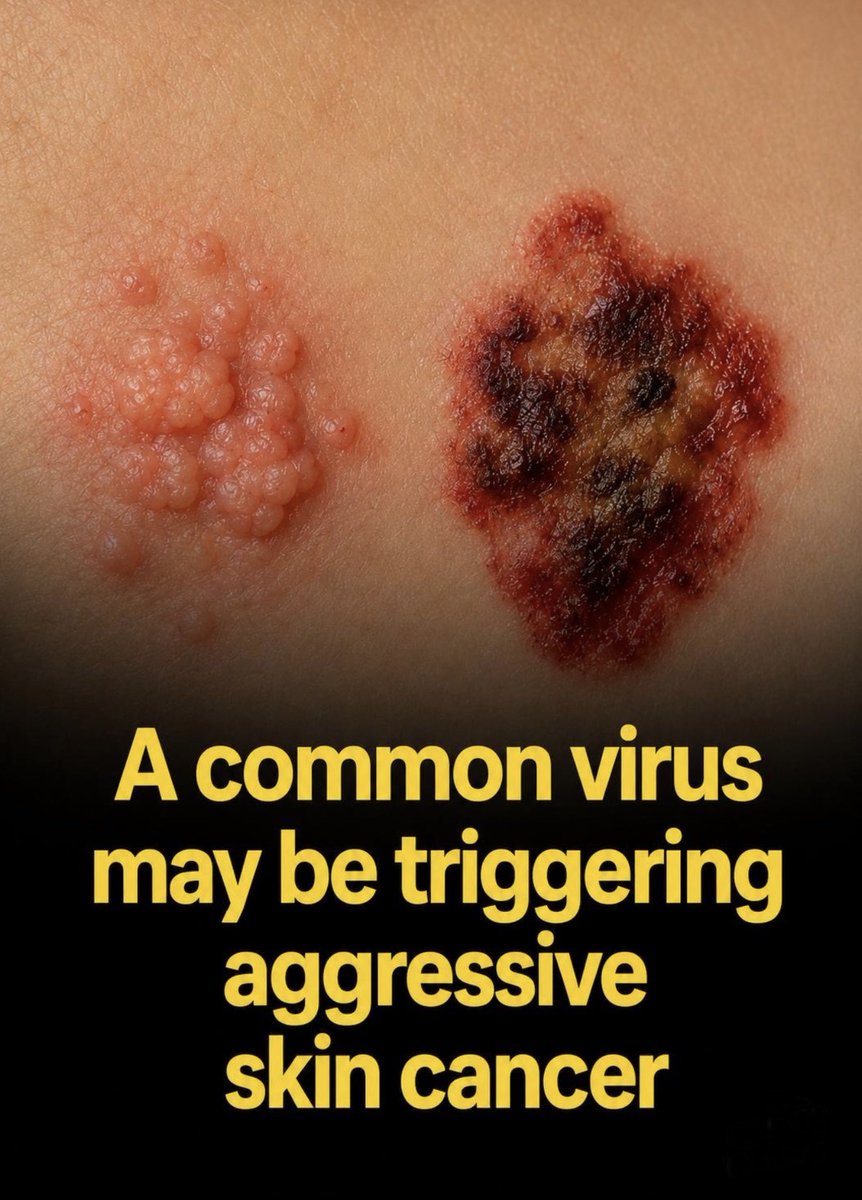
Scientists say they have found the strongest evidence yet linking a common virus directly to skin cancer.
Researchers studying a 34-year-old woman with repeated cases of skin cancer discovered that a form of human papillomavirus called beta-HPV had inserted itself into the DNA of her tumor cells. The finding surprised scientists because this type of HPV was previously believed to only increase cancer risk indirectly by making skin more vulnerable to damage from ultraviolet light.
Instead, the study suggests the virus may actively help certain cancers grow and survive.
The woman had an aggressive form of cutaneous squamous cell carcinoma, one of the most common types of skin cancer. Despite surgeries and immunotherapy treatments, the tumors kept returning.
When scientists carried out a detailed genetic analysis, they found the virus embedded inside the cancer cells themselves. It was also producing proteins that appeared to support the tumor and help it continue growing.
Researchers said this is the first time beta-HPV has been seen integrating into human DNA in a way that may directly sustain a cancer.
The patient also had a rare inherited immune disorder that weakened her T cells, which normally help the body fight HPV infections. Scientists believe this weakened immune system allowed the virus to spread more deeply into skin cells and contribute to the cancer’s development.
Doctors later treated her with a bone marrow stem cell transplant to rebuild her immune system using healthy donor cells.
After the procedure, her skin cancer disappeared along with several other HPV-related conditions. During the next three years, none of the diseases returned.
Researchers stress that sun exposure and ultraviolet radiation are still the leading causes of this type of skin cancer. However, the findings suggest viruses may play a much larger role in some cancers than previously understood, especially in people with weakened immune systems.
43
169
555
80,424

Yann LeCun says that within a year to 18 months, we'll have a general method for training hierarchical world models
These models would learn from video and real-world data, then help plan actions in robotics, healthcare, and other areas
"then scale them toward a universal world model"
79
122
1,104
200,962
Andrei Oros retweeted
May 18
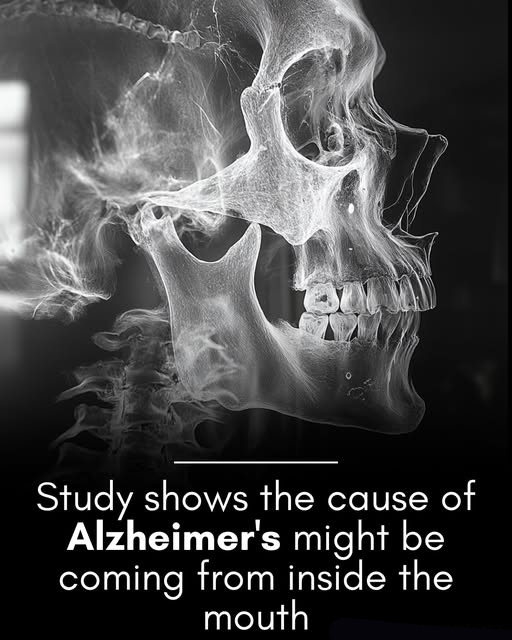
Alzheimer’s may be linked to gum bacteria, new research shows.
Scientists have repeatedly found Porphyromonas gingivalis—the chief bacterium that causes periodontitis—inside the brains of people who died with Alzheimer’s.
When researchers deliberately infected mice with this oral bacterium, the animals rapidly developed key Alzheimer’s pathology, including the buildup of amyloid-beta plaques.
Perhaps most alarming, the bacteria’s toxic enzymes have been detected in the brains of people showing early Alzheimer’s changes years before memory loss or other symptoms appear, suggesting the infection may quietly initiate damage long in advance.
These discoveries have sparked serious interest in new treatment approaches. An experimental drug called COR388 (from the company Cortexyme) has already succeeded in lowering both bacterial load and amyloid-beta levels in preclinical models. Although large human trials are still needed, the evidence is mounting that at least some cases of Alzheimer’s may have an infectious trigger rather than being purely degenerative.
[Dominy, S. S., et al. "Porphyromonas gingivalis in Alzheimer’s disease brains: Evidence for disease causation and treatment with small-molecule inhibitors", Science Advances, 5(1), eaau3333]
53
496
1,544
127,652

May 16
May 15

.@GadSaad agrees with Orwell: it takes an intellectual to come up with truly stupid ideas. When academics are disconnected from reality or accountability, bad ideas spread like parasites. While STEM professionals have to answer for their mistakes, humanities professors build theories that no one ever has to test. That lack of accountability is exactly how toxic ideas take over a university and eventually a culture. If these professors can't survive the scrutiny of their own ideas, should they be teaching our children? Watch here 👉l.prageru.com/49RBlY7
2
13
Andrei Oros retweeted
May 10
A visualization showing how gravity curves spacetime
[🎞️ Daniel Ibarra]
121
767
4,423
413,068
Andrei Oros retweeted

May 8
It’s extremely hard to “do a little disclosure” and avoid the tight scientific/societal questions. The only way this has worked has been starving smart technical people for any detail at all.
What I will be watching:
Everyone: “Did the government psy-op us all with BS? If so: Why????”
Biologists: “You said the government has alien biologics? Do they have eukaryotic cells? If so what do we know about their histones, matrilineal mitochondrial dna, hemoglobin atp synthase??? What is their placement on the phylogenetic tree? Tetrapods??? Isolates?? If not eucaryotic, how are their cells/tissues organized? Do they use proteins?? What are their body plans??”
Linguists: “What is the structure of their communication schemes? Can it be mapped onto a generalized human grammar? Or are our languages not expressive enough to cover their languages? Do they use sound or light or some other wave to transmit/receive? Do they have an analog of music??”
Physicists: “How do the standard model and general relativity appear as effective theories/lagrangians of the alien understanding of the cosmic waves, media and fabric for lack of better terms? How many dimensions are there, are they engineering accessible and how many new ones are temporal? Are there new forms of energy corresponding to these new degrees of freedom? Is the speed of light gameable?”
Civil Libertarians: “How many innocent lives were ruined keeping this secret? Did we fake a lot of this?? Who authorized the lying, discrediting and possible wet work?”
NatSec: “Are we owned by an unknown force? Will it now be trivial easy for everyone to make WMD from new discoveries?”
Etc.
This is not going to stay controlled if it is at all specific. As soon as there are any specifics I guess that the game changes character instantly and goes into high gear with totally different players.
May 7

Trump admin to begin releasing highly anticipated UFO and 'extraterrestrial life' files - here's what to expect trib.al/bfRKWBX

451
486
3,997
524,986
Andrei Oros retweeted

May 5
Introducing SubQ - a major breakthrough in LLM intelligence.
It is the first model built on a fully sub-quadratic sparse-attention architecture (SSA),
And the first frontier model with a 12 million token context window which is:
- 52x faster than FlashAttention at 1MM tokens
- Less than 5% the cost of Opus
Transformer-based LLMs waste compute by processing every possible relationship between words (standard attention).
Only a small fraction actually matter.
@subquadratic finds and focuses only on the ones that do.
That's nearly 1,000x less compute and a new way for LLMs to scale.
1,492
2,876
23,050
13,085,358
Andrei Oros retweeted

Apr 28
Persistent memory is the Achilles heel of AI.
Engramme’s Large Memory Models (LMMs) empower every app with persistent memory.
Google solved search. OpenAI solved language. Engramme solved memory.
Join beta: engramme.com/signup
183
158
1,508
1,131,179