
PAKA, founded in 2020, is a Founders Fund focused on Web3 startups. We've invested in 100 projects, believing in time, growth, and the mass adoption of Web3.
Joined March 2018
- Tweets 8,410
- Following 350
- Followers 9,927
- Likes 9,884
21 Photos and videos






PAKA retweeted

Velvet × Hyperliquid
Spot. Perps. Yield. AI. All in a single terminal.
Trade crypto, stocks, and commodities with up to 50x leverage.
289
51
399
1,790,403

Congratulations! 🎉🎉🎉
Mar 23

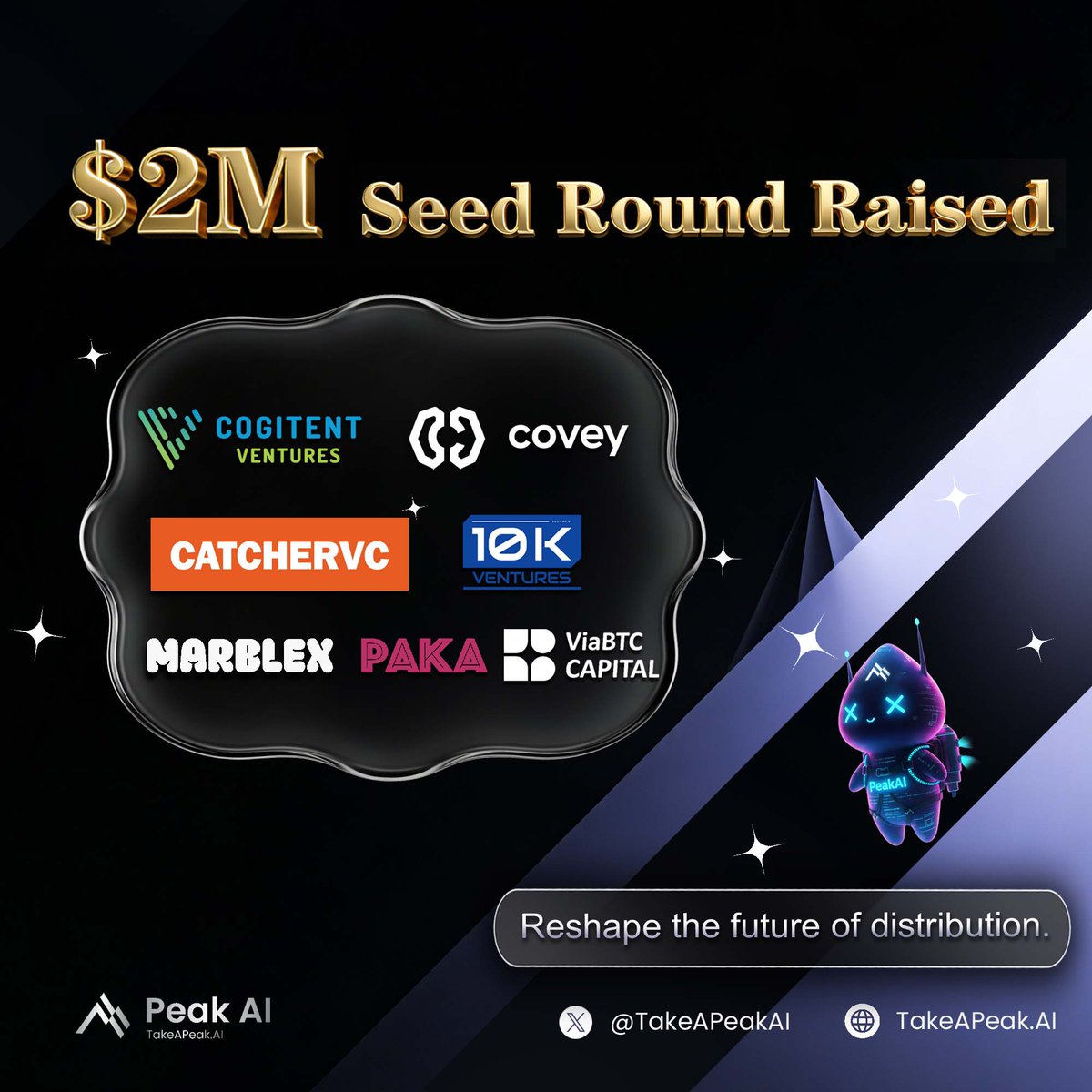
Excited to share we’ve raised ~$2M in our Seed round. Since launch, 100K creators have joined us, generating 200M TikTok and X views and powering real growth for partner projects.
We believe AI will reshape how content and brands reach the world—and we’re building that future, together.
Thank you to everyone who believes.
@CogitentV @CoveyNetwork @CatcherVC @10kventure @MARBLEXofficial @pakafund @ViabtcCapital
365
PAKA retweeted

Jan 19
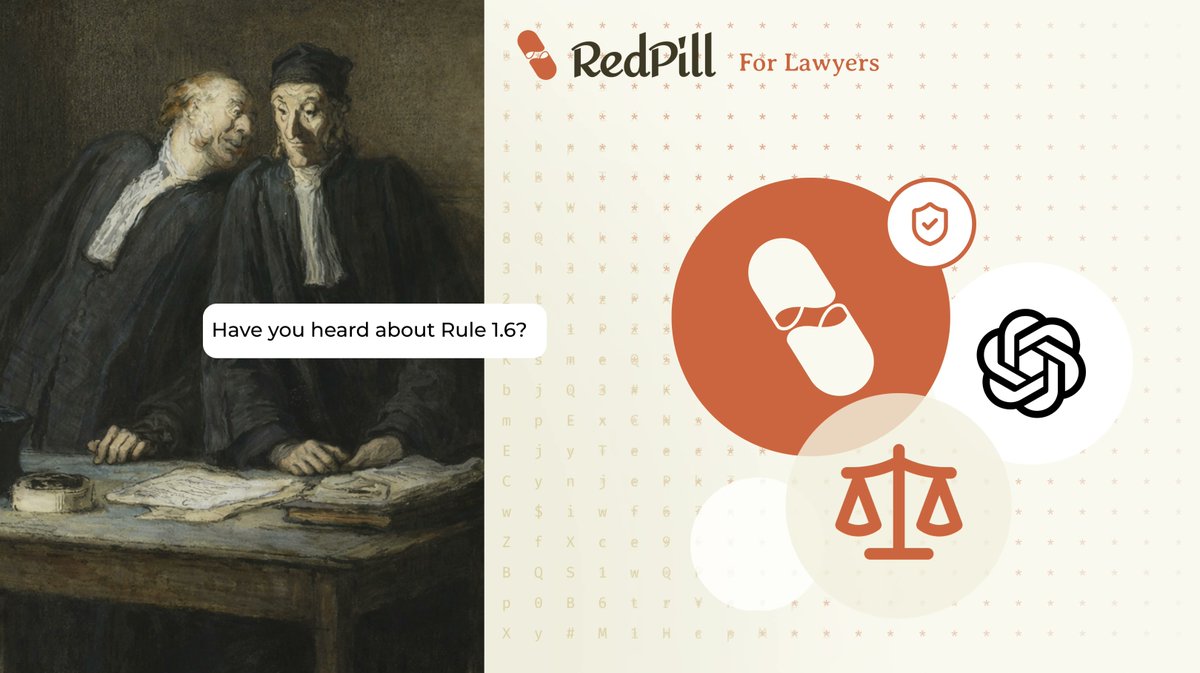
If you're a lawyer using ChatGPT for client work, we need to talk.
You might be accidentally violating attorney-client privilege every time you hit "send."
Here's why, and what you can do about it. 👇
6
4
25
7,842
PAKA retweeted

Jan 7
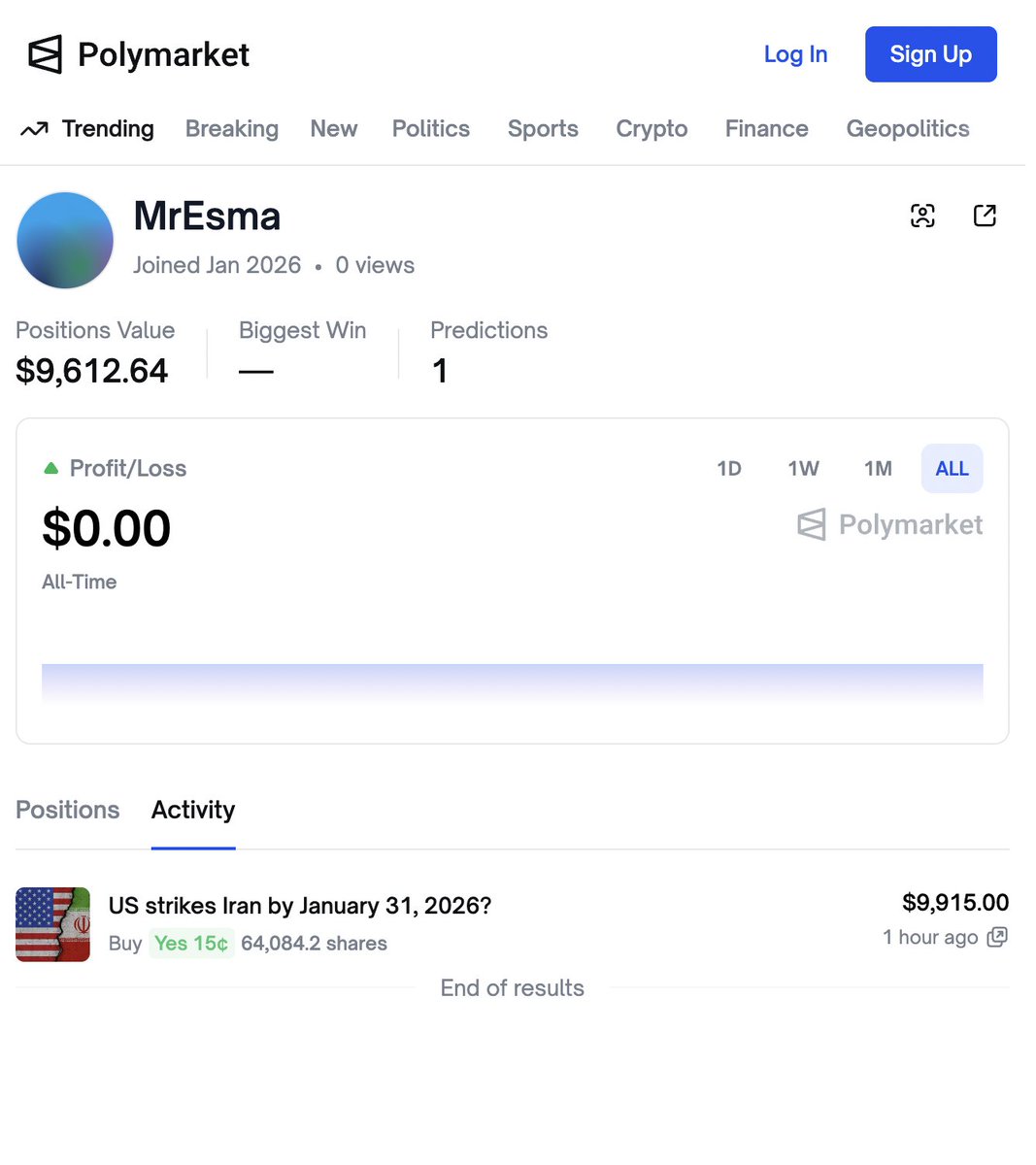
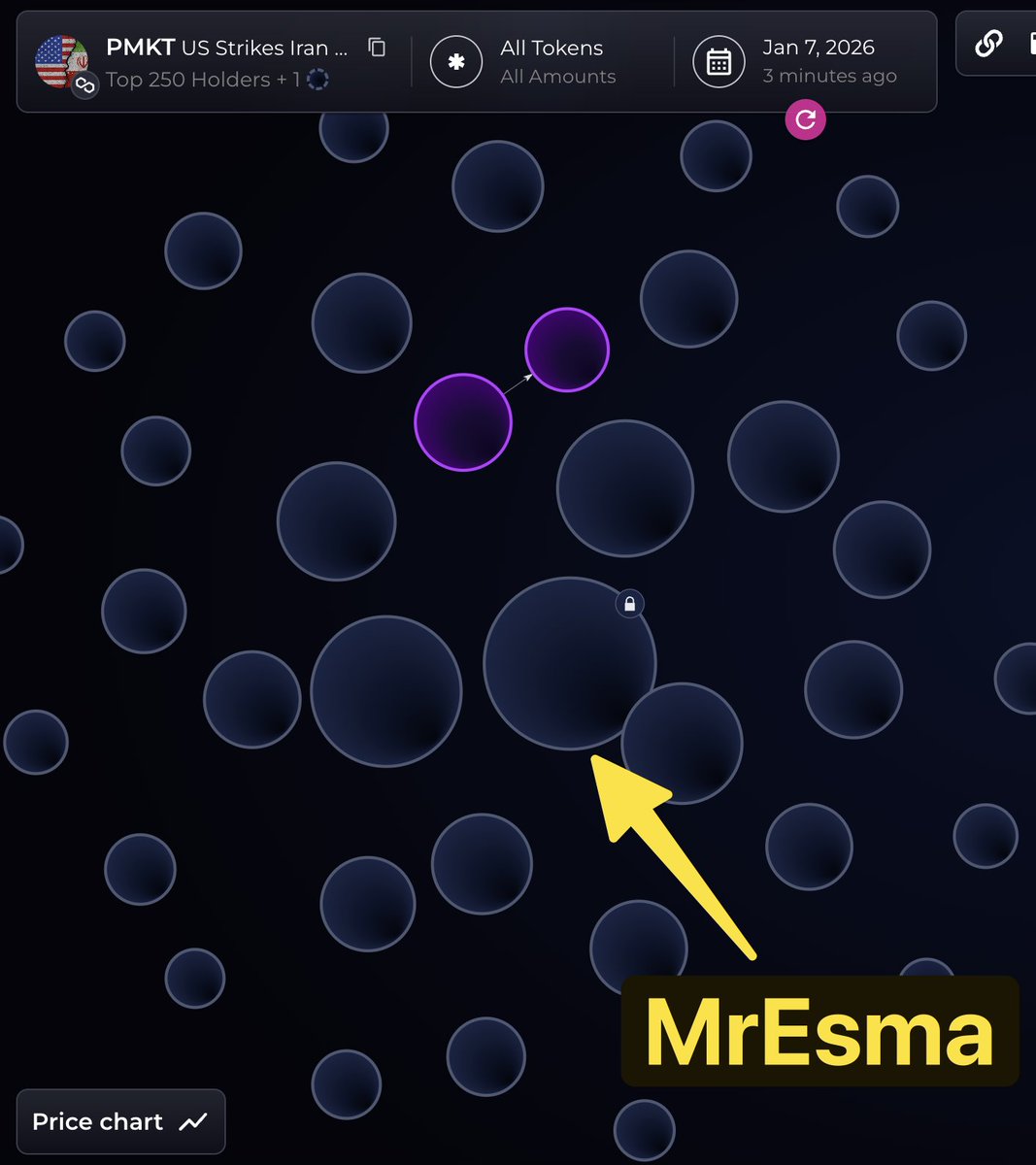
JUST IN: 🇺🇸 🇮🇷 A fresh wallet just bet $10,000 on a US strike on Iran by January 31
No prior onchain activity
It's now this market top holder
79
89
950
139,145

We're hiring! Come build with us at @JoinPond.
Jan 12

We @JoinPond are hiring an Ecosystem & Partnership Lead in SF! You'll be working at a fast-paced startup and learning every day.
Pond is a decentralized acceleration platform for early-stage B2C startups, and we're looking for an Ecosystem & Partnership Lead based in SF to work with top-tier indie hackers and bootstrapped startups.
Requirements:
- 1-5 years of experience in partnerships, ecosystem, BD, or VC
- Strong network or deep curiosity about the SF Bay Area startup ecosystem and local and global builder communities
- Sales experience
- Driven to prove yourself with an aggressive approach
Bonus points if you have:
- Experience at a B2C startup, accelerator, or VC
DM me to apply!
5
2
15
1,800
PAKA retweeted

Jan 15
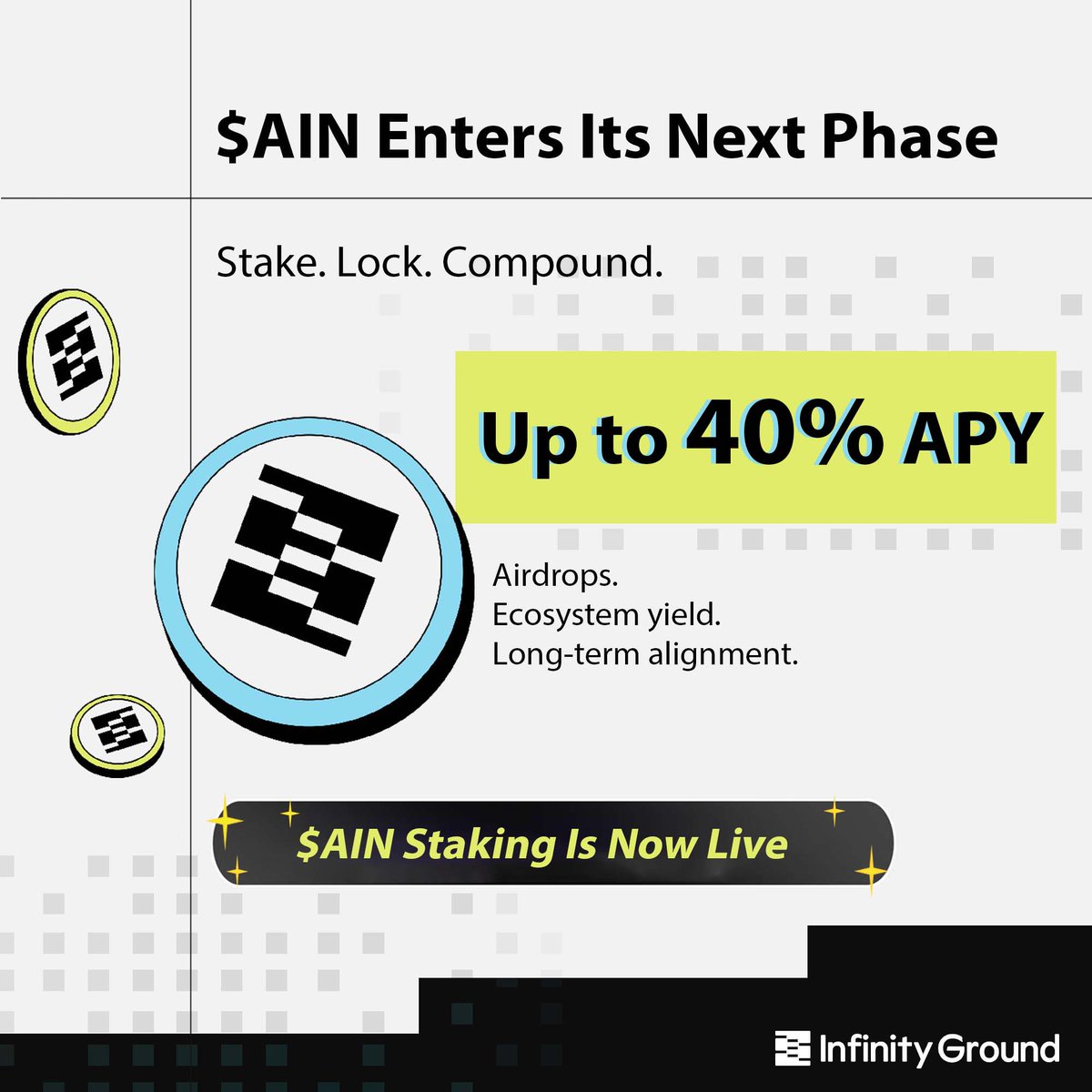
💥$AIN Enters Its Next Phase
Infinity Ground launches $AIN staking
🔗 infinityg.ai/stake
Stake. Lock. Compound.
🔒 Up to 40% APY
One-click unstake at maturity — unlock principal rewards instantly.
⚡️ More than yield
Staking $AIN unlocks future airdrops from incubated projects and joint rewards from ecosystem partners.
🎯 Duration-weighted incentives
Both staking amount and duration determine your share of future ecosystem rewards.
🧩 BNB Chain native
Seamlessly integrated with wallets and infrastructure, built for long-term ecosystem growth.
Protect against short-term volatility while compounding long-term value.
28
6
73
39,403
PAKA retweeted
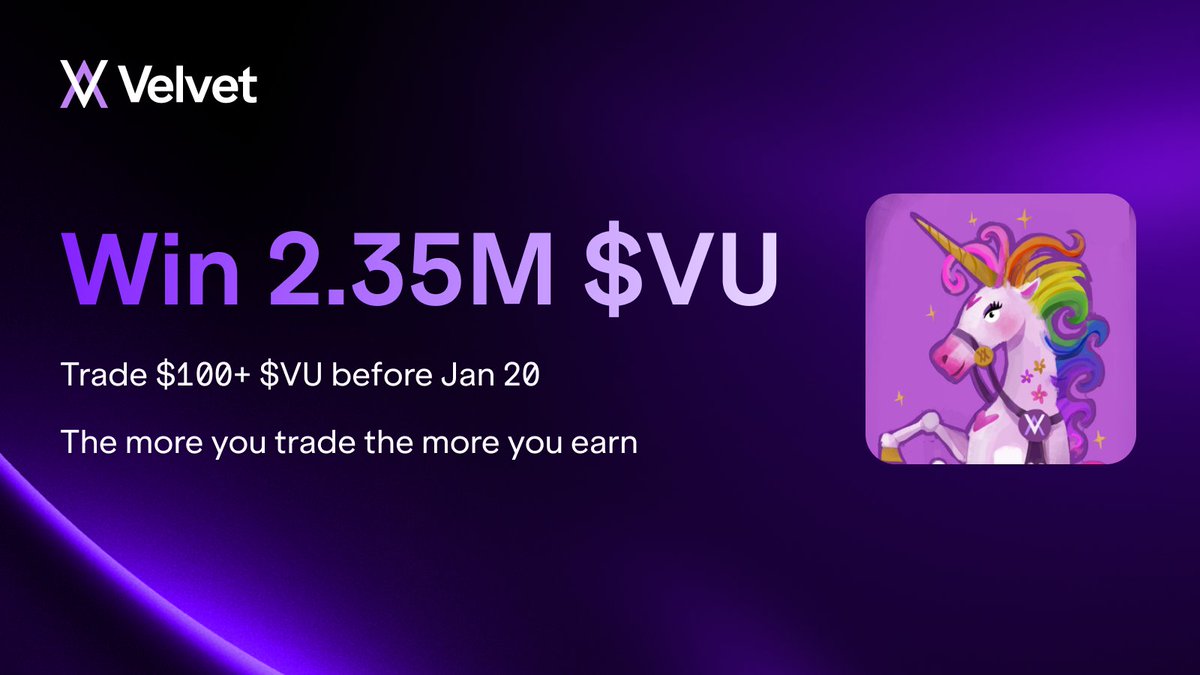
Join the @VU_virtuals Trading Competition on Base (the Virtuals token of the AI-powered intelligence layer for the Velvet OS incubated by our team)
2,350,000 in $VU rewards will be distributed to those who trade $VU on Velvet from today through January 20th (with a 2x Gems Boost)
How tokens will be distributed:
- First 100 people to trade $100 of VU will receive a pool of 470,000 US
- 1,645,000 US distributed proportionally to trading volume on VU (min = $100 of Volume)
- 235,000 VU distributed to Top 10 VELVET Stakers on Velvet
When trading $VU on Velvet, you will also have a 2x GEMS BOOST on the token for the next 5 days
CA: 0x511ef9Ad5E645E533D15DF605B4628e3D0d0Ff53
242
69
259
10,666
PAKA retweeted

Jan 14
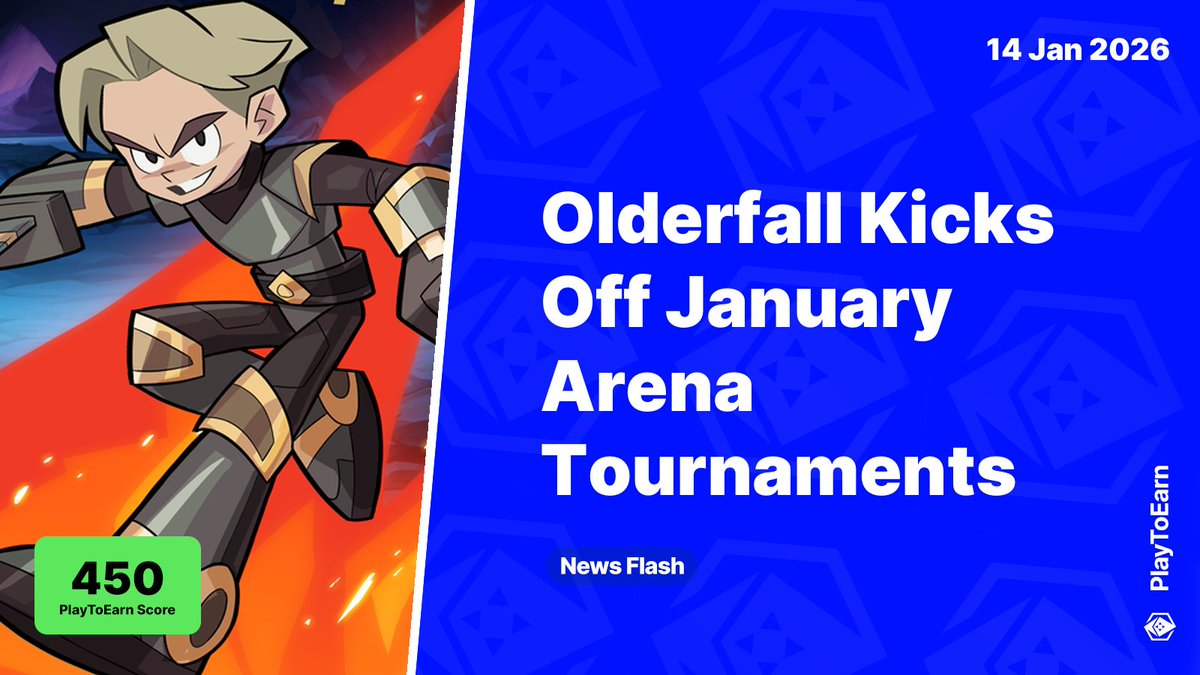
Olderfall Kicks Off January Arena Tournaments With 3,000 USDC in Total Rewards 📰
PlayToEarn Score: 450 📈
@Olderfall has launched a month-long competitive push on N3MUS, combining weekly leaderboards with shorter “Quick Play” events.
Read more 🧵
2
4
10
30,168
PAKA retweeted

Jan 15
> tokenized jpegs -> ded
> tokenized games -> ded
> tokenized tweets -> ded
You can just tokenize your problems to make them go away
Jan 15

We are revising our developer API policies:
We will no longer allow apps that reward users for posting on X (aka “infofi”). This has led to a tremendous amount of AI slop & reply spam on the platform.
We have revoked API access from these apps, so your X experience should start improving soon (once the bots realize they’re not getting paid anymore).
If your developer account was terminated, please reach out and we will assist in transitioning your business to Threads and Bluesky.
40
52
103
4,121
PAKA retweeted
Jan 15
Reintroducing RedPill: The private alternative to ChatGPT.
✓ Same intelligence as ChatGPT.
✓ Hardware-secured privacy.
✓ Zero data retention.
✓ Fully open source.
Try it for free for 14 days: chat.redpill.ai
🧵 What RedPill can do 👇
2
5
30
10,290

The Polkadot SDK (Substrate) is flexible, powerful, modular, and elegantly coded. For senior developers, it's a really attractive toolkit. But currently, there aren't any applications that need to use these advanced functions, which has slowed their wider adoption.
It reminds me a lot of Nvidia back in 1993. They were building advanced graphics cards at a time when most people were still running DOS on Windows. There were basically zero games or applications that actually needed or could use a proper GPU. So the technology looked "useless" or over-engineered to almost everyone. Then ~7 years later, around 2000, PC gaming exploded — and suddenly Nvidia's early bet became one of the most valuable tech franchises in the world.
I can't help but see some parallels with where Polkadot is today: genuinely advanced technology that feels ahead of what most applications currently need to utilize.
That's why Polkadot has been gradually "simplifying" its public face toward something more familiar (hello, EVM compatibility), while still quietly preserving several times the technical potential of a standard EVM chain — waiting for the world to catch up and actually need what it can do.
Not shilling, not investment advice. Just my two cents from someone who's been building in the Polkadot ecosystem for several years.
Jan 15

We’ll be honest that for a long time, @Polkadot's docs weren’t where they needed to be and didn’t reflect the quality of the underlying technology.
That’s changed.
The Polkadot docs have undergone a full refresh: a clearer structure, modern smart-contract guides, and clear paths to production.
Docs are a product. This one is now built for use.
👉 docs.polkadot.com
9
32
109
6,431
PAKA retweeted

Jan 16
Autonomous agents deserve more than just security or speed; they need both working together. CARV’s AI Agentic Chain combines Solana scalability with Ethereum security, building a platform where AI agents operate independently and securely.
The advantages of merging scalability with security are clear. Your AI agents gain the ability to perform complex tasks quickly and securely, which is vital in today's fast-paced digital landscape. This ensures that your AI developments are not only effective but also reliable.
Buidl? svm.carv.io/

81
16
52
103,436
PAKA retweeted

17 Dec 2025
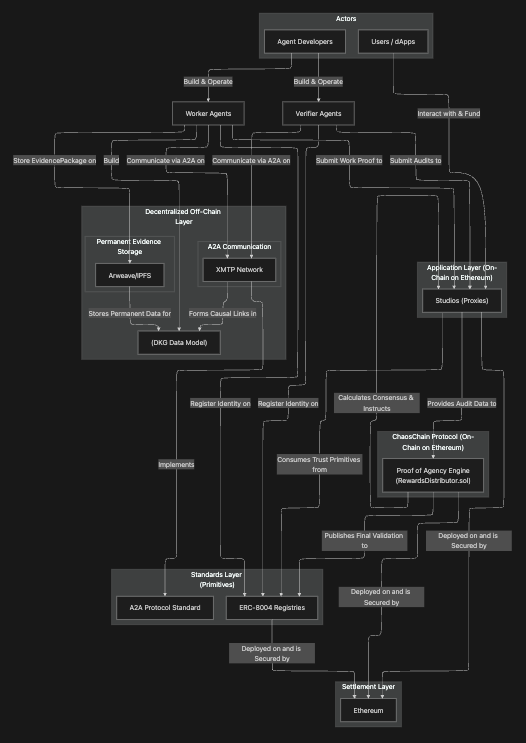
The engine of the agent economy is now live on testnet
We've deployed the @Ch40sChain core protocol to Sepolia and shipped SDK v0.3.0
You can now build the first generation of verifiably accountable AI agents 🧵
10
6
39
3,601
PAKA retweeted

9 Dec 2025
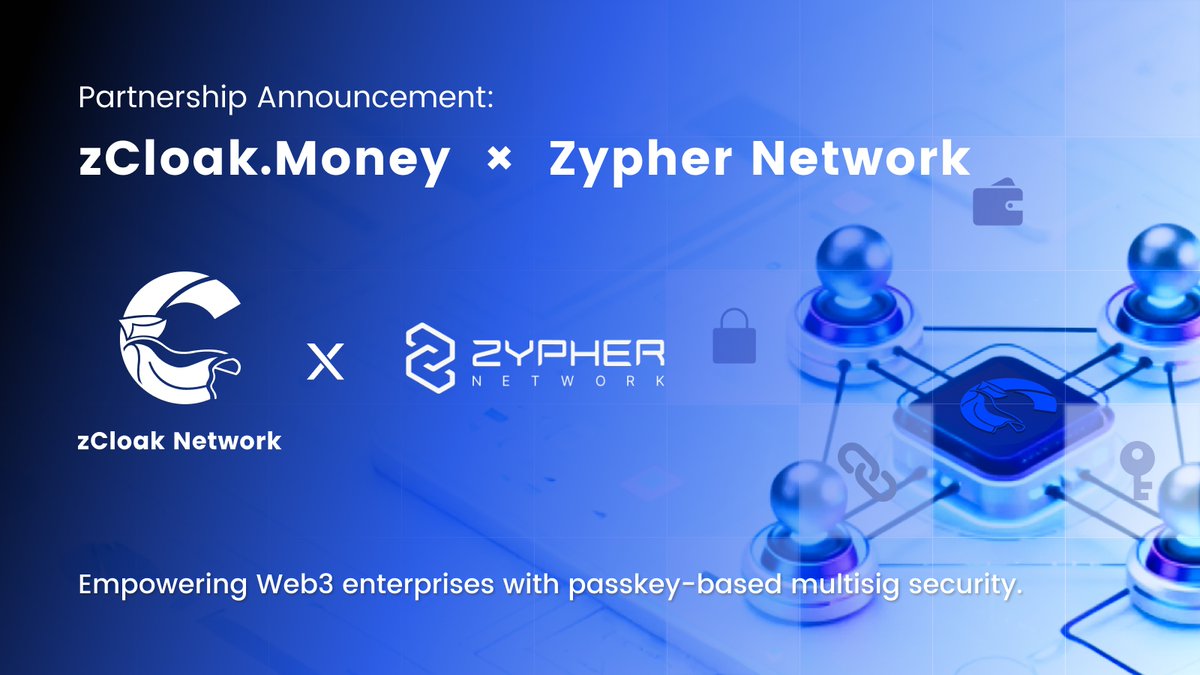
🤝 Partnership Announcement: Zypher Network @Zypher_Network x zCloak.Money
We’re thrilled to welcome Zypher Network to the zCloak.Money platform — the first enterprise passkey wallet that’s 100% on-chain, architecturally secure, and built for decision makers.
Zypher Network (zypher.network) builds a next generation AI agent security layer. ⚡The core solution is a decentralized high-throughput and scalable platform for on-demand and constant AI agent prompting auditing and verification enabling safe AI for DeFi, financial assets, productivity, personal assistance and other high-stake tasks. Zypher also provides AI assisted security browser with expert and community generated reviews and ratings.
With zCloak.Money, enterprises gain:
✅ True Self-Custody: No intermediaries, no backdoors.
🧩 Enterprise Multisig Controls: Weighted approvals, permissions & spending limits.
🔐 Passkey Security: Biometric login with zero seed risk.
Architecturally Secure. Built for Decision Makers.
🔗 Explore → app.zcloak.money
#zCloakNetwork #zCloakMoney #Web3Security #Multisig #Passkey
1
11
31
2,032
PAKA retweeted

9 Dec 2025
“Infrastructure, [layer 1s] and stablecoin issuers are attracting the largest share of capital because these teams can show real demand, clear business models and measurable traction”
Thanks for mentioning Tanssi, @dlnews:
6 Dec 2025

General Catalyst, Jump Trading pile on as crypto startups raise $155 million
dlnews.com/articles/markets/…
64
46
88
2,907


PAKA retweeted

9 Dec 2025
Less than 24h to go.
Tomorrow at Kemestri Seoul, intelligent automation of capital takes the spotlight.
The house is packed with a killer panel:
@0x0g4i from @0G_labs, @namyura_ from @SentientAGI, and @justinkim415 from @AvaLabs
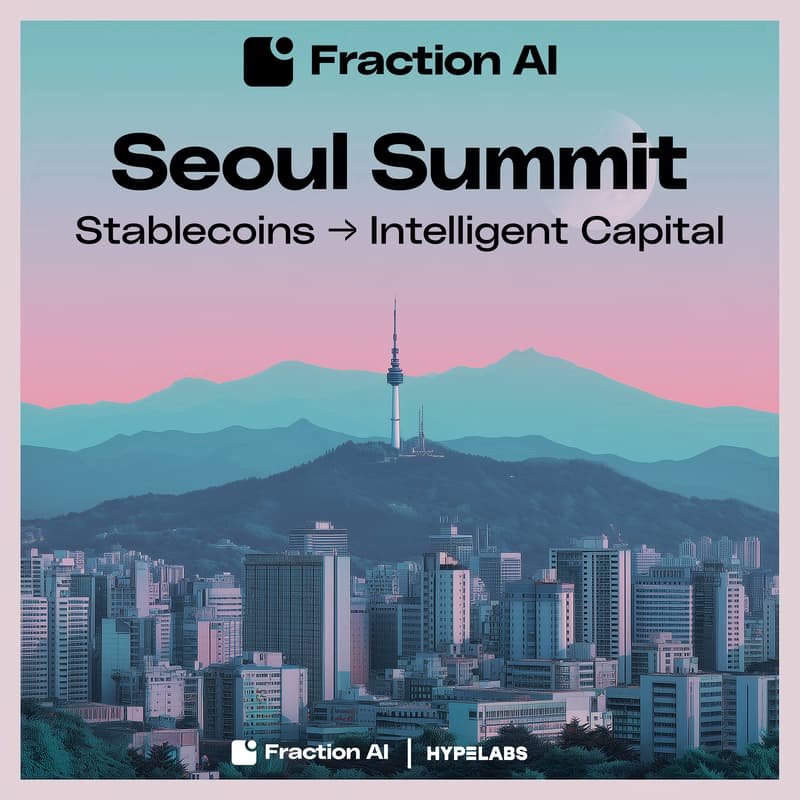
Welcome to the Fraction AI Seoul Summit: From Stablecoins to Intelligent Capital.
Last chance to reserve your spot:
luma.com/dujjpfug
4 Dec 2025

Fraction AI Seoul Summit: From Stablecoins to Intelligent Capital
Join us at Chemistry Seoul for a signature summit of exceptional caliber on the agentic economy.
This gathering brings together leaders, builders, and innovators pushing the frontier of the intelligent automation of capital.
We are unveiling a curated agenda featuring a fine dinner, interactive sessions, and exclusive rewards.
Reserve your spot today:
luma.com/dujjpfug
240
282
493
17,353
PAKA retweeted
8 Dec 2025
“The U.S. markets will be onchain within a couple of years.” - SEC Chair Paul Atkins.
(Trillions)^(Intelligent automation) = Economy goes brrr
112
194
281
7,074
PAKA retweeted

8 Dec 2025
🔥 Real Trading Needs Real Flexibility
Market swinging fast?
Need more buffer — or want to free up margin for another trade?
You can now adjust isolated margin in seconds on UXUY.
How it works:
1️⃣ Choose Isolated Mode when opening positions
2️⃣ Tap Edit in your position
3️⃣ Add or Remove the margin and tap "Confirm"
Quick, simple, no need to close your position.
👉 Try it now: uxuy.com/join/QvJWU08ydoo
#UXUY #Futures #Margin #Crypto #Update

4
3
24
2,336

$BMT @bubblemaps on #Binance Earn is now offering up to 22% APR!
Plus, new Earn users can grab a 50% APR trial fund voucher.
Learn how 👉 binance.com/en/support/annou…

136
105
430
104,692