
Vertebrate Paleontology Postdoc and technician at macropaleolab.com @usponline // BSc. Geology ⚒️ // MSc. Paleontology // PhD Croc ontogeny🐊 EN-PT
- Tweets 3,024
- Following 3,119
- Followers 1,281
- Likes 124,726






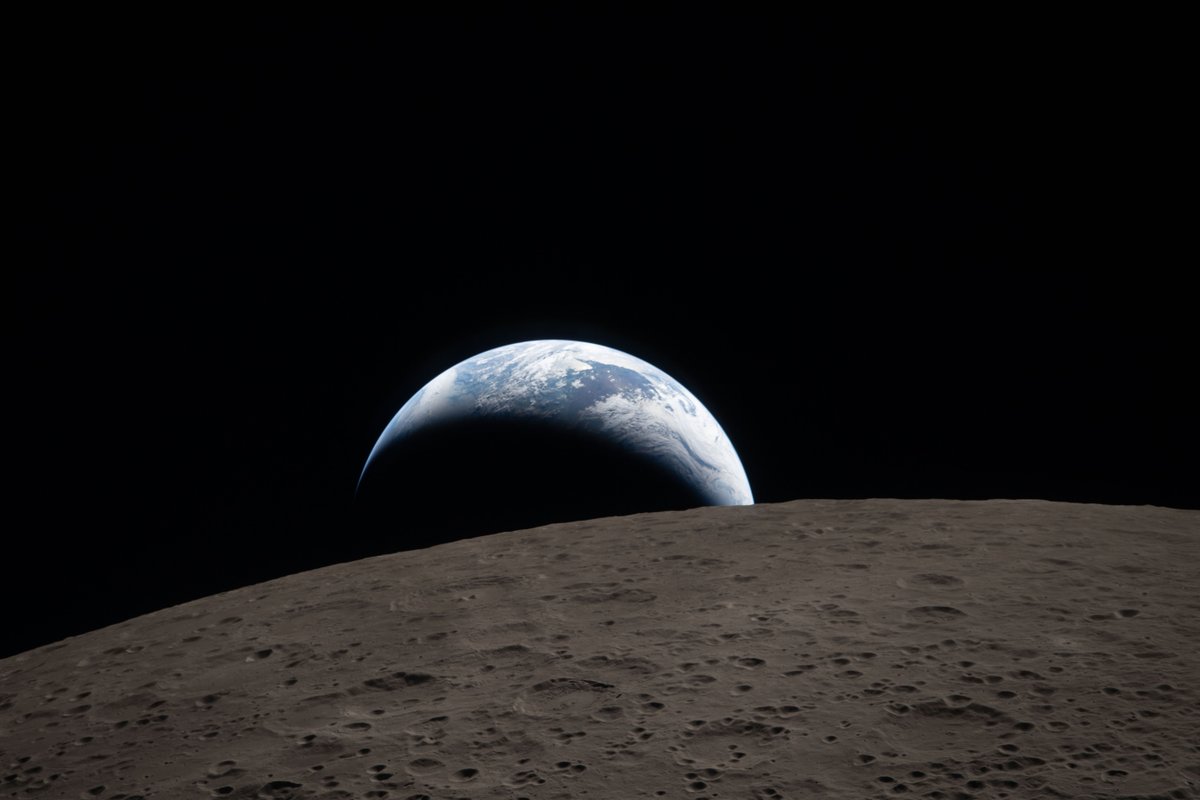
ALT A crescent Earth setting behind the Moon\u2019s horizon. Credit: NASA

ALT Earth setting behind the Moon as seen by the Artemis II crew. Over half the left side of the image is filled by the gray lunar surface, pocked with craters. Credit: NASA
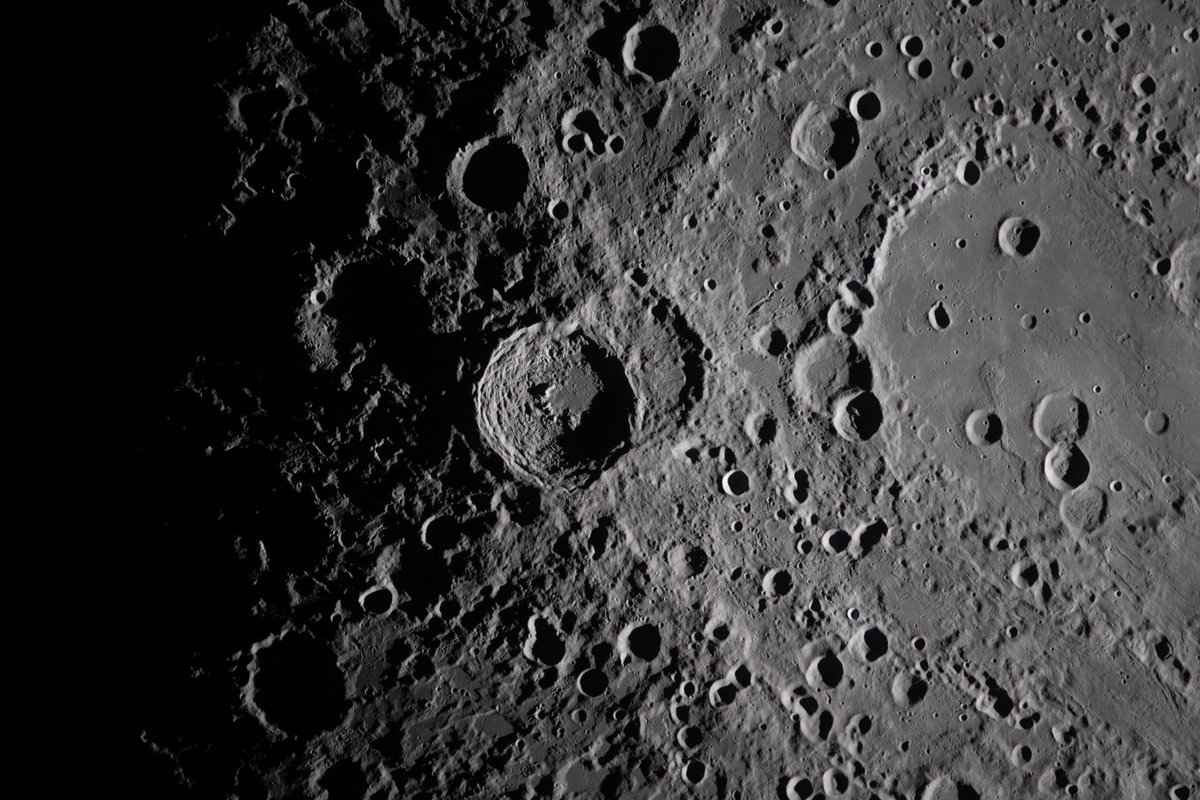
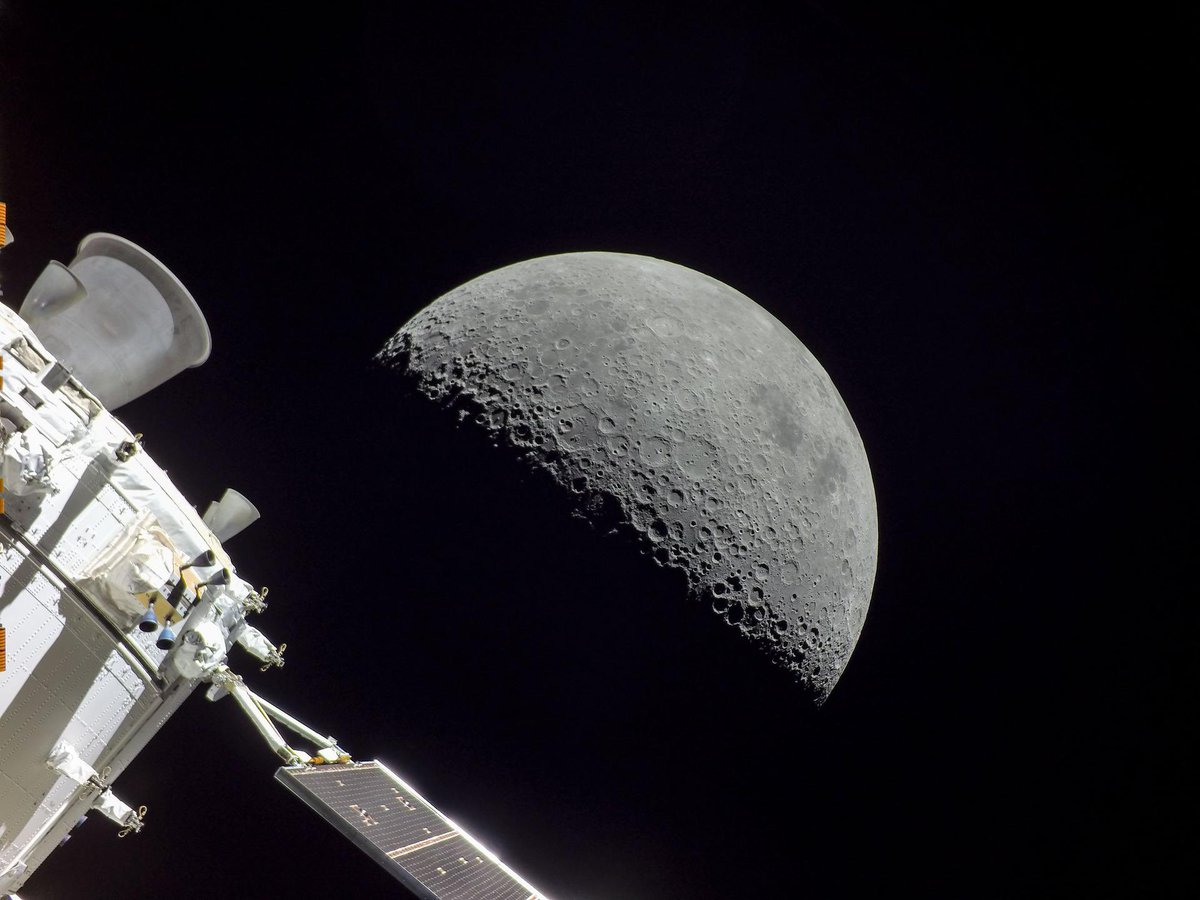
ALT A close view of the Moon. Jagged circles of craters dot the gray surface, fading to dark on the left side of the image. Credit: NASA
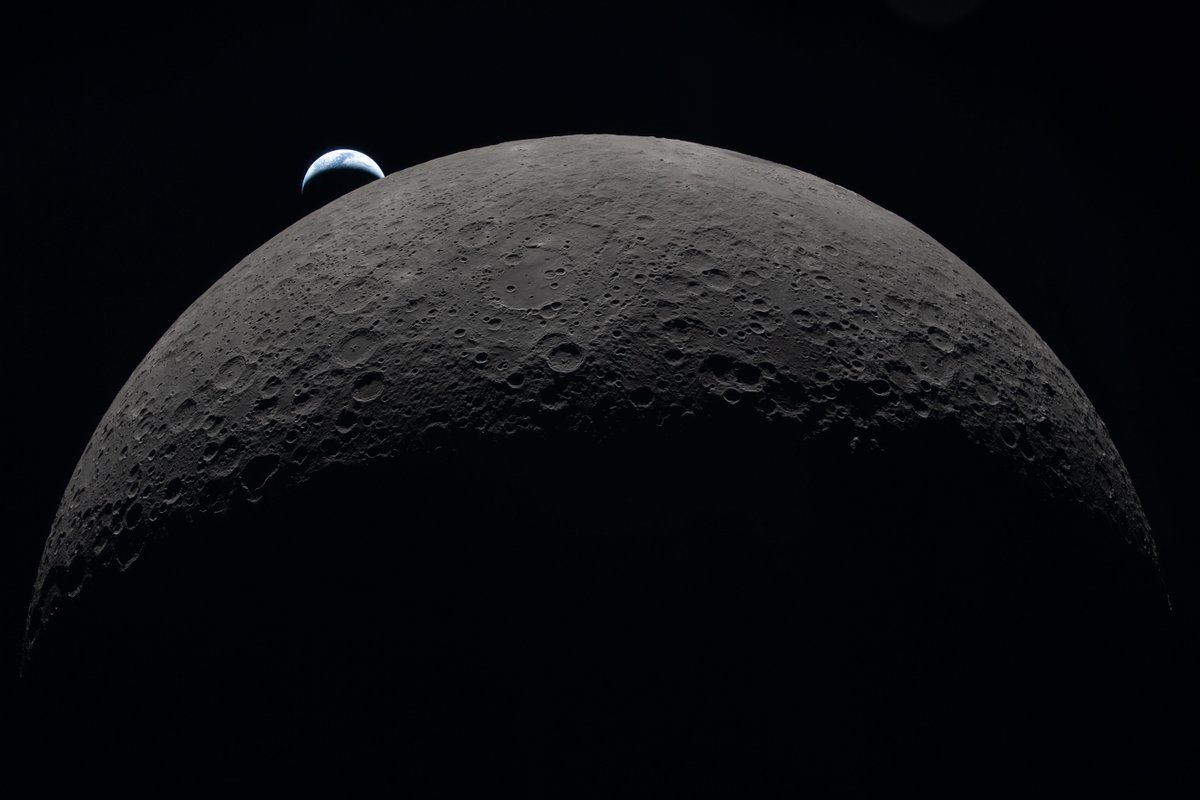
ALT A crescent Earth setting behind a hemisphere of the Moon. Credit: NASA

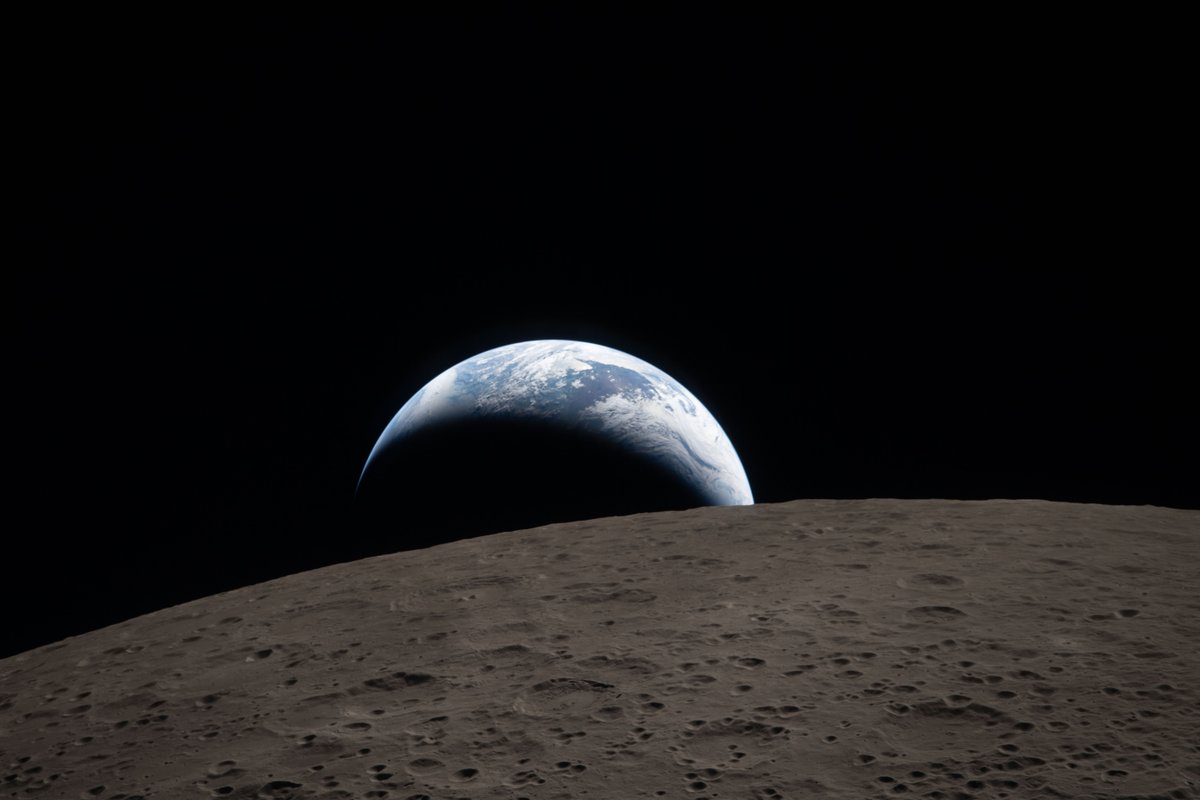
ALT Earthset captured through the Orion spacecraft window at 6:41 p.m. EDT, April 6, 2026, during the Artemis II crew\u2019s flyby of the Moon. A muted blue Earth with bright white clouds sets behind the cratered lunar surface. The dark portion of Earth is experiencing nighttime. On Earth\u2019s day side, swirling clouds are visible over the Australia and Oceania region.\nIn the foreground, Ohm crater has terraced edges and a flat floor interrupted by central peaks. Central peaks form in complex craters when the lunar surface, liquefied on impact, splashes upwards during the crater\u2019s formation. Credit: NASA


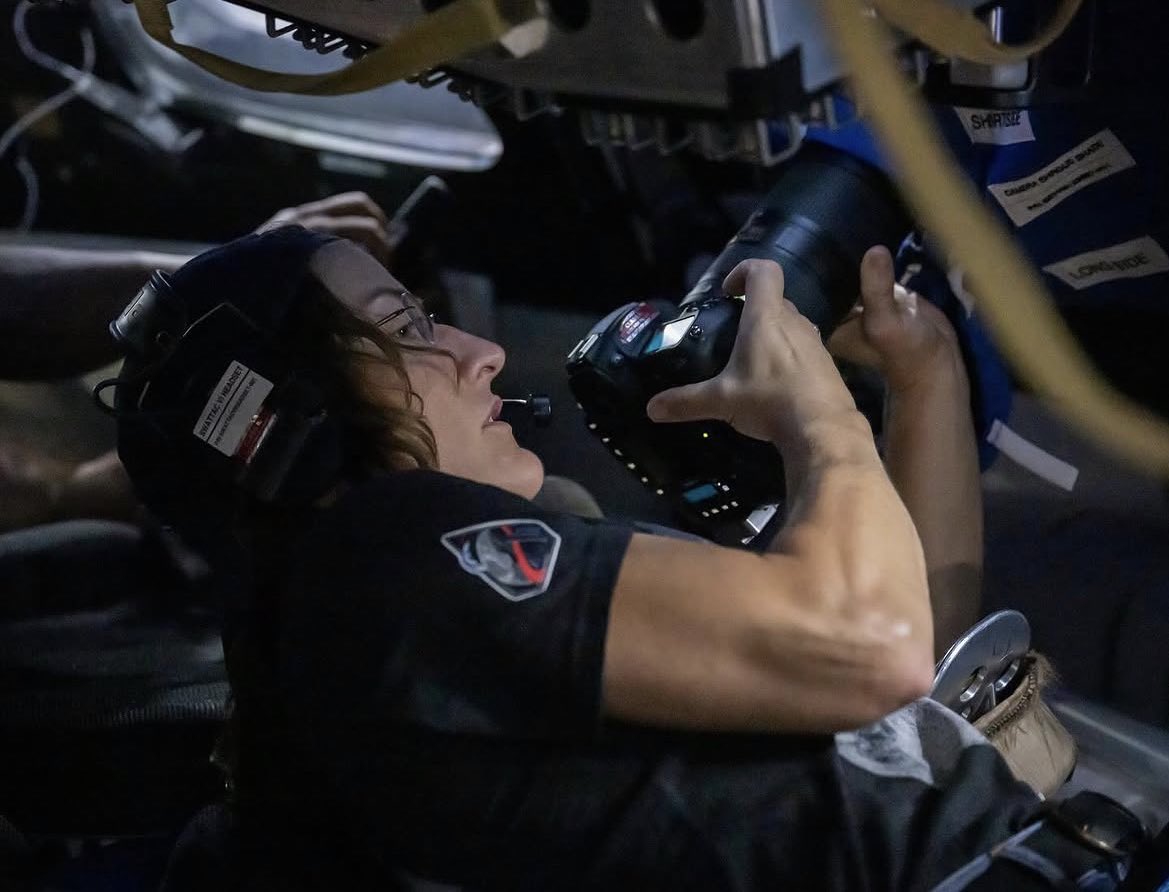

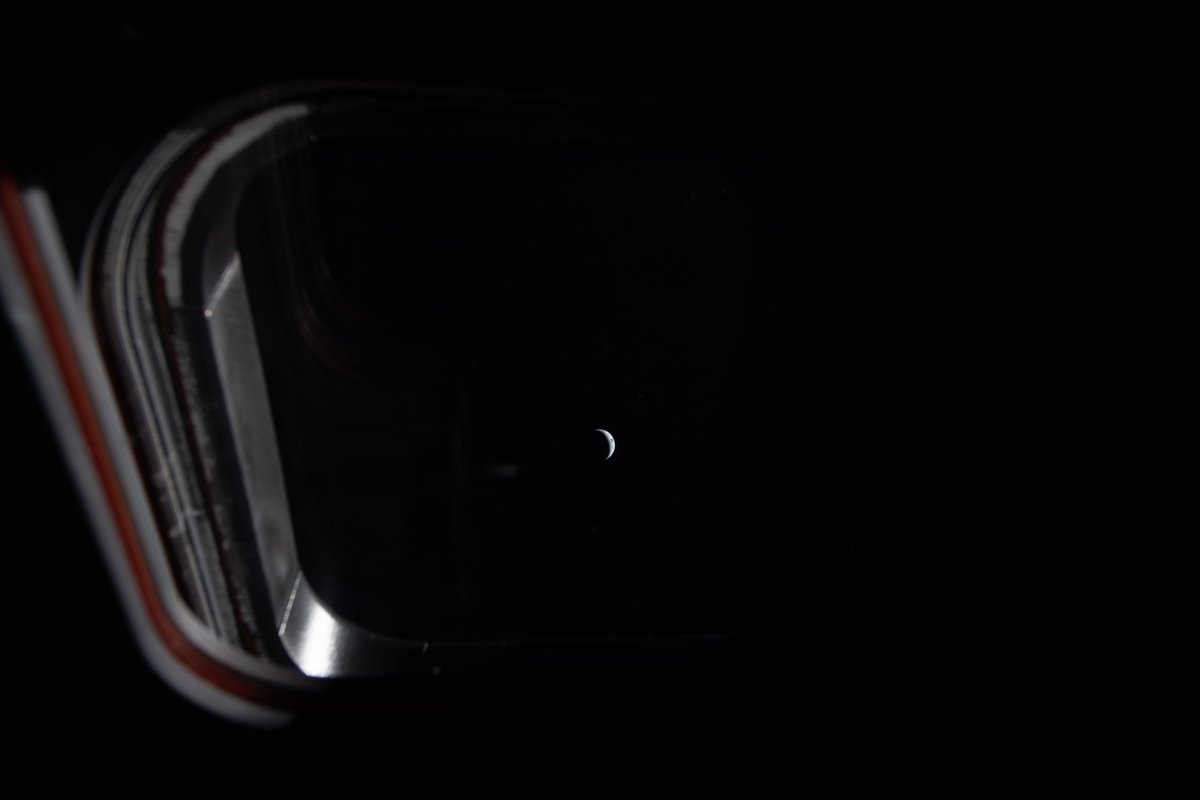
ALT Peering out one of the four windows near the display console on the Orion spacecraft, the Earth is illuminated by the blackness of space and grows smaller as the crew journeys closer to the Moon. This image was taken by an Artemis II crew member on the fourth day of the mission. Credit: NASA


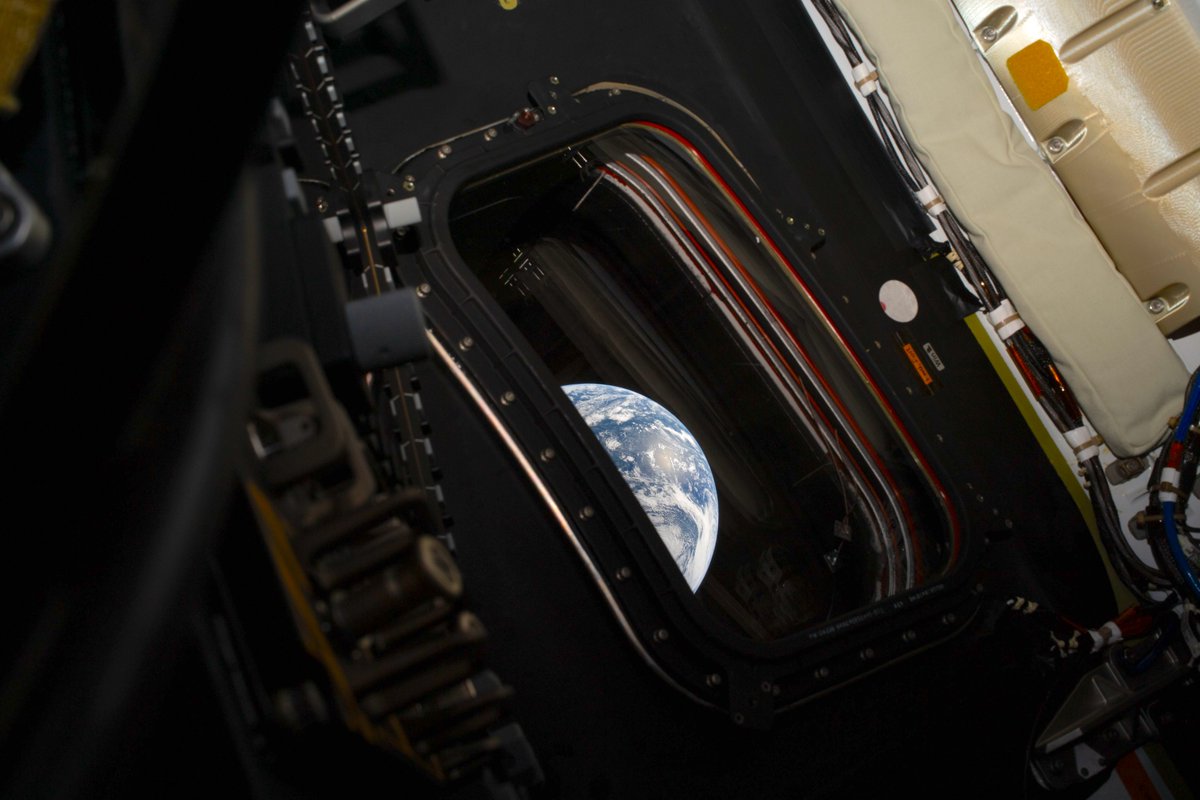
ALT Spectacular high-resolution image of our home planet viewed through the Orion Crew Module window by the Artemis II astronauts as they continue their journey to the Moon on Flight Day 2, 3 April 2026 (pic: NASA)
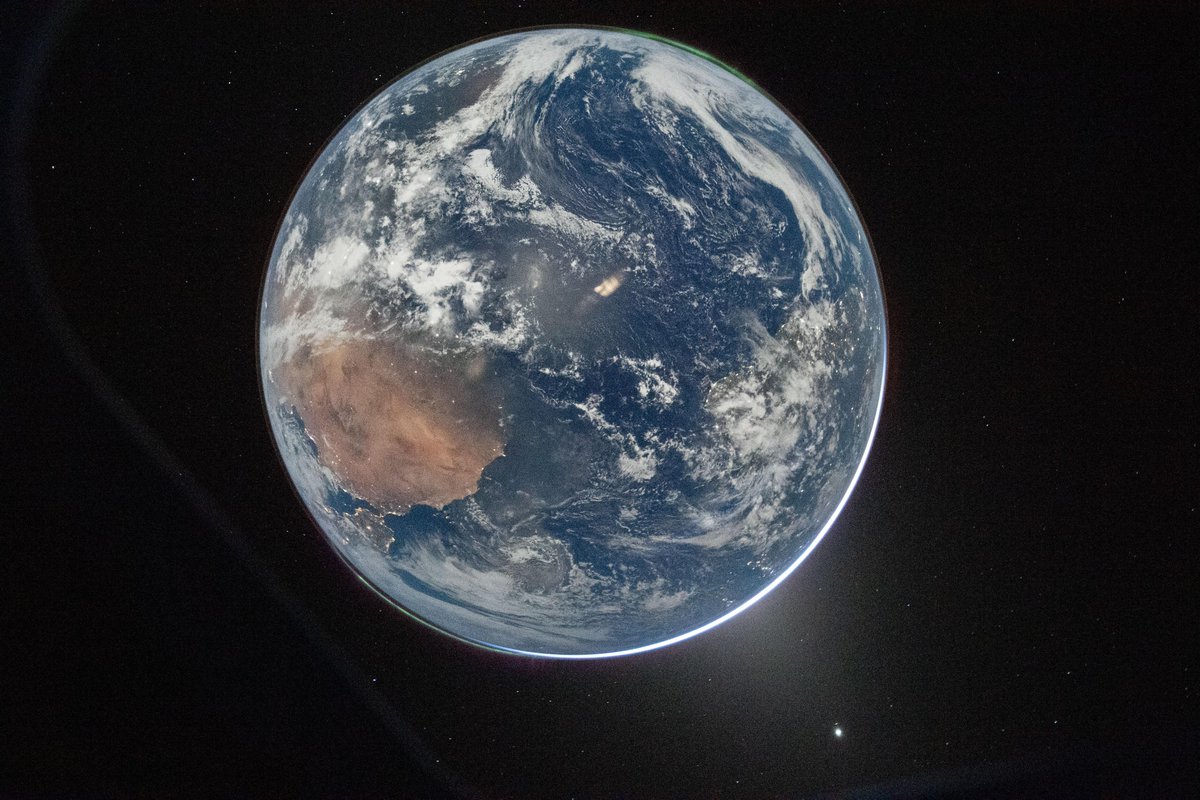
ALT A full disc image of Earth, as seen from the Orion Crew Module. The planet is a pale blue, swirling with white clouds and glowing slightly lighter blue in place from reflected light. At lower left, a large brown landmass is Africa, with Spain and Portugal with twinkling lights where the planet curves. At top right, auroras glow in a thin green glow, just barely separated from the planet's surface. Earth is set against the black of space (pic: NASA/R.Wiseman)

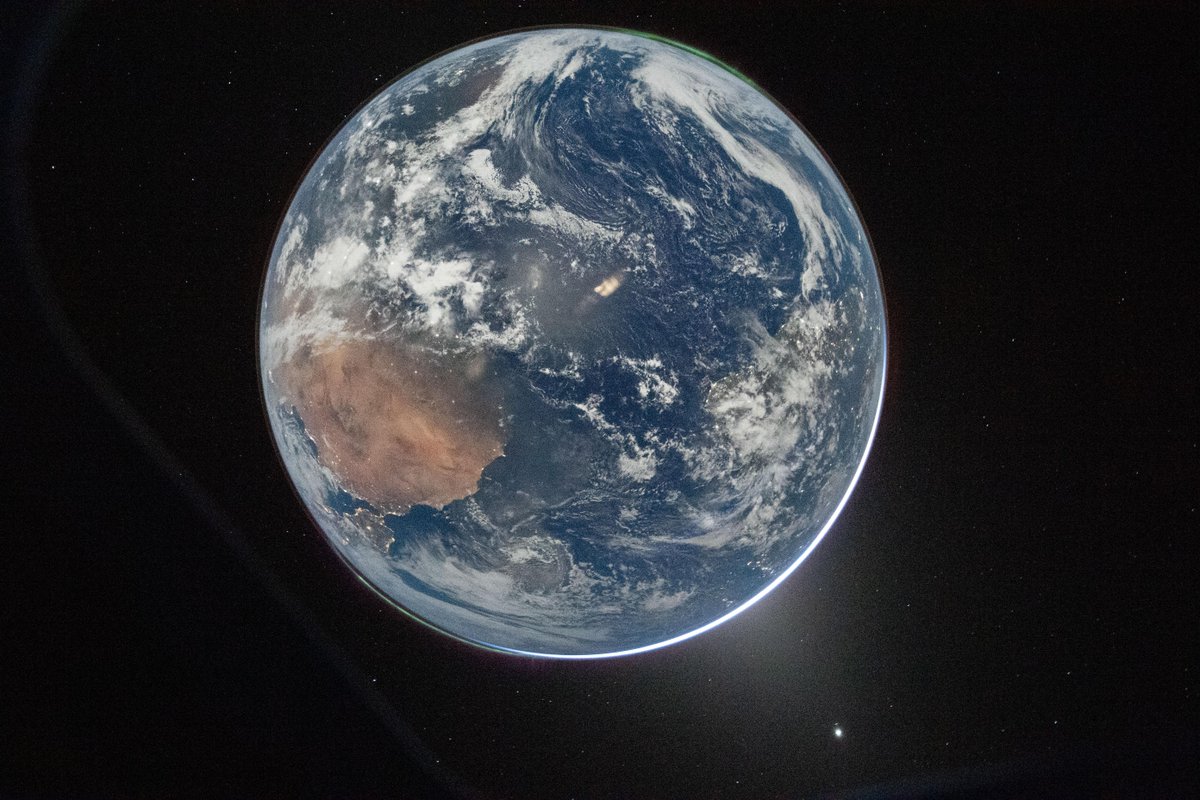
ALT A full disk image of Earth, as seen from the Orion capsule. The planet is a pale blue, swirling with white clouds and glowing slightly lighter blue in place from reflected light. From about 8 to 9 o'clock, a large brown landmass is Africa, with the Iberian peninsula twinkling with lights just where the planet curves. At the 1 o'clock spot, aurora glow in a thin green glow, just barely separated from the planet's surface. Earth is set against the black of space. Credit: NASA/Reid Weisman
ALT A full disk image of Earth, as seen from the Orion capsule. The planet is a pale blue, swirling with white clouds and glowing slightly lighter blue in place from reflected light. From about 8 to 9 o'clock, a large brown landmass is Africa, with the Iberian peninsula twinkling with lights just where the planet curves. At the 1 o'clock spot, aurora glow in a thin green glow, just barely separated from the planet's surface. Earth is set against the black of space. Credit: NASA/Reid Weisman