
Joined June 2009
- Tweets 29,998
- Following 1,608
- Followers 1,427
- Likes 21,608
1,920 Photos and videos

Pinned Tweet

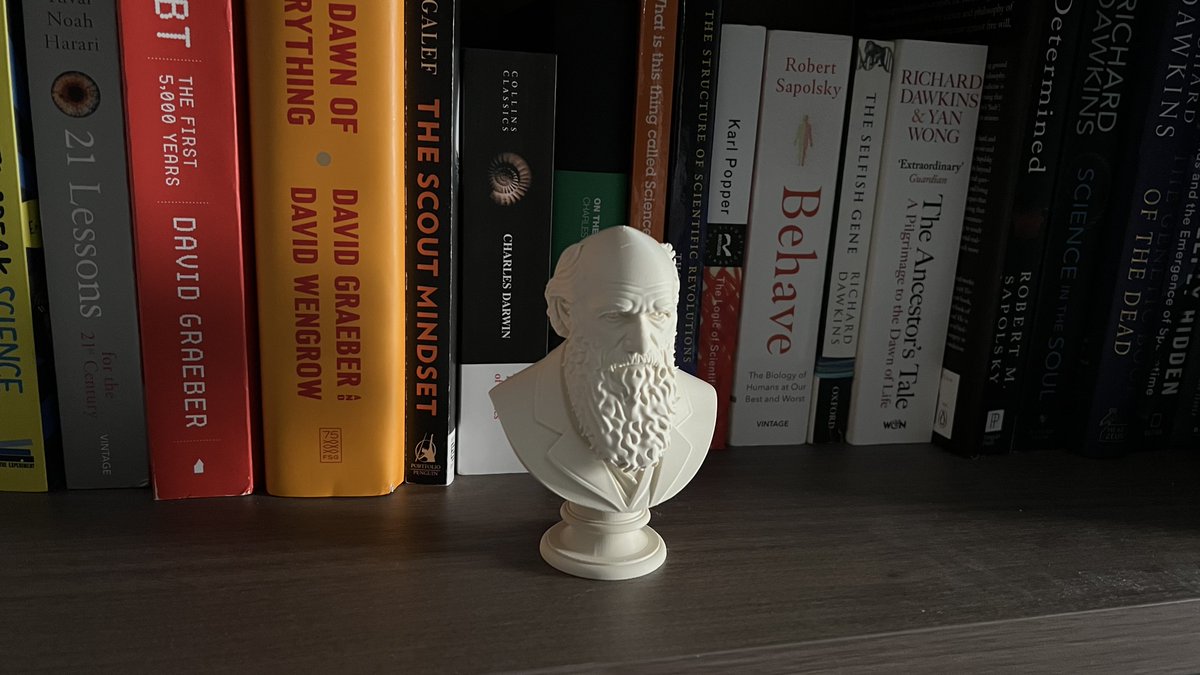
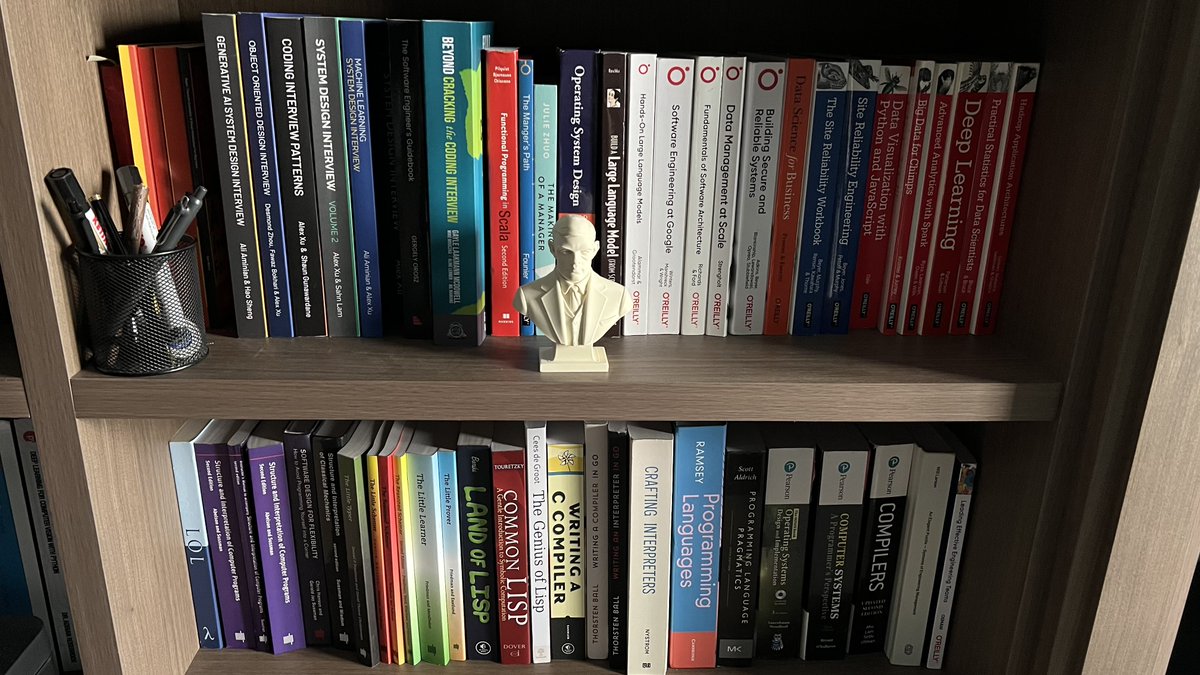
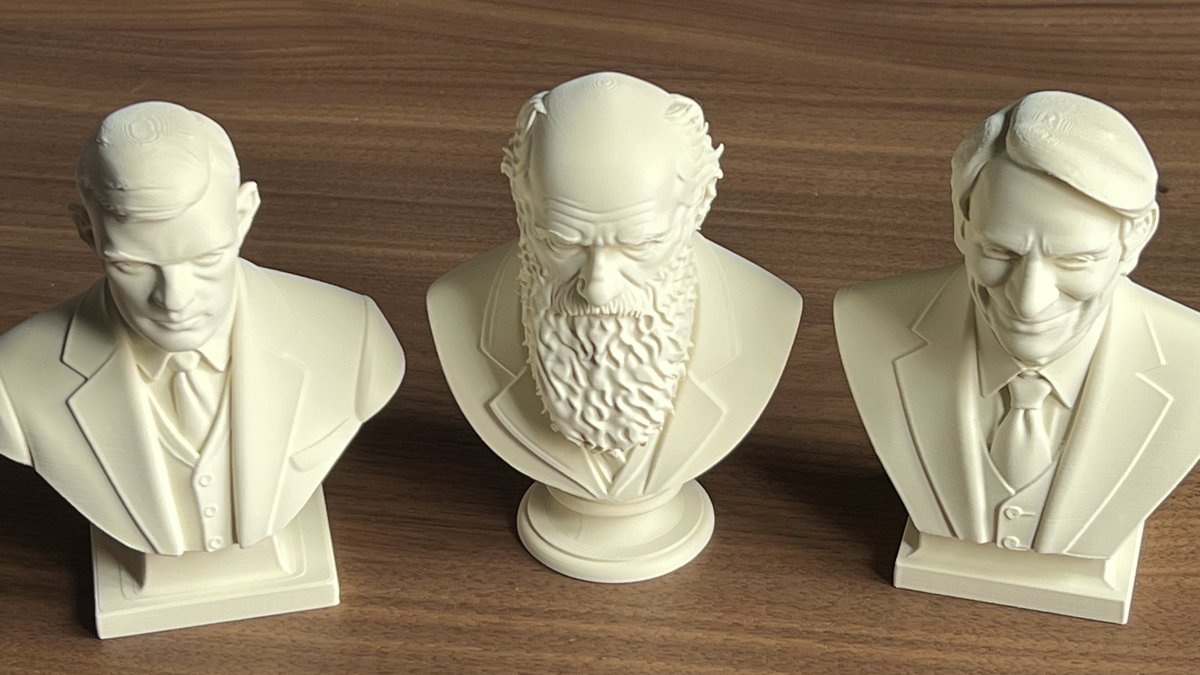
Added three giants to the shelf: Charles Darwin, Carl Sagan, and Alan Turing.
4
18
19,143
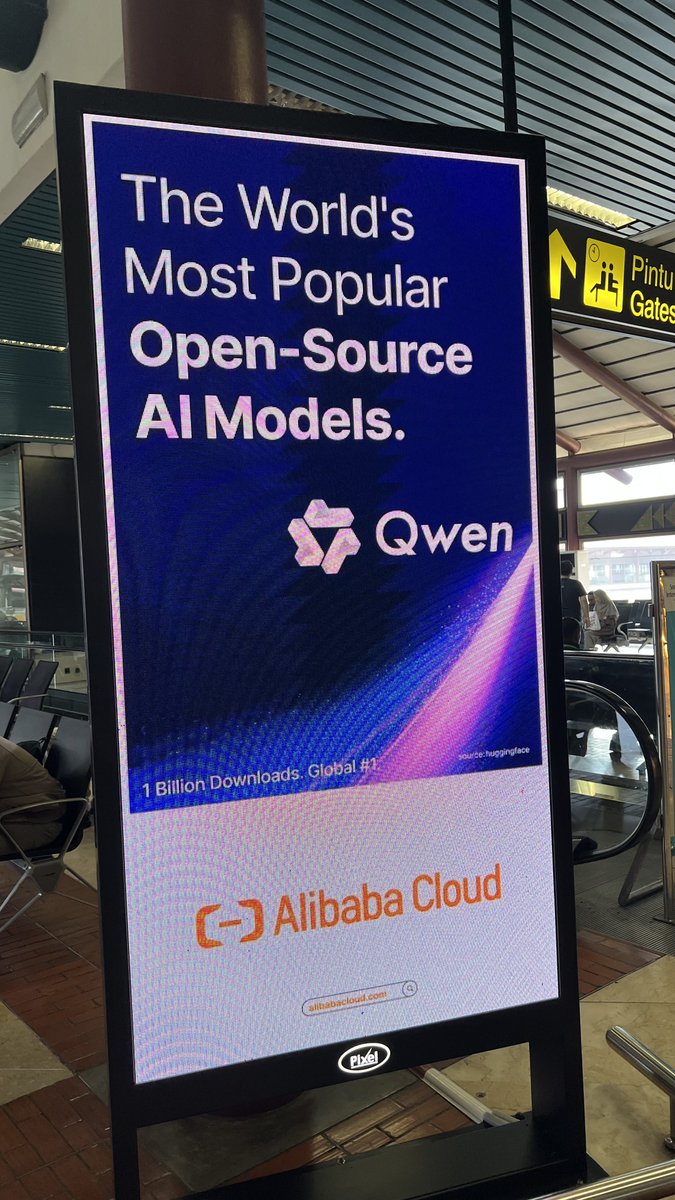
First time seeing an ad for open-source AI models, and it's at an airport in Indonesia, interesting.. @Alibaba_Qwen.
31
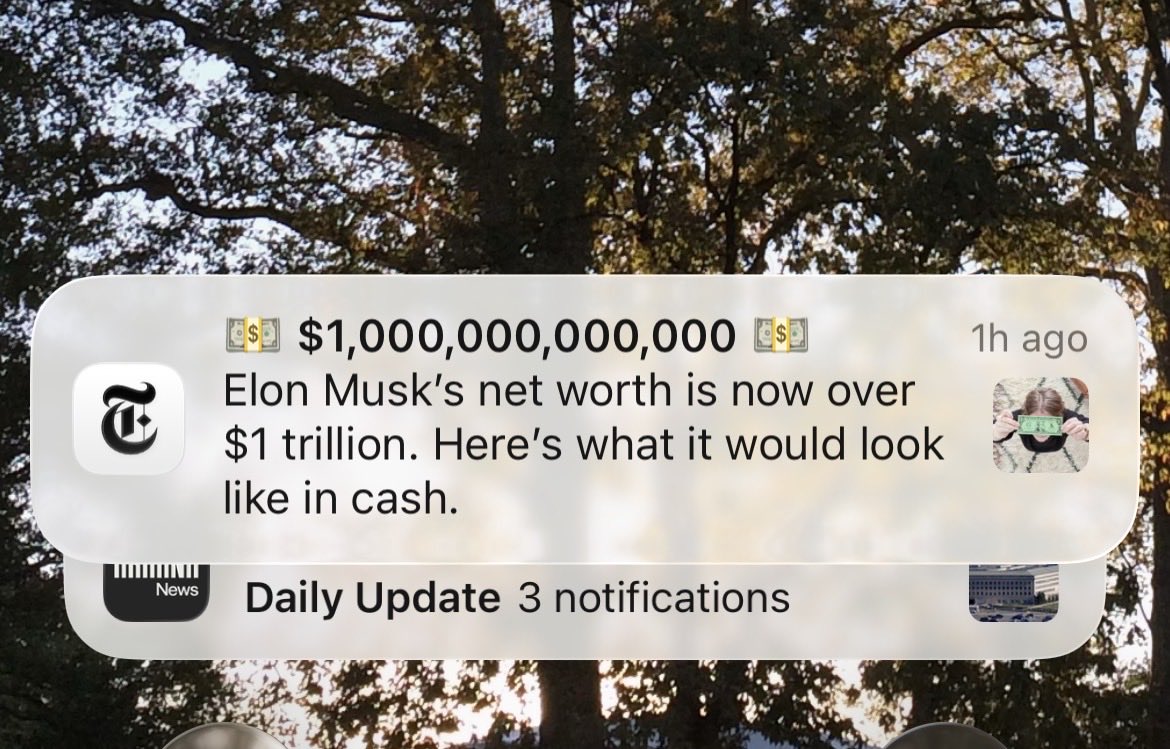
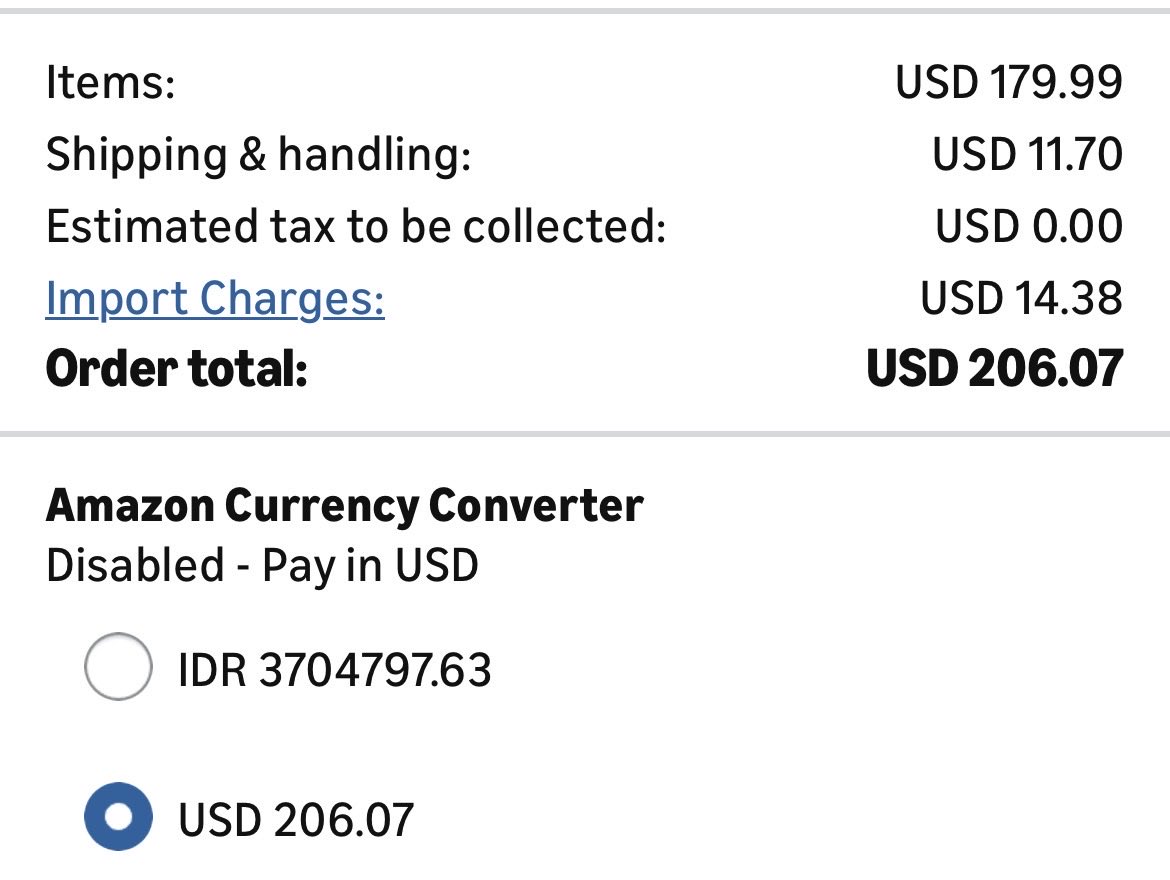
Hahaha.. at least I had the chance to try it 😅
Jun 13

The US government, citing national security authorities, has issued an export control directive to suspend all access to Fable 5 and Mythos 5 by any foreign national, whether inside or outside the United States, including foreign national Anthropic employees.
The net effect of this order is that we must abruptly disable Fable 5 and Mythos 5 for all our customers to ensure compliance.
Access to all other Claude models is not affected.
We apologize for this disruption to our customers. We believe this is a misunderstanding and are working to restore access as soon as possible.
Read our full statement: anthropic.com/news/fable-myt…
27
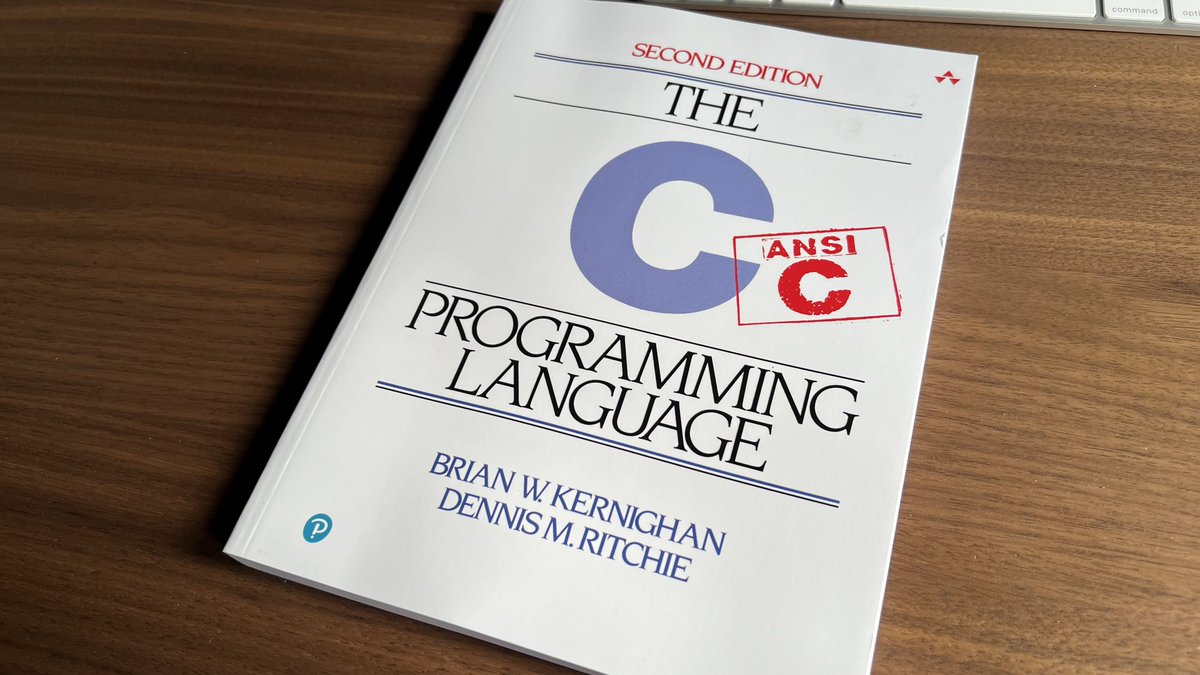
Finally own a copy 😊
ALT The C Programming Language, Second Edition by Brian W. Kernighan and Dennis M. Ritchie
49
Bullshido 🤡

84
Connect using RDP, click here, click there, yuck.

Introducing NVIDIA DGX Station for Windows, the world's most powerful deskside AI supercomputer with Windows powered by NVIDIA GB300.
✅ Run frontier AI models with up to 1 trillion parameters locally
✅ Build and run secure AI agents on Windows with NVIDIA OpenShell
✅ Built by @ASUS, @Dell, @GIGABYTE, @HP, @msigaming, and @Supermicro
#NVIDIAGTC nvda.ws/3RIkjpc
94
Steven Strogatz’s Secrets of Math Communication youtu.be/-v78qiTrnkQ
121
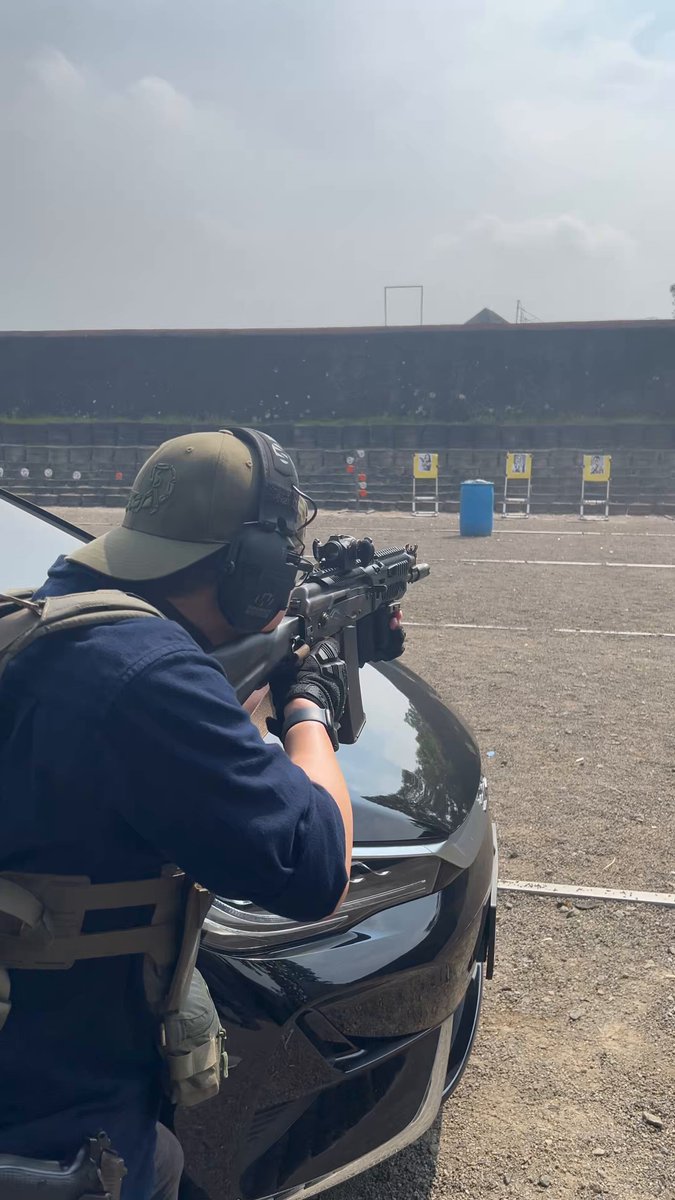
First time using AK platform, still using 5.56 though.
113
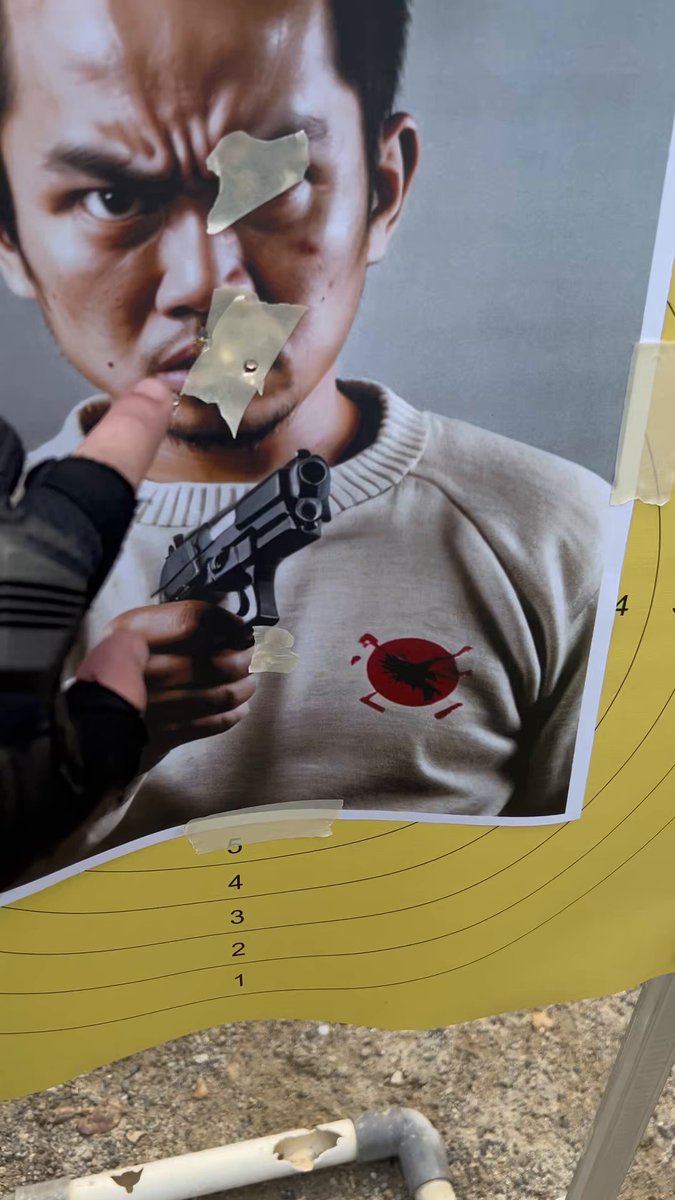
Range session this Saturday morning. Groupings were not bad at all.
72
Happy 100th birthday, Sir David Attenborough. A true gift to humanity. I feel lucky to have grown up with your voice guiding me to understand more about our home, Earth.

A lifetime dedicated to bringing the natural world closer to us all.
Happy birthday, Sir David Attenborough – from Planet Earth 💚🌍
#AttenboroughAt100 #DavidAttenborough100 #DavidAttenborough
1
374
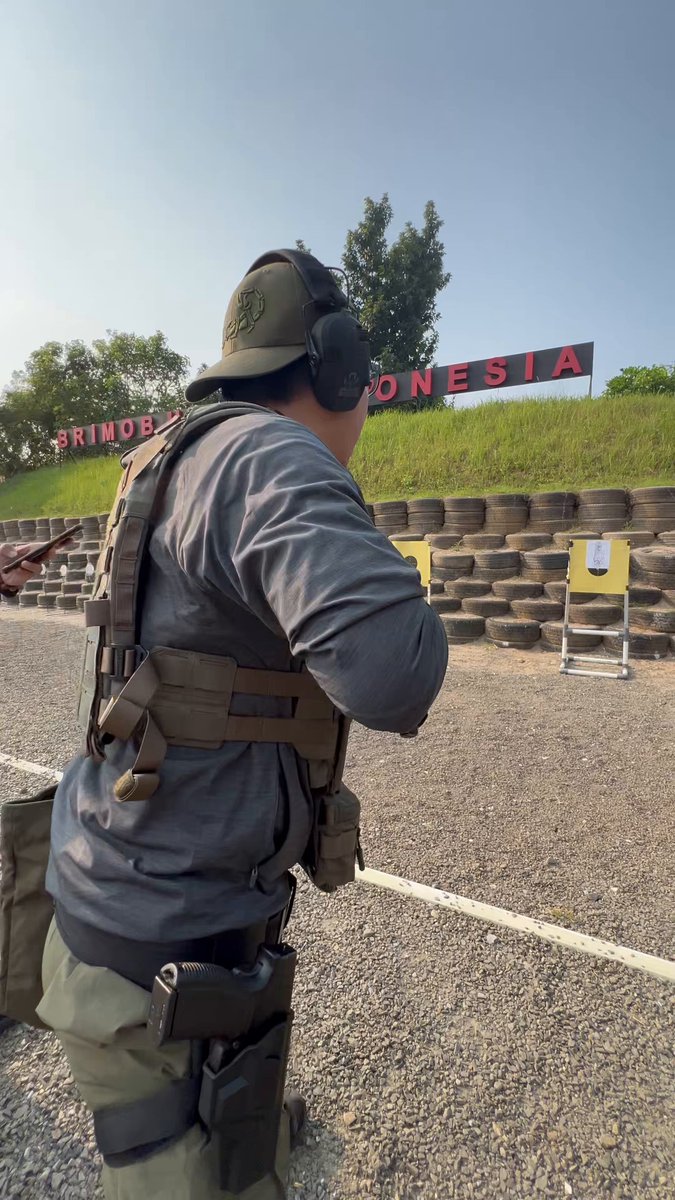
Practiced "up ready" at the range to compare the timing with "low ready".
In a crowded area, low ready is safer because the muzzle direction gives you a lower chance of sending a stray round toward people.
Fun fact: this was my first time trying up ready. My coach only allowed it after I showed consistent rifle handling discipline.
1
1
20
16,121
Interesting coincidence: I'm reading two books at the same time, and both mention Knight Capital as a case study in what not to do.
One emphasizes developer experience. The other frames it as the natural result of writing code without first defining what "correct" means.
1
93
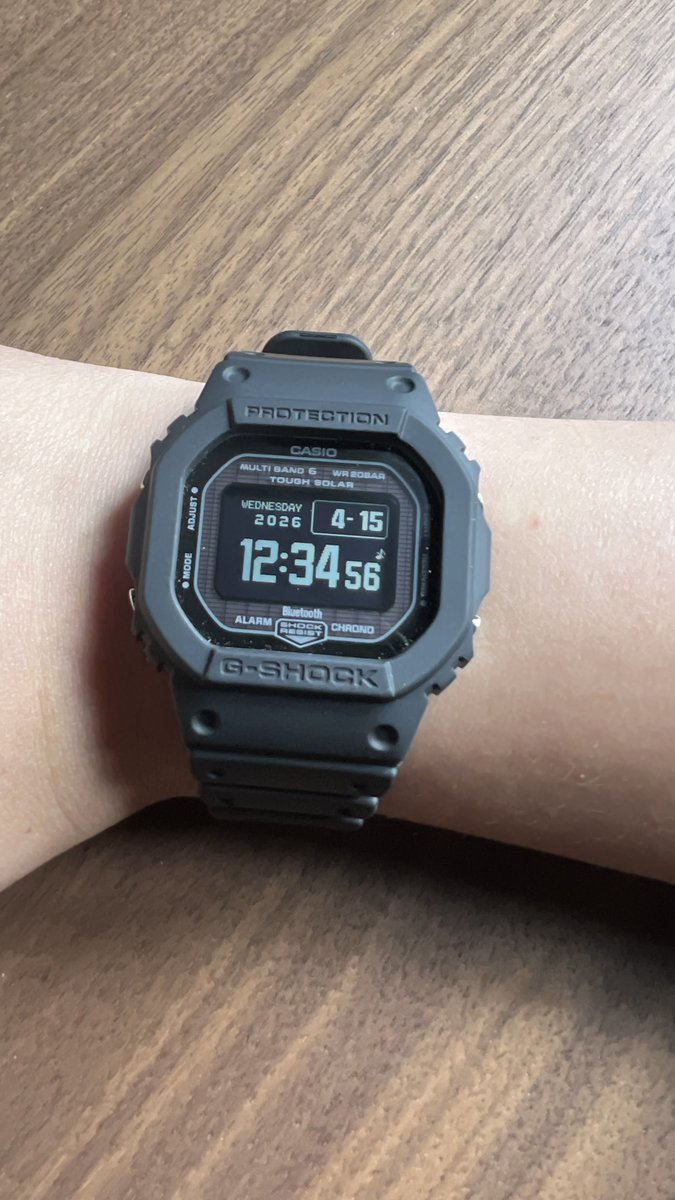
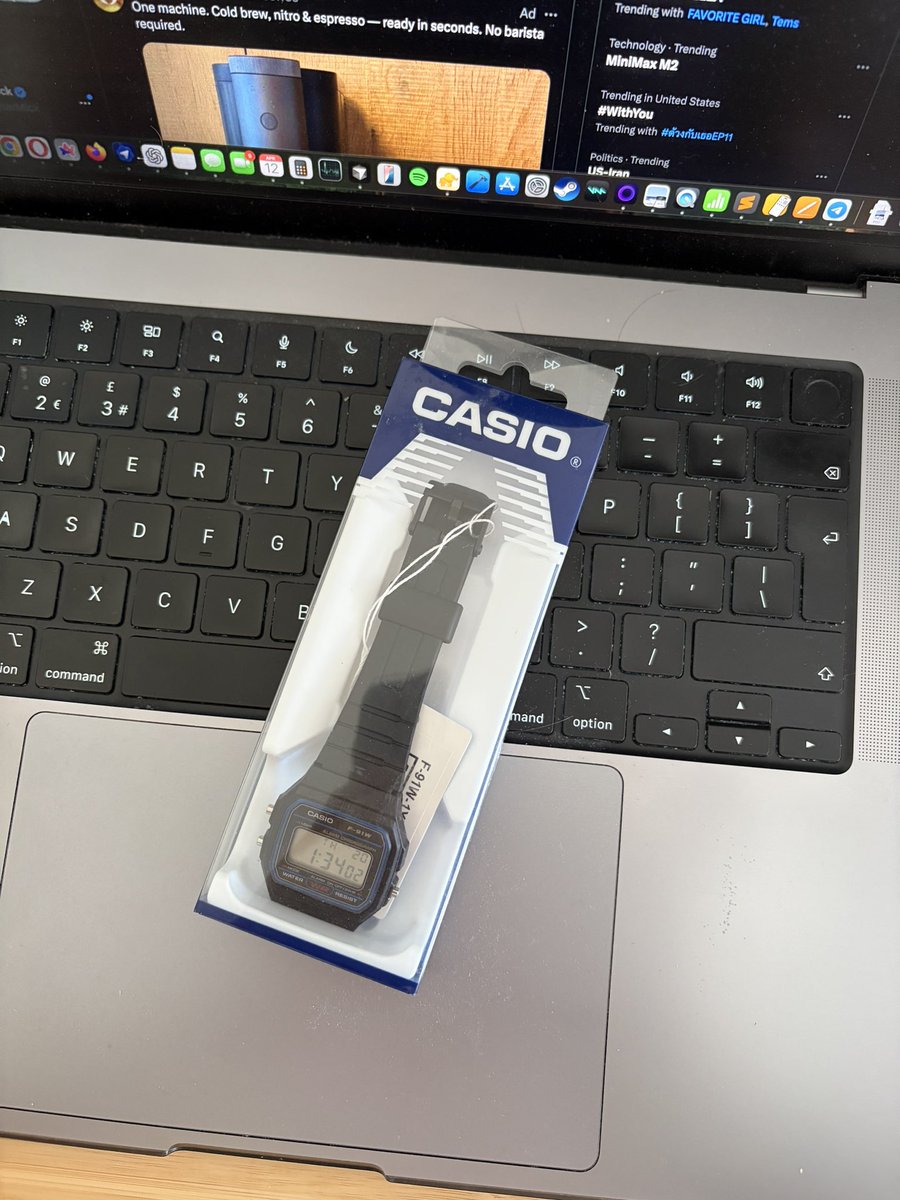
I still use Apple Watch as my daily driver since 2016 because some of its features are genuinely useful to me.
But the Casio GW-BX5600 represents the kind of reliability I value: it charges from light, not just direct sunlight, syncs time automatically via both Multi Band 6 and Bluetooth, has the durable G-SHOCK build, and uses an MIP LCD that's easy to read from many angles.
As an engineer, I care a lot about time accuracy and efficiency, and this watch nails both.

1
2
1,235
Finally 🙂

We’re updating our ChatGPT Pro and Plus subscriptions to better support the growing use of Codex.
We’re introducing a new $100/month Pro tier. This new tier offers 5x more Codex usage than Plus and is best for longer, high-effort Codex sessions.
In ChatGPT, this new Pro tier still offers access to all Pro features, including the exclusive Pro model and unlimited access to Instant and Thinking models.
To celebrate the launch, we’re increasing Codex usage for a limited time through May 31st so that Pro $100 subscribers get up to 10x usage of ChatGPT Plus on Codex to build your most ambitious ideas.
1
115
And my wife asked me about this.
Apr 8

Wife: "Who is Julia on your laptop?"
129
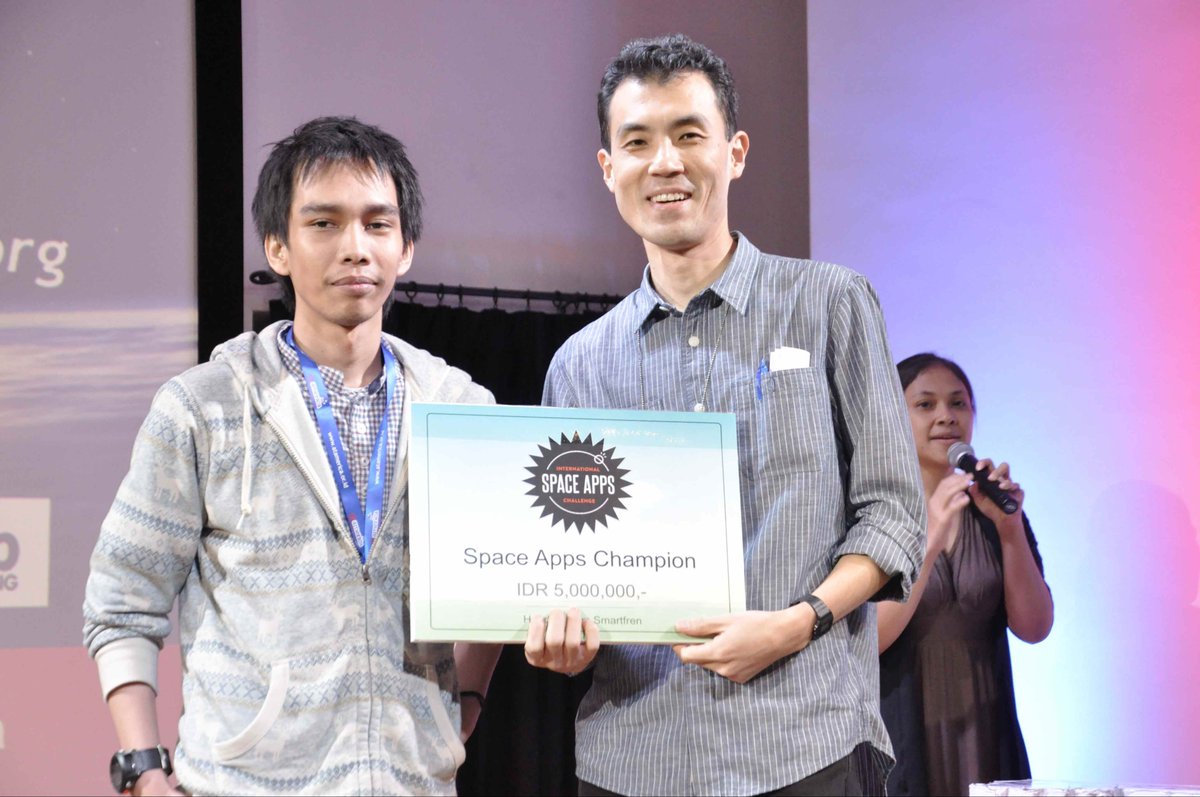
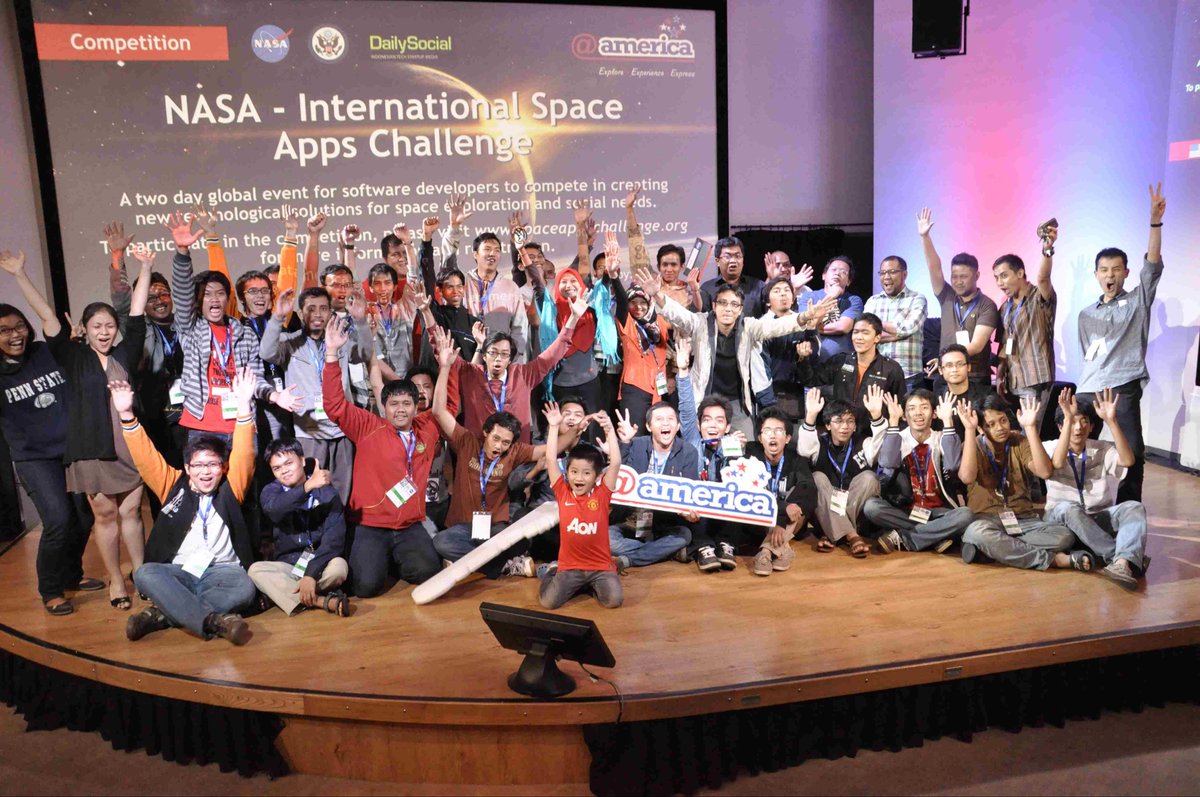
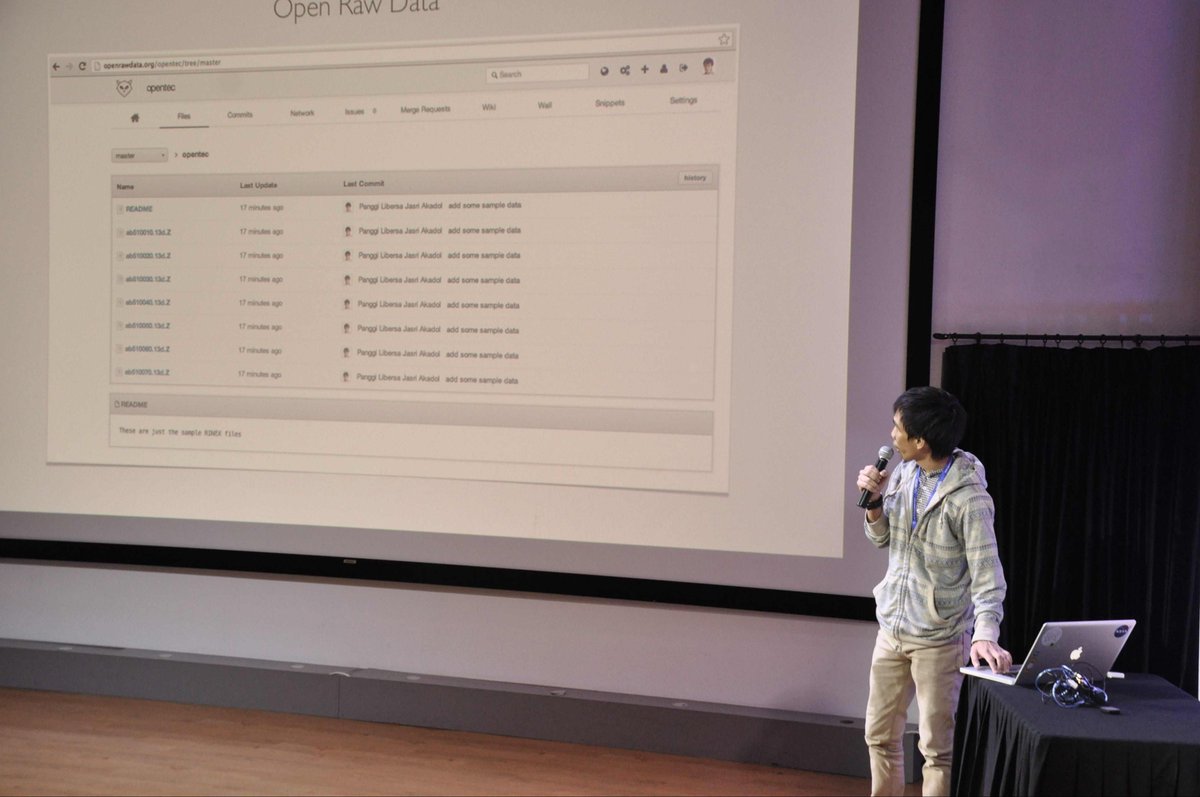
Back in April 2013, I was a young developer who joined a 2-day hackathon in Jakarta with an idea that felt far too ambitious to finish.
I left as a NASA International Space Apps Challenge Champion. 🏆
The project was called OpenTEC. TEC stands for "Total Electron Content".
The idea was to explore whether an earthquake prediction system could be built using Arduino, a GPS receiver, and Professor Kosuke Heki's ionospheric precursor theory, the hypothesis that the Earth's ionosphere may show measurable anomalies before major earthquakes.
At the time, I did not finish it.
The hackathon ended. Life moved on. But that unfinished prototype never really left my mind.
For 13 years, OpenTEC stayed somewhere in the background of my thoughts.
Then Artemis II launched 🚀 and something in me shifted. Watching that rocket leave Earth made me ask myself: what exactly am I waiting for?
Today, with open-source hardware, far better GPS data, and much stronger ML models, it feels worth revisiting this old idea seriously.
Because if there is even a small chance that better detection could help provide earlier warning and save lives, then it is worth exploring.
To everyone who was in that room in Jakarta in 2013, thank you. You were the spark.
1
132