Advanced Inflammatory Bowel Disease Fellow @ Mayo Clinic, Florida
Joined June 2020
- Tweets 1,000
- Following 463
- Followers 384
- Likes 339
4 Photos and videos


Interested in Global 🌎 #IBD
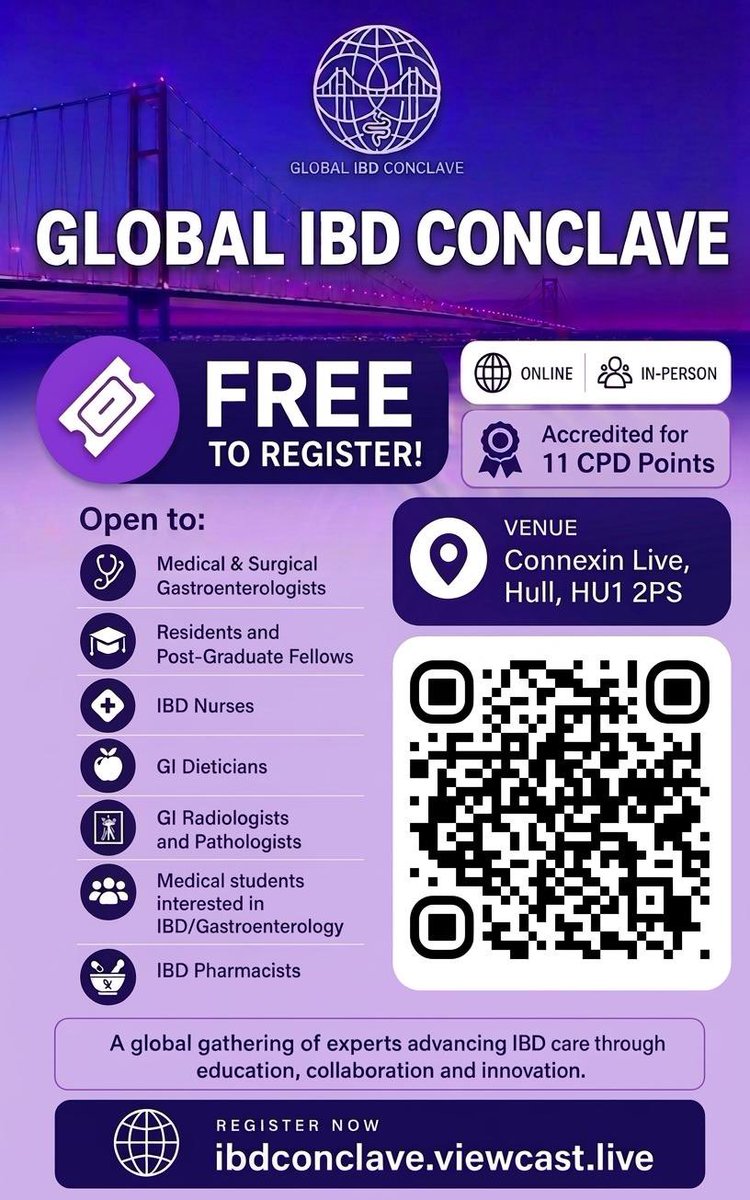
We have a FREE in-person ( for 🇬🇧 HCPs) and online #IBD educational event at Hull on 20th &21st July
🌟Stellar Faculty
🌟Practical #IBD care tips
🌟Hot topics in #IBD
🌟Great debates
Do register free.
ibdconclave.viewcast.live
1
15
19
1,123
Passisd Laoveeravat retweeted

This feels like one of those rare moments that will be remembered for years. A historic achievement in oncology.
🎗👌
Thank you for sharing @marklewismd

Cheers, chills, and a standing ovation when RASolute 302 showed unprecedented survival on daraxonrasib for patients with progressive pancreatic cancer
Seldom do you sense you’re witnessing a historic moment in cancer care but this feels like ras targeting has arrived
#ASCO26
1
3
291
Passisd Laoveeravat retweeted

May 22
Tested out in #IBD clinic today. Saw pt with IBD-PSC. Asked when next colonoscopy should be and @EvidenceOpen did not detect that he had PSC
May 21

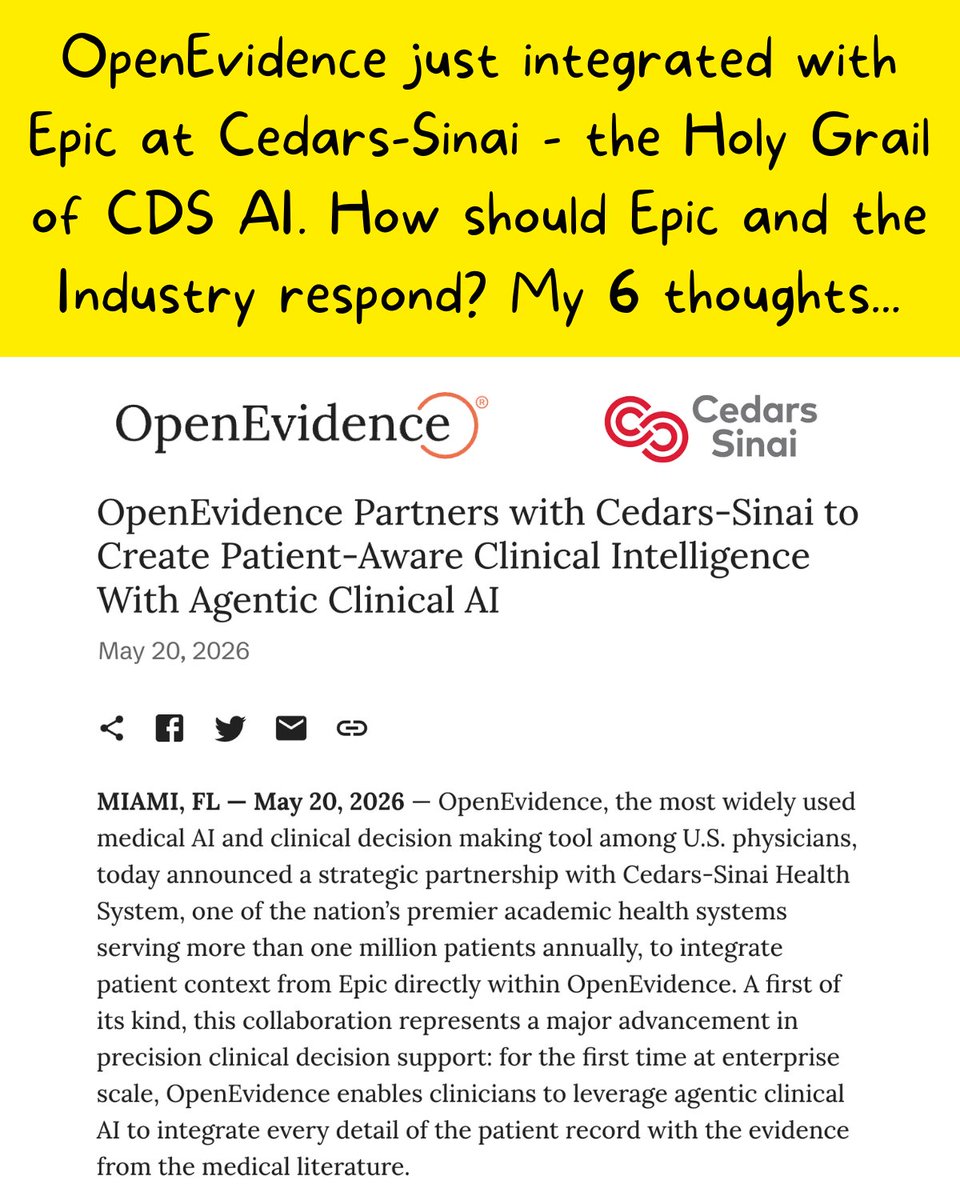
Cedars Sinai clinicians are the FIRST to use OpenEvidence to integrate live patient context from Epic and access personalized CDS AI. My 6 thoughts on what this means for the industry:
First, the gist of what was announced:
→ Clinicians can ask questions in natural language and receive answers grounded in both research guidelines AND the specific patient in front of them (the holy grail of CDS AI!)
→ Patient context includes prior procedures, comorbidities, medications, allergies, and longitudinal health data - not just a summary snapshot
→ The system operates agentically: it interprets the clinical question, dynamically pulls relevant EHR data, evaluates current literature, and synthesizes a context-aware answer
→ Cedars-Sinai is also going to display its own protocols and guidelines alongside the medical literature, so clinicians can see both
Alright my 6 thoughts:
1/ This reduces the friction to clinicians at Cedars Sinai trying OE. If you were using one of the other CDS AI tools before, you’d be hard pressed to now. You just save so much more time.
2/ It’s inevitable that Epic will just build the same integration with OE, UpToDate, Doximity and others directly into the chat bar interface (new Epic Toolbox category soon?) - where clinicians already do all their other actions with Epics AI clinician assistant “Art”. The pitch from Epic will be “why would you want to open up a separate tab every time you want to ask an AI assistant to do something?” - and they’d be right. When the output from the CDS AI is mostly plain text, it’s not so important for the CDS AI to own the UI/UX.
3/ But if this happens, then the CDS AI tools will be no different than the AI model products in general (ie OpenAI, Anthropic) - Epic will just let health systems switch them in and out. Oh, and of course, the CDS AI tools will pay the Epic App Store fee for this.
4/ Which means if you are a CDS AI tool and you want doctors to stay in your window, you have to offer something useful beyond a chat interface. Then again, if you’re getting faster distribution because Epic facilitates more native integrations with your CDS AI model - do you care to own the UI/UX?
5/ If you’re OE, Doximity, UpToDate - your goal should be to do as many of these EHR integrations as possible to prove you are the CDS AI model of choice. Put yourself in pole position for Epic to make you their default CDS AI model and be willing longterm to give up ownership of the UI/UX to Epic - because, well, they already own it.
6/ What does this mean for the AI scribe tools like Abridge that incorporated CDS into their product? Maybe they need to make CDS AI also available outside the live clinical encounter and become the default instead of OE - because won’t physicians want to use the same CDS AI during the encounter that they use outside of it (or do they not care)? But none of this matters if health systems choose to make Epic the interface for all this.
6
3
12
2,708
Passisd Laoveeravat retweeted

May 22
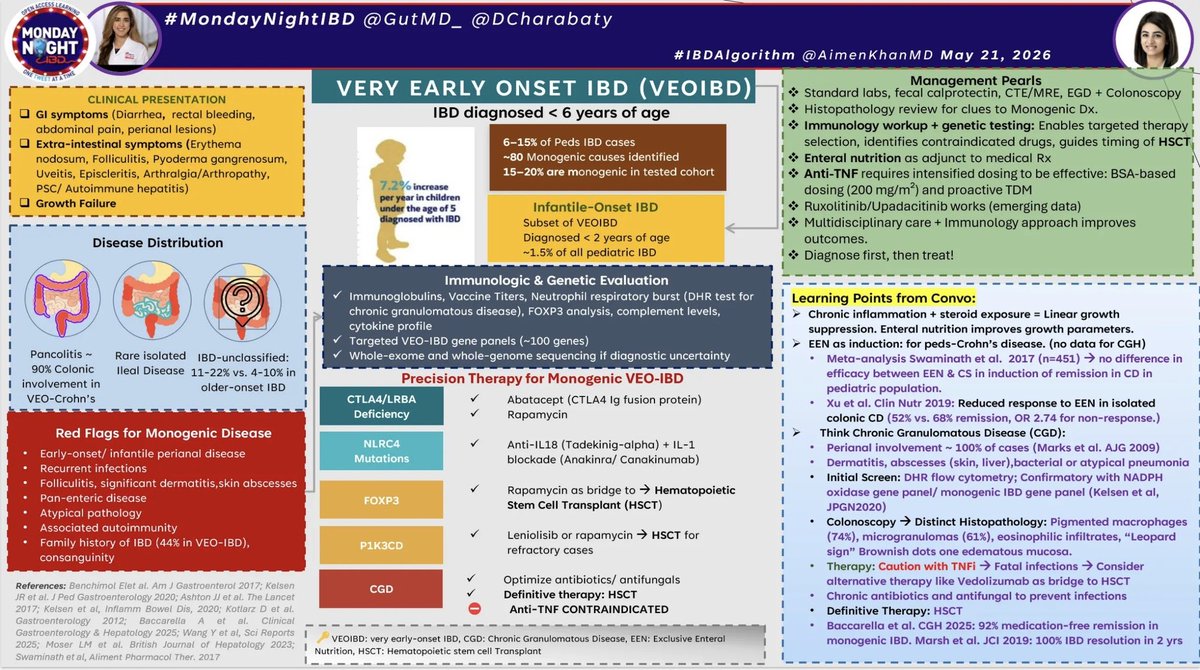
#IBDAlgorithm
🧬VEO-IBD
💭Think monogenic disease, esp.
🦠Recurrent infections
🍑Severe perianal Dx.
🚩 Growth failure
🧪 Genetic testing guides precision therapy & identify HSCT candidates early.
🎯 Diagnose first, then treat.
🗳️PostConvo polls👇(Answers in #IBDAlgo😉)
1
22
36
1,917
Passisd Laoveeravat retweeted

May 22
If you are subscribed to ibd-eii.com you will receive after a long time an email!
🚀 Big news! ibd-eii.com has been reinvented
I’ve transformed the platform into a powerful, intuitive content database to make finding IBD drugs, trials, and evidence easier
What’s new?
• A smart, searchable database 🔍
• Easier organization and classification method
• 15 new clinical trial summaries📚
• Updated cheat sheets 🧠
👇
#IBD #CrohnsDisease #UlcerativeColitis #Gastroenterology #MedEd
4
39
93
13,799
Passisd Laoveeravat retweeted

Important discussion with everydayhealth along with my colleague @JessPhilpottMD on one of the evolving frontiers in inflammatory bowel disease care: advanced combination therapy, also known as biologic stacking.
For selected patients with refractory Crohn’s disease, perianal fistulas, or significant extraintestinal manifestations, combining targeted therapies may represent a future precision medicine approach. But important questions remain around long-term safety, cost, access, and insurance approval.
Appreciate the opportunity to share thoughts on where the field may be heading.
What combination strategies in IBD do you think hold the most promise in the coming years?
@SSMHealth @ClevelandClinic @MRegueiroMD
everydayhealth.com/digestive…
2
8
2,273
Passisd Laoveeravat retweeted

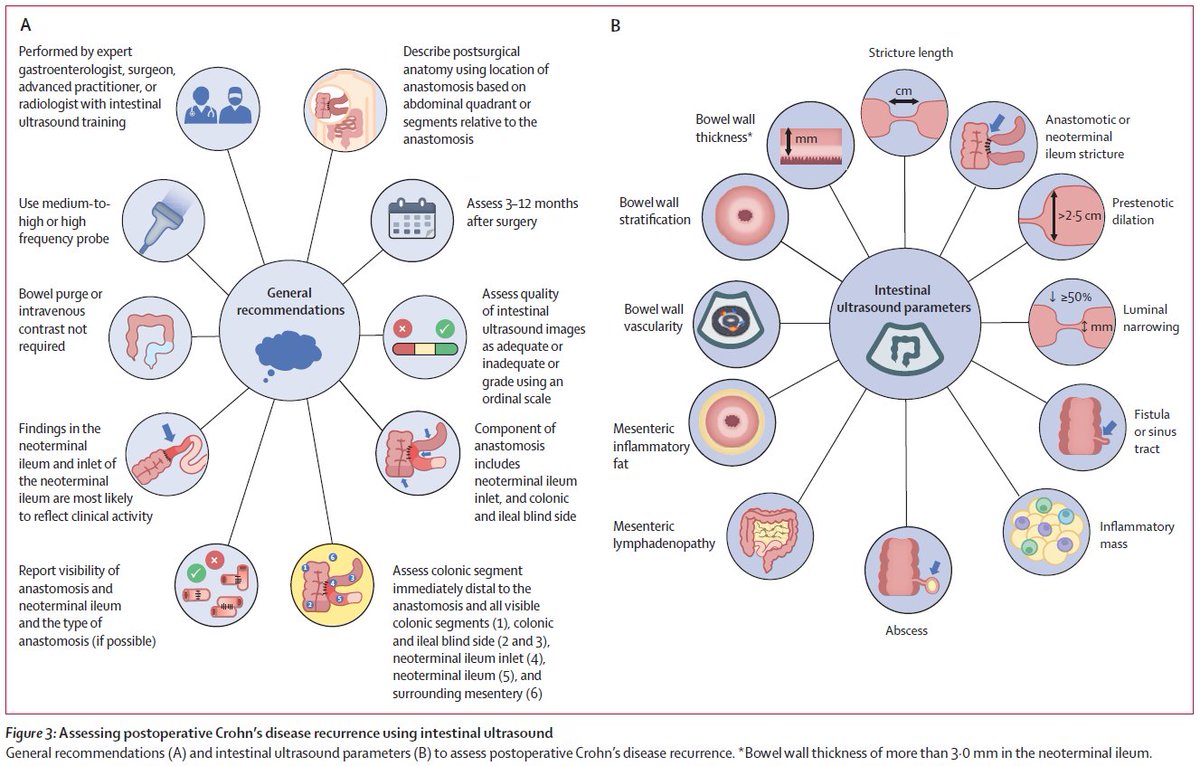
New - Intestinal ultrasound to detect postoperative recurrence in patients with Crohn's disease: an international, multidisciplinary, RAND/UCLA appropriateness method study
thelancet.com/journals/langa…
#GITwitter #MedTwitter
21
41
6,412
Passisd Laoveeravat retweeted

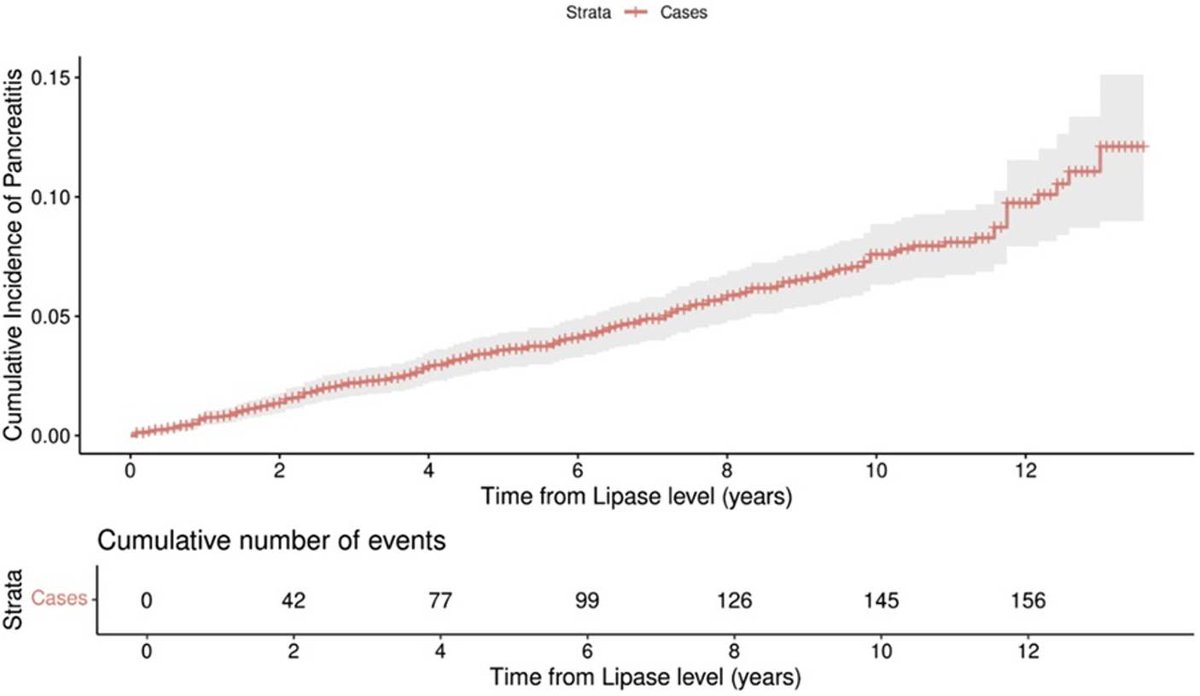
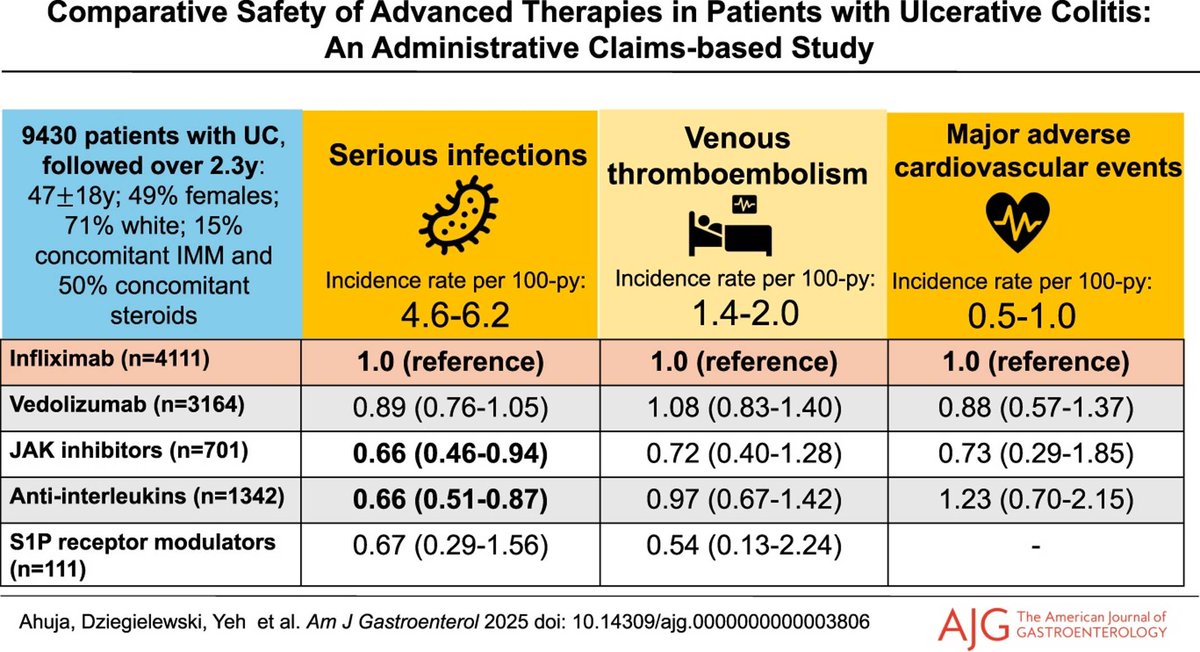
Comparative Safety of Advanced Therapies in Patients With Ulcerative Colitis: An Administrative Claims-Based Study
Ahuja, et al.
📕 doi.org/10.14309/ajg.0000000…
@vipuljairath @MLongMD @JasmohanBajaj
10
18
5,713
Passisd Laoveeravat retweeted

May 19
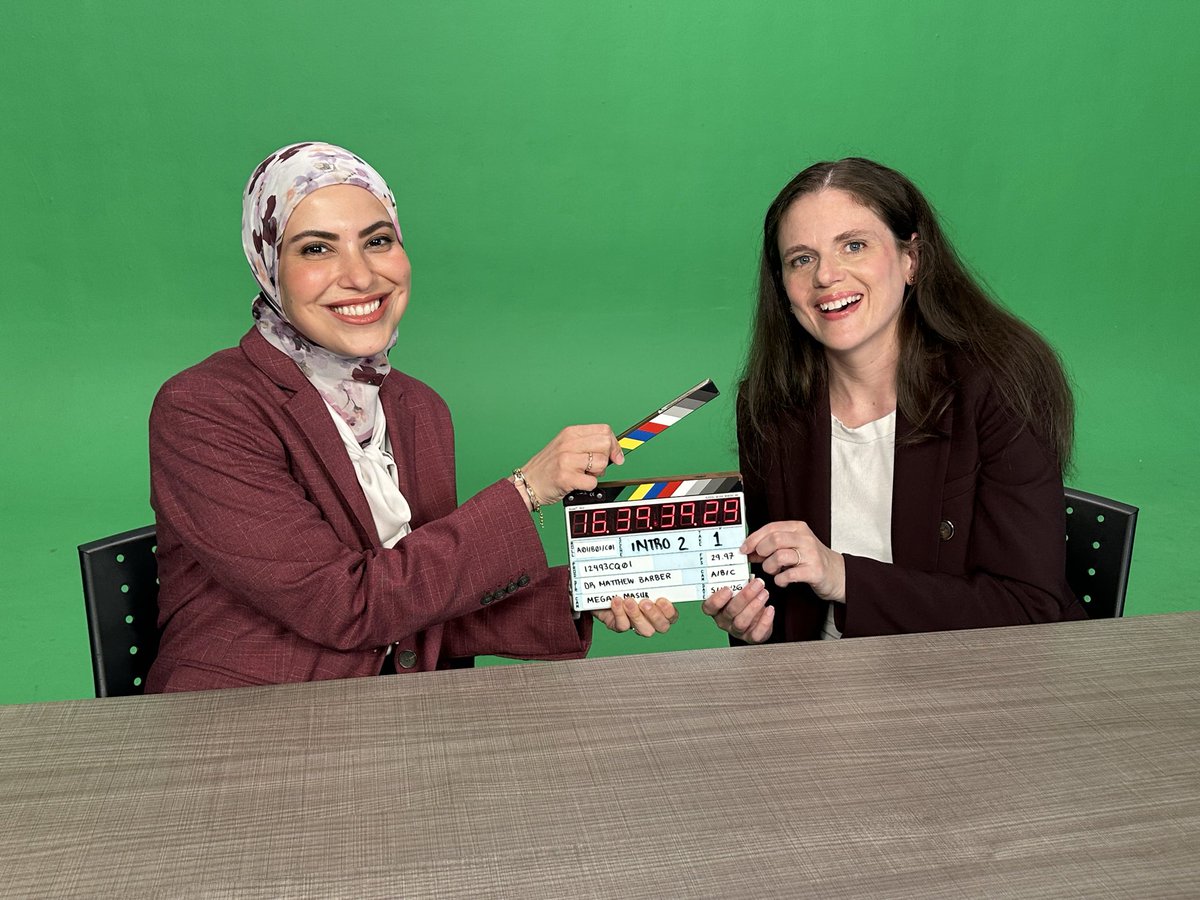
Lights, camera, awareness 🎬💜 Spending #WorldIBDDay with @pedsIBDdoc talking about the IBD research and education. Thanks for having us #PSLGroup!
5
31
1,076
Passisd Laoveeravat retweeted

2 comments & would love to hear takes @EdBarnesMD @MaiaKayalMD @phillyIBDdoc.
1. Generally - it seems biologics work for CDLP >> pouchitis. BUT -the opposite for abx.
2. This study adjusted for factors- I’m curious if # of prior tx is THE 🔑 factor?

I like this by @EdBarnesMD @MaiaKayalMD @AmJGastro @AmCollegeGastro
🟢Pouchitis CDLP
🟢Ust vs aTNF
🟠no diff. (Table 2) - maybe Ust?
🔑CDLP response > pouchitis (Fig 1)
A recurring theme in this space
This is a tough study to do - I appreciate it.
journals.lww.com/ajg/abstrac…
1
5
1,102
Passisd Laoveeravat retweeted

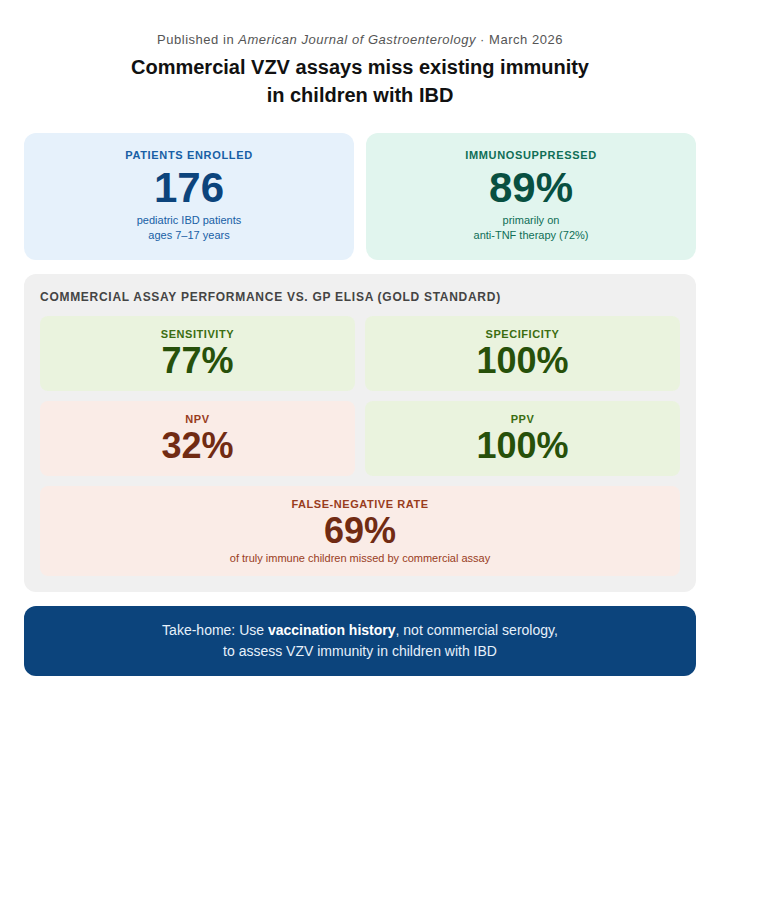
Checking VZV serology in patients with #IBD before immunosuppression? Our new @AmJGastro study shows commercial assays frequently miss existing immunity. Take-home: vaccination history > serology. #GITwitter @NASPGHAN @caldera_labIBD @AmCollegeGastro
journals.lww.com/ajg/pages/a…
5
21
1,032
Passisd Laoveeravat retweeted
DDW 2026 delivered another exciting year for the IBD community with major updates in disease modification, oral immunology, fistulizing Crohn’s disease, and combination therapy.
Through IBD Library™, we are excited to launch a new educational series:
“Presenting Author’s Top 5 Picks from DDW 2026”
The first edition features top abstract picks from : @AsadurRahman87 Asad ur Rahman MD, Director Inflammatory Bowel Disease Center, Cleveland Clinic Florida.
Concise, practical, and clinically relevant insights from DDW 2026.
IBD Library™
@AmerGastroAssn @DDWMeeting @CCYANetwork @gastroendonews
@IBDProNews @Y_ECCO_IBD
@YOGI_IBD @MondayNightIBD
linkedin.com/posts/ibd-libra…
1
5
16
2,457
Passisd Laoveeravat retweeted

Very proud to announce #GoLive!!
#PouchTrilogy is live & open for beta testing 🎉
🔬 iPouch.org — our #IPAA Consortium to
📚 Pouchology.org — AI interface to >10K pouch articles, evidence-based answers
🩺 Pouchy.org — same, patient-facing
2
22
42
4,148
Passisd Laoveeravat retweeted

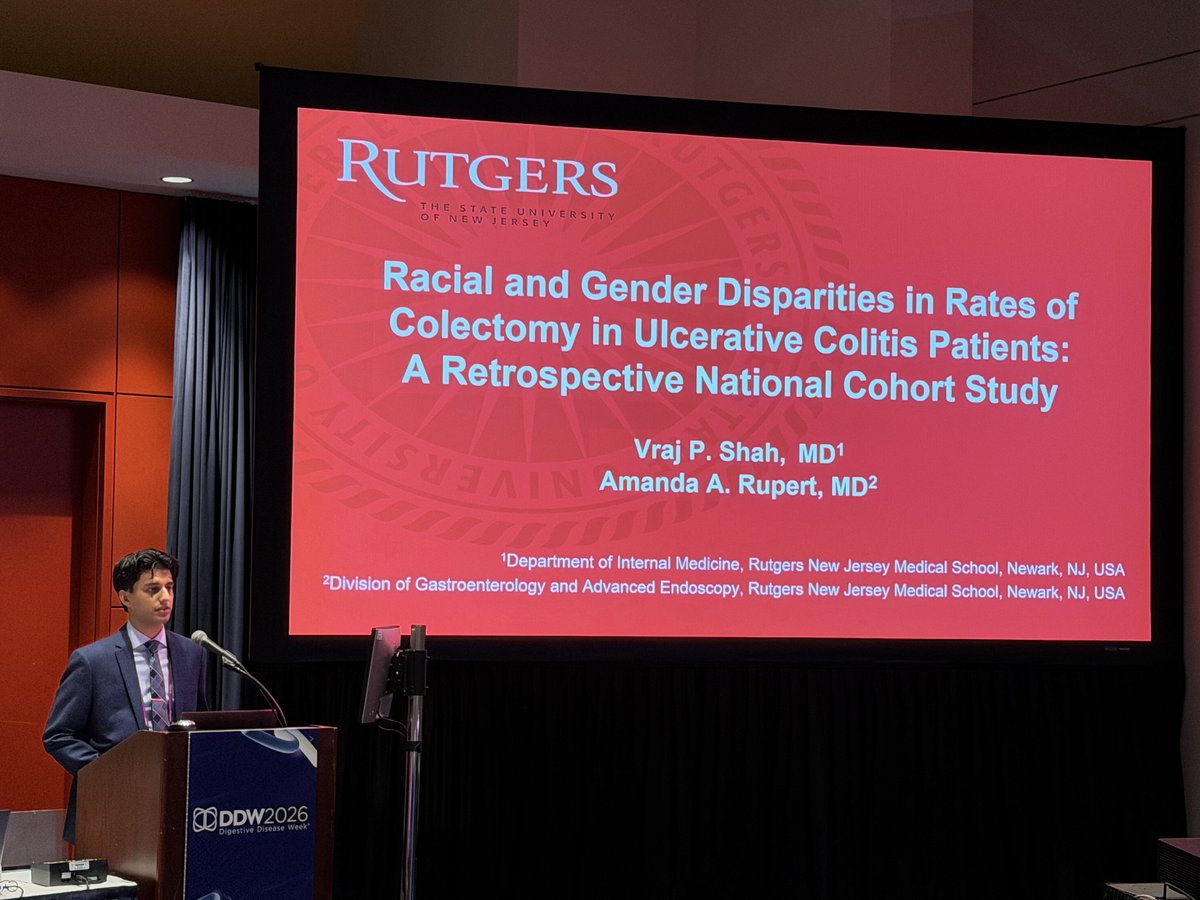
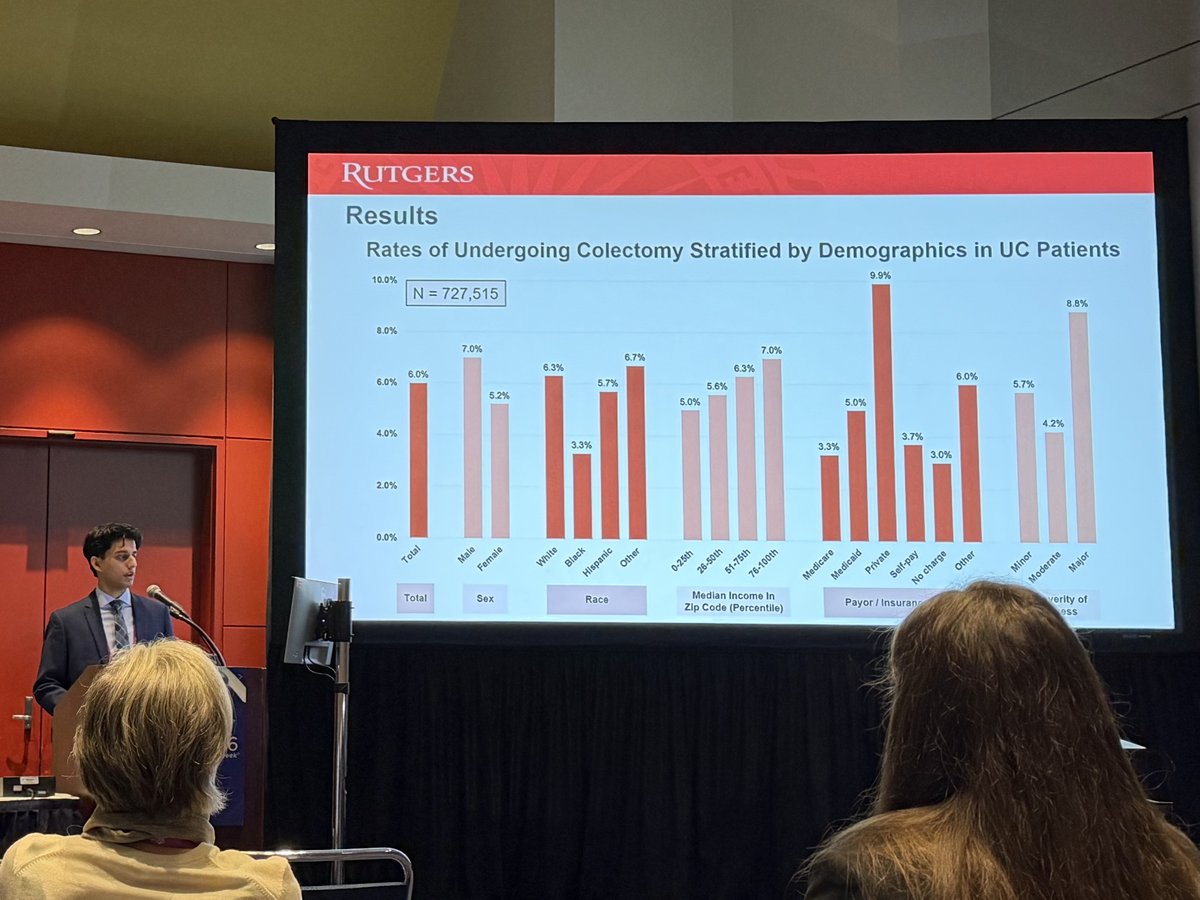
Which ulcerative colitis patients receive colectomy?
At #DDW2026, we analyzed 700K hospitalizations:
📊 Decreased rates in female & Black patients
📊 Increased rates with private insurance
🚨 Racial disparities greatest in emergent admissions
⚖️ Equity in UC remains critical
1
2
11
338
Passisd Laoveeravat retweeted
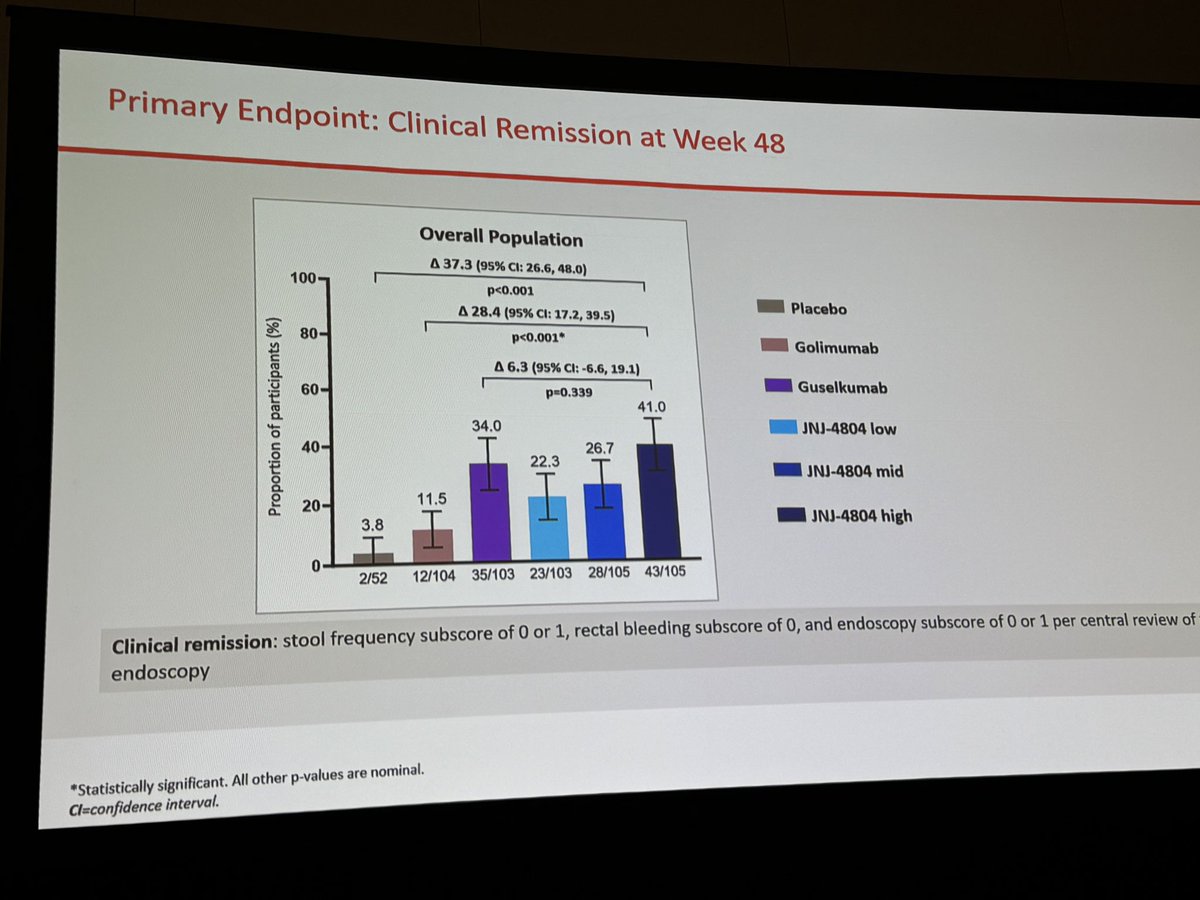
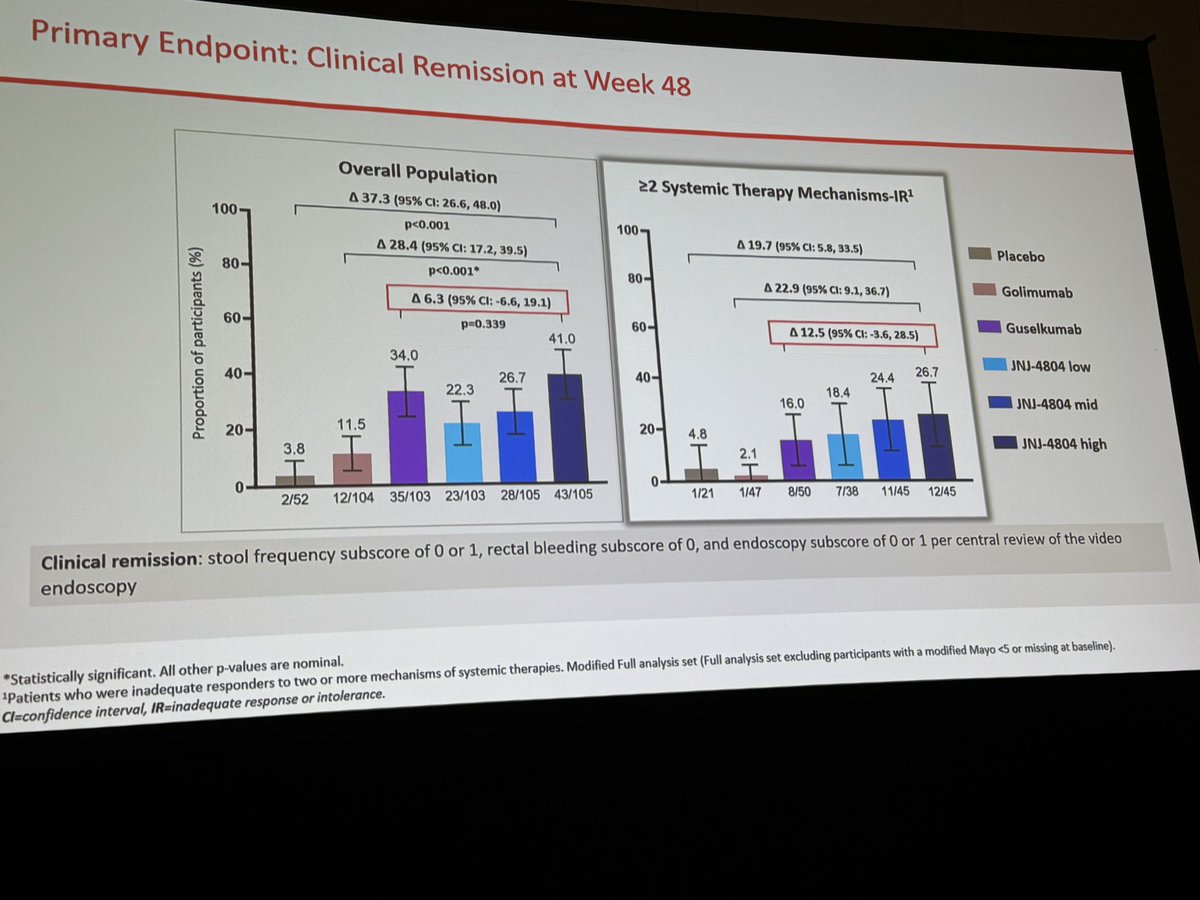
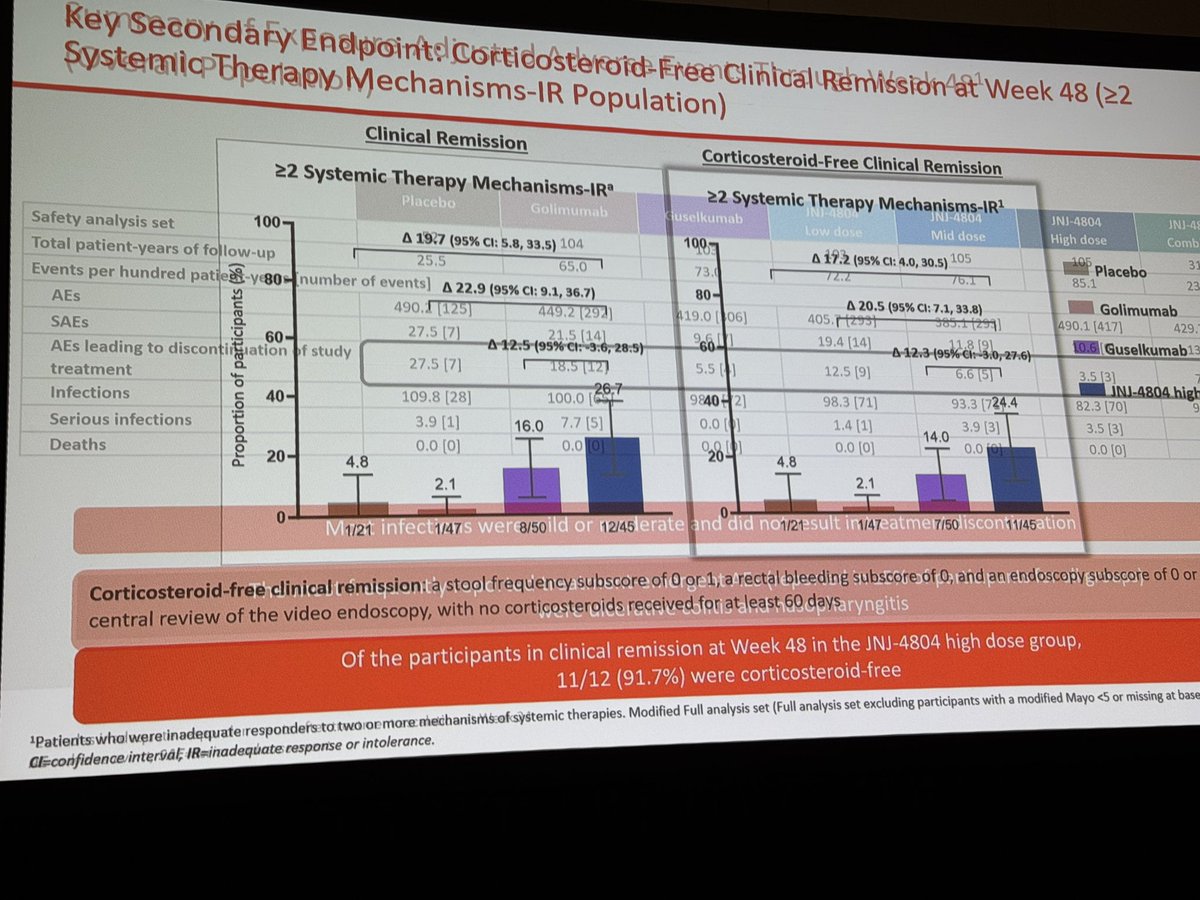
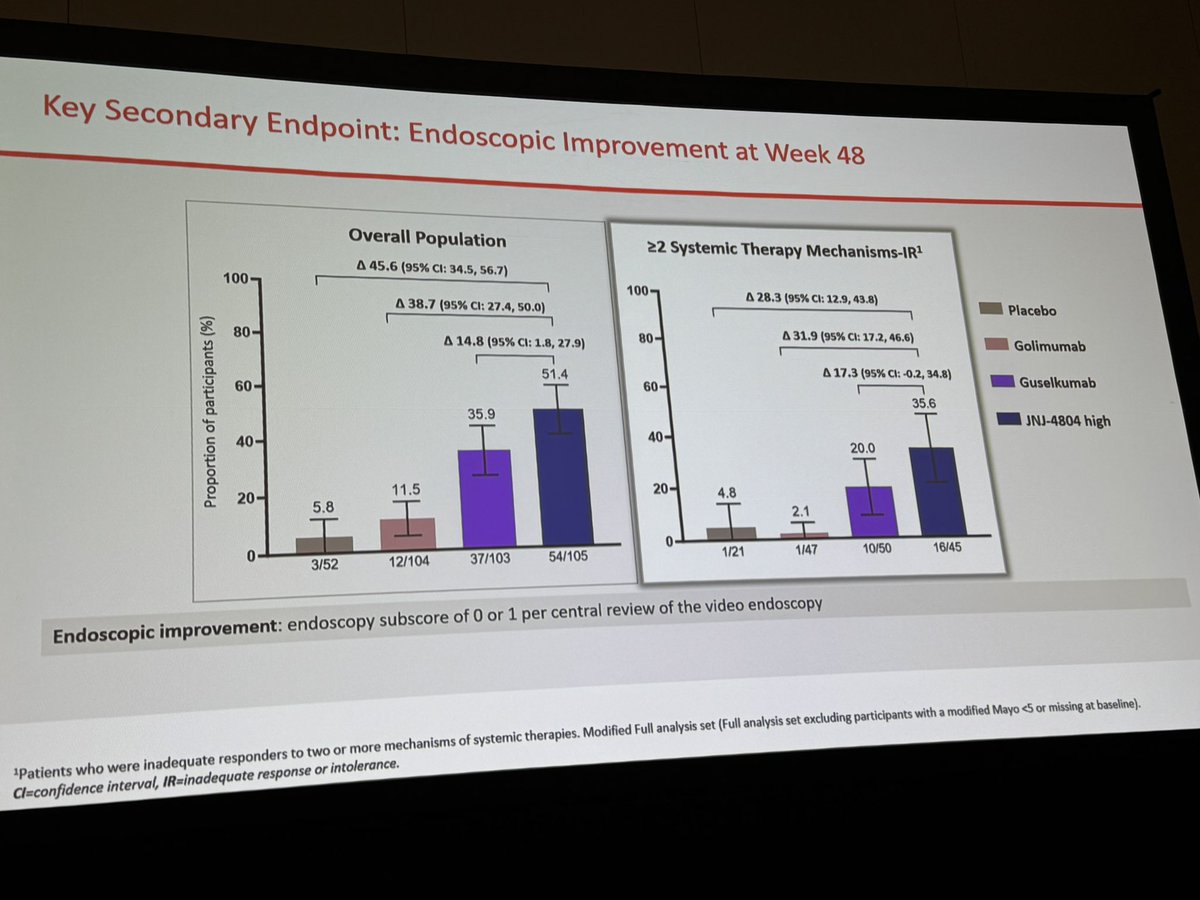
Lesson: The combination isn't a blanket winner over guselkumab alone, but the ≥2 prior therapy failure subgroup is the real clinical target and that's where the additive effect of dual IL-23 TNF blockade becomes apparent.
Perhaps, mirrors the immunological logic: the more refractory the disease, the more likely multiple pathways are driving inflammation simultaneously, and the greater the potential benefit from dual targeting
More to learn !!!
Thanks for sharing @EdwardLoftus2 #DDW2026
@Bealoquebea @DCharabaty

DUET-UC: the high dose GOL- GUS combo was better than GOL mono but not GUS mono for clin rem. Better in the >2 systemic rx failure subgroup #DDW2026 @DDWMeeting
6
15
1,414
Passisd Laoveeravat retweeted

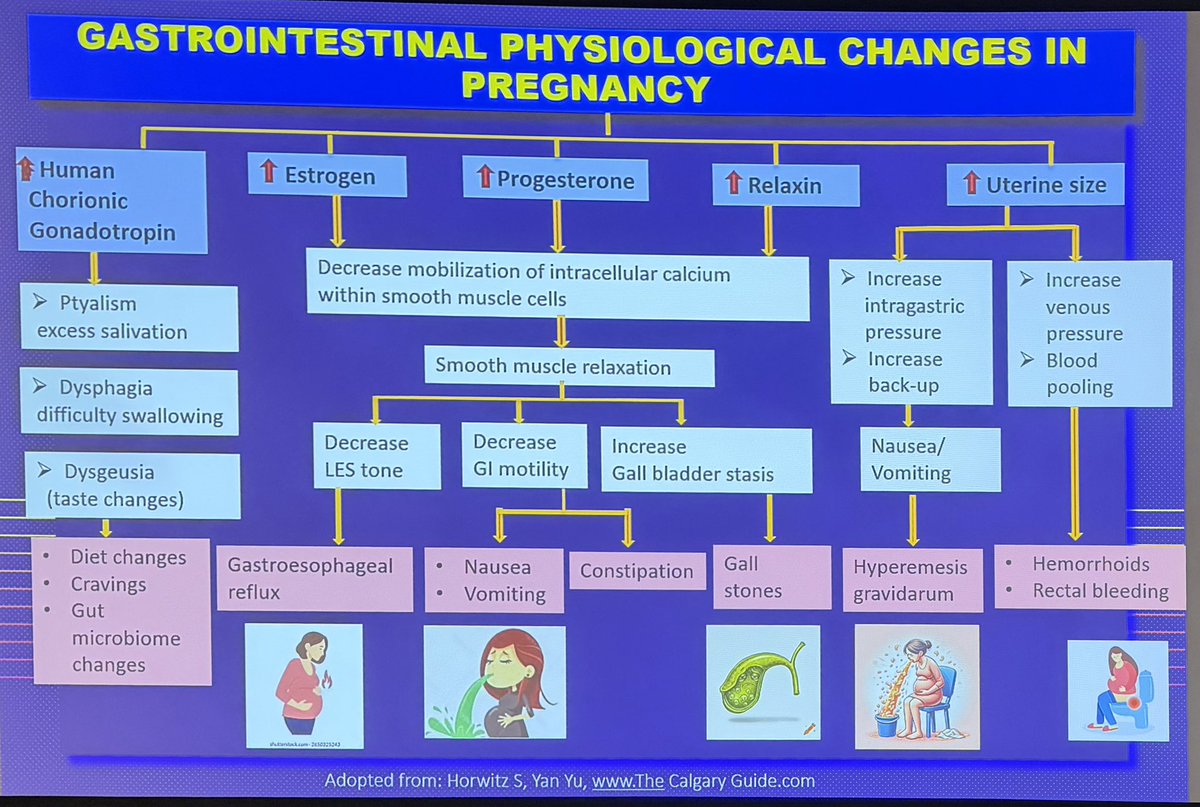
What happens to the gut during pregnancy? Great summary from Satish Rao @DDWMeeting @PIANOIBD
2
25
55
3,194
Passisd Laoveeravat retweeted
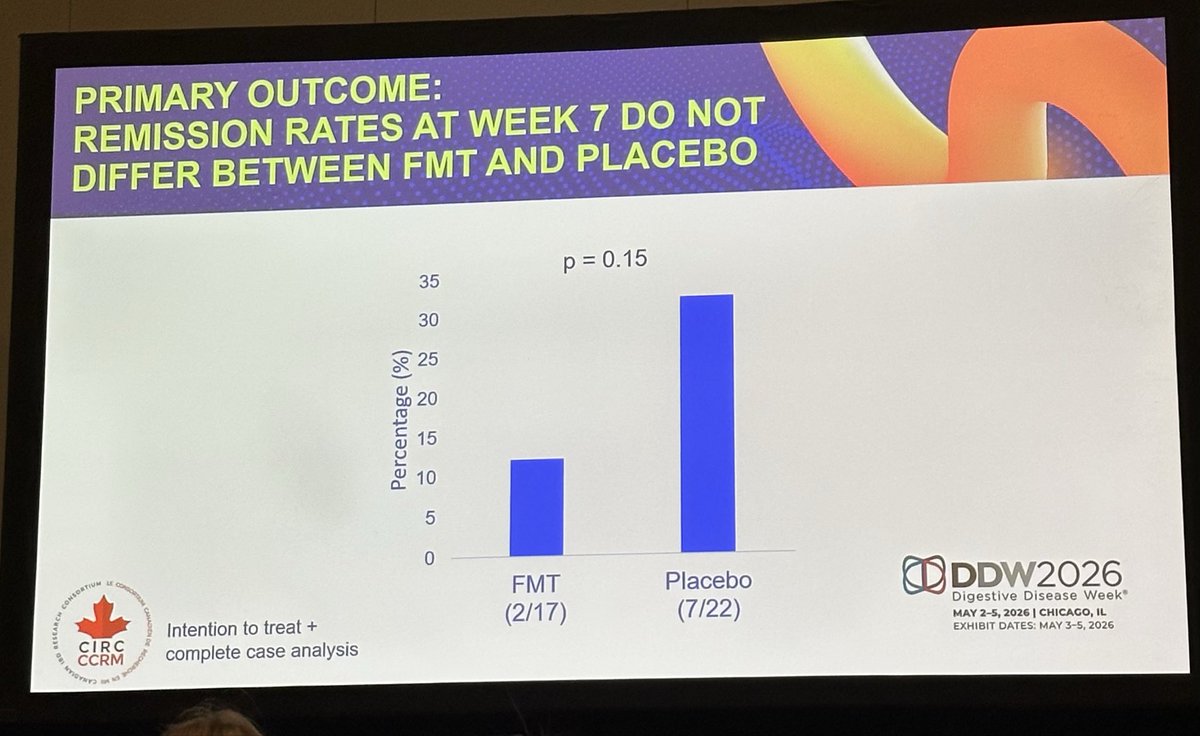
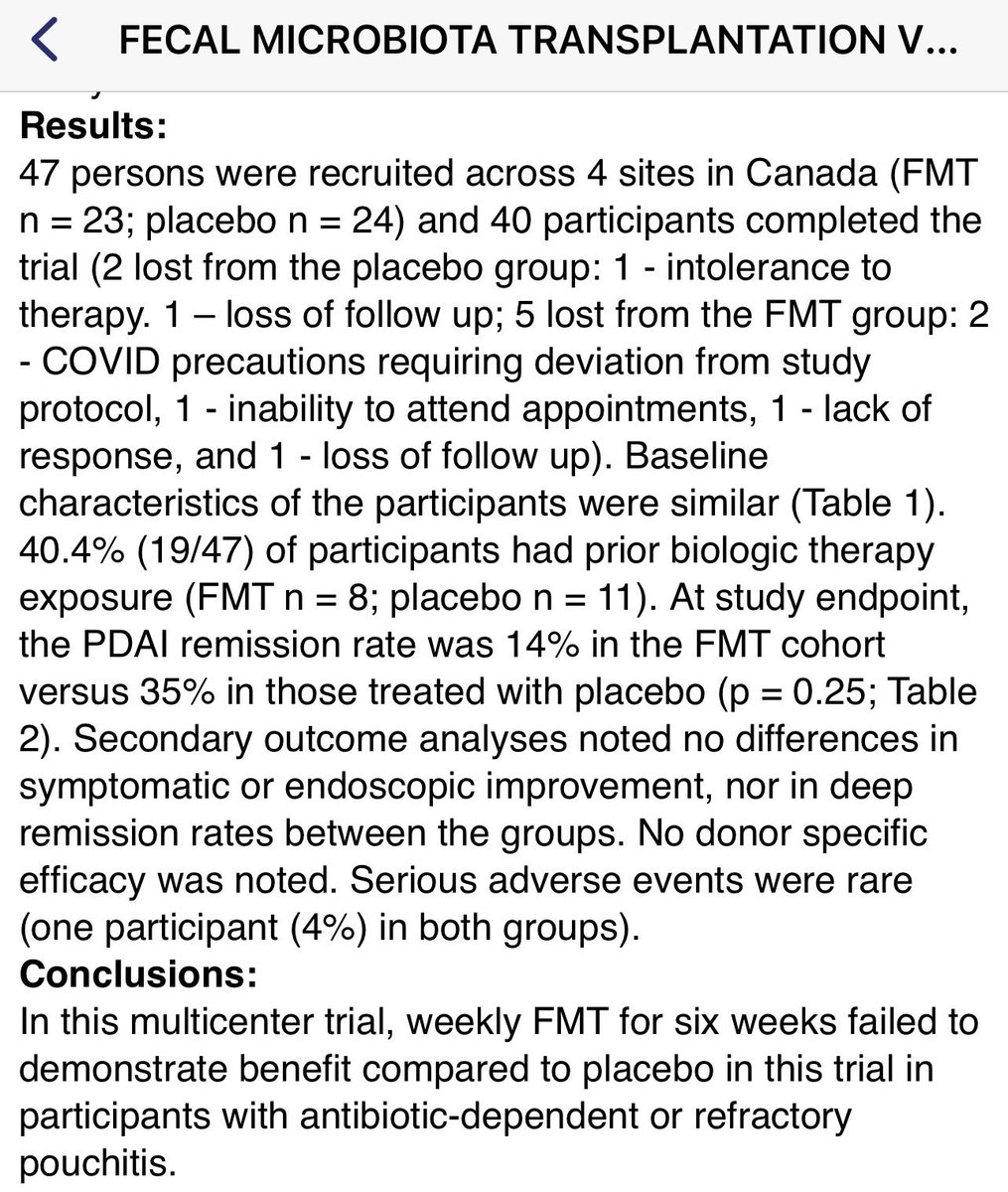
FMT didn't beat placebo in pouchitis at #DDW2026. Worth pausing before burying the concept. PDAI may have validation issues and & limited responsiveness to treatment. Suggestion: future pouchitis RCTs should combine central endoscopy reading, fecal calprotectin & validated PROs. My take: Let's build better trials before better therapies. @rafeeq_rm @MaiaKayalMD
#Pouchitis #DDW2026
May 5

FMT in pouchitis, study presented by team from Canada. FMT was not beneficial compared to placebo. Could this be due to the problems associated with PDAI, the tool used to measure pouchitis activity? DDW2026 IBD
1
3
13
1,294
Passisd Laoveeravat retweeted
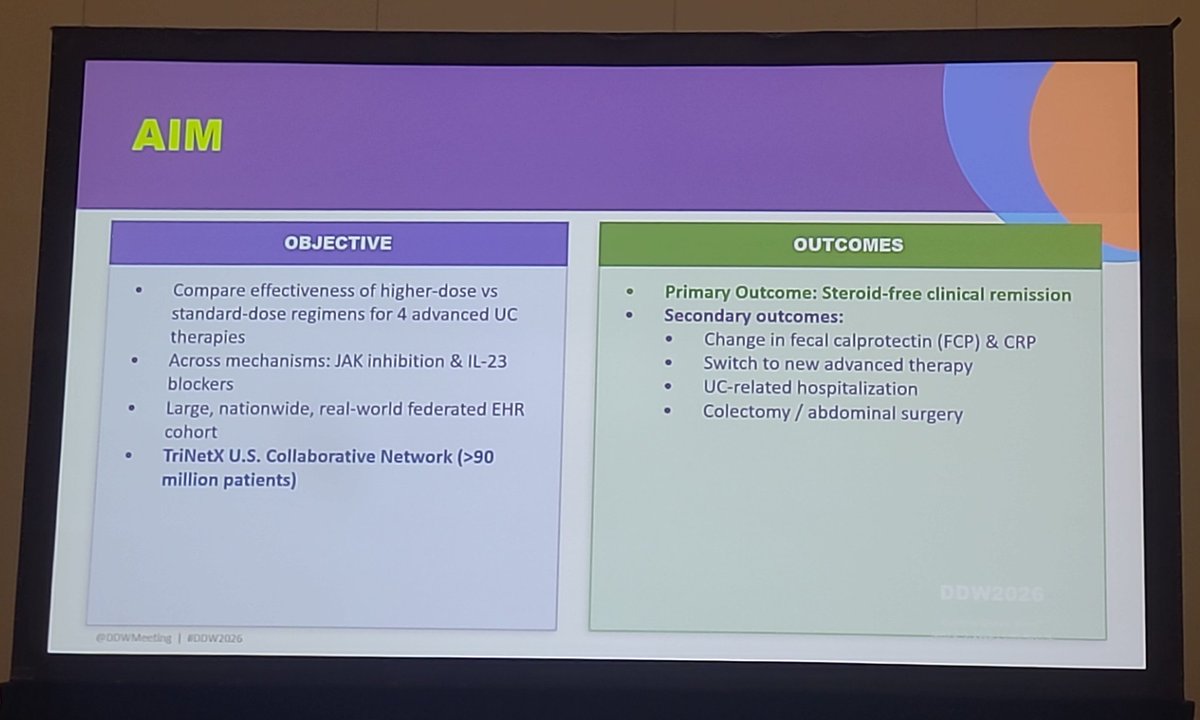
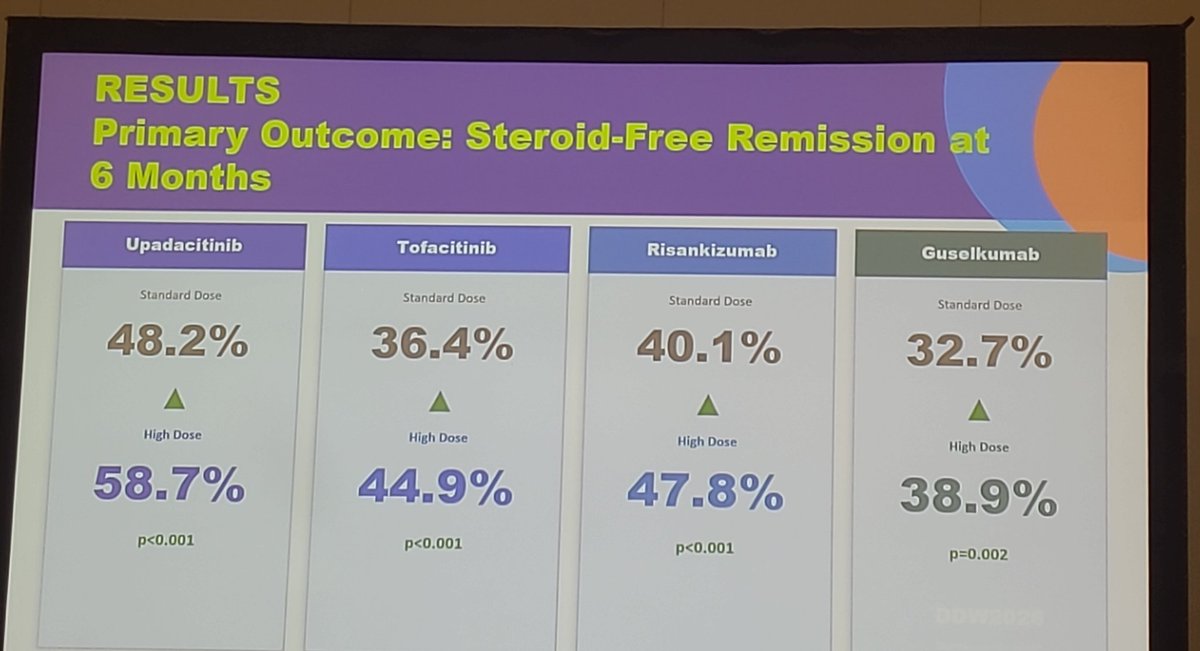
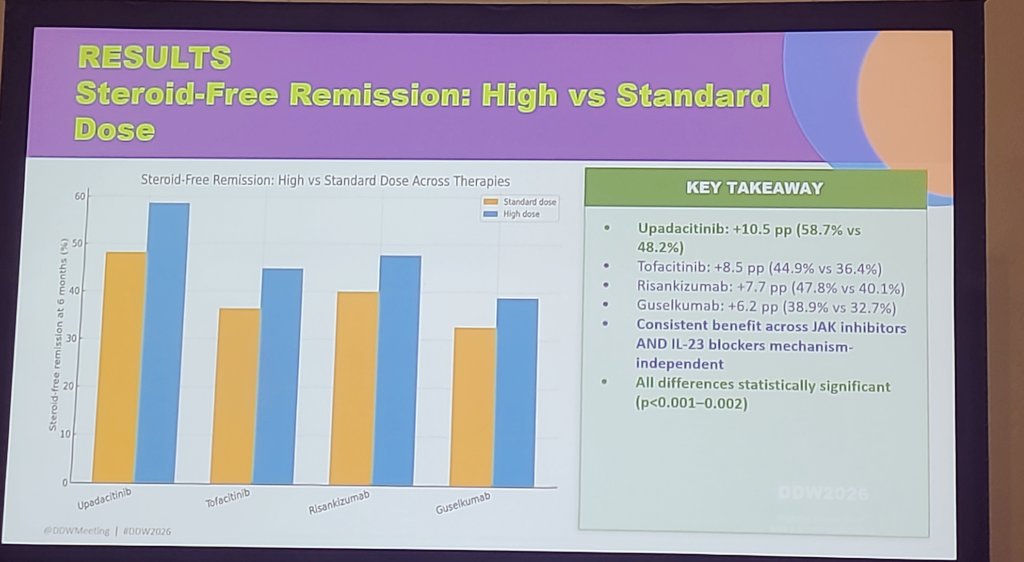
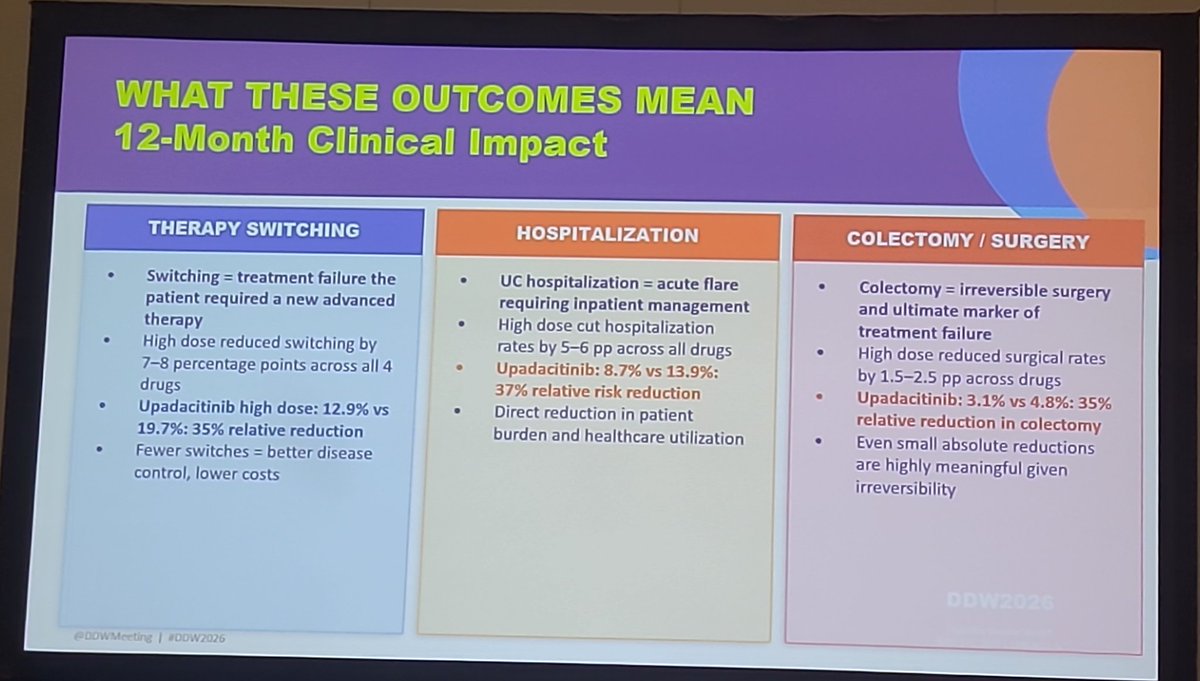
Higher-dose advanced therapies in #UC →
✅ ↑ Steroid-free remission
✅ ↓ Fecal calprotectin & CRP
✅ ↓ Hospitalization, switching & surgery
👉 Consistent benefit across JAKi & IL-23
#IBD
Presented by Ahmed Salem
@DDWMeeting #ddw2026
2
11
28
1,236
Passisd Laoveeravat retweeted
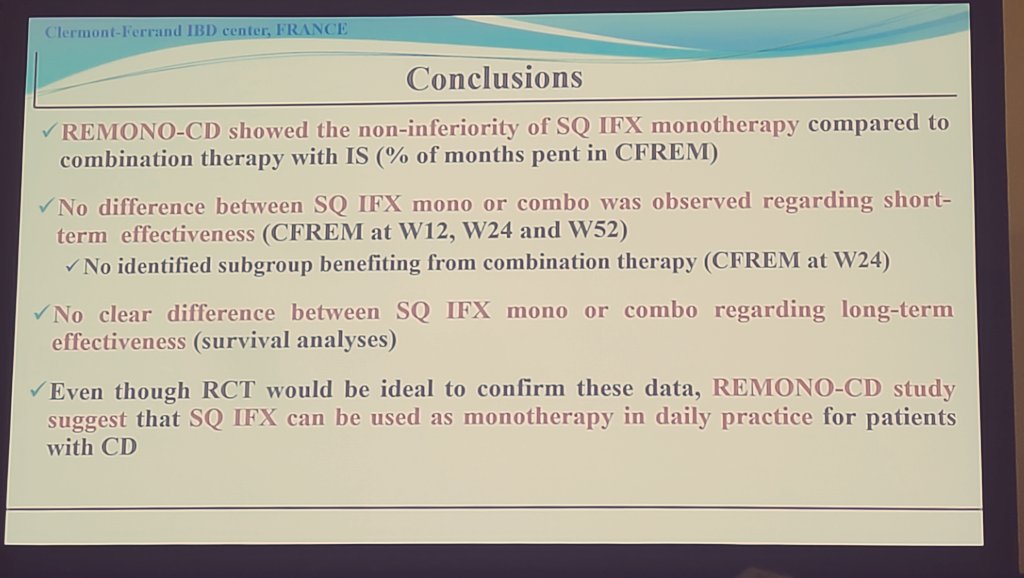
Subcutaneous IFX monotherapy vs combination with immunosuppressants in #Crohns:
✅ Non-inferior efficacy
✅ No difference in short- or long-term outcomes
✅ No difference in hospitalization
✅ No difference in structural disease progression
Presented by @BuissonPr
@DDWMeeting #ibd
1
3
14
2,065