
NeuroAI researcher @ Amaranth Foundation, safety, open science. Previously engineer @ Google, Meta, Mila.
Joined April 2011
- Tweets 5,499
- Following 2,538
- Followers 23,140
- Likes 10,480
794 Photos and videos
Pinned Tweet

2 Dec 2024
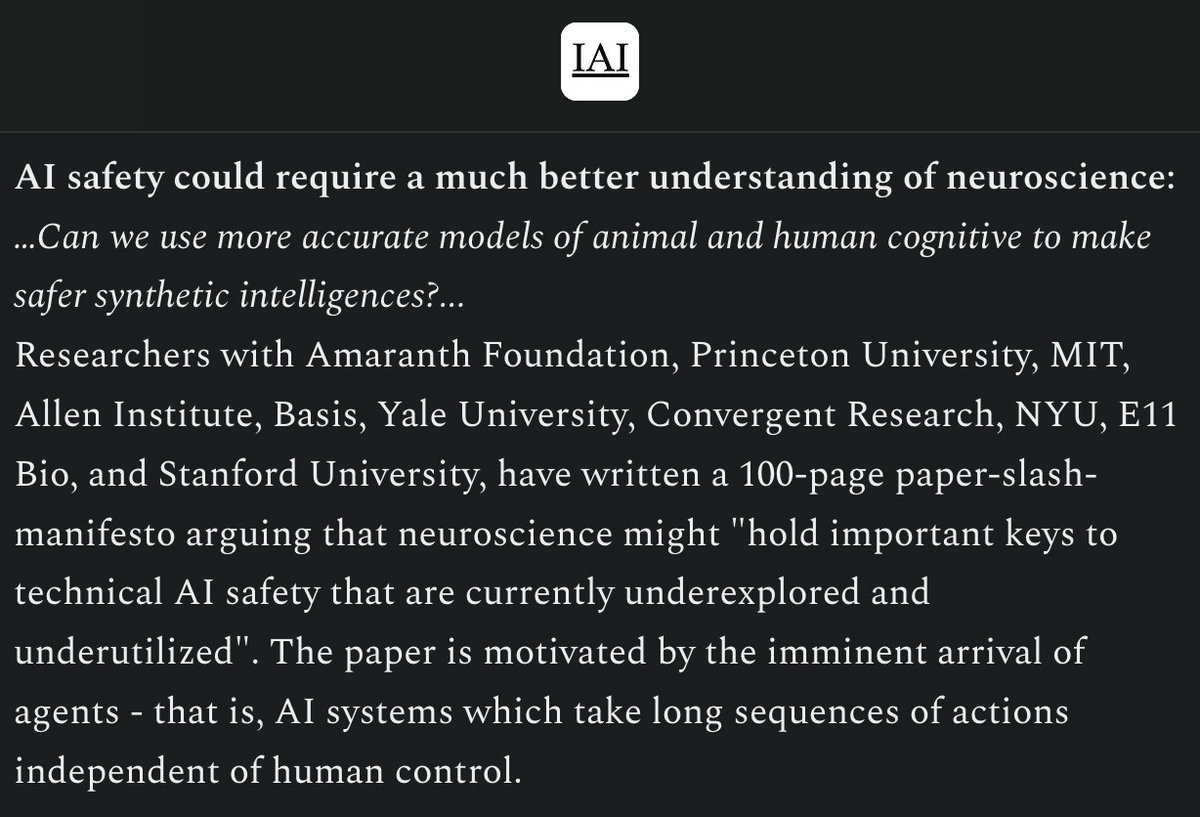
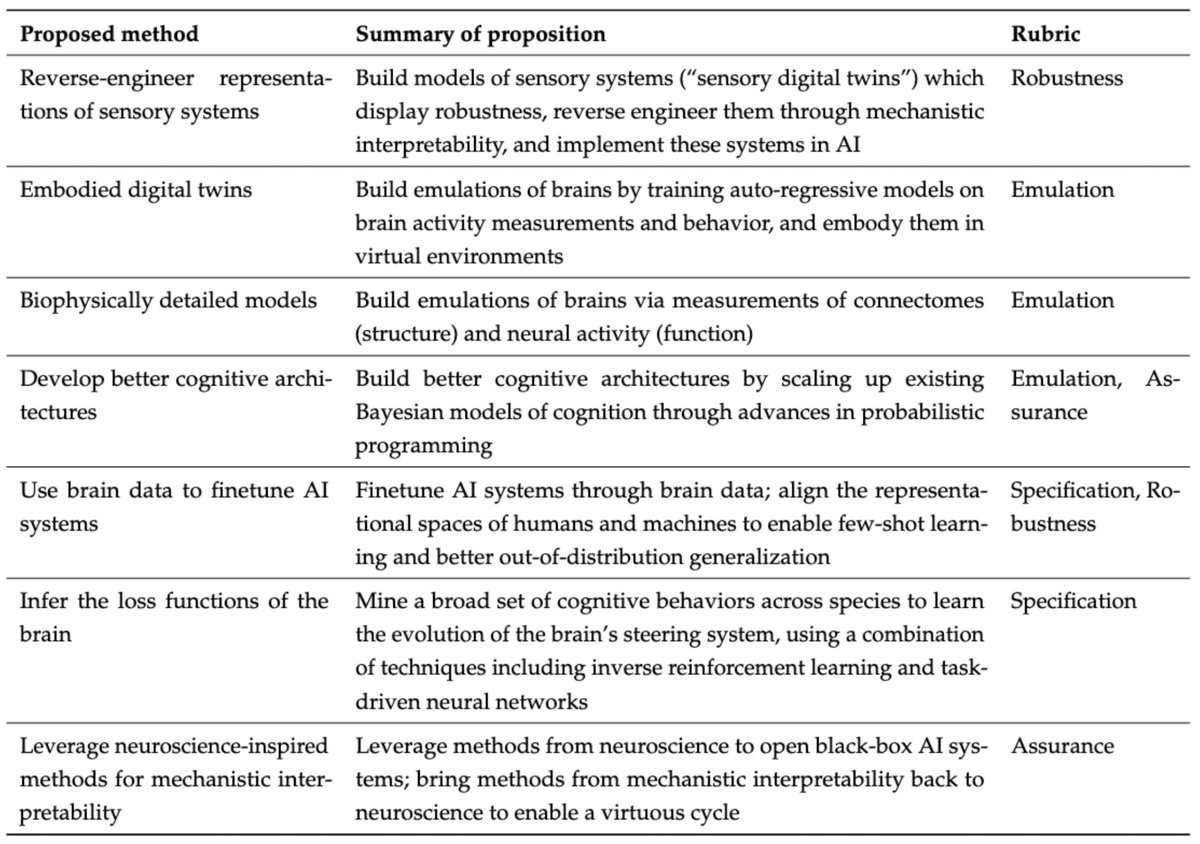
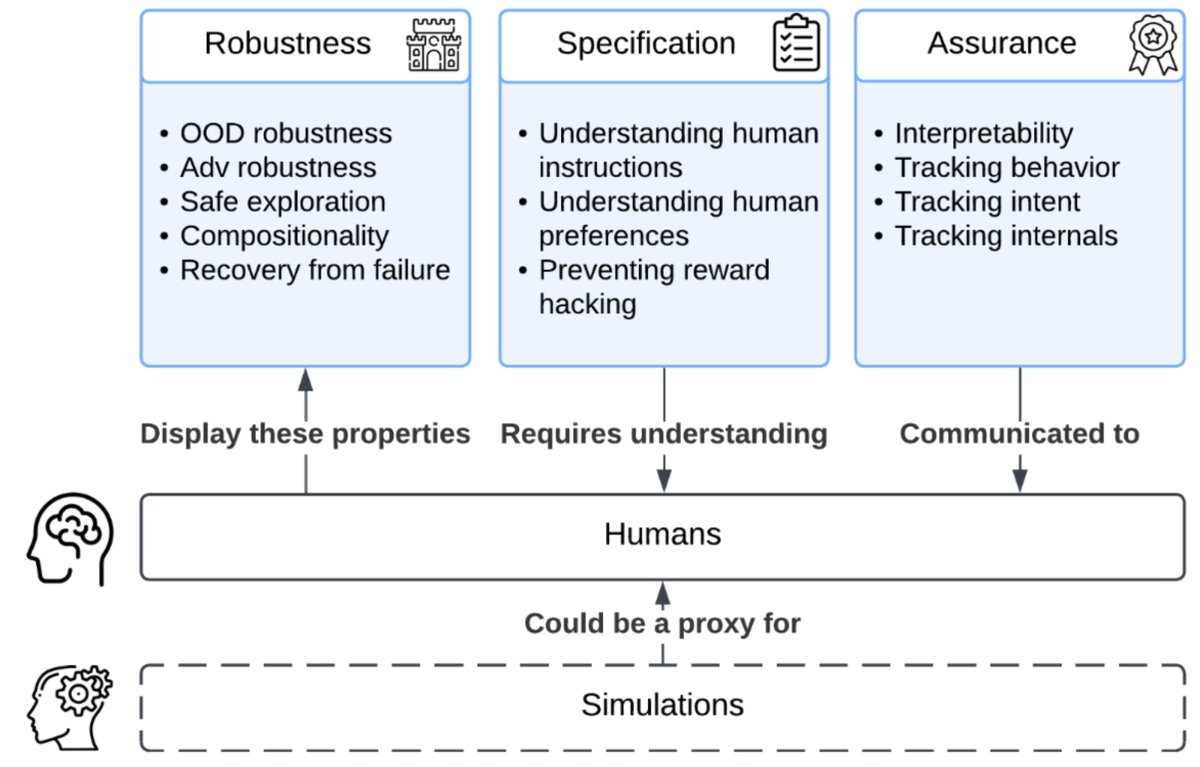
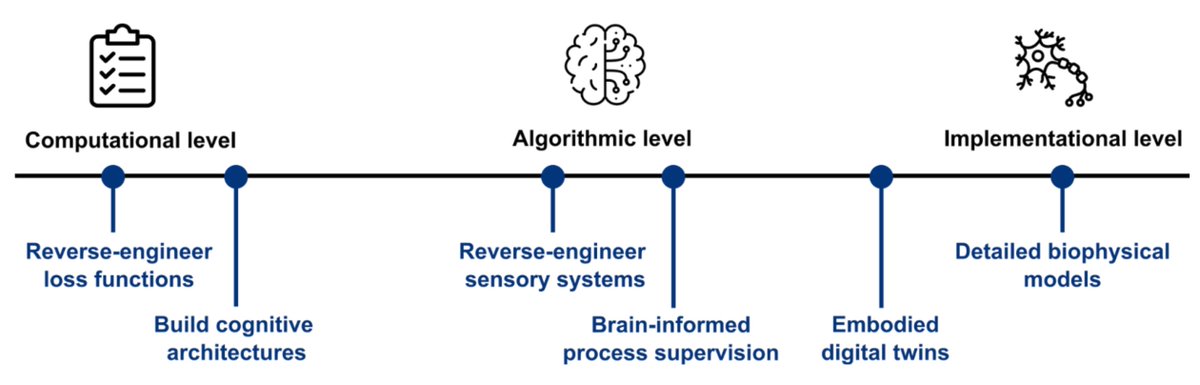
Excited to release what we’ve been working on at Amaranth Foundation, our latest whitepaper, NeuroAI for AI safety! A detailed, ambitious roadmap for how neuroscience research can help build safer AI systems while accelerating both virtual neuroscience and neurotech. 1/N
18
101
374
109,099
Patrick Mineault retweeted

Jun 11
Lots of people in biology writing about China focus on clinical trials as the source of speed. Clinical trials are important, but China is doing lots of things to make things go faster. Everything is vertically-integrated in a way that will be difficult for the U.S. to match.
Consider BCIs:
The most recent five-year plan (adopted in March 2026) lists brain-computer interfaces as one of six “frontier” technologies to be prioritized in China through 2030. When the government sets a national strategy, the country organizes around it.
Many of the LPs in China’s VC funds are government. Many VCs are focused on specific regions. These regional VCs often make investments into companies that are contingent on those companies moving to their city. Hangzhou is wealthy right now, and so they are investing in BCI companies and coaxing them to move into the area. Valuations for BCI companies go up, because the VC funds want to compete under this five-year plan handed down by the central government.
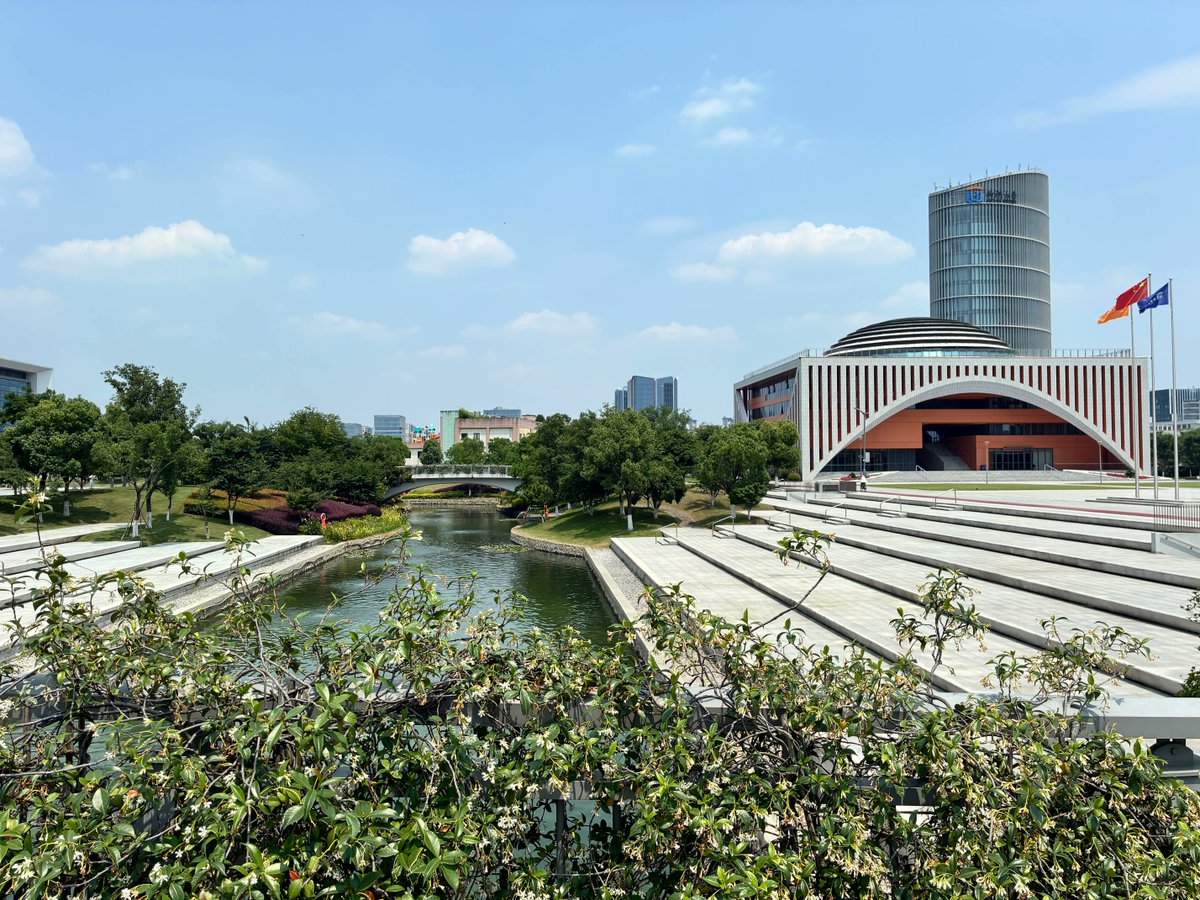
As the companies come in, the region builds infrastructure. Shanghai, for example, already has an entire floor in a hospital that just implants BCIs into patients. Across the street, construction has begun on a hospital devoted solely to BCIs. There are many non-human primate facilities nearby,so companies can rapidly implant their devices. Not far away, at Fudan University, is one of the world’s largest brain imaging centers for research, with many 3T, 5T and 7T MRI machines. This is all located in a relatively small area.
The landlords who run the business parks also compete to attract companies. They offer sweetheart deals. We visited one neurotech company that gets 10% of their research costs reimbursed by their landlord.
The government doesn’t sit idly after issuing the five-year plan, either. They also allocate capital to support the priorities. At Westlake University, there is an academic group that designs chips for BCIs. They said that the government reimburses two of their main costs:
1. Subscriptions to Cadence, the software that engineers use to design chips. Each seat costs about $10,000 *per month* in the United States, but this is reimbursed in China.
2. Tapeout costs. When the researchers send their designs to TSMC, those costs get paid back to them. This means BCI researchers can move super fast and don’t need to worry as much about raising capital ahead of time.
And then, of course, there are the clinical trials. BCIs can be implanted under existing IIT (or investigator-initiated trial) rules, which enables these companies to move faster than their U.S. counterparts. There are apparently a dozen-plus BCI companies in China now, many of them quite new. STAIRMED and Gestala are explicitly competing with Neuralink and Merge, for example, and seem to be making rapid progress.
Similar rules apply to other biotechnologies. Vertical-integration like this is difficult to match in a capitalist republic.
15
43
179
15,595
Patrick Mineault retweeted

Jun 11
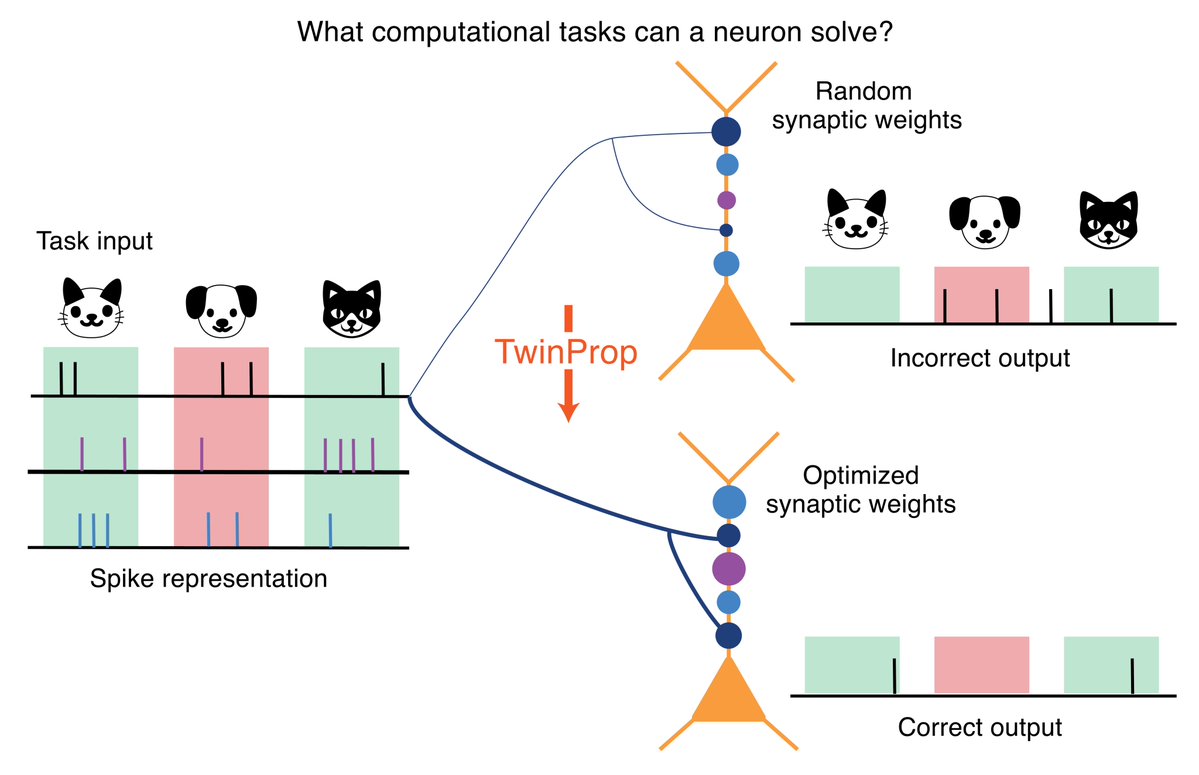
What can a neuron compute?
Real biological neurons are complex, but how capable are they?
Using a new method, we found that a single cortical neuron can classify cats vs dogs, recognize spoken words, and solve 10-bit parity, all tasks thought to require entire networks. (1/15)
50
358
1,864
281,402
Patrick Mineault retweeted

Jun 10
Arguably the most boring step in genomics is the first one: normalization. Settled science. Scale log. Move on.
Except that here's been a huge blind spot in the field. And it matters for AIxBio. A 🧵about what I think may be one of the most important papers I've written. 1/
18
147
669
113,700
Patrick Mineault retweeted

Jun 10
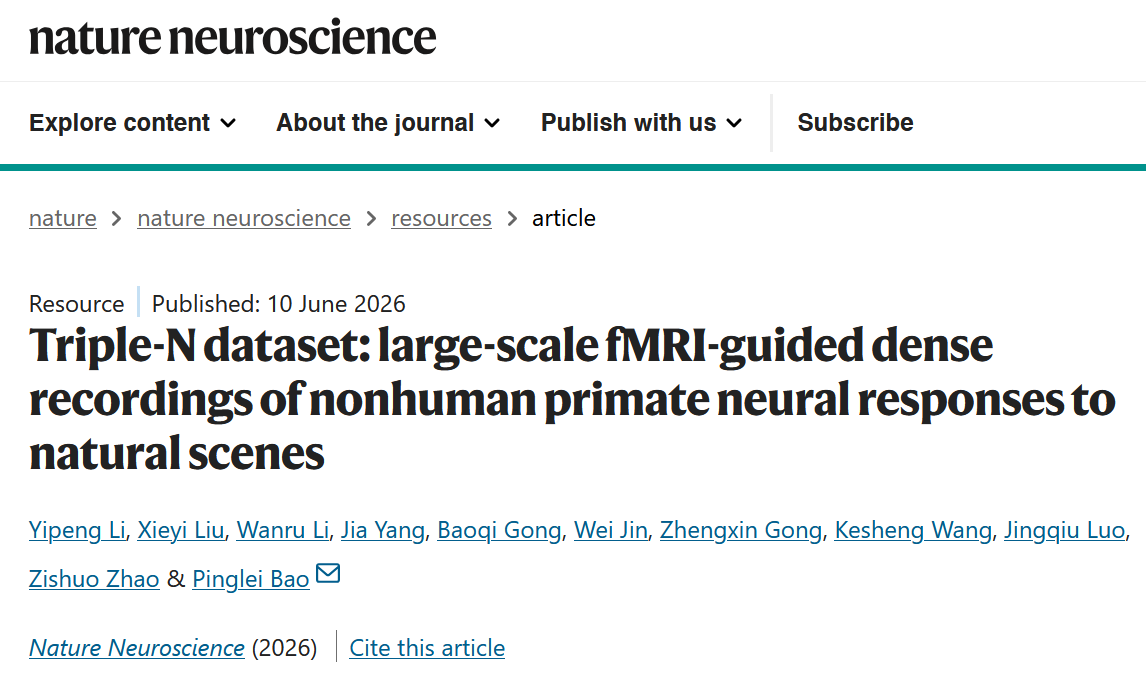
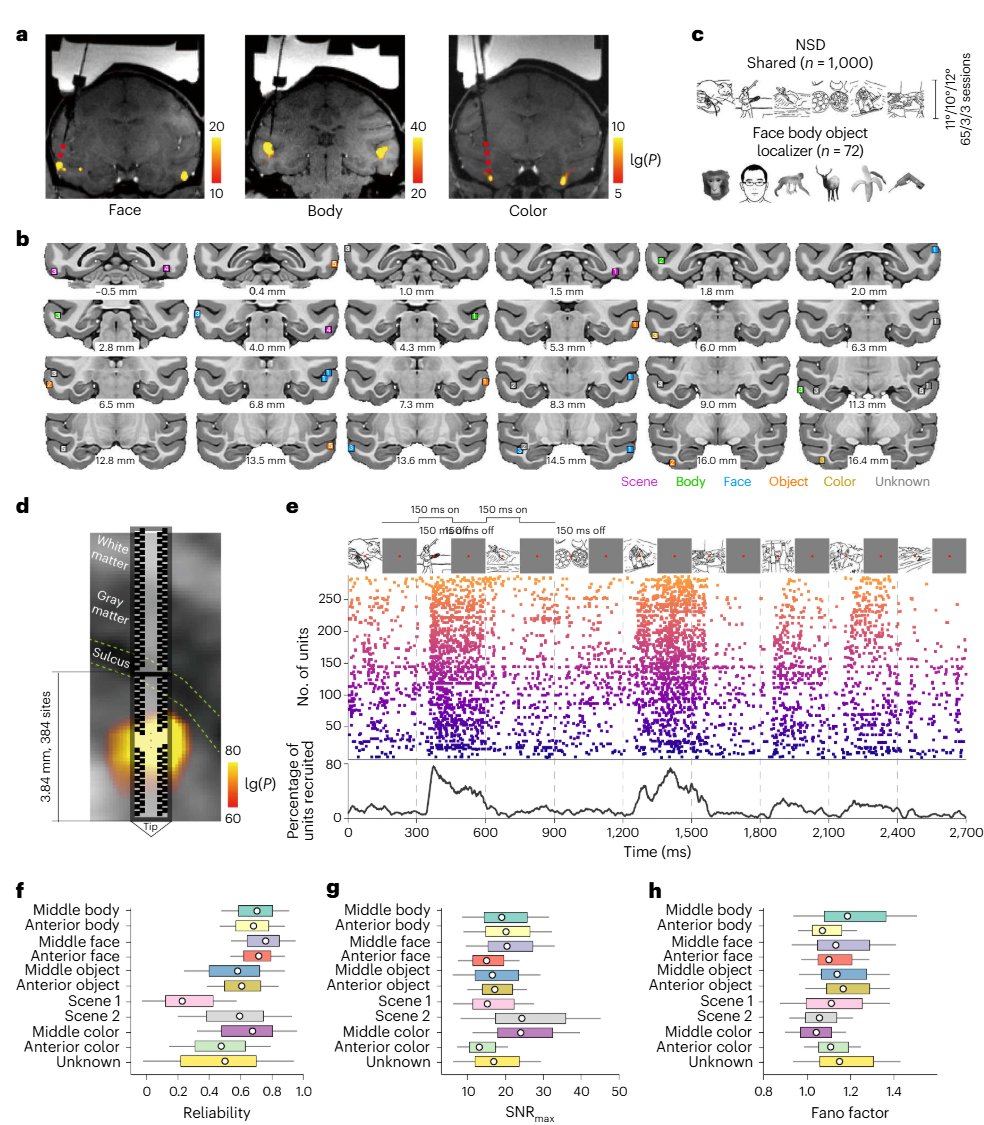
Triple-N dataset published in Nature Neuroscience 🧠Combined fMRI functional mapping dense NHP neural recordings to unpack primate visual encoding of natural stimuli. Open dataset available for the field. Grateful to all collaborators.
1
44
195
15,855
Patrick Mineault retweeted

Jun 9
Just published yesterday, the #BANC! A full central nervous system (CNS) connectome of a limbed animal enables us to trace sensory-motor arcs and understand how the CNS controls the body. rdcu.be/fncjS #neuroscience @Nature, Video by @quorumetrix, sound on! 1/18
2
47
131
25,640
Patrick Mineault retweeted

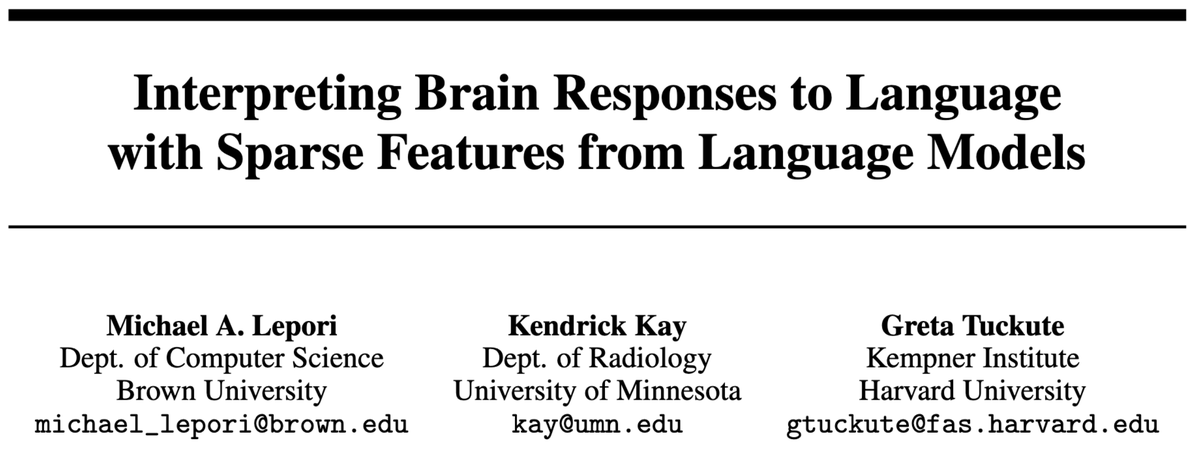
🚨New preprint!🚨
We know that LM representations can be used to predict brain responses to language. But what *features* of these representations underlie this alignment? We use SAEs to find out!
3
29
140
16,082
Patrick Mineault retweeted

Jun 8
This paper is breathtaking! A hybrid of learning and multiview geometry with incredible motion capture results, multi-person *with* contact.

I’ve been capturing 3D human motion for 30 years and today is maybe the biggest day in that history. We are presenting MAMMA at CVPR (oral session 2A). MAMMA is a markerless multi-camera system that has accuracy similar to marker-based systems.
1
6
80
14,478
Patrick Mineault retweeted

Jun 8
New Science Blog: Why has AI advanced faster in coding than in biology?
To agents, bio databases are like cities built before cars—maddening to drive in because they're designed for different traffic.
How do we build infrastructure agents can use?
anthropic.com/research/agent…
312
492
3,649
672,050

Meet Eyewire II: a new connectomic resource for the mouse retina.
~1 mm² of retina at nm resolution, with synapses and circuits of ca. 100,000 neurons visual responses from the ~400 neurons shown in the video!
Preprint: doi.org/10.64898/2026.05.28.…
Data: eyewire.ai/
3
19
62
6,554
Patrick Mineault retweeted

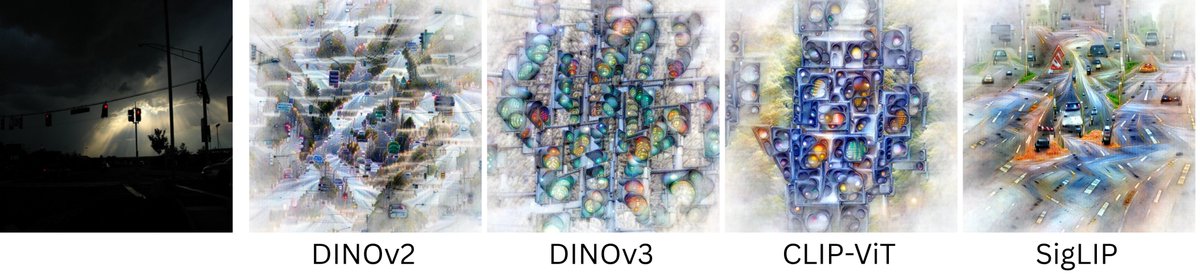
Foundation models dominate vision benchmarks. But how interpretable are their internal features to humans?
We ran a large behavioral study across 6 vision transformers, and found that every foundation model tested falls below the supervised baselines that came before. 🧵
5
23
139
14,311
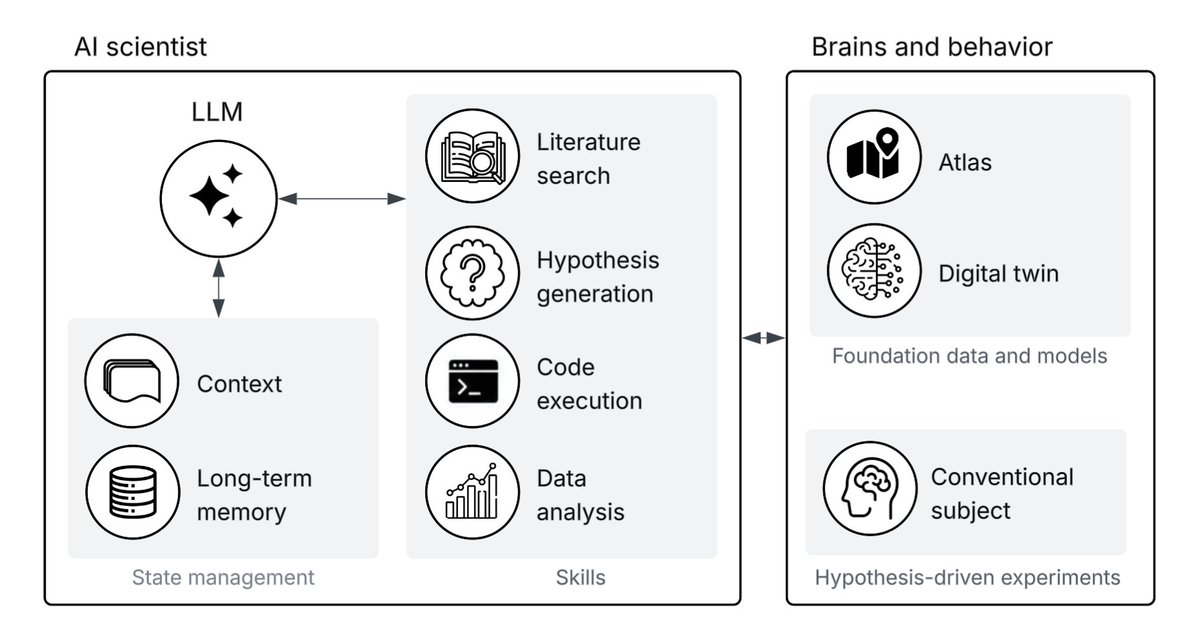
We can't sprinkle AI on top of existing structures and expect *a country of geniuses in a datacenter* to then solve neuroscience. We need a clear-eyed view of how AI neuroscience is supposed to work. I wrote an optimistic but hype-free essay on what ought to be funded.
2
22
1,660
Patrick Mineault retweeted

Neuropixels Opto is out! 🎉🥳🍾🚨 Congratulations to a fantastic team!
nature.com/articles/s41592-0…
65
221
14,400
Patrick Mineault retweeted

Excited to announce a powerful new one-two punch for voltage imaging from our lab and collaborators! In two new preprints, we introduce ASAP6c for high-throughput population spike-recording, and ASAP7yfor deep, subthreshold 2P imaging.
🧵 1/14
5
52
190
18,978
Patrick Mineault retweeted

Jun 1
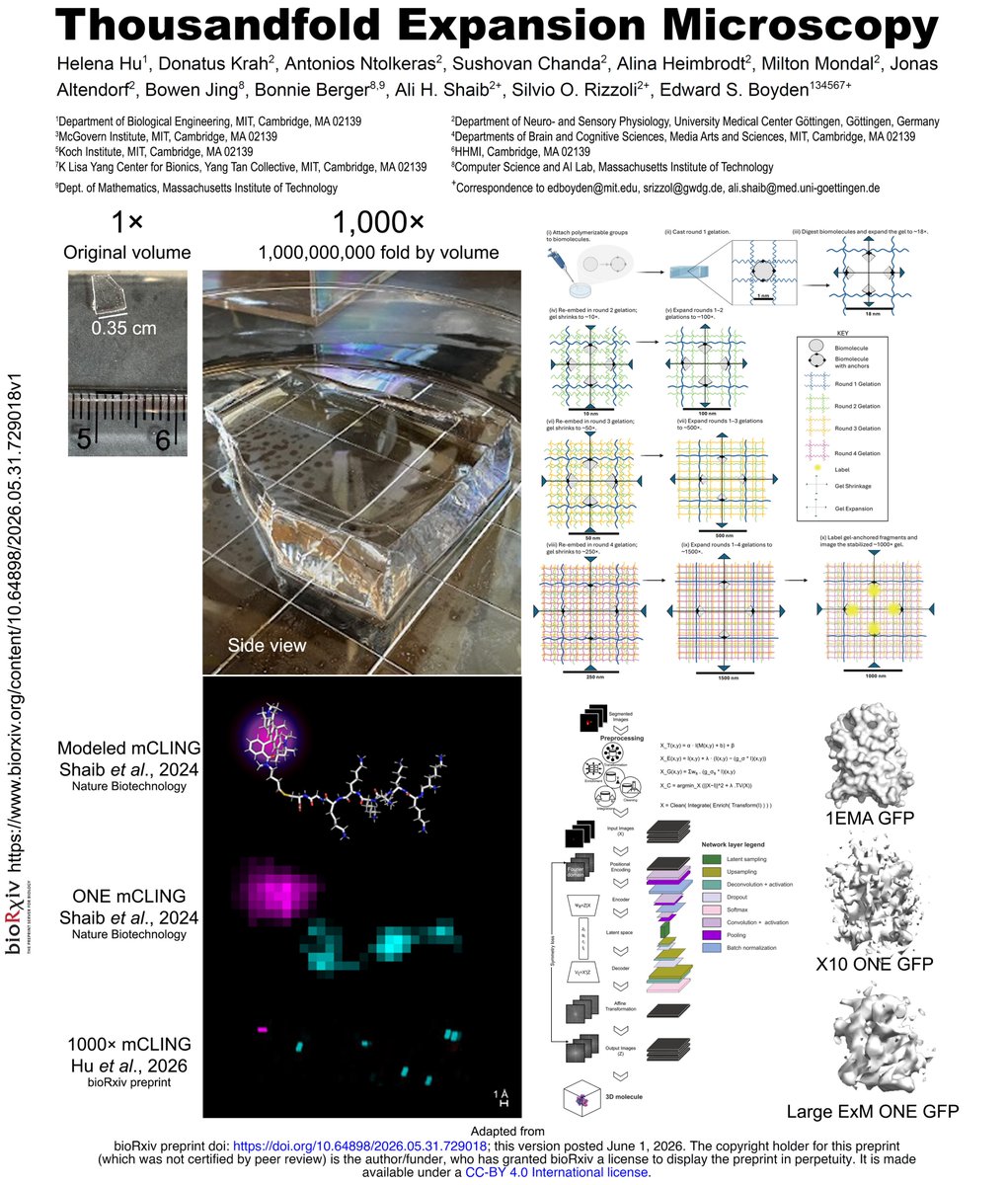
Hello world, meet 1,000× Expansion Microscopy.
1,000,000,000× expansion by volume! A gel that starts at a few centimeters will then expand to the volume of an Olympic swimming pool. biorxiv.org/content/10.64898…
In our new bioRxiv preprint, work carried out between MIT and UMG, led by Helena Hu in collaboration with scientists from the labs of @eboyden3 Ed Boyden, Silvio Rizzoli, and myself, we present Thousandfold Expansion Microscopy.
By enlarging biological specimens across multiple rounds of expansion, molecular-scale features, as small as the distances between adjacent amino acids, can be visualized with conventional optical microscopes.
Democratizing super-resolution microscopy.
12
139
599
96,376
Patrick Mineault retweeted

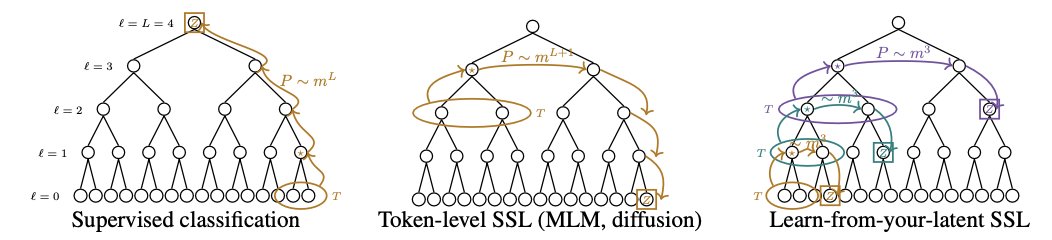
LLMs learn by predicting tokens. World models (JEPA, data2vec) learn by predicting their own abstractions. Which needs more data? For data with hidden hierarchy, we prove the gap is exponential. arxiv.org/pdf/2605.27734
35
226
1,619
145,824
Patrick Mineault retweeted

May 27
What does JEPA actually learn? We can finally prove it 🌍
So excited to share our theory of identifiable World Models: LeJEPA recovers the latent variables of the world.
Plan in the learned World Model as if it were real, same shortest path.
📄: klindtlab.github.io/lejepa-i…
47
260
2,142
210,851
Patrick Mineault retweeted

May 22
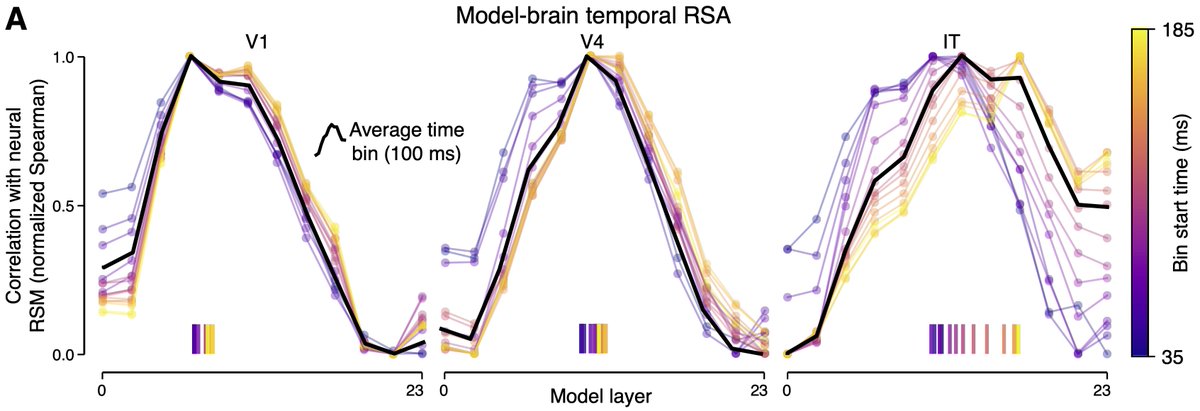
1/ New preprint with @dyamins team! Ventral visual representations within areas evolve over the course of the response along the same hierarchical complexity axis that distinguishes the visual areas, potentially driven by local recurrence.
biorxiv.org/content/10.64898…
2
18
64
9,787
May 21
3
16
1,639

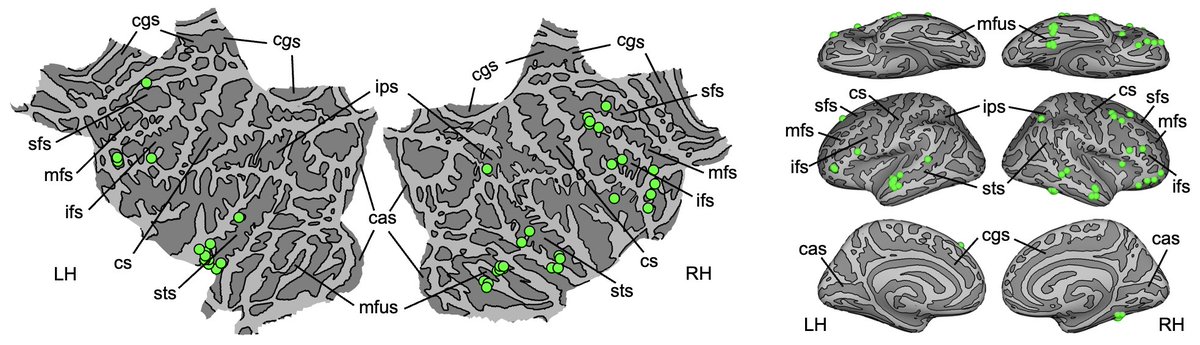
New preprint: "Monosynaptic connections link functionally similar regions in human cortex." We use electrical stimulation fMRI in epilepsy patients to map whole-brain monosynaptic connectivity at 42 cortical sites. doi.org/10.64898/2026.05.19.… 1/n
2
27
80
9,030