physician-scientist turned biotech investor @KdT_Ventures | helping founders build science and tech-driven companies | writing at decodingbio.com
Joined March 2011
- Tweets 1,090
- Following 1,580
- Followers 7,568
- Likes 3,477
109 Photos and videos



Pinned Tweet

12 Nov 2023
on biotech platform strategy
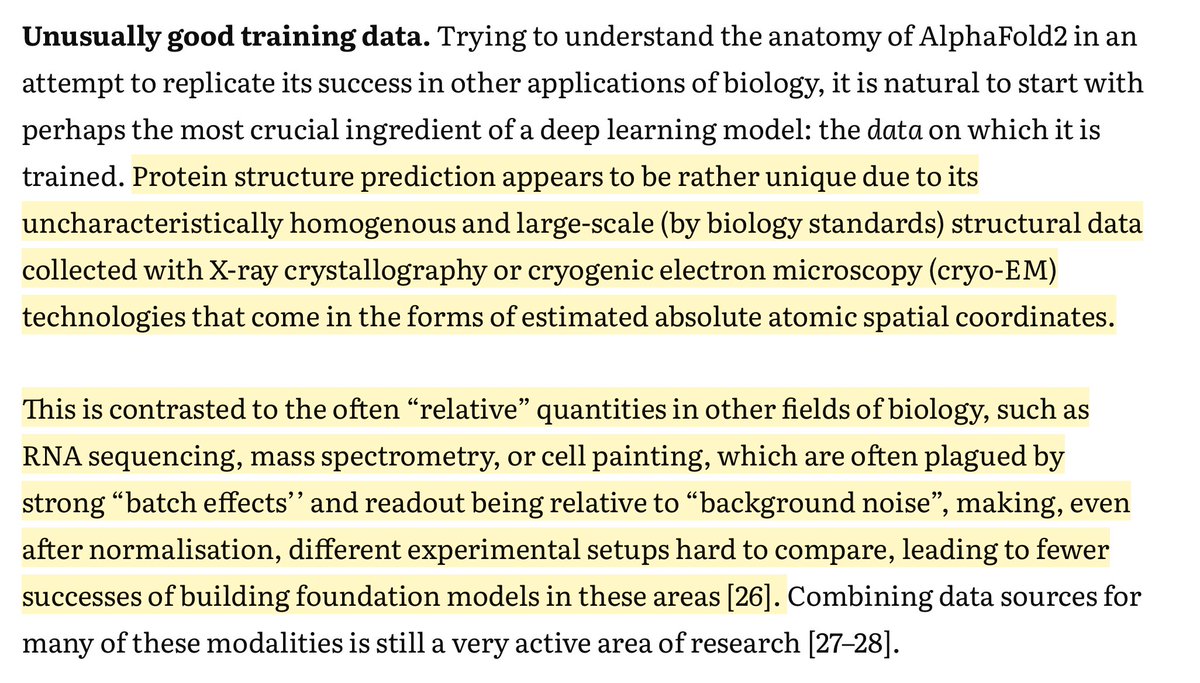
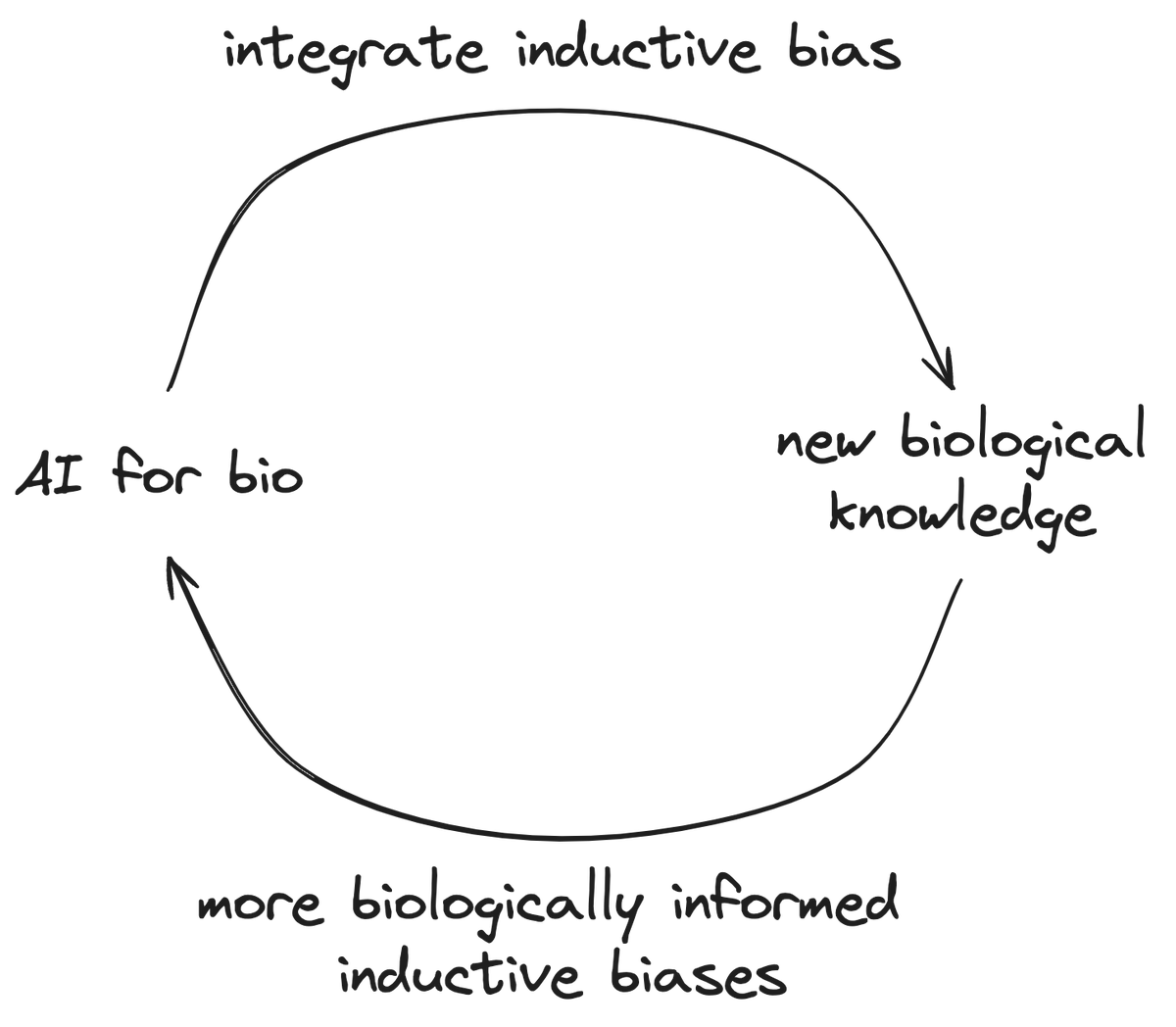
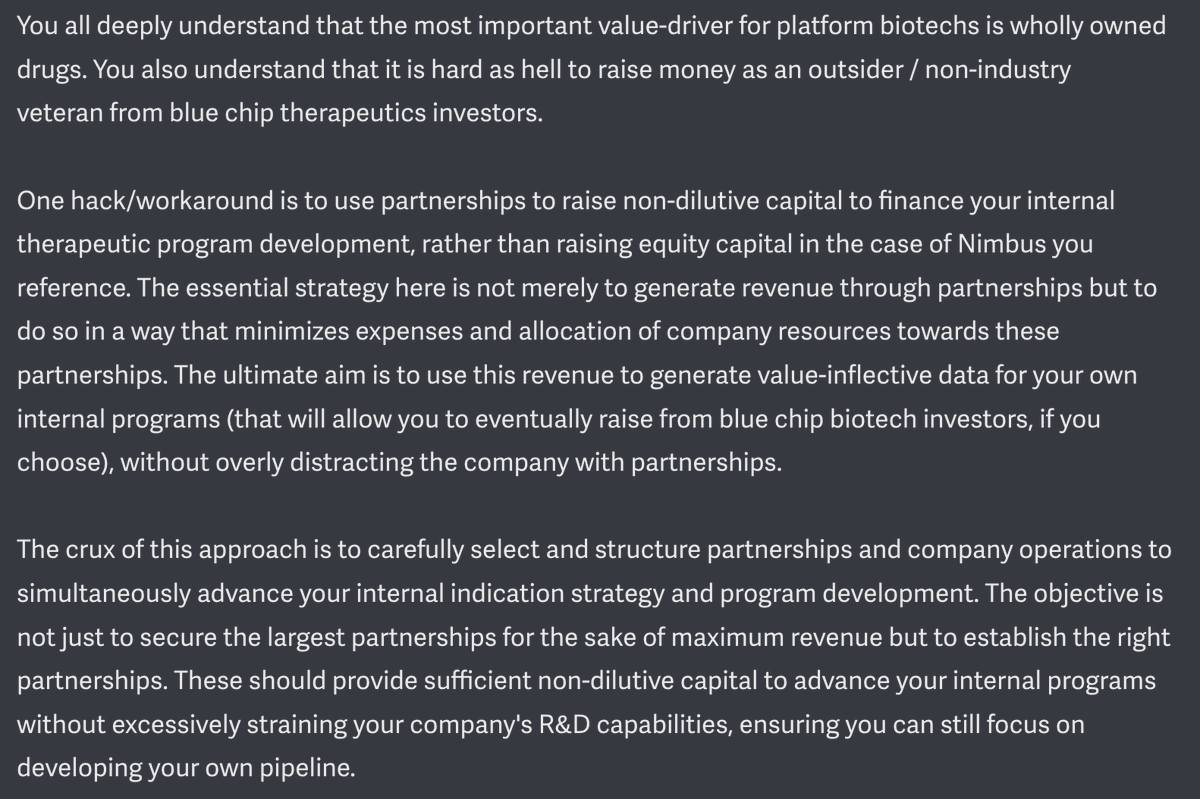
in a new essay, @ElliotHershberg and I riff on biotech platform typology and partnering dynamics. we unpack why many biotechs pivot from external partnerships to internal programs, and why that trend might change in the near future.
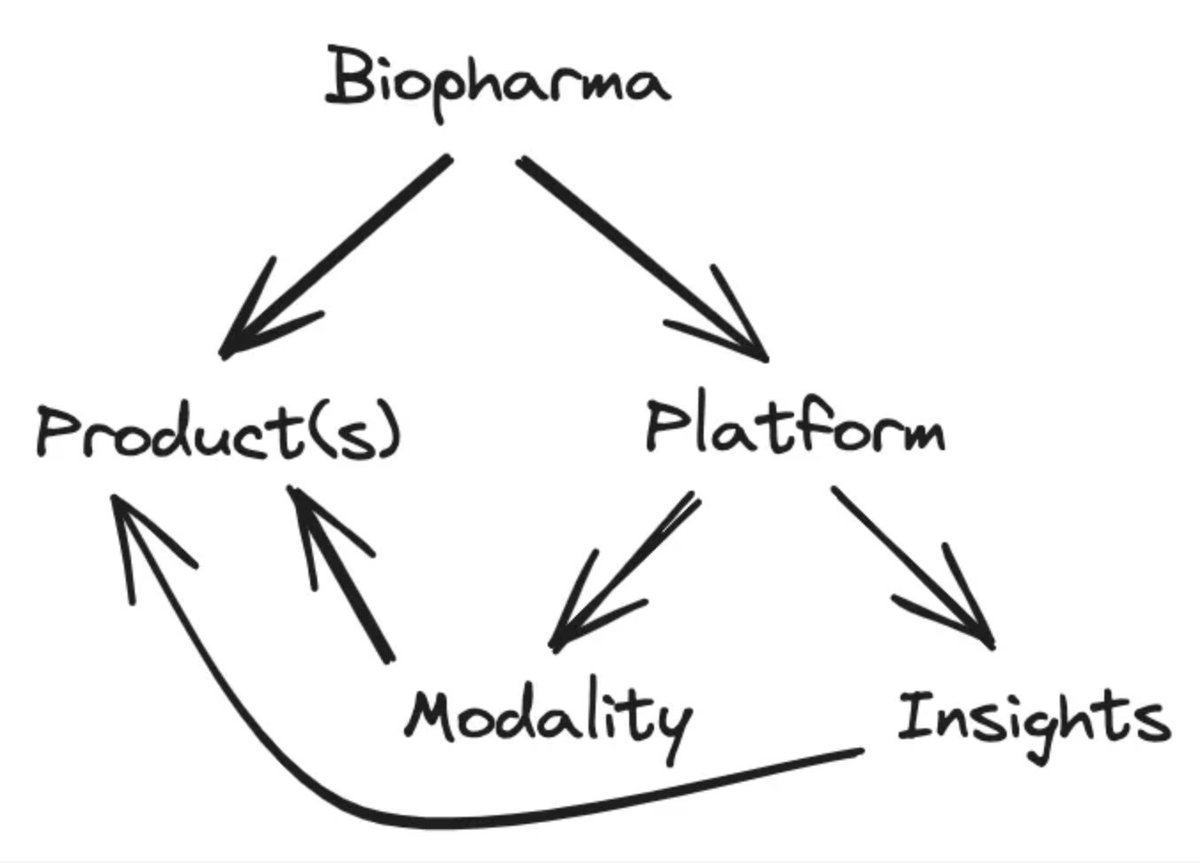
we start with a framework from biotech veteran Steven Holtzman for categorizing biotechs into product and platform companies, and the differences between therapeutic modality platforms and disease insight platforms.
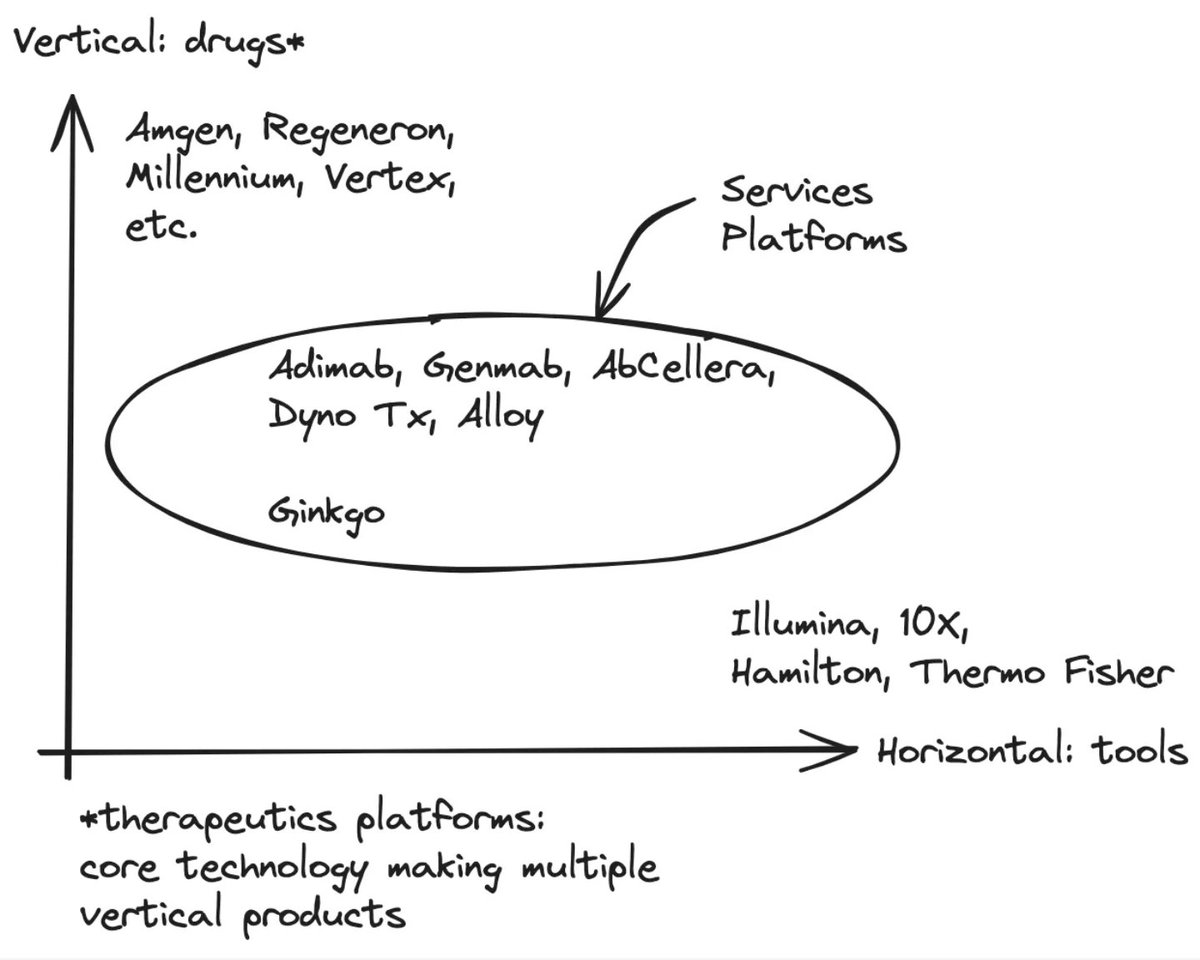
the business strategy pursued by each biotech ultimately comes down to the details of the underlying technology, but historically, a vertical focus on internally developed drugs has been the most successful value creation strategy in all of biotech.
building a services platform, which exclusively pursues external partnerships with no internal pipeline, is really, really hard. the list of companies that have done this successfully is short, and many end up shifting strategy to developing their own wholly owned assets.
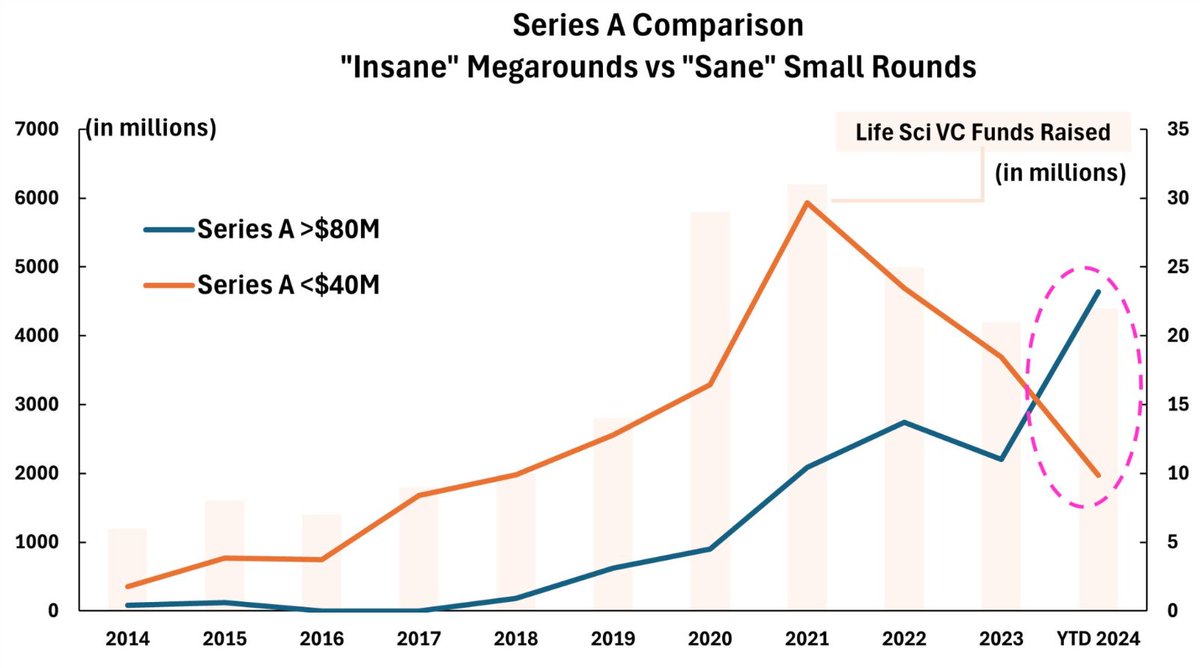
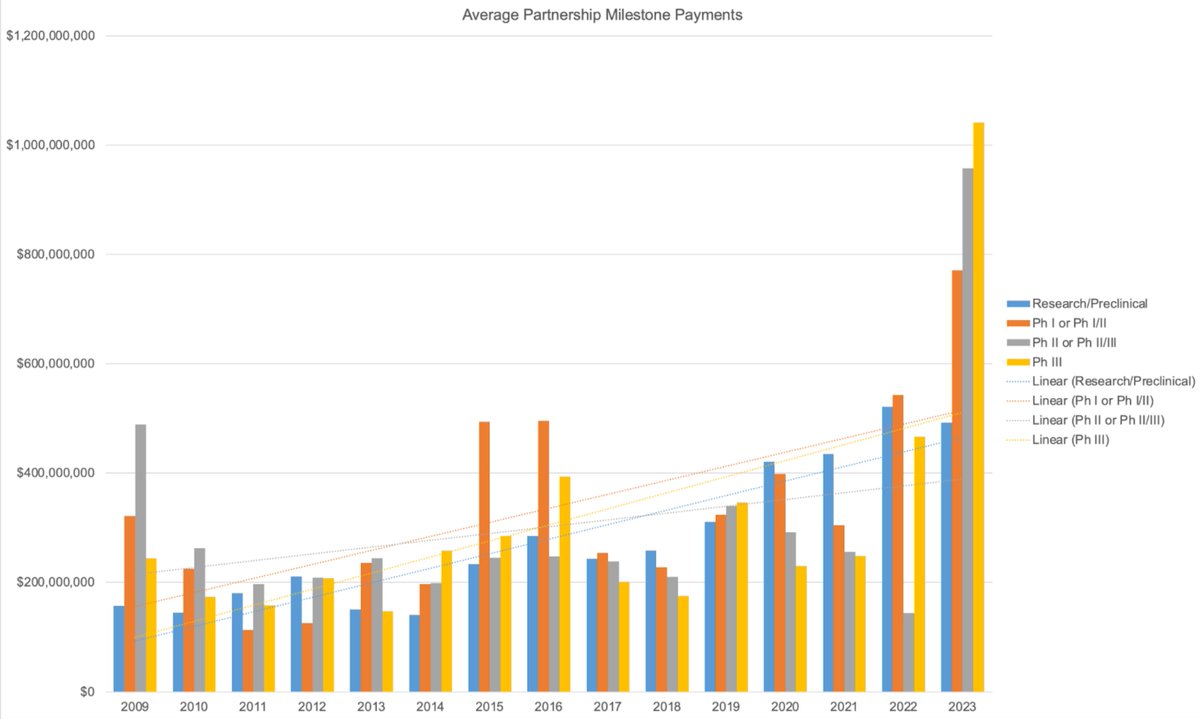
a partnership-only business model in biotech has been difficult to scale successfully, but will this trend continue? to address this question, we analyzed data from biopharma partnerships over the last ~15 years.
if platform technologies are becoming more proven and validated, average partnership deal value should increase over time. if average deal value continues to increase, at some point it will be feasible (and even preferable) to pursue a services/partnerships-only model as a platform biotech.
we found a trend towards increasing average total deal value, average milestone payments, and total number of partnerships over time, effectively increasing the total addressable market for services platforms.
there are some important caveats and confounds with these data, but qualitatively, these trends suggest that there may be a shift in pricing power from partners to technology platform developers. if this trend continues, external partnerships as a mechanism of value capture will improve relative to wholly owned internal programs, thus improving the scalability and success-rate of services platforms in biotech.
this was a fun one to write. the full piece is packed full of perspective and conjecture worth disagreeing with, so reach out if you want to discuss!
10
23
256
56,936
Patrick Malone, MD PhD retweeted

May 25
been thinking about this one a lot recently as the bar for discovery keeps getting lower with better AI-Bio models and closed loop systems
15 May 2025

one frustrating aspect of drug development is that the incentives favor “me-too” programs that chase already-validated targets (e.g., TYK2, GLP-1, PD-(L)1). this is in large part due to the fact that patents protect molecules, not the biology behind them. once a target shows human efficacy, capital piles into copy-cat programs, while truly novel pathways and biology—often tied to the toughest diseases—go unfunded.
one idea to shift the incentives: what if we broadened patent protection to include novel biology? give the first team that proves human modulation of an un-drugged pathway a time-limited (8-12 yr) marketing-exclusivity right for that target. others can still research, but they must license the “pathway patent” to launch commercially—similar to orphan-drug or priority-review vouchers.
this would finalize incentive investors and drug-developers to take more target risk, and would result in faster progress and more first-in-class therapies in higher-unmet-need diseases with complex biology.
1
3
1,639
the next chapter of Decoding Bio! excited to give this passion project the resources this community deserves.
May 21

BIG NEWS: I'm thrilled to announce that Arkaea Media Group has acquired Decoding Bio, one of the leading media brands in biotechnology. This is our first acquisition and a continuation of our thesis to build media for the most consequential industries in the world.
Decoding Bio was founded by @ameekapadia, @pablolubroth, @KetanYerneni, @patricksmalone, and @morgancheatham and built into the definitive voice covering the intersection of AI and biology.
The opportunity in biotech media is concentrated in one place: the intersection of AI and biology. This is where the future of the industry is being built. AI is rewriting how drugs get discovered, how trials get designed, how proteins get engineered. Frontier AI labs are racing into pharma. Pharma is responding with nine and ten-figure commitments. A new generation of companies is being built by founders who grew up on both sides, and they're moving faster than the legacy industry can absorb.
The media covering this shift is broken. Legacy biotech publications miss the AI story. Tech publications don't take biology seriously. The intersection between them is where critical work is happening. Decoding Bio is the only brand covering it with real credibility.
To Amee, Pablo, Ketan, Patrick, and Morgan: thank you for building such an incredible brand and for choosing to build the next chapter with us.
The best is ahead.
5
2,336
one interpretation of the push by OAI and Anthropic into biotech: drug discovery is a uniquely legible, emotionally irrefutable test of AI.
as public backlash builds around the cost and footprint of AI (data centers, energy), few proofs of value are clearer than curing disease
8
5
119
11,028
Patrick Malone, MD PhD retweeted

This is making the rounds, and it's great - but we need to go much further to stay competitive with China:
They key is to let states do it, the FDA just needs to create acceptance for state-led programs.
- New Hampshire's HB1734 creates the option for private/non-profit/independent scientific review boards (like IRBs) to apply regulatory frameworks for phase-1s or equivalent (like Australia CTN). Federal rules would prohibit actual phase-1/INDs to be conducted this way, but if the FDA just issues guidance to accept such trials this would unleash state innovation. Everyone wins: the FDA already accepts Australia's trials, and this way those can just be brought into the US territory. By doing it through states, no federal law needs change.
- Montana's SB 535 and New Hampshire HB 1734 allow for post-phase-1 "right-to-try 2.0" access. The key is that they're a) very broad, any patient qualifies instead of required proof they die in 6 months, and b) the provider has better monetization options. Again, we're already doing that: a) off-label drugs have just passed a phase-1 but not proven efficacy, b) right-to-try is federal policy and the moral case for patients is obvious.
This creates a whole alternative pathway post-phase-1 that gives biotechs many more options to innovate. Montana & New Hampshire are creating oversight mechanisms that ensure safety but are administered more efficiently through scientific review boards (which again have oversight by state health departments, i.e. if there are bad actors their licenses can be revoked).
Again, everyone wins: through these official state pathways there is less grey market for stem cell clinics and these programs could collect outcome data that improves official INDs for approval by the FDA.
These state frameworks, including also e.g. Utah, Florida, Texas are genuinely innovative.
@FDA @DrMakaryFDA need to create recognition for state frameworks, so there is clarity about federal-state legal conflicts - otherwise these programs will attract grey markets (larger, credible players need clarity). This is much simpler than federal-level changes, and unleashes decentralized regulatory innovation.
@sytses @RuxandraTeslo @cremieuxrecueil @ATabarrok @dr4liberty @zachweinberg @patricksmalone @GraniteBio

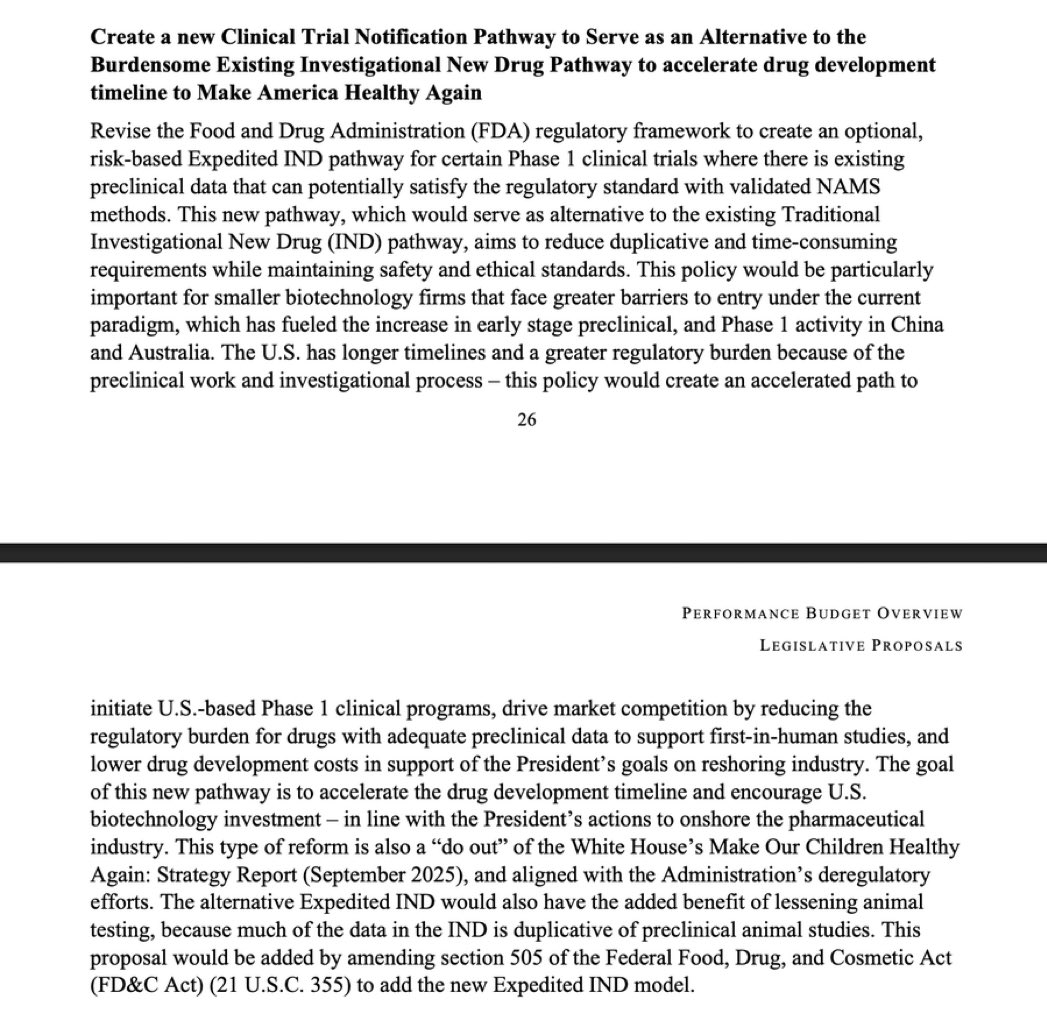
🚨 Major boost for US biotech: @WhiteHouse backed @US_FDA proposal for an **optional risk-based Expedited IND pathway** — slashing Phase 1 timelines to first-in-human trials using validated preclinical data.
Reduces duplicative requirements that drive longer/higher-burden US timelines vs. China/Australia (where early trials can be 50-60% cheaper & start in weeks, vs. US delays of months to a year). Saves significant time & money for smaller firms.
#Biotech #FDA
8
18
90
20,597
the NIH budget is not enough
there’s a persistent narrative in the US that the global dominance of our biomedical ecosystem is tightly coupled to the NIH budget. if it grows, we’re secure. if it stagnates or declines, we risk ceding leadership to countries like China.
this framing is intuitive, but incomplete, and potentially counterproductive.
it assumes that scientific leadership is primarily a function of funding basic research, but history suggests otherwise. the photovoltaic cell was invented at Bell Labs, yet china dominates global solar manufacturing. the foundational chemistry for lithium-ion batteries was developed by American scientists, but china accounts for the majority of global production capacity. American scientists won the Nobel prize; china won the industry.
discovery is necessary, but clearly not sufficient. an ecosystem’s strength is not defined solely by its ability to generate new knowledge, but by its ability to translate that knowledge into real-world validation, products, companies, and scaled industries. despite relatively modest contributions (historically) to fundamental research, china has leveraged process knowledge — the capacity to scale up whole new industries — to outcompete the US in a bunch of strategic technologies.
the NIH is genuinely extraordinary. it is arguably the greatest engine of basic biomedical research in human history. defending its budget is not wrong. but the biotech competitive landscape is not won at the bench, but rather at the intersection of discovery and deployment: clinical development, manufacturing scale-up, regulatory strategy, and the commercial ecosystems that allow validated science to become accessible therapies. China clearly understands this.
the current debate treats upstream investment as if it automatically confers downstream advantage. it doesn't. the most important question for our industry is whether we're building the translational infrastructure and regulatory agility to ensure that when american scientists make the next breakthrough, our patients and our industry are the ones who benefit.
2
26
3,158
revealed preference about what this admin cares about: 13 PCAST appointees representing AI/semis, energy, and quantum, but zero from biotech.
frustrating that biotech isn't (yet) being treated as a first-order strategic technology in the same way adjacent fields are.
there are still unfilled seats on PCAST, so this can be fixed. but filling the seat with a token biotech person won't be enough. PCAST's EO authorizes the creation of subcommittees. a single biotech appointee, however talented, will be constrained.
the better play is to push for a biotech subcommittee within PCAST, one that can bring in outside domain experts, issue formal reports, and create an institutional momentum for biotech policy.
this is how the semiconductor industry operated within prior PCATs. the semi industry spent years reframing chips as national security infra, when it was time for PCAST to weigh in on the CHIPS Act, the domain expertise was already embedded in the advisory apparatus. biotech has no equivalent.

1
2
20
3,099
Patrick Malone, MD PhD retweeted

Would be nice to add a biotech person! Just saying ☺️.
Mar 25

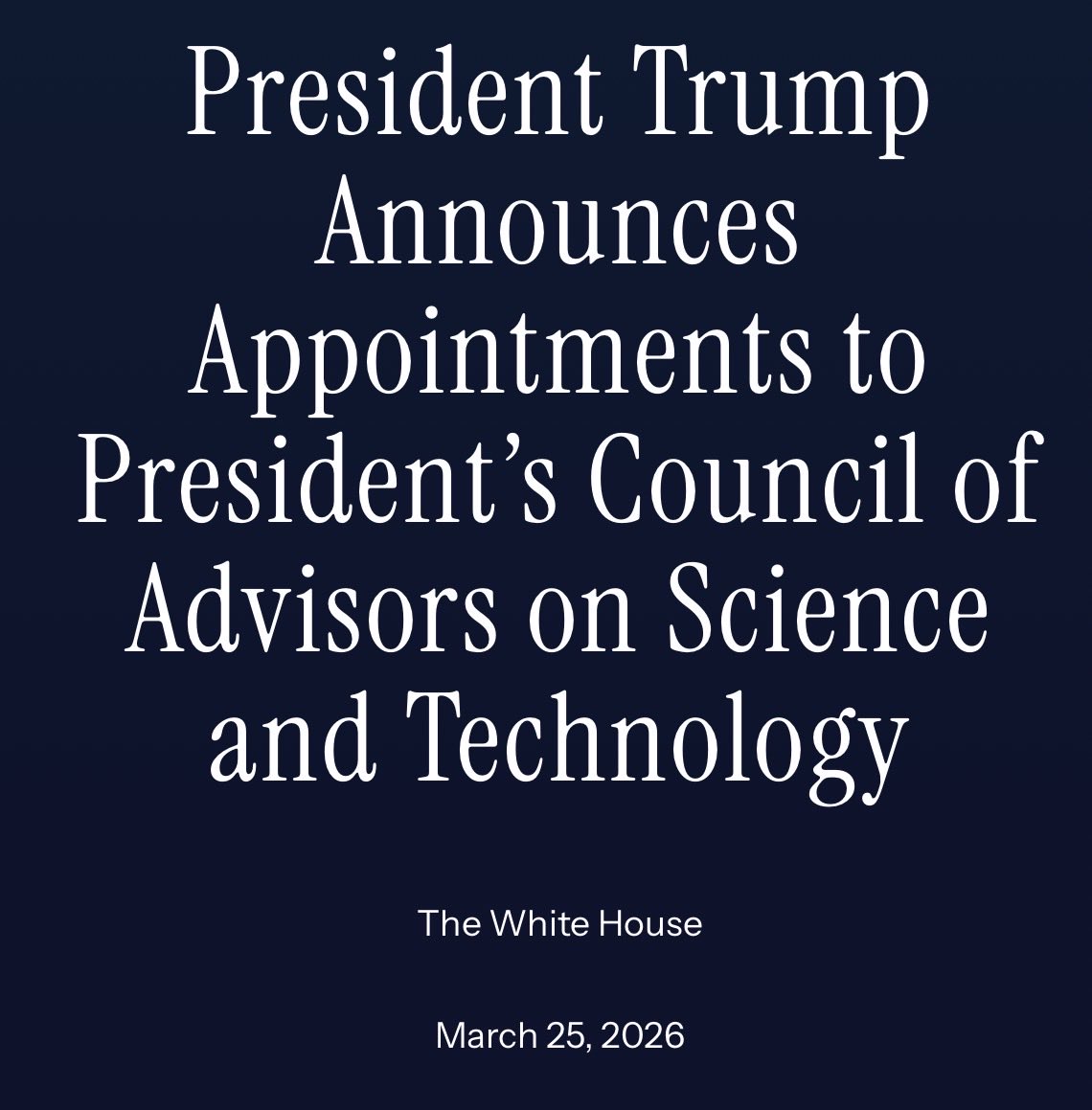
I am honored and grateful to be appointed by President Trump to the President’s Council of Advisors on Science and Technology (PCAST) and to be named Co-Chair along with OSTP Director Michael Kratsios.
PCAST is the principal body of external advisors tasked with shaping science, technology, and innovation policy for the President and the White House. Thirteen of the world’s most accomplished leaders in science and technology will join us as this PCAST’s initial members. Together we will make policy recommendations to ensure that America leads—and wins—in artificial intelligence and other cutting-edge technologies.
I look forward to working with the initial members: Marc Andreessen, Sergey Brin, Safra Catz, Michael Dell, Jacob DeWitte, Fred Ehrsam, Larry Ellison, David Friedberg, Jensen Huang, John Martinis, Bob Mumgaard, Lisa Su, and Mark Zuckerberg.
Thank you to President Trump for his visionary leadership on technology policy which attracts the top luminaries in their fields to serve. It is an honor to be part of this distinguished group.
13
8
111
21,730
i’ve been reflecting on how much my own behavior has shifted from reading scientific papers to asking AI to interpret the literature.
as LLMs get better, more of our interaction with knowledge is mediated through generated summaries rather than primary sources. that shift is not just about how we consume information. it undermines the economic layer that has historically funded truth generation, across both journalism and science.
in news, if LLMs can produce infinite “journalism-like” articles, the marginal value of content collapses. subscriptions erode, ads weaken. when anyone can generate something that looks like reporting, the institutions that fund actual reporting, including investigation, sourcing, and verification, start to break. the traditional business model was already cracking, and AI may collapse it entirely.
in science, the same dynamic plays out. if LLMs can generate “paper-like” PDFs, the supply of plausible research explodes and signal is lost in the noise. journals and citations, already imperfect proxies for truth, become even less reliable. when publishing is cheap, it stops being a meaningful filter for correctness. the incentive shifts toward producing more papers, not more correct ones.
the core issue is that our systems reward the production of content, not the generation of truth. journalists get paid to publish, not to be right. researchers are rewarded for output, filtered through peer review systems with no skin in the game. reviewers do not profit from identifying important work or lose from endorsing weak work.
prediction markets offer a different architecture, one that shifts incentives from output to accuracy.
instead of rewarding publication, markets reward correct forecasts. if you uncover a scoop, generate a dataset, or replicate a result, you can monetize that knowledge directly by taking a position in a market tied to the truth, then revealing the information.
this changes the unit of value. it is no longer a paper or article, but a resolved question, such as whether a clinical trial succeeds or a result replicates. anyone who can answer these questions early, including journalists, researchers, labs, and AI agents, has an incentive to do the hard work of discovery and verification.
this is particularly powerful for science. today, novelty is rewarded over correctness. replication is undervalued, and null results never get published. in a market system, the incentives flip such that shorting a flashy result or replicating an overlooked finding are profitable.
the broader shift is that journals, news outlets, and preprint servers become oracles feeding into markets, rather than the primary locus of value capture. the economic reward flows to whoever is most accurate about reality before it is obvious.
AI makes content cheap, which makes correctness more valuable. prediction markets may be one of the first mechanisms that directly reward it.
8
7
49
6,276
Patrick Malone, MD PhD retweeted

Jan 19
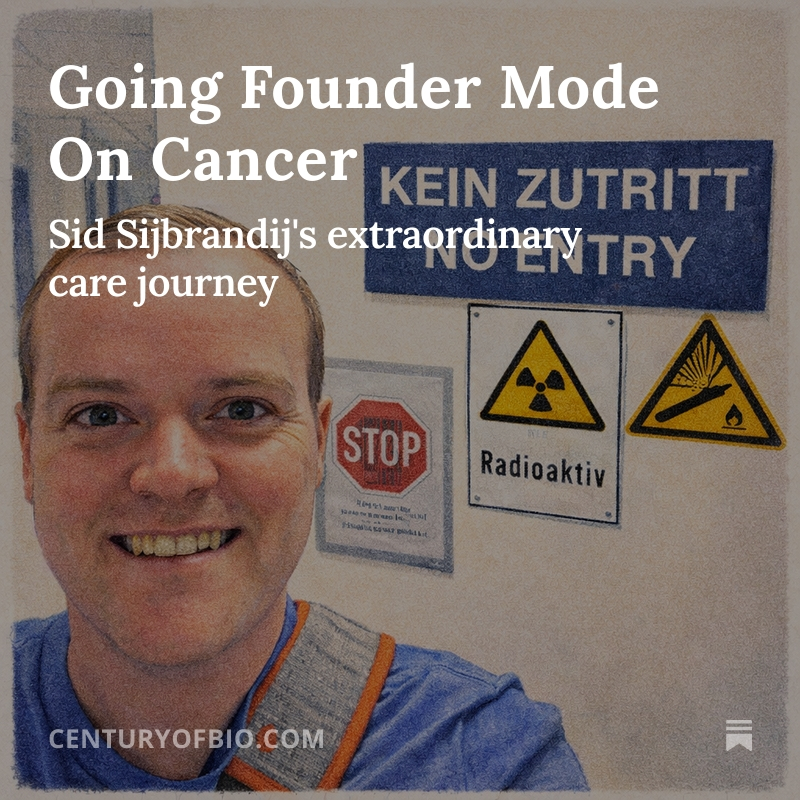
Going Founder Mode On Cancer
centuryofbio.com/p/sid
Sid Sijbrandij is a generational founder. He founded and led GitLab, one of the largest remote companies in the world, from idea-stage startup to NASDAQ-listed software giant.
But in 2022, a six centimeter mass growing from his upper spine threatened to end all of that. He had cancer.
What happened next is nothing short of remarkable. Sid went founder mode on his care journey. In the years since, he's deployed cutting-edge genomics to profile his disease. Based on this data, he's developed a growing armamentarium of personalized therapies.
As a result, his disease is now undetectable.
A simplistic version of this story could be, “Wow! A brilliant billionaire seemingly cured his cancer. Good for him!”
But as I’ve gotten to know Sid, it’s become abundantly clear to me that there is more to the story than that.
In an in-depth profile for The Century of Biology, I explore Sid's journey and what this might mean for the future of cancer care.
44
173
1,010
458,807
16 Dec 2025
one observation helps explain why so much of the public distrusts the biopharma industry: drugs are generating *more* revenue while treating *fewer* patients than ever before.
in 2010, the top drug in the US, Lipitor, generated ~$7 billion in revenue while reaching tens of millions of patients. by 2020, the top drug, Humira, more than doubled that revenue to ~$16 billion, but the number of patients treated collapsed to ~300,000.
a combination of science, regulation, and economics pushed the industry to focus on smaller patient populations, shifting away from mass-market medicines (e.g. statins, antidepressants) toward specialty drugs like gene therapies for rare diseases. these breakthroughs have delivered transformative benefits to patients who previously had no options, but they also feed a social return gap (rising revenues paired with shrinking reach), and widen the distance between how our industry defines success and how the public experiences it.
we often define success in our industry based on the depth of impact for patients, but it is important to remember that the public also judges us by aggregate reach. both perspectives are valid, but they often clash. restoring public trust in our industry will require recommitting to medicines that reach large populations and improve everyday health at scale.
GLP-1 drugs for obesity and diabetes point to a path forward. they generate blockbuster revenues while reaching tens of millions of patients and delivering meaningful, population-level health benefits. rebuilding public trust will require replicating this model and demonstrating that biopharma can deliver both blockbuster economics and population-level health gains.
2
4
44
4,767
10 Dec 2025
you can ignore politics, until politics decides it can’t ignore you
10 Dec 2025

Hard to find because most biotech CEOs want more sleep / time with family than working on policy
With that being said policy is pertinent for the American edge and something we drastically need to change (aka get out of our own way)
The harsh truth is that $$$ lobbying needed
20
3,798
10 Dec 2025
biotech needs its own david sacks
in reflecting on this past year, one thing has become increasingly obvious to me: biotech desperately needs a public champion. someone who can translate scientific progress into policy, coordinate the industry’s scattered voices into a coherent agenda, and frame biotech as a strategic national priority rather than a niche technical field. this is perhaps the biggest structural weakness facing our industry.
watching the policy momentum behind AI and crypto has been frustrating. these sectors have moved quickly not just because the technology is advancing, but because people like david sacks have created a central organizing force. they’ve built a coherent narrative, rallied founders and investors, and focused the tech industry’s efforts in washington. biotech has no equivalent.
what makes this more frustrating is that the rationale driving urgency in AI policy applies almost word-for-word to biotech: competition with china. national security. domestic manufacturing capacity. strategic dependence on foreign supply chains. you could literally replace “AI” or “rare earths” with “biotech” in many of the recent executive orders, and the logic would hold perfectly. these should be obvious, bipartisan reasons to invest in and accelerate the biotech ecosystem. yet the case isn’t being made with the same clarity or force.
part of the problem is a PR failure. most policymakers don’t understand that biotech ≠ pharma. biotech startups are the innovators; pharma is the innovation buyer. but in washington, these groups get conflated. early-stage biotech gets pulled into the same policy debates as multibillion-dollar incumbents, and the result is predictable: the people doing the actual innovation are not represented.
another issue is fragmentation. AI and crypto accelerated because the community acted like a movement. there was a center of gravity pulling together founders, operators, investors, and policymakers. biotech, by contrast, is spread across academic labs, NIH, the FDA, startups, pharma, state governments, and a long tail of investors. large pharma and small biotech don't often have the same priorities and incentives. there is no unifying node that turns these pieces into a coherent whole.
biotech doesn’t just need more innovation; it needs coordination. it needs someone who can articulate why this industry matters, make the geopolitical case, advocate for regulatory clarity, and translate between science and washington. it needs someone who can build a narrative around biotech as a strategic national asset rather than a niche technical field. biotech needs its david sacks: a movement builder, a policy champion, a narrative architect. until someone steps into that role, the industry will continue to produce world-class science while punching far below its weight in culture, policy, and national strategy.
51
40
379
113,131
16 Sep 2025
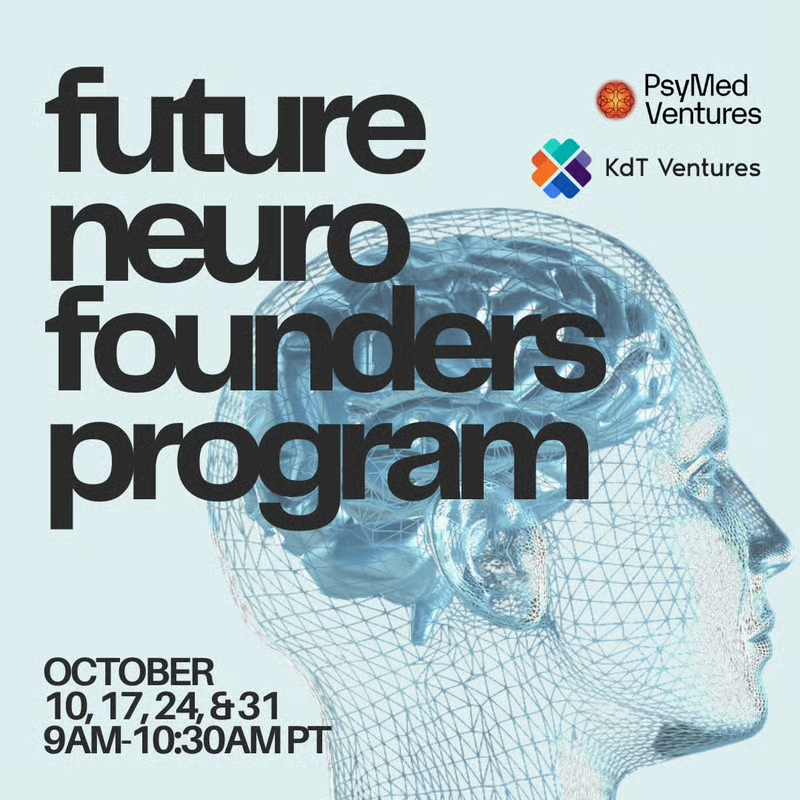
excited to co-host the 2nd annual Future Neuro Founders Workshop for entrepreneurial scientists and engineers, a collaboration between @KdT_Ventures and @PsymedVentures.
this is a virtual workshop for scientists that want to build a neuroscience startup. we'll cover team building, development and fundraising strategies, navigating partnerships, and more. last year we had scientists from 100 universities.
speakers (top neuro founders & investors) will be announced soon. application in the comments!
2
2
10
862
10 Sep 2025
the biotech and healthcare industry is completely fumbling the response to RFK and MAHA. the industry and media is engaging in a strategy of total, undifferentiated opposition to the MAHA/RFK agenda. this is not only ineffective, it is counterproductive.
RFK is right on a lot of things. our healthcare system is too reactive, insufficiently proactive, and has failed to contain the crisis of chronic disease. he has tapped into a broad public frustration that healthcare is more about managing disease than promoting health. these ideas resonate because they are true.
but he’s also massively wrong - especially on public health, vaccines, and what constitutes “gold-standard science.”
by treating RFK's commonsense recommendations like exercise and diet with similar level of alarm as his attacks on public health, we are making a strategic error. when *every* single point is treated as a threat, the public loses the ability to discern what the *actual* serious threats are.
the consequence is that we as an industry are bleeding credibility, precisely at the moment when credibility is needed most. total opposition to RFK strengthens his narrative: that entrenched interests reflexively resist change, even when it’s obviously right. the smarter path is differentiation - acknowledge and even embrace what he gets right, while drawing clear, bright lines against what is dangerous.
7
5
91
8,871
28 Jul 2025
one thing some investors do that drives me insane: ghosting founders.
everyone is busy—but a transparent "not a fit" takes seconds. ghosting creates uncertainty, makes managing a fundraising process difficult, and is frankly just a shitty way to treat people.
let's do better.
6
33
1,528
24 Jul 2025
a core tension in applying "virtual cell" models to therapeutic development is the mismatch between the scale at which we measure biology and the scale at which we intervene.
we often measure at the cell level (eg single-cell RNA-seq), but we treat at the tissue or organ level (e.g., cardiac fibrosis, skin rash).
drugs act on tissues or organs, sometimes with cellular specificity, but often not. biologics and CGT are increasingly targeted, but their impact still depends on the broader tissue context. so the outcome of an intervention—efficacy, toxicity, side effects—emerges at the organ or patient level, not the single cell.
a cell-level model might predict that drug X will downregulate the TGF-β pathway in fibroblasts. but will that reverse lung fibrosis in vivo? that depends on:
- whether the drug reaches the relevant cell types,
- whether it affects the broader ECM remodeling loop,
- whether the immune system modulates or counteracts it, etc
this is why virtual cell predictions can be correct but irrelevant—they solve a problem at the wrong level of abstraction.
a couple promising strategies to address this:
- multiscale modeling, embedding cellular simulations inside larger tissue-level or organ-scale models
- spatial transcriptomics, which adds context to cell-level data by preserving spatial relationships—more closely mirrors tissue biology
- surrogate modeling, training higher-level predictors (e.g., for clinical biomarkers or histopathology) using outputs from cell models
13
18
125
13,603
Patrick Malone, MD PhD retweeted

21 Jul 2025
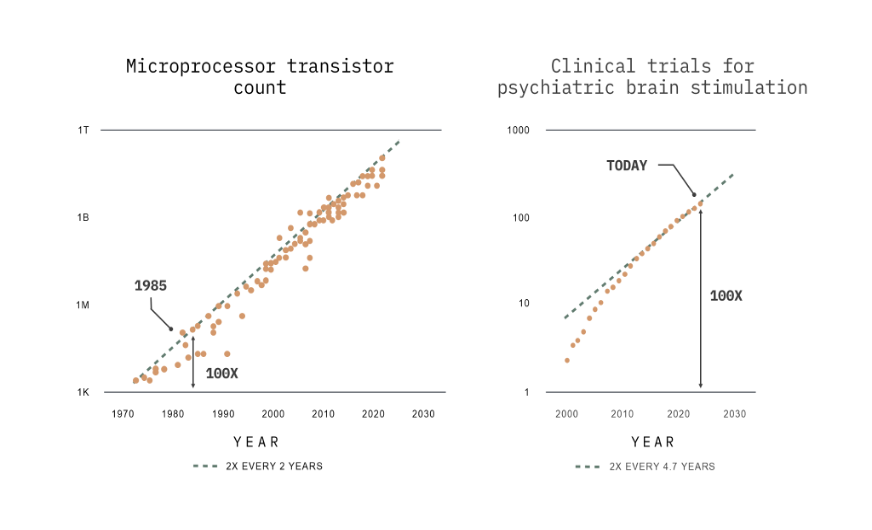
Are we headed toward a technology revolution in therapeutic BCI?
I just wrote this piece about why I believe neurotech will become an indispensable tool for addressing the growing mental health crisis and become as common as personal computing. 🧵
open.substack.com/pub/brainj…
#BCI
5
10
63
5,443
15 May 2025
one frustrating aspect of drug development is that the incentives favor “me-too” programs that chase already-validated targets (e.g., TYK2, GLP-1, PD-(L)1). this is in large part due to the fact that patents protect molecules, not the biology behind them. once a target shows human efficacy, capital piles into copy-cat programs, while truly novel pathways and biology—often tied to the toughest diseases—go unfunded.
one idea to shift the incentives: what if we broadened patent protection to include novel biology? give the first team that proves human modulation of an un-drugged pathway a time-limited (8-12 yr) marketing-exclusivity right for that target. others can still research, but they must license the “pathway patent” to launch commercially—similar to orphan-drug or priority-review vouchers.
this would finalize incentive investors and drug-developers to take more target risk, and would result in faster progress and more first-in-class therapies in higher-unmet-need diseases with complex biology.
19
7
94
16,513