Brandy Master, Wine & Food lover!
Joined July 2010
- Tweets 431
- Following 1,247
- Followers 800
- Likes 1,067
44 Photos and videos
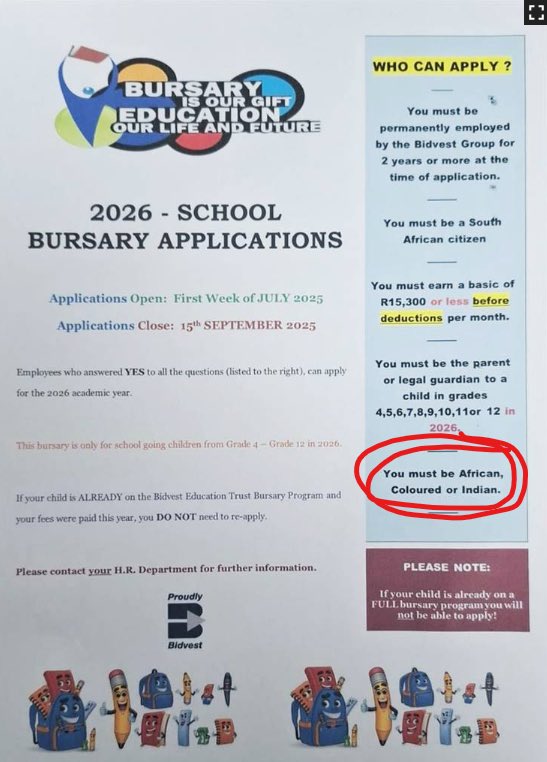

President Cyril Ramaphosa: “The land of our forefathers must be returned immediately, without any payment.”
Minister Ronald Lamola: “If white South Africans don’t hand over their property voluntarily, it will be taken by force. We can’t guarantee their safety.”
Member of Parliament and Judicial Service Commission, Julius Malema: “We will expropriate land without compensation, whether whites like it or not. K*ll the Boer. Slit the throat of whiteness. A revolution requires killing.”
ANC Secretary-General, Fikile Mbalula: “Expropriation of land without compensation must be implemented.”
*President signs new Expropriation Bill into law*
Afriforum: “Hey guys, I think they want to confiscate our property.”
Media: “Afriforum spreads racist, right wing, MAGA, white genocide disinformation!”
155
851
2,602
76,832
Brandymaster retweeted

16 Jun 2025
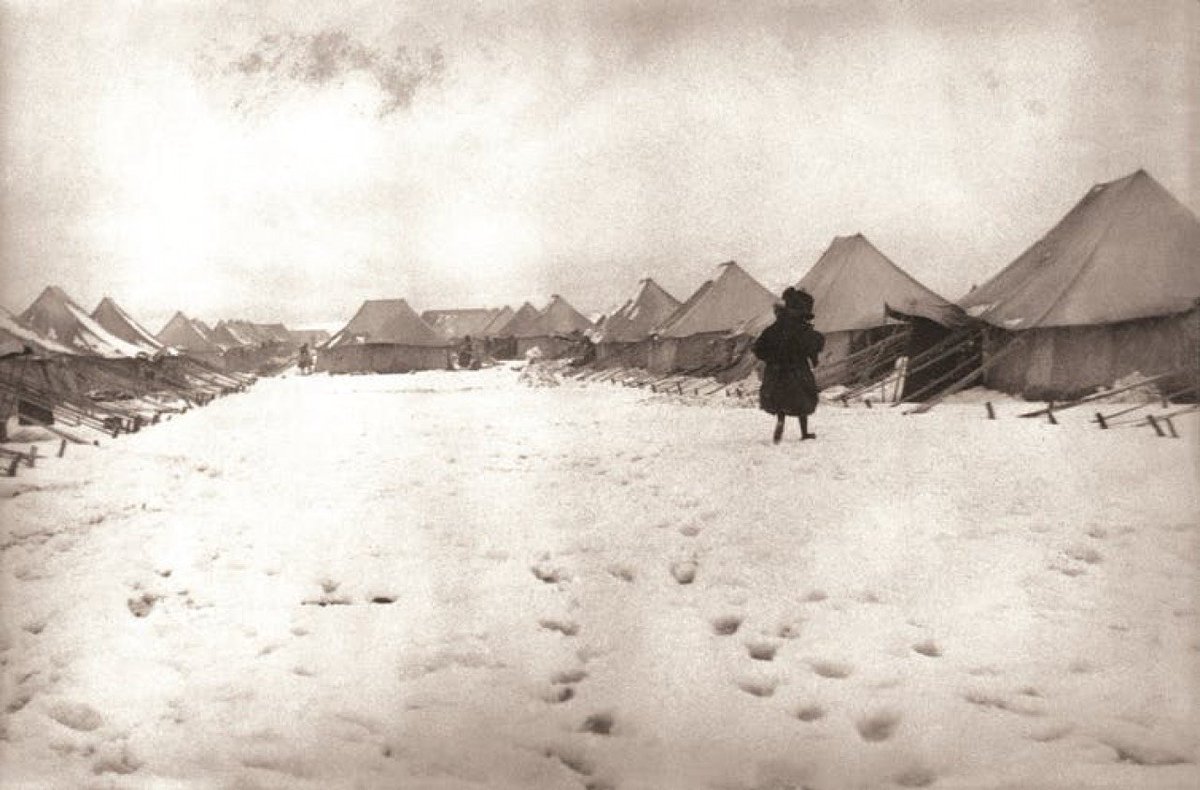
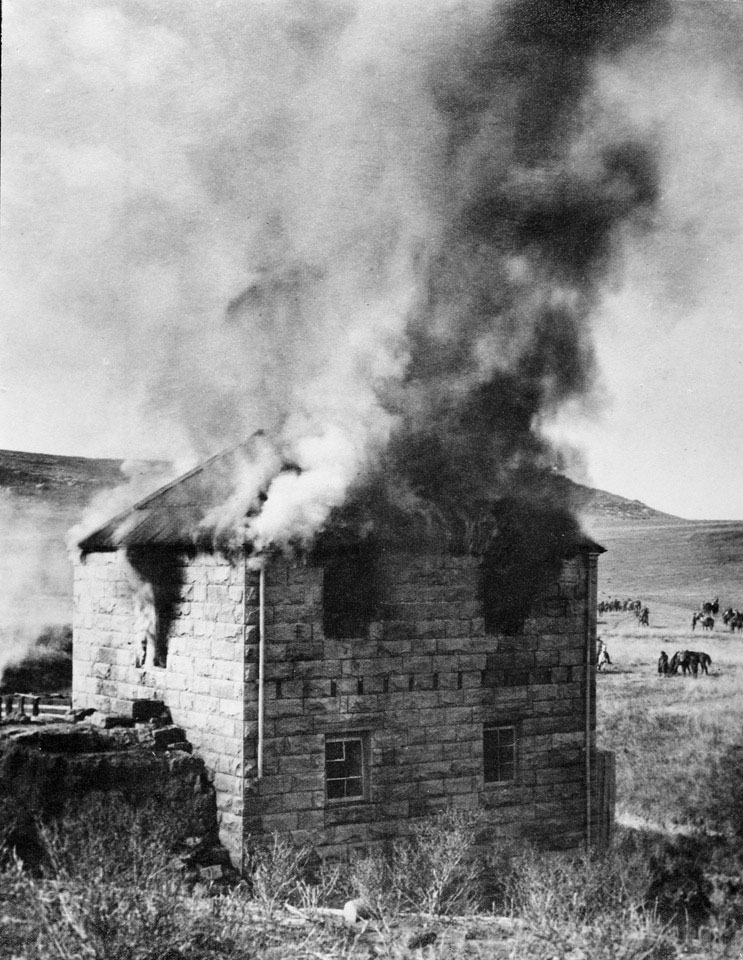
16 June 1900 Lord Roberts issued the scorched earth policy.
Homesteads and whole towns were burnt down. In this way almost all Boer homesteads – about 30 000 in all – were razed to the ground and thousands of livestock killed. Women and children were placed in concentration camps. The two Boer republics were entirely devastated.
‘I call this camp system a wholesale cruelty… To keep these camps going is murder to the children... They drop in the terrible heat, and with the insufficient unsuitable food; whatever you do, whatever the authorities do, and they are, I believe, doing their best with very limited means, it is all only a miserable patch on a great ill. Thousands, physically unfit, are placed in conditions of life which they have not strength to endure. In front of them is blank ruin… If only the English people would try to exercise a little imagination – picture the whole miserable scene. Entire villages rooted up and dumped in a strange, bare place.’
Emily Hobhouse — 1901
29
276
587
53,050
Brandymaster retweeted

16 Jun 2025
Dear Youth, the ANC hates you.
•The Minister of Youth is 66 years old.
•SA has the highest youth unemployment.
•SA youth have the highest HIV prevalence.
•Female youth experience the highest GBV.
ANC also created the highest crime and murder rates.
HAPPY YOUTH DAY!
53
462
1,092
51,214
Brandymaster retweeted

14 Jun 2025
R700 million could build 237 school wings or 5600 RDP houses or 140–233 clinics or 70 factories that can create jobs. See the ANC for what it is. A failed political party hell bent on destroying this country to the ground before we ousts them.
13 Jun 2025

Preparatory committee estimates National Dialogue will cost State over R700 million buff.ly/C3CVCZQ
89
1,299
3,811
151,319
Brandymaster retweeted

16 Jun 2025
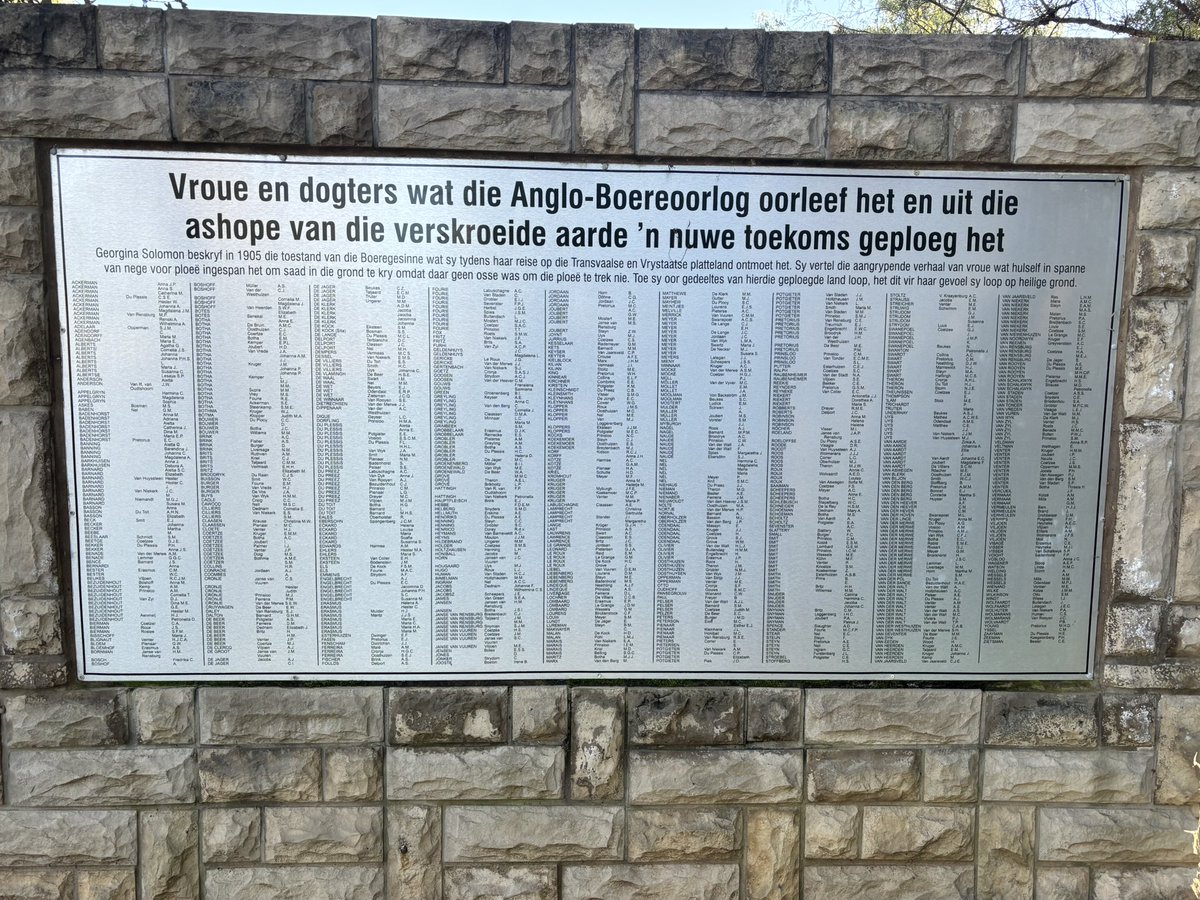
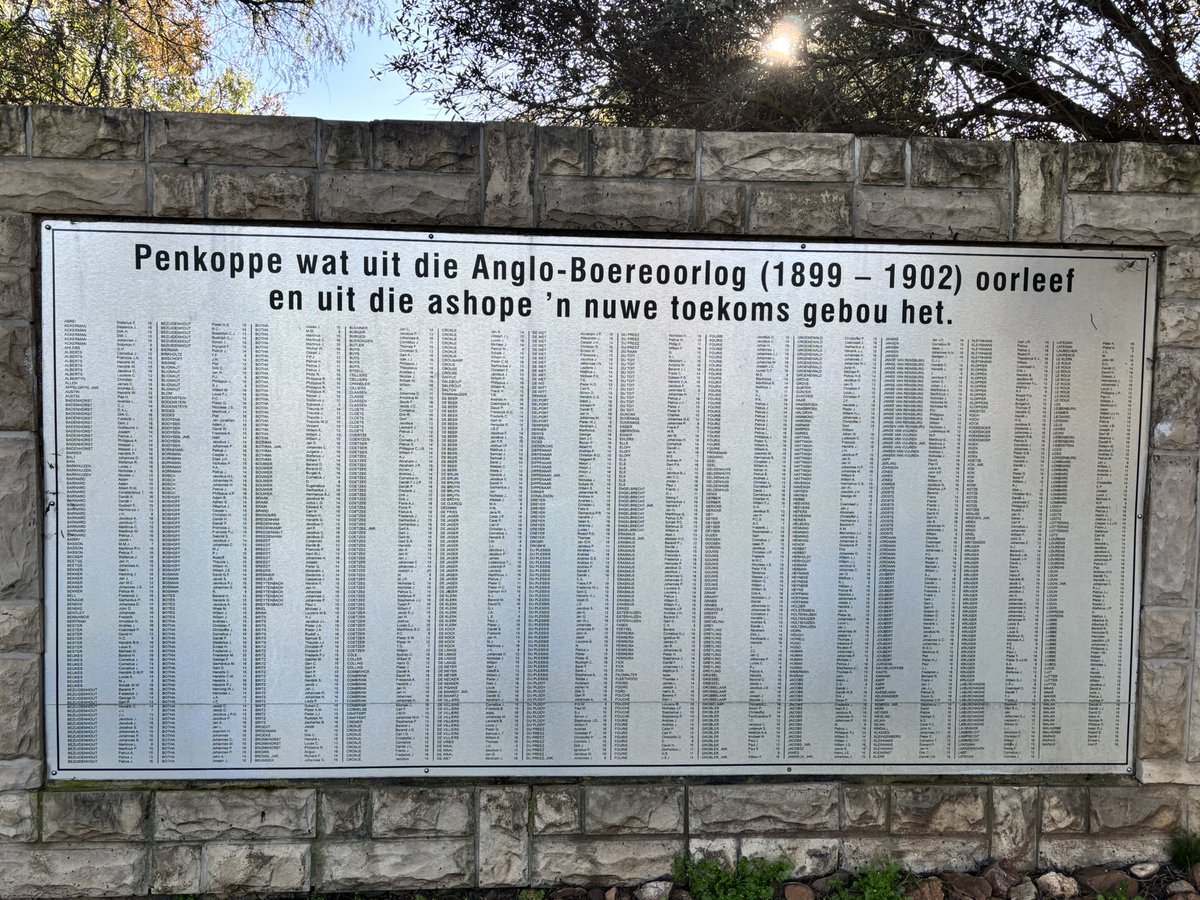
Today I will celebrate Concentration Camp day. Thousands of men, woman and children were killed in British concentration camps in an effort to win the war against a small Boer force. The names here are some if the woman and boys (6-16) who survived and rebuild this country.
31
161
511
49,465
Brandymaster retweeted

15 Jun 2025
Iran is committing war crimes; Israel is hitting legitimate military targets. Yet do you hear the world condemning Iran?
15 Jun 2025

Iran Attacks Israeli Civilians in Largest Barrage Yet; 3 Killed, 140 Injured breitbart.com/middle-east/20… via @BreitbartNews
233
178
1,100
60,228
Brandymaster retweeted

16 Jun 2025
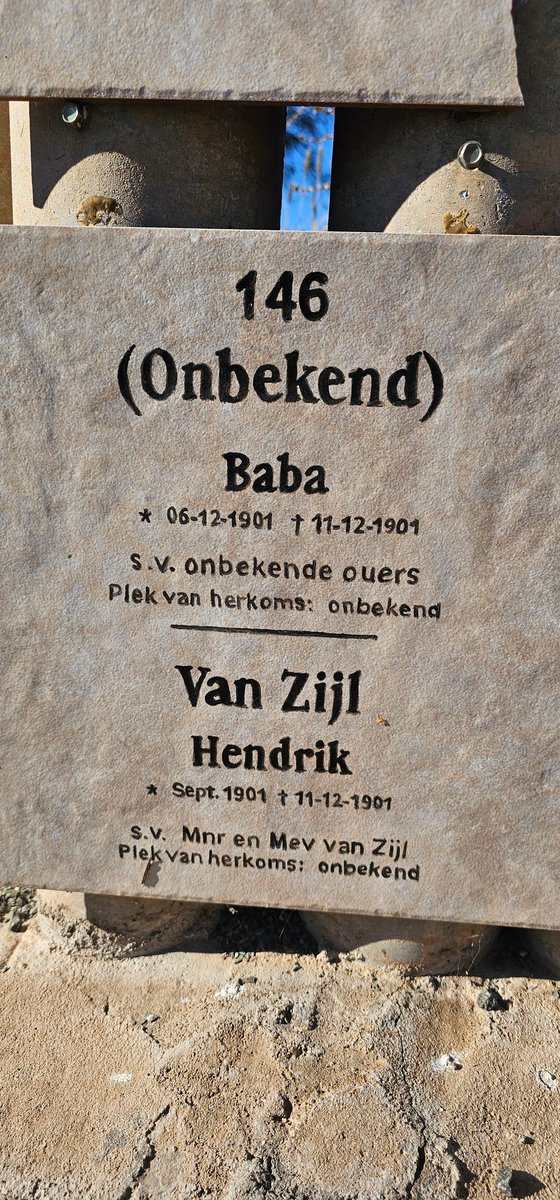
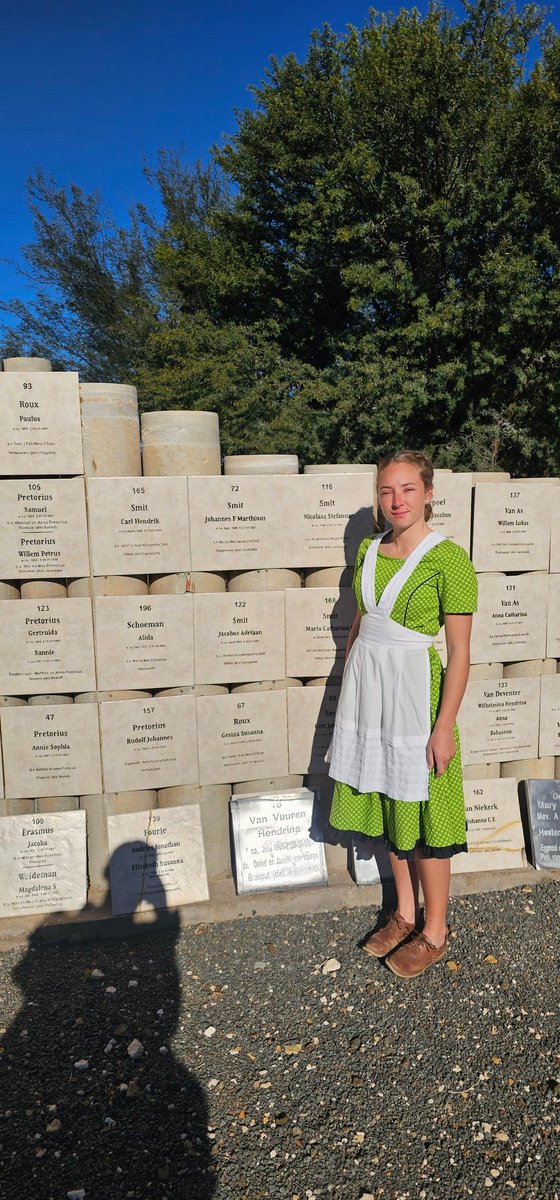
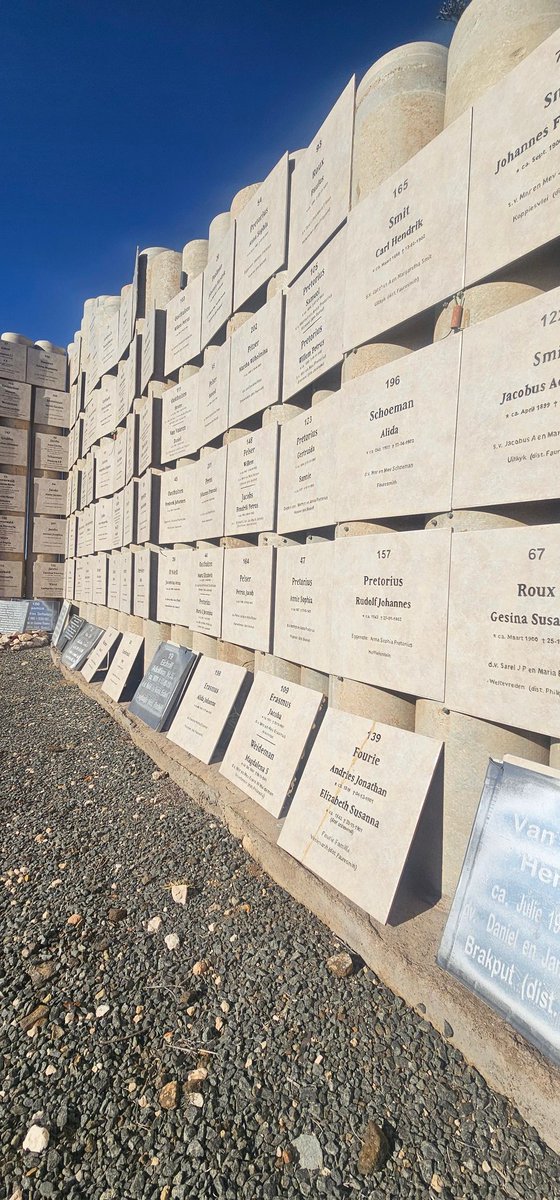
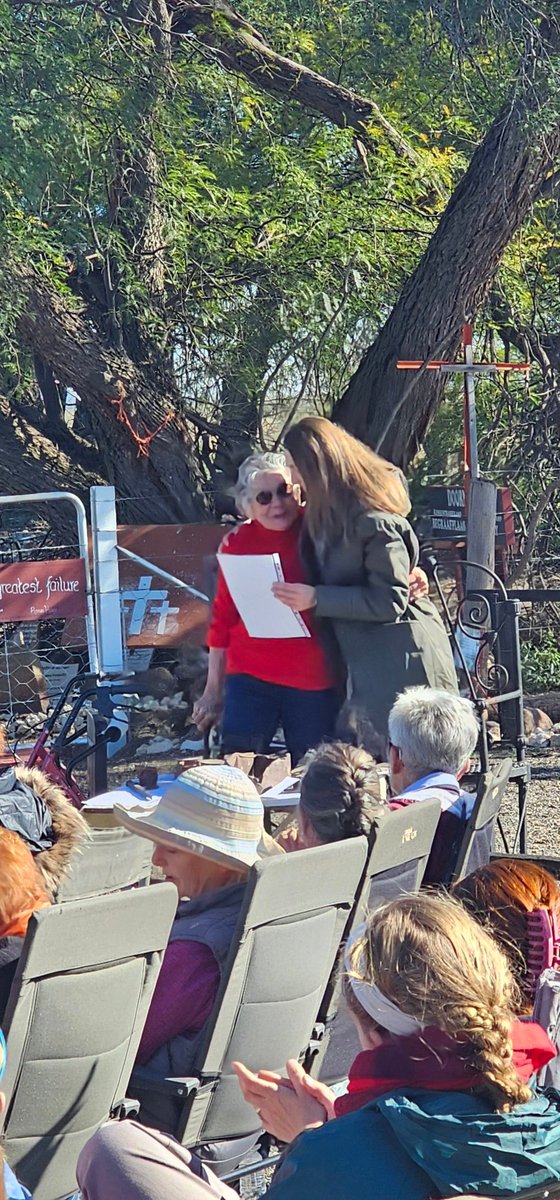
Konsentrasiekampdag;
Op 16 Junie 1900 het lord Roberts die verskroeide aarde beleid amptelik proklameer.
Duisende Boerevroue en -kinders is in hierdie kampe dood.
Ons dink terug aan hulle.
(Doornbult Konsentrasiekamp naby Orania)
12
130
476
12,239
Brandymaster retweeted

15 Jun 2025
Mampara of the week: Angie Motshekga - Minister of military mishaps
timeslive.co.za/sunday-times…
65
164
497
28,227
Brandymaster retweeted
16 Jun 2025
KONSENTRASIEKAMPDAG
In Orania onthou ons hierdie verskriklike verskroeide-aarde beleid en die dapper mans, vrouens en kinders wat dit ter wille van vryheid trotseer het.
30
269
934
24,766
Brandymaster retweeted

15 Jun 2025
Wat kos R290 miljard per jaar, vernietig 192 000 poste per jaar, maar verryk ‘n klein groepie elite?
15 Jun 2025

Wat kos R290 miljard per jaar en vernietig 192 000 werksgeleenthede?
SEB – ’n stelsel wat nie bemagtig nie, maar verwoes.
Die ware prys van rasgebaseerde beleid is hoër as wat jy dink. Lees die artikel en sien self waarom dit tyd is om terug te veg.
aanlyn.solidariteit.co.za/pu…
12
69
280
7,426
Brandymaster retweeted

15 Jun 2025
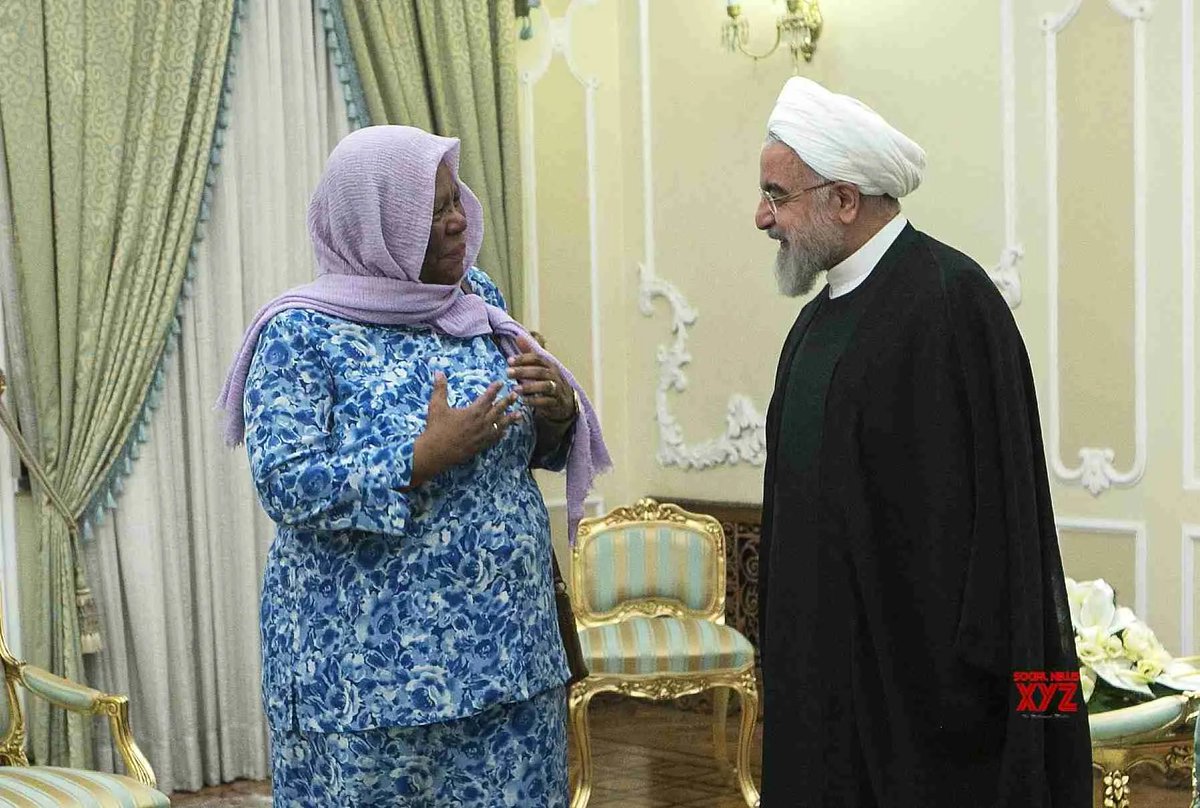
It is important now that the world is reminded of the close and corrupt relationship between the ANC-led South African government and the oppressive regime in Iran.
14 Jun 2025

DIRCO’s latest public statement isn’t just diplomatic spin. It’s a clear endorsement of a state sponsor of terror, a regime that bankrolls Hezbollah, arms and supports Hamas, trains and cooperates with the PFLP, and supports Iran's military machine.
The South African ANC now proudly shakes hands with the architects of chaos and terror in the Middle East openly.
While Iran ruthlessly cracks down on women and dissidents, lies to the international community about its nuclear program, and fuels regional war through proxies, our government chooses to stand with them instead of democratic allies.
This is complicity, the ANC and the GNU are either stupid or ignorant to allow this.
The excuse? That ISIS is the real enemy, South Africa only targets ISIS in the country. Yet even this is strategic posturing; Iran targets ISIS only because it threatens their monopoly on terror, not because they oppose terrorism.
Hezbollah, Hamas, and the IRGC’s Quds Force are all part of the same death cult. And South Africa is rolling out the red carpet.
To our journalist allies: the time to speak is now. Freedom of expression still exists outside the state-controlled echo chamber in South Africa. Use it. The world needs to hear the truth: South Africa is acting as a junior partner in the Islamic State of Iran’s global terror campaign.
To think tanks, policy experts, and media outlets: this story needs to reach your desks, your platforms, and your audiences. The Ramaphosa administration hijacked the global narrative with false cries of “genocide” while deflecting from the real scandal, that South Africa has become a de facto ally and a proxy of the Mullah led Iran.
This isn’t about neutrality. The South African ANC-led government has chosen to side with Tehran, terror over peace, and the Radical Islamic Republic over the democratic world.
Say it plainly. Publish it boldly. The South African government is a partner of terror.
49
173
461
13,143
Brandymaster retweeted

16 Jun 2025
Let me make myself abundantly clear:
Roelf Meyer does not represent me
Roelf Meyer does not represent me
Roelf Meyer does not represent me
Roelf Meyer does not represent me
Roelf Meyer does not represent me
Roelf Meyer does not represent me
Roelf Meyer does not represent me
16 Jun 2025

Cyril, Roelf, and the National Monologue
President Cyril Ramaphosa has just announced the names of his “team of thirty” prominent South Africans tasked with setting the agenda for his long-promised “national dialogue.” The group includes only one Afrikaner: Roelf Meyer.
Roelf Meyer and Cyril Ramaphosa share a long history in South Africa. In the early 1990s, left-leaning South African media often swooned with admiration for the then-young National Party minister who completed his national service in the Defense Force’s Church Choir and Concert Group (the Canaries) and eventually became Minister of Defense. This followed the so-called “night of the generals,” when former President FW de Klerk overnight sacked all the generals in the Defense Force and security services he perceived as threats in a feared coup.
Meyer thus replaced the respected former Defense Force chief, General Magnus Malan, as Minister of Defense. He later took on the role of Minister of Constitutional Development, a position previously held by heavyweights like Dr. Gerrit Viljoen, former rector of RAU and political scientist, and Mr. Chris Heunis.
At the time, Cyril Ramaphosa was the chief negotiator for the ANC/Cosatu/SACP alliance in the process of negotiating a transitional constitution in 1993 and, ultimately, the final constitution in 1996. With his extensive experience as a negotiator in the trade union movement, he was an exceptionally skilled and astute negotiator. Wage negotiations between unions and the Chamber of Mines were no child’s play. Negotiators on both sides had to master the chess game of bargaining, representing interests, and making wise compromises to succeed, all while knowing they were accountable to their respective bases—union members on one side and shareholders on the other.
Roelf Meyer, by contrast, lacked anything close to Ramaphosa’s experience. When he is held up as an exemplar of a leader who guided his country to a peaceful transition through negotiations and is invited to international conflicts to advise leaders on peacemaking, I often wonder what advice he actually offers.
He did some peculiar things. First, it didn’t take him long to abandon the National Party, on whose behalf he had negotiated a transition that would forever change his country’s future just five years earlier. After a brief experiment with General Bantu Holomisa’s UDM, he joined the ANC.
Imagine, for a moment, the chief Israeli negotiator for peace with Hamas in the Palestinian territories concluding a peace agreement with Hamas. Broadly, the agreement stipulates that Israel and Palestine—from the Jordan River to the Mediterranean Sea—become one country with a simple majority government, in which Palestinians, with their larger numbers and exponential population growth, would form the majority government. Leftists worldwide would celebrate, but it would mean the end of Israel. Now add a twist to the story: within five years, the Israeli chief negotiator joins Hamas and becomes a devoted follower of its ideology. By all standards, this is unthinkable. Yet, in South Africa, Roelf Meyer demonstrated that this is exactly what he did.
A second oddity regarding Meyer’s role during the transition process comes from claims in the book Binnekring by prominent Cape Town senior advocate Dr. Jan Heunis. During the constitutional negotiations, Heunis was a senior state legal advisor in the Department of Constitutional Development. In his role as a state official, he accompanied Minister Roelf Meyer to National Party caucus meetings, the national assembly, and discussions with ANC representatives, particularly Mr. Cyril Ramaphosa. In his book, Heunis describes personally observing how Meyer often received clear mandates from the National Party caucus to negotiate specific issues regarding group and minority rights. Yet, during talks with the ANC, Meyer would simply not raise these issues, excusing it by saying the ANC would never agree to them anyway.
After the adoption of the final constitution, Cyril Ramaphosa remarked that he watched National Party parliamentarians celebrating the final constitution in parliament and wondered why they were so excited. He also noted that the ANC was prepared to make greater concessions to the National Party, but the National Party representatives never asked for them.
With this history in mind, the question arises: what will this “national dialogue” really be about? Judging by President Ramaphosa’s advisors tasked with setting the agenda, it looks more like a national monologue of like-minded individuals.
As such, the intended “national dialogue” risks degenerating into a “national silencing” of critical voices.
Column written for Nuusweek by Willie Spies on June 13, 2025
105
203
815
25,765
Brandymaster retweeted

16 Jun 2025
For the past few months, I’ve been working on my first-ever documentary; an investigation into the Tygerberg Raceway land invasion. What I discovered is more shocking than I ever expected…
87
298
927
169,099
Brandymaster retweeted

14 Jun 2025
🚨 BREAKING: Iran allegedly bailed out the ANC when they were broke and even helped fund their ICJ case against Israel. When local donors said "No thanks," Iran said "How much do you need, comrade?" 🇮🇷🧾💸
246
464
1,563
114,108
Brandymaster retweeted
15 Jun 2025
I watched @Debora_Patta's report on the war on @CBSNews. (I'm familiar with her work in South Africa, which was slanted against Israel.) She showed the same Iranian missile hitting Tel Aviv 3 times and never once mentioned that Israel is targeting Iranian military, not civilians.
133
135
674
42,160
Brandymaster retweeted
14 Jun 2025
The Zondo Commission was a dialogue, it cost R1 Billion.
The National Dialogue will cost R700 Million.
Money for conversations, not for building schools, clinics, RDPs, or factories and call centres.
The ANC government also recently added R26 Billion to SA's debt.
THE ANC 🤮!
191
1,810
5,236
110,014
Brandymaster retweeted

6 Jun 2025
SKOKKEND:
Gisteraand is 'Kill the Boer' op die PUK-kampus gesing.
Verklaar die Kill the Boer-lied tot haatspraak - stopmalema.co.za
6 Jun 2025

Gisteraand is 'Kill the Boer' op die PUK-kampus gesing. Hoe kan dit toegelaat word op ’n kampus waar studente veronderstel is om veilig te voel?
@afriforum
148
268
663
74,214
Brandymaster retweeted

25 May 2025
What is going on with South African media?
25 May 2025

BEE has caused more poverty, unemployment and inequality, writes @william_gumede.
timeslive.co.za/sunday-times…
111
142
821
69,231
Brandymaster retweeted

25 May 2025
Just another Sunday, just another shameless incitement to violence against Afrikaners.
25 May 2025

♦️Must Watch♦️
The EFF President and Commander in Chief @Julius_S_Malema ending his address with a revolutionary song at Ward 16, Koppies in Free State.
Shoot to kill, Nyamazana!
Kill the Boer, the farmer!
#VoteEFF
118
186
463
39,812