
Joined January 2020
- Tweets 29,389
- Following 263
- Followers 652
- Likes 9,276
2,130 Photos and videos



Pinned Tweet

25 Jan 2023
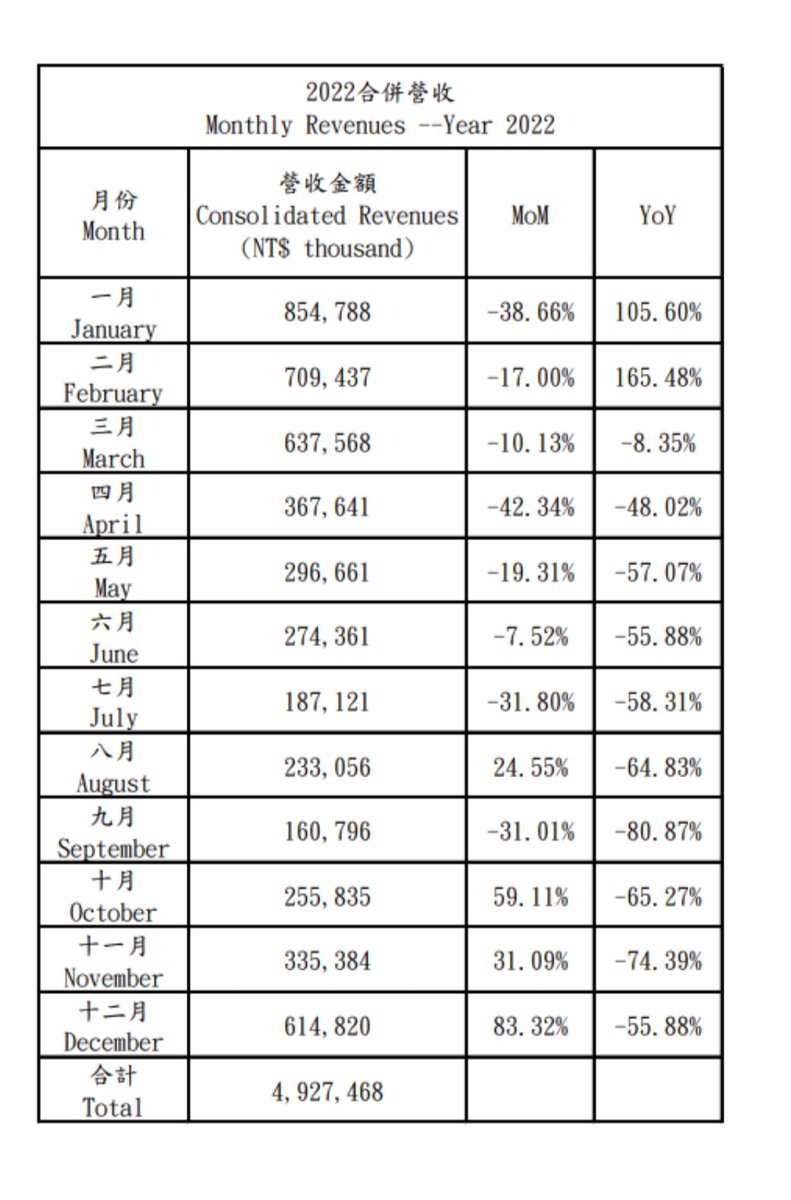
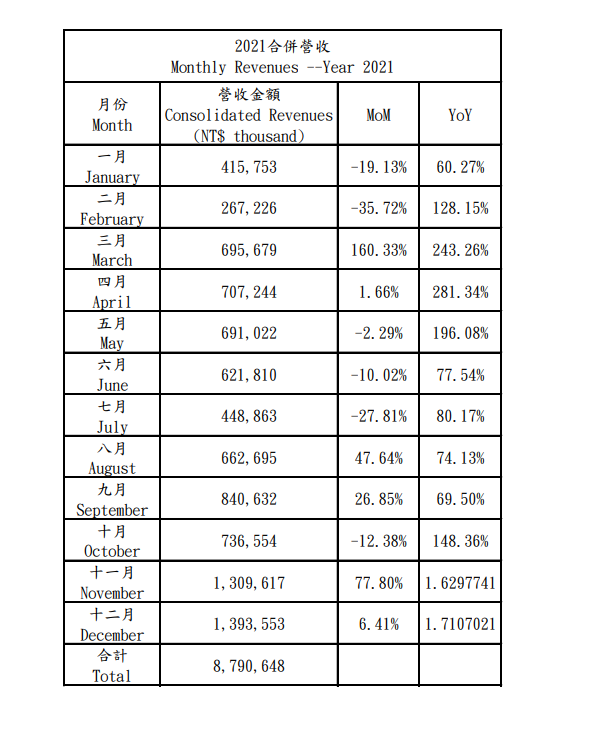
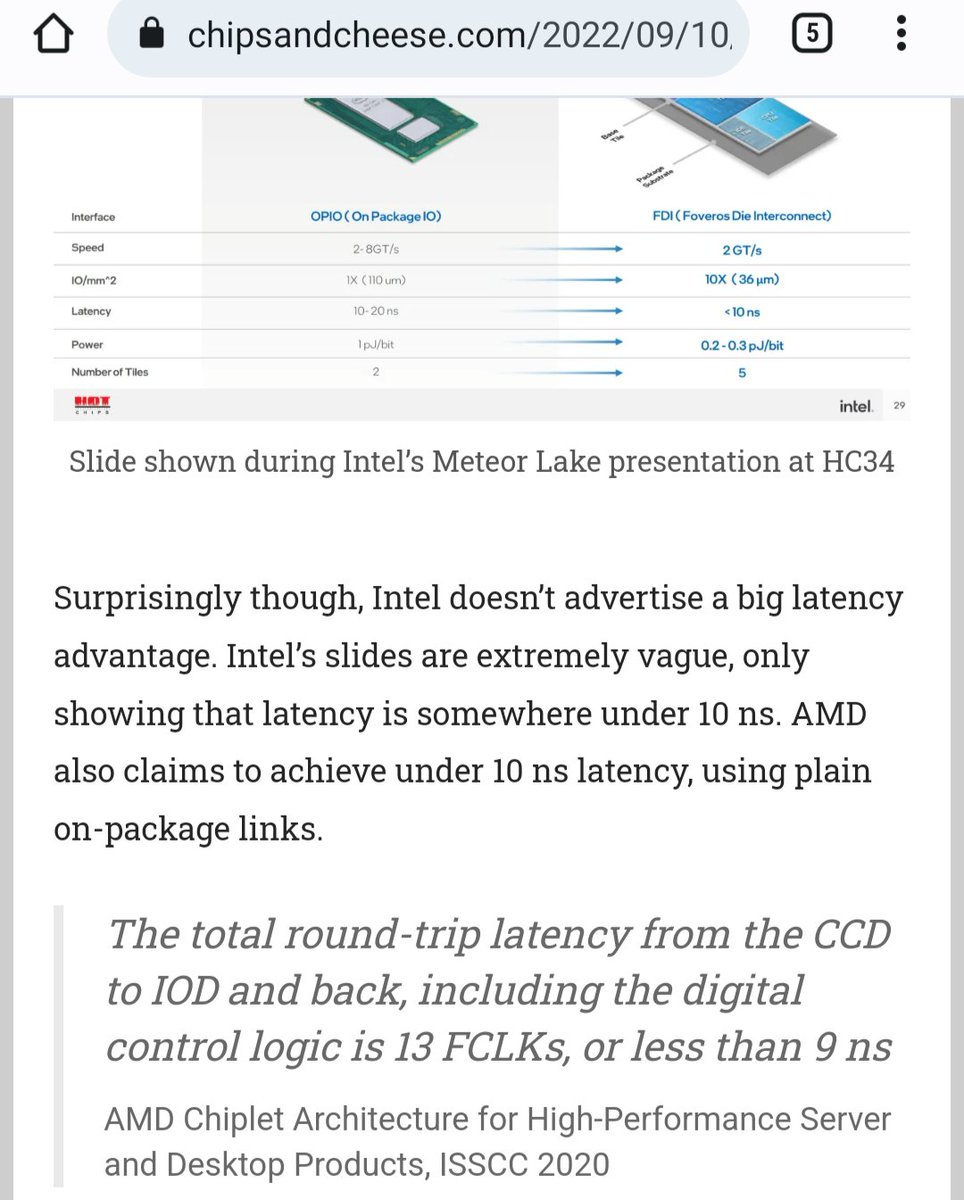
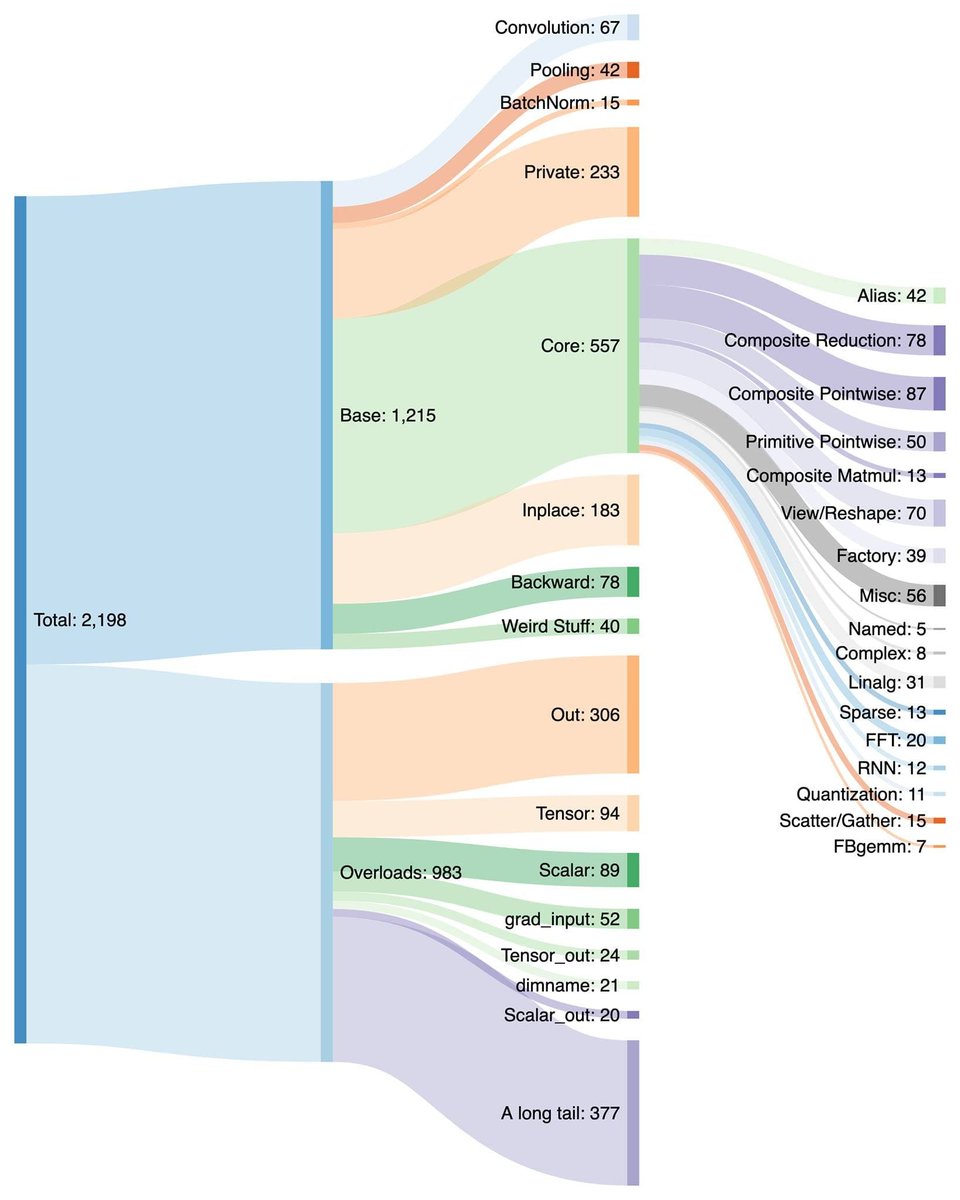
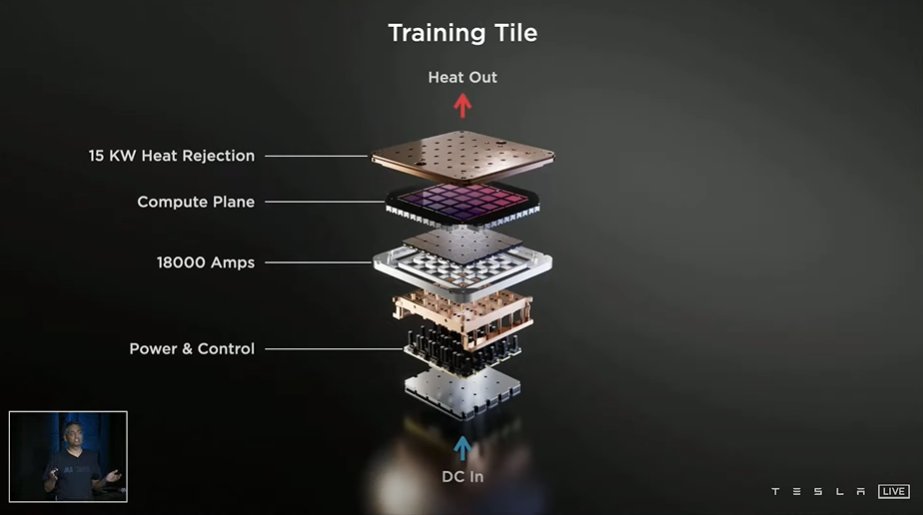
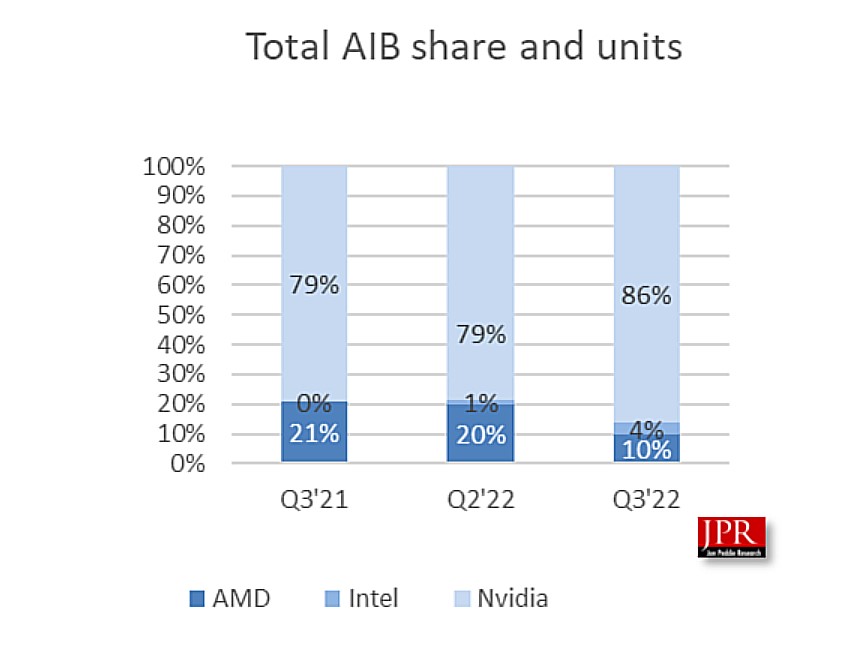
As everyone probably knows, I was skeptical about JPR's reporting on AMD / Intel / Nvidia marketshare numbers, but I finally figured out what is actually going on here.🧵
7
14
79
14,929
8 Nov 2024
I think this is why Trump won. Democrats keep telling us how good the economy/jobs are, but people i know in real life aren't seeing it. Most are worse off vs pre covid.
They disenfranchised their base and a ton either voted republican or not at all.
7 Nov 2024

"By any measure that can be empirically observed" my ass. Take any stat other than the few he picks - household debt, rent burden, eviction rates, medical debt, food bank usage, personal savings - and it's clear nothing is translating into actual improvement of people's lives.

2
2
8
678
14 Apr 2024
How do you think they did simulations if a building was never impacted by one of these planes previously?
A bunch of guesswork that could be correct or way off. No one actually expected a plane to hit it when it was built 100 years ago.
1
1
278
14 Apr 2024
Oh right they didnt even have computers for simulations. Just pen and paper.
1
227
23 Mar 2024
Both the box folder and automatic taping is standard. However, it doesnt matter if your waiting on another machine to produce the product that goes inside the box.
So you saved 0 time bc this wasnt the bottleneck of production. Congrats.
22 Mar 2024

Example 5 - Case Taper. Once the case has been erected and loaded, it needs to be taped. Why should a human be doing this repeatedly?
Again, about 3k shipping. Great deal for small teams.
1
439
25 Feb 2024
This is what $5 billion in GPUs and 2 years of training gets you.
A robot that walks like a grandpa.

3
8
1,222
23 Feb 2024
Makes you wonder.. what chips are going to fill Intel's own fabs? Consumer is a huge portion of their volume.
23 Feb 2024

Intel CEO Pat Gelsinger told reporters that TSMC will start producing Intel Arrow Lake and Lunar Lake CPU tiles on TSMC’s N3B process as early as the 4th quarter this year, media report, and that TSMC will produce Arrow Lake and Lunar Lake GPU and NPU tiles as well. Another report says Intel orders for 5nm and 3nm production will be worth over US$10 billion to TSMC in the next few years. $INTC $TSM #semiconductors chinatimes.com/newspapers/20…
6
20
3,580
21 Feb 2024
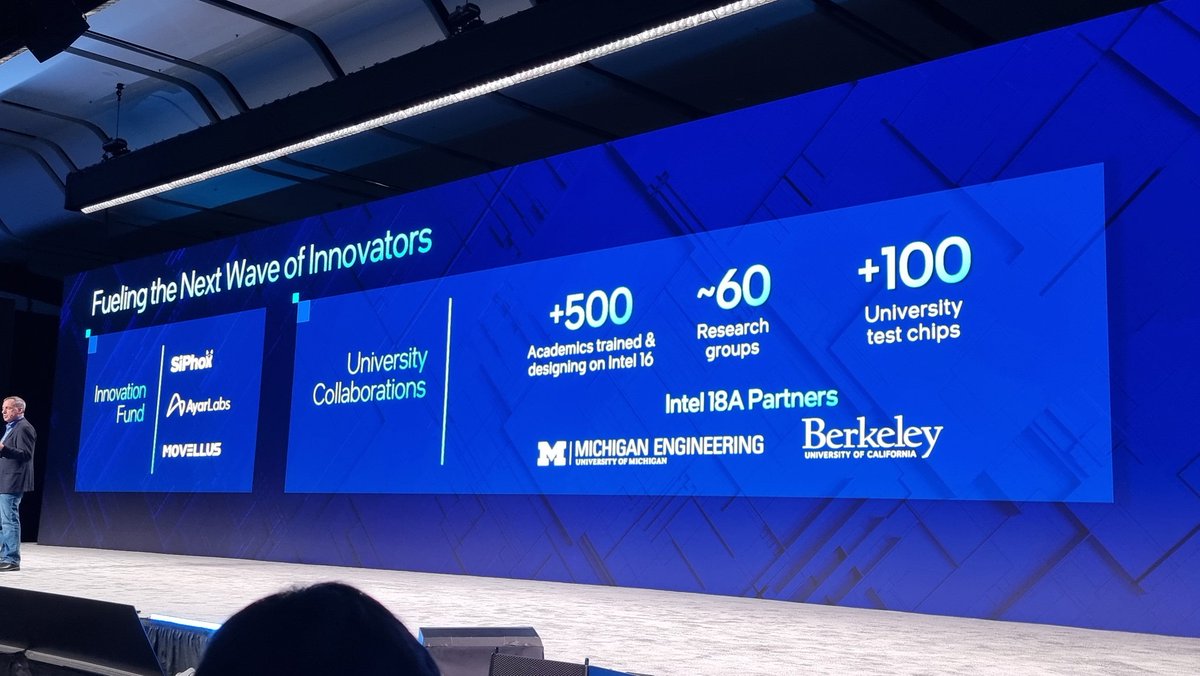
Seeing the amount of collaboration for Intel Foundry now vs 2-3 years ago makes me think they are gonna succeed.
This is what Intel needed. An ecosystem. Now they have it.

2
3
34
3,207
19 Feb 2024
Been saying this for 2 years.
18 Feb 2024

Yes. Developers on PC GPUs are the key enablers to DC GPU success. So all the dev tools need to work flawlessly on PC GPUs. Currently this is largely true with Geforce. Radeons definitely got better these past 6 months and they are showing increased commitment to PC developer . Arc A770 16 GB is also pretty reasonable, but Intel's commitment is unclear. I still get dirty looks from my engineers when I ask them to swap away their Geforce card. Engineers cost way more than any GPU pricing delta, so not worth messing with their productivity.
Gaming GPUs are so accessible globally. Just to give an example, engineers in smaller cities in places like India that don't have a path to access DC GPUs, can walk to their local PC reseller and buy a Geforce card and start coding!
Consistent architecture and driver stack across PC and DC GPUs will be a huge advantage. This is much overlooked disadvantage of dedicated AI accelerator eco-system. And secretly, most AI kids want to play games as well😀
1
14
2,067
Phatal187 retweeted

16 Feb 2024
They denied it saying I damaged it, sent me some obscure pictures and a $300 bill for repairs. That’ll be the last time I spend good money on Asus products.
Guess it’s as bad as people claim.

15 Feb 2024

At the repair facility, just keeping the updates coming.
18
7
26
5,224
Phatal187 retweeted

14 Feb 2024
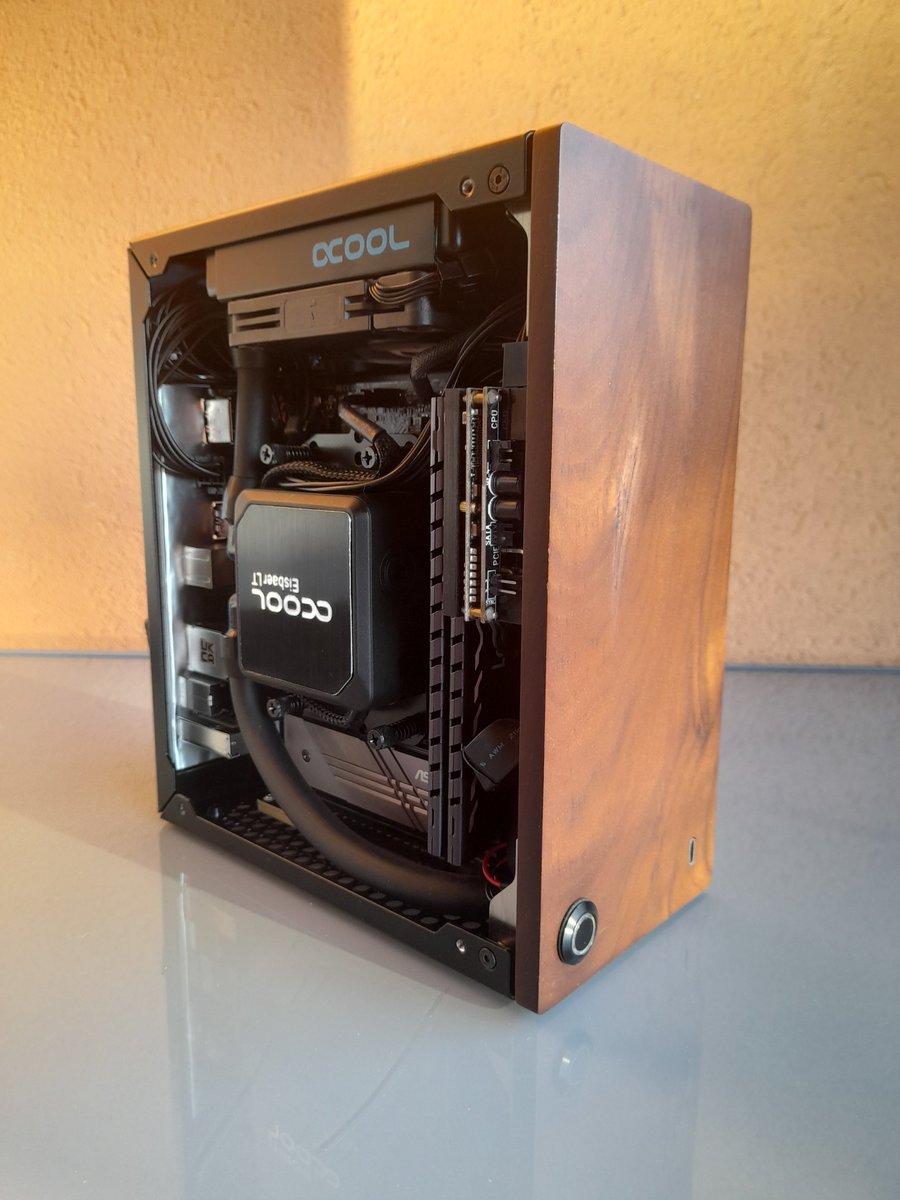
I present you:
4.3 litre full custom loop.
- Densium 4 V2
- R5 5600X
- @AsrockJ B550-i A/C
- @lexarmemory 16GB DDR4 3200
- HDPLEX 160W DC/ATX PSU
- 1TB PCIe4.0 NVMe SSD
- RTX A2000
- @alphacool Eisbaer LT92 12mm mate black tubing
fittings
- @bykski_us GPU waterblock
12
13
63
8,387
Phatal187 retweeted

12 Feb 2024
Zluda - a CUDA work-in-progress implementation for AMD GPUs
(Formerly for Intel GPUs - but that’s gone)
github.com/vosen/ZLUDA
2
97
274
111,966
Phatal187 retweeted

10 Feb 2024
EUV scanners gobble up hydrogen.
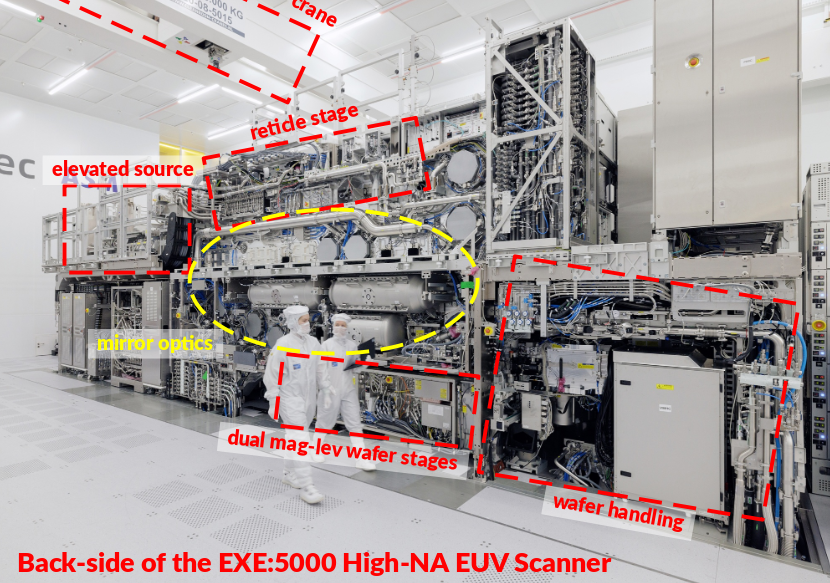
With the first high-NA EUV system shipped, we are starting to see more pictures of what an assembled system looks like. No, I'm not talking about a big white box we were used to seeing inside fabs or CAD cartoon drawings, but real pictures of the inner workings of the most complex commercial machine ever created. Here we have a picture of the backside of the EXE:5000 demo tool in Veldhoven, which will serve as the R&D tool for much of the world that is a paying contributor to imec's semiconductor consortium.
I highlight the major tool components many of us are familiar with, notably what will become the three most expensive components for any tool in the fab: the reticle stage (upper), the wafer stages (lower), and between the two, the EUV optics, which consist of nine multi-layer mirrors.
What jumps out when looking at this complex machine are the three large gas canisters near the optics. What are these for? Well, the short list of experts who would know the specific mechanical details of this machine in the world is quite few, and I'm not one of them, but if I were to speculate with an educated guess, these would be cylinders of hydrogen gas. But why would large canisters like this need to be incorporated into the tool itself? As it turns out, EUV scanners are very unique in terms of their consumption of hydrogen gas.
Most fab tools utilize hydrogen gas, such as epitaxy, deposition, plasma etch, annealing, passivation, and ion implants. These all consume H2 on the order of 100 SCCM. A single EUV scanner, however, requires 100~1000X this amount in SLM quantities (standard liters per minute). The reason H2 is so important for EUV is because EUV photons absorb most gases except hydrogen, which has a very high EUV transmission. This makes it a useful gas for use in these systems. So how is H2 used for EUV?
The biggest part of the machine that needs huge amounts of H2 gas is the source. It's used as a shroud to protect the collector mirror from tin contamination. EUV sources work by vaporizing a stream of tiny droplets of tin with a CO2 laser; this creates a plasma that emits EUV light. However, this is a dirty process, so the tin vapor and aberrant droplets are reacted with a high flow rate of H2 to form stannane (SnH4), which is then removed with a vacuum line. H2 can also be used to form plasma that cleans the collector mirror, prolonging its life.
So why do we need H2 near the optics and the upper and lower stages? It's often stated that the EUV light path operates in a vacuum. This is not exactly true. It's actually an ambient of very low pressure, and that ambient is H2 gas due to its high transmission properties with EUV light. One interesting aspect of this is that EUV light strikes a H2 plasma throughout the lightpath, and the plasma dynamics are pretty complex.
Ok, so why operate this machine with what amounts to a giant H2 plasma? Well, it serves to maintain the purity of this vacuum environment much better than a pure vacuum. By flushing the light path, including the wafer area and reticle, with H2 gas, any impurities that may arise from running the machine 24 hours a day, 7 days a week, are immediately mitigated. It reacts with any stray carbon coming from the photoresist on the wafer stage, forming a gas that can be evacuated. Any stray tin entering the middle section is also reacted to in the same way the collector mirror is maintained. On the reticle stage, pure H2 gas is flowed across the reticle and acts as a gas curtain, preventing any particles from landing on the mask.
Furthermore, the high-energy EUV photons can cause the optics to oxidize, which would degrade their performance over time. Hydrogen acts as a reducing agent that helps minimize this oxidation. Altogether, hydrogen extends the lifetime of the mirrors used in the EUV system. This is crucial because the mirrors are extremely expensive and difficult to manufacture and replace.
So I'll speculate a bit here as to why hydrogen canisters would be held locally inside the machine instead of just relying on the house supply. I would guess this is because the entire purpose of it is to maintain the purity of the vacuum environment, unlike most other unit process tooling. Another level of purification is performed on the house supply, and this is brought into the tool and stored in these canisters.
And there you have it: EUV scanners have a voracious appetite for hydrogen gas. This extends the lifetime of the expensive optics and other components of the machine, enabling Moore's law to continue marching on. @dylan522p
10
48
285
41,819
13 Feb 2024
Actual interesting desktop use case
13 Feb 2024

Instead of using @Microsoft or @Google's #AI, how about chatting with your own #GeForce card using the new @NVIDIA #ChatWithRTX Demo?
hothardware.com/news/nvidia-…
1
230
13 Feb 2024
What am I missing here? Articles like this Claim TSMC's CoWoS capacity is 12-15k wafers/month
seekingalpha.com/article/466…
2
3
459
13 Feb 2024
But TSMC's own press release for just fab6 says they can produce 1 million wafers a year at this single packaging facility. Which is 83,000 wafers/month.
pr.tsmc.com/english/news/303…
This isnt including other packaging sites either...
1
2
168
13 Feb 2024
15k/month is 18% of their volume for this facility. Such a gigantic difference.
1
3
126
12 Feb 2024
Amazing what one developer accomplished. Imagine a team.
Also you imagine this would provide insights into why ROCM performs worse or OpenCL and target improvements

Exclusive & Benchmarks: AMD Quietly Funded A Drop-In CUDA Implementation Built On ROCm: It's Now Open-Source
This allows unmodified CUDA apps to run on Radeon GPUs and in some workloads CUDA on Radeon is faster than native OpenCL or HIP/ROCm backends!
phoronix.com/review/radeon-c…
2
1
21
2,606
12 Feb 2024
Also, i hope AMD hired this person for other projects. Sounds like theyre really talented. Could help them with their rocm IR probably
1
7
300
12 Feb 2024
Card looks incredibly thick for both cucumber and across the water after..
3
300
Phatal187 retweeted

10 Feb 2024
Most of the conversations that I have about nuclear energy, leads to the same question: “- but what about the waste? -What waste? -Well, you know, it remains highly hazardous for a long time and…”
Let me tell you 3 facts about nuclear spent fuel:
1️⃣ A nuclear power plant, supplying energy to a large city with millions of residents, consumes less than half a liter of uranium daily, resulting in less than half a liter of spent fuel produced each day. AND: About ~95% of this waste can be recycled, like France currently does.
2️⃣ No human has ever been harmed by nuclear waste. Contrary to common perception, spent nuclear fuel is in solid form, securely packaged in high-level waste containers (ultra-strong containers) designed to withstand extreme conditions and provide secure long-term storage for radioactive materials. Also, we have precise knowledge of its location and composition.
3️⃣ After ~300 years, the harmful radiation diminishes. Therefore, we store it in deep geological repositories. Finland's repository, Onkalo, is a notable example, with negligible environmental impact.
The 'waste problem' doesn't even require a solution; it's not a problem at all.
And remember: Are you actively advocating for saving the planet? Excellent idea! Construct more nuclear power plants. The more, the faster, the better.
This isn't an opinion; it's science.
478
2,806
12,275
1,476,045
Phatal187 retweeted

11 Feb 2024
Fun fact - according to most of the semicap players, I believe over 75% of the 1990 era is still with us today.
So yeah this take is wildly wrong. Most old generations of chips never go away, and are the reason why electronics are so cheap.
Oh and tool reuse is huge!
10 Feb 2024

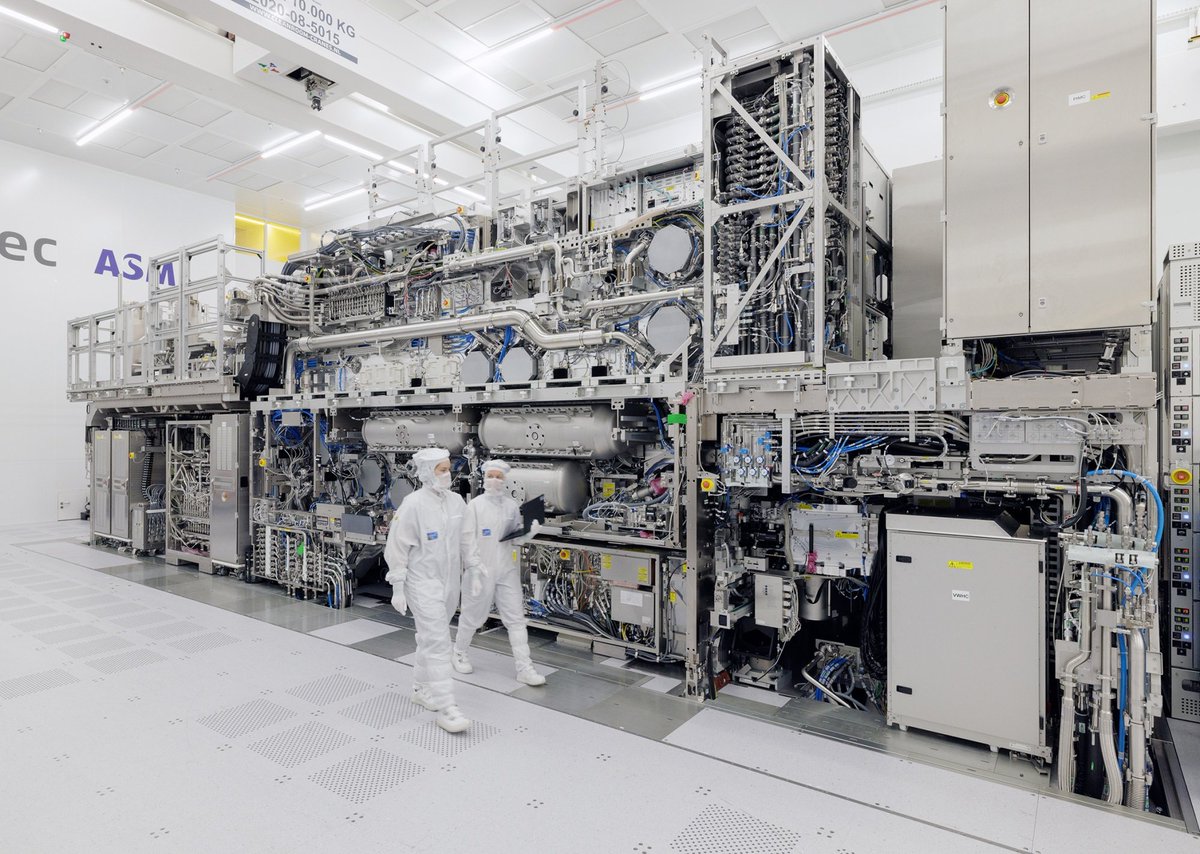
It's wild how bad capex spend is in semiconductors, this machine is basically tossed out as soon as the next gen is developed. Imagine doing this in manufacturing...new CNCs every few years lmao
6
22
177
22,507