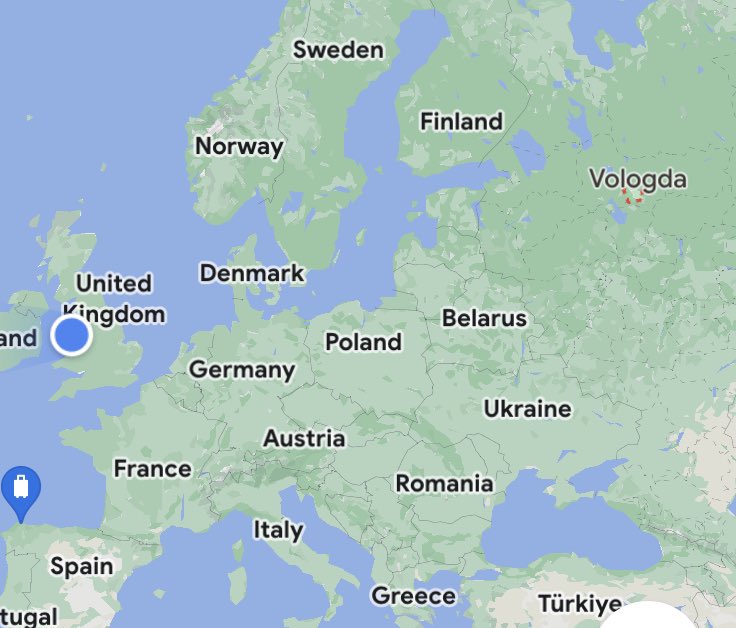
Another Conwy Valley Woodcock shot, this one in Vologda, Russian Fed. Ringed 29.11.21 shot 30.11.22 presumably before returning.
Duration: 366 days Distance: 2753 km 2nd bird from this site to go as far. @_BTO#waders#phenology#sitefidelity#migration@cofnod#thermalringing
Indiana Phenology is hosting Dr. Park, Assistant Professor at Purdue University, for a free virtual webinar "Plants in Time: Patterns and consequences of variation in phenological responses to climate" on Wednesday, May 24 at 7 pm.
Register here: buff.ly/42ZKpos
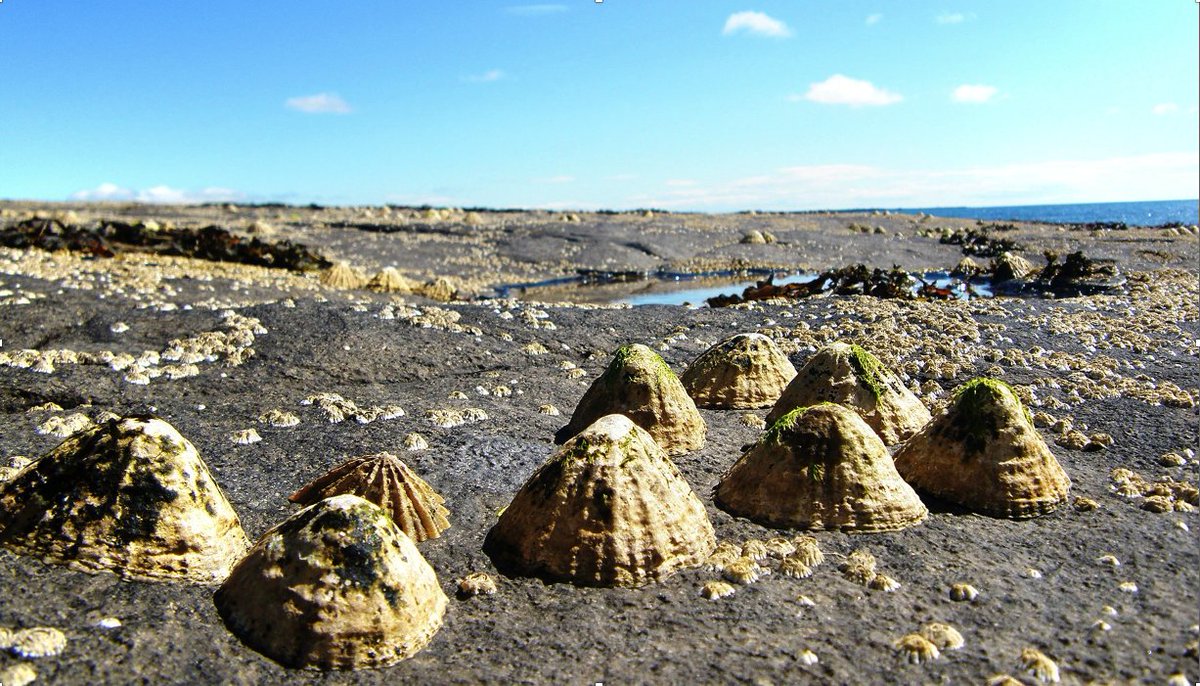
Opportunity for FULLY PAID 8-week student placement at the University of Plymouth on #Limpet breeding in a changing world. 📢 aries-dtp.ac.uk/limpet-breed… Deadline June 2nd
❗️New Special Issue "Climate and Meteorological Factors on Horticulture Cultivars: From Phenology to Morphological Physiology"
🎓Guest Editor: Prof. Dr. Sina Cosmulescu
🗓️Deadline: 31 December 2023
All info: mdpi.com/journal/agronomy/sp…#horticulture
Today I will talk at #ForestSAT2022 about the evaluation of tree phenology derived from Sentinel-2 to improve large-scale tree species mapping 🍃📈🌍 Visit the session about forest attribute maps @WSL_RemoteSens@uzh_geo
You're welcome! I am monitoring its birds' population (after listing all the species sorted out by their phenology: Summer breeding species, Wintering, Sedentary...
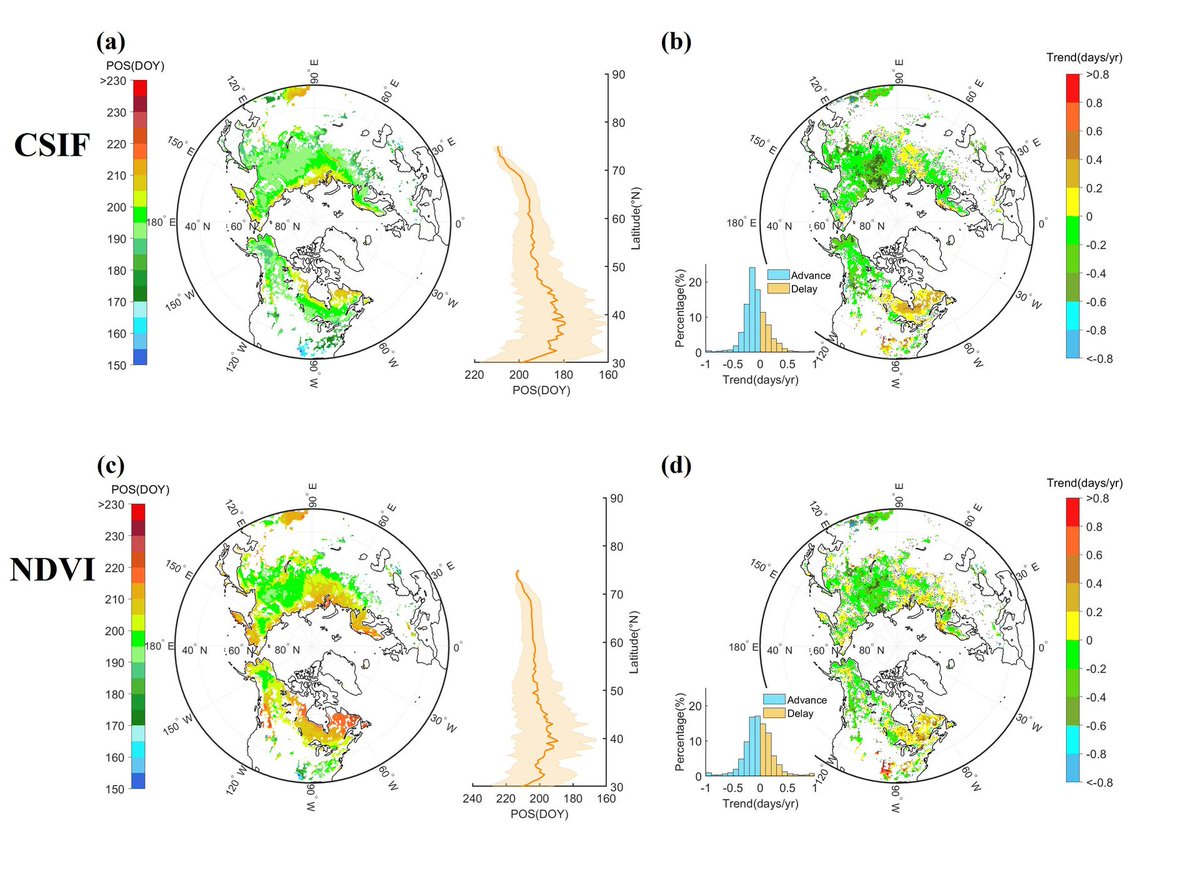
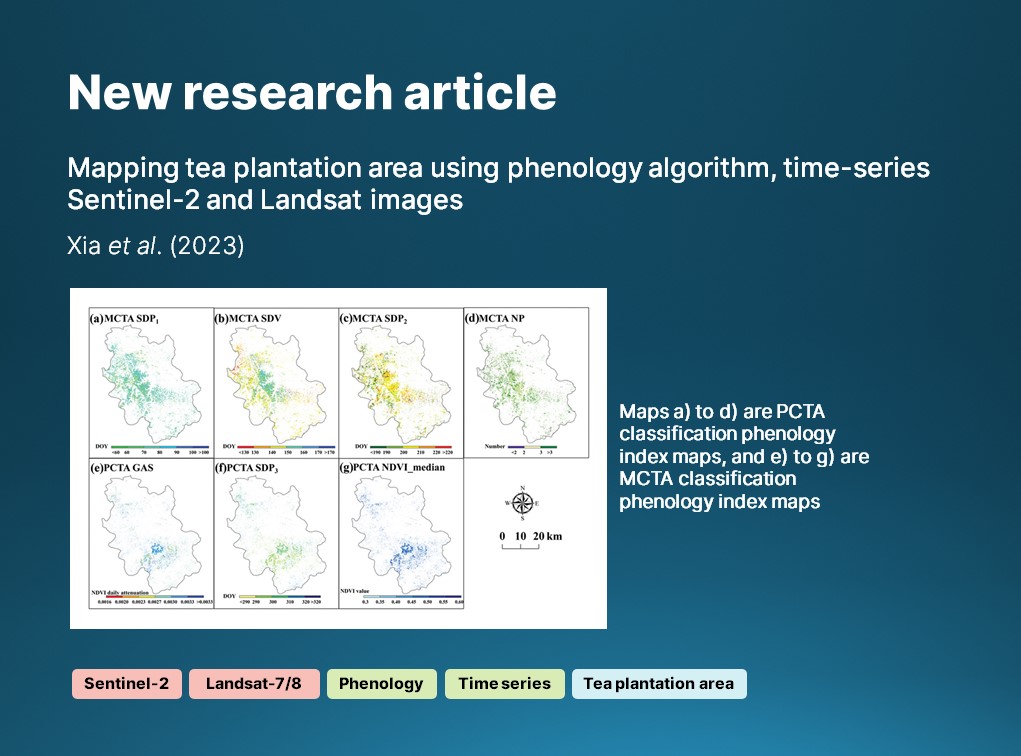
A new vegetation phenology dataset in northern terrestrial ecosystems is published in @ScientificData by Fang et al. Based on GOSIF GPP data, this phenology dataset consists of start, end, & length of growing season (SOS, EOS, LOS) (0.05-deg; 2001-2020). nature.com/articles/s41597-0…
#Phenology Trail - Observations were leaves of increasing size: lots of green on the maple, elm and sycamore trees!
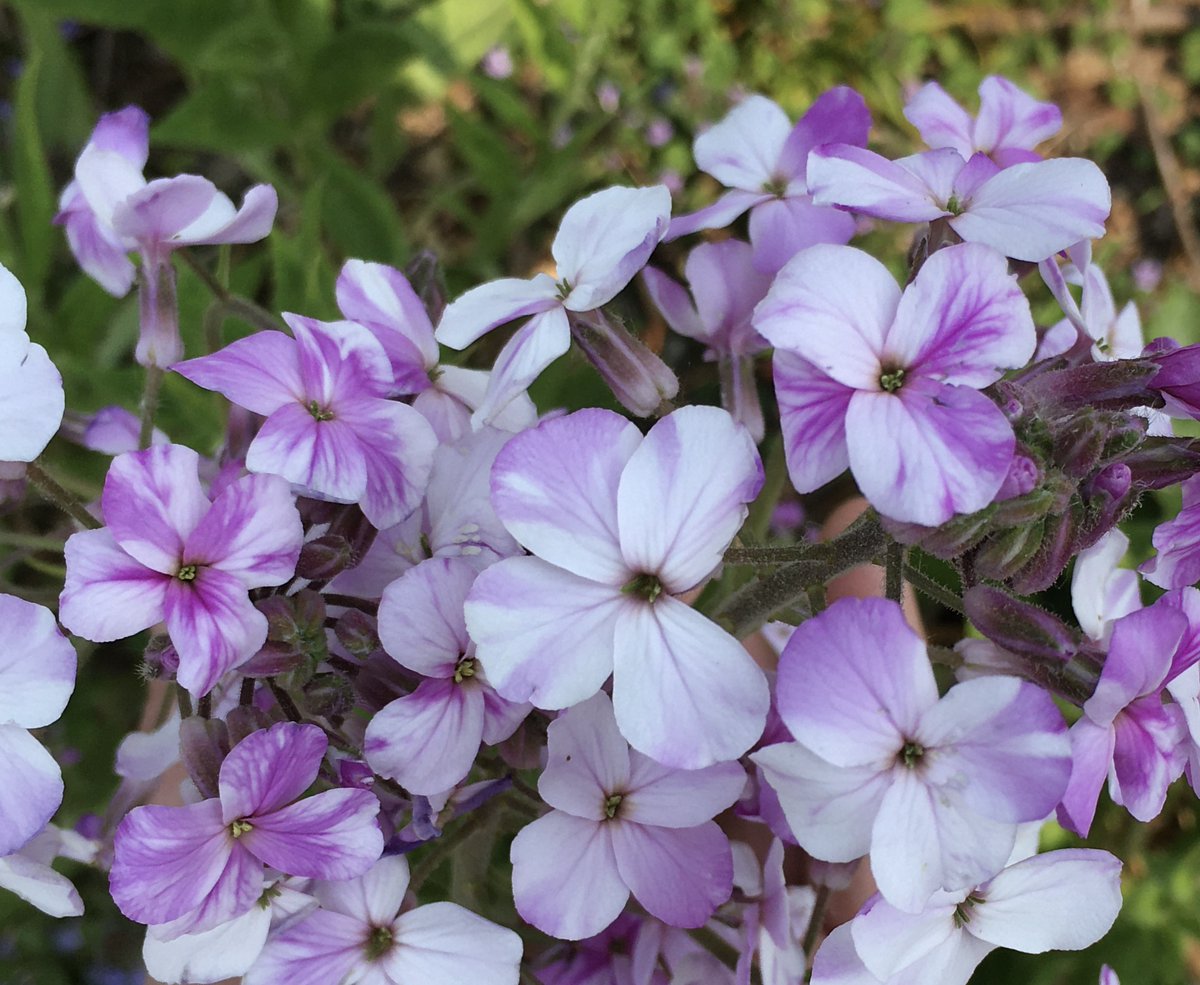
The colorful purple flowers were eye-catching in the orchard area. Dames Rocket is a member of the mustard family. #Pollinators benefit from spring flowers!
ALT Purple flowers of Dames Rocket
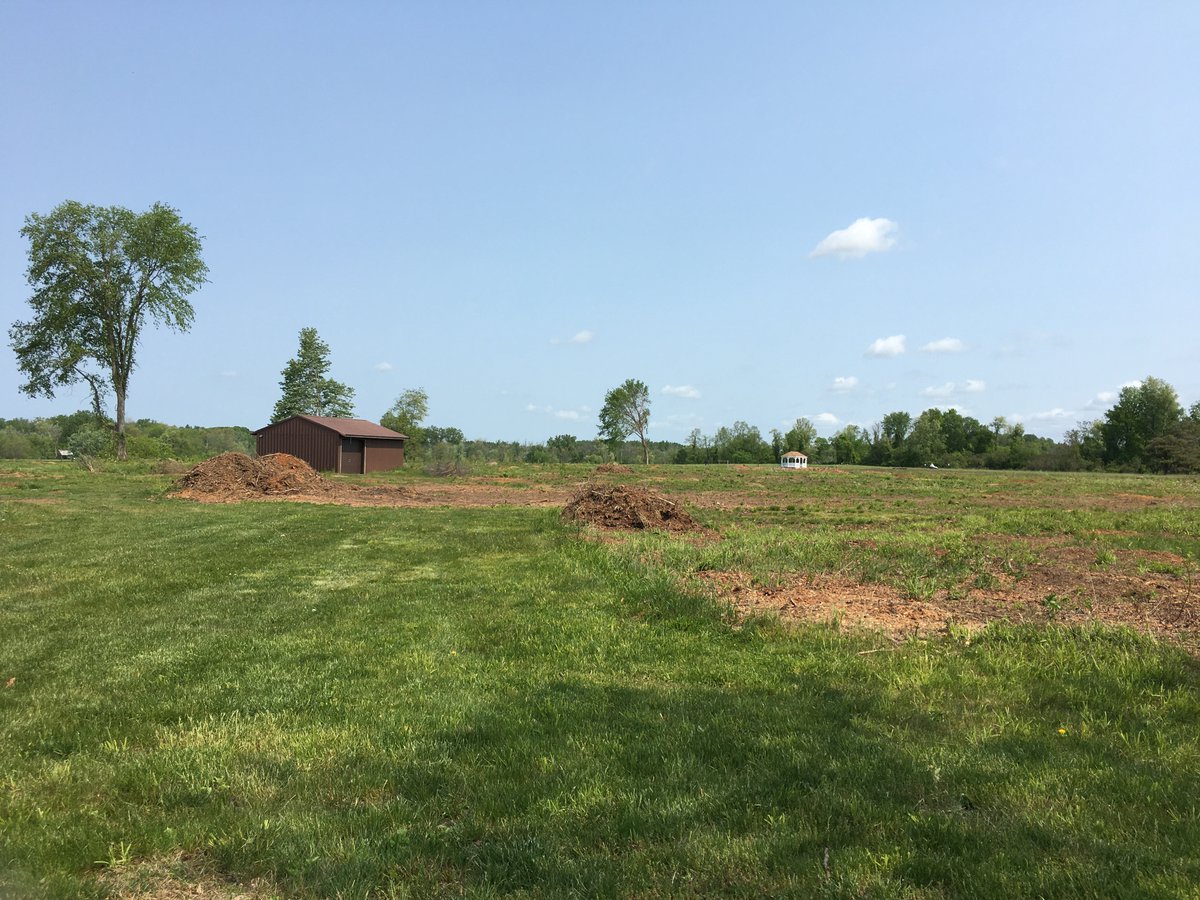
ALT Orchard area cleared of modern trees
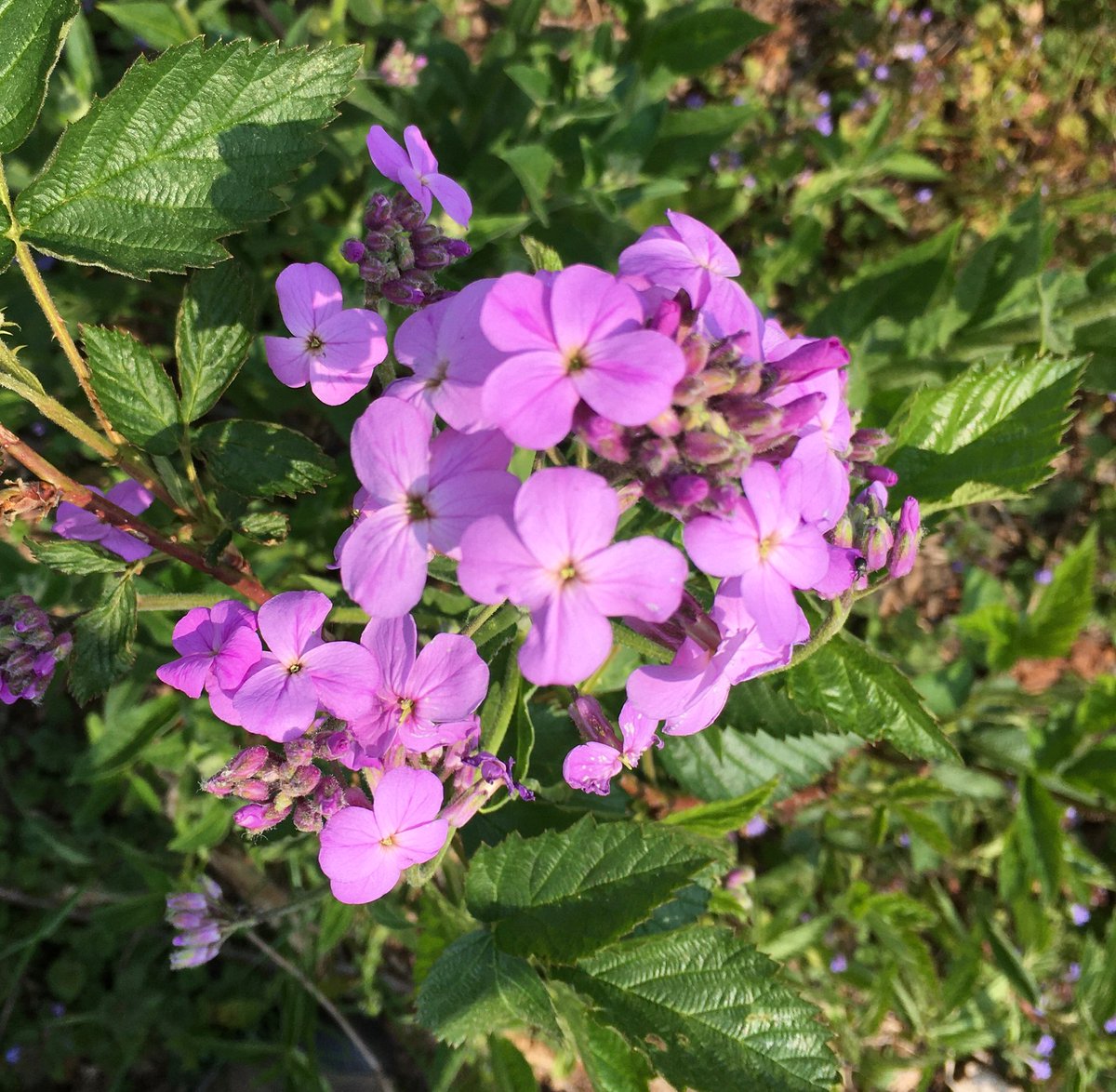
ALT Pink and purple flowers with four petals. Dames Rocket
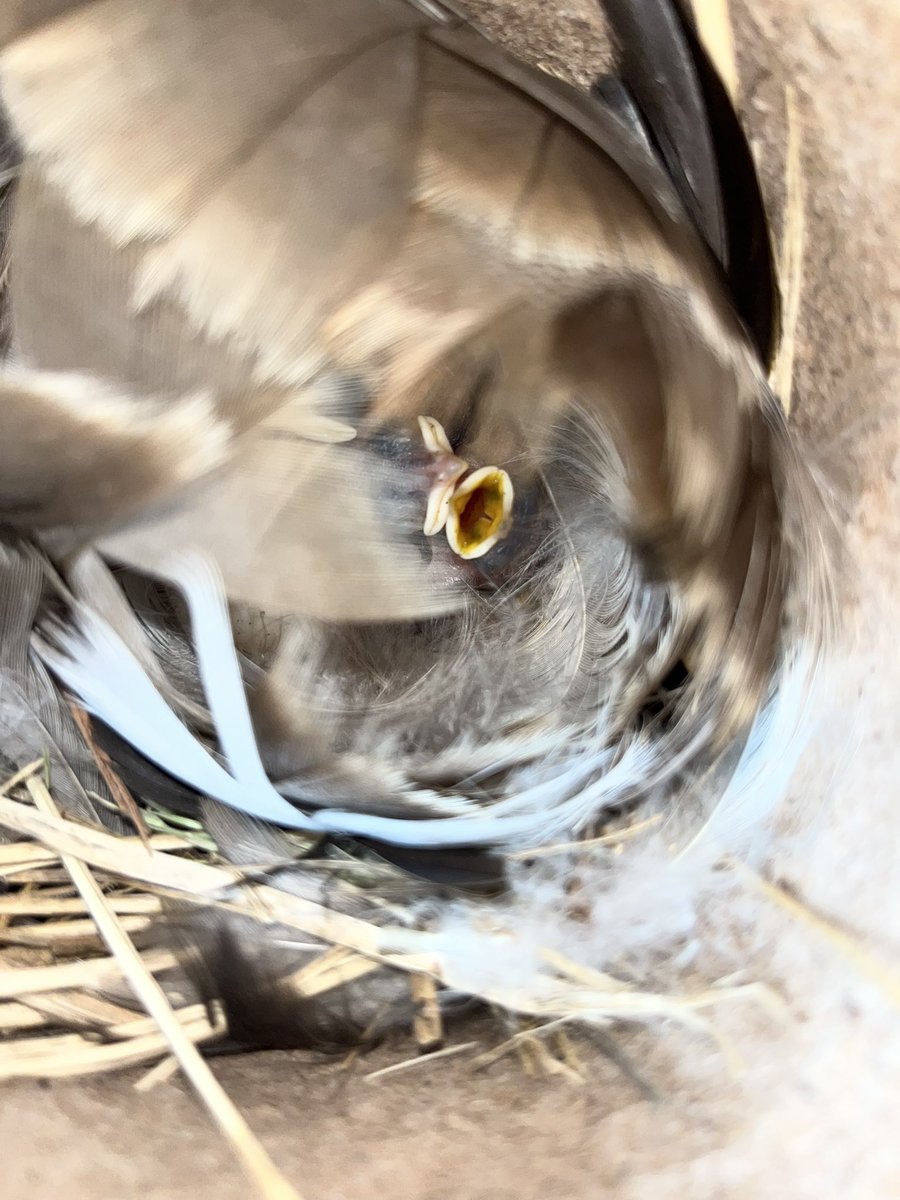
As a part of our ongoing research into the local bird population, we'll be carefully monitoring and ringing new chicks to learn more about their phenology changes due to climate change depending on altitude and type of forest.
#conservation#volunteers
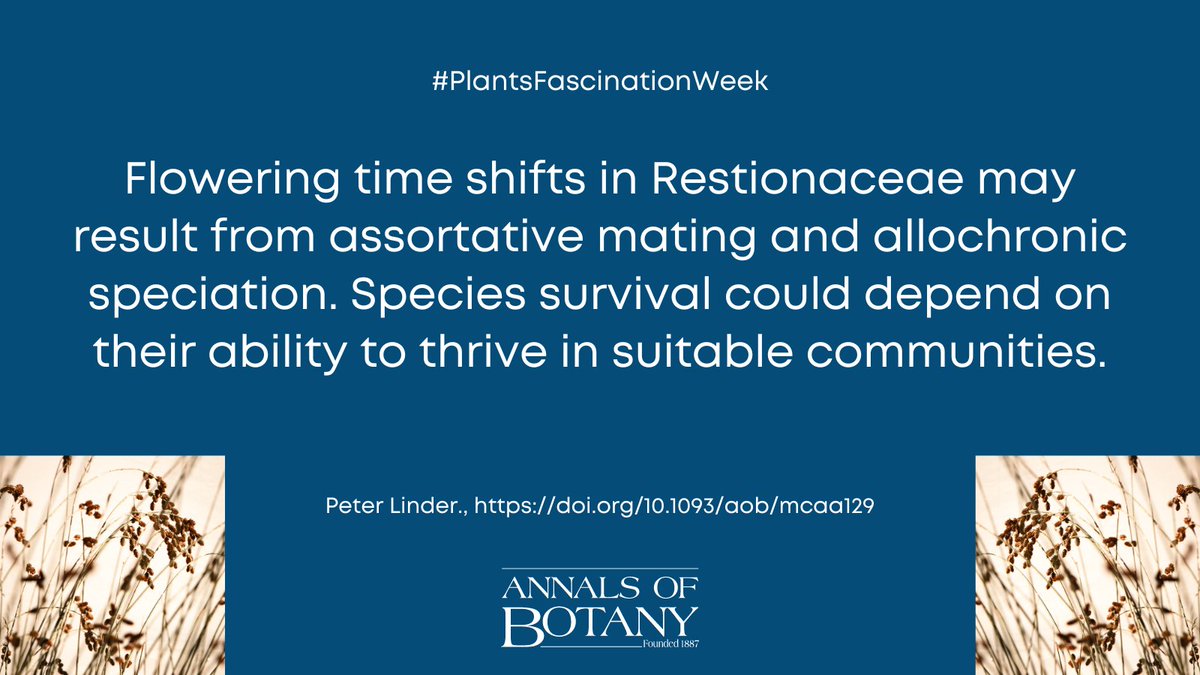
The evolution of flowering phenology: an example from the wind-pollinated African Restionaceae by Peter Linder doi.org/10.1093/aob/mcaa129 (5/12)
ALT While the response of plant species to climate change has been extensively studied, the evolutionary aspects of flowering phenology have received less attention. In a study of wind-pollinated Restionaceae (restios) in the Cape flora, the flowering times of a large number of species were examined to understand the factors influencing flowering time shifts.
The results revealed that flowering time in restios is evolutionarily flexible, with species exhibiting diverse flowering patterns throughout the year. Flowering time shifts were not strongly explained by environmental factors or species traits, and allochronic (temporally separated) flowering between closely related species was common. However, at the community level, mean flowering time was associated with elevation, temperature, and rainfall.
These findings suggest that flowering time shifts in restios may be influenced by assortative mating and allochronic speciation, potentially leading to non-adaptive radiation.
Westport, MA, May 19
Phenology report: Surprised to hear yesterday 1st cricket singing in the cool month of May. First day. Also, orioles flash their bright, orange coats, and robins still busy building nests. Busy busy busy.