Professor and Chair @BU_Biology, Biogeochemist, Forest Ecologist, and Mom, @BU_Urban, @BUbiogeo, @HubbardBrookNH, @HarvardForest, @ArnoldArboretum
Joined September 2014
- Tweets 67
- Following 126
- Followers 439
- Likes 118
5 Photos and videos

14 Nov 2023
Seeking PhD students to join the Templer lab at Boston University in forest ecosystem ecology, biogeochemistry, and climate leadership. Apply to BU by Dec 6. @phtempler @BU_Biology @BU_URBAN @BUBiogeo Check out people.bu.edu/ptempler and Contact ptempler@bu.edu Please RT.
6
42
63
9,309
11 Nov 2022
Seeking PhD students to join the Templer lab at Boston University in forest ecosystem ecology, biogeochemistry, and climate leadership. Apply to BU by Dec 5. @phtempler @BU_Biology @BU_URBAN @BUBiogeo Check out people.bu.edu/ptempler and Contact ptempler@bu.edu Please RT.
1
25
27
20 Jul 2022
Excited to share this paper we just published that began with a 2016 workshop in Japan as part of the ILTER Nitrogen Initiative. It was wonderful to work with this fantastic group of people rdcu.be/cR03A
@ILTER_network @uslter @USLTER @BU_Biology @BU_Tweets @bu_urban
1
6
2 Dec 2021
It was great to celebrate the end of the semester with all of you. I'm very thankful to have each and every one of you in our lab!
4
30 Nov 2021
I'm incredibly grateful to be part of the wonderful URBAN community!!
5
12 May 2021
Receiving this award is such an honor! I couldn’t have done it without so many inspiring students, colleagues, and mentors at @BU_Tweets, @bu_urban, @BUbiogeo, @ISE_BU, @sustainableBU, @HubbardBrookNH, @HarvardForest, @ArnoldArboretum, @caryinstitute
3
2
33
25 Jun 2020
A7: Thank you all for participating. This was really fun and I learned from each and every one of you! I look forward to continuing our conversation. #WarmingForestChat
25 Jun 2020

A7: We need to conserve and protect our forests and urban trees to ensure their health and functioning, and human well-being. @HubbardBrookNH #treecanopy #climatejustice #community resilience #treeequity #WarmingForestChat
4
25 Jun 2020
A7: Trees provide many functions that benefit humans, including regulating our climate in general, keeping us cool in winter, filtering our air and water. We need to protect them. #WarmingForestChat
25 Jun 2020
A7: We need to conserve and protect our forests and urban trees to ensure their health and functioning, and human well-being. @HubbardBrookNH #treecanopy #climatejustice #community resilience #treeequity #WarmingForestChat
2
6
25 Jun 2020
A7: We need to conserve and protect our forests and urban trees to ensure their health and functioning, and human well-being. @HubbardBrookNH #treecanopy #climatejustice #community resilience #treeequity #WarmingForestChat
25 Jun 2020

Q7: What are one or two things of the key things you would tell people about how warming forests will affect their lives?
#WarmingForestChat
2
2
25 Jun 2020
A6: Currently, pests increasing in numbers and range, so more diseases are hitting trees and people. Examples include #HemlockWoolyAdelgid #barkbettles #WestNileVirus, #LymeDisease #Malaria @SeritaFrey @HarvardForest #WarmingForestChat
25 Jun 2020
Q6: Are the consequences of warming forests already happening or are they in the future? What are the experiments at @USLTER and @NSFR (and elsewhere) showing? #WarmingForestChat
3
3
25 Jun 2020
A5: Winter whiplash are huge swings in weather not seen in past. Examples include 70-degree days followed by snowy blizzards, then hot days with flooding caused by rapidly melting snow #WinterWhiplash #HBIceStorm #ISE #HubbardBrook @NoraCasson @AlixContosta #WarmingForestChat
25 Jun 2020
Q5: In her interview with the Bulletin, @phtempler talks about the phrase “weather whiplash.” What does that mean? Is that a new phenomenon, and what is its effect on ecosystems? #WarmingForestChat
bit.ly/WarmingForestChat
1
3
3
25 Jun 2020
A4: Anything that causes plants to reduce carbon uptake during photosynthesis or for plants and soils to release more carbon during respiration means forests store less carbon onlinelibrary.wiley.com/doi/… #WarmingForestChat
25 Jun 2020
Q4: @phtempler found a 40% decline in the CO2 absorbed by sugar maples. We recently published an article showing that part of the Amazon rainforest had switched from absorbing CO2 to releasing it. Is that a coming trend for forests? #WarmingForestChat
bit.ly/3e0LCBV
1
2
2
25 Jun 2020
A3: In short-term:warmer temperatures can have some benefit with longer growing seasons for farmers and foresters and lower heating bills in winter. But, warmer temperatures harm people through heat waves, drought, storm surges, and other extreme weather events #WarmingForestChat
25 Jun 2020
Q3: What are the implications for humans? How will warming forests affect local populations and beyond? #WarmingForestChat
3
3
25 Jun 2020
A2: Frozen soils can damage roots, microbes, insects, and reduce forest carbon sequestration up to 40% #WarmingForestChat
4
7
25 Jun 2020
A2: Snow acts as blanket. Less snow means less soil insulation of all that lives in the soil below. Even in mild winter, if temperatures are below freezing and soils not covered with snow, soil more likely to freeze #WarmingForestChat
25 Jun 2020

A2: This depends on the timing of snow cover and how cold the air gets when it is absent. Early spring snowmelt can benefit plants if it does not get cold, but it stresses them it if get cold again later. #WarmingForestsChat
3
5
25 Jun 2020
A1: There is a positive feedback that occurs with winter warming. Warmer winters means there is less snow on the ground, more absorption of sunlight, less reflection, thus more warming, and even less snow #WarmingForestChat
25 Jun 2020
A1: Winters at @HubbardBrook, rest of northeastern US, and parts of Canada now 5 degrees F hotter than 100 years ago. Everything cold is warming fastest: winter more than summer, high more than low latitudes, night more than day @BU_Tweets #WarmingForestChat
4
6
25 Jun 2020
A1: Winters at @HubbardBrook, rest of northeastern US, and parts of Canada now 5 degrees F hotter than 100 years ago. Everything cold is warming fastest: winter more than summer, high more than low latitudes, night more than day @BU_Tweets #WarmingForestChat
1
2
6
9 Dec 2019
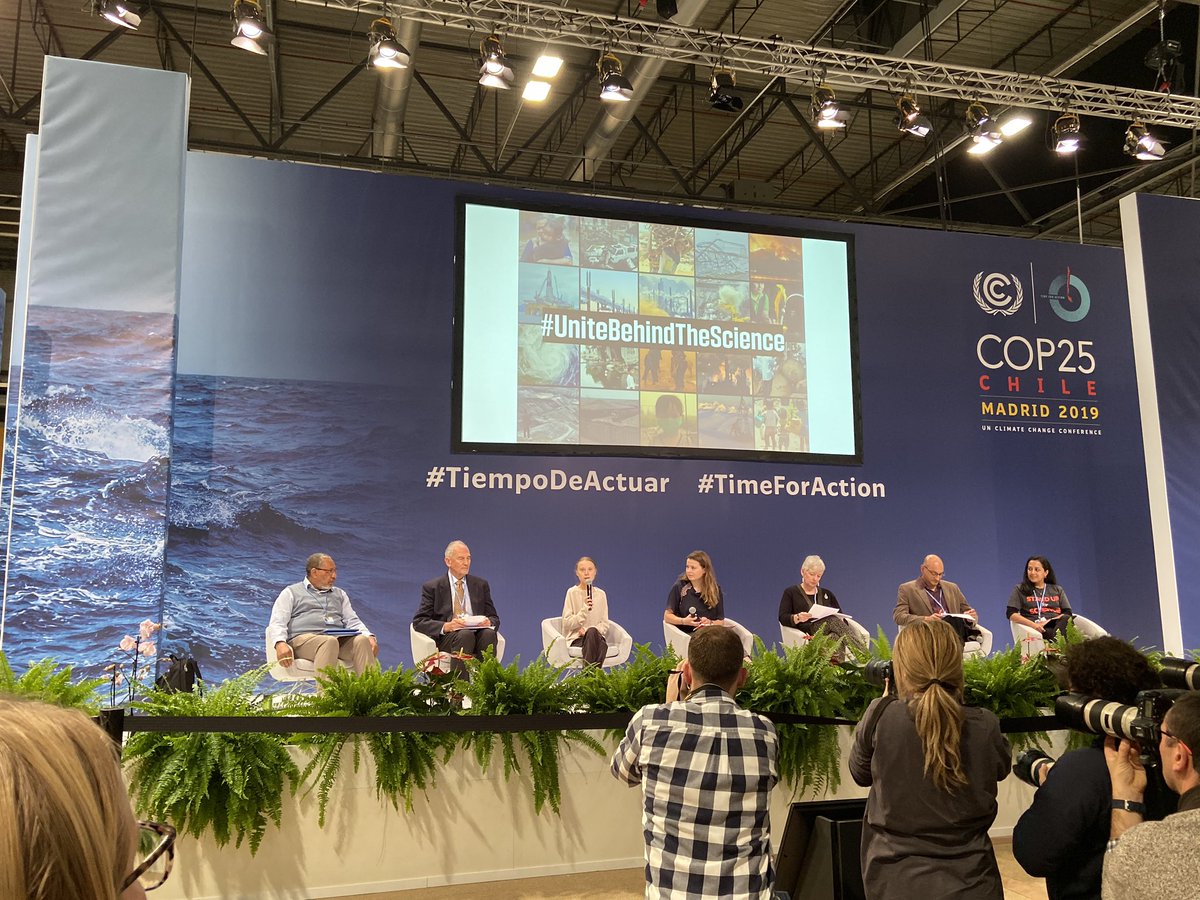
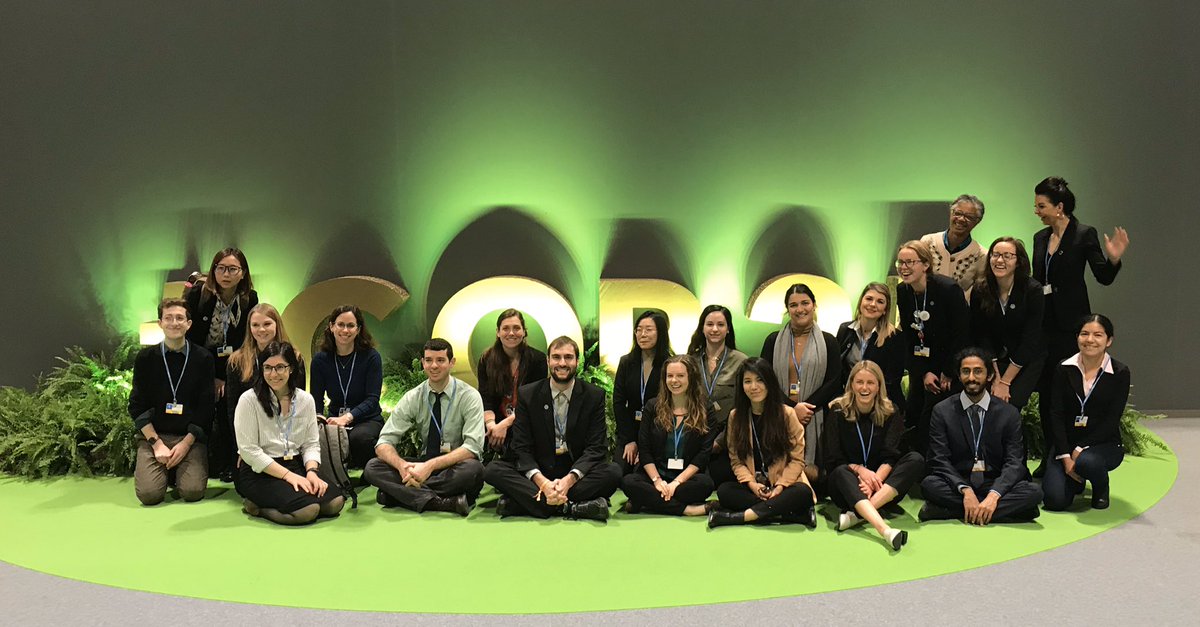
So honored to be at #cop25 with students, faculty, and others from @ESA_org. Students from Clark, Colorado State, and @Monashuni presented their research so well at their press conference
@bu_urban
@bubiogeo
9 Dec 2019

Students and graduates from @MonashUni are thrilled to be partnering with various international universities for a suite of events and press conferences featuring student research @COP25CL #Madrid #Week2 #MasterEnvSustainability #ECOL592 #TimeForAction
2
3
16
9 Dec 2019
Hi Rosella! I’m here through Wednesday. Are you here at COP? I’d love to see you.
1