Postdoctoral Associate @RLEatMIT , researching meniscus coating for scale-up of perovskite solar cells, to help provide a more sustainable future ☀️ 🔋
Joined November 2020
- Tweets 23
- Following 129
- Followers 126
- Likes 197
3 Photos and videos

5 Nov 2025
So happy to have been able to contribute to validating this amazing tool and to the future of AI!
5 Nov 2025

After two years of work, we’ve made an AI Scientist that runs for days and makes genuine discoveries. Working with external collaborators, we report seven externally validated discoveries across multiple fields. It is available right now for anyone to use. 1/5
1
134
Nicky Evans retweeted

5 Nov 2025
Today, we’re announcing Kosmos, our newest AI Scientist, available to use now.
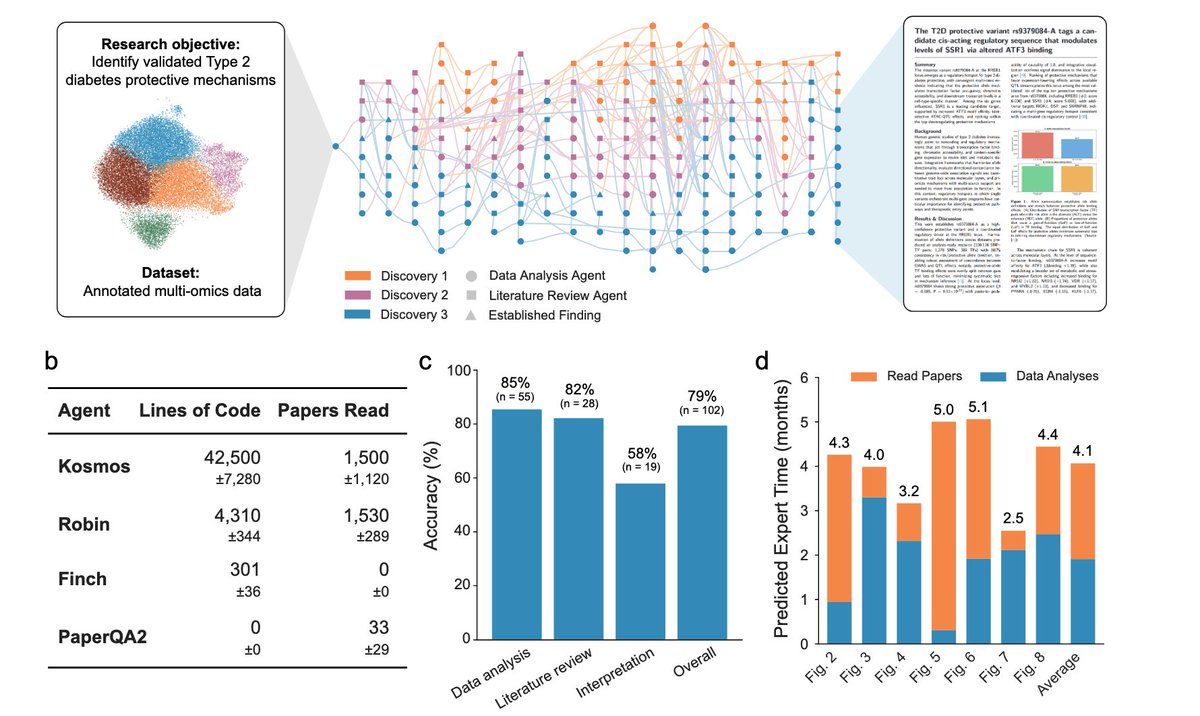
Users estimate Kosmos does 6 months of work in a single day. One run can read 1,500 papers and write 42,000 lines of code. At least 79% of its findings are reproducible. Kosmos has made 7 discoveries so far, which we are releasing today, in areas ranging from neuroscience to material science and clinical genetics, in collaboration with our academic beta testers. Three of these discoveries reproduced unpublished findings; four are net new, validated contributions to the scientific literature. AI-accelerated science is here.
Our core innovation in Kosmos is the use of a structured, continuously-updated world model. As described in our technical report, Kosmos’ world model allows it to process orders of magnitude more information than could fit into the context of even the longest-context language models, allowing it to synthesize more information and pursue coherent goals over longer time horizons than Robin or any of our other prior agents. In this respect, we believe Kosmos is the most compute-intensive language agent released so far in any field, and by far the most capable AI Scientist available today. The use of a persistent world model also enables single Kosmos trajectories to produce highly complex outputs that require multiple significant logical leaps. As with all of our systems, Kosmos is designed with transparency and verifiability in mind: every conclusion in a Kosmos report can be traced through our platform to the specific lines of code or the specific passages in the scientific literature that inspired it, ensuring that Kosmos’ findings are fully auditable at all times.
We are also using this opportunity to announce the launch of Edison Scientific, a new commercial spinout of FutureHouse, which will be focused on commercializing our agents and applying them to automate scientific research in drug discovery and beyond. Edison will be taking over management of the FutureHouse platform, where you can access Kosmos alongside our Literature, Molecules, and Precedent agents (previously Crow, Phoenix, and Owl). Edison will continue to offer free tier usage for casual users and academics, while also offering higher rate limits and additional features for users who need them. You can read more about this spinout on our blog, below.
A few important notes if you’re going to try Kosmos. Firstly, Kosmos is different from many other AI tools you might have played with, including our other agents. It is more similar to a Deep Research tool than it is to a chatbot: it takes some time to figure out how to prompt it effectively, and we have tried to include guidelines on this to help (see below). It costs $200/run right now (200 credits per run, and $1/credit), with some free tier usage for academics. This is heavily discounted; people who sign up for Founding Subscriptions now can lock in the $1/credit price indefinitely, but the price ultimately will probably be higher. Again, this is less chatbot and more research tool, something you run on high-value targets as needed.
Some caveats are also warranted. Firstly, we find that 80% of Kosmos findings are reproducible, which also means 20% are not -- some things it says will be wrong. Also, Kosmos certainly does produce outputs that are the equivalent to several months of human labor, but it also often goes down rabbit holes or chases statistically significant yet scientifically irrelevant findings. We often run Kosmos multiple times on the same objective in order to sample the various research avenues it can take. There are still a bunch of rough edges on the UI and such, which we are working on. Finally, we are aware that the 6 month figure is much greater than estimates by other AI labs, like METR, about the length of tasks that AI Agents can currently perform. You can read discussion about this in our blog post.
Huge congratulations to our team that put this together, led by @ludomitch and @michaelathinks: Angela Yiu, @benjamin0chang, @sidn137, Edwin Melville-Green, Albert Bou, @arvissulovari, Oz Wassie, @jonmlaurent. A particular shout out to @m_skarlinski and his team that rebuilt the platform for this launch, especially Andy Cai @notAndyCai, Richard Magness, Remo Storni, Tyler Nadolski @_tnadolski, Mayk Caldas @maykcaldas, Sam Cox @samcox822 and more.
This work would not have been possible without significant contributions from academic collaborators @mathieubourdenx, @EricLandsness, @bdanubius, @physicistnevans, Tonio Buonassisi, @BGomes_1905, Shriya Reddy, @marthafoiani, and @RandallBateman3.
We also want to thank our numerous supporters, especially @ericschmidt, who has been a tremendous ally. We will have more to say about our supporters soon!
272
635
3,697
731,201
Nicky Evans retweeted

Professor Moritz Riede has been appointed Fellow of the International Science Council (@ISC) in recognition of his contributions to promoting science as a global public good.
Read more about Professor Riede's Group work here @AFMDGroup
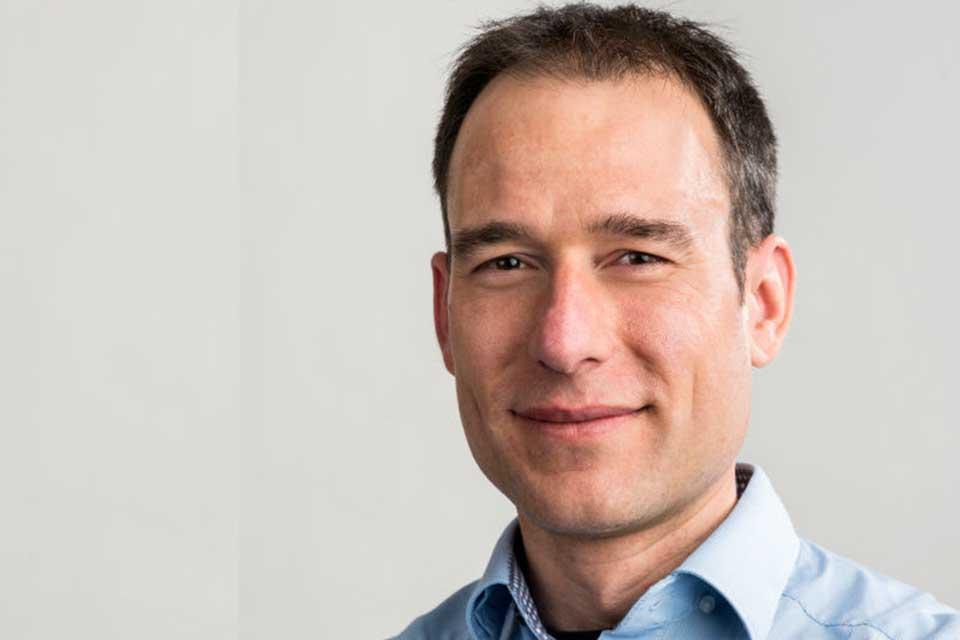
ALT A portrait of Professor Moritz Riede
1
1
13
1,247
Nicky Evans retweeted

FYI, MRS Fall Meeting Boston 😀, @OxfordPhysics @Materials_MRS @QueensCollegeOx
28 Nov 2023

On Friday (1st Dec), @physicistnevans is presenting a talk on his work on "Optimisation of a Polymerised Fullerene-Based Transport Layer for Organic Photovoltaics - Effect on Energetics, Layer Formation and Device Performance" at 14:30, Hynes room 208. #F23MRS
2
3
1,440
Nicky Evans retweeted

28 Nov 2023
On Friday (1st Dec), @physicistnevans is presenting a talk on his work on "Optimisation of a Polymerised Fullerene-Based Transport Layer for Organic Photovoltaics - Effect on Energetics, Layer Formation and Device Performance" at 14:30, Hynes room 208. #F23MRS
1
3
2,550
Nicky Evans retweeted
28 Nov 2023
We are delighted to have some Snaith group members at #F23MRS this week discussing their work on #perovskite materials. 🔥 Please do say hello if you're around! 👋 More details of where we'll be below👇
1
3
15
3,698
Nicky Evans retweeted
13 Sep 2023
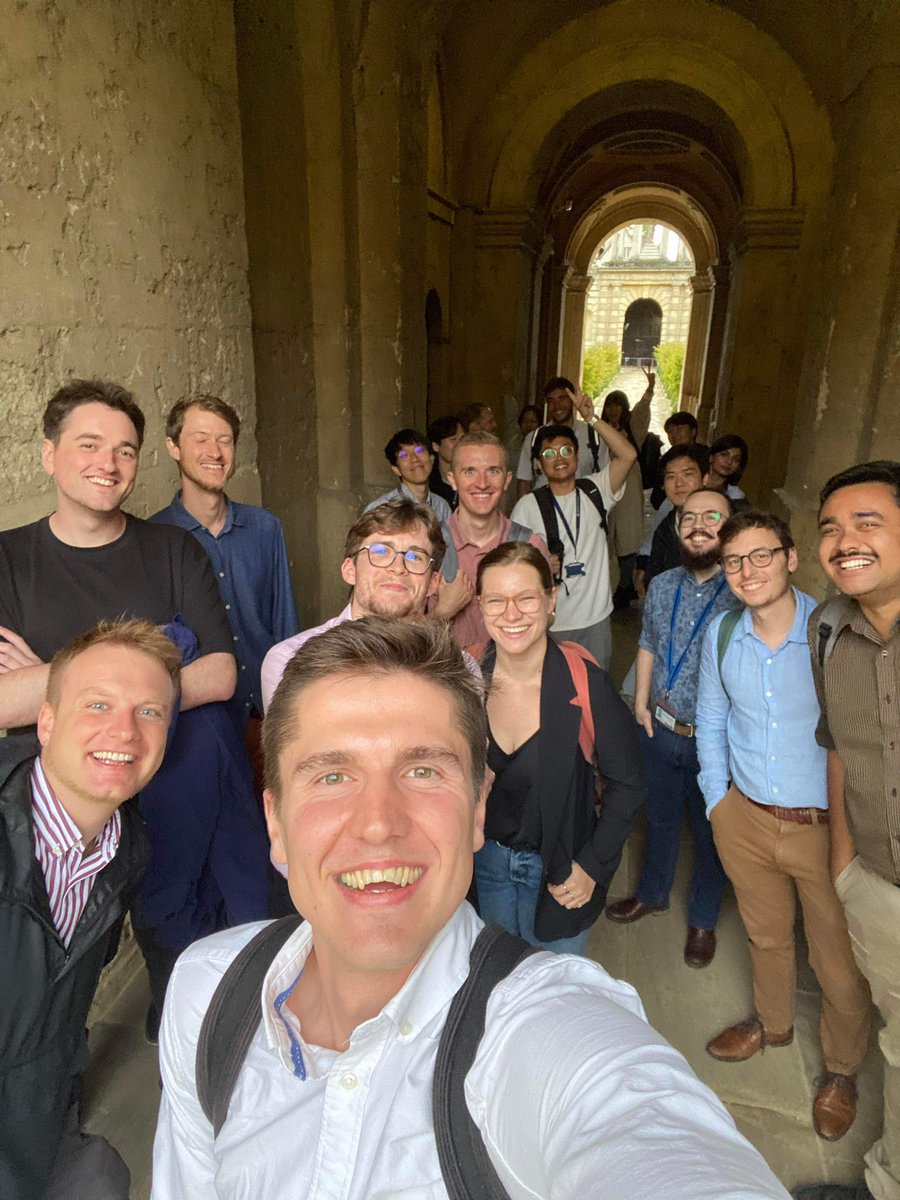
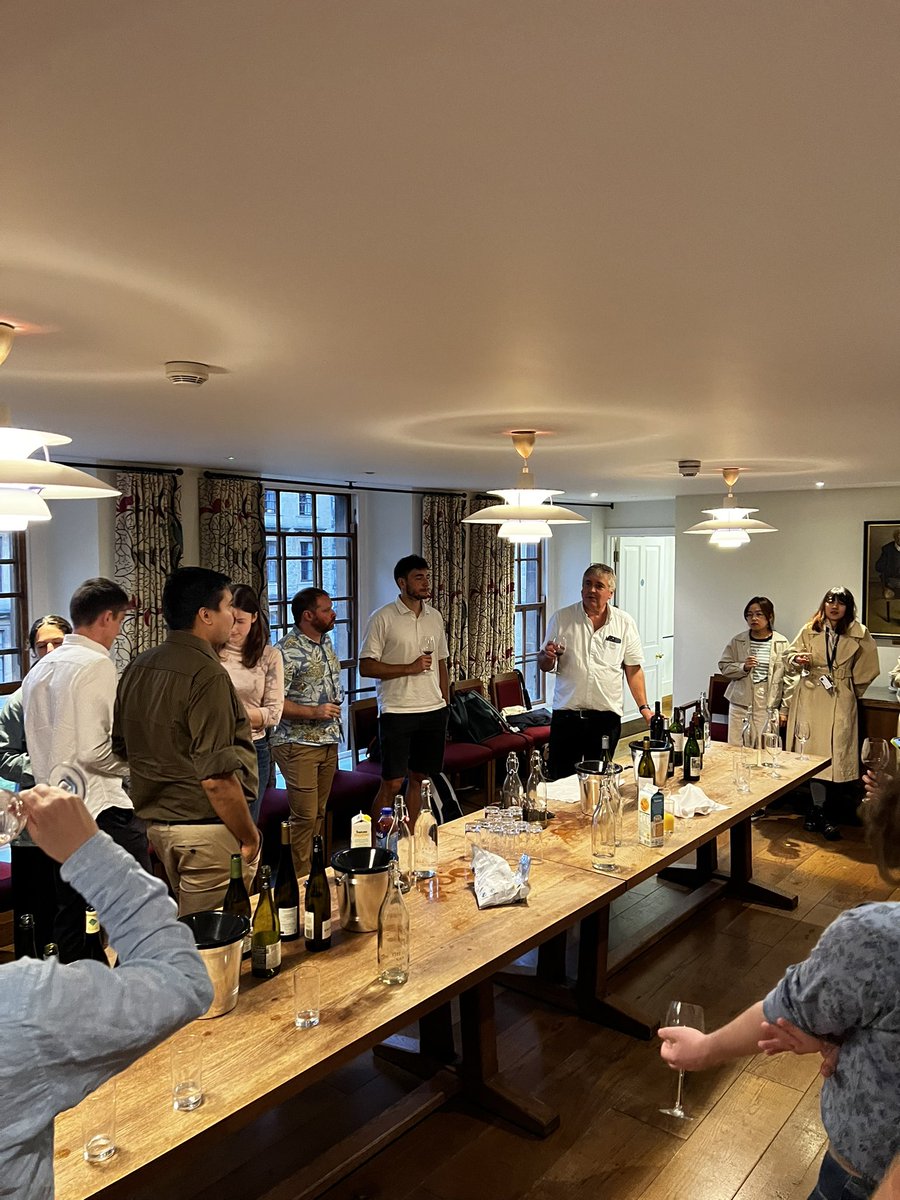
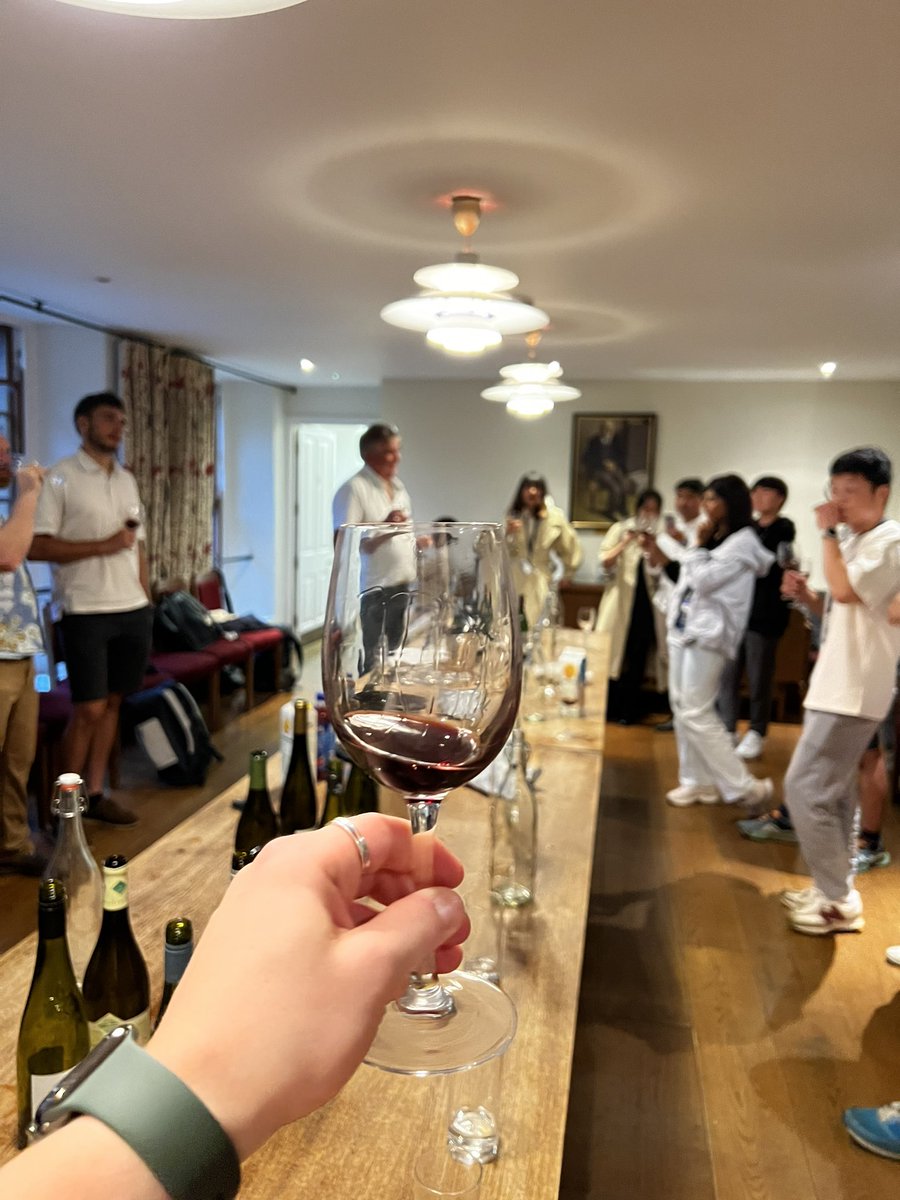
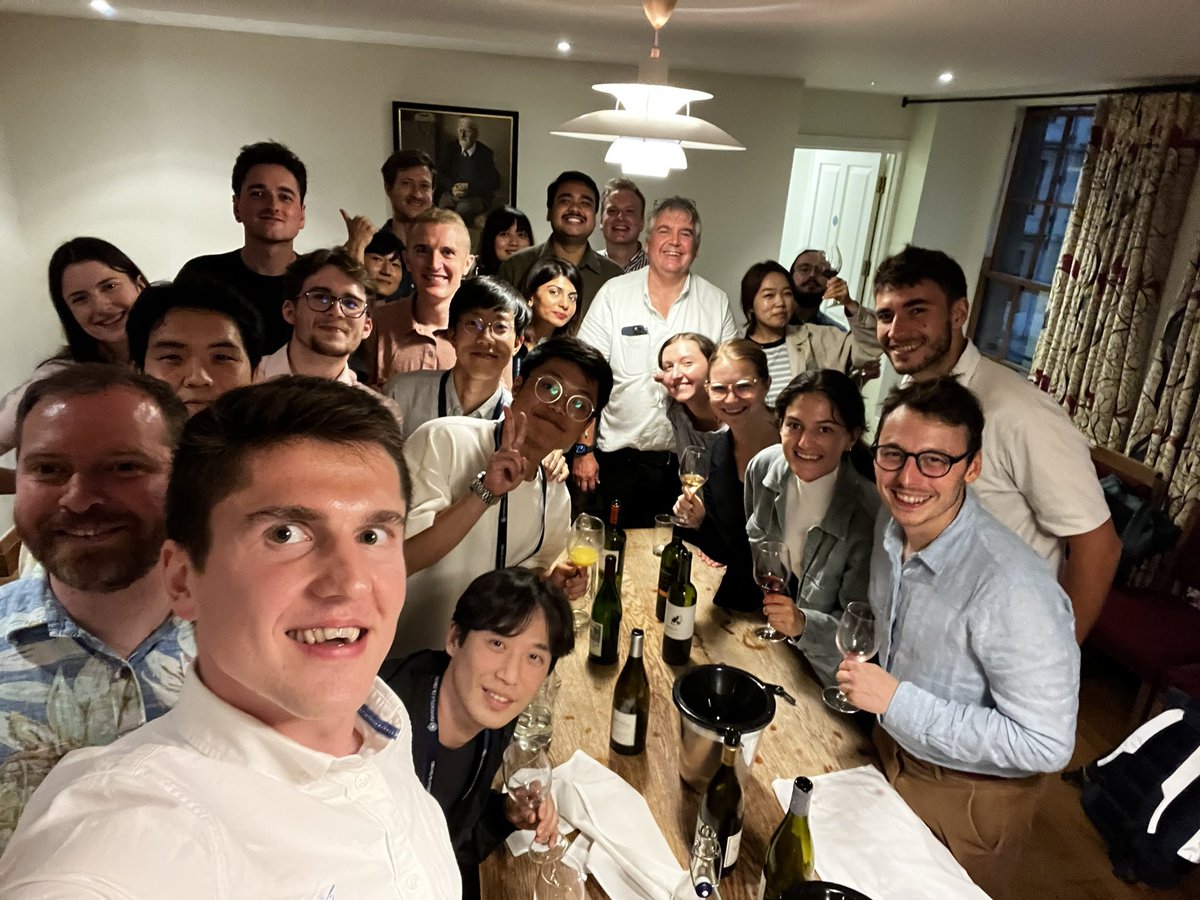
Very enjoyable Snaith Group win tasting social this evening, thank you Prof Taylor for hosting and having us @QueensCollegeOx!
2
5
40
2,800
14 Jun 2023
Thanks very much to all the organisers, speakers and of course @nanoGe_Conf for hosting an amazing #HOPV23 conference! All of the talks and posters have been greatly informative and really fascinating.
Particularly well done to all the members of @SnaithGroup who attended! 🥳
3
25
1,385
Nicky Evans retweeted
13 Jun 2023
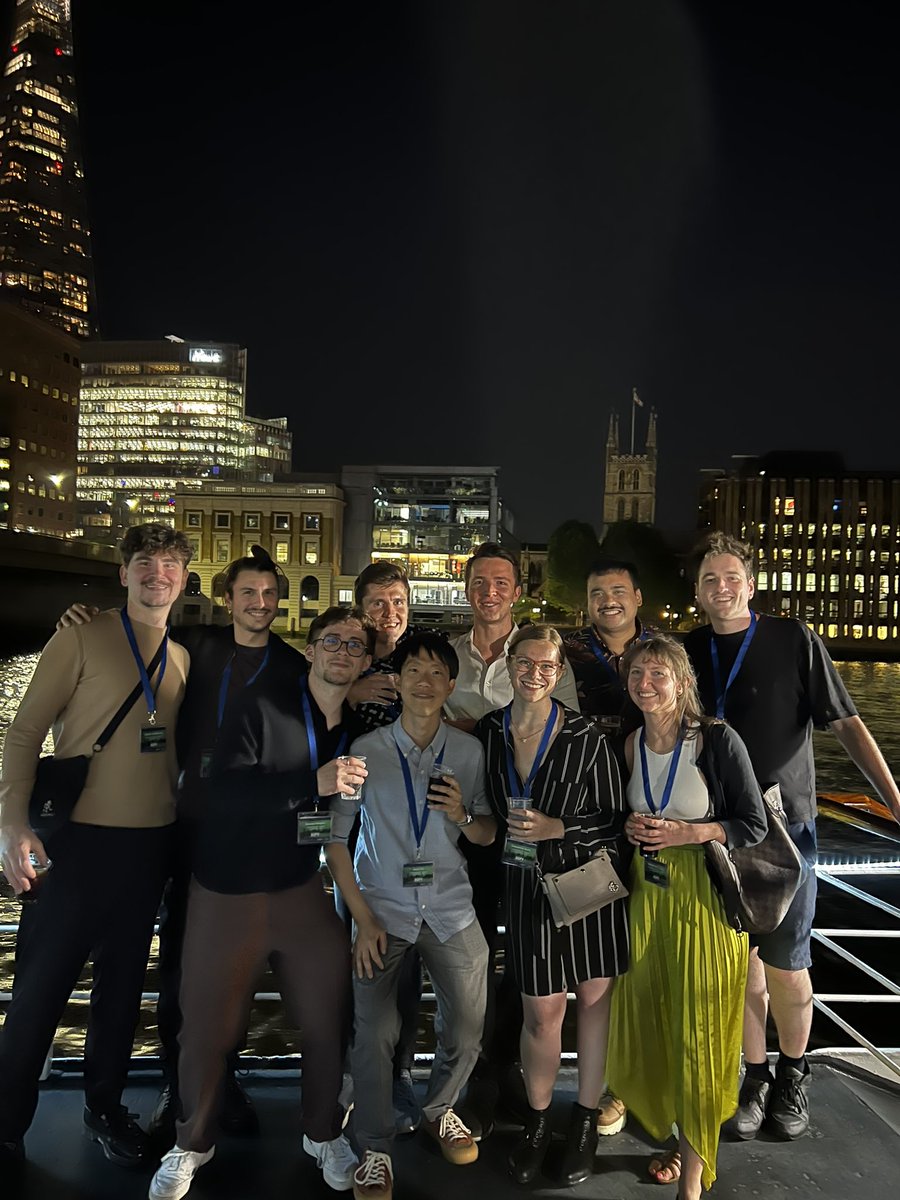
Great time at the #HOPV23 boat party featuring collaborators from @gingerlabUW! Thanks a lot for organising this fantastic conference @nanoGe_Conf ☀️👌
7
55
3,319
Nicky Evans retweeted
13 Jun 2023
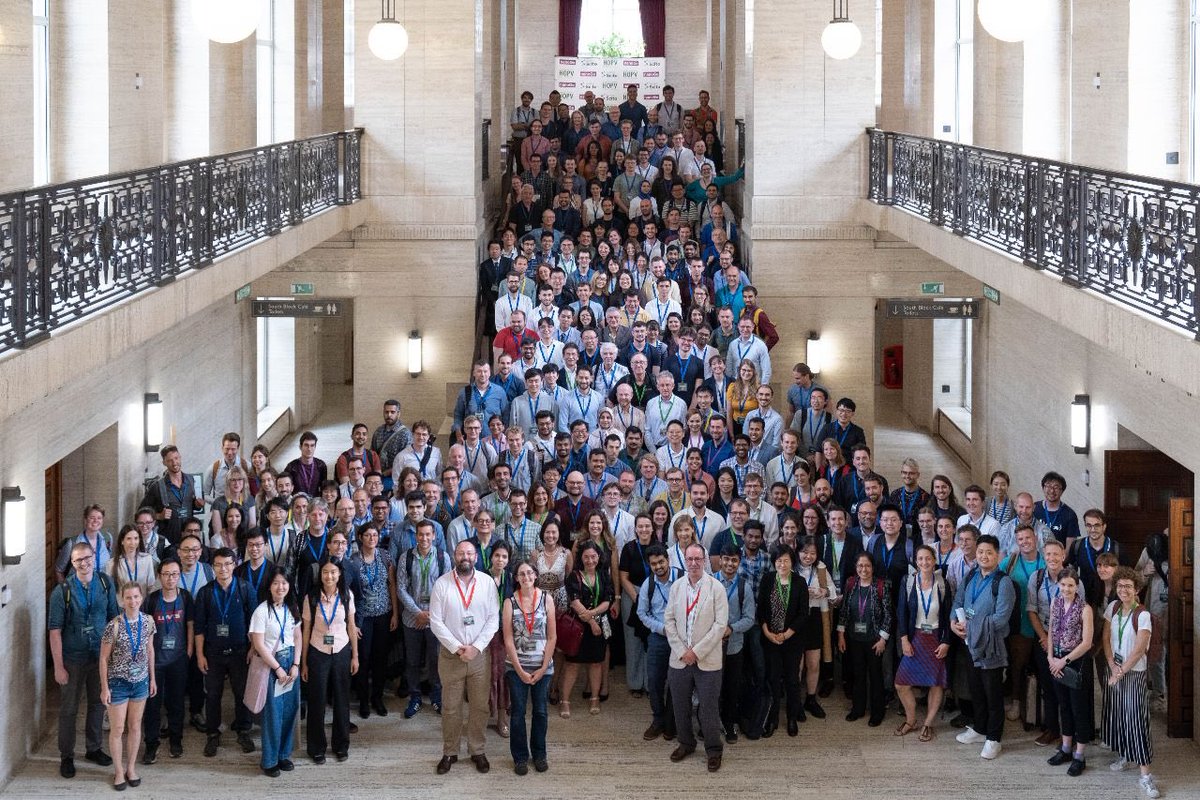
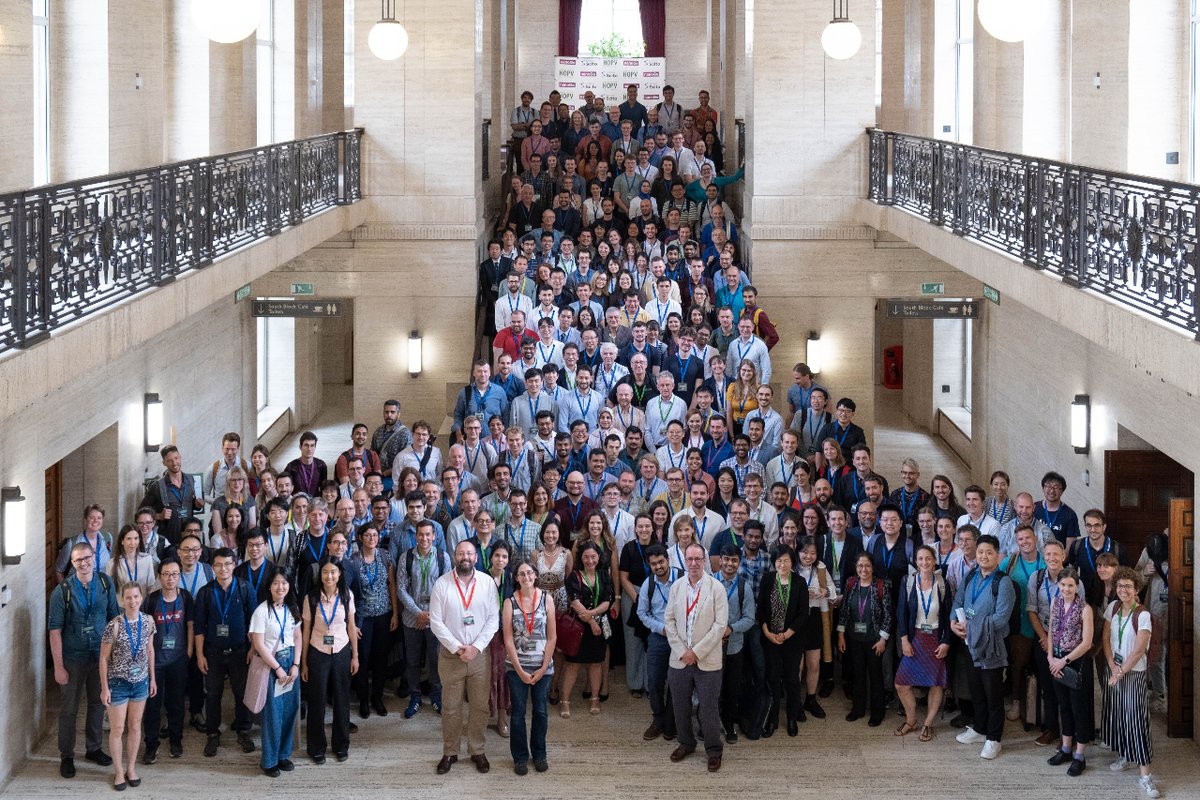
Amazing to have 17 members of our group here at #HOPV23 amongst this great crowd! 🤩📸
13 Jun 2023

#HOPV23 captured in a group photo!😀
📷Thanks to all participants for making this conference an unforgettable experience!
🔗nanoge.org/HOPV23/home
5
31
2,114
Nicky Evans retweeted
Meet the members of our group @OxfordPhysics researching #organic #photovoltaics, the next generation of #solarenergy, having the lowest #environmental #footprint of all and the potential to become the cheapest, as well youtu.be/xXdIYGPihkY @mplsoxford @OxfordGiving @UniOxford
1
9
23
12 May 2022
Just wanted to share a video from my research group @AFMDGroup, that I had the pleasure of featuring in, promoting our organic solar cell research!
Awesome to see the final production. 🔬☀️ #solarcell
youtu.be/zpksXF2cES4
2
9 May 2022
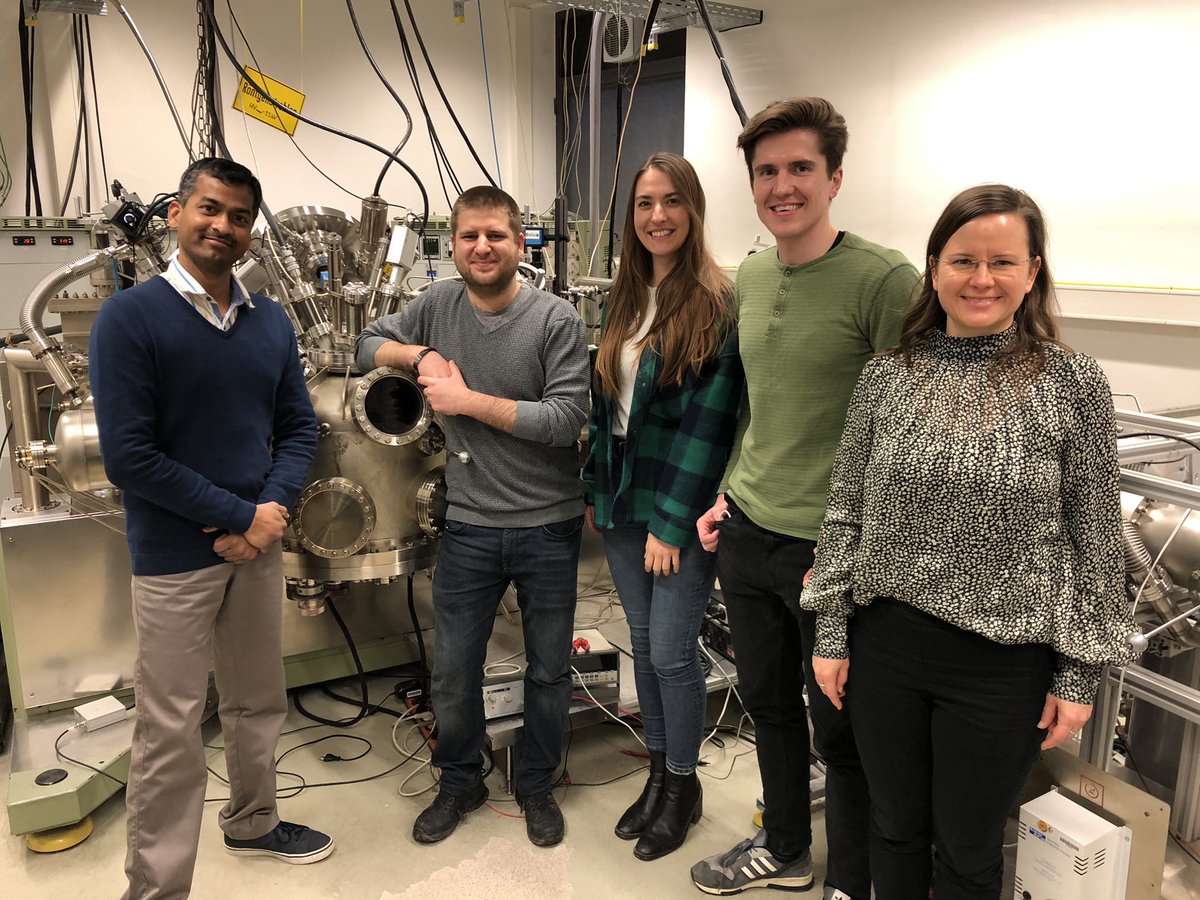
Thanks a lot @ChemUniCologne and Selina Olthof for hosting me over the last 6 months! It’s been a pleasure working with the group and I have learnt a lot about surface-sensitive spectroscopic techniques, namely UPS/XPS & IPES, as well as UHV systems. Hope to keep collaborating!
1
9
10 May 2022
Group photo in the lab! Here’s a link to the surface science group research if you’d like to find out more - surfacescience.uni-koeln.de
2
24 Sep 2021
Delighted to have been awarded a @rankprize grant to support my PhD research @OxfordPhysics, investigating novel and doped charge transport layers in organic solar cells. This funding will support me in travelling to work with the UPS system @ChemUniCologne. 🙌🏼 #rankprize #grant
1
4
12 Feb 2021
Thanks to everyone at @nanoGe_Conf , the organisers @brunoehrler, @evhauff & @KirchartzThomas and of course all the speakers for the Fundamentals of Emerging Solar Cells #PVSCHOOL! I thoroughly enjoyed it and learnt a lot! ☺️🧠
1
8
Nicky Evans retweeted

10 Feb 2021
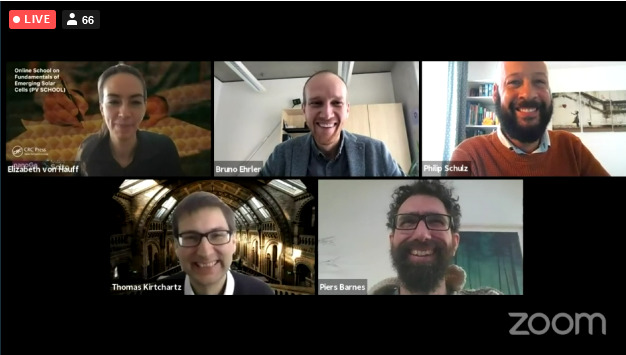
🔹 @KirchartzThomas, Piers Barnes & Philip Schulz (@HybridInterface) have been on the stage at #PVSCHOOL
🗣️ Amazing interactive sessions to learn about fundamentals of #solarcells and characterisation techniques. 🙌 How much have you learnt? 🧐
👉 nanoge.org/PVSCHOOL
1
10
10 Feb 2021
Great first day of the @nanoGe_Conf #PVSCHOOL! Thanks @KirchartzThomas, Piers Barnes and @HybridInterface for the interesting and useful talks! I’m very keen to dig into some of the papers suggested on UPS and learn more. 🔬
1
6
9 Feb 2021
Just checked out the conference hall and ePoster Board for the @nanoGe_Conf Online School on Fundamentals of Emerging Solar Cells. It all looks fantastic! I’m excited to get involved over the next 3 days and hopefully graduate from #PVSCHOOL 👨🏻🎓😉
1
5
25 Jan 2021
I’m currently fundraising for Alzheimer’s society by running 100 miles this January! This is to raise money for those suffering with dementia. If you’d like to help me out and donate then you can do so at: justgiving.com/fundraising/r…
Thanks a lot! 😊
1